
When it comes to maintaining a beautiful lawn, homeowners often wonder about the etiquette surrounding tipping lawn service professionals. Did you know that many people are unsure whether to tip or how much to give, creating confusion in an otherwise straightforward transaction? Tipping can not only show appreciation for hard work but also foster a positive relationship with the service provider. As a homeowner, understanding the nuances of tipping can enhance your experience and ensure that your lawn receives the best care possible. This guide will address common concerns, provide insights on when and how much to tip, and help clarify the expectations that come with hiring lawn service professionals. Whether you’re a long-time homeowner or a newcomer to lawn care, this article will equip you with the essential knowledge needed to navigate tipping etiquette like a pro.
Understanding Lawn Service Tipping Etiquette
Understanding the nuances of tipping lawn service providers can be a gray area for many homeowners. Unlike traditional tipping practices in restaurants or for hairdressers, lawn care involves a variety of services, each with its own expectations and norms regarding gratuity. As a homeowner, knowing when and how to tip can not only enhance your relationship with your service team but also motivate them to provide exceptional care for your lawn.
Firstly, it’s important to recognize that tipping is not always mandatory. Many lawn care professionals operate on a contractual basis, and their rates typically include compensation for their services. However, if you find that your team consistently goes above and beyond-be it through extraordinary attention to detail, timely service, or special requests-consider tipping as a way to show your appreciation. This gesture can foster goodwill and encourage high-quality service in the future.
In terms of how much to tip, various factors come into play. A common guideline is to tip between 10% to 20% of the service fee for smaller, one-off jobs, while regular service providers might appreciate a cash bonus during the holiday season or after particularly challenging tasks. Establishing a good rapport with your lawn care team can provide insights into what is appropriate, as local customs may vary.
It’s also worth noting that there are alternatives to cash tips-small tokens of appreciation, such as baked goods, beverages, or gift cards, can also express gratitude effectively. The key is to make your gesture personal and timely, letting your service team know their hard work does not go unnoticed. By understanding these aspects of lawn service tipping etiquette, you can enhance not only the quality of care your lawn receives but also the relationship you build with those who maintain it.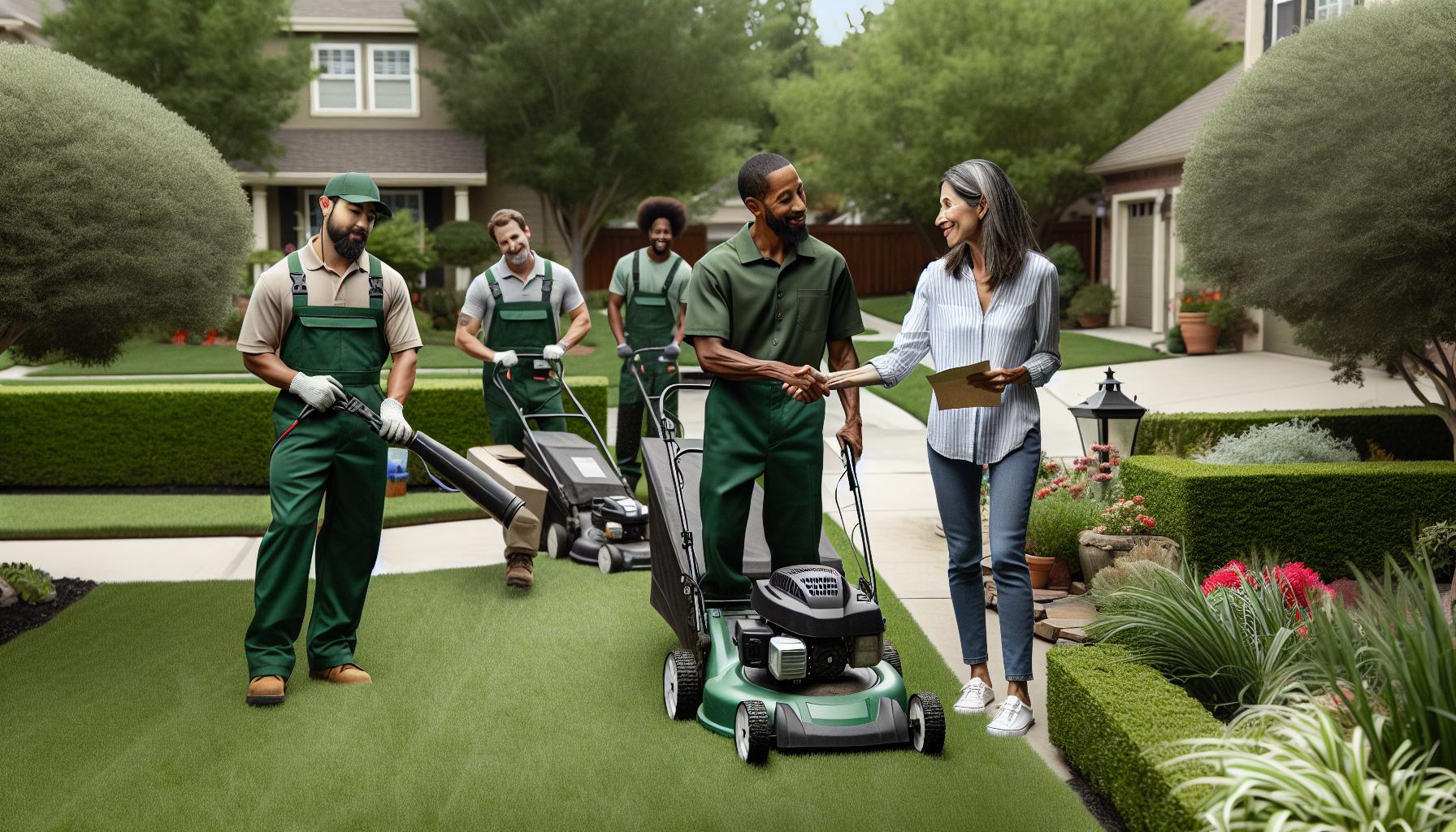
When to Tip Your Lawn Care Professionals
Understanding can significantly enhance your relationship with them and encourage continued high-quality service. One key moment to consider tipping is after a job well done, particularly when the service exceeds your expectations. For instance, if your landscapers arrive on time, take extra care with your plants, or tackle additional tasks without being asked, a tip serves as a tangible acknowledgment of their hard work and dedication.
Another important occasion to tip is during seasonal tasks, such as spring clean-up or fall preparations. These services can often be more labor-intensive, and expressing appreciation during these peak times can foster a sense of loyalty and motivation among your lawn care team. Offering a gratuity during the holiday season is also a common practice, as many homeowners choose to give a little extra around this time to show appreciation for a year of reliable service.
It’s essential to remember that the frequency and timing of your tips can vary based on your specific arrangement with the lawn care service. For regular maintenance, a Christmas bonus might be customary, while one-off jobs may only merit a tip if the service was exceptional. Communicating openly with your service providers can also clarify when and how much to tip, as locals often have specific customs or expectations about gratuity that you may not be aware of.
Ultimately, recognizing the right moments to tip can create a positive feedback loop; it not only motivates the professionals caring for your lawn but also strengthens your relationship with them. By being attentive to their efforts and expressing gratitude when warranted, you lay the groundwork for a mutually beneficial service dynamic.
Guidelines for Tipping Lawn Service Providers
Tipping lawn service providers can be a nuanced topic, yet it’s a crucial aspect of establishing a positive relationship with your landscaping team. Understanding when and how to tip not only shows appreciation but also fosters loyalty and encourages high-quality service. To guide homeowners on this etiquette, consider the following guidelines.
One key point to remember is that tipping isn’t mandatory but is often seen as a token of gratitude for exceptional service. When choosing to tip, the amount can vary based on several factors including the scope of the job and your overall satisfaction. For regular maintenance services, a helpful benchmark is to provide a tip equivalent to 10-20% of the service cost, while for one-time or seasonal jobs, a flat amount (such as $10-$20 per worker) can be appropriate. If your lawn care team has gone above and beyond-such as handling unexpected tasks or providing exceptional care-consider increasing your tip accordingly.
When to Tip:
- Directly After Services: Always consider tipping after a job well done, especially if the team has exceeded your expectations.
- During Peak Seasons: Seasonal clean-ups or complex landscaping projects merit extra recognition. Tipping during these busy times can motivate your team.
- Holidays and Special Occasions: Many homeowners choose to give an additional gratuity during the holidays as a way to thank their team for a year of dedicated service.
Alternative Appreciation Methods:
If tipping is not feasible, consider other ways to show appreciation. Simple gestures such as providing refreshments on hot days, offering gift cards to local coffee shops, or even leaving a positive review can also convey your gratitude and enhance your relationship with your lawn care team.
In conclusion, thoughtful tipping practices and appreciation for your lawn service professionals can go a long way. Not only does it acknowledge their hard work, but it also helps to build a rapport that can contribute to superior service in the future.
How Much to Tip Lawn Care Workers
Deciding can sometimes be a perplexing task, especially for new homeowners or those who have recently hired a landscaping service. Tipping is not just about monetary value; it reflects your appreciation for the service provided and can encourage exceptional performance in future visits. A good rule of thumb is to base your tip on the type of service you received, considering factors like job complexity, length of service, and overall satisfaction with the work.
For regular maintenance services, many homeowners find it appropriate to tip between 10-20% of the total service cost. This percentage acknowledges the consistent effort your lawn care team invests in maintaining your yard throughout the season. If your service costs $100, a tip of $10 to $20 would be expected. However, for those one-time or seasonal projects, such as a spring cleanup or major landscaping overhaul, consider tipping a flat amount that can range from $10 to $20 per worker, especially if the team has done an exceptional job.
Considerations for Exceptional Service
When a lawn care worker goes above and beyond-be it through meticulous attention to detail, handling extra tasks without being asked, or providing valuable advice on lawn care-it’s worthwhile to acknowledge their hard work with a higher tip. Such gestures not only reinforce positive behavior but also foster a sense of loyalty and appreciation. For example, if a team of landscapers spends a few extra hours on your property, or they tackle an unforeseen challenge effectively, an increased tip would be a clear signal that their efforts are recognized and valued.
Furthermore, remember that tipping can be flexible and should reflect your personal satisfaction and financial comfort. If you feel that cash tipping is not feasible for you at the moment, consider alternative ways to show your appreciation, such as leaving a positive review or providing refreshments during a hot day of work.
In conclusion, while it may not be mandatory to tip lawn care professionals, doing so can significantly enhance your relationship with them, paving the way for a continuing partnership that promises great results for your lawn.
The Impact of Service Quality on Tipping
The quality of service provided by your lawn care professionals can have a significant impact on your tipping decision. Homeowners often find that a job well done not only enhances the visual appeal of their yards but also builds a foundation for a lasting relationship with service providers. When your lawn care team exceeds your expectations-whether through meticulous attention to detail, efficient time management, or friendly customer service-consider how much that experience is worth to you.
To illustrate, if a crew arrives punctually, communicates effectively regarding your lawn’s needs, and goes above and beyond to clear debris or provide insightful care recommendations, these factors enhance their overall service quality. In such cases, a tip on the higher end of the scale is not just a reward; it’s an acknowledgment of their commitment to excellence. Conversely, if a service falls short-perhaps the lawn was left unevenly cut or the cleanup was neglected-this may influence your decision to either tip less or forego tipping entirely.
Understanding the nuances of service quality helps homeowners set appropriate tipping expectations. A common guideline suggests that tipping anywhere from 10-20% of the total cost is suitable for regular visits, while higher percentages or flat amounts can be considered for exceptional service or when multiple staff members contribute to a significant project. This ensures that your tipping reflects not only the financial value of the service but also your appreciation for the effort and care demonstrated.
In summary, service quality plays a crucial role in determining tip amounts. By recognizing outstanding performance, you encourage a culture of excellence among your lawn care team, fostering a more reliable and attentive service for your future needs. As you assess the quality of each visit, consider not just the job’s outcome but also the professionalism and care exhibited throughout the service experience.
Alternative Ways to Show Appreciation
Finding ways to show appreciation for your lawn care team can enhance your relationship with them beyond mere financial compensation. While tipping is a common gesture, there are numerous creative ways to express your gratitude that can leave a lasting impression. Just as a well-tended lawn reflects a homeowner’s care, a thoughtful act of appreciation can boost morale and encourage ongoing commitment from your service providers.
One effective approach is to provide homemade treats or snacks. A simple gesture like leaving out cookies, brownies, or even bottled water on especially hot days can make your lawn care team feel valued. This small act can foster goodwill and adds a personal touch that they’ll likely remember during future visits. Additionally, if you know the team has specific preferences or dietary restrictions, catering to those can further demonstrate your thoughtfulness.
Another option is to craft a heartfelt thank-you card expressing your appreciation for a job well done. A handwritten note can convey sincerity and recognition of their hard work. This small but meaningful gesture can significantly enhance their day and reinforce your positive relationship. For instance, mentioning specific details about what you loved regarding the service-like how tidy your yard looks or how much you appreciated their punctuality-covers both appreciation and constructive feedback.
For homeowners looking to make a more significant gesture, consider referring your lawn service team to neighbors or leaving a positive review online. Word-of-mouth referrals can significantly impact local businesses, and your endorsement can lead to new work for them. An online review on platforms like Google or Yelp will not only help the business grow but also establish your role as a supportive client in your community.
Lastly, if you work closely with a particular team or individual, remember to engage with them during service appointments. Simple conversations, inquiries about their work, or even sharing your specific preferences for lawn care can make them feel respected and valued. Building a rapport not only adds a personal touch but also encourages a better understanding of your lawn care needs, leading to even better outcomes in the future.
By considering these alternatives, you ensure that your appreciation for your lawn care professionals is conveyed in more meaningful ways, fostering a positive relationship built on mutual respect and recognition.
Regional Differences in Tipping Lawn Services
In the world of lawn care services, tipping practices can greatly vary depending on regional customs and cultural norms. Homeowners often find themselves wondering whether to tip their lawn care professionals, and if so, how much. Understanding these nuances can not only enhance your relationship with your service providers but also align your practices with local expectations.
In some areas, particularly urban locations with a competitive service market, tipping can be a common practice. Residents may regularly tip lawn service teams about 10-15% of the total bill, especially if they receive ongoing maintenance services. In contrast, more rural or suburban regions may lean towards a more informal approach where tipping is less expected. In these locales, showing appreciation can take the form of cash or gift cards on special occasions, rather than routine gratuities.
Local customs also play a significant role in determining how lawn care professionals perceive tips. For example, in the Southeastern United States, it’s not unusual for homeowners to offer snacks or drinks during the service as a gesture of goodwill rather than outright cash. Conversely, in areas like the Northeast, where tipping culture is more ingrained, leaving a cash tip might be seen as a necessary aspect of good service.
Furthermore, it’s essential to consider the composition of the lawn care teams you work with. If the service involves multiple workers, you might want to communicate with the lead on how to best distribute any tips among the team members. This cooperation fosters goodwill not just with one individual but throughout the team, reinforcing a sense of community and respect among your service providers.
Being aware of these regional differences in tipping etiquette for lawn services allows you to make informed decisions that reflect both your appreciation and local expectations. Whether you choose to tip or to express your gratitude in another form, understanding the cultural context will enhance your interactions with your lawn care team.
When Not to Tip: Common Misunderstandings
Many homeowners grapple with the question of whether to tip their lawn care professionals, leading to several misunderstandings about when tipping is appropriate. While many service industries have defined norms around gratuity, lawn care often falls into a gray area that can leave clients unsure of how to act. For example, some might believe that tipping is necessary for all services rendered, when in fact there are circumstances when it may not be expected or appropriate.
One common misconception is that you should always tip regardless of service quality or satisfaction. While tipping is a way to express gratitude for exceptional service, it should not be seen as an obligation. If a lawn care professional fails to meet agreed-upon standards-such as neglecting certain tasks or damaging property-homeowners should feel free to withhold a tip as a reflection of their dissatisfaction. Remember, gratuities are typically reserved for when a job is done well, not as a default action for every service provided.
Another misunderstanding involves the idea that tipping is expected for infrequent or one-time services. For example, if you hire a landscaping crew to perform a specific project, such as a seasonal cleanup or major redesign, tipping may not be commonplace if the engagement is a one-off. In these cases, a simple thank-you or positive review might suffice. It’s essential to assess the context of the service when deciding whether to tip or not.
Lastly, some homeowners mistakenly believe that a tip should be proportional to the bill, irrespective of the complexity or nature of the service involved. For straightforward, routine lawn maintenance provided in a less competitive market, leaving a small tip or none at all may be perfectly acceptable. Conversely, for more intensive projects that require significant skill or labor, a more substantial tip or additional appreciation might be warranted.
In summary, taking a nuanced approach to tipping can greatly enhance your relationship with your lawn care specialists. Understanding when not to tip, based on service qualities, engagement types, and prevailing regional customs, allows homeowners to navigate this aspect of lawn care with confidence and clarity.
Questions Homeowners Ask About Lawn Care Tipping
Many homeowners find themselves asking critical questions about tipping lawn care professionals, navigating the often murky waters of service etiquette. Understanding when and how much to tip can significantly influence your relationship with your service provider, enhancing mutual respect and goodwill.
One common question is whether tipping is standard practice for all lawn care jobs. The answer often depends on the type of service rendered. For routine maintenance, such as mowing or trimming, a tip may not be expected. However, if your provider goes above and beyond-perhaps by removing debris or doing extra work without additional charges-consider leaving a tip as a gesture of appreciation. Additionally, homeowners frequently inquire about the appropriate amount to tip. While there isn’t a strict rule, a typical guideline is to tip between 10% to 20% of the service cost for more personalized or extensive services.
People often wonder whether tipping should vary based on the performance of the service. Absolutely! If you’re unhappy with the results or if certain services were neglected, it’s perfectly acceptable to withhold a tip or offer constructive feedback instead. A fair approach can strengthen the relationship and encourage improvement in future service.
Finally, many homeowners are curious about alternative ways to express appreciation. Not every gesture needs to be monetary. Simple acts like leaving a positive review, providing refreshments on hot days, or simply saying thank you can foster a strong partnership with your lawn care team. These gestures can be just as meaningful, showing that you value their hard work and dedication.
Building a Relationship with Your Lawn Service Team
Building a solid rapport with your lawn service team is essential for ensuring a lush, well-maintained yard and establishing a long-term relationship that benefits both parties. Investing time in this relationship can lead to better service, custom recommendations tailored to your lawn’s unique needs, and often, a more pleasant overall experience. One effective way to foster connection is through open communication-share your preferences, ask questions about their services, and express any concerns you might have.
Additionally, regular feedback, whether it’s positive or constructive, helps them understand your expectations and adjust their approach accordingly. For instance, if you loved a particular mow pattern or if you prefer that they tackle weeds differently, letting them know will make future visits more aligned with your vision. Building a constructive dialogue not only aids in achieving aesthetic results but also enhances trust and respect.
Offering gestures of appreciation can also play a crucial role in this relationship. Consider providing cold drinks or snacks, especially during hot summer days, or leaving a glowing review after an outstanding service. Such gestures can make the lawn team feel valued, motivating them to put forth their best effort with your property.
Creating a routine check-in, perhaps during seasonal changes, allows you to discuss upcoming services, address any issues that arose, and even plan for seasonal treatments. Not only does this participatory approach help maintain your lawn’s health, but it also reinforces your commitment to a collaborative partnership that develops over time. This proactive engagement reflects your investment in both the service and the professionals delivering it, thus creating a strong foundation for a positive and productive relationship.
Tipping as Part of Lawn Care Budgeting
Incorporating tipping into your lawn care budget can significantly enhance your relationship with service providers while ensuring great service and care for your yard. Many homeowners often wonder how to allocate their finances to cover not just regular lawn maintenance but also tips that show appreciation for good work. By planning for these expenses, you can create a smooth budgeting experience that accommodates unexpected needs, such as extra services or seasonal changes.
Firstly, it might be beneficial to determine an average tipping percentage based on the total cost of services. For lawn care, tips ranging from 10% to 20% of the service fee are often appropriate, depending on the quality of service received. For instance, if a weekly mowing costs $50, setting aside $5 to $10 for your lawn care provider as a tip can be a reasonable approach. This practice not only compensates for hard work but also motivates service providers to maintain high standards.
Example Breakdown:
| Service Cost | 10% Tip | 15% Tip | 20% Tip |
|---|---|---|---|
| $30 | $3.00 | $4.50 | $6.00 |
| $50 | $5.00 | $7.50 | $10.00 |
| $100 | $10.00 | $15.00 | $20.00 |
Budgeting for tipping can also involve making adjustments during peak seasons when lawn care services are more frequent. For instance, if you expect a busy summer with additional treatments, consider setting aside extra funds each month beforehand. This proactive approach not only alleviates financial stress but allows you to tip consistently without feeling burdened during service visits.
Moreover, communicate open-endedly with your lawn care team about all expenses, including what constitutes an outstanding service. This will give you a clearer idea of the baseline for tipping while setting expectations on the overall care you wish for your lawn. Remember, a well-maintained outdoor space often reflects the efforts put into it by those you hire; tipping helps ensure those efforts are recognized and rewarded. By embedding these practices into your budgeting plan, you’re investing in both the service and the aesthetics of your property.
Q&A
Q: Should you tip lawn workers?
A: Yes, tipping lawn workers is common practice, especially if they provide exceptional service. Tipping can show your appreciation for their hard work and dedication, fostering a better working relationship. Reference the section “Understanding Lawn Service Tipping Etiquette” for more insights.
Q: How much should I tip my lawn care service?
A: The standard tip for lawn care workers is generally between 10% to 20% of the service cost. However, factors like service quality and complexity may influence this amount. For more detailed guidelines, check the “How Much to Tip Lawn Care Workers” section.
Q: When is it appropriate to tip lawn service providers?
A: It’s appropriate to tip after a completed job, especially if you notice outstanding service. Regular or seasonal services may also warrant tips. See “When to Tip Your Lawn Care Professionals” for further details.
Q: Are there alternative ways to show appreciation besides tipping?
A: Yes, alternative ways to show appreciation include offering drinks on hot days, providing positive feedback, or writing a referral. Explore the “Alternative Ways to Show Appreciation” for more ideas.
Q: How does service quality affect tipping practices for lawn care?
A: Service quality greatly impacts tipping; customers often tip more when they receive outstanding service, timely responses, and excellent results. For a deeper understanding, refer to “The Impact of Service Quality on Tipping.”
Q: What are common misconceptions about tipping lawn services?
A: A common misconception is that tipping is unnecessary if you pay for the service. In reality, tipping is a way to reward exceptional work and maintain good rapport. Learn more in the “When Not to Tip: Common Misunderstandings” section.
Q: Do lawn service tipping practices vary by region?
A: Yes, tipping practices can differ by region, with some areas having a stronger tipping culture than others. Check “Regional Differences in Tipping Lawn Services” for specific examples.
Q: How can I build a relationship with my lawn service team?
A: Building a relationship with your lawn service team involves regular communication, timely payments, and showing appreciation through tips or words of encouragement. For more strategies, see “Building a Relationship with Your Lawn Service Team.”
The Conclusion
Deciding whether to tip your lawn service can be tricky, but understanding the etiquette can help you show appreciation for their hard work. Remember that a small gesture of gratitude encourages high-quality service and builds a positive relationship with your lawn care professionals. If you found this guide helpful, explore more about lawn maintenance tips and landscaping ideas on our blog.
Don’t forget to check out our articles on lawn care best practices and seasonal maintenance guides to keep your outdoor space looking its best year-round. Have questions or want to share your experiences? Leave a comment below! Your feedback not only helps other homeowners but keeps the conversation going. For even more insights, consider signing up for our newsletter to stay informed on all things lawn care. Remember, a well-maintained lawn reflects your dedication-make it shine!