
Did you know that an unbalanced lawn mower blade can not only damage your grass but also make your mowing experience less efficient? Balancing the blade of your mower is essential for a healthy lawn and smoother operation. A well-balanced blade ensures even cuts, which promotes robust grass growth and enhances the overall appearance of your yard. As homeowners strive for pristine gardens and lush lawns, understanding how to balance a lawn mower blade at home becomes a crucial skill. Whether you’re a seasoned gardener or a weekend warrior, taking the time to maintain this equipment can save you time and money in the long run, while also contributing to the beauty of your outdoor space. Ready to learn how to achieve that perfect balance? Let’s dive in!
Why Balancing Your Lawn Mower Blade Matters
Balancing your lawn mower blade is crucial for achieving a neat and healthy lawn. A well-balanced blade ensures even cutting and enhances your mower’s overall performance. When a blade is unbalanced, it can lead to uneven lawn heights, causing stress to your grass and resulting in an unsightly appearance. Additionally, an unbalanced blade can increase wear and tear on your mower, leading to potential mechanical failures and costly repairs down the line.
The impact of an unbalanced lawn mower blade extends beyond aesthetics. It can cause vibration during operation, which not only makes mowing more difficult but can also lead to operator fatigue. This vibration may loosen bolts, damage the mower’s engine or deck, and even pose safety risks by leading to accidents. Hence, maintaining the balance of your mower blades isn’t just a matter of preference; it’s essential for safety, efficiency, and the longevity of your mowing equipment.
Moreover, balanced blades contribute to a smoother and more enjoyable mowing experience. When the blade operates correctly, the mower moves effortlessly across your lawn, cutting grass cleanly rather than tearing it. This clean cut minimizes the risk of disease and promotes healthier grass growth, allowing your lawn to thrive. Regularly checking and adjusting your mower blades can save time and money while ensuring your lawn remains the envy of the neighborhood. Balancing is a small but impactful step in lawn care that pays off in the long term.
Signs of an Unbalanced Lawn Mower Blade
Recognizing an unbalanced lawn mower blade can save you from a world of frustration and costly repairs. An unbalanced blade doesn’t just affect the aesthetics of your lawn; it can lead to uneven cutting, increased vibrations during operation, and prolonged wear on your mower’s components. By understanding the signs of an unbalanced blade, you can address the issue promptly, ensuring a healthier lawn and a more efficient mowing experience.
One of the most noticeable indicators of an unbalanced mower blade is uneven cutting. If you find that some patches of grass are longer than others after mowing, this inconsistency may stem from a blade that is not properly balanced. Additionally, you might experience excessive vibration when operating the mower. This vibration can be unsettling, making the job more labor-intensive and even uncomfortable, as it may cause operator fatigue.
Another sign to watch for is a scuffed or damaged lawn. A blade that is not balanced can tear grass rather than cut it cleanly, which opens the door to potential lawn diseases. If your lawn seems unhealthy or you notice browning patches, it may be due to the rough cuts made by an unbalanced blade. Lastly, you might hear unusual noises emanating from your mower, which could indicate that components are being stressed due to this imbalance.
By keeping an eye out for these warning signs, you can take the necessary steps to balance your lawn mower blade, ensuring that your mowing sessions are effective, efficient, and enjoyable.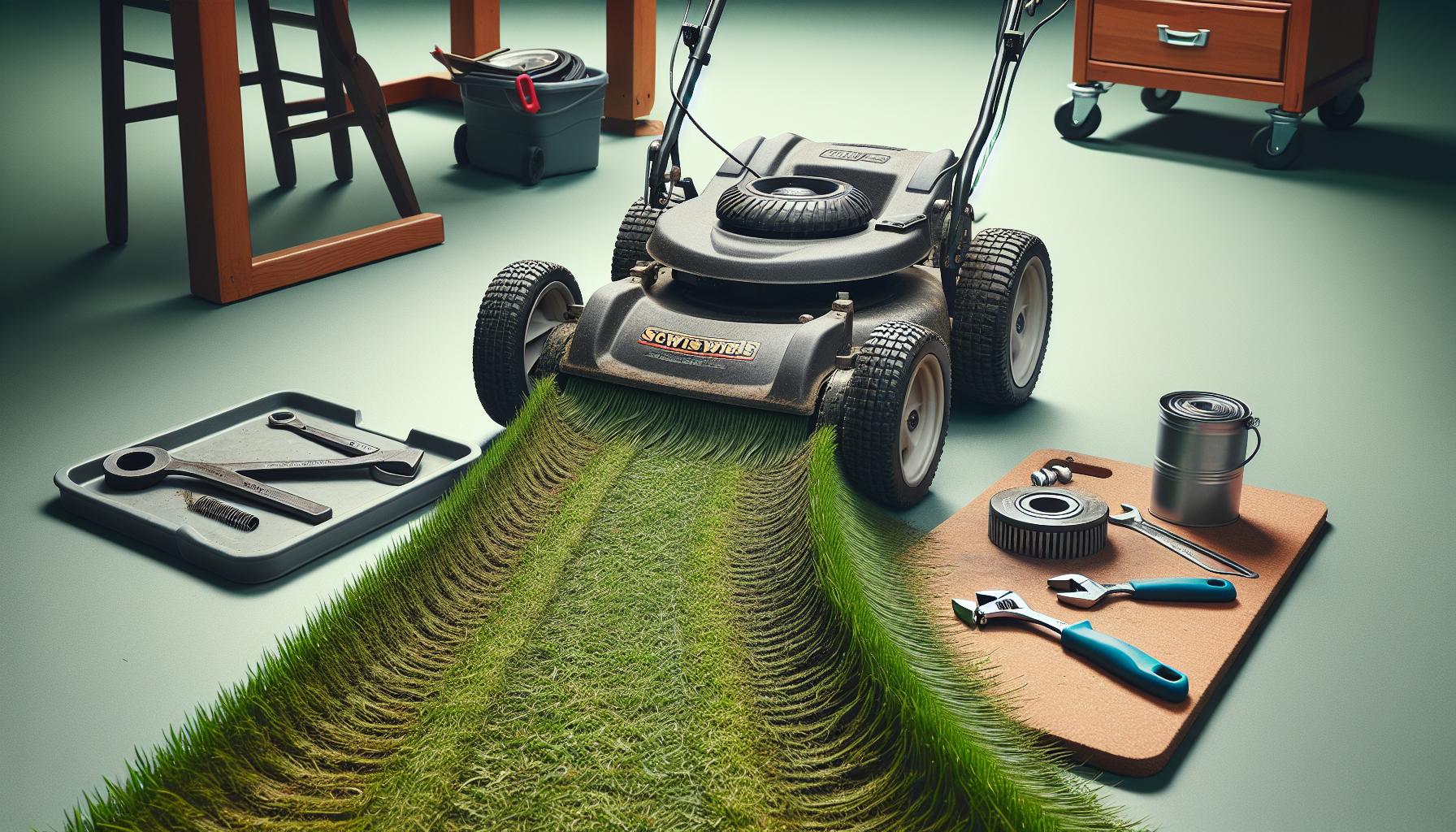
Essential Tools for Balancing Lawn Mower Blades
Ensuring your lawn mower blades are balanced is crucial not only for cutting efficiency but also for prolonging the lifespan of your mower. But before diving into the balancing process, you’ll need a selection of essential tools that will make this task straightforward and effective. Having the right equipment on hand can turn a potentially cumbersome chore into a quick and easy maintenance job.
To begin, a blade balancer should be your primary tool. This simple yet effective device can help you quickly identify whether your blade is balanced. You can purchase a specialized mower blade balancer, which allows you to rest the blade securely and will clearly indicate if one side is heavier than the other. If you don’t have a balancer handy, an alternative could be a level surface where you can place the blade to observe its balance visually.
Additionally, a socket wrench or ratchet set is necessary for removing the blade from the mower. Ensure you have the correct size to avoid stripping the bolt. Alongside this, a safety gear kit, including gloves and goggles, will protect you from sharp blade edges during the removal and handling process.
A file or sharpening stone is also a valuable addition to your toolkit. While balancing, it’s an excellent opportunity to sharpen the blade, helping it cut more efficiently. Lastly, keep some cleaning supplies such as a brush or cloth nearby. Keeping the blade and mower components clean will enhance performance and prevent debris buildup during mowing sessions.
Equipping yourself with these essential tools not only sets the stage for an effective balancing process but also promotes a safe and efficient working environment. With the right instruments at your disposal, you are well-prepared to maintain your lawn mower in optimal condition.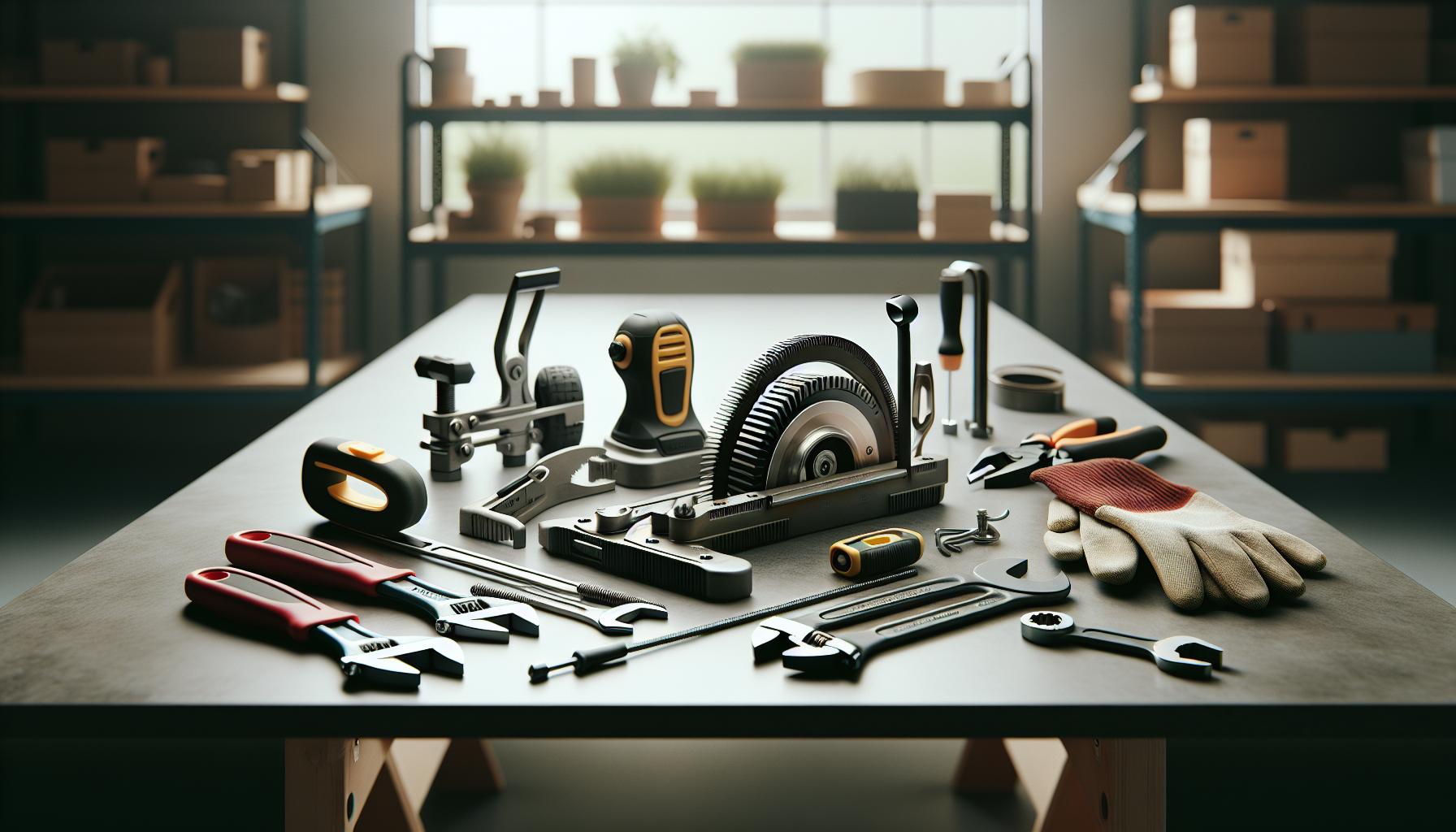
Step-by-Step Guide to Balancing Lawn Mower Blades
Getting your lawn mower blade balanced is an essential step in maintaining a healthy lawn and ensuring your mower operates at peak performance. An unbalanced blade can lead to uneven cuts, increased wear on the mower, and even engine damage. Fortunately, balancing a lawn mower blade at home is a straightforward process that anyone can accomplish with a little patience and the right tools.
To start, ensure your mower is completely turned off and disconnect the spark plug to prevent any accidental starts. Use your socket wrench to remove the blade from the mower deck, paying attention to how it’s attached so you can reinstall it correctly. Once the blade is off, place it on your blade balancer. This tool allows you to see which side of the blade is heavier. The less heavy side will rise, indicating where you need to make adjustments. If you’re using a level surface, simply resting the blade horizontally can also work; it should be even.
If the blade hangs unevenly, sharpen the heavier side using a file or sharpening stone until both sides are evenly balanced. After sharpening, it’s a good practice to clean any debris and rust from the blade before reinstalling it to keep your mower’s performance optimal. Once you’ve made sure the blade is balanced and clean, carefully reattach it to the mower, ensuring all bolts are tightened to the manufacturer’s specifications.
Finally, reconnect the spark plug and run the mower briefly to check for smooth operation. If you notice any vibrations or unusual noises, it may be necessary to repeat the balancing process. By following these steps, you’re not only ensuring a healthier lawn but also extending the life of your lawn mower. Regular checks on the balance of your blades can greatly enhance your mowing experience and help avoid future mechanical issues.
Common Mistakes to Avoid When Balancing
When it comes to balancing your lawn mower blade, there are several common mistakes that can lead to ineffective results and even potential damage to your equipment. One of the most critical errors is neglecting to clean the blade before starting the balancing process. Any accumulated grass, dirt, or debris can alter the weight distribution and lead to inaccurate readings when checking for balance. It’s essential to start with a clean blade to ensure that you’re working with the actual weight and condition needed for proper balancing.
Another frequent misstep is failing to utilize the right tools for the job. While it might be tempting to balance the blade on any flat surface, it’s much more effective to use a dedicated blade balancer. This tool provides a more precise assessment of the blade’s balance by allowing you to clearly see which side is heavier. Relying solely on a level surface can introduce errors, especially if there are any imperfections in the surface itself.
Proper weight distribution is crucial; therefore, don’t forget to check and adjust frequently during the sharpening process. Many DIYers make the mistake of sharpening only once before checking balance again. Instead, it’s advisable to periodically check the balance as you sharpen to avoid overdoing it on one side, which can lead to an unintentional imbalance. Additionally, some may skip a final verification of the blade’s balance after reattachment. This step is vital; even slight movements can alter its balance after installation on the mower.
Lastly, a crucial error is overlooking safety precautions. Always ensure that the mower is off, and the spark plug is disconnected before attempting any maintenance. Skipping this simple step can lead to serious accidents. By being mindful of these common pitfalls, you can enhance your lawn mower’s performance and prolong its lifespan, ultimately leading to a healthier and more attractive lawn.
The Benefits of Regularly Checking Mower Blade Balance
Regularly checking the balance of your lawn mower blades can significantly enhance the performance and longevity of your equipment. Not only does a well-balanced blade ensure a smooth cut, but it also contributes to a healthier lawn. A staggering statistic is that an unbalanced blade can cause the mower to vibrate excessively, leading to wear and tear that might necessitate costly repairs or even replacement. Therefore, staying vigilant about blade balance is a simple yet effective way to protect your investment and maintain the aesthetic quality of your lawn.
Maintaining blade balance facilitates an even cut, which is crucial for preventing damage to your grass. An unbalanced blade can lead to uneven grass lengths, resulting in an unattractive lawn and stress on the grass blades, making them susceptible to disease. An optimal cut encourages fuller growth and a lush green appearance, enhancing curb appeal. Moreover, when blades are balanced, the mower operates more efficiently, reducing the amount of energy required to produce a clean cut and ultimately saving you on fuel costs.
Additionally, taking the time to regularly check and adjust your mower blades can prevent vibrations that could lead to loosened components over time. Consistent maintenance not only keeps the mower in top condition but also minimizes the risk of unexpected breakdowns during the mowing season, ensuring your equipment is always ready for use when you need it most. It’s a small commitment of time that pays off in both performance and reliability.
In summary, the benefits of regularly checking your mower blade balance culminate in better lawn health, reduced operational costs, and enhanced equipment longevity. By focusing on the balance, you’re not just caring for your mower; you’re also cultivating a thriving lawn that makes every mow worthwhile.
How Often Should You Balance Your Lawn Mower Blade?
Maintaining the balance of your lawn mower blade is crucial for optimal performance and a healthy lawn. A well-balanced blade not only ensures a clean cut but also minimizes the risk of potential damage to your mower. So, how often should you check and balance your mower blades? Ideally, it’s advisable to perform this maintenance task at least once before the mowing season begins. However, the frequency can really depend on several factors, including the type of lawn mower, the mowing conditions, and how often you use it.
After each mowing session, you should inspect the blades for any signs of wear or damage. If you notice excessive vibrations while mowing, it’s a clear indication that the blade may be unbalanced. Additionally, if you frequently mow over rough terrain or encounter debris, you might need to check the balance more regularly-every few uses or as needed. Consistency in maintenance not only prolongs the lifespan of your equipment but also enhances the quality of your mowing results.
It’s also worth considering the seasonal variations in usage. For instance, during periods of heavy use like spring and summer, a monthly balance check could be beneficial. Conversely, during off-seasons, you can reduce this frequency. Keeping a maintenance log to track when you last balanced the blades can be a helpful tool in determining the right schedule for your specific situation.
In essence, making blade balancing a regular part of your lawn care routine will optimize mower performance, ensure a healthier lawn, and save you from costly repairs or replacements down the line. It’s a small investment of time that yields significant dividends in lawn care quality and equipment reliability.
Advanced Techniques for Expert Lawn Mower Blade Balancing
Achieving the perfect balance on your lawn mower blade can significantly enhance your mowing experience and extend the life of your equipment. It’s not just about cutting grass; a well-balanced blade ensures smooth operation, lower vibrations, and a consistently manicured lawn. One advanced technique is utilizing a blade balancer specifically designed for this purpose. These tools provide precise measurements, allowing you to identify even minute imbalances that can affect performance.
Additionally, consider employing a static balance method with a simple setup involving a horizontal rod placed on a stable surface such as sawhorses. By placing the blade on the rod, you can easily identify which side is heavier and requires trimming. If you find that a blade is consistently unbalanced, you might also look into professional sharpening services. Many hardware stores offer blade sharpening which often includes balancing as part of their service. This can save time and provides assurance that the blade is expertly tuned for optimal efficiency.
Another technique is to keep a detailed log of your blade maintenance. Noting down the frequency of use, conditions under which you mow, and any adjustments made can reveal patterns. For instance, if you frequently mow after heavy rainfall, you may notice your blades becoming unbalanced faster. Adjusting your maintenance schedule based on these observations can lead to proactive care rather than reactive fixes.
Finally, integrating vibration analysis technology can be an advanced solution for those serious about lawn maintenance. Some modern mowers are equipped with sensors that measure vibration levels. If you can access such technology, it can give you real-time feedback on blade performance and alert you to potential issues before they escalate. This proactive approach not only ensures a well-maintained mower but also contributes to healthier lawn growth and extended equipment lifespan.
By employing these techniques, you can take your mower maintenance to the next level, ensuring that your lawn remains in pristine condition while minimizing wear on your equipment.
Troubleshooting: Issues After Balancing Your Blade
After successfully balancing your lawn mower blade, you may still encounter some issues that could hinder performance. Understanding and addressing these problems is key to ensuring your mower operates smoothly and effectively. One common observation is the presence of vibrations even after balancing. This can arise from several factors, including wear and tear on the mower deck or bolting issues that may need your attention. If you notice continued vibration, it’s wise to inspect not just the blades but also the spindle and bearings to confirm everything is snug and secure.
Another concern post-balancing could be uneven cutting. If your mower still leaves grass untrimmed or unevenly cut, the blade may not be seated correctly or could be damaged. A thorough check of the blade attachment should be done; a loose blade can wobble during operation, leading to a poor cut quality. Ensure the blade is not only balanced but also sharpened appropriately-dull blades can cause grass to tear instead of cut cleanly, affecting appearance and health.
Sometimes, users notice that their mower is pulling to one side during operation. This issue might not relate directly to the blade balance but could indicate a problem with wheel alignment or tire pressure. Make sure all four wheels are at the correct pressure and inspect them for any deformities. If one side is lower than the other, you’re likely to experience pulling.
Finally, it’s essential to recognize odd noises as warning signs. If your mower sounds different after balancing-perhaps louder or producing grinding noises-it could indicate an issue with the blade detachment mechanism or wear in the bearing assemblies. Regular maintenance routines, including checks for belt tension and visual inspections, can help identify issues that may develop after you’ve balanced the blade.
In summary, while balancing your lawn mower blade can significantly improve performance, ongoing attention to other mower components will help prevent and troubleshoot issues that arise. Making these inspections part of your standard maintenance protocol can ensure a long life for both your mower and your lawn.
Alternative Methods for Balancing Lawn Mower Blades
Balancing your lawn mower blades doesn’t have to rely solely on conventional methods. There are various alternative techniques to achieve a well-balanced cutting surface that can enhance your mower’s performance. One innovative approach is using a bench grinder fitted with a balancing jig. This setup allows you to visually inspect imbalance while grinding the blade’s edge. Begin by lightly touching the blade to the grinder until you see the heavier side wear away. This method enables quick adjustments, ensuring that the blade remains as sharp as it is balanced.
Another effective method is leveraging a simple level or a homemade balancer. By using a long, sturdy piece of wood and two simple clamps, you can create your own balancing tool. Attach the blade securely to the wood’s midpoint, ensuring it can pivot freely. As you place the wood horizontally on a flat surface, you will quickly identify which side dips lower, indicating where material needs to be removed. This method is straightforward and requires minimal tools, making it perfect for home users looking to save both time and money.
For those who may prefer not to engage in DIY solutions, several commercial balancing tools are available. These tools, often designed with magnetic features, hold the blade in place while it settles to reveal the heavy spot. This technique offers a professional-level result with little effort. A few brands even sell blade balancing kits that come with detailed instructions for safe and effective use.
Ultimately, whichever alternative method you choose, understanding your mower blade and taking the time to balance it properly can significantly impact your mowing efficiency. A well-balanced blade doesn’t just enhance cutting precision; it also can prolong the life of your mower by reducing unnecessary wear and tear. Regularly exploring and adopting these alternative techniques can elevate your lawn care game, ensuring your equipment runs smoothly and efficiently for years to come.
Maintaining Your Mower for Optimal Performance
To ensure your lawn mower operates at peak performance, regular maintenance is crucial. Neglecting this aspect can lead to uneven cuts, increased wear and tear, and even potential engine problems. One of the key components that need consistent attention is the mower blade, especially when it comes to balancing. An unbalanced blade not only makes mowing inefficient but also creates additional strain on the mower’s engine.
Regular inspections should be part of your mower maintenance routine. Start by checking the blade’s sharpness and integrity. A dull or damaged blade can cause uneven cuts and increase the load on the mower. Additionally, inspect the blade for any signs of imbalance, such as vibrations when it’s in operation. If you notice any inconsistencies, it’s a sign that balancing is needed, and the task can often be handled at home with the right tools and techniques.
Key Maintenance Tips
- Inspect Before Use: Always check the blade for damage or wear before using the mower. This small step can prevent more significant issues down the line.
- Clean the Blade: After each mowing session, clean the blade to remove grass clippings and debris. This helps maintain its performance and longevity.
- Regular Balancing: Incorporate blade balancing into your maintenance routine-roughly every few months or after every 10 hours of use, depending on your mowing frequency.
- Check Other Components: Don’t forget to maintain other critical parts of the mower, like the air filter, spark plug, and oil levels, for optimal engine performance.
Performing these maintenance tasks will not only keep your mower blade balanced but will also enhance the overall lifespan of your equipment. By staying consistent with your maintenance regimen, you’ll ensure that your mower runs efficiently, providing you with a beautifully manicured lawn. Remember, a well-maintained mower not only makes the chore of lawn care easier but also elevates your outdoor space to a new level of aesthetic appeal.
Safety Tips When Balancing Mower Blades
When preparing to balance your lawn mower blades, safety should be your top priority. Working with mower blades can pose several risks, so taking the right precautions is essential to prevent accidents and injuries. As you gather your tools and prepare for maintenance, consider these vital safety tips to ensure a secure balancing process.
First and foremost, always disconnect the spark plug before starting any work on your mower. This simple step can prevent accidental starts, protecting you from the risk of injury while handling the blade. Additionally, wear protective gear, such as gloves and safety glasses. Gloves will help shield your hands from sharp edges, while safety glasses protect your eyes from debris that might dislodge during the balancing process.
Ensure that your work area is well-lit and free of clutter. A tidy workspace not only makes it easier to focus but also reduces the chance of tripping or falling. When lifting the mower or any heavy components, use proper lifting techniques: bend your knees, keep your back straight, and lift with your legs. This practice will help you avoid strain or injury.
While balancing the blades, it’s crucial to use a secure blade holder or a balancing tool that stabilizes the blade firmly. This way, you can prevent it from slipping or causing a mishap during adjustment. Moreover, always verify that your tools are in good working order and suitable for the task to avoid failures that could lead to accidents.
By adhering to these safety practices, you can ensure a smooth and secure balancing experience, allowing you to maintain your mower effectively without jeopardizing your well-being. Proper safety measures not only protect you but also contribute to the longevity and performance of your lawn mower, making your lawn care chores more efficient and enjoyable.
Q&A
Q: How can I tell if my lawn mower blade is unbalanced?
A: You can tell if your lawn mower blade is unbalanced if the mower vibrates excessively during operation or if it leaves uneven cuts on the grass. Check for visible nicks or bends on the blade and listen for unusual noises while cutting.
Q: What tools do I need to balance a lawn mower blade at home?
A: To balance a lawn mower blade at home, you’ll need a blade balancer or a level surface to check balance manually. A socket wrench to remove the blade and safety gloves are also recommended. Refer to the “Essential Tools for Balancing Lawn Mower Blades” section for more details.
Q: Can an unbalanced lawn mower blade damage my mower?
A: Yes, an unbalanced lawn mower blade can cause damage to your mower by leading to excess wear on the engine and cutting deck. It can also lead to safety hazards due to increased vibrations. Regularly checking the balance can prevent these issues.
Q: How do I manually balance my lawn mower blade without special tools?
A: You can manually balance your lawn mower blade by placing it on a level surface, such as a sawhorse. Adjust the edges until both sides hang evenly. Ensure to check carefully against a balanced edge for accuracy. For detailed guidance, see the “Step-by-Step Guide to Balancing Lawn Mower Blades.”
Q: How often should I check the balance of my lawn mower blade?
A: It’s recommended to check the balance of your lawn mower blade at least once per season or after every 10-15 hours of use. For further insights, visit the “How Often Should You Balance Your Lawn Mower Blade?” section.
Q: What are common mistakes to avoid when balancing a lawn mower blade?
A: Common mistakes include not ensuring the blade is clean, neglecting to check for wear or damage, and using improper tools for balancing. For a comprehensive overview, please refer to “Common Mistakes to Avoid When Balancing” in your article.
Q: Is it safe to balance a lawn mower blade at home?
A: Yes, it is safe to balance a lawn mower blade at home as long as you follow proper safety precautions, such as wearing gloves and securing the mower. Always disconnect the spark plug before beginning any maintenance. For more on safety, check the “Safety Tips When Balancing Mower Blades” section.
Q: How can I maintain my mower for optimal performance after balancing?
A: To maintain your mower for optimal performance after balancing, regularly sharpen the blade, clean the mower deck after use, and check the oil levels. Refer to the “Maintaining Your Mower for Optimal Performance” section for further strategies.
The Way Forward
Balancing your lawn mower blade at home is a simple yet essential task that can enhance your mowing efficiency and prolong the life of your mower. By ensuring your blade is properly balanced, you can achieve a cleaner cut and healthier lawn. Don’t wait to put these tips into action-your lawn is counting on you!
If you’re interested in more ways to maintain your lawn equipment effectively, check out our articles on “How to Sharpen Lawn Mower Blades” and “Essential Lawn Care Tips.” For any lingering questions or to share your own experiences, feel free to leave a comment below!
Ready to elevate your lawn care skills even further? Subscribe to our newsletter for exclusive tips and tricks, or explore our product recommendations for tools that make maintenance a breeze. Your journey to a lush lawn starts now!