
Starting your lawn mower can sometimes feel like solving a mystery, especially when it refuses to start just when you need it most. Did you know that a significant number of lawn mower issues stem from simple, common problems that you can fix on your own? In this guide, we’ll explore effective solutions to help you troubleshoot and quickly address these everyday dilemmas. Whether you’re facing stubborn engines, fuel concerns, or spark plug issues, understanding how to start your mower properly can save you time, money, and the frustration of an overgrown lawn. Dive in to discover tips and tricks that will have your mower roaring to life and your yard looking pristine again.
How to Identify Common Lawn Mower Starting Issues
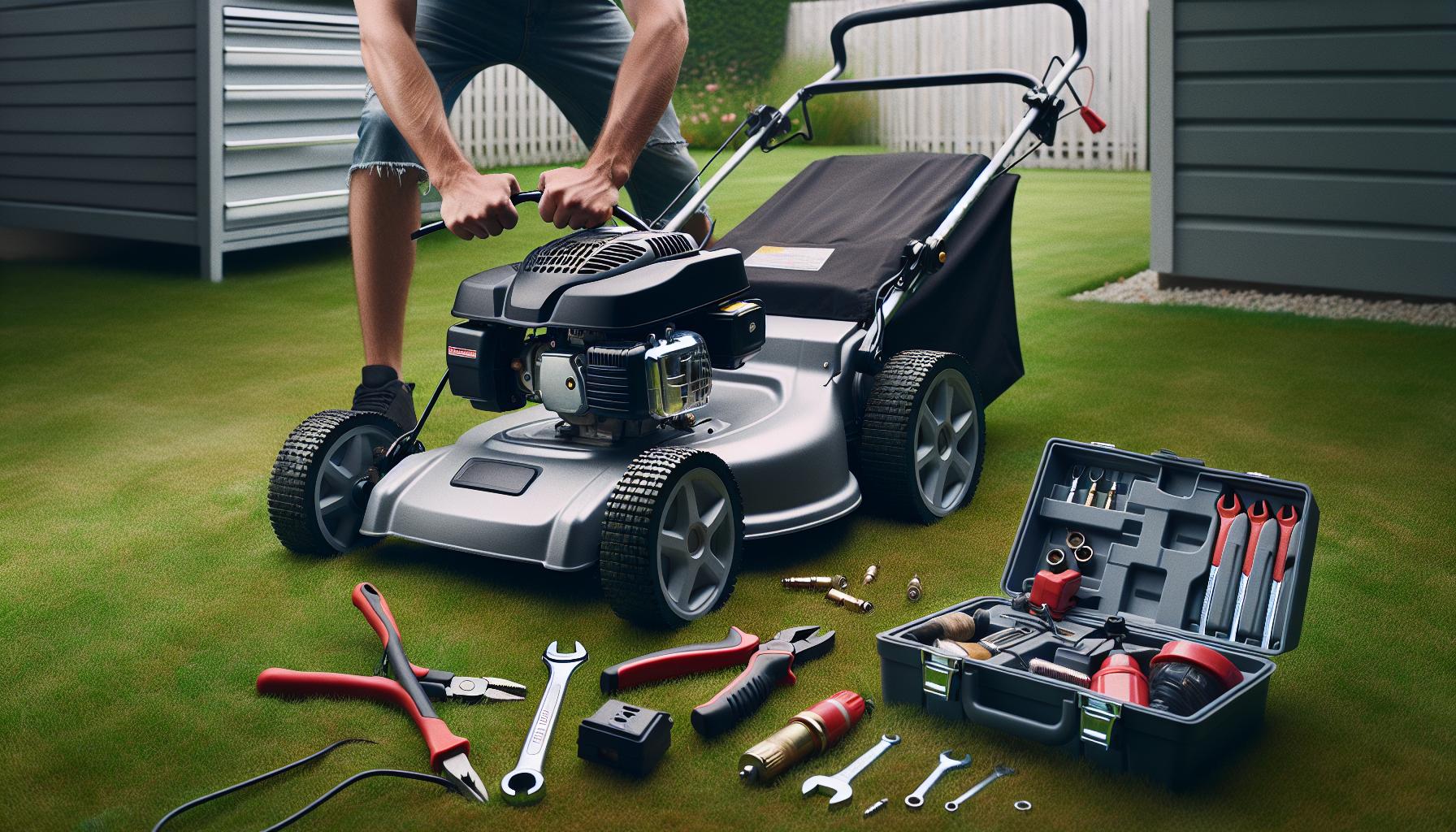
Experiencing difficulty starting your lawn mower can be frustrating, especially when you’re eager to tackle the overgrown grass in your yard. The first step in addressing this common annoyance is to identify the underlying issues that might be preventing your mower from starting. Several factors could be at play, ranging from fuel problems to mechanical failures, but common indicators can help you pinpoint where to focus your troubleshooting efforts.
One frequent culprit is a lack of fuel or stale gasoline. If your mower has been sitting idle for an extended period, check the fuel level and consider replacing any old fuel, as gasoline can degrade and lose its combustible properties over time. Additionally, inspect the fuel lines for any clogs or leaks that could hinder the delivery of gas to the engine. Another common issue is the presence of debris or dirt in the air filter, which can restrict airflow and prevent the engine from starting. If your mower is cranking but not firing, this is a sign to check the air filter and clean or replace it as needed.
Electrical components can also lead to starting problems. Verify that the battery is charged, and look for any loose or corroded connections that might impede the electrical flow. It’s also important to examine the ignition system, particularly the spark plugs. A worn or fouled spark plug can result in poor ignition, so replacing it is often a simple fix that can lead to a successful start. By addressing these key areas methodically, you can diagnose and resolve many common starting issues with your lawn mower, ensuring it’s ready to keep your lawn pristine.
Essential Safety Tips Before Starting Your Lawn Mower
Before you dive into the task of starting your lawn mower, it’s crucial to prioritize safety to ensure a smooth and accident-free experience. Lawn mowers operate with powerful engines and potentially harmful blades that can cause serious injuries if mishandled. By observing some key safety tips, you can mitigate risks and focus on maintaining your yard effectively.
First and foremost, always wear appropriate personal protective equipment (PPE). This includes sturdy footwear to protect your feet from falling objects or accidental contact with the mower blades, as well as safety goggles to shield your eyes from debris. Additionally, long pants and gloves can help protect your skin from cuts and irritations.
Another essential safety measure is to inspect your mower before starting it. Ensure that there are no loose or damaged parts, and check for any debris, such as sticks or rocks, around the mower’s deck. These can become dangerous projectiles when the blades are in operation. Always clear the cutting area of any objects that could interfere with the mower’s performance or pose a hazard.
Furthermore, it’s essential to understand the mower’s safety features. Most modern lawn mowers are equipped with safety switches that prevent the engine from running unless the operator is in the correct position. Familiarizing yourself with these features not only enhances safety but also helps prevent accidental starts. After confirming that your mower is in good condition and your vicinity is clear, remember to follow the manufacturer’s instructions for starting the mower to minimize the chances of malfunction or injury.
By taking these precautions, you can create a safer mowing environment, allowing you to focus on the task at hand and keep your lawn looking its best.
Step-by-Step Guide to Starting Your Lawn Mower

Starting your lawn mower can be a straightforward task if you know the steps to follow. However, understanding these steps and the accompanying checks can prevent unnecessary frustration and ensure that your mower runs smoothly when you need it most. Here’s how you can efficiently start your lawn mower and keep it in top condition.
First, ensure that your mower is positioned on level ground and that the area is clear of any debris. This is crucial not only for safety but also for the mower’s effectiveness. Next, check the fuel level; using stale or old fuel can lead to starting issues. If the mower has been unused for a while, it might be wise to drain any old fuel and refill with fresh gasoline to optimize performance.
Steps to Start Your Lawn Mower
- Set the Throttle: Place the throttle lever in the “Start” or “Choke” position. This helps the engine to start more easily, especially in cooler conditions.
- Engage the Safety Features: Most mowers come equipped with safety mechanisms that require you to press the handlebar or pull the handle before starting. Engage these features to prevent accidental starts.
- Position the Key: Insert the key into the ignition (if applicable) or ensure that the starting button is functioning correctly. Some models may have a pull-start feature instead of a key, which involves a firm, steady pull.
- Start the Engine: Turn the key or pull the starter cord sharply and swiftly. If the engine doesn’t start immediately, allow a moment in between tries to let the engine cool slightly before attempting again.
If the mower doesn’t start after a few attempts, it may be time to troubleshoot further, checking for fuel flow issues or battery problems. Remember that if your mower uses a battery, ensuring it is charged is essential, as many starting issues stem from weak batteries.
By adhering to these straightforward steps, you can minimize the risk of recurring starting issues, ensuring that your mower is ready to keep your lawn looking pristine. Regular checks and maintenance go a long way in extending the life of your mower and making each season’s first cut much easier.
Troubleshooting Fuel-Related Problems in Your Mower
Fuel-related problems are often the main culprits behind lawn mower starting issues. One of the most critical factors affecting your mower’s ability to start smoothly is the quality of the fuel itself. Over time, gasoline can degrade and lose its effectiveness, leading to frustrating starting challenges. Stale fuel can create varnish buildup in the carburetor or fuel lines, which obstructs fuel flow and prevents the engine from getting the necessary fuel for ignition. Regularly checking and refreshing your mower’s fuel can help mitigate these issues.
Moreover, be aware of your fuel system components and their condition. The fuel tank, lines, and filter should all be inspected for clogs or damage. If the mower has been stored away for the off-season or not used for a while, it’s advisable to drain the old fuel. Refill with fresh gasoline mixed with a fuel stabilizer, which can help keep the fuel viable over time. If you’re noticing that the mower sputters or fails to maintain a steady run, it could be a sign of contaminated fuel or a clogged filter needing immediate attention.
Signs of Fuel-Related Issues
- Difficulty Starting: If the engine cranks but won’t start, this often points to fuel issues.
- Engine Stalling: Frequent stalling during operation can indicate inadequate fuel flow or contamination.
- Poor Performance: Reduced power or erratic engine behavior may signal problems with fuel delivery.
Overall, to troubleshoot fuel-related problems effectively, start by examining your fuel system for any signs of damage or leakage. Clean or replace filters as necessary, and if you suspect fuel contamination, consider cleansing the system with a fuel additive or performing a thorough cleaning of the carburetor. By ensuring you use fresh, high-quality fuel and maintaining the whole fuel system, you’ll enhance your mower’s reliability and prevent many common starting issues from arising when you need it the most.
Checking the Battery and Electrical System
Checking your lawn mower’s battery and electrical system is a crucial step in diagnosing starting issues that can hinder your mowing experience. Many homeowners overlook the significance of a well-functioning battery, but it is often the heart of the machinery’s starting mechanism. A weak or dead battery can be the culprit behind that frustrating moment when you turn the key and hear nothing but silence. Understanding how to assess and troubleshoot battery-related problems can save you time and money.
Start by inspecting the battery connections. Loose or corroded terminals can significantly impede current flow, preventing your mower from starting. If you spot corrosion-a white, ashy substance-clean it off with a mixture of baking soda and water, ensuring the contact points are clean and tight after reconnecting. Next, check the battery’s charge level. A multimeter can quickly determine if your battery delivers adequate voltage (typically around 12.6 volts for a fully charged battery). If the reading is significantly lower, you may need to recharge the battery or consider replacing it.
Another essential aspect to consider is the mower’s safety features, such as the seat switch and blade engagement switch. These safety mechanisms are designed to prevent the mower from starting if conditions are unsafe. If your mower turns over but fails to start, ensure that everything is engaged properly-this includes being seated in the driver’s position and confirming that the blade engagement is in the “off” position. If these components fail, they can also disrupt electrical operations, leading to starting problems.
For those with electric start mowers, the ignition switch itself can be a common failure point. If the battery checks out fine, and the mower still won’t start, consider testing the ignition switch. It can sometimes fail, preventing power from reaching the starter motor. If you suspect a faulty ignition switch or other components, it’s best to consult your mower’s manual for detailed troubleshooting steps or seek professional assistance, ensuring your equipment gets back to optimal working condition efficiently.
By staying vigilant about your mower’s battery and electrical components, you can prevent issues before they escalate, keeping your lawn care routine smooth and hassle-free.
Understanding the Importance of Spark Plugs
The spark plug is a small but mighty component of your lawn mower’s engine, playing a crucial role in igniting the air-fuel mixture necessary for the engine to start and run efficiently. A malfunctioning spark plug can lead to a myriad of starting issues, making it essential for every mower owner to understand its importance. When the spark plug doesn’t produce a strong enough spark, you might find yourself frustrated, turning the key and hearing a series of futile cranks rather than the satisfying roar of a starting engine.
Regular inspection and maintenance of your spark plug are key to preventing issues. Over time, spark plugs can become fouled with carbon deposits or damaged, which could impede their function. To keep your mower running smoothly, it’s advisable to check the spark plug at the beginning of each mowing season. Look for signs of wear, like a worn electrode or a build-up of debris. A spark plug in good condition will have a light tan color and smooth edges. If it appears dark or oily, it might be time for a replacement.
Replacing a spark plug is a straightforward task that you can undertake yourself with minimal effort. First, ensure the engine is cool and disconnected from the power source to avoid any accidents. Use a spark plug wrench to remove the old plug, and keep track of the specifications to purchase the correct replacement. After installing the new plug, make sure it’s tightened appropriately but not over-tightened, as this can cause damage. Not only will a new spark plug enhance performance, but it can also improve fuel efficiency, helping you save money in the long run.
Incorporating spark plug maintenance into your regular lawn mower upkeep is a proactive approach that can save you time and hassle in the field. When your spark plug is in great condition, starting your mower becomes more reliable and efficient, thus allowing you to tackle your lawn care tasks with confidence. Remember, by giving attention to this small component, you can greatly enhance your mower’s overall performance and longevity.
Adjusting the Choke and Throttle Settings
Getting the choke and throttle settings right on your lawn mower is crucial for a smooth start and efficient operation. This may seem like a minor detail, but improperly adjusted settings can lead to frustrating starting issues and even impact your mower’s overall performance. The choke controls the flow of air into the engine, essential for creating the correct fuel mixture during startup, especially in colder conditions. Similarly, the throttle regulates the engine’s speed, affecting how the mower responds once it’s running.
To begin adjusting the choke, ensure that your mower is on a flat surface and that the engine is cold. The choke should generally be set to the “closed” position for cold starts-this restricts airflow, allowing a richer fuel mixture to ignite more readily. Once the engine starts and runs smoothly, gradually move the choke to the “open” position. This transition is vital; keeping the choke engaged for too long can lead to a flooded engine or poor performance. If you notice your mower sputtering after starting, it might be a sign that the choke is still partially closed.
When it comes to the throttle, the settings will depend on whether you’re starting the mower or in the process of cutting. For starting, the throttle is typically set to about ¼ to ½ open, providing enough fuel while ensuring that the engine can breathe adequately. Adjusting the throttle while mowing is equally important; a setting that’s too low can lead to underperformance, while too high might create unnecessary strain on the engine. Familiarize yourself with the throttle’s responsiveness during operation-if the engine struggles to maintain speed or stalls, you might need to tweak this setting accordingly.
In summary, taking the time to adjust the choke and throttle settings properly not only enhances your mower’s starting ability but also contributes to its longevity and efficiency. Regular practice with these adjustments, especially in varying weather conditions, will help you become proficient and confident in getting your mower up and running without a hitch. Keeping your mower in top shape will ensure that it serves you well through many mowing seasons to come.
Tips for Seasonal Lawn Mower Maintenance
Maintaining your lawn mower throughout the seasons is essential for ensuring that it operates efficiently when you need it most. Regular upkeep not only prolongs the life of your equipment but also enhances its performance, preventing many common starting issues before they arise. Here are some practical tips to help you navigate the seasonal maintenance of your mower effectively.
Start by cleaning the mower after every use, especially during peak mowing seasons. Grass clippings and debris can accumulate on the deck and under the mower, leading to rust and damage. Use a brush or hose to clear any buildup, ensuring to do this when the mower is turned off and cooled down. Additionally, consider inspecting and cleaning the air filter every few uses. A clogged filter can restrict airflow, which is crucial for engine performance, particularly during hot weather.
It’s also important to keep an eye on the oil level and quality. Regularly check the oil and change it according to the manufacturer’s recommendations-usually at the start of the mowing season, and then every 25 hours of use. Fresh oil lubricates the engine and prevents overheating, which can be a significant contributor to starting issues. Another aspect to consider is the spark plug; make sure to inspect and replace it annually. A worn or dirty spark plug can lead to weak engine performance and starting failures.
For those colder months, consider a winterization process. After the last cut of the season, drain the fuel tank or add a fuel stabilizer to prevent varnishing in the carburetor during storage. Clean the mower thoroughly and cover it with a tarp or store it in a shed to protect it from the elements. This practice minimizes the risk of developing starting problems come springtime.
Lastly, be proactive about tire maintenance. Ensure that the mower’s tires are properly inflated and in good condition, as poor tire maintenance can lead to uneven cutting and potential damage to your lawn. By following these seasonal maintenance tips, you’ll not only keep your mower in prime condition but also reduce the likelihood of frustrating starting issues when you’re ready to tackle your lawn again.
When to Seek Professional Help for Your Mower
Sometimes, despite your best efforts, your lawn mower just won’t cooperate when it’s time to start it up for mowing. While many issues can be diagnosed and fixed at home, there are specific signs indicating that it may be time to call in a professional. Recognizing these situations can save you both time and further expense if an in-depth repair is necessary.
If you’ve consistently followed all maintenance tips but your mower still exhibits persistent starting problems, it could signal deeper issues within the engine or electrical system. Unusual noises such as knocking or grinding when attempting to start, or persistent stalling, can indicate serious mechanical issues that may be beyond a DIY solution. Moreover, if you notice smoke or strange odors during operation, discontinue use immediately and consult a professional to prevent any further damage.
Another red flag is when you’ve replaced common culprits like the spark plug and battery, yet your mower refuses to start or runs poorly. This suggests that something more significant may be amiss. Fuel system problems, including clogs in the carburetor or lines, often require expertise to diagnose and fix properly. Professionals can access specialized tools and parts that are difficult for the average homeowner to obtain, ensuring a comprehensive repair.
Finally, if you feel overwhelmed by troubleshooting, it’s perfectly fine to seek help. Mowers are intricate machines, and navigating their complexities can be daunting. By consulting a lawn care professional, you not only benefit from their expertise but also gain peace of mind that your mower will be restored to proper working condition, allowing you to get back to maintaining your lawn efficiently.
Innovative Fixes for Persistent Starting Challenges
For many homeowners, a lawn mower that refuses to start can be a source of frustration, but understanding innovative fixes can make a significant difference in resolving these persistent issues. One of the first steps in tackling starting challenges is to look into the fuel system. If you suspect fuel delivery problems, consider flushing the fuel lines and replacing the fuel filter. Old gasoline can degrade, causing clogs, so using a fuel stabilizer can help keep your fuel fresh during off-seasons. Additionally, regular cleaning of the carburetor or even investing in a high-quality fuel line cleaner can remove unwanted deposits, ensuring that your mower runs smoothly.
Another effective approach involves the electrical system. If your lawn mower isn’t starting, it may be due to inadequate power supply. Start by checking the connections and tightening any loose wires. Corrosion can also hinder performance; therefore, cleaning the battery terminals with a mixture of baking soda and water can help restore proper conductivity. If your mower is electric or battery-powered, consider purchasing a multimeter to test the voltage and check for any short circuits in the wiring.
Adjustments to the choke and throttle can also be vital for successfully restarting a lawn mower. If the choke is stuck or not adjusted correctly, it can prevent the engine from receiving enough air or fuel. Ensure that the choke lever moves freely and isn’t obstructed. Similarly, ensure that your throttle is set to the correct position; a malfunctioning throttle can significantly impact engine performance.
Finally, keeping track of seasonal maintenance is crucial. Regularly replacing spark plugs and air filters can drastically improve starting performance. Cleaning the spark plug will not only ensure a strong spark but also prevent misfires, while a clean air filter maximizes airflow to your engine. These small, proactive steps not only help solve current issues but also minimize the likelihood of future starting problems, keeping your lawn mower in peak condition.
How to Prevent Lawn Mower Starting Issues in the Future
Maintaining the health of your lawn mower is crucial for ensuring it starts without a hitch every time you need it. A well-cared-for mower not only offers reliable service but also extends its lifespan, saving you money in the long run. One of the foundation stones of preventing starting issues lies in habitual maintenance practices that many homeowners tend to overlook.
To start, always use fresh fuel in your mower. Gasoline can deteriorate over time, especially if left sitting in the tank for extended periods. This degradation can lead to clogs in the fuel system, so it’s wise to drain the fuel before long periods of inactivity and replace it with new gas when you’re ready to use your mower again. Additionally, incorporating a fuel stabilizer can keep your fuel fresh throughout the off-seasons, minimizing the risk of starting problems when you’re ready to mow again.
Regularly inspecting and maintaining your spark plugs is equally important. Spark plugs are vital for engine ignition; if they are dirty or worn out, they can prevent your mower from starting. Aim to clean or replace spark plugs at the beginning of each mowing season or after every 50-100 hours of use. Ensure to check the air filter regularly as well; a clean air filter allows for optimal airflow, which is crucial for effective combustion. Replacing a clogged air filter can significantly improve starting performance.
Lastly, don’t underestimate the importance of battery care for electric and battery-powered mowers. Regularly charge the battery and check the connections for signs of corrosion. Use a battery cleaner periodically to maintain optimal conductivity. A well-maintained battery system not only improves reliability but also aids in preventing electrical start-up issues that can be a nuisance during those hot summer days when you’re eager to tackle your lawn.
Incorporating these simple yet effective habits into your lawn mower routine will not only enhance its starting efficiency but also ensure you can tackle your lawn care tasks without undue stress. Keeping your mower in top condition takes a bit of effort, but the benefits of smooth operation make it well worth it.
Frequently asked questions
Q: What should I do if my lawn mower won’t start?
A: If your lawn mower won’t start, first check the fuel level and ensure the fuel is fresh. Then, inspect the battery and spark plug for issues. If those are fine, check the choke and throttle settings before trying to start it again. For a detailed guide, refer to the “Step-by-Step Guide to Starting Your Lawn Mower.”
Q: Why does my lawn mower start but then die?
A: A lawn mower that starts and then dies could be due to stale fuel, a clogged air filter, or issues with the spark plug. Make sure to check these components, as they can impact the engine’s performance. For troubleshooting tips, see “Troubleshooting Fuel-Related Problems in Your Mower.”
Q: How can I troubleshoot my lawn mower’s ignition system?
A: Troubleshooting your lawn mower’s ignition system involves checking the spark plug for wear, ensuring the ignition coil is functioning, and testing the battery charge. If problems persist, consider inspecting the electrical connections. For more insights, consult the “Checking the Battery and Electrical System” section.
Q: What maintenance can help prevent lawn mower starting issues?
A: To prevent starting issues, regularly change the oil, replace the air and fuel filters, and clean the spark plug. Storing your mower in a dry place and using quality fuel also helps. For comprehensive maintenance tips, refer to “Tips for Seasonal Lawn Mower Maintenance.”
Q: How do I reset the mower’s safety switch?
A: To reset the safety switch, locate the switch (typically near the seat or handle), disconnect it, and reconnect after a few seconds. Always consult your mower’s manual for specific instructions to avoid damages. For more safety tips, check the “Essential Safety Tips Before Starting Your Lawn Mower.”
Q: When should I replace my lawn mower spark plug?
A: You should replace your lawn mower’s spark plug if it’s damaged, corroded, or if your mower struggles to start even after troubleshooting. Generally, a spark plug should be checked annually. For a deeper understanding, review the “Understanding the Importance of Spark Plugs” section.
Q: What are the signs of a bad lawn mower battery?
A: Signs of a bad lawn mower battery include slow cranking, dim lights, and the mower not starting at all. If the battery doesn’t hold a charge or shows leaking acid, it’s time for a replacement. For more on battery issues, see “Checking the Battery and Electrical System.”
Q: Can lawn mower problems be fixed at home?
A: Yes, many lawn mower issues can be fixed at home with basic tools and troubleshooting knowledge. However, complex problems may require professional help. Always assess your ability before starting repairs, and refer to the “When to Seek Professional Help for Your Mower” section for guidance.
To Conclude
Now that you have a better understanding of how to start your lawn mower and troubleshoot common issues, it’s time to take action! Regular maintenance not only keeps your mower in top shape but also enhances your lawn’s appearance. If you’re still facing difficulties or have lingering questions, don’t hesitate to check out our related guides on “Lawn Mower Maintenance Tips” and “Choosing the Right Mower for Your Lawn Size.”
We invite you to explore more of our gardening content for expert advice that supports your outdoor projects. Subscribe to our newsletter to stay updated on the latest tips, tricks, and tools for all your lawn care needs. Join our community by leaving a comment or sharing your experience; we’d love to hear how these techniques worked for you! Remember, the lush lawn of your dreams is just a mow away!