
Did you know that the performance of your lawn mower is significantly influenced by the health of its battery? Understanding how long lawn mower batteries last and when to replace them is essential for maintaining a well-groomed lawn without interruptions. Most lawn mower batteries typically last between three to five years, depending on usage and maintenance. However, there are several factors that can affect their lifespan, including temperature extremes, charging habits, and the overall care you provide.
If you’ve ever faced the frustration of a mower that won’t start mid-job, you’re not alone. Recognizing the signs that it’s time for a replacement can save you time and keep your lawn looking its best. In this guide, we’ll explore the lifespan of lawn mower batteries, how to identify when it’s time to invest in a new one, and tips for prolonging battery life. Stay with us to ensure your lawn care efforts keep flourishing smoothly.
Understanding Lawn Mower Battery Lifespan
With advancements in technology, the lifespan of lawn mower batteries has seen improvements, but understanding how long they typically last and what influences their longevity remains crucial for homeowners. On average, a lawn mower battery can last anywhere from 3 to 5 years, depending significantly on usage, maintenance, and environmental conditions. Regular care not only extends the battery life but also enhances your mowing experience, ensuring that the mower starts reliably whenever you need it.
Several factors can greatly affect the lifespan of your lawn mower battery. Frequent short runs can be detrimental, as batteries are designed to be fully charged and discharged. Additionally, extreme temperatures can impact performance; cold weather can reduce capacity, while excessive heat can lead to battery damage. Therefore, it’s important to monitor how environmental conditions and mowing habits interact with your battery’s health. Ensuring proper charging practices-charging after each use, avoiding overcharging, and keeping terminals clean-can also promote longevity.
In practical terms, keeping an eye on your battery’s state of charge can help anticipate when it might be time for a replacement. If you notice your mower struggling to start, or if you find that it runs out of power more quickly than before, these are signs indicating the battery may be nearing the end of its life. Regular troubleshooting can be an effective measure in identifying underlying issues and extending the period before a replacement is necessary, allowing for an informed approach to maintaining your mower’s efficiency. By understanding these dynamics, you will enhance your lawn care experience and prevent unexpected interruptions.
Factors Affecting Battery Life for Lawnmowers

Understanding the factors that influence the lifespan of lawn mower batteries can help you maximize their efficiency and get the most out of your investment. Many homeowners may not realize that how they use and care for their batteries plays a crucial role in determining how long they will last. On average, a lawn mower battery can last between 3 to 5 years, but various elements can significantly alter this timeline.
Usage Patterns
One of the foremost factors affecting battery longevity is how the mower is used. Frequent short runs are particularly detrimental, as batteries are designed for deeper discharges rather than shallow, repeated cycles. A battery that repeatedly discharges partially and then is recharged may develop memory issues, leading to diminished capacity over time. To combat this, try to avoid starting the mower just for a quick trim. Instead, mow the entire lawn in one go to allow for a full discharge and recharge cycle.
Environmental Conditions
The surrounding environment also plays a pivotal role in battery life. Extreme weather conditions can put stress on the battery, leading to decreased performance. In cold weather, battery capacity can drop significantly, making it harder for the mower to start. Conversely, excessive heat can cause battery damage. Therefore, consider storing your mower and its battery in a climate-controlled environment when not in use, especially during extreme weather months.
Charging Practices
Proper charging practices cannot be overlooked when discussing battery longevity. It’s essential to charge the battery after each use to prevent it from losing its charge entirely. However, be cautious with overcharging, as this can lead to overheating and ultimately damage the battery. Regularly cleaning the battery terminals is another maintenance step that can promote conductivity and extend battery life.
By maintaining awareness of these factors and implementing best practices, you can significantly enhance the lifespan of your lawn mower battery. Keeping an eye on these aspects not only informs you of when to replace your battery but also helps you avoid unexpected interruptions during mowing sessions. The cumulative knowledge of how usage, environmental conditions, and proper charging practices impact the battery will lead to a more seamless mowing experience.
Signs Your Lawn Mower Battery Needs Replacement

Understanding when to replace your lawn mower battery can save you from inconvenient breakdowns and ensure that your mowing sessions are efficient and effective. There are several clear signs that indicate your lawn mower battery may no longer be up to the task, and recognizing these early can prevent a frustrating experience during crucial lawn maintenance times.
One of the most noticeable indications is a decline in your mower’s starting performance. If you find that the engine is increasingly sluggish to start, requiring multiple attempts or a longer cranking time, it may signal that the battery is losing its charge-holding capacity. Similarly, if your mower shuts off unexpectedly or loses power during operation, that’s another significant flag. Such symptoms suggest that the battery may not be delivering the necessary power for the engine to function optimally.
Another critical aspect to watch for is the physical condition of the battery. If you notice any leaks, swelling, or corrosion around the terminals, it’s time to take action. A leaking battery not only indicates a serious internal problem but also poses a risk to the integrity of your mower. Additionally, routinely checking the voltage can be insightful; using a multimeter, if the voltage falls significantly below the rated capacity (typically around 12.6 volts for a fully charged lead-acid battery), it might be time for replacement.
Lastly, keep track of the age of your battery. With an average lifespan of three to five years, any battery approaching this age should be monitored closely, particularly if you’ve experienced any of the above issues. Even if it seems to be working fine, consider that older batteries are more prone to failure. Regular checks, proactive maintenance, and awareness of these signs will help you make an informed decision about when to replace your lawn mower battery, ensuring a reliable and smooth mowing experience throughout the season.
How to Properly Maintain Lawn Mower Batteries
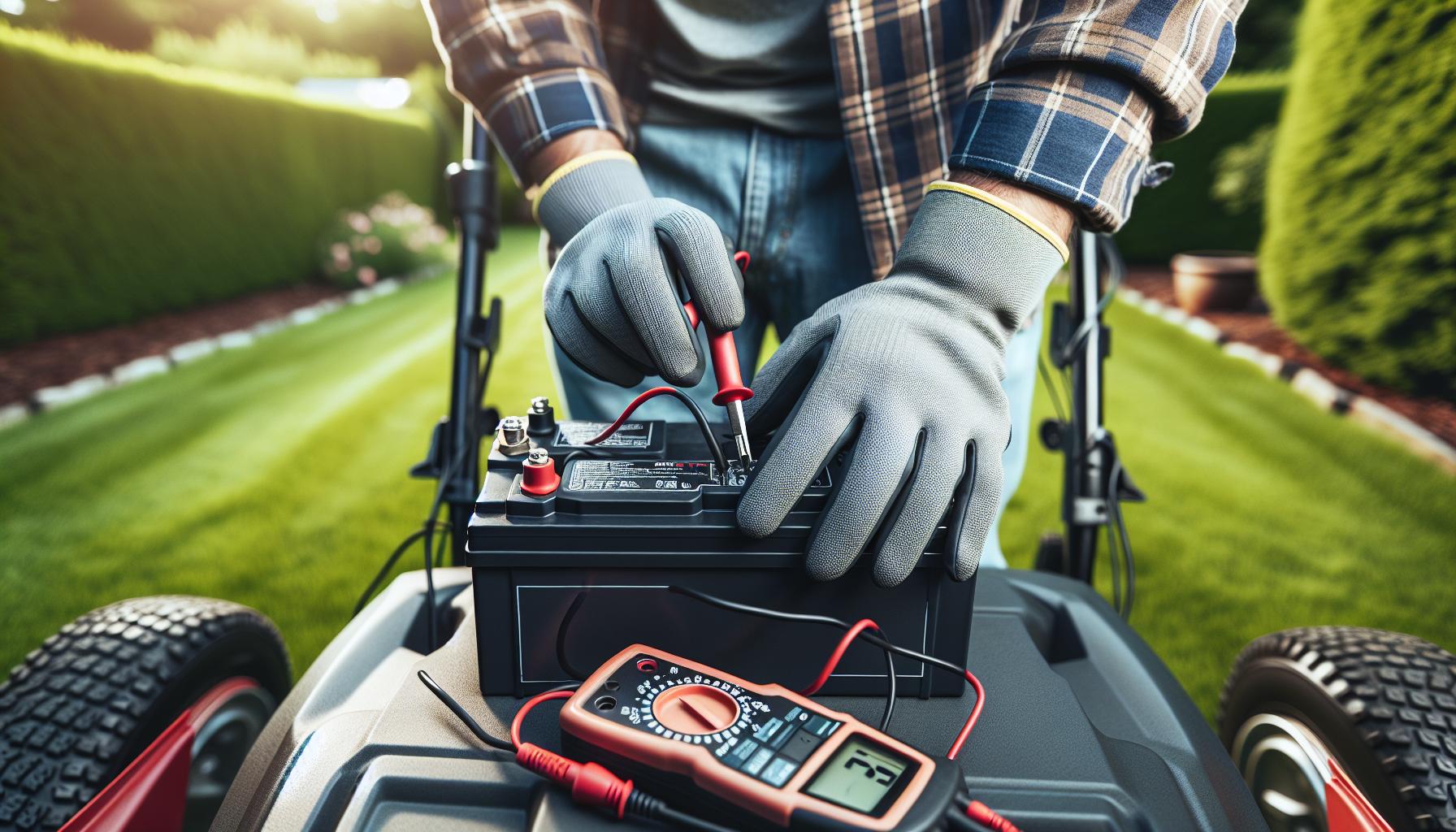
Maintaining your lawn mower battery is crucial to ensuring you get the most out of it, extending its lifespan and optimizing performance. Proper maintenance can prevent unexpected failures during mowing season, saving you time and hassle. Start by regularly cleaning the battery terminals to prevent corrosion, which can impede electrical flow. A mixture of baking soda and water works effectively to neutralize any acid buildup-simply apply the solution with a brush, then rinse and dry thoroughly.
Another essential practice is to check the battery’s water levels if you are using a lead-acid battery. These batteries require proper fluid levels to function efficiently. If the electrolyte levels are low, top them off with distilled water, ensuring not to overfill. Additionally, invest in a multimeter to routinely test the voltage; a reading consistently below 12.4 volts indicates that your battery isn’t holding a charge well and may need attention.
For optimal storage, consider the temperature conditions. Store your mower and battery in a dry, cool place when not in use, especially during extreme weather months. Cold temperatures can cause the battery’s capacity to decrease, while overheating can accelerate wear. If you anticipate not using the mower for a while, disconnect the battery and store it in an insulated environment, ensuring it is fully charged before doing so.
Finally, remember to periodically engage the battery by running the lawn mower for short periods, even off-season. This practice helps to keep the internal components functioning correctly and extends the overall lifespan of the battery. By following these tips, you can ensure that your lawn mower battery remains efficient, reliable, and ready for action when you need it most.
Types of Lawn Mower Batteries Explained
The performance and longevity of your lawn mower can be significantly impacted by the type of battery it uses. Understanding the various types of batteries available is crucial for making informed decisions about maintenance and replacement. Lawn mower batteries typically fall into three main categories: lead-acid, lithium-ion, and nickel-cadmium, each offering distinct advantages and drawbacks that can affect both performance and lifespan.
Lead-Acid Batteries
Lead-acid batteries are the most commonly used type in lawn mowers. They are known for their reliability and relatively low cost. These batteries come in two forms: flooded and sealed maintenance-free options. Flooded batteries require regular maintenance, including checking water levels and cleaning terminals, which can add to the time spent on lawn care. In contrast, sealed lead-acid batteries offer convenience by not requiring routine maintenance, although they can be pricier. Generally, lead-acid batteries can last about 3 to 5 years, depending on usage and maintenance practices.
Lithium-Ion Batteries
Lithium-ion batteries have been gaining popularity due to their lightweight design and impressive longevity. They offer higher energy density, which translates into longer run times and faster charging capabilities. Additionally, lithium-ion batteries have a longer lifespan, often exceeding 5 years, while requiring less maintenance than their lead-acid counterparts. However, they tend to come at a higher price point. When selecting a lithium-ion battery, ensure it is designed for your specific mower, as compatibility can vary significantly.
Nickel-Cadmium Batteries
Although less common today, nickel-cadmium (NiCd) batteries were once a standard choice for many lawn mowers. They offer robust performance and can handle deep discharges, making them durable. However, they suffer from a phenomenon known as “memory effect,” which can limit their capacity if not regularly fully discharged. Their lifespan typically ranges from 2 to 5 years, and they are less favored today due to environmental concerns surrounding cadmium disposal.
In conclusion, choosing the right battery type for your lawn mower not only affects how well the mower performs but also influences how often you’ll need to replace it. Assess your lawn care needs and preferences for maintenance when selecting the best battery option. By understanding the characteristics of each battery type, you can optimize your lawn mower’s performance and longevity, ensuring a greener and more vibrant lawn season after season.
When to Replace Your Lawn Mower Battery
Knowing can save you time and frustration during your mowing sessions. While the lifespan of lawn mower batteries generally ranges from 2 to 5 years, several factors influence this timeline, including battery type, usage frequency, and maintenance routines. Understanding the signs of a diminishing battery is essential for preventing unexpected failures that could hinder your lawn care efforts.
Throughout the battery’s life, pay attention to its performance. If you experience consistently diminished power or if the mower struggles to start, these could be early indications that the battery is nearing the end of its life. Other signs to consider include a noticeable decrease in runtime, corrosion around the battery terminals, or swelling of the battery case, especially for lead-acid batteries. If your mower’s battery refuses to hold a charge after multiple attempts, it’s likely time for a replacement.
Investing in a new battery can be a straightforward task, especially if you take the time to understand your mower’s specific requirements. Always consult your mower’s manual for compatibility, as selecting the correct battery type-be it lead-acid, lithium-ion, or nickel-cadmium-will ensure optimal performance. Additionally, recycling your old battery properly not only benefits the environment but might also minimize costs if you’re able to trade it in or use a recycling service that offers discounts on your new purchase.
Best Practices for Recycling Old Batteries
Recycling old lawn mower batteries is not only an environmentally responsible choice but also a necessary step in ensuring safe disposal of hazardous materials. Many users may not realize the potential dangers of improperly discarded batteries, which can leak harmful substances into the soil and water supply. By actively participating in battery recycling, you contribute to reducing pollution and preserving natural resources.
To begin the recycling process, it’s vital to identify a suitable recycling option. Many local waste management facilities offer battery recycling services, and numerous retailers accept used batteries for recycling. You can check with your local hardware store, auto parts store, or specialized recycling centers, many of which provide drop-off programs. Additionally, some manufacturers and brands even offer take-back programs that allow you to return spent batteries for proper recycling.
When preparing your battery for recycling, handle it with care. Ensure that the terminals are covered with tape to prevent accidental short-circuiting. If the battery is leaking or swollen, use gloves and other protective gear during handling. Following these precautions not only safeguards your health but also minimizes risks for recycling personnel.
In many cases, recycling services will not only ensure proper disposal but may also offer incentives. Some programs provide discounts on future purchases, turning your old battery into a valuable advantage for your next mowing season. Remember, recycling old batteries is a simple yet impactful way to contribute to a sustainable environment while supporting your lawn care needs.
Choosing the Right Lawn Mower Battery Replacement
When it comes time to replace your lawn mower battery, choosing the right replacement is critical to ensure your mower performs optimally for its intended lifespan. The right battery not only powers your mower effectively but also enhances the overall maintenance and longevity of your equipment. One important aspect to consider is battery type-many lawn mowers use different batteries, such as lead-acid or lithium-ion. Lithium-ion batteries typically offer a longer lifespan and faster charging times compared to their lead-acid counterparts, making them a hot choice among modern mowers.
Additionally, it’s crucial to match the specifications of your new battery with your mower’s requirements. Start by checking the owner’s manual for the recommended voltage and amp-hour ratings. A mismatch in specifications could result in poor performance or even damage to your mower. When selecting a new battery, look for the following:
- Size and Fit: Ensure the new battery fits securely in the mower’s battery compartment.
- Voltage: Most lawn mowers run on 12V batteries, but verify this against your mower’s requirements.
- Amp-Hour Rating: A higher amp-hour rating generally means more power and longer run times.
It’s also beneficial to consider reputable brands that offer warranties and good customer support. Reading customer reviews can help you gauge the reliability of a battery brand and its longevity. Some brands provide a warranty period of up to three years, giving you extra peace of mind regarding your investment.
In addition to traditional retailers, online marketplaces now offer a variety of options for battery replacements, often with detailed specifications and customer reviews to guide your choice. Ensure you’re getting the best value for your investment by comparing various vendors and looking out for deals, especially near the start of the mowing season.
Comparing Battery Brands and Their Lifespans
When evaluating lawn mower batteries, understanding the differences between brands can significantly influence both performance and longevity. Many consumers may be surprised to learn that not all batteries are created equal-variance in quality, construction, and technology can lead to substantial differences in lifespan and reliability. For instance, top-performing brands often utilize advanced manufacturing processes and superior materials, which can yield longer-lasting and more efficient batteries.
Several major brands dominate the market, each with its distinct characteristics. Exide batteries, for example, are praised for their robust construction and extended warranties, frequently lasting between 4 to 5 years with proper care. On the other hand, Optima batteries, though generally higher-priced, are lauded for their exceptional performance in harsh conditions, delivering consistent power even in extreme temperatures. Interstate Batteries is another reputable brand known for durable batteries that typically reach 3 to 4 years of service, making them a solid choice for many lawn mower enthusiasts.
When comparing these brands, consider a few key factors that may influence your choice:
- Warranty: A longer warranty often reflects the manufacturer’s confidence in their product. Brands like Exide offer up to 3 years, while others may extend further.
- Customer Reviews: User feedback can provide invaluable insight into real-world performance. Look for trends in reviews regarding longevity, power, and charging efficiency.
- Price vs. Performance: Sometimes, spending more on a premium brand can save money in the long run due to fewer replacements and less hassle.
Additionally, keeping an eye on advancements in battery technology can also help in making an informed choice. Lithium-ion batteries, while often pricier initially, typically outlast their lead-acid counterparts, and many reputable brands now offer these newer alternatives. As the market evolves, newer brands may emerge that leverage cutting-edge technology for enhanced performance, making it worth your while to research the latest offerings before a purchase.
Lawn Mower Battery Troubleshooting Tips
When your lawn mower battery shows signs of struggle, effective troubleshooting can make all the difference between frustration and a quick fix. Understanding the potential issues and their solutions can extend the lifespan of your battery and enhance the overall performance of your mower. Often, problems stem from basic but critical areas including connections, charging, and battery health, so taking a methodical approach can help identify the root cause of the issue.
First, always check the battery connections. Loose or corroded terminals can lead to poor electrical contact, resulting in insufficient power delivery. Ensure that the terminals are tightly connected and free of rust or corrosion; use a wire brush or terminal cleaner if necessary. Next, examine the battery for any physical damage or swelling, which may indicate it’s time for a replacement. A healthy battery should appear clean and intact; any signs of deterioration can affect performance and safety.
Charging issues can also play a significant role in battery performance. Confirm that your charger is functioning correctly and is compatible with your battery type. Make sure to follow the manufacturer’s recommended charging times and voltages. If your mower struggles to start even after charging, it may point towards deeper battery issues such as sulfation, where lead sulfate crystals accumulate and impede the battery’s energy flow. Regularly cycling the battery-fully charging it, using it until it’s low, and then recharging-can help prevent this condition.
Lastly, don’t underestimate environmental factors that could affect your battery. Extreme temperatures, especially cold weather, can diminish battery capacity. Use an insulated battery cover or store it in a climate-controlled area during off-seasons. By keeping an eye on these common issues and taking preventive measures, you not only ensure your lawn mower starts reliably but can also help prolong the life of your battery while avoiding unexpected replacements.
Winter Storage: Protecting Your Battery Longevity
As the colder months approach, it’s crucial to consider how you’re storing your lawn mower battery. Proper winter storage can significantly extend its life and reliability, ensuring that when the mowing season starts again, your mower is ready to perform. Extreme temperatures, both hot and cold, can impact battery performance adversely, but there are effective strategies to mitigate these effects.
To protect your battery during the winter, begin by fully charging it before storage. A fully charged battery is less prone to freezing and sulfation, which can damage its internal components. Once charged, disconnect the battery from the mower to prevent any electrical draws that could deplete its charge during the off-season.
Next, consider the environment where you are storing the battery. Ideally, it should be kept in a cool, dry place, such as a basement or garage, that is not subject to freezing temperatures. If you live in an area that experiences extreme cold, using an insulated battery box can provide additional protection against temperature fluctuations.
Regular maintenance during storage is also important. Every few months, check the battery’s charge level. If it’s showing signs of dropping, give it a top-off charge to maintain its health. Additionally, inspect the terminals and connections for corrosion or buildup, which can hinder performance. If corrosion is present, clean it off carefully with a mixture of baking soda and water to keep connections optimal.
By taking these proactive steps, you enhance the longevity of your lawn mower battery, ensuring that when spring arrives, your mower will spring to life just as your lawn rebounds after a long winter.
How Weather Impacts Lawn Mower Battery Performance
Extreme weather conditions can dramatically affect the lifespan and performance of lawn mower batteries. Cold temperatures can impede the chemical reactions that generate power within the battery, leading to reduced performance and shorter runtimes. Conversely, elevated temperatures can increase evaporation in lead-acid batteries and lead to internal damage-shortening their overall lifespan. Understanding how these elements impact your mower battery is crucial for maintaining its efficiency throughout the mowing season.
In cold weather, battery performance can drop significantly. As temperatures fall, the electrolytic solution inside the battery becomes less efficient, which can lead to difficulty starting the lawn mower and decreased overall power output. A battery that might function well at 70°F (21°C) may struggle at 32°F (0°C) or below. It’s important to ensure that your battery is fully charged before winter storage, as a fully charged battery is less likely to freeze and sustain damage.
On the flip side, hot weather poses its own risks. Excessive heat can cause premature aging of battery components, accelerating the formation of sulfation and diminishing battery capacity. In high temperatures, the internal pressure can rise, potentially leading to leaks or ruptures in sealed batteries. If your mower operates in a region with high temperatures, consider implementing strategies such as:
- *Storing the battery in a shaded area or indoors during intense heat.*
- *Regularly monitoring battery charge levels and ensuring proper ventilation if the mower is stored in a garage that heats up.*
- *Utilizing battery insulation techniques to moderate temperature fluctuations.*
By being mindful of weather conditions and their effects, you can take proactive measures to extend the life of your lawn mower battery, ensuring it operates efficiently throughout its intended lifespan.
Frequently asked questions
Q: How long do lawn mower batteries typically last?
A: Lawn mower batteries usually last between 3 to 5 years, depending on usage and maintenance. Regular charging and proper care can extend their lifespan significantly. For more maintenance tips, check the section on “How to Properly Maintain Lawn Mower Batteries.”
Q: What factors can reduce the lifespan of a lawn mower battery?
A: Several factors can reduce lawn mower battery lifespan, including extreme temperatures, improper storage, and infrequent charging. Keeping your mower in a temperature-controlled environment can help mitigate these issues. Explore “Factors Affecting Battery Life for Lawnmowers” for more details.
Q: When should I charge my lawn mower battery?
A: You should charge your lawn mower battery after every use or if it shows signs of low power. Charging before long periods of inactivity can help preserve battery life. For further insights, see the section on “How to Properly Maintain Lawn Mower Batteries.”
Q: What are the signs that indicate my lawn mower battery needs replacing?
A: Signs of needing a new lawn mower battery include difficulty starting the mower, decreased power, and noticeable swelling or corrosion. Address these symptoms promptly to avoid further issues. For more information, refer to “Signs Your Lawn Mower Battery Needs Replacement.”
Q: Can I use a car battery in my lawn mower?
A: While some may consider it, using a car battery in a lawn mower is not recommended. Lawn mower batteries are designed specifically for that environment and using the wrong type could damage your mower. See “Types of Lawn Mower Batteries Explained” for more information.
Q: How should I store my lawn mower battery over winter?
A: Store your lawn mower battery in a cool, dry place during winter. Disconnect it from the mower and charge it before storage to maintain health. Refer to “Winter Storage: Protecting Your Battery Longevity” for comprehensive storage tips.
Q: What is the best way to recycle a lawn mower battery?
A: The best way to recycle a lawn mower battery is to take it to a local recycling center or retailer that accepts batteries. Many auto parts stores can also help with recycling. For details, check “Best Practices for Recycling Old Batteries.”
Q: How do weather conditions affect lawn mower battery performance?
A: Extreme temperatures, both hot and cold, can negatively impact lawn mower battery performance, leading to reduced efficiency and lifespan. To minimize effects, store your mower in a more temperate environment. Learn more in the section titled “How Weather Impacts Lawn Mower Battery Performance.”
In Retrospect
Now that you know how long lawn mower batteries typically last and when to consider replacing them, it’s time to take action! Regularly checking and maintaining your battery not only ensures optimal performance but extends its lifespan, saving you both time and money. Don’t let a dead battery ruin your mowing plans-explore our expert tips on lawn care maintenance and battery management for a thriving yard all season long.
If you’re curious about choosing the right replacement battery or want to dive deeper into overall lawn care strategies, check out our guides on lawn care tips and lawn maintenance services. Make sure to subscribe to our newsletter for more valuable insights, and leave us a comment below sharing your experiences or questions-we’re here to help! Your lush, green lawn is just a battery check away!