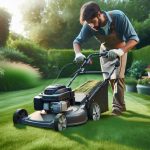
Did you know that the average lawn mower lasts between 6 to 13 years, depending on its type and maintenance? For homeowners, understanding the lifespan of their lawn mower by brand isn’t just about prolonging investment; it’s about ensuring a well-maintained yard year after year. Whether you’re a seasoned gardener or a first-time homeowner, the longevity of your mower can significantly impact your lawn care routine. Different brands offer varying durability, performance, and maintenance needs, which can make all the difference in your mowing experience. As we delve into how long lawn mowers last across different brands, you’ll discover essential insights to help you make informed decisions and optimize the life of your equipment. So, let’s explore the factors that contribute to these lifespans, helping you keep your mower running efficiently for as long as possible.
Understanding Lawn Mower Lifespan
The average lifespan of a lawn mower can vary significantly based on several factors, making it crucial for owners to understand what influences durability. On average, a well-maintained lawn mower can last anywhere from 5 to 15 years, but this range can be affected by the type of mower, frequency of use, and maintenance practices. Additionally, the brand and model can play a pivotal role, as certain manufacturers are known for producing more reliable and longer-lasting machines.
Quality components and construction are key indicators of longevity. For instance, mowers made with high-grade materials, such as durable steel decks, are less prone to wear and corrosion, extending their lifespan. Conversely, lower-quality models may succumb to damage within just a few years, especially if they are used heavily. Understanding these variables helps consumers make informed choices, ensuring that they invest in a mower that meets their longevity expectations.
Furthermore, the environment in which the mower operates cannot be overlooked. Factors such as humidity, soil type, and terrain conditions can strain a mower, impacting its performance and lifespan. For example, frequent mowing on hilly terrain can increase wear and tear, leading to a shorter lifespan. Conversely, mowers that operate in more forgiving conditions may last significantly longer with proper care.
Ultimately, a successful lawn mower experience hinges on recognizing these aspects. By choosing the right machine for your needs and adhering to recommended maintenance practices, you can optimize the lifespan of your mower, ensuring that it serves you faithfully for years to come.
Factors Affecting Lawn Mower Longevity
When considering how long a lawn mower should last, it’s essential to recognize that several factors significantly influence its longevity. Firstly, the type of mower you select plays a crucial role. For instance, gas mowers generally have a longer lifespan compared to electric models due to their robust construction and powerful engines. However, electric mowers are often less complex and can last just as long with proper care.
Furthermore, maintenance practices cannot be overstated. Regularly changing the oil, replacing air filters, and sharpening blades can enhance the performance and lifespan of your mower. Neglecting these essential tasks can lead to unnecessary wear and tear, drastically shortening the machine’s life. A well-maintained mower can run efficiently for years, while a poorly maintained one may struggle after just a season of use.
Another important factor is the frequency and type of usage. Mowers that are used frequently under more demanding conditions-such as thick grass or uneven terrain-will experience increased wear and may need replacement sooner than those used gently. It’s advisable to track your mowing habits and adjust maintenance accordingly. For example, if you mow a steep yard with tough grass, consider investing in a higher-quality model designed for durability.
Lastly, the environment where you operate your mower also impacts its longevity. High humidity, extreme heat, or even exposure to saltwater can corrode components faster than in a more temperate climate. Choosing a mower suited for your specific environmental conditions can help mitigate these issues, ensuring you get the most out of your investment. By understanding these various factors, you can make informed decisions that enhance the lifespan of your lawn mower.
Comparison of Lifespan by Lawn Mower Brands
When it comes to lawn mowers, not all brands are created equal, and understanding the differences in lifespan can help you make an informed decision when purchasing or replacing your equipment. Some of the most popular brands on the market, such as Honda, John Deere, and Toro, have established themselves as reliable choices, each offering unique advantages in terms of durability and performance.
Top Brand Lifespan Overview
The average lifespan of gas mowers from brands like Honda typically ranges from 10 to 15 years, primarily due to their robust engines and superior build quality. Honda mowers are often praised for their reliability and ease of maintenance, which contribute significantly to their longevity. Conversely, John Deere mowers, known for their powerful cutting capabilities, can last anywhere from 8 to 12 years with proper care, depending largely on the model and the conditions in which they are used. Toro, on the other hand, tends to deliver a balance between affordability and performance, with a lifespan generally around 7 to 10 years.
| Brand | Typical Lifespan (Years) | Notable Features |
|---|---|---|
| Honda | 10-15 | Reliable engines; ease of maintenance |
| John Deere | 8-12 | Powerful cutting capabilities; versatile options |
| Toro | 7-10 | Affordable; good performance; user-friendly |
Emerging Brands and Their Durability
It’s also worth considering emerging brands that may offer competitive lifespans and innovative features. Brands like Ryobi and Snapper have gained popularity in the electric mower category, often promising lifespans similar to traditional gas mowers, around 5 to 10 years. While these electric models are generally less powerful, they can serve well for residential lawns with regular maintenance and care.
In conclusion, when assessing longevity by brand, it is crucial to factor in not just the manufacturer but also how often you maintain your mower and the specific demands of your lawn. Each brand brings distinct strengths, and understanding these can help you choose the right mower that fits your needs, ultimately ensuring that it serves you reliably for years to come.
Maintenance Tips to Extend Your Mower’s Life
To ensure your lawn mower remains a reliable workhorse for years to come, attentive maintenance is essential. Regular upkeep not only prolongs the device’s lifespan but also elevates its performance, ultimately making your mowing experience more efficient. A critical aspect of maintaining your mower involves understanding its specific needs and adhering to a schedule that aligns with its usage, whether it’s a gas or electric model.
Start by frequently checking and changing the oil, which is crucial for keeping the engine lubricated and running smoothly. For gas mowers, replacing the oil every 25 to 50 hours of operation is recommended. Additionally, clean or replace the air filter according to the manufacturer’s instructions to prevent debris from entering the engine, which can significantly hinder performance. Keeping the mower deck clean is equally important; grass clippings can build up, obstructing airflow and decreasing efficiency. A quick wash after each use can greatly help in maintaining a clean cutting area.
Sharpening the mower blades regularly is another vital maintenance task. Dull blades tear grass instead of cutting it, which can lead to uneven lawns and increased susceptibility to diseases. Aim to sharpen the blades at least once a season, or more frequently if you notice a decline in cutting efficiency. If your mower has wheels that adjust height, make sure they’re well-lubricated, as this can facilitate smoother operation during mowing.
Lastly, always refer to the owner’s manual for specific care instructions unique to your mower’s brand and model. Each brand, be it Honda, John Deere, or Toro, may have distinct features that require tailored maintenance practices. By integrating these maintenance tips into your routine, you’re not just investing in the longevity of your lawn mower; you’re ensuring it delivers optimal performance, making every mowing session a breeze.
Signs Your Lawn Mower Needs Replacement
When your lawn mower starts performing below expectations, it may be more than just a sign that it needs a tune-up. Understanding when to replace your mower can save you time, money, and frustration. The first red flag is consistent difficulty in starting; if you find yourself pulling the starter cord multiple times or battling with the ignition system, this could indicate deeper engine issues that are often costly to repair.
Another crucial indicator is the quality of the cut. Mowers are designed for precision, so if you’re noticing a patchy or uneven lawn despite regular blade sharpening, this might suggest that the mower’s internal components are wearing down. Dull or damaged blades, a bent deck, or issues with the cutting height adjustment could mean it’s time for a replacement.
Here are some other key signs to look out for:
- Excessive Vibration: If your mower vibrates excessively while in use, it may have a bent or damaged blade, or internal mechanical issues.
- Oil Leaks: Seeing oil on the ground after using your mower could point to significant engine problems.
- Strange Noises: Unusual sounds, such as knocking or grinding during operation, often indicate mechanical failure.
- Frequent Repairs: If you’re repairing your mower more often than mowing your lawn, it could be an economical decision to invest in a new model.
It’s crucial to evaluate the cost of repair against the price of a new mower, especially when average lifespans vary significantly across brands and models. Investing in a replacement not only brings you peace of mind but also the efficiency of modern technology, potentially making your mowing tasks quicker and less labor-intensive. Always keep in mind that while a well-maintained mower may last years, sometimes, letting go is the most efficient choice for your lawn care needs.
Average Lifespan of Electric vs. Gas Mowers
When considering a new lawn mower, one of the most critical factors to evaluate is its expected lifespan, particularly between electric and gas models. Generally, the average lifespan of gas mowers ranges from 6 to 10 years, while electric mowers typically last a bit longer, approximately 7 to 13 years, based on various contributing factors such as quality, maintenance, and usage style [2].
Each type of mower has distinct advantages that can affect longevity. Gas mowers, empowered by their robust engines, are often favored for larger lawns and tougher grass types. However, they can suffer from fuel system issues, engine wear, and more frequent maintenance needs. In contrast, electric mowers tend to have fewer moving parts, usually resulting in less wear over time. Their battery life and recharging cycles are crucial factors-the lifespan can dramatically drop if not properly maintained or if the battery is over-extended beyond its recommended charge cycles.
Furthermore, the quality of construction and materials can significantly influence longevity. For instance, higher-end brands and models are more likely to withstand the test of time compared to budget options that may cut corners in their build quality. Regular maintenance, including blade sharpening, cleaning, and timely part replacements, is critical regardless of the mower type. By understanding these differences in lifespan and care requirements, homeowners can make informed decisions based on their specific lawn care needs and preferences.
Cost vs. Lifespan: What to Consider
Investing in a lawn mower often feels like a balancing act between upfront costs and anticipated longevity. When it comes to understanding the real value of your lawn mower, considering both cost and lifespan is crucial. A cheap mower might save you money today, but if it only lasts a few years, you may end up spending more in the long run compared to investing in a higher-quality model with a longer lifespan.
The initial price of lawn mowers can vary dramatically based on features, brand reputation, and type (gas versus electric). However, examining the total cost of ownership over time-factoring in maintenance, repairs, and the expected lifespan-can provide a clearer picture. For instance, while a budget gas mower might cost around $200, it could need costly repairs or replacement in just a few years due to the wear and tear of its engine and components. In contrast, a premium brand mower, costing about $600, might deliver eight to ten years of reliable service with proper maintenance, translating to a significantly lower annual cost.
Making Informed Decisions
When evaluating options, it’s helpful to assess average lifespans among various brands. Some manufacturers are known for durability; for instance, models from recognized brands such as Honda or Toro typically provide longer service periods. As a general guideline, keep in mind that gas mowers usually last between 6 to 10 years, while electric models can last slightly longer, around 7 to 13 years, depending on their use and care [[2](https://www.gardentoolexpert.com/how-long-should-a-lawnmower-last/)].
Moreover, maintenance plays a pivotal role in extending a mower’s lifespan. For example, regular oil changes, cleaning air filters, and sharpening blades are small investments of time and money that can considerably enhance performance and decrease the likelihood of expensive repairs. Ultimately, understanding the link between cost and lifespan empowers consumers to make smarter purchases, ensuring their investment not only fits their budget but also secures reliable lawn care for years to come.
Common Issues That Shorten Mower Lifespan
A lawn mower is more than just a tool-it’s an investment in your landscape. However, certain issues can significantly shorten its lifespan. Among the most common culprits are inadequate maintenance practices, which can lead to a gradual decline in performance and reliability. For instance, failing to regularly replace the air filter can allow dirt and debris to enter the engine, causing wear over time. Similarly, neglecting to change the oil can result in engine overheating and eventual failure. These seemingly minor oversights can cumulatively lead to the premature demise of your mower.
Another significant factor affecting mower longevity is the quality of fuel used. Many gas-operated mowers are sensitive to the type of fuel; using low-quality gasoline can lead to issues such as clogged fuel lines or a fouled spark plug. Additionally, ethanol-containing fuels can attract moisture, leading to rust inside the fuel tank and other components. To prevent these problems, it’s essential to use high-quality fuel and stabilize it if it will be stored for an extended period before use.
Physical damage is another common issue that can drastically impact a mower’s lifespan. Accidental collisions with rocks, roots, or other obstacles can cause serious damage to the blades and cutting deck, resulting in costly repairs or total replacement. Similarly, mowing over thick, wet grass can stress the mower’s components, leading to increased wear. To protect your mower, always clear the mowing area of debris and avoid mowing in poor conditions when possible.
Finally, environmental factors such as exposure to harsh weather can also cause wear. Leaving your mower outside can lead to rust and component degradation. Protecting your mower with a cover or storing it in a dry, sheltered area can greatly enhance its durability. Regular inspections for signs of corrosion or wear can help you address problems early, ensuring you get the most out of your investment.
How to Choose a Reliable Lawn Mower
Choosing the right lawn mower can significantly impact not only the quality of your lawn care but also the longevity of the device itself. With a variety of options available, from electric to gas models, understanding what makes a lawn mower reliable can help you achieve the perfect balance between performance and durability. Selecting a mower built with quality materials and technology can mean the difference between a machine that lasts a few years and one that provides dependable service for over a decade.
When evaluating lawn mowers, consider the following key factors:
Durability and Build Quality
Look for mowers constructed from robust materials like steel blades and high-quality plastic for the deck. These features not only enhance the mower’s longevity but also improve its resistance to wear from environmental conditions. Checking customer reviews and ratings about the build quality of various brands can offer insight into their reliability over years of use.
Engine Type and Efficiency
For gas mowers, engine efficiency is crucial. Models with fuel-efficient engines not only provide better performance but can also reduce the frequency of engine repairs and replacements. For electric mowers, look for ones with powerful batteries that allow for longer run times without a drop in cutting performance. Remember, an efficient mower requires less maintenance, which can contribute to its overall lifespan.
Brand Reputation and Warranty
Researching brands known for their reliability and customer service can give you added peace of mind. Brands with a solid reputation often provide longer warranty periods, indicating confidence in their product’s durability. A good warranty can save you money on repairs and replacements, enhancing the mower’s overall value.
Maintenance Features
Some mowers come equipped with features that simplify maintenance, such as easy-access oil ports, precision blade adjustments, and self-cleaning systems. These features can make routine upkeep more manageable, extending the life of your mower. For example, models that are easier to clean and maintain will often perform better over time, as they can resist buildup that could hinder efficiency.
By taking the time to assess these factors, you can ensure that your investment in a lawn mower not only meets your mowing needs but also provides you with a reliable tool for years to come, enhancing your lawn’s beauty and health. Ultimately, the goal is to select a mower you’ll enjoy using while minimizing the chance of early replacement due to mechanical failures or insufficient performance.
Warranty Considerations for Longevity
A robust warranty can act as a safety net for your investment in a lawn mower, providing peace of mind that your purchase is backed by the manufacturer. Many consumers overlook the importance of warranty coverage when choosing a mower, yet it can significantly influence the longevity of the machine. Warranties often indicate how confident a brand is in the durability of its products. For example, brands that offer extended warranties typically have made their mowers using high-quality components and rigorous testing processes.
When evaluating warranty options, pay close attention to the length and terms. Commonly, warranties might cover a duration of two to five years for parts and service, while some premium brands may extend their coverage up to ten years or more. It’s also essential to understand what is included in the warranty. Coverage for parts like the engine, deck, and transmission can be crucial, as repairs for these components can be among the most expensive.
Moreover, consider the brand’s customer service reputation when reviewing warranty policies. Swift, hassle-free claims can make a significant difference in your experience. Some manufacturers have online registration services for their warranties, simplifying the process for you, while others may require you to keep physical receipts or complete warranty cards. Researching reviews and user experiences can provide insight into how effectively a company honors its warranties.
Finally, remember that a warranty can sometimes be extended through different programs offered by retailers or manufacturers. These programs often provide additional coverage for a small fee, which might be worth considering if you expect heavy usage of your mower. Investing in a mower with a strong warranty not only enhances your sense of security but can also prolong the operational life of your equipment, ultimately saving you money on repairs and replacements in the long run.
User Experiences: Lifespan Reviews by Owners
Many lawn mower owners have shared their experiences, offering valuable insights into the lifespan and durability of their machines. A common theme among these narratives is the impact of maintenance and brand reliability on longevity. For instance, users of well-known brands like Honda and Toro report that, with appropriate care, their gas mowers have exceeded the average lifespan, often lasting 10-15 years. Regular maintenance practices-such as oil changes, blade sharpening, and seasonal cleanings-are frequently credited for these extended life spans.
Conversely, some homeowners have expressed dissatisfaction with lesser-known brands. A user who purchased a budget electric mower noted that, after just two years, the battery performance drastically declined, leading to unreliable operation. This highlights the importance of investing in quality and considering user reviews when selecting a lawn mower. Many owners also emphasize the significance of proper storage; those who protect their mowers from harsh weather conditions often report fewer issues and longer use.
While personal experiences vary, a recurring recommendation is to follow manufacturer guidelines rigorously. Participants in online forums frequently mention that neglecting routine maintenance or using non-recommended fuel types can lead to significant reductions in mower lifespan. Additionally, participants advise new buyers to consult detailed reviews and testimonies since these can reveal trends about specific models or brands that may not be immediately apparent. Overall, the consensus among users is that diligence in maintenance, along with informed purchasing decisions, plays a critical role in maximizing the lifespan of lawn mowers.
Environmental Factors Impacting Mower Durability
Environmental conditions play a crucial role in the longevity of lawn mowers, often influencing their performance and durability more than many owners realize. For example, high humidity levels can promote rust and corrosion, particularly in metal components of gas mowers, while extreme temperatures can affect battery life and the overall functionality of electric mowers. Regular exposure to these harsh elements can lead to accelerated wear and tear, resulting in a decreased lifespan compared to machines stored in more temperate environments.
- Humidity: In regions with high humidity, metal mowers are at risk of rusting if not properly maintained. Keeping your mower dry and covered when not in use can help mitigate these effects.
- Temperature Extremes: Lawn mowers used in extremely hot or cold climates often face operational challenges. For gas mowers, cold temperatures can make starting difficult, while high heat can lead to overheating and engine stress.
- Sun Exposure: Prolonged exposure to direct sunlight can degrade plastic components over time. Storing your mower in the shade or a sheltered area can extend its lifespan significantly.
- Geographic Conditions: Areas with sandy or rocky soil can increase wear on the mower blades and chassis, demanding more frequent replacements and repairs.
To combat these environmental challenges, mower owners should actively implement preventative measures. Regular cleaning and maintenance, including greasing and rust-proofing metal parts, can enhance durability. Additionally, protective measures like garage storage or the use of tarps can safeguard against harmful environmental factors, ensuring that your investment lasts longer and performs at its best. Owner experiences suggest that those who are mindful of their mower’s environmental exposure generally enjoy better longevity and fewer operational issues throughout the mowing season.
Faq
Q: How can the type of lawn mower affect its lifespan?
A: The type of lawn mower can significantly influence its lifespan. Gas mowers typically last 8-10 years, while electric mowers may only last 5-7 years due to fewer durable components. Understanding the strengths and weaknesses of each type helps users choose wisely. For in-depth comparisons, check the “Comparison of Lifespan by Lawn Mower Brands” section.
Q: What maintenance practices can extend a lawn mower’s lifespan?
A: Regular maintenance, such as changing the oil, sharpening blades, and cleaning air filters, can greatly extend a lawn mower’s life. Adhering to a maintenance schedule and following manufacturer guidelines ensures optimal performance, reducing overall repair costs. For more tips, refer to the “Maintenance Tips to Extend Your Mower’s Life” section.
Q: How often should I replace a lawn mower?
A: It’s advisable to consider replacing your lawn mower every 8-10 years, depending on its model and condition. Signs of excessive wear, frequent breakdowns, or outdated technology are key indicators. Consult the “Signs Your Lawn Mower Needs Replacement” section for detailed indicators.
Q: What common problems can shorten a lawn mower’s lifespan?
A: Common issues like neglecting maintenance, using the wrong fuel, and ignoring worn parts can significantly shorten a lawn mower’s lifespan. Staying alert to these problems helps prevent premature failure. For further details, see the “Common Issues That Shorten Mower Lifespan” section.
Q: Are there eco-friendly options for lawn mowers?
A: Yes, electric lawn mowers are considered more eco-friendly due to their lower emissions and noise levels. Additionally, battery-powered mowers eliminate the need for gasoline, reducing environmental impact. Explore the average lifespan of electric vs. gas mowers in the relevant section for more insights.
Q: When is the best time to buy a lawn mower for longevity?
A: The best time to buy a lawn mower is during late summer or early fall when sales occur. Purchasing off-season often leads to better deals and selection. Consider researching models and their lifespans prior to the buying decision to ensure long-lasting value.
Q: How do warranties impact my lawn mower’s longevity?
A: Warranties can protect against manufacturing defects and extend the lifespan of your lawn mower by covering repairs. Understanding warranty terms and conditions helps you choose a reliable mower that could offer better longevity. Review the “Warranty Considerations for Longevity” for further details.
These FAQs aim to enhance user engagement while ensuring clarity and SEO optimization for “How Long Should a Lawn Mower Last? Lifespan by Brand.” For more information, dive into specific sections of the main article.
To Wrap It Up
Understanding the lifespan of your lawn mower is crucial for maintaining a beautiful yard and maximizing your investment. From electric models lasting 7-13 years to well-maintained riding mowers exceeding 20 years, the right care can make all the difference. If you’re looking for tips on proper maintenance or comparisons of different brands, be sure to check out our guides on lawn mower maintenance strategies and best brands on the market.
Don’t wait until your mower breaks down-take action today! Explore our articles on essential mower maintenance and troubleshooting tips to ensure you’re getting the most out of your equipment. Have questions or experiences to share? We encourage you to comment below or connect with other gardening enthusiasts in our community. Your lush lawn awaits, so keep your mower running smoothly for years to come!