
When it comes to maintaining a beautiful lawn, knowing how much noise your mower produces is important-not just for your comfort but also for your neighbors and local regulations. On average, traditional gas mowers emit noise levels ranging from 85 to 95 decibels, equivalent to the sound of heavy traffic. This can lead to unwanted disturbances, especially in residential areas. Understanding lawn mower noise levels helps you make informed choices about your equipment and timing of lawn care activities, ensuring you keep your outdoor space pristine while minimizing noise pollution. Curious about which mowers are quieter or how to best manage their noise? Let’s dive into the details and discover what you need to know.
Understanding Lawn Mower Noise Levels: A Comprehensive Guide
Did you know that a typical gas-powered lawn mower operates at noise levels ranging from 85 to 95 decibels (dB)? This is comparable to the sound of heavy traffic or a busy restaurant. Understanding lawn mower noise levels is essential not only for your own comfort but also for maintaining good relationships with your neighbors and complying with local noise regulations.
When operating a lawn mower, it’s vital to consider how sound is measured and perceived. Decibels are a logarithmic unit, meaning that an increase of just 10 dB represents a tenfold increase in sound intensity. Therefore, the difference between a 90 dB lawn mower and an 80 dB one is significant. It’s also important to note that while electric mowers tend to operate at lower dB levels, usually around 60 to 75 dB, their performance and suitability for larger lawns can vary.
Many homeowners overlook the potential impact of noise pollution from lawn mowers. Excessive noise can lead to stress, sleep disturbances, and even hearing loss over time. Moreover, for communities looking for a peaceful ambiance, the collective noise from multiple mowers operating simultaneously can be disruptive. Therefore, finding ways to mitigate this noise, such as using quieter models or adjusting mowing times, can greatly benefit both personal well-being and neighborhood harmony.
Thus, understanding and managing lawn mower noise levels is crucial for both individual health and community peace. By selecting the right mower and being mindful of the operating conditions, homeowners can contribute to a quieter, more enjoyable outdoor environment.
What is the Average dB Level of Common Lawn Mowers?
The world of lawn maintenance is accompanied by the unavoidable reality of noise, particularly when it comes to operating lawn mowers. Understanding the average decibel (dB) levels of these machines can provide valuable insights for homeowners, especially when considering factors like neighborhood noise regulations and personal comfort. Generally, gas-powered lawn mowers are among the loudest options available, typically emitting sound levels between 85 to 95 dB. This range places them on par with the noise produced by heavy traffic or the cacophony of a busy restaurant, making them significant contributors to outdoor sound pollution.
Electric lawn mowers, on the other hand, present a quieter alternative, usually operating at sound levels ranging from 60 to 75 dB. While they are less noisy, their effectiveness can be limited on larger lawns, potentially requiring more frequent recharging or less power to maintain cutting efficiency. This contrast in sound levels highlights an important trade-off for homeowners: opting for a quieter electric model may come at the cost of additional performance considerations.
It’s essential to grasp the implications of these noise levels. For instance, prolonged exposure to sounds above 85 dB can lead to potential hearing damage and other health concerns. To make informed choices, homeowners should think about not only their immediate sound preferences but also how their mowing practices might affect the peace and quiet of their neighborhood. In selecting a lawn mower, one should weigh the noise output against performance needs to find a balance that ensures a beautiful lawn without unnecessary disturbance.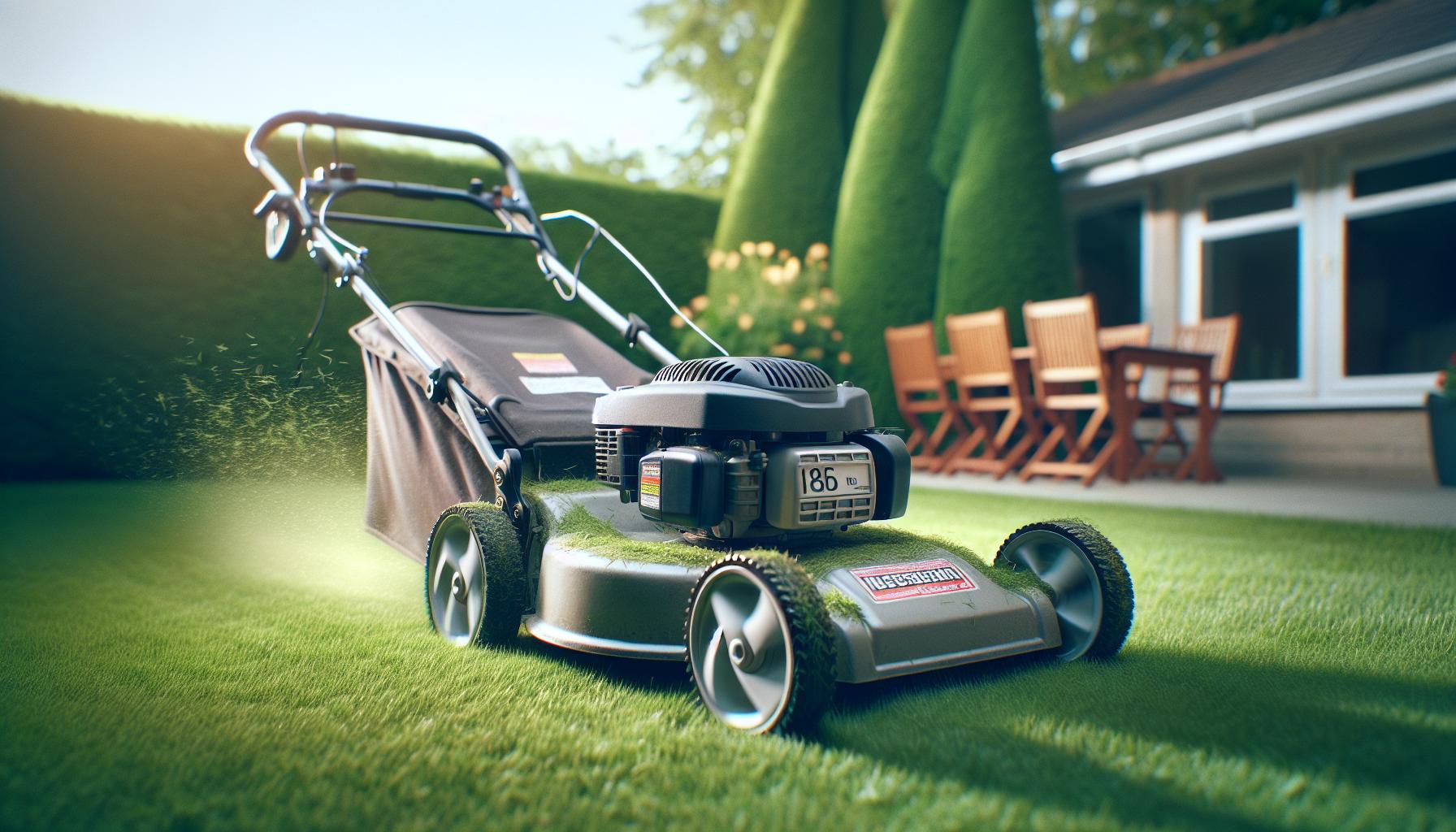
Comparing Sound Levels: Lawn Mowers vs Other Outdoor Tools
When it comes to outdoor maintenance, sound levels are a critical consideration, especially when comparing lawn mowers with other common garden tools. For instance, a typical gas-powered lawn mower can emit noise levels of between 85 to 95 dB, while electric mowers typically range from 60 to 75 dB. This makes them noticeably quieter, but how do they stack up against other outdoor equipment?
To provide a clearer perspective, let’s take a look at the noise levels associated with various outdoor tools:
| Tool | Average Noise Level (dB) |
|---|---|
| Gas-Powered Lawn Mower | 85-95 |
| Electric Lawn Mower | 60-75 |
| Leaf Blower (Gas) | 90-100 |
| Leaf Blower (Electric) | 65-85 |
| Chainsaw (Gas) | 100-120 |
| Chainsaw (Electric) | 90-110 |
| String Trimmer (Gas) | 80-100 |
| String Trimmer (Electric) | 60-75 |
From this table, it’s apparent that while lawn mowers generate significant noise, they aren’t the loudest of the outdoor tool category. For example, gas leaf blowers and chainsaws can reach levels above 100 dB, which is comparable to a rock concert or a jet taking off. Additionally, the duration of noise exposure plays a key role; while mowing might last for a shorter duration, tools like leaf blowers or chainsaws can create prolonged periods of high decibel output, adding to neighborhood noise pollution.
Another essential factor to consider is the impact of tool type on the noise levels experienced by the user and neighbors. For instance, electric tools, including mowers, generally produce less noise and are less disruptive. This could be especially beneficial if you live in a densely populated area where maintaining good neighborly relations is important.
In conclusion, while lawn mowers can be noisy, they are part of a broader category of outdoor tools that vary greatly in terms of sound output. By considering these aspects, homeowners can make more informed decisions not just about the tools they choose, but also about the best times to operate them to minimize noise disruption in their communities.
Why is Lawn Mower Noise a Concern for Homeowners?
The noise generated by lawn mowers can significantly impact homeowners, especially in residential neighborhoods where close proximity dictates the dynamics of community life. When the sounds of mowing resonate throughout an area, they can create disturbances not just for the operator, but also for families and pets in nearby homes. High decibel levels, typically ranging from 85 to 95 dB for gas-powered mowers and 60 to 75 dB for electric models, can be comparable to the noise of city traffic or a loud television, leading to uncomfortable living conditions.
Many neighborhoods have specific ordinances governing noise pollution, making homeowners increasingly aware of their mowing schedules. Striking a balance between maintaining a beautiful lawn and respecting the tranquil environment of the neighborhood can prove challenging. With the growing awareness of noise sensitivity among communities, homeowners are often encouraged to consider noise levels when selecting lawn care equipment.
Additionally, the impact of noise goes beyond mere annoyance; prolonged exposure to high decibel levels can have health implications. Studies have indicated that consistent exposure to elevated noise levels may lead to increased stress, fatigue, and even long-term hearing damage. Therefore, homeowners should contemplate the implications of their lawn mowing choices not just on their immediate comfort, but also on their health and the overall well-being of their community.
To mitigate these concerns, homeowners can explore quieter alternatives such as electric mowers or consider scheduling mowing during hours that minimize disturbances. Furthermore, familiarizing oneself with local homeowner association guidelines or city regulations can aid in responsibly managing lawn care activities while fostering a peaceful neighborhood environment. Ultimately, being mindful of noise levels and their effects fosters better neighborly relations and promotes a more pleasant community atmosphere.
Factors Affecting Lawn Mower Noise Output
The noise levels produced by lawn mowers can vary significantly based on several factors, influencing both their operation and the surrounding environment. Understanding these variables not only helps in choosing a suitable mower but also assists homeowners in managing noise pollution effectively.
One key factor is the type of mower itself. Gas-powered mowers generally produce higher decibel levels, typically between 85 and 95 dB, while electric mowers are quieter, operating between 60 and 75 dB. The design and build of the mower, including features like the engine size and type, blade design, and even the casing, can influence overall noise output. For instance, some mowers are engineered with noise-dampening technologies which can significantly lower the sound produced during operation.
Another significant factor is the condition of the mower. Regular maintenance plays a crucial role; dull blades can cause the mower to work harder, resulting in increased noise. Additionally, loose parts may vibrate during operation, amplifying sound. Keeping the mower well-tuned and sharp not only enhances performance but also minimizes unnecessary noise.
Furthermore, the mowing environment-such as the type of terrain and the grass condition-can impact noise levels. Dense, wet grass requires more effort to cut, leading to increased noise output as the mower struggles through thicker patches. Conversely, cutting dry grass on a flat surface will generally produce less noise. Homeowners should consider these conditions and plan their mowing schedules accordingly to avoid peak noise times.
In conclusion, when selecting a lawn mower, it’s essential to evaluate not just the decibel rating but also these contributing factors. By being informed about the operational characteristics of different mowers and the importance of maintenance, homeowners can make choices that balance lawn care with the need for a quieter, more peaceful environment.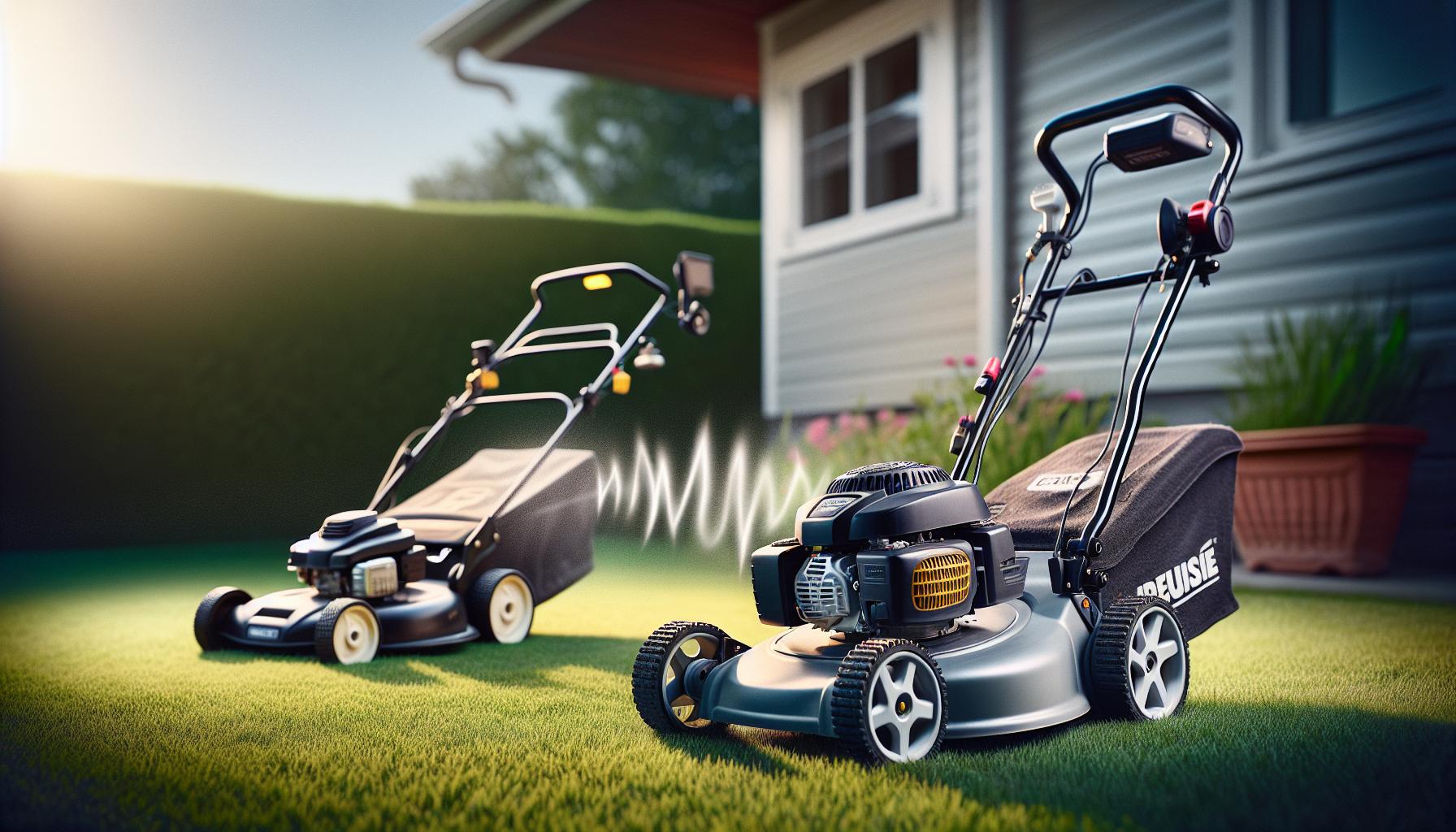
How to Measure Noise Levels of Lawn Mowers
To properly assess the noise output of lawn mowers, utilizing a sound level meter is the most effective method. These devices are designed to measure sound in decibels (dB) and can provide accurate readings of how much noise a mower produces during operation. It’s essential to use a meter that adheres to specific standards to ensure reliability, such as those compliant with IEC 61672, which outlines the performance requirements for sound level meters.
When measuring lawn mower noise levels, consider the following best practices:
- Choose the Right Environment: Conduct measurements in a controlled setting, ideally on a flat surface and away from other noise sources, to get a clear reading.
- Height and Distance: Position the sound level meter at ear height (approximately 1.5 meters above ground) and at least 5 meters away from the mower to accurately capture the noise level without interference from the machine’s own vibrations.
- Record Different Conditions: Measure the noise level in various mowing conditions (e.g., thick grass versus dry grass) to understand the mower’s performance across different scenarios.
- Take Multiple Readings: To ensure consistency, take multiple readings at different times and average them out. This will account for variations in operation and environmental conditions.
Understanding the results from your noise level measurements can help you determine whether the mower exceeds typical dB levels. For context, gas-powered models often range from 85 to 95 dB, while many electric mowers register between 60 and 75 dB. If your readings consistently surpass the typical levels for your mower type, it may be a sign that maintenance is needed or that a quieter model should be considered.
By measuring lawn mower noise levels accurately, homeowners can make informed decisions regarding their equipment and be more mindful of their impact on the environment and their neighbors. This practice not only fosters a sense of responsibility but also promotes a more enjoyable outdoor experience for everyone involved.
Noise Regulations and Guidelines for Lawn Mowers
In many urban and suburban areas, lawn mower noise can be a significant concern, leading to the development of guidelines and regulations intended to mitigate disturbances. Most municipalities recognize the potential for lawn mowers to contribute to noise pollution, especially during early morning or evening hours when many residents seek peace and quiet. Many local noise ordinances specify acceptable noise levels for outdoor equipment, which often means that lawn mowers must operate within a certain dB range, typically not exceeding 60 to 85 dB depending on the time of day and local laws. Adhering to these regulations not only helps maintain community tranquility but also protects against potential fines or complaints from neighbors.
To navigate the complex world of noise regulations, homeowners should first familiarize themselves with their local ordinances. Most cities provide access to noise regulations online or through local government offices. It’s also beneficial to consider participating in community discussions or forums where noise issues can be raised and addressed. In doing so, gardeners and landscapers can advocate for realistic noise standards that accommodate both the needs of lawn care and the desire for a peaceful neighborhood.
Community awareness plays a crucial role in minimizing noise disputes. Homeowners are encouraged to be considerate about when they operate their lawn mowers. For example, opting to mow during reasonable hours, typically between 7 AM and 9 PM on weekdays, can help prevent disruption. Using quieter options, such as electric mowers or those labeled as “low noise,” can also go a long way in ensuring compliance with noise regulations, further demonstrating goodwill towards neighbors.
In summary, staying informed about noise guidelines and regulations is vital for homeowners operating lawn mowers. By respecting community standards and practicing considerate mowing habits, individuals can contribute to a more harmonious living environment while also maintaining their outdoor spaces effectively.
Tips for Reducing Lawn Mower Noise in Your Neighborhood
Minimizing lawn mower noise not only enhances the enjoyment of outdoor spaces but also promotes neighborly harmony in residential areas. Understanding that common gas-powered lawn mowers can generate noise levels ranging from 85 to 95 decibels (dB), it’s crucial for homeowners to adopt strategies to mitigate disturbance. Here are several effective :
- Choose Quieter Mowers: Electric mowers or battery-operated models generally produce less noise than traditional gas mowers. Some high-end electric mowers operate at noise levels as low as 60 dB, making them suitable for use even during early morning hours without disrupting neighbors.
- Mow During Acceptable Hours: Be mindful of the time of day when mowing. Operating lawn mowers during reasonable hours-typically from 7 AM to 9 PM-can greatly reduce noise complaints. Additionally, consider scheduling mowing when neighbors are least likely to be home, such as while they are at work or running errands.
- Maintain Your Equipment: A well-maintained mower produces less noise. Ensure that blades are sharp, and the engine is tuned properly, as a poorly maintained mower can operate noisily. Regularly check for loose parts and consider using a muffler or noise-reducing attachments designed for lawn mowers.
- Utilize Sound Barriers: If your lawn lies adjacent to neighboring properties, creating physical barriers-like fences, hedges, or strategic landscaping-can help absorb and mitigate sound transmission, reducing the overall impact of mower noise on your surroundings.
- Plan Your Mowing Strategy: Divide large areas into smaller sections, allowing you to take breaks in between and reduce the continuous noise levels that may agitate neighbors. Additionally, consider options like mulching mowers that cut grass into finer particles, reducing the time spent mowing.
- Communicate with Neighbors: A simple conversation with neighbors can go a long way. Let them know your mowing schedule in advance, and ask if there are specific times that work best for them to minimize disruption.
Implementing these tips not only minimizes lawn mower noise but also fosters a considerate community spirit. With little adjustments, maintaining a beautiful lawn can coexist harmoniously with a peaceful neighborhood environment.
Choosing the Quietest Lawn Mower: Key Features to Consider
When it comes to selecting a lawn mower, noise level is a vital consideration that often goes overlooked. Many homeowners are not aware that the sounds generated by lawn mowers can significantly vary based on their design and power source. In fact, opting for a quieter model can transform not only your mowing experience but also the comfort of your entire neighborhood. Therefore, understanding the key features that contribute to a mower’s noise output can aid in making a well-informed purchase.
One of the first factors to assess is the type of motor powering the mower. Electric mowers, including both corded and battery-operated versions, generally operate at lower decibel levels compared to traditional gas-powered models. For instance, while gas mowers can emit sounds reaching between 85 to 95 dB, many quiet electric models operate around 60 dB-making them suitable for mowing during quieter hours. Additionally, vibration levels can contribute to perceived noise; mowers designed with vibration-dampening technology can provide a smoother and quieter mowing experience.
Material and construction quality also play essential roles in noise reduction. Mowers with composite decks tend to produce less noise than those with metal frames. Other features to look for include:
- Mufflers and noise-reduction systems: These can significantly lower the sound output of gas mowers.
- High-quality blades: Sharp, well-maintained blades cut grass more efficiently and quietly.
- Design ergonomics: A well-designed mower that minimizes vibrations can reduce the overall noise level perceived by the user.
Ultimately, when choosing the quietest lawn mower, it’s essential to balance noise level, performance, and personal needs. By prioritizing features like electric power sources and quality construction, homeowners can enjoy a beautifully manicured lawn without causing undue disturbance to their surroundings.
Understanding the Impact of Noise on Health and Environment
Excessive noise, particularly from common sources like lawn mowers, can profoundly impact both health and the environment. Research indicates that sounds above 70 decibels (dB) can lead to hearing damage and stress-related health issues. Lawn mowers, especially gas-powered models, often emit noise levels between 85 to 95 dB, which can pose a real concern for anyone operating them, including the potential for hearing loss over prolonged exposure. Moreover, communities face heightened tension as frequent loud mowing can disrupt the peace, interfering with residents’ daily life, outdoor activities, and comfort in their own homes.
In urban and suburban areas, noise pollution has become a pressing issue. Studies have shown that prolonged exposure to high noise levels, such as from mowing during early mornings or late evenings, can disturb wildlife and disrupt local ecosystems. Birds may change their singing patterns or abandon nesting sites, and other small animals could be forced from their habitats. The noise levels from lawn mowers can, thus, not only affect humans but also damage the delicately balanced relationships within local environments, leading to decreased biodiversity.
To mitigate these impacts, homeowners can consider making small changes, such as using electric mowers that generally operate at lower volumes compared to traditional gas-powered versions, or opting for quieter models with noise-reduction features. Additionally, it is advisable to schedule mowing during considerate hours to avoid disturbing neighbors and taking breaks to reduce overall noise exposure. Recognizing the importance of maintaining a peaceful environment can help foster a greater awareness of noise pollution’s far-reaching effects, leading to improved health outcomes and a better quality of life for everyone in the community.
Overall, being mindful of the noise produced by lawn mowers and taking proactive steps to minimize it can significantly improve both individual health and environmental well-being. Encouraging awareness and consideration in mowing practices can help create a harmonious living environment where both people and wildlife can thrive.
Consumer Reviews: The Quietest Lawn Mowers on the Market
Finding a lawn mower that delivers effective performance while minimizing noise can be a game-changer for homeowners seeking peace during their weekend gardening sessions. The shift towards quieter lawn mowers, particularly electric models, has gained traction among consumers looking to reduce noise pollution and enhance their mowing experience. Users consistently share their satisfaction with electric mowers that operate at significantly lower decibel levels, often ranging from 60 to 75 dB, compared to their gas-powered counterparts which can exceed 85 dB.
Top Picks for Quiet Lawn Mowers
When considering quiet lawn mowers, several models stand out based on consumer reviews:
- Greenworks 20-Inch 3-in-1 Electric Lawn Mower: This corded electric mower is praised for its nearly silent operation at around 65 dB. Users appreciate its ease of use, lightweight design, and the lack of gas emissions.
- EGO Power+ 21-Inch 56V Lithium-Ion Mower: With sound levels of approximately 70 dB, this battery-powered mower combines performance with a quiet mowing experience. Reviewers note its powerful battery life and efficient cutting capability.
- Sun Joe MJ402E 12 Amp 16-Inch Electric Lawn Mower: Keeping the noise level down to about 68 dB, this compact mower is a favorite for small to medium lawns. Users highlight its maneuverability and low maintenance requirements.
- Black+Decker BEMW472BH 10 Amp 15-Inch Mower: Operating at around 70 dB, this tool is favored for its affordability and effectiveness in tackling overgrown grass with minimal disturbance to neighbors.
Real User Insights
Consumers often report that switching to a quieter mower not only mitigates noise complaints but also enhances their mowing routine by allowing them to engage in other outdoor activities like listening to music or enjoying family time without the distraction of engine noise. One user commented on how their electric mower’s low noise level allowed them to mow early on Sunday mornings without disturbing the neighborhood, fostering a harmonious living environment where both human and wildlife benefits are evident.
Ultimately, when shopping for a quiet lawn mower, focus on models with electric or battery power options, as they typically provide the best balance of performance and noise reduction. Keeping an eye on user reviews and noise level specifications can lead you to the ideal mower, ensuring you maintain a beautiful lawn without the strain of excessive noise.
When to Use Your Lawn Mower to Minimize Noise Disruption
Mowing your lawn can be a noisy affair, which poses challenges for maintaining a peaceful environment, especially in suburban neighborhoods. Choosing the right time to mow not only ensures a well-manicured lawn but also shows consideration for your neighbors. Heading out with your mower during peak noise times or when you’re likely to disturb many people can lead to complaints and tension, making it essential to think strategically about your mowing schedule.
The early morning hours, while often ideal for cooler temperatures, can be disruptive, as many people are just waking up or enjoying a quiet morning. Instead, consider waiting until late morning or early afternoon, especially on weekdays, when most residents are likely to be engaged with their daily routines. Similarly, mowing later in the afternoon or early evening can allow you to complete your task before darkness falls, while still respecting your neighbors who may be unwinding from their day.
If you’re living in a community with specific noise regulations, being aware of those hours is crucial. Many neighborhoods have guidelines that restrict noisy activities like mowing to certain times, typically between 8 AM and 8 PM on weekdays. Furthermore, weekends may have different expectations, so it’s wise to communicate with your neighbors and perhaps even coordinate your mowing schedule with theirs to minimize noise disruption. This kind of neighborly planning helps foster a sense of community and mutual respect while ensuring that everyone can enjoy their own outdoor spaces peacefully.
FAQ
Q: How loud is a lawn mower in decibels (dB)?
A: A typical lawn mower operates between 85 to 100 dB. This noise level can vary based on the type of mower and its maintenance. For comparison, 85 dB is similar to heavy traffic noise, indicating lawn mowers can be quite loud during operation.
Q: What factors influence lawn mower noise levels?
A: Several factors affect lawn mower noise, including engine type (gas vs. electric), mower design, blade sharpness, and maintenance condition. Well-maintained mowers often produce less noise. Understanding these influences can help in selecting quieter models [3].
Q: Are there quiet lawn mower options available?
A: Yes, there are quieter lawn mowers on the market, especially battery-powered or electric models. These typically operate at around 60 to 80 dB, making them suitable for residential areas. When choosing a mower, check product specifications for noise levels [3].
Q: How can I reduce lawn mower noise?
A: To minimize lawn mower noise, consider using a grass mulching attachment, keeping the mower well-maintained, and mowing during hours that comply with local noise regulations. This approach not only reduces noise but can also create a more pleasant mowing experience.
Q: What’s the difference in noise levels between gas and electric lawn mowers?
A: Gas mowers generally operate at higher noise levels (85-100 dB) compared to electric models, which can range from 60-80 dB. When selecting a mower, consider your noise tolerance and local regulations [3].
Q: Is lawn mower noise regulated?
A: Yes, many localities have regulations governing lawn mower noise levels. These laws are designed to minimize disturbances in residential areas, especially during early morning or late evening hours. Always check local guidelines to ensure compliance.
Q: How does lawn mower noise affect health?
A: Prolonged exposure to lawn mower noise, particularly over 85 dB, can lead to hearing damage and other health issues. It’s advisable to use hearing protection if you are operating a lawn mower for extended periods to safeguard your hearing [3].
Q: What times are best for mowing to minimize noise disruption?
A: To minimize noise disruption, mow during midday hours, typically between 10 am and 4 pm, when most neighbors are less likely to be disturbed. This timing also complies with many local noise ordinances, ensuring peaceful cohabitation in residential areas.
The Conclusion
Understanding the noise level of lawn mowers, which typically reaches 85 dB to over 100 dB, is essential for maintaining peace while caring for your yard. If you’ve found this information helpful, consider exploring further with our comprehensive guides on effective lawn care techniques or the best practices for reducing noise pollution in your neighborhood.
Don’t let lawn maintenance overwhelm you; subscribe to our newsletter for expert tips and exclusive content that empowers you to achieve the lush lawn of your dreams. Got questions or experiences to share? Drop a comment below and join the conversation with fellow lawn enthusiasts. Remember, a stunning lawn is a well-maintained one, so take action now-your outdoor oasis awaits!