Did you know that lawn mowers can emit noise levels reaching up to 100 decibels? This is not just an annoying sound; prolonged exposure can lead to serious hearing damage. As many of us dive into yard work, it’s essential to understand how these machines affect our ears. In this article, we explore the decibel levels of lawn mowers and provide valuable tips to protect your hearing while keeping your yard looking pristine. With the right knowledge, you can enjoy a beautiful lawn without sacrificing your auditory health. Read on to discover how to safeguard your hearing while maintaining your outdoor space.
How Loud is a Lawn Mower? Understanding Noise Levels
Lawn mowers are essential tools for maintaining a well-kept yard, but they come with a notable downside: their noise levels. The typical gas-powered lawn mower operates at an impressive 90 to 100 decibels (dB), which is significantly above the safe threshold. For context, sounds above 85 dB can contribute to hearing damage, particularly with prolonged exposure. To understand just how loud this is, consider that a chainsaw ranges from 100 to 120 dB, and a rock concert can exceed 120 dB. This places the common lawn mower among the louder household tools, emphasizing the importance of awareness regarding noise exposure.
It’s worth mentioning that electric mowers tend to produce less noise, generally operating around 60 to 75 dB, making them a more ear-friendly option for maintaining your lawn. Despite their quieter operation, they still require users to be cautious about noise exposure during extended mowing sessions. Knowing the noise level of your specific mower can inform your decisions regarding ear protection and mowing schedules, especially in residential areas.
Understanding the decibel output of lawn mowers can help you take proactive steps in protecting your hearing. If you’re using a gas mower, consider incorporating protective gear like earmuffs or earplugs not only for your safety but also to enhance your overall mowing experience by reducing surrounding noise interference. By taking these precautions, you can enjoy a beautifully manicured lawn without compromising your hearing health.
The Health Risks of Lawn Mower Noise Exposure
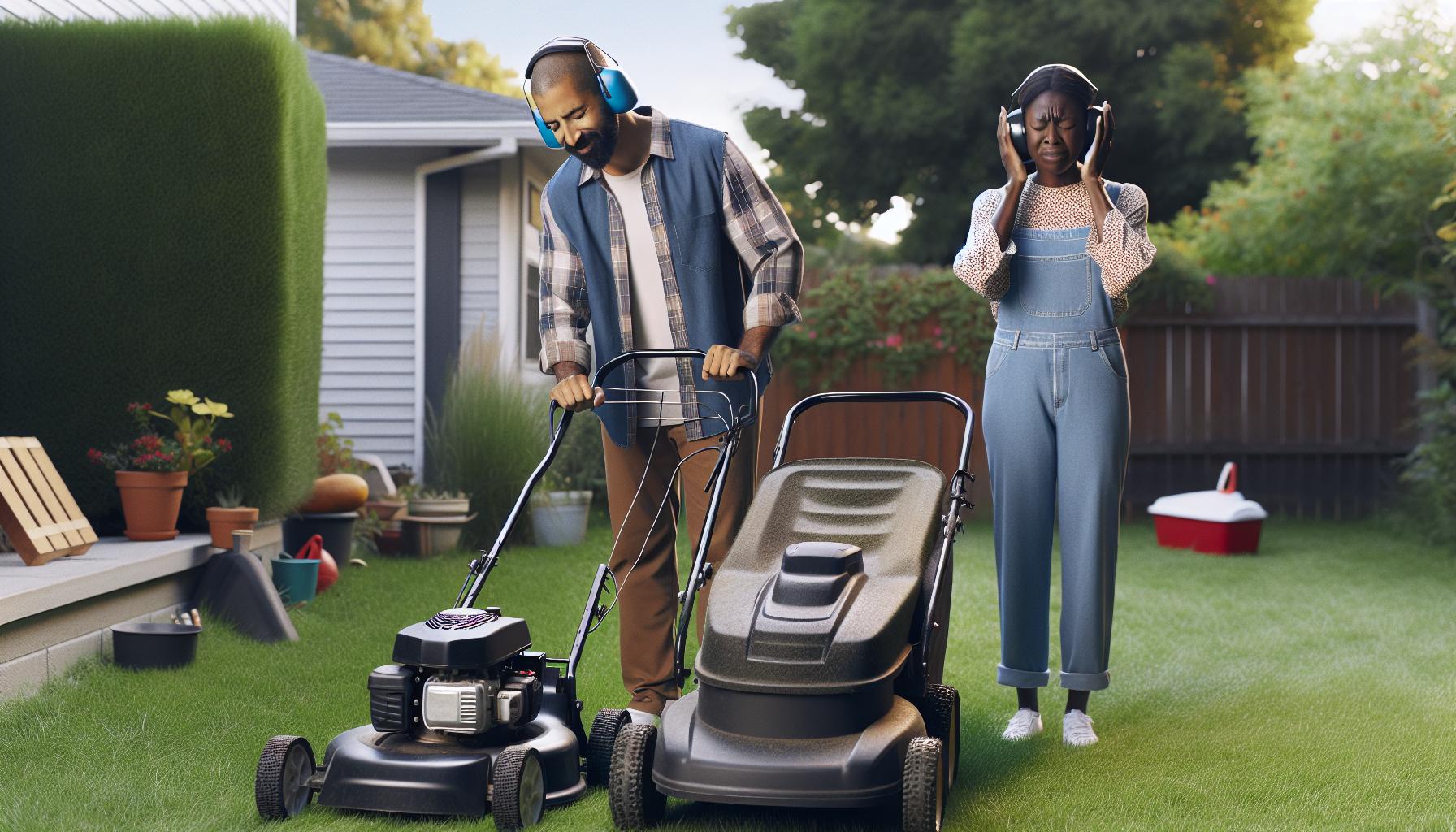
Lawn mowers are vital for maintaining lawns, but their noise levels present significant health risks that deserve attention. Prolonged exposure to sounds exceeding 85 decibels can lead to irreversible hearing damage, making the typical gas-powered mower, which operates between 90 to 100 dB, a considerable threat to your auditory health. Interestingly, research indicates that even short durations of exposure to high noise levels can lead to conditions such as tinnitus-a ringing or buzzing in the ears that can become chronic.
Beyond hearing loss, the stress caused by loud noise can manifest in various health issues. Workers who use lawn mowers regularly may find themselves facing increased levels of anxiety and blood pressure as the body responds to the constant loud environment. Over time, this chronic stress can contribute to more severe health concerns, including cardiovascular diseases. For those mowing in residential neighborhoods, noise pollution can escalate tensions with neighbors, creating an environment that is not just physically stressful but also socially uncomfortable.
To mitigate these risks, adopting protective measures is essential. Using earplugs or earmuffs during mowing is a straightforward yet effective way to reduce noise exposure significantly. Additionally, planning mowing sessions during times when fewer people are around can help minimize both exposure to loud noise and the potential for conflict over noise levels. By prioritizing hearing protection and being mindful of mowing environments, you can protect your health while keeping your lawn in pristine condition.
Tips for Protecting Your Hearing While Mowing

Loud noises from lawn mowers can be detrimental to your hearing health, and knowing how to protect yourself while performing this essential yard work is crucial. Studies show that noise levels from gas-powered lawn mowers typically range from 90 to 100 decibels, which can quickly lead to hearing damage without proper precautions. Fortunately, there are several strategies you can employ to shield your ears from potentially harmful sounds.
One of the most effective ways to protect your hearing is to wear appropriate ear protection. Options include disposable earplugs or over-the-ear earmuffs designed to reduce noise levels significantly. Look for products that specify a Noise Reduction Rating (NRR) of at least 20 dB to ensure substantial hearing protection. In addition, choose a style that is comfortable for extended wear, as mowing can take considerable time, especially if you have a large yard.
Timing your mowing sessions can also minimize noise exposure. Aim to mow during the early afternoon when sound is less likely to disturb neighbors or interrupt daily routines. This not only helps you avoid potential conflicts but also allows you to focus better without the added stress of external distractions. Moreover, plan your mowing route strategically to minimize backtracking and optimize efficiency, allowing for shorter exposure times altogether.
Additionally, regular maintenance of your lawn mower can significantly lower noise output. Keeping blades sharp and ensuring the engine runs smoothly can make the machine operate more quietly. If you’re in the market for a new mower, consider looking for electric models or quieter gas-powered options designed with noise-reduction technology. These tools typically operate at lower decibel levels, providing a more peaceful mowing experience while still delivering effective lawn care.
By adopting these practical strategies, you can significantly reduce your risk of hearing damage, ensuring that lawn care remains a safe and enjoyable task for years to come.
Comparing Lawn Mower Noise to Other Common Sounds
The decibel levels produced by lawn mowers often give people pause for thought, as many are unaware of just how loud these machines can be. For context, a gas-powered lawn mower typically generates noise levels between 90 to 100 decibels, which is comparable to the noise produced by a motorcycle or a subway train. Understanding how these levels stack up against other everyday sounds can help you gauge the potential risks to your hearing when mowing the lawn.
To illustrate, consider the following comparisons of noise levels:
| Sound | Decibel Level (dB) |
|---|---|
| Whisper | 30 dB |
| Normal conversation | 60 dB |
| Traffic (at 50 feet) | 70 dB |
| Hair dryer | 85 dB |
| Gas-powered lawn mower | 90-100 dB |
| Rock concert | 110 dB |
| Jet takeoff (at 200 feet) | 130 dB |
When you are operating a lawn mower, you’re exposed to noise levels that can exceed what you might encounter in other loud environments, such as while attending a rock concert. Continuous exposure to sounds above 85 dB can lead to hearing damage, making it crucial to take protective measures. Additionally, prolonged exposure to noise levels of 100 dB and above can increase the risk of permanent hearing loss.
Moreover, comparing the noise levels emitted by lawn mowers to common household sounds highlights the intensity of this task. While cooking in the kitchen might expose you to sounds of sizzling pans or a blender at around 70-80 dB, mowing the lawn dramatically escalates this auditory experience, putting you at a greater risk of hearing health issues.
By being aware of these comparisons, you can better appreciate the need for hearing protection while mowing your lawn. Whether you choose high-quality earplugs or over-ear muffs, safeguarding your hearing should be a priority as you tackle your outdoor chores under the roar of a lawn mower.
Choosing a Quieter Lawn Mower: Key Features to Consider
When it comes to choosing a lawn mower, noise levels should be a top consideration, especially given that many conventional models can operate at 90 to 100 decibels, similar to a motorcycle. If you’re looking to protect your hearing while still maintaining your lawn’s appearance, focusing on the key features that contribute to quieter operation is crucial. Fortunately, several advancements in lawn mower technology can help you find a model that meets both your lawn care needs and your desire for a more serene mowing experience.
One effective option is to look for electric or battery-powered lawn mowers, which are generally much quieter than their gas-powered counterparts. These models usually operate at significantly lower decibels, often below 75 dB, making them a sound investment for those sensitive to noise. Additionally, many manufacturers now implement sound-dampening technology in their designs, such as better insulation and noise-reducing blades, that contribute to reduced noise levels.
Key Features to Consider:
- Electric vs. Gas: As mentioned, electric mowers are typically quieter and more environmentally friendly. If you’re concerned about performance, many models have become powerful enough to handle dense grass with ease.
- Noise-Reducing Technology: Some mowers come equipped with advanced mufflers and blade design that minimize sound without sacrificing cutting efficiency.
- Variable Speed Settings: Look for mowers that allow you to adjust the cutting speed. Lower speeds can lead to quieter operation, especially in less dense grass.
- Build Quality and Materials: Models constructed from high-quality materials can often be quieter due to less vibration during operation. Having a solid chassis helps absorb sound, leading to a more peaceful mowing session.
By prioritizing these features, homeowners can significantly reduce the noise generated during lawn care. Additionally, considering the part of the day you mow can also relate to noise: mowing during peak hours of noise regulation days may mean less disturbance to your neighbors and better consideration of your environment. Thus, upgrading to a quieter lawn mower not only helps protect your hearing but also promotes a more pleasant experience for everyone in your vicinity.
Decibel Ratings: What They Mean for Your Hearing
The loud hum of a lawn mower is more than just an annoying sound; it can also pose a serious risk to your hearing health. The decibel (dB) rating of a lawn mower typically ranges between 90 to 100 dB, a level comparable to that of a motorcycle or a chainsaw. This intensity can cause hearing loss with prolonged exposure, particularly if proper hearing protection is not used. Understanding decibel ratings is crucial for anyone engaged in regular mowing, as it provides insight into how sound intensity can impact hearing health over time.
Decibels are measured on a logarithmic scale, which means that an increase of just 10 dB represents a tenfold increase in sound intensity. For instance, while a quiet conversation may register around 60 dB, a lawn mower operating at 90 dB is exponentially louder, making it imperative for users to take precautions. Sounds above 85 dB are generally recognized as hazardous, especially when exposure lasts for hours. This understanding underscores the importance of incorporating ear protection while mowing to mitigate the risks associated with noise exposure.
Practical Advice for Hearing Protection
When mowing your lawn, consider these essential steps to protect your hearing:
- Use Hearing Protection: Invest in quality earplugs or noise-cancelling headphones specifically designed for high-noise environments.
- Limit Exposure: Take regular breaks to reduce continuous exposure to loud sounds; this can help minimize the risk of hearing damage.
- Choose Quieter Models: Select lawn mowers known for their lower decibel levels, particularly electric or battery-powered options.
By understanding the decibel ratings of lawn mowers and their implications for hearing health, you can make informed choices that not only protect your ears but also enhance your overall lawn care experience. Ignoring these risks can lead to irreversible damage, making awareness and proactive measures essential for all homeowners.
Noise Regulations for Lawn Equipment: What You Need to Know
Lawn equipment noise regulations play a vital role in managing the impact of sound pollution in residential and public areas. Most regions have established guidelines that dictate the acceptable noise levels for lawn mowers and other outdoor machinery to protect both public health and the environment. For instance, many municipalities enforce noise ordinances that limit the operation of loud equipment during specific hours to prevent disturbances in neighborhoods, particularly during early mornings and late evenings.
Understanding the specific noise regulations in your area is crucial for compliant lawn care practices. These ordinances typically set maximum permissible noise levels measured in decibels, often ranging from 60 dB during the day and even lower at night. Frequent violations can result in fines or additional municipal scrutiny. For practical compliance, homeowners and landscapers alike are encouraged to familiarize themselves with local laws, which can often be found on government websites or by contacting local authorities.
Moreover, selecting lawn mowers that meet or exceed community noise standards can enhance your lawn care experience while respecting your neighbors’ peace. Many manufacturers now design models specifically to operate within these limits, utilizing quieter technologies such as electric or battery-powered options. These innovations not only minimize noise exposure but also promote a healthier environment for both users and passersby.
Incorporating best practices in noise management not only ensures adherence to regulations but also contributes to a greater awareness of noise pollution’s effects on health and well-being. Whether you’re mowing your own lawn or servicing a client, being knowledgeable about noise regulations and choosing quieter equipment demonstrates responsibility and respect for the community.
The Importance of Ear Protection in Loud Environments
Lawn mowers can produce noise levels that exceed 90 decibels, which is comparable to a roaring motorcycle or a rock concert. Exposure to such intense sound can lead to serious health consequences, particularly regarding hearing loss. This is why ear protection is essential when mowing the lawn. While many may overlook the importance of hearing conservation, a simple pair of earplugs or earmuffs can effectively mitigate the risks associated with noise exposure during lawn care tasks.
Not only does prolonged exposure to loud noises like those from lawn mowers increase the likelihood of hearing damage, but it can also contribute to temporary conditions such as tinnitus-a ringing or buzzing sensation in the ears. For those frequently engaged in lawn maintenance, particularly professionals who operate heavy equipment for hours on end, the cumulative effect of sound exposure can result in irreversible damage. Therefore, incorporating hearing protection should be regarded as a top priority for anyone planning to use a lawn mower regularly.
When selecting ear protection, it’s important to consider options that provide sufficient noise reduction without compromising comfort. Here are a few types of ear protection that can be particularly effective:
- Earplugs: These are inserted into the ear canal and can block out significant noise. They are often inexpensive, disposable, and easy to carry.
- Earmuffs: Comfortable and easy to put on, earmuffs cover the entire outer ear and provide effective sound dampening, making them ideal for extended use.
- Noise-canceling headphones: These combine sound-blocking with music listening capabilities, allowing users to enjoy their favorite tunes while protecting their hearing.
By making ear protection part of your mowing routine, you promote better long-term health outcomes. Whether you are mowing your lawn, helping a neighbor, or working in landscaping, prioritizing hearing safety not only enhances your quality of life but sets a responsible example in your community.
Lawn Mower Maintenance Tips to Minimize Noise
Keeping your lawn mower well-maintained is crucial not just for the performance of the machine, but also for minimizing its noise output. A poorly maintained mower can become increasingly loud, making the mowing process not only unpleasant but also potentially harmful to your hearing. Regular maintenance will not only help keep the noise levels in check but also extend the life of your equipment.
One of the easiest ways to reduce noise is by ensuring that the mower blades are sharp. Dull blades create more resistance and work harder than necessary, leading to increased noise levels. Keep your blades sharp by regularly sharpening them or replacing them when they become too worn. Moreover, be sure to check the mower deck and undercarriage for built-up grass clippings and debris. A clean mower operates more efficiently and quietly.
Additionally, regularly checking your mower’s engine and air filter is key. A dirty air filter can restrict airflow, causing the engine to work harder, which elevates noise levels. Replacing a clogged air filter and ensuring that the engine is in good condition can significantly decrease operational noise. Use proper oil to lubricate the moving parts as specified in the user manual; this reduces friction and vibration, both of which contribute to noise.
Lastly, consider your mowing technique. When mowing at a steady pace, it allows the mower to operate more smoothly and can help prevent excessive noise from unnecessary throttle adjustment. Additionally, check the fuel quality; stale or poor-quality fuel can create inefficient combustion, contributing further to noise levels. By implementing these maintenance tips, not only will you achieve a more pleasant mowing experience, but you’ll also help protect your hearing in the long run.
Alternatives to Traditional Lawn Mowers: Eco-Friendly Options
For those seeking to maintain their lawns while safeguarding both the environment and their hearing, eco-friendly alternatives to traditional gas-powered lawn mowers offer a compelling solution. These options not only produce significantly less noise-often measured in the lower decibel ranges-but also reduce harmful emissions, making them better for overall health and well-being.
Electric Lawn Mowers
Electric lawn mowers come in both corded and cordless varieties, and they are typically quieter than their gas counterparts.
- Noise Levels: Most electric mowers operate at around 75 decibels, compared to gas mowers that can reach 95 decibels or more.
- Maintenance: They require less maintenance since they do not have fuel systems and oil changes, minimizing their operational footprint.
- Battery Technology: With advancements in battery technology, many cordless models can now mow for hours on a single charge, allowing for greater flexibility.
Reel Mowers
Reel mowers, or manual push mowers, are an excellent option for those with smaller yards who want an effective workout while cutting their grass. These mowers use a simple blade system that relies on human power, which means they operate at silent levels-typically around 50 to 60 decibels.
- Benefits: Besides being quiet, they require no fuel or electricity, making them a zero-emission choice.
- Grass Health: They offer a clean cut that promotes healthier grass growth compared to rotary mowers.
- Exercise: Using a reel mower encourages physical activity, turning lawn care into a delightful workout.
Robot Lawn Mowers
As technology advances, robot lawn mowers have become a popular and innovative option. These self-operating devices are programmed to mow grass automatically and operate quietly, often generating less than 65 decibels.
- Convenience: They can be programmed to mow at specific times, allowing you to enjoy your outdoor space without the associated noise and effort.
- Smart Features: Many models use sensors to navigate and avoid obstacles, making them highly efficient in keeping your lawn well-groomed.
- Eco-Friendly: Most are powered by rechargeable batteries and run silently, minimizing their environmental impact.
By considering these eco-friendly options, homeowners can enjoy a quieter mowing experience while also contributing positively to environmental sustainability. Overall, integrating noise-reducing and eco-conscious practices into lawn care can lead not only to healthier lawns but also to a more peaceful living environment.
How to Use Sound-Reducing Techniques When Mowing
Utilizing sound-reducing techniques while mowing can significantly enhance your lawn care experience while protecting your hearing. Interestingly, regular lawn mowers can produce noise levels ranging from 85 to over 95 decibels, which can lead to hearing damage with prolonged exposure. Adopting strategies that minimize noise not only benefits your own auditory health but also helps maintain a peaceful environment for your neighbors.
One effective method for reducing noise is to choose the right time for mowing. Opt for times when ambient noise levels are lower, such as mid-morning or late afternoon, to lessen the impact of your activity. Additionally, consider your lawn mower’s maintenance routine; keeping blades sharp and ensuring the engine is in good condition can reduce unnecessary noise. A well-maintained mower produces cleaner cuts and operates more efficiently, often resulting in lower decibel levels during use.
Another crucial sound-reducing strategy is to wear well-fitted ear protection, such as earmuffs or earplugs, specially designed for high-decibel environments. These can effectively block harmful noise frequencies while allowing you to hear important sounds around you. Furthermore, exploring quieter mowing alternatives like electric or battery-operated mowers can make a substantial difference; these typically produce sound levels around 75 decibels, significantly reducing the risk of hearing damage over time.
Finally, sound barriers can also be utilized to lessen noise pollution. Installing fences, hedges, or acoustic panels around your lawn can absorb sound waves, diminishing the impact of mower noise on surrounding areas. Overall, by implementing these sound-reducing techniques, you not only support your own health but also foster a considerate approach toward your community, making lawn care a more pleasant experience for everyone involved.
Exploring the Impact of Noise Pollution on Health and Environment
The sound of a lawn mower can be a familiar yet unwanted soundtrack in many neighborhoods, often reaching levels that pose risks not only to the operator’s hearing but also to the community and surrounding wildlife. Prolonged exposure to noise pollution, particularly from equipment like lawn mowers which can emit between 85 to 95 decibels, can lead to significant health issues, including stress, sleep disturbances, and cardiovascular problems. A recent study indicated that communities exposed to higher noise levels experience an increase in reported levels of anxiety and irritability, demonstrating noise’s potential to disrupt not just individual peace but also collective well-being.
Beyond human health, noise pollution adversely affects wildlife as well. The habitats and behaviors of birds, mammals, and other animals are intricately linked to auditory cues. Excessive noise can interfere with communication, mating rituals, and predator-prey interactions, ultimately challenging the very survival of certain species. For instance, birds rely on their songs not only for attraction but also for territory marking; increased noise levels can drown out these vital signals, leading to reduced reproduction and alter practices in foraging and nesting.
To mitigate these issues, individuals can employ various strategies when maintaining their lawns. Choosing quieter equipment, such as electric mowers, can dramatically reduce noise output. Moreover, scheduling mowing activities during appropriate hours-preferably mid-mornings or late afternoons-when people are less likely to be disturbed can contribute to a more considerate community environment. Furthermore, incorporating natural sound barriers-like hedges or tree lines-can effectively absorb sound and minimize the spread of noise pollution, enhancing both human and ecological health.
Engaging in community dialogue about noise levels and promoting awareness around the health impacts of loud outdoor equipment can lead to lasting change. By fostering a culture of responsibility regarding lawn care practices, individuals not only protect their hearing but also contribute positively to the health of their community and the environment, making a small yet meaningful difference in the broader conversation about noise pollution.
Frequently Asked Questions
Q: How many decibels is a typical gas-powered lawn mower?
A: A typical gas-powered lawn mower operates at around 95 to 105 decibels. Prolonged exposure to noise levels above 85 decibels can lead to hearing damage, making ear protection essential during operation.
Q: What are the quietest types of lawn mowers?
A: The quietest types of lawn mowers are electric mowers, particularly battery-powered models, which usually operate at about 65 to 75 decibels. Choosing a quieter mower can significantly reduce noise exposure during mowing sessions.
Q: How can I reduce the noise from my lawn mower?
A: To reduce noise from your lawn mower, consider regular maintenance such as blade sharpening and replacing worn parts. Using sound-dampening attachments and mowing during designated hours can also help minimize noise impact.
Q: What are the health effects of lawn mower noise exposure?
A: Prolonged exposure to lawn mower noise can lead to temporary or permanent hearing loss, increased stress levels, and fatigue. Protecting your hearing with earplugs or noise-canceling headphones can mitigate these risks.
Q: Are there any regulations on lawn mower noise?
A: Yes, many areas have noise regulations that dictate acceptable sound levels for lawn equipment. These regulations often require that noise levels be kept below 70-85 decibels during certain hours to minimize disturbance to neighbors.
Q: How does lawn mower noise compare to other common sounds?
A: Lawn mowers typically range from 90 to 105 decibels, making them louder than normal conversation (60 dB) and comparable to loud music or a power saw (100 dB). Understanding these comparisons can highlight the importance of hearing protection.
Q: Why is ear protection important while using a lawn mower?
A: Ear protection is crucial while using a lawn mower due to exposure to high decibel levels that can damage hearing over time. Consistent use of earplugs or earmuffs can prevent noise-induced hearing loss.
Q: How can I choose a lawn mower that is easier on my ears?
A: When selecting a lawn mower, look for models that advertise lower decibel ratings, typically below 75 dB. Electric and battery-operated mowers are often quieter and can reduce the risk of hearing damage during use.
In Summary
Now that you know how many decibels a lawn mower produces and the importance of protecting your hearing, take action today to safeguard your ears. Remember, prolonged exposure to loud sounds can lead to permanent damage. For tips on choosing the right hearing protection, be sure to check out our guide on “Best Ear Protection for Loud Noises.”
If you’re curious about other lawn care tips or ways to maintain your outdoor space effectively, explore our related articles on lawn maintenance and gardening best practices. Don’t let the fear of noise keep you from enjoying your yard-engage with your environment confidently!
Got questions or experiences to share? Join the conversation in the comments below, and let’s keep the discussion going. Subscribe to our newsletter for more insightful content, and never miss out on updates that can enhance your home and garden experience!