Maintaining a lush, vibrant lawn is a goal for many homeowners, and understanding the costs involved in professional lawn care can be a game-changer. Did you know that hiring lawn services can actually save you time and reduce the stress of yard work? With the rise of busy lifestyles, more people are turning to professionals for help with lawn maintenance, creating a surge in demand and service options. This 2025 Pricing Guide will break down the typical costs associated with lawn mowing, fertilization, and other maintenance services, helping you make informed decisions tailored to your yard’s unique needs. As you delve into the details, you’ll discover how to balance quality care with budget considerations, ensuring your outdoor space remains a source of pride and enjoyment. Keep reading to navigate the nuances of lawn service pricing and find the best solutions for your green oasis.
Understanding the Cost of Lawn Services
The landscape of lawn service costs can be as diverse as the types of lawns themselves, requiring homeowners to navigate a range of variables when budgeting for maintenance. Understanding this cost begins with recognizing what goes into pricing. Several factors, including the size of your lawn, the specific services required (like mowing, fertilizing, or weed control), and geographical location all play pivotal roles. For instance, a larger garden or one that demands specialized treatment will naturally lead to higher costs. Additionally, seasonal influences can impact availability and pricing, as companies may charge more during peak growing seasons.
A significant consideration is the service frequency. Regular maintenance agreements, such as weekly mowing or monthly fertilization, may offer cost savings compared to one-time services. Many lawn care companies provide packages that bundle services for a discount, which can be appealing for budget-conscious homeowners. However, discerning the worth of these packages versus individual services is crucial. Evaluating the specific needs of your lawn can lead you to a tailored approach, ensuring you pay only for what you truly require.
Furthermore, it’s essential to pay attention to hidden costs often associated with lawn care services. Charges for equipment use, travel fees, or additional treatments can add up quickly without clear communication from the service provider. Engaging in discussions about these potential extras before signing a contract can provide a clearer picture of your total investment.
Ultimately, the right lawn service for your budget hinges on thorough research and comparison. Engaging potential providers in conversation about your needs, the services they offer, and their pricing structures will empower you to make an informed decision. With an understanding of these nuanced factors and a proactive approach, you can create a lush, healthy lawn that aligns with both your aesthetic aspirations and financial goals.
Factors Influencing Lawn Service Pricing

The cost of lawn services doesn’t come from a one-size-fits-all template; it varies widely based on a multitude of influences that can surprise even the most meticulous homeowners. To understand why prices fluctuate, it’s essential to look at the specific factors that dictate the costs associated with lawn care. From the dimensions of your property to the type of grass and specific services you require, each variable plays a pivotal role in shaping the total expense.
Size and Complexity of Your Lawn
A primary factor influencing lawn service pricing is the size of your lawn. Larger areas generally take more time and resources to maintain, which translates into higher costs. Moreover, lawns with complex features-such as intricate landscaping, slopes, and garden beds-demand more expertise and labor to tend to. For instance, a simple rectangular lawn may incur lower maintenance fees than a yard with extensive flower beds or ornamental trees. Additionally, the health and condition of your lawn can impact costs; neglected lawns may require restorative services like soil aeration, which can increase the overall investment.
Specific Services Required
The services you choose are also paramount. Basic mowing, for example, typically costs less than specialized treatments like weed control, fertilization, or pest management. Homeowners should consider bundling services into packages, which many lawn care providers offer at discounted rates. However, it’s vital to determine your lawn’s specific needs first to avoid paying for unnecessary services. For example, a lawn infested with weeds might benefit most from targeted treatments rather than just mowing.
Geographical Location
Your geographical location can significantly affect lawn service costs. Regions with a higher cost of living or areas where demand for lawn care services is strong may see inflated prices. For example, urban dwellers might find services to be pricier than those living in suburban or rural settings due to factors such as access, competition among service providers, and regional labor costs. Thus, understanding the local market can help homeowners gauge fair pricing for lawn services.
Seasonal Demand
Finally, seasonal demands play a crucial role in pricing. Certain times of the year, particularly in spring and early summer when growth is at its peak, can see higher prices due to increased demand for lawn maintenance services. Conversely, during fall and winter, prices may drop as fewer homeowners require regular lawn care. Keeping an eye on these trends can help homeowners budget effectively and find savings during off-peak seasons.
By considering these factors-size and complexity of the lawn, specific service needs, geographical location, and seasonal demand-homeowners can gain a clearer understanding of the variables that contribute to lawn service pricing. This knowledge not only aids in making informed decisions but also fosters better communication with service providers, ultimately leading to a healthier lawn that fits within your budget.
Average Lawn Service Costs in 2025
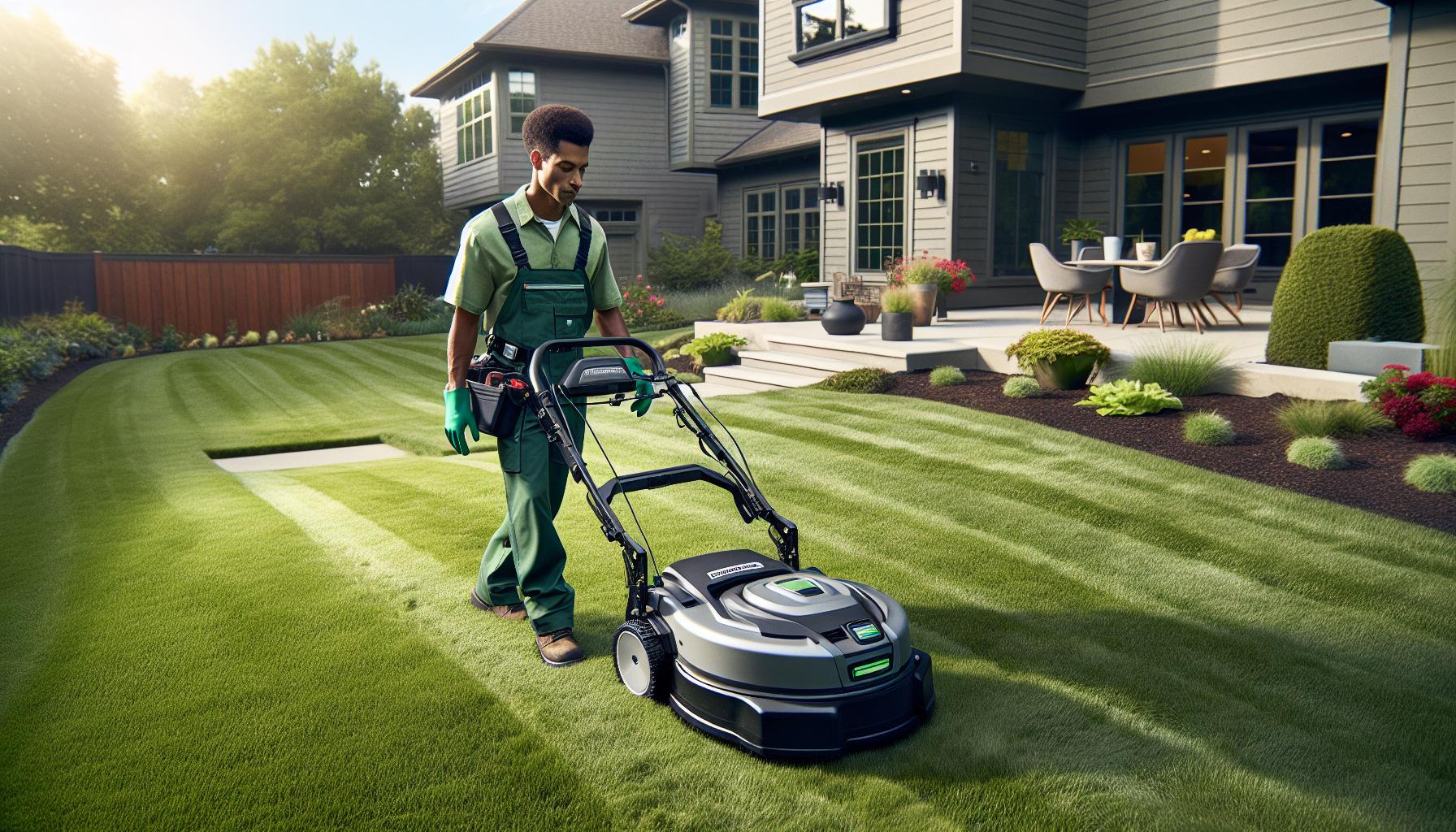
In 2025, homeowners seeking professional lawn care services can expect to pay, on average, between $40 and $150 per visit, depending largely on a range of factors such as their geographical location, the size of their property, and the specific services required. Basic mowing services generally fall at the lower end of this pricing spectrum, while more specialized treatments, such as landscaping, aeration, or pest control, can significantly elevate the overall cost. For example, a typical 5,000 square foot lawn might incur around $100 for basic mowing but could reach $200 or more when incorporating fertilization and weed control.
Service Types and Their Costs
Understanding the costs associated with various services can provide clarity to homeowners. Here’s a breakdown of common lawn care services and their average costs for 2025:
| Service Type | Average Cost ($) |
|---|---|
| Basic Mowing | 40 – 100 |
| Lawn Fertilization | 50 – 150 |
| Weed Control | 60 – 120 |
| Soil Aeration | 75 – 150 |
| Landscape Design | 200 – 1,000+ |
These figures illustrate how even basic maintenance can add up, especially if multiple services are needed concurrently. It’s essential for homeowners to assess their lawn’s condition and determine which services will be most beneficial.
Regional Variations
Regional differences also play a significant role in determining cost. Urban areas typically charge more due to high demand and living costs, while rural regions may offer more competitive pricing. For instance, homeowners in cities may pay a premium for lawn services compared to those in suburban or rural areas where competition is higher and overhead costs are lower.
Additionally, understanding seasonal pricing trends can help save money. Initiating service contracts in the off-peak season can lead to discounts and more favorable rates, as many companies actively seek to maintain steady business throughout the year.
In summary, as homeowners plan for their lawn care in 2025, a clear grasp of the average service costs, regional pricing variations, and the advantages of multi-service packages will prove invaluable in making informed decisions that best suit their needs and budgets.
Comparing Lawn Service Packages and Pricing

When it comes to choosing a lawn service, understanding the variety of packages available can be crucial for homeowners aiming to maintain a beautiful yard while sticking to a budget. Many companies offer tiered packages that include varying levels of service; these can often lead to some confusion if you are unsure about what each package entails. Typically, the most basic package will feature essential services like mowing and trimming, while more comprehensive packages may combine multiple treatments such as fertilization, weed control, and aeration.
To make an informed decision, comparing packages requires a closer look at both the services offered and their associated costs. For instance, one company might charge $40 for a basic mowing service, while another may include complimentary edging or blowing grass clippings for a slightly higher fee. This marginal price difference could provide significant value, especially for homeowners who prefer an all-in-one service that eliminates the hassle of managing multiple vendors.
When examining pricing, consider not only the frequency of service but also the potential for bundled savings. A biweekly plan may save you money in the long run compared to single services if you need multiple treatments. Additionally, some companies provide seasonal packages tailored to local climate conditions, which can enhance your lawn’s health at competitive prices.
Examples of common packages might include:
- Basic Care Package: Mowing and trimming; average cost: $40 – $70.
- Standard Care Package: Mowing, trimming, and basic lawn fertilization; average cost: $70 – $120.
- Premium Care Package: Comprehensive services including mowing, fertilization, weed control, and aeration; costs can range from $120 to $200 or more.
Ultimately, taking the time to meticulously compare service offerings and their inherent costs will empower homeowners to choose a lawn service package that aligns with both their landscaping needs and financial considerations.
Seasonal Pricing Variations for Lawn Care
The changing seasons significantly influence the pricing of lawn care services, a phenomenon that many homeowners might not fully appreciate. As lawns enter different growth phases throughout the year, from the vibrant greenness of spring to the dormant browns of winter, the demand for specific lawn services fluctuates. This seasonal variability can have a direct impact on pricing, with companies often adjusting their rates based on the services in demand during particular times of the year.
In spring, when most lawns awaken from their winter slumber, homeowners are eager to initiate their maintenance routines. Services like fertilization and weed control are particularly sought after, which might lead to higher prices due to increased demand. Conversely, in the fall, while mowing is often still required, some companies may offer lower rates to attract customers who are preparing for winter. This can serve as a great opportunity for homeowners to take advantage of discounts while still ensuring their lawn remains healthy before the cold sets in.
Factors Influencing Seasonal Pricing Variations:
- Service Demand: Peak demand in spring and early summer for services like aeration and fertilization can lead to higher costs.
- Weather Conditions: Unpredictable weather may impact service availability, particularly in regions that experience harsh winters or sudden spring rains.
- Promotional Packages: Many companies offer discounts for bundled services during slower months, making fall an ideal time for budget-conscious homeowners.
Additionally, specific packages tailored to seasonal needs can provide cost-effective options. For instance, a company may offer a “spring clean-up” package that includes mowing, edging, and fertilization at a competitive rate, making it appealing for those ready to spruce up their lawn after the winter. Understanding these seasonal pricing dynamics enables homeowners to plan their lawn care strategies effectively, potentially saving money while ensuring their outdoor space remains in pristine condition all year long.
Hidden Costs of Lawn Maintenance Services
When hiring lawn maintenance services, many homeowners overlook potential hidden costs that can significantly impact their overall landscaping budget. Understanding these expenses is crucial to avoid surprises and ensure that your lawn care investment aligns with your financial expectations. Some common hidden costs arise from various aspects of the service that are often not included in the initial quote or contract.
One major consideration is the condition of your lawn. If your yard has issues such as compacted soil, excessive thatch, or pest infestations, you may incur additional charges for treatments or services that address these problems. For example, aeration or specialized pest control treatments might not be included in the basic mowing and trimming package, leading to higher overall costs. Homeowners should inquire about the health of their lawn and whether remediation services could be necessary before committing to a lawn care provider.
Another factor is the frequency of services. While many companies offer discounts for annual contracts, they might also have add-on fees for extra visits beyond the planned schedule. If your lawn has special needs, such as a high volume of weeds or inconsistent growth, you may find yourself needing more frequent services. Additionally, seasonal adjustments are often not factored into the initial pricing; for instance, the cost of fertilization may be significantly higher during peak growing seasons. It’s wise to clarify how often services will be rendered and the potential costs associated with seasonal adjustments or upgrades in service packages.
Furthermore, consider the service provider’s policy on equipment or treatment fees. Some companies may include basic labor costs but charge extra for premium fertilizers, pest treatments, or specialized equipment usage. This can also extend to disposal fees for lawn waste or materials and whether there are additional charges for heavy lifting or services that require more time than anticipated. Always ask if the quoted price covers everything or if there are additional costs you should be aware of.
By being proactive in understanding these potential hidden costs, homeowners can make more informed decisions and choose a lawn care service that fits within their budget while ensuring their outdoor space remains healthy and attractive.
How to Choose the Right Lawn Service for Your Budget
When navigating the world of lawn care services, understanding how to align your choice with your budget can be a game-changer for maintaining a beautiful lawn without overspending. With a myriad of options available, the key is to ensure that the provider you select not only meets your financial expectations but also delivers quality service suited to your lawn’s specific needs.
One effective strategy is to start by assessing your lawn’s specific requirements. Take note of its size, current condition, and any special needs you may have, such as pest control or landscaping enhancements. This assessment allows you to define your priorities clearly. Once you have that information, gather quotes from multiple service providers to compare pricing structures. Pay attention to what each quote includes-some may cover more services or require extra fees for equipment use, while others might have an all-inclusive package. This will help you understand the average costs for services you are interested in and enable you to spot any red flags regarding hidden fees.
Another important aspect is to explore customer reviews and ratings for the companies on your shortlist. Look for feedback specifically related to service reliability and cost-effectiveness. If a provider consistently receives high marks for value and quality, it might be worth selecting even if their initial quote is slightly higher than competitors. Additionally, don’t hesitate to ask potential service providers any questions regarding payment plans, discounts for contracts, or seasonal pricing adjustments. Transparent communication can often lead to better deals or tailored services that align with your budget.
Lastly, consider the long-term investment of lawn care. Opting for the cheapest service may save money initially, but often it can lead to unsatisfactory results or additional costs down the road. Evaluate the balance between cost and quality to ensure that your decision supports the health and aesthetics of your lawn for years to come. Remember, a lush, well-maintained lawn can enhance your property’s value and curb appeal, making it a worthwhile investment in the end.
Tips for Negotiating Lawn Service Costs
When it comes to securing the best lawn service at an affordable rate, effective negotiation can lead to significant savings and tailored services that fit your needs. Before approaching service providers, do your due diligence. Research common prices in your area by gathering quotes from various companies. This baseline knowledge empowers you to compare prices effectively and builds confidence that you are negotiating from a position of informed strength.
One strategy is to highlight the services you require clearly. For example, if your lawn needs basic mowing and trimming, emphasize this during discussions. Providers may be more willing to negotiate on the price for a simpler, less time-consuming service. Additionally, consider bundling services. A company may offer a discount if you request multiple services like fertilization and aeration alongside regular mowing, thus creating a deal that’s beneficial for both parties.
Another tactic involves leveraging customer loyalty and referral opportunities. If you’ve been with a service for some time, mention your history to potentially unlock discounts for longevity. Similarly, offering to refer new clients can incentivize the service provider to reduce your costs. Don’t hesitate to bring up these options; many businesses appreciate customer loyalty and are willing to reward it.
Lastly, don’t shy away from discussing pricing directly. While it may feel uncomfortable, simply asking if there’s flexibility in their quotes can lead to discounts or tailored service packages that better fit your budget. Establishing a rapport can go a long way; if the company perceives you as a trustworthy and reliable client, they may be more inclined to adjust their pricing. Remember, a well-maintained lawn enhances your home’s value, making your investment in quality service a smart choice in the long run.
Customer Reviews and Ratings: What to Look For
When choosing a lawn service, customer reviews and ratings are invaluable resources that can guide your decision-making process. They provide real-world insights into the quality of service a company offers, helping you differentiate between providers based solely on pricing versus those that deliver exceptional value. A staggering 90% of consumers read online reviews before visiting a business, emphasizing how crucial it is to rely on previous customers’ experiences when selecting a lawn care service.
Start by checking the overall rating on platforms such as Google, Yelp, or Facebook, where customers often leave detailed feedback. Look for reviews that mention specific services you might be interested in, such as mowing, fertilization, or pest control. Positive comments regarding punctuality, professionalism, and quality of work can reassure you that the provider is reliable. Additionally, pay attention to recurring themes in the reviews. If multiple customers highlight a particular strength-like efficient communication or effective treatments-it’s likely an area where the company excels.
While high ratings are certainly a good sign, don’t neglect the negative reviews. A few negative comments in a sea of positive feedback aren’t necessarily a dealbreaker; rather, consider the context. Did the company respond promptly to the complaints? How did they handle the issues raised? A service provider willing to address problems transparently demonstrates accountability and commitment to customer satisfaction, which can enhance your confidence in their capabilities.
As you sift through customer feedback, it’s also essential to take note of the number of reviews. A company with hundreds of reviews might indicate a solid track record, whereas one with only a handful may not yet have established credibility. A balance of quality and quantity can help you find a lawn service that aligns with your expectations for cost and excellence. By investing time in reading and analyzing reviews, you can make a more informed choice that ensures your lawn receives the care it deserves while fitting within your budget.
The Benefits of Regular Lawn Maintenance
A well-maintained lawn is not just a visual delight; it’s a crucial element for enhancing property value, providing environmental benefits, and improving quality of life. Regular lawn maintenance goes beyond mere aesthetics; it encompasses the practical aspects of lawn health, which can have significant implications for cost-efficiency and long-term sustainability.
Firstly, regular maintenance fosters a healthier lawn, reducing the likelihood of issues like weeds, pests, and diseases. By investing in consistent care-such as mowing, aeration, fertilization, and pest management-you can significantly lower the expenses associated with remedying severe problems later. It’s also worth noting that a lush and well-cared-for lawn can increase your home’s curb appeal, potentially raising its market value by thousands. Studies suggest that well-maintained landscapes can add 15% to 20% to a property’s worth, making a strong case for the upfront costs associated with professional lawn care.
Moreover, routine maintenance can result in substantial savings on water and fertilizer. Healthy grass is better at retaining moisture and requires less additional watering, especially during hot months. Fertilizers are also more efficiently utilized, meaning less waste and fewer applications overall. This efficient use of resources not only cuts costs but is also better for the environment, reducing runoff and chemical pollution.
Incorporating a regular lawn maintenance schedule can also enhance your overall outdoor experience. A vibrant green lawn becomes a versatile area for family gatherings, children’s play, or gardening. When your lawn is in prime condition, it opens up possibilities for outdoor living spaces that enrich your daily life. The joy of having a functional and beautiful yard far outweighs the investment in maintenance services, making it a wise choice for homeowners seeking both aesthetic and practical benefits.
In summary, the investment in regular lawn maintenance pays for itself by promoting a beautiful, healthy environment that enhances property value, reduces future costs, and creates enjoyable outdoor spaces. Commit to a lawn service that prioritizes these benefits, and you’ll find your home transformed into a thriving green oasis that reflects both care and sophistication.
DIY vs. Professional Lawn Care: Cost Analysis
Choosing between DIY lawn care and hiring a professional service is a decision many homeowners face, and it involves a careful evaluation of costs and benefits. While managing your lawn on your own might seem like a cost-effective option, the reality often unfolds a different narrative. A comprehensive understanding of the costs associated with both strategies can help you make an informed decision that aligns with your financial and aesthetic goals.
When undertaking lawn care yourself, you’ll encounter upfront expenses that can quickly add up. These include the costs of purchasing equipment such as mowers, trimmers, and aerators, as well as ongoing expenses for seeds, fertilizers, and pest control products. For instance, a decent lawn mower can range from $200 to over $1,000 depending on brand and features, while fertilizers can cost an additional $30 to $100 or more per season. Over time, these costs can accumulate, especially if you invest in high-quality equipment and products to maintain a lush lawn. Regular upkeep also takes time-something many homeowners find challenging amid busy schedules.
In contrast, hiring a professional lawn service typically comes with a predictable pricing structure. On average, homeowners can expect to pay between $40 to $150 per visit, depending on the size of their lawn and the services required. For comprehensive yearly maintenance, prices may vary from $1,200 to $2,500 or more, reflecting services such as mowing, fertilization, weed control, and aeration. While this might seem more expensive initially, it alleviates the burden of regular maintenance and allows for expert care that can enhance overall lawn health.
When weighing your options, consider not just the direct costs but also the value of your time and expertise. Professional lawn care companies are equipped with knowledge and experience, effectively diagnosing issues and providing appropriate treatments that a DIYer might miss. This expertise can result in a healthier lawn over time, potentially saving you money on expensive treatments and resources needed to correct problems that arise from improper care. Ultimately, the decision should hinge on your budget, personal preferences, and the value you place on your time and lawn appearance.
Exploring Additional Lawn Care Services and Their Costs
Engaging in lawn care can open the door to a variety of additional services that enhance not just the visual appeal of your yard but also its health and sustainability. While basic services often include mowing and fertilization, homeowners might find that investing in supplementary services can yield significant long-term benefits. For instance, aeration is a popular choice that helps to improve soil health by allowing air, water, and nutrients to penetrate down to the roots, promoting a more robust lawn. Generally, aeration services cost between $75 to $150 for a standard-sized lawn, depending on the company and your location.
Another valuable service is overseeding, which helps fill in thin or bare spots in your lawn. This is especially beneficial in the fall or spring when grass growth is at its peak. The cost for overseeding usually ranges from $100 to $200, based on the size of the area being treated. Many homeowners overlook the significance of pest control and weed management, both of which can be vital for maintaining a healthy lawn. Integrated pest management services may run from $150 to $300 annually, depending on the severity of the pest problem and the number of treatments required.
Additional Service Considerations
When exploring additional lawn care services, it’s crucial to analyze what specific needs your lawn may have. Here are various services and their typical costs:
- Lawn Aeration: $75 – $150 per treatment
- Overseeding: $100 – $200 per treatment
- Pest Control: $150 – $300 annually
- Weed Control: $100 – $250 depending on the size of the area
- Fertilization Programs: $300 – $600 annually for multiple applications
Additionally, services like lawn restoration, which may involve re-sodding or extensive repairs after damage from drought, pests, or disease, can be more expensive but could range from $1,000 to $5,000 depending on yard size and the extent of restoration needed.
Choosing the Right Services for Your Budget
Ultimately, selecting the right additional services should align with your budget and lawn care goals. Start by assessing the current health of your lawn and identifying areas that require improvement. Consult with lawn care professionals to receive tailored advice that fits both your financial parameters and your lawn’s unique needs. With the right services, you can turn your yard into an outdoor oasis that not only enhances your home’s curb appeal but also contributes to its overall value.
FAQ
Q: What are the typical costs for different lawn care services in 2025?
A: In 2025, basic lawn mowing costs range from $30 to $65 per week. Comprehensive lawn care packages, which include services like fertilization and pest control, cost between $65 and $100 per week for a ¼ acre yard. For detailed pricing, refer to the “Average Lawn Service Costs in 2025” section.
Q: How can I save money on lawn care services?
A: To save on lawn care costs, consider bundling services for discounts, opting for seasonal packages, or negotiating rates with service providers. Scheduling services biweekly instead of weekly can also lower costs significantly. Explore “Tips for Negotiating Lawn Service Costs” for more strategies.
Q: What factors affect lawn service pricing?
A: Lawn service pricing is influenced by factors such as lawn size, terrain type, service frequency, and additional services required (e.g., aeration, weed control). Understanding these variables can help in budgeting appropriately. Check the “Factors Influencing Lawn Service Pricing” section for more details.
Q: How often should I schedule lawn care services?
A: The frequency of lawn care services largely depends on your lawn’s needs and local climate conditions. Generally, weekly mowing is recommended during peak growing seasons, while biweekly services may suffice in cooler months. Consult the “Understanding the Cost of Lawn Services” for more insights.
Q: Are there hidden costs in lawn maintenance services?
A: Yes, hidden costs can include initial service charges, costs for additional treatments like pest control, and fees for cleanup. Always ask for a detailed breakdown of costs upfront, as discussed in the “Hidden Costs of Lawn Maintenance Services” section.
Q: What is included in a full-service lawn care package?
A: A full-service lawn care package typically includes mowing, trimming, edging, fertilization, weed control, and pest management. Some packages may also offer seasonal cleanups and aeration. For more options, refer to “Comparing Lawn Service Packages and Pricing.”
Q: What should I look for in customer reviews for lawn care services?
A: When evaluating lawn care services, focus on customer satisfaction, service quality, reliability, and responsiveness. Look for patterns in reviews related to pricing transparency and the effectiveness of services. See “Customer Reviews and Ratings: What to Look For” for additional tips.
Q: How does DIY lawn care compare to professional services in terms of costs?
A: DIY lawn care can be less expensive upfront, but it often requires investment in equipment and maintenance knowledge. Professional services can save time and provide expert care, potentially resulting in better lawn health. For a detailed analysis, check “DIY vs. Professional Lawn Care: Cost Analysis.”
Future Outlook
Understanding the costs associated with lawn services in 2025 empowers you to make informed decisions about maintaining your outdoor space. As you consider your options, remember that investing in professional care can save you time and enhance the beauty of your lawn, making it a considerable asset to your property. Don’t wait to elevate your curb appeal-contact local services today or explore our guides on lawn care maintenance [[2]] and essential lawn products [[1]].
Ready to take the next step? Sign up for our newsletter to receive tips and exclusive offers straight to your inbox. If you’re curious about DIY solutions or alternative landscaping ideas, check out our extensive resources. Share your thoughts in the comments below and let’s keep the conversation going. Your dream lawn is just a click away!