
Caring for your lawn is more than just an aesthetic choice; it’s an investment in your home’s curb appeal and value. Did you know that a well-maintained lawn can increase property value by up to 15%? Understanding the costs associated with annual lawn care is crucial for homeowners looking to budget effectively while keeping their outdoor spaces vibrant. From routine mowing and fertilization to pest management, each element plays a vital role in achieving that lush, green paradise you envision. By exploring the various expenses involved, you can strategize your yearly budget to ensure your lawn remains healthy and flourishing year-round. Ready to discover how much maintaining this green oasis will cost you? Let’s dive in!
Determining Average Annual Lawn Care Costs
Determining the average annual costs for lawn care can often feel overwhelming, especially as prices can vary significantly based on numerous factors. Understanding these expenses starts with recognizing the essential services required for a healthy lawn. Typically, homeowners can expect to allocate a budget for services such as mowing, fertilization, aeration, pest control, and seasonal clean-ups. Collectively, these services can range from a few hundred to several thousand dollars annually, depending on the size of the lawn and the level of care desired.
When breaking down typical lawn care expenses, it’s useful to consider both the frequency and type of services performed. Regular mowing, for example, might average $30 to $50 per visit, while fertilization could cost between $50 and $100 per treatment, depending on the products used and your lawn’s specific needs. Aeration and overseeding, essential for promoting healthy grass growth, can range from $75 to $150 per service. By aggregating these typical costs, homeowners can estimate an annual expenditure that might hover around $1,000 to $2,500 for comprehensive lawn maintenance.
Factors influencing lawn care expenses can include the type and size of the lawn, local market rates, and the complexity of services required. Specialty lawns, such as those incorporating landscaping features or requiring organic care, may incur additional costs. Seasonal variations also play a role, with homeowners potentially facing increased expenses during peak growth periods in spring and fall when more frequent maintenance is necessary.
Ultimately, by understanding these elements, homeowners can create a more accurate lawn care budget. Investing wisely in these services not only enhances the appearance of the property but can also contribute to long-term savings by maintaining a healthier lawn that requires less intensive care over time.
Breakdown of Typical Lawn Care Services
Creating and maintaining a vibrant lawn involves several essential services, each contributing significantly to its health and appearance. Understanding the breakdown of these typical lawn care services is crucial for budgeting purposes and for making informed decisions about how to care for your outdoor space.
- Mowing: This is the most frequent service, typically required every 1-2 weeks during the growing season. Costs range from $30 to $50 per visit depending on lawn size and local rates. Regular mowing promotes healthy growth and prevents weeds from establishing.
- Fertilization: Essential for providing grass with necessary nutrients, fertilization treatments can cost $50 to $100 each. A well-timed fertilization schedule, usually occurring two to four times a year, can lead to greener and thicker grass.
- Aeration and Overseeding: This service, which helps alleviate soil compaction and promotes seed growth, ranges from $75 to $150. It is often performed once a year, ideally in the fall or spring, to enhance overall lawn health.
- Pest Control: Addressing pests and diseases can vary widely in cost, approximately $50 to $150, based on the treatment required. Regular inspections and preventative measures can help reduce this expense by tackling issues before they escalate.
- Seasonal Clean-ups: Spring and fall clean-ups help prepare the lawn for seasonal changes and maintain its aesthetic appeal. These services can cost between $100 and $300, depending on the extent of the clean-up.
- Irrigation Maintenance: Installing and maintaining an irrigation system is crucial for lawn health, with initial setup costs varying widely and ongoing maintenance averaging $50 to $150 per service visit.
By understanding these typical services, homeowners can better anticipate annual lawn care expenses. Regular investments in these areas not only keep the lawn looking pristine but also help prevent larger, more costly issues over time, ultimately saving money in the long run. This approach emphasizes the importance of proactive care, ensuring that your lawn remains a lush oasis tailored to your property’s unique needs.
Factors Influencing Lawn Care Expenses
The cost of maintaining a healthy lawn can significantly fluctuate based on various influencing factors. Understanding these elements can empower homeowners to make more informed decisions regarding their annual lawn care budget.
One major factor is the size of the lawn itself. Larger lawns not only require more materials and time for each maintenance task, such as mowing and fertilization, but they also increase labor costs since crews need to cover more ground. For instance, a small suburban yard might cost just $30-$50 for mowing, whereas a sprawling property could see costs soar to $100 or more for the same service, reflecting the added time and resources needed.
Another influential factor is the type of grass in your yard. Different varieties have unique care requirements, affecting costs. Some grasses may need more frequent mowing or specific types of fertilizers to thrive, increasing overall annual expenses. Additionally, regions with more extreme weather patterns or specific pest challenges can drive up costs due to the need for specialized services, such as drought-resistant landscaping or targeted pest control measures.
Furthermore, the level of service frequency plays a crucial role. Homeowners who opt for a full-service lawn care package, incorporating regular mowings, fertilization, and pest management, will naturally incur higher expenses than those who choose to perform some services themselves. Moreover, opting for organic or eco-friendly lawn care solutions might require a higher upfront investment, but could lead to long-term benefits and savings by maintaining soil health and reducing the risk of severe pest outbreaks.
To maximize budgeting efficiency, homeowners should also consider the seasonal variations in costs. For example, spring is often the peak season for maintenance, leading to higher demand-and potentially higher prices-for services such as aeration and overseeding. Conversely, off-season services might be offered at discounted rates, allowing homeowners to save if they plan lawn work during these times.
Overall, understanding these factors can lead to smarter spending and ultimately, a healthier, more attractive lawn that brings enjoyment for years to come.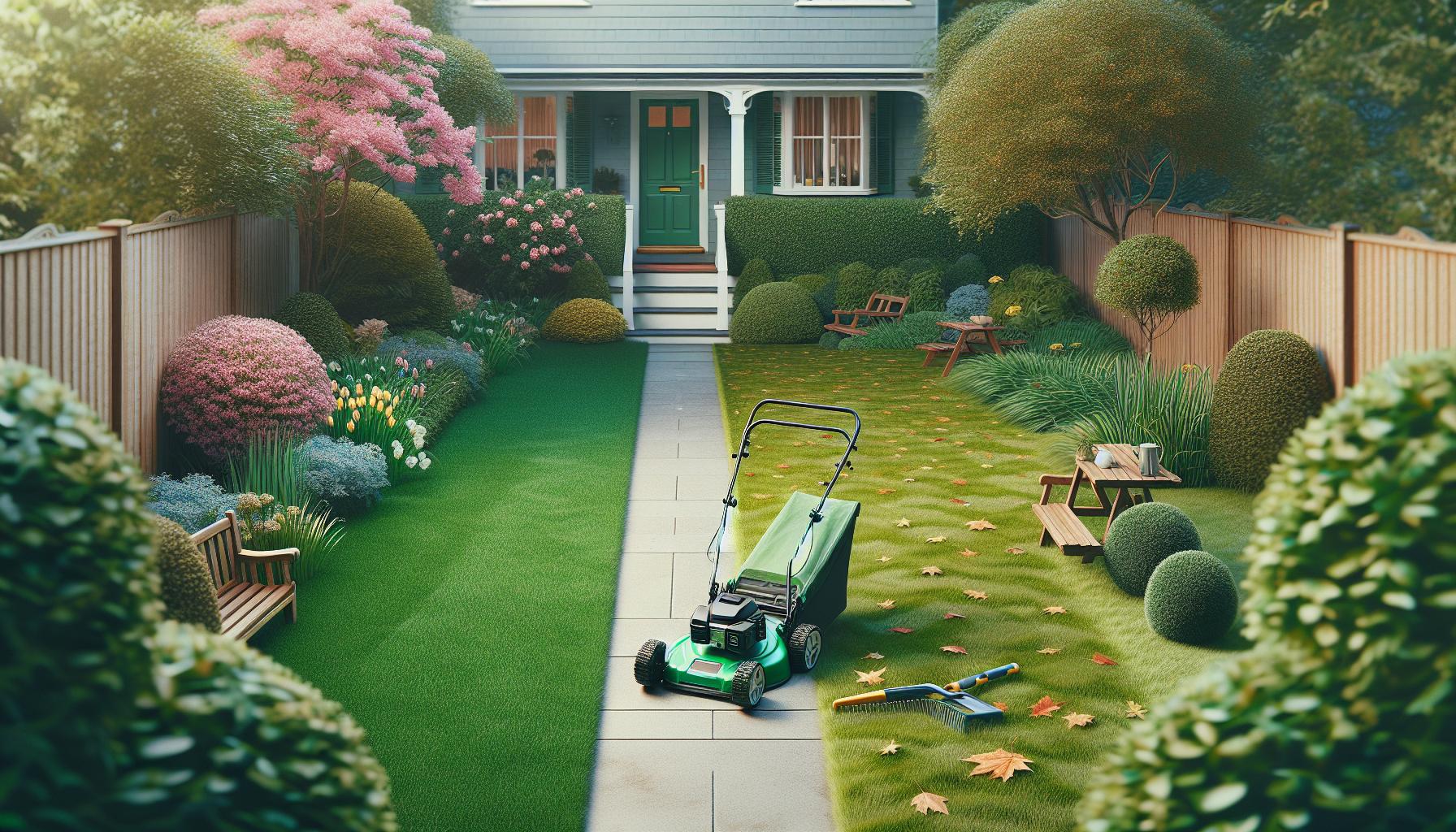
Seasonal Lawn Care Cost Variations
The annual cost of lawn care is not just a flat fee; it fluctuates significantly with the seasons, affecting everything from mowing to fertilization. For homeowners, understanding these seasonal variations can lead to better budgeting decisions and innovative strategies to keep costs in check. For instance, spring typically sees an uptick in lawn care expenses as it’s the prime time for services such as aeration, overseeding, and fertilization. The demand increases, which often translates to higher prices for both professional services and supplies, as homeowners rush to rejuvenate their lawns after winter dormancy.
Peak Seasons
During the warmer months, particularly from late spring to early summer, the frequency of necessary treatments escalates. This period demands frequent mowing, watering, and fertilization to support vigorous growth. For instance, if you hire professional services, mowing costs can rise significantly-from about $30 for a small yard to upwards of $100 for larger spaces. Additionally, specialized treatments for pests and weeds often become essential, necessitating a further increase in budget allocation.
Off-Peak Savings
However, the fall and winter months present unique opportunities for cost savings. Many lawn companies offer discounts during the off-peak season to attract customers. Fall is an excellent time for aeration and overseeding, which are crucial for maintaining a healthy lawn, yet companies may lower their prices as business slows. Similarly, winter might provide an opportunity to consult with lawn care professionals about long-term plans or projects that can be executed when demand is lower.
To effectively manage seasonal costs, homeowners may consider scheduling routine maintenance during the off-peak seasons. This approach not only saves money but can also lead to gradual improvements in lawn health without overwhelming expenses at peak times. Engaging in some do-it-yourself practices, such as overseeding or fertilizing based on a seasonal schedule, can further reduce the need to hire professional help, allowing for a more adaptable budget across the year.
In summary, by recognizing and strategically planning for the seasonal variations in lawn care costs, homeowners can make informed decisions that balance both the aesthetic demands of their lawn and their annual budget goals.
Comparing DIY vs. Professional Lawn Care Pricing
When considering lawn care, many homeowners face the decision of whether to manage their lawn themselves or hire professionals. This choice can significantly impact annual costs and overall lawn health. Engaging in DIY lawn care can initially seem like the more budget-friendly option. Homeowners investing in basic equipment and supplies might spend approximately $200 to $500 annually, depending on their lawn size and the specific needs of their grass type. This cost covers essentials such as fertilizer, seeds, herbicides, and tools like mowers and aerators.
However, while DIY might save on labor costs, it comes with its set of challenges. For example, the time investment needed for regular maintenance-mowing, fertilizing, weeding, and pest control-can add up. For those with busy schedules, this can lead to unsatisfactory results if tasks are neglected or improperly executed. Many homeowners underestimate the expertise required to establish and maintain a healthy lawn, which can lead to mistakes and additional expenses through the need for corrective measures.
On the other hand, hiring professional lawn care services offers convenience and expertise, which often results in quicker and more effective results. The costs for professional services can vary widely, typically ranging from $30 to $100 per visit for mowing alone, with additional charges for other services like fertilization, aeration, and pest control. While this approach can be more expensive-potentially totaling $1,000 to $2,500 annually depending on service frequency and yard size-it removes the burden of maintenance from the homeowner, allowing for a hands-off approach.
Ultimately, the decision between DIY and professional lawn care hinges on individual circumstances, such as budget, available time, and personal interest in lawn maintenance. Some homeowners might find a hybrid approach-handling simple tasks themselves while outsourcing more complex services-works best, ensuring they can enjoy a beautiful lawn while managing costs effectively.
Common Additional Lawn Care Expenses
When budgeting for lawn care, many homeowners may overlook several additional expenses that can arise throughout the year. These costs, while not always immediately apparent, can add up significantly and impact your overall expense projections. It’s essential to consider these common expenses to develop a more accurate annual lawn care budget.
Some additional costs homeowners might face include:
- Soil Testing and Amendments: Assessing the nutrient levels of your soil typically involves testing kits or professional evaluations. Depending on the soil condition, amendments like lime or sulfur may be needed, costing anywhere from $20 to $100 annually.
- Pest Control: Treatment for insects or diseases can vary in cost. Professional pest control services may charge between $50 to $150 per treatment, depending on severity and frequency.
- Irrigation Solutions: Installing or maintaining an irrigation system can incur significant costs. Simple sprinkler systems can cost around $500 to $2,000 for installation, while ongoing maintenance adds to this expense.
- Lawn Equipment Maintenance: Even if you opt for a DIY approach, regular upkeep of equipment such as mowers, aerators, and edgers adds to the annual total. This can include sharpening blades, changing oil, and replacing worn-out parts, potentially costing $100 to $300.
- Seasonal Upgrades: Investing in seasonal decor or landscaping enhancements, such as flower beds, trees, or decorative stones, can also impact your budget. These costs vary widely based on personal preference and the scale of the project.
Understanding the Importance of Planning
Incorporating these potential expenses into your lawn care budget is crucial. By planning for these additional costs, homeowners can avoid unexpected financial burdens and ensure their lawn remains healthy and well-maintained. Regular evaluations of both your lawn’s health and your maintenance practices can help in forecasting these expenses more accurately.
Engaging in proactive lawn care not only enhances the aesthetic appeal of your yard but also contributes to its long-term health. Allocating budgetary considerations for these common additional expenses can ultimately save you time and money by preventing costly repairs or replacements down the line.
Budgeting Tips for Lawn Care Expenses
Budgeting for lawn care can feel overwhelming, but a solid plan can save both money and stress throughout the year. With an average annual cost ranging significantly based on service frequency and lawn size, knowing what to expect helps homeowners manage financial commitments effectively. One approach is to create a detailed spreadsheet that tracks your projected and actual expenses, allowing for adjustments as necessary. For instance, if pest control treatments bite into your budget, you can divert funds from less urgent tasks.
To optimize your lawn care budget, consider the following essential strategies:
- Set Up a Lawn Care Fund: Contribute monthly to a dedicated savings account for lawn care. This ‘rainy day fund’ will ensure you have the necessary cash flow for unexpected expenses, like emergency pest control or a broken lawnmower.
- Prioritize Seasonal Tasks: Allocate funds based on seasonal needs-more for fertilization and weed control in spring, and reduced spending during winter. Understanding these cycles helps prevent overspending.
- Combine Services: If hiring professionals, inquire about packages that combine multiple services, such as mowing, fertilization, and pest control, at a discounted rate, saving you more in the long run.
- Buy in Bulk: Purchasing fertilizers, seeds, or pest control products in larger quantities can often yield significant savings. Check for sales, especially at the beginning of the gardening season, to stock up on essentials.
Monitoring your budget closely will keep you informed about where savings can be made. In addition, don’t hesitate to experiment with do-it-yourself solutions for minor lawn care tasks. Simple activities like seeding and aerating can be handled without professional help, reducing labor costs significantly. However, be cautious with overestimating DIY capabilities; investing in professional services for complex issues often pays off in maintaining lawn health and aesthetics.
Ultimately, a well-planned budget for lawn care ensures your outdoor space remains lush and inviting without straining your finances, all while giving you a clearer view of where to allocate your resources wisely.
Understanding Lawn Care Packages and Discounts
Understanding lawn care packages can significantly streamline your yearly budgeting process while also providing a sense of value and efficiency in maintaining your outdoor space. Many lawn care companies offer bundled services, which not only reduce individual service costs but often include additional benefits such as seasonal visits, specialized treatments, and customer loyalty discounts. For example, a typical package may encompass mowing, fertilization, aeration, and pest control, allowing homeowners to enjoy a comprehensive care solution without the hassle of coordinating multiple service providers.
One effective strategy homeowners can adopt is to compare different lawn care providers and their packages. Some companies may offer seasonal deals that include deeper discounts for early sign-ups or renewals. It’s common in the industry to provide promotional rates during the off-season to entice new customers, so it’s worth exploring options before the peak lawn care season hits. Bundling services together often leads to financial savings over time, reducing the overall expenses associated with maintaining a lush lawn.
Additionally, understanding the specifics of what each package includes is crucial. Some services may appear attractive at first glance but could lack essential components that are necessary for your lawn’s health. For instance, a basic mowing service may not include weed control, which is vital in preventing grass competition. Therefore, it’s beneficial to consider your lawn’s unique needs and ask service providers about customizing packages that cater specifically to them. This tailored approach not only optimizes lawn health but provides more value for the money spent.
Moreover, don’t forget to inquire about referral programs or loyalty discounts that further lower costs. Many lawn care services reward customers for referring friends or sticking with them over time. By paying attention to these potential savings and understanding what lawn care packages entail, you can effectively manage your budget while ensuring your lawn thrives year-round.
Regional Differences in Lawn Care Costs
Variations in lawn care costs can be significant depending on your geographic region, making it essential for homeowners to understand these disparities when budgeting for lawn maintenance. Climate, population density, and local availability of resources and services all play critical roles in influencing the price of lawn care. For instance, areas with warmer climates typically require more frequent mowing and watering, which can increase annual care costs compared to cooler regions where growth rates may be slower.
In urban settings, competition among numerous lawn care providers can drive prices down due to the availability of multiple service options. Conversely, rural areas might experience higher costs as fewer providers operate there, limiting choices and potentially leading to higher fees for services. Additionally, regions prone to common grass diseases or pests may incur extra expenses for specialized treatments or pest control that aren’t necessary elsewhere. For example:
- Southern States: Known for their warm climate, lawns in states like Florida and Texas may incur costs ranging from $500 to $1,500 per year due to higher irrigation demands and a prolonged growing season.
- Northern States: In cooler climates like Michigan or New York, annual lawn care costs may average between $400 and $1,200, reflecting lower maintenance demands during winter months.
- Coastal Regions: Areas near the coast may require additional funds for treatments against salt damage and specific pests, often elevating costs by 20% or more.
Understanding these regional variances allows homeowners to plan more effectively. When researching local lawn care services, be sure to ask potential providers about cost breakdowns and typical expenses in your area. It may also be beneficial to connect with neighbors to gather insights on their lawn care experiences and expenditures, giving you a clearer picture of what to expect.
Cost-Effective Lawn Maintenance Techniques
One of the most effective strategies to manage your annual lawn care costs is to adopt a range of cost-effective maintenance techniques. By implementing smart practices, you can achieve a healthy lawn while keeping expenses in check. For instance, a well-planned watering schedule is crucial; watering deeply but less frequently encourages deeper root growth, making your lawn more drought-resistant, which can reduce irrigation costs significantly. Using a rain gauge can help you monitor rainfall accurately, ensuring that you’re not overwatering and wasting resources.
Another method to save money is to mow your lawn at the right height. Taller grass promotes deeper roots and healthier soil, reducing the need for fertilizers and additional watering. A mowing height of around 3 to 4 inches is generally recommended, as it encourages shade and conserves moisture. Additionally, using mulch from grass clippings after mowing returns nutrients to the soil and lowers the need for chemical fertilizers.
Regular Maintenance Practices:
Incorporating a few basic maintenance tasks into your routine can also lead to cost savings. Aerating your lawn once a year helps alleviate soil compaction, allowing for better air and water penetration. Additionally, seeding in the fall rather than the spring can thicken your lawn over time without the need for expensive sod installation. Implementing a routine of pest management that focuses on prevention rather than reaction can save on costly treatments if issues escalate.
DIY Lawn Care Techniques:
Lastly, exploring the DIY route for certain services can provide significant savings. For example, assessing your lawn’s nutrient needs through soil testing can help you determine the right type and amount of fertilizer, reducing overall costs by avoiding unnecessary treatments. Many homeowners successfully manage weed control with home remedies, such as vinegar or boiling water, which can often be just as effective as commercial products without the associated expenses.
By adopting these techniques, you can foster healthy lawn growth while effectively managing your annual expenses. These practices not only save money but also contribute to the environmentally-friendly maintenance of your outdoor space, enhancing both your lawn’s health and your budget.
Investing in Long-Term Lawn Health
Investing in the long-term health of your lawn is not just about achieving a lush, green appearance; it’s a strategic approach that can save you money over time while enhancing the environmental quality of your outdoor space. A well-maintained lawn acts as a natural air purifier, improves soil health, and creates a resilient ecosystem that reduces the need for costly chemical inputs. One fundamental aspect of this investment is understanding the connection between your lawn care practices and the long-term benefits they bring.
To begin with, proper soil management is crucial. Conducting regular soil tests can help you determine its pH and nutrient levels, enabling you to apply fertilizers and amendments only when necessary. This not only fosters a healthier lawn but also minimizes the risk of excessive nutrient runoff that can lead to environmental harm. Additionally, enriching your soil with organic matter, such as compost, can improve its structure, moisture retention, and nutrient availability. Over time, these practices will result in a lawn that requires less frequent treatment and fewer resources, thus lowering your overall maintenance costs.
Another powerful strategy is selecting the right grass type for your region and lawn conditions. By choosing a drought-resistant variety suitable for your local climate, you can reduce your watering needs significantly. For instance, cool-season grasses like fescue thrive in northern climates, while warm-season varieties such as Bermuda are better suited for southern regions. Once established, these grasses typically require less water and are more resilient to pests and diseases, potentially lowering your reliance on chemical treatments and enhancing the sustainability of your lawn care routine.
Regular maintenance practices also play a pivotal role in promoting long-term lawn health. Implementing a seasonal schedule that includes essential tasks such as aeration, overseeding, and proper mowing techniques will contribute to a robust lawn ecosystem. Aeration, for example, improves air and water penetration, encouraging deeper root growth and resilience. Consistent, educated mowing-keeping grass at the appropriate height and alternating cutting patterns-prevents stress on the plants and promotes thick turf, which naturally suppresses weeds and minimizes pest problems.
By viewing lawn care as a long-term investment and employing these sustainable practices, homeowners can create an outdoor space that thrives without requiring excessive resources or spending. This not only enhances the beauty of your property but also contributes positively to the environment, ultimately making your lawn a source of pride and a wise budgeting decision.
Impact of Lawn Size and Type on Costs
When it comes to lawn care, the size and type of your lawn significantly influence annual costs. Larger lawns naturally require more resources, including water, fertilizer, and maintenance time, leading to higher expenses. For example, maintaining a 5,000 square foot lawn can cost about 25% more per year compared to a 3,000 square foot lawn simply due to the increased amount of materials needed and the time required for upkeep.
The type of grass you choose can also impact your budget. Some grass varieties are hardier and require less care, while others may need more frequent watering, mowing, and fertilization. For instance, Kentucky bluegrass, popular in northern climates, often demands more attention and a higher investment in water and fertilizers to thrive compared to zoysia or Bermuda grass, which are more drought-resistant and robust. Additionally, cool-season grasses tend to incur higher costs in the summer as they struggle under heat stress, requiring increased watering and care.
Moreover, the local climate plays a critical role, as certain grass types are better suited for specific weather conditions. This matching of grass type to climate can lead to lower maintenance costs in the long run. Residential lawns in regions with harsh conditions may require a more resilient grass type which, while potentially more expensive upfront, can lower ongoing care costs by reducing the frequency of replacement and intensive maintenance efforts.
In summary, when developing your lawn care budget, it’s essential to consider both the size and the type of your lawn, alongside your local climate. By strategically choosing the right grass for your environment and understanding the implications of lawn size, you can create a more accurate budget that addresses both current and future lawn care expenses. Investing wisely in these aspects can lead to a healthier lawn with minimized costs in maintenance over time.
Frequently Asked Questions
Q: How much should I budget for annual lawn care?
A: On average, homeowners should budget between $300 and $1,500 for annual lawn care. This range depends on lawn size, type of services needed, and whether you choose DIY or professional services. For a more tailored estimate, consider evaluating specific needs of your lawn.
Q: What factors affect the cost of lawn care services?
A: Key factors influencing lawn care costs include the size of your lawn, the type of grass, geographic location, and services provided (like mowing, fertilization, and pest control). Evaluating these can help you make more informed budgeting decisions.
Q: Are there cost-effective options for lawn maintenance?
A: Yes, cost-effective options include DIY lawn care, using organic fertilizers, and implementing native plants that require less maintenance. Additionally, regular upkeep can prevent larger expenses down the road. Explore our “Cost-Effective Lawn Maintenance Techniques” section for more ideas.
Q: How does lawn size impact annual lawn care costs?
A: Lawn size significantly impacts expenses; larger lawns require more time and resources for maintenance, leading to higher costs. Conversely, smaller lawns typically have lower care costs. For tips on budgeting according to lawn size, check the “Impact of Lawn Size and Type on Costs” section.
Q: When is the best time to schedule lawn care services?
A: Early spring and fall are generally the best times for lawn care services, as these are optimal growth periods for most grass types. Scheduling services during these seasons can enhance your lawn’s health and appearance, as detailed in our “Seasonal Lawn Care Cost Variations” section.
Q: What additional costs should I consider for lawn care?
A: Additional costs may include landscaping, irrigation installation, pest control, and seasonal treatments. It’s important to factor in these extras when budgeting. Refer to our “Common Additional Lawn Care Expenses” section for a comprehensive overview.
Q: How can I save money on lawn care services?
A: You can save money by opting for bundled service packages, comparing quotes from different providers, and performing basic maintenance tasks yourself. For detailed savings strategies, see our “Budgeting Tips for Lawn Care Expenses.”
Q: What services are typically included in an annual lawn care package?
A: An annual lawn care package often includes mowing, fertilization, aeration, weed control, and pest monitoring. Packages can vary, so it’s wise to ask providers for detailed service lists when comparing options.
Final Thoughts
Now that you have a clearer understanding of the annual lawn care costs, it’s essential to take the next steps towards achieving that lush, green lawn you desire. Consistent care not only enhances your home’s curb appeal but also boosts property value. Don’t wait-consider implementing a budget-friendly lawn maintenance plan today!
Explore our detailed guides on seasonal lawn care tips and essential maintenance tools to make the most of your investment. Check out our article on effective lawn fertilizing techniques and discover innovative no-mow lawn ideas for a hassle-free yard. We’d love to hear your thoughts or answer any remaining questions in the comments below!
For more expert insights, subscribe to our newsletter for regular updates and tips, or visit our product pages to find the best tools for your lawn care needs. Together, let’s cultivate a vibrant outdoor space that you can enjoy year-round!