As the warm seasons approach, many homeowners find themselves pondering a common question: How much does it cost to get your lawn mowed in 2025? This seemingly simple service can significantly enhance your home’s curb appeal and contribute to a welcoming outdoor space. However, the price can vary widely based on factors like lawn size, terrain, and local market rates.
Understanding the costs associated with lawn maintenance is essential for effective budgeting and for ensuring you get the best value for your money. Whether you’re considering professional mowing services or contemplating tackling it yourself, knowing what to expect can help you make informed decisions. As you read on, you’ll discover insights into typical pricing trends, what factors influence costs, and tips for finding affordable lawn care options that fit your needs and enhance your home’s beauty.
Understanding Lawn Mowing Costs in 2025

Understanding how much it costs to maintain your lawn in 2025 requires navigating a complex landscape of factors that can significantly influence pricing. As more homeowners prioritize the appearance and health of their lawns, the demand for professional mowing services has increased, leading to variations in the cost based on several determinants. Generally, the average cost for lawn mowing services in 2025 is expected to range between $30 to $80 per visit, depending on these influencing factors.
One primary factor is the geographical location, as prices can differ remarkably based on regional labor costs, demand, and the average price of living in the area. For instance, urban areas often see higher costs due to increased overhead for service providers, while rural locations may benefit from lower prices due to less competition and lower demand. Additionally, the size and type of lawn play crucial roles; larger lawns or those requiring more intricate care (like heavily landscaped gardens) will naturally incur higher costs.
Emerging trends indicate that technology is also shaping lawn care pricing. With the advent of smart lawn care tools and scheduling apps, some companies are optimizing their service delivery, which can lower costs for consumers in the long run. Homeowners increasingly have the option to compare services easily, use subscription models, or hire eco-friendly mowing services, all of which can impact the overall pricing structure. Understanding these elements will help homeowners better anticipate their lawn mowing expenses and make informed decisions about their lawn care needs in 2025.
Factors Influencing Lawn Mowing Prices
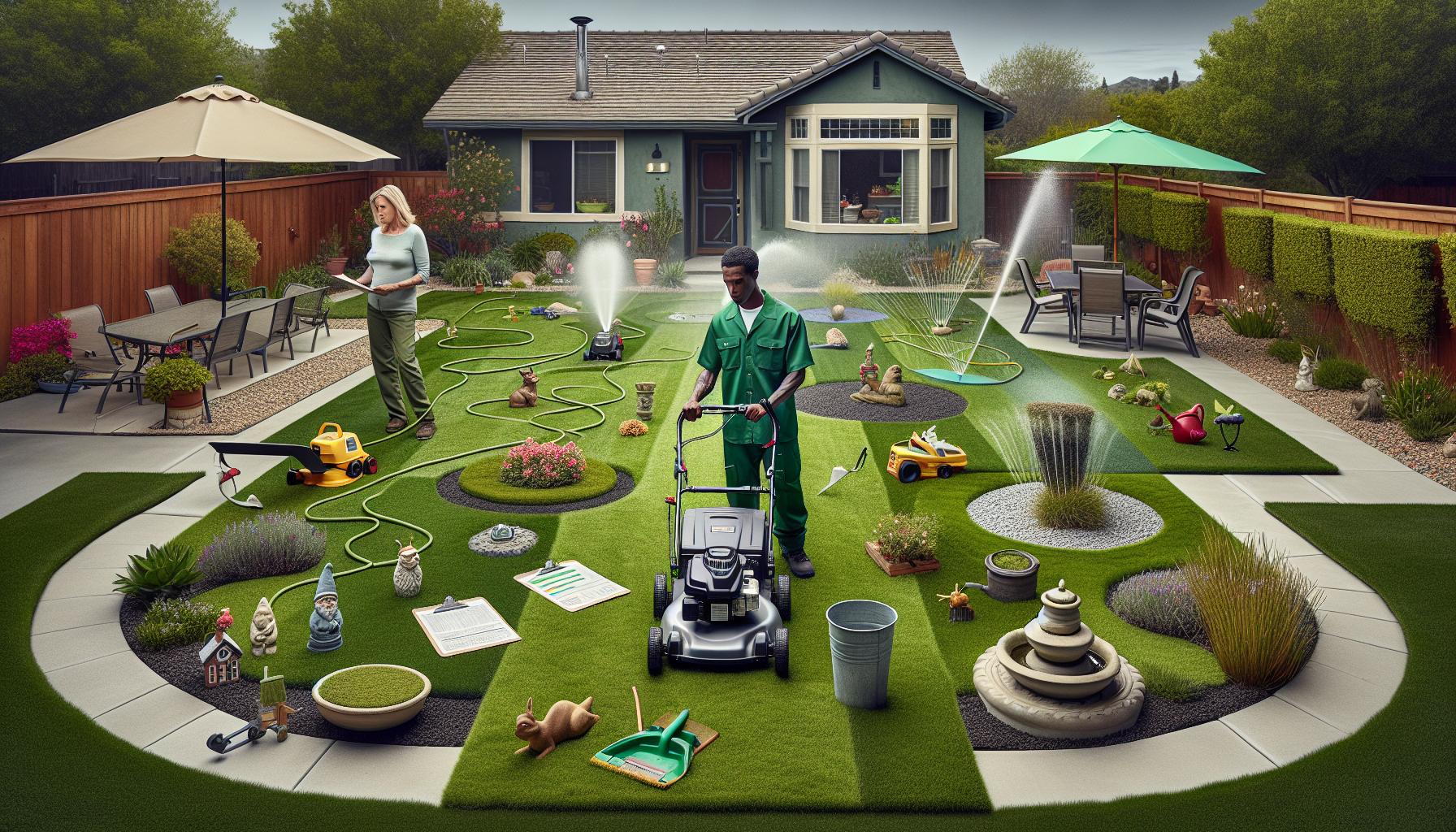
Understanding the multifaceted nature of lawn mowing prices involves delving into various factors that can either inflate or reduce costs. Each element plays a critical role in determining how much you might spend on professional lawn care in 2025. For example, one of the most significant factors is geographic location; homeowners in urban settings often face higher pricing due to demand and increased operational expenses, while those in rural areas can benefit from more competitive pricing.
Key Influencers on Pricing
Several elements contribute to varying lawn mowing costs:
- Lawn Size: Larger lawns typically require more time and equipment, leading to higher service charges. Complex landscapes that include flower beds, shrubs, or water features further escalate the price due to the additional care needed.
- Frequency of Service: The more frequently you require mowing, the more likely you are to negotiate a lower rate with your service provider. Regular contracts for weekly or bi-weekly mowing often come with discounts compared to one-time services.
- Seasonality: Seasonal changes can affect pricing; for instance, spring and fall might witness a spike in demand as homeowners prepare their lawns for growth or winter dormancy, respectively. Consequently, costs may vary throughout the year.
- Additional Services: Many lawn care providers offer bundled services-such as fertilization, weed control, and pest management-that can provide savings but also add to overall costs. Homeowners should evaluate which services they truly need.
Another factor increasingly affecting pricing in 2025 is the incorporation of technology in lawn care. Advanced landscaping tools and mobile apps that facilitate efficient scheduling can lower operational costs and, in turn, the price for consumers. This innovation allows service providers to optimize routes and reduce labor hours, which can result in more competitive pricing.
In conclusion, by being aware of these factors, homeowners can make informed decisions when selecting lawn care services, ensuring they receive the best value for their investment in a well-maintained lawn.
Average Lawn Mowing Costs by Geographic Location
The cost of lawn mowing can vary dramatically based on geographic location, reflecting the diverse economic climates and living costs across different regions. In 2025, urban areas typically command higher prices due to factors such as elevated demand, cost of living, and increased operational expenses for service providers. Conversely, rural regions often offer more affordable options as competition exists among several providers striving to attract local customers.
For instance, the average mowing price in metropolitan areas like New York City or San Francisco can range from $50 to $80 per visit for standard-sized lawns. This price can escalate further in densely populated neighborhoods where access and logistics add to service costs. In contrast, homeowners in less urban settings, such as parts of the Midwest or South, may pay anywhere from $30 to $50 for similar services, as providers have lower overhead and the competition tends to drive prices down.
Price Variation by Region
To give a clearer picture of average costs, consider the following breakdown:
| Region | Average Cost per Mow |
|---|---|
| Urban (e.g., NYC, LA) | $50 – $80 |
| Suburban (e.g., Chicago, Dallas) | $40 – $65 |
| Rural (e.g., Midwest, South) | $30 – $50 |
In addition to location, it’s important to account for seasonal variations that can influence mowing costs, with prices typically peaking in spring and fall when growth is most vigorous. Understanding these geographic differences and how they impact service pricing can empower homeowners to budget effectively and seek the best options tailored to their specific area. By comparing local prices and services, homeowners can optimize their investment in lawn care while achieving the desired aesthetic for their outdoor spaces.
Comparing DIY Lawn Care vs. Hiring Professionals
With the rising costs of lawn care services in 2025, many homeowners are weighing the benefits of handling lawn maintenance themselves against hiring professionals. The decision often hinges on a few key considerations, including time, necessary equipment, initial investment, and expertise in proper lawn care techniques.
Starting with the DIY approach, it can be an attractive option for those who enjoy the satisfaction of yard work and want to save on costs. Homeowners can invest in quality equipment, such as a reliable lawnmower, edging tools, and fertilizers, which may total anywhere from $300 to $1,000 depending on the brand and type chosen. However, the ongoing costs associated with maintenance, fuel, and supplies should also be considered. DIY enthusiasts might also find joy in cultivating their lawns and learning about various grass types, planting schedules, and seasonal care. Yet, it’s important to note that improperly managed lawns can lead to more significant issues like pest infestations or an unattractive lawn, resulting in more costly remedies down the line.
On the other hand, hiring professional lawn care services offers the advantage of experience and efficiency. Professionals typically have access to advanced tools and techniques, ensuring a well-manicured lawn that reflects a homeowner’s preferences. While the average cost per mow can range from $30 to $80, depending on the region and lawn size, many service providers offer packages that include additional services like fertilization, weed control, and seasonal cleanups. This can help prevent potential issues and ensure consistent results throughout the year. For those who prefer to spend their weekends enjoying their outdoor space rather than maintaining it, outsourcing lawn care can be well worth the investment.
In making this decision, homeowners should reflect on their priorities-whether that’s hands-on engagement with their yard, the desire for a stunning landscape without personal effort, or the budget they can allocate for ongoing maintenance. Ultimately, both options require an understanding of the time, resources, and commitment involved in lawn care, allowing individuals to choose a path that best suits their lifestyle and financial situation.
Seasonal Variations in Mowing Costs
The cost of lawn mowing can fluctuate dramatically throughout the year, influenced by seasonal conditions and demands. In the spring, as grass begins to grow vigorously, the frequency of mowing increases, which can lead to higher costs. Homeowners often face the need for at least bi-weekly mowing during this period, significantly impacting their budgets. On average, costs can rise to as much as 20-30% above their typical rates as lawn care services ramp up operations to accommodate the increased workload.
As summer arrives, the dynamics change. Grass growth may slow down due to heat and drought conditions, leading to fewer mowing sessions. However, this season can also bring with it a need for additional services, such as irrigation and pest control, which can increase the overall maintenance price. In regions that experience extreme heat, contractors may also charge a premium for managing the stress on lawns, as they require specialized care to keep them looking healthy.
When autumn rolls around, costs often normalize again, with many homeowners opting for less frequent mowings as grasses begin to enter a dormancy phase. However, this season also introduces tasks like leaf removal and preparing the lawn for winter, which can carry their own costs. The transition into colder months may lead service providers to offer package deals that combine multiple services, potentially providing some cost savings for homeowners looking to bundle their lawn care needs.
Finally, winter presents its own unique set of financial considerations, particularly for areas that experience snowfall. While mowing is typically off the table, homeowners may need to factor in costs for snow removal or other winter preparations that affect lawn health. By understanding these seasonal variations, homeowners can better plan their lawn care budgets throughout the year, ensuring that they allocate resources effectively while maintaining the health and appearance of their outdoor spaces.
Key Seasonal Factors Influencing Costs
- Spring: Increased growth leads to more frequent mowing, raising costs by 20-30%.
- Summer: Fewer mowings but potential added costs for irrigation and pest control.
- Fall: Less frequent mowings; potential bundling of services for leaf removal and prep.
- Winter: Mowing stops, snow removal costs may arise depending on region.
Hidden Costs of Lawn Care Services
In the quest for a manicured lawn, many homeowners may overlook certain hidden costs associated with lawn care services. While the basic mowing fee might seem straightforward, a host of additional expenses can accumulate, transforming an apparent bargain into a significant financial commitment. It’s crucial to be mindful of these hidden costs to paint a complete picture of what maintaining a beautiful lawn really entails.
One of the most common hidden costs comes from services added on to basic lawn care, such as fertilization, aeration, and weed control. While these services may not be included in the initial mowing price, they play a vital role in maintaining the health and appearance of your lawn. Homeowners should inquire about these additional charges and consider the long-term benefits before committing to a lawn care package. For example, not investing in regular fertilization can lead to poor lawn health, resulting in increased costs for restoration down the line.
Another factor that can lead to unexpected expenses is the size and complexity of the landscape. Lawns with intricate designs, slopes, or larger areas may require special equipment or additional labor, which translates to higher fees. Additionally, geographical location plays a crucial role; homeowners in urban areas might face premium rates compared to those in rural settings due to higher costs of living and service demand. Understanding these dynamics can help homeowners budget more accurately and avoid sticker shock when the invoice arrives.
Moreover, seasonal variations in lawn care packages can expose other hidden costs. During peak seasons, demand for services spikes, often leading companies to increase their rates or add surcharges for timely visits. Homeowners must also consider potential seasonal challenges that might necessitate supplementary services, such as pest infestations or disease treatments, which can dramatically inflate the overall care package cost.
In summary, being aware of these hidden costs associated with lawn care services can empower homeowners to make informed decisions. It’s important to conduct thorough research, ask service providers detailed questions about pricing structures, and consider the broader implications of lawn care beyond just mowing. This proactive approach can lead to healthier, more beautiful lawns without breaking the bank.
Tips for Finding Affordable Lawn Care Providers
Finding reliable lawn care can feel like navigating a maze, especially when budget constraints are top of mind. With many service providers vying for your attention, it’s essential to take a strategic approach to ensure you find affordable options without compromising on quality. Here are some practical tips that can help you secure the best lawn care services at a price that won’t break the bank.
Compare Options and Gather Quotes
Taking the time to research and compare different lawn care providers can yield significant savings. Start by requesting quotes from at least three companies in your area. This will not only give you a clear picture of the average costs but may also help you identify any outliers charging excessively or providing lower-priced services that might lack essential offerings. Look for detailed estimates that break down all costs involved, including any potential hidden fees for additional services.
Ask About Package Deals and Discounts
Many lawn care companies offer package deals that can save you money. These might include a combination of mowing, fertilization, and pest control services at a reduced rate. Inquire about seasonal promotions or discounts for new customers, as many businesses are willing to offer competitive pricing to attract clients. Additionally, consider signing a long-term service agreement, which can often lead to reduced rates compared to single-service engagements.
Utilize Local Resources
Don’t underestimate the power of local resources and community boards in your search. Platforms like Nextdoor or local Facebook groups can provide firsthand recommendations and reviews from your neighbors, often leading to the discovery of affordable, highly-rated providers that may not have a strong online presence. You can also check local landscaping schools or vocational programs that might offer discounted services through student-led projects supervised by professionals.
Consider DIY Options for Basic Care
For homeowners willing to invest a bit of time and effort, tackling basic lawn care tasks such as mowing or edging can dramatically cut costs. Many local hardware stores offer rental equipment at a fraction of the price of hiring a professional. This can be particularly effective for those with smaller lawns or less complex landscaping needs. A little research on proper lawn care techniques can empower you to manage basic upkeep, allowing you to save funds for occasional professional help as needed.
By following these tips, homeowners can confidently navigate the lawn care market and make informed choices that align with their budgetary needs while maintaining the health and beauty of their lawns.
The Impact of Lawn Size and Type on Pricing
When it comes to lawn care, the size and type of your lawn significantly influence the costs associated with mowing and maintenance. A larger yard naturally requires more time, effort, and resources to maintain, increasing the overall price you can expect to pay. For example, mowing a small residential lawn of around 1,000 square feet may cost between $30 to $50, while properties that span over 5,000 square feet may see prices soar into the $100 range or higher, depending on factors such as terrain and grass variety.
The type of grass you have can also play a pivotal role in determining your mowing expenses. Different grass types have unique growth patterns and maintenance requirements. For instance, a thick, lush Kentucky bluegrass lawn may necessitate more frequent mowing compared to a drought-tolerant fescue, which can thrive with less attention. Additionally, specialty grass varieties, such as those used in putting greens, demand careful upkeep and may incur higher costs due to their specialized care needs.
Understanding the interplay between your lawn’s size and type can help you better budget for mowing services. Here are a few considerations to keep in mind:
- Property Size: Larger properties usually have higher mowing fees and may require specialized equipment or more time from the service provider.
- Grass Type: Choose grasses that are suited to your local climate and require less maintenance when planning a new lawn.
- Terrain: Lawns with uneven or hilly terrain can complicate mowing, resulting in increased labor costs.
- Accessibility: If your yard contains obstacles like trees or fencing, this can lead to additional time and effort needed for a thorough mow.
By assessing these factors, homeowners can make informed decisions when selecting lawn care services, potentially saving money while ensuring a healthy, attractive lawn.
Choosing the Right Lawn Care Package for You
When it comes to maintaining a lush and vibrant lawn, opting for the right care package can save you time, money, and frustration. With a plethora of options available in 2025, it’s essential to select a service that aligns with your lawn’s specific needs while fitting within your budget. Understanding the variety of lawn care packages can empower homeowners to make informed decisions that not only enhance their property’s aesthetic appeal but also promote healthy grass growth.
When evaluating lawn care packages, consider the frequency of service, types of treatments included, and any additional services offered. For instance, some providers may offer basic mowing services at a lower cost, while others might include comprehensive packages that cover aeration, fertilization, and weed control. Assess what your lawn actually requires; for example, if your lawn shows signs of pest infestations or disease, a specialized treatment plan may be necessary, which can increase your initial expenditure but ultimately save money in the long run by addressing issues early.
Another important factor is the potential for seasonal packages that can address varying lawn care needs throughout the year. Spring might necessitate fertilization and aeration, while summer services might prioritize regular mowing and irrigation checks. By committing to a complete seasonal package, you can often secure a better rate overall compared to paying for individual services as required.
Furthermore, technology is shaping the lawn care service landscape. Many companies now offer online booking, automated reminders, and even smart irrigation systems as part of their packages. These technological advancements can lead to cost efficiencies and better service management, allowing you to relax while ensuring your lawn is in expert hands. When deciding on a provider, don’t hesitate to ask about these innovations that could enhance your lawn maintenance experience.
Ultimately, the right lawn care package hinges on assessing your unique lawn needs, budget constraints, and service expectations. Take the time to research local providers, compare their offerings, and read customer reviews to make a well-informed choice that keeps your lawn healthy and your wallet intact.
Sustainable Practices in Lawn Maintenance Costs
By adopting sustainable practices in lawn maintenance, homeowners not only contribute to environmental conservation but also find potential cost savings in their lawn care expenditures. The principle of sustainability involves making choices that minimize waste, conserve resources, and promote the health of local ecosystems. As we move into 2025, understanding how these practices can impact lawn care costs becomes increasingly important for budget-conscious homeowners.
One effective sustainable practice is the use of organic fertilizers and pest control methods. While these options can sometimes be more expensive upfront, they often lead to healthier soil and grass, reducing the need for frequent applications over time. For instance, composting kitchen scraps and yard waste to create nutrient-rich mulch can lower material costs and improve soil health, ultimately decreasing your lawn maintenance budget as fewer commercial products are necessary.
Additionally, implementing a smart irrigation system can help optimize water usage and reduce consumption. By investing in technology that monitors weather conditions and soil moisture levels, homeowners can avoid overwatering, which is not only an environmental concern but also a way to lower water bills. This proactive approach ensures that lawns remain vibrant with minimal resource expenditure. Many contemporary lawn care services are starting to offer these advanced technologies as part of their packages, making sustainable practices more accessible for a broader range of homeowners.
Moreover, choosing native plants and drought-resistant grass varieties is a foundational strategy in sustainable lawn care. These plants require less water and fewer fertilizers, creating a more resilient lawn that can thrive in local conditions. The initial investment in establishing such a lawn might be higher, but the long-term savings on water bills and fertilizer costs usually outweigh these expenses. By prioritizing sustainability, homeowners can cultivate a lawn that is not only cost-effective but also contributes positively to the environment.
In summary, embracing sustainable practices in lawn maintenance can significantly affect overall costs and environmental impact. By turning to organic products, employing efficient irrigation techniques, and selecting appropriate plant types, homeowners can create a greener, more cost-effective approach to lawn care as we head into 2025.
How Technology Affects Lawn Care Pricing
The integration of technology into lawn care has revolutionized how services are priced and delivered, bringing efficiency and precision to the forefront. With advancements in smart technology, homeowners can now utilize various tools that not only enhance the quality of lawn maintenance but also influence overall costs. From automated mowers to soil monitoring devices, technology is transforming the landscape of lawn care pricing in 2025.
One significant impact of technology on lawn care pricing is the emergence of precision mowing equipment. Robotic mowers, which can operate on a scheduled basis, reduce labor costs significantly. These machines can navigate properties autonomously, requiring minimal supervision, which translates to lower service prices for consumers. Additionally, companies that adopt such technology can also benefit from reduced fuel and equipment maintenance costs, savings that often get passed down to homeowners.
Smart Irrigation Systems
Equally transformative are smart irrigation systems that adjust watering schedules based on real-time weather data and soil moisture levels. These systems help minimize water waste and reduce utility bills, making lawn maintenance more affordable in the long run. When lawn care providers incorporate these technologies, they tend to offer competitive pricing structures, as they can optimize resource use and reduce overhead expenses. By investing in smart irrigation, homeowners are not only making eco-friendly choices but are also positioned to enjoy direct financial benefits through lowered service fees.
Data-Driven Lawn Care Services
The use of data analytics in lawn care has also gained traction, allowing companies to develop tailored services that suit individual lawns’ needs. Providers can use data gathered from previous services or regional trends to create customized care plans, improving the effectiveness of treatments while reducing costs associated with unnecessary applications. This precision not only ensures healthier lawns but also fosters cost efficiency, which can lead to more affordable service packages. As technology continues to advance, the ability for homeowners to track and optimize their lawn care expenses is set to enhance further.
In conclusion, technology is reshaping how lawn care services are priced and executed. The shift towards automation, real-time monitoring, and data-driven strategies enables service providers to offer homeowners a more efficient and cost-effective way to maintain their lawns, making it a crucial element to consider when evaluating lawn mowing costs in 2025.
Customer Reviews: Finding Great Lawn Care Services
In today’s digital age, customer reviews have become a vital resource for finding reliable lawn care services. Navigating through the myriad of options available can be overwhelming, but leveraging feedback from fellow homeowners can streamline your search and ensure you receive quality service for your investment in lawn care.
When seeking out lawn care providers, consider these essential steps:
Research Platforms
Utilize various online platforms where customers leave reviews, such as Google, Yelp, and Angie’s List. Each of these platforms provides a unique snapshot of customer experiences. Look for providers with high ratings and detailed feedback, as these reviews often highlight not only the quality of service but also areas like punctuality, professionalism, and the overall value for money.
Ask for Recommendations
Don’t underestimate the power of community. Ask neighbors, friends, or family for their experiences with local lawn care services. Personal recommendations often come with insights that can’t be found online, such as specific services that stood out or hidden costs that others experienced.
Evaluate the Reviews
When examining reviews, pay attention to both the number of reviews and the recency of the feedback. A lawn care service with a significant volume of recent, positive reviews is generally more reliable than one with a handful of glowing testimonials from years ago. Furthermore, consider the balance of positive and negative feedback; understanding why some customers were unhappy can be just as critical as knowing what others loved about the service.
Questions to Ask
Once you’ve narrowed down your options, don’t hesitate to reach out to potential providers. Prepare a list of questions based on customer reviews, such as:
– What services are included in your lawn care packages?
– How do you handle scheduling and cancellations?
– Are there any additional fees that I should be aware of?
– Can you provide references or testimonials from recent clients?
By taking the time to delve into customer reviews and asking critical questions, you can find a lawn care service that aligns with your expectations in terms of cost and quality. This careful approach not only saves you money but also ensures that your lawn care needs are met effectively.
Frequently asked questions
Q: What is the average cost of lawn mowing in 2025?
A: The average cost of lawn mowing in 2025 typically ranges from $30 to $80 per visit, depending on factors like lawn size and geographic location. For specific pricing in your area, refer to the “Average Lawn Mowing Costs by Geographic Location” section of your article.
Q: How often should I get my lawn mowed to maintain it properly?
A: Ideally, you should mow your lawn every 1-2 weeks during the growing season to keep it healthy. Adjust frequency based on growth rate, weather conditions, and your lawn type. For more guidance, see the “Seasonal Variations in Mowing Costs” section of your article.
Q: Are there additional costs associated with lawn mowing services?
A: Yes, additional costs may include edging, trimming, and debris cleanup, which are often considered hidden costs. To avoid surprises, consult the “Hidden Costs of Lawn Care Services” section to understand potential extra charges.
Q: Can I save money by mowing my lawn myself?
A: Yes, DIY lawn care can save you money, but consider the time, effort, and equipment costs involved. For a detailed comparison, check the “Comparing DIY Lawn Care vs. Hiring Professionals” section.
Q: How does lawn size affect mowing costs in 2025?
A: Lawn size significantly impacts mowing costs; larger lawns generally cost more to maintain. Providers often charge per 1,000 square feet, so it’s essential to measure your space beforehand. Explore the “The Impact of Lawn Size and Type on Pricing” for more insights.
Q: What factors can influence the cost of lawn mowing?
A: Factors influencing cost include lawn size, type of grass, condition, and geographic location. For a comprehensive breakdown, refer to the “Factors Influencing Lawn Mowing Prices” section of the article.
Q: Do lawn care prices vary with the season?
A: Yes, lawn care prices can vary seasonally, generally increasing during peak growing seasons. For strategies to navigate seasonal costs, refer to the “Seasonal Variations in Mowing Costs” section for tips.
Q: Is lawn mowing more expensive in urban areas?
A: Typically, lawn mowing tends to be more expensive in urban areas due to higher costs of living and demand for services. For a detailed view on this topic, check the “Average Lawn Mowing Costs by Geographic Location” section of your article.
Insights and Conclusions
In conclusion, understanding the costs associated with lawn mowing in 2025 empowers you to make informed decisions that suit your budget and lawn care needs. As we’ve explored, factors like lawn size, type of grass, and frequency of service play crucial roles in pricing. Don’t let a lack of clarity keep your lawn from looking its best! Take action today by comparing local services or checking out our guide on how to take care of your lawn to maximize your investment (please see our resources for more tips).
We invite you to dive deeper into our extensive range of content, including a detailed analysis of lawn care costs and expert advice on maintaining a vibrant garden. If you found this information helpful, consider signing up for our newsletter to receive more insights directly to your inbox. Remember, a well-manicured lawn not only enhances your property’s appeal but can also increase its value. Join the conversation in the comments below or share this guide with fellow homeowners to spread the knowledge!