When it comes to maintaining a beautiful lawn, knowing how much to invest in a lawn mower is essential. With a wide range of types- from gas-powered mowers perfect for larger yards to robotic models that offer convenient, automated solutions-understanding their costs can help you make an informed decision. In 2025, prices vary significantly by type and brand, with options available for almost every budget. Whether you’re a dedicated DIY gardener or just seeking to keep your yard tidy, finding the right mower at the right price can save you time and hassle. In this guide, we will break down costs by mower type, helping you assess what fits your needs and budget best. Get ready to dive deeper into the world of lawn mowers and discover how to find the perfect one for your outdoor space!
How Much Does a Lawn Mower Cost in 2025?
In 2025, the price of lawn mowers can vary significantly based on the type and features you need. Entry-level models typically start around $1,500, while more sophisticated and larger mowers can reach prices well into the $25,000 range. This substantial variation can often lead consumers to wonder what exactly they’re getting for their investment. The cost you might expect to pay not only reflects the mower’s capabilities but also integrates aspects such as brand reliability and the included technologies.
When considering ride-on mowers-particularly zero-turn models like the 2025 Kubota Z232KW-42, which has a dealer price of $5,199-you find that these options are designed for efficiency and ease of use on larger lawns. They allow for tight turns and increased maneuverability, which can be a game-changer for expansive properties. Conversely, electric or standard push mowers typically fall to the lower end of the price spectrum, appealing to those with smaller yards or budget constraints.
For those exploring additional features, robotic mowers are gaining traction, representing the future of gardening with prices that can often exceed $1,500. These tech-forward products not only automate the mowing process but may also integrate with smart home technology for enhanced convenience. Understanding the costs associated with each type of lawn mower will empower consumers to choose wisely based on their specific lawn care needs and budget constraints.
Understanding Different Lawn Mower Types
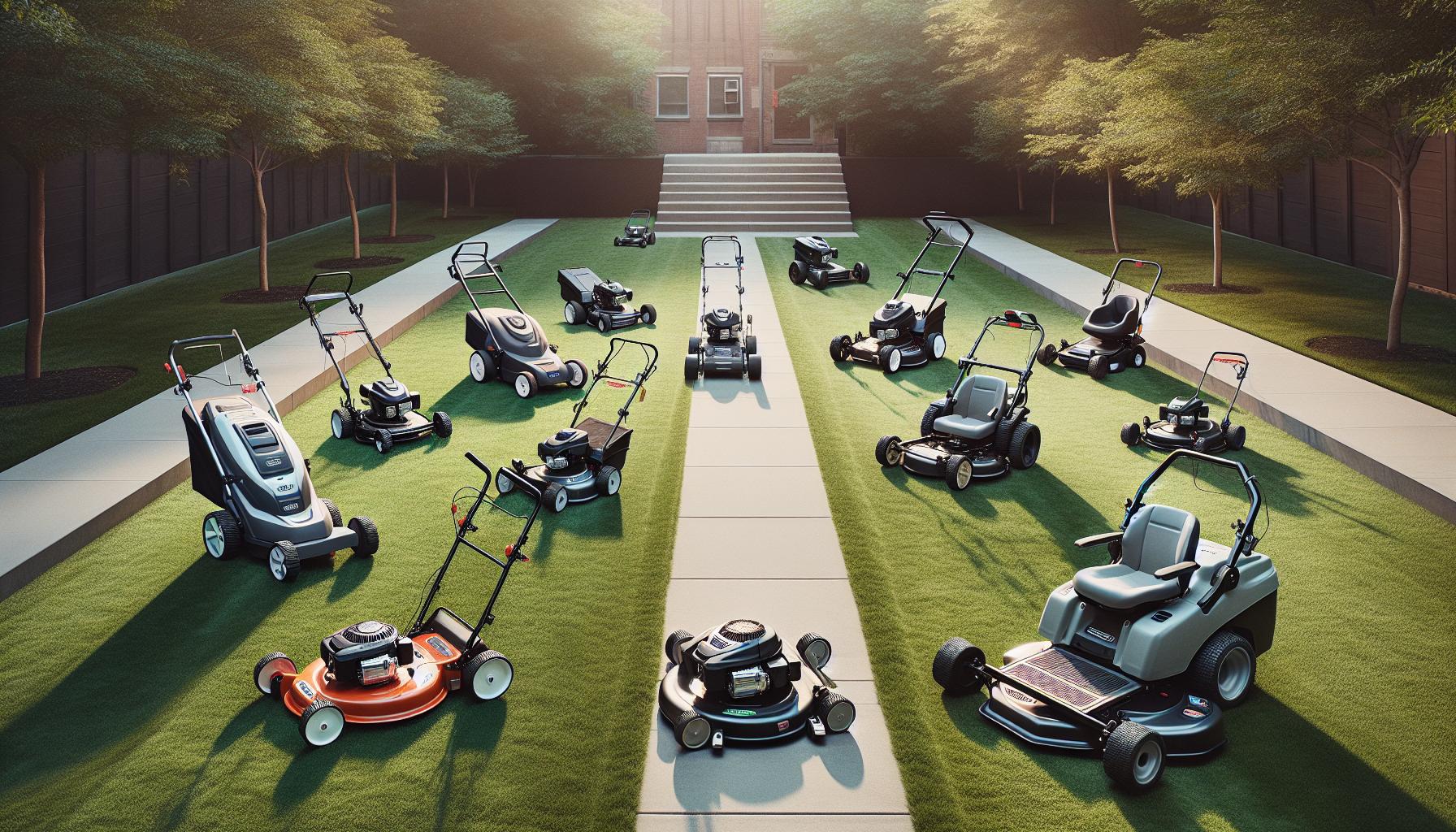
Lawn mowers come in a variety of shapes, sizes, and technologies, each tailored to meet specific needs and preferences. With the ever-evolving landscape of landscaping tools, understanding the differences between mower types is essential for making an informed purchasing decision. Whether you’re managing a small residential yard or a sprawling estate, each type of mower offers distinct advantages.
Push Mowers
Push mowers are a traditional choice for many homeowners, particularly those with smaller lawns. These manually-operated machines are generally more affordable, with prices starting around $135 for basic reel mowers and averaging $405 for walk-behind gas or electric models. They provide an efficient way to trim grass while offering the added benefit of exercise. However, users should be prepared for a bit of physical effort, especially on larger patches of grass.
Self-Propelled Mowers
Self-propelled mowers cater to those who desire the ease of operation without completely sacrificing the interaction of mowing. This type typically features a drive system that helps move the mower forward, making it easier on the user while still allowing for control over speed. Prices for self-propelled models vary widely but usually start around $500. They are an excellent choice for homeowners with moderately-sized lawns, as they require less physical exertion than push mowers.
Riding Mowers
For those with expansive lawns, riding mowers are often the best option. These machines, which can range from simple lawn tractors to advanced zero-turn models, offer comfort and efficiency for cutting large areas of grass. Prices for riding mowers can skyrocket, with baseline models around $1,500 and luxury models exceeding $5,000. Their high cost is justified by their performance in larger spaces, reducing mowing time significantly and providing a comfortable seat for the user.
Robotic Mowers
The latest innovation in mowing technology, robotic mowers are becoming popular among tech-savvy homeowners. Priced between $1,490 and $3,000, these automated devices take the labor out of lawn maintenance. By utilizing sensors and smart home technology, they can navigate your yard, cut grass, and return to their charging stations without the need for human intervention. Though the initial investment is higher, their convenience and ability to keep lawns consistently trimmed make them an attractive option for the future.
Understanding these different lawn mower types can help you evaluate which will best fit your lifestyle, maintenance needs, and budget. As you consider your options, think about how often you’ll mow, the size of your yard, and how much physical effort you’re willing to invest into lawn care. Each type has its strengths, making it possible to find the perfect mower to enhance your gardening experience.
Electric vs. Gas: Price Comparisons
Choosing between electric and gas lawn mowers can significantly influence your gardening experience and wallet. As more homeowners seek environmentally friendly options, electric mowers, powered by battery or electricity, have surged in popularity. They typically range in price from about $300 to $700 for reliable models, with high-end versions pushing closer to $1,500. In contrast, gas mowers often come in at a lower initial price, starting around $250 for basic models up to $600 for more advanced versions. However, these prices can vary significantly depending on features and brand, making comparisons essential to finding the right mower for your needs.
A notable advantage of electric lawn mowers is their lower operational costs. Electricity tends to be more affordable than gas, and electric mowers usually require less maintenance, such as oil changes and air filter replacements. This can yield long-term savings on your overall lawn care expenses. Though gas mowers may have a lower upfront cost, the continuous expense of gasoline, coupled with their higher maintenance requirements and emissions, can add up over time.
Consider the performance differences as well; gas mowers are often more powerful and can handle taller and thicker grasses compared to their electric counterparts, which might struggle. However, electric mowers are typically quieter, easier to start, and lighter, making them more manageable for many homeowners. Therefore, your decision may hinge on factors beyond mere pricing, such as the size of your lawn, your environmental priorities, and how much physical effort you are willing to exert while mowing.
As you weigh your options, think about how often you will be using the mower and the nature of your lawn. If you have a smaller yard with standard grass, an electric mower may suffice. However, for larger areas or tougher conditions, investing in a gas mower may provide the reliability and power needed for effective mowing.
Riding Mowers: Luxury and Cost Factors
Investing in a riding mower is akin to acquiring a luxury vehicle; both come with a higher price tag and offer comfort and efficiency that can transform your experience. In 2025, the cost of riding mowers can widely vary based on features such as engine size, cutting width, and additional functionalities. For homeowners with large lawns or challenging terrains, riding mowers are often a preferred choice, providing the ability to maneuver easily over uneven ground while delivering a professional-looking cut. Generally, prices for riding mowers start around $1,500 and can soar to $4,000 or more for high-end models loaded with advanced technology and comfort features.
When considering a riding mower, it’s essential to evaluate the key factors that contribute to their cost. For instance, engine power is a significant determinant: models equipped with more powerful engines not only tend to cost more but also usually offer better performance in terms of speed and ability to tackle thick grass. Cutting width is another important aspect; wider decks allow for more efficient mowing over larger areas, reducing the time spent mowing. Many riding mowers also come with additional features, such as cruise control, ergonomic seating, and easy-to-use controls, which enhance the operator’s experience and justify the investment.
Maintenance costs for riding mowers can also add to ownership expenses. Traditional maintenance-such as oil changes, blade sharpening, and battery care-should be factored into your budget. It’s wise to consult the manufacturer’s guidelines to systematically schedule these tasks, preventing more costly repairs down the line. Moreover, some models now offer self-diagnostic features that alert owners of maintenance needs, making upkeep simpler and less daunting.
Ultimately, the decision to purchase a riding mower should reflect not just immediate financial considerations, but also your long-term lawn care goals. A riding mower, while initially a larger investment, can prove invaluable for those dedicated to maintaining expansive lawns efficiently. Analyzing your unique yard conditions and usage patterns will help you select the right model that balances costs with performance and longevity, ensuring you get the best value for your investment.
Push Mowers: Budget-Friendly Options
One of the most accessible ways to maintain a well-kept lawn without breaking the bank is through the use of push mowers. In 2025, these mowers remain a popular choice for homeowners with smaller yards or anyone seeking a budget-friendly lawn care solution. Prices for push mowers can range significantly, but on average, you can find models starting as low as $140 and going up to $570 depending on features and brands. This affordability makes them an appealing option for those looking to manage their lawn maintenance costs effectively.
When selecting a push mower, consider the type of mower that best fits your needs. Manual push mowers typically cost less than powered options, with basic models available for under $200. Electric push mowers, particularly battery-operated ones, have gained favor because they offer a quieter and more environmentally friendly alternative to gas-powered mowers. For instance, the Greenworks 40V Cordless Push Lawn Mower is a great example of how you can get a compact, efficient model for around $178.48, making it an excellent fit for small to medium-sized yards Key Considerations for Push Mower Purchases When shopping for push mowers, several factors can help you choose the right model: While price is crucial, looking into additional features can enhance your mowing experience. Many modern push mowers now include options for adjustable cutting heights, grass bagging attachments, and mulching capabilities. These features can help you customize your mowing to suit your lawn’s specific needs and enhance its overall appearance. In conclusion, push mowers in 2025 offer a variety of options that accommodate different lawns and budgets. By considering factors such as lawn size, type of mower, and desirable features, you can find a cost-effective solution that meets your landscaping needs. With the right push mower, maintaining a beautiful lawn can be both manageable and affordable. When it comes to maintaining a lush, healthy lawn, self-propelled mowers are an increasingly popular choice among homeowners, especially those with larger yards or varied terrains. These innovative machines take the physical effort out of mowing, making them a practical option for anyone who may struggle with the manual push. On average, self-propelled mowers in 2025 can cost anywhere from $300 to $1,500, depending on features, brand, and whether they are gas or electric models. This price range reflects not only the convenience but also the advanced technology integrated into these mowers, such as variable speed control and different driving capabilities. One of the major advantages of self-propelled mowers is their ease of use. With the ability to move forward at a set pace, users can navigate slopes and tricky landscape features without the strain associated with traditional push mowers. For instance, many models feature rear-wheel drive for better grip on uneven ground, while front-wheel drive options are generally more maneuverable around tight corners. Additionally, many self-propelled mowers come with adjustable speed settings, allowing the user to control the speed according to their comfort level and the conditions of the lawn. This flexibility not only enhances the mowing experience but also promotes efficiency and effectiveness while cutting grass. Investing in a self-propelled mower also means considering the type of mower that best fits your style and preferences. Gas-powered models often provide more power, making them suitable for thick or overgrown grass, while electric models-predominantly battery-operated-tend to be quieter and easier on the environment. Prices for electric self-propelled mowers generally start around $300 and can go up to $900 for high-end models with advanced features. In contrast, gas options run from about $400 to $1,500 based on engine size and added functionalities, such as mulching capabilities. In summary, self-propelled mowers represent a worthwhile investment for those who prioritize both convenience and performance in lawn care. Their variety of features and pricing options enable homeowners to find a model that aligns perfectly with their lawn maintenance needs and budget. Whether opting for gas or electric, these mowers significantly reduce the effort needed for lawn upkeep, allowing you to focus on enjoying your outdoor space rather than laboring over it. Robotic lawn mowers are rapidly becoming the future of gardening, merging cutting-edge technology with everyday convenience. As these autonomous machines gain popularity in 2025, homeowners may be wondering about their cost and the value they can provide. Prices for robotic lawn mowers typically range from $800 to $3,500, depending on features such as cutting capacity, battery life, and smart integrations like mobile app control or automated scheduling. With leading models like the Yardcare V100 Robotic Lawn Mower retailing for around $339 on sale from its original $499 price, investing in a robotic mower can be budget-friendly despite higher upfront costs compared to traditional mowers [2]. These mowers excel in offering a hands-free mowing experience, making them perfect for busy homeowners. They operate quietly and can navigate complex lawn layouts using advanced technologies like GPS and visual navigation. Many models can be programmed to return to their charging stations automatically, ensuring they are always ready for the next mowing cycle without needing manual intervention. This shifts the importance of lawn maintenance from a time-consuming chore to a more manageable task, allowing homeowners to focus on other outdoor activities. While initial investment might seem steep, consider the long-term savings on labor and maintenance. Robotic mowers have a lower operational cost compared to gas models that require fuel and regular servicing. Moreover, they can reduce the frequency of lawn upkeep by allowing for more consistent mowing, which leads to healthier grass and reduced landscaping needs. When evaluating whether to invest in a robotic mower, think about your lawn’s size, complexity, and how much free time you have for manual mowing. With the convenience and possibilities robotic mowers offer, they are more than just a trend; they represent a significant advancement in making lawn care easier and more efficient. When it comes to maintaining a lawn, the right attachments and accessories can turn a standard mower into a versatile gardening tool. Investing in these supplementary items can significantly enhance your mowing experience, making tasks more efficient while ensuring your lawn is well cared for. As you consider your total lawn care budget in 2025, be mindful of the additional costs associated with these extras, which can vary widely based on your mower type and brand. Various attachments are available, catering to a range of needs and enhancing mower performance: While attachments do come with extra costs, they can often save time and money in the long run. For instance, investing in a mulching kit can reduce the need for fertilizers, as finely chopped grass can decompose and enrich the soil. Furthermore, seasonal sales can provide great opportunities to purchase these items at a discount. Keeping an eye out for promotions could allow you to upgrade your mower without straining your budget. Enhancing your mower with the right accessories is not just about immediate necessities but also preparing for future lawn care needs. Consider carefully your lawn’s specific needs and your own gardening ambitions when choosing attachments. By strategically selecting the right accessories, you can maximize both the functionality of your mower and the health of your lawn. Timing can significantly influence the cost of a lawn mower, especially in 2025, where seasonal discounts present incredible opportunities for savvy consumers. As gardening enthusiasts and homeowners prepare for the mowing season, many retailers start promoting substantial sales designed to clear out inventory for newer models. Spring marks the height of these promotions, but savvy shoppers know to keep an eye out throughout the year for special events, clearance sales, and holiday discounts. Retailers such as Home Depot, Menards, and Amazon frequently offer seasonal discounts on lawn mowers, which can range from 10% to 25% off regular prices. Additionally, holiday sales during Memorial Day, Independence Day, Labor Day, and even Black Friday present excellent opportunities for significant savings. These events often include doorbuster deals, making it an opportune time to purchase models that might otherwise be considered premium-priced. Being proactive by signing up for newsletters or joining loyalty programs can also keep you informed about upcoming promotions and exclusive discounts. Another strategic approach is to target the end of the mowing season, typically in late summer or early fall. Retailers begin to discount their inventory to make way for winter products, allowing consumers to capitalize on lower prices. This timing is particularly beneficial for those who might not need immediate delivery, as many models will still be equipped with the latest features and technology, even at the end of the season. By taking advantage of these seasonal discounts and being mindful of timing, homeowners can enjoy significant savings while investing in quality lawn care equipment. Whether upgrading to a riding mower or investing in a reliable push mower, aligning purchases with sales events can transform a financial burden into a prudent investment in your lawn care routine. The ongoing costs associated with maintaining a lawn mower can often catch new owners off guard, especially when factoring in both routine upkeep and occasional repairs. Understanding these expenses not only helps in budgeting but also ensures that your mower remains efficient and effective throughout its lifespan. In 2025, maintenance costs can range widely depending on the type of mower and required services, with basic upkeep often costing between $20 and $45 for routine tasks such as oil changes, spark plug replacements, and air filter cleanings [[3]]. For more extensive repairs or servicing, the costs can escalate to anywhere between $10 and $275, as prices fluctuate based on factors like location and the specific nature of the required repair [[2]]. Regular maintenance can prevent larger, costlier repairs down the line, making it a worthwhile investment for your lawn mower’s health. To help with budgeting, here’s a breakdown of common maintenance tasks and their average costs: Investing in basic tools and learning to perform some of these tasks yourself can significantly reduce ongoing costs. Knowledge of your mower and regular maintenance can extend its life, ensuring a great performance season after season. Investing in a lawn mower is not merely a one-time expense; it’s a commitment that can yield significant value over time. A high-quality mower can last for many seasons, often paying for itself through the convenience and time savings it provides. For example, while the initial investment for premium riding mowers can range from $4,500 to over $8,000, these machines are designed for durability and efficiency, making them a worthwhile long-term investment for homeowners with larger properties [[1]]. Beyond the initial cost, considering the longevity and performance of different types of mowers is crucial. Gas mowers typically last for several years with proper maintenance, while electric models may require less upkeep and lower operating costs due to the absence of fuel and fewer moving parts. Robotic mowers, though initially expensive, promise a return on investment through the automation of mowing tasks, allowing homeowners to reclaim their time for other activities. Their long-term benefits include reduced fuel consumption and labor costs, making them an appealing option for tech-savvy gardeners [[3]]. Furthermore, understanding the total cost of ownership, which encompasses not only the purchase price but also maintenance, repairs, and potential accessories, is essential. By regularly servicing your lawn mower-spending anywhere from $20 to $275 on maintenance tasks as needed [[3]]-owners can dramatically extend the life and efficiency of their equipment. Therefore, assessing your needs, choosing the right mower type, and committing to its maintenance can transform this initial expense into a long-term investment that continuously pays dividends. When selecting the right lawn mower for your budget, it’s essential to balance your lawn care needs with pricing options. Every lawn is unique, and while one homeowner may require a basic mower for a small yard, another might need a more robust solution for larger or uneven terrain. Understanding the various types and what they offer can help you make an informed decision. Types of Lawn Mowers and Price Ranges: One significant factor to consider is whether a gas or electric mower better meets your lifestyle. Gas mowers often offer more power and a longer range, making them suitable for larger jobs, starting at around $250. However, electric mowers, both corded and battery-operated, tend to have lower ongoing costs. A walk-behind electric mower can range from $200 to $700 and may significantly reduce maintenance downtime. When budgeting, also factor in potential accessories or attachments. If a mower doesn’t come with a bagger, mulching kit, or other enhancements, these could add an extra $50 to $300 to your total cost, depending on the required features. Seasonal sales, such as those around spring, can offer great opportunities for savings, with discounts often reaching up to 20% on popular models. Ultimately, carefully assessing your lawn size, terrain, and personal preferences-paired with solid research into specific brands and models-can lead to a rewarding purchase experience. By investing wisely in the right type of lawn mower, you’ll not only ensure a beautifully maintained lawn but also a valuable tool that meets your upkeep needs for years to come. Q: What are the average prices for different types of lawn mowers in 2025? Q: Are robotic lawn mowers worth the investment in 2025? Q: What additional costs should I consider when buying a lawn mower? Q: What should I consider when choosing a lawn mower type? Q: How do maintenance costs affect the overall price of lawn mowers? In conclusion, understanding the costs associated with various types of lawn mowers in 2025 equips you with the knowledge to make an informed purchase that fits your landscaping needs and budget. With a clearer view of pricing, you can confidently explore options that maximize value while ensuring your lawn stands out. Don’t miss out on our curated resources like “Top Lawn Care Tips for Seasonal Maintenance” and “Choosing the Best Lawn Equipment for Your Property,” which can assist you further in your journey. Ready to take the next step? Subscribe to our newsletter for exclusive insights and product recommendations tailored to your lawn care needs. If you have questions or experiences to share, we encourage you to drop a comment below-your perspective might just help someone else! Dive deeper into our site for more informative articles, and remember, investing in the right lawn mower today means a healthier, more vibrant lawn tomorrow.Additional Features to Explore
Self-Propelled Mowers: Pros and Pricing
Robotic Lawn Mowers: The Future of Gardening
Attachments and Accessories: Additional Costs
Types of Attachments and Accessories
Considerations for Adding Accessories
Seasonal Discounts and Sales Opportunities
Average Maintenance Costs for Lawn Mowers
What to Expect
Budgeting for Maintenance
Long-Term Investment: Value over Time
Choosing the Right Lawn Mower for Your Budget
Frequently Asked Questions
A: In 2025, average prices vary by type: reel mowers range from $100 to $300, electric push mowers cost between $150 to $600, gas push mowers are priced at $250 to $800, self-propelled mowers range from $300 to $1,500, while riding mowers start at $1,500 and can exceed $3,000 blog/blog/detail/lawn-mower-cost”>[3].
A: Robotic lawn mowers generally cost around $1,649 on average. They offer convenience and time savings but weigh these benefits against your lawn’s size and terrain before purchasing UjVjKrbIEFn2nnEFBDf7k54SqEDt”>[2].
A: Besides the initial purchase price, consider potential maintenance costs, fuel (for gas mowers), and accessories like replacement blades or bags. These expenses can add up over time and should be planned for UjVjKrbIEFn2nnEFBDf7k54SqEDt”>[2].
A: Consider your lawn size, terrain, and personal preferences. For smaller, flat yards, a push or electric mower may suffice; for larger, hilly areas, a self-propelled or riding mower could be more effective. Evaluate both functionality and budget [1].
A: Maintenance costs can significantly impact the overall price of a lawn mower. Regular upkeep such as blade sharpening, oil changes, and seasonal tune-ups ensures lawn mowers operate efficiently, which can add 10-20% to the ownership costs annually [2].In Retrospect