Choosing the right riding lawn mower can transform your yard care experience, but with a wide range of models and prices, where do you start? Did you know that prices can range from as low as $1,300 for basic models to over $4,000 for high-end machines? This significant investment requires careful consideration of your needs and budget. Whether you’re a homeowner with a modest lawn or a landowner managing extensive property, understanding the features and costs associated with different riding mowers is crucial. In this guide, we’ll delve into various models and their prices, helping you navigate the marketplace and make an informed decision that fits both your lawn care goals and your wallet. Keep reading to discover the best options tailored to your specific requirements.
Factors Influencing Riding Lawn Mower Prices
The price of a riding lawn mower can greatly vary depending on several key factors that potential buyers should consider. Understanding these elements not only helps in budgeting but also guides you toward making a well-informed purchasing decision. One of the primary influences on price is the mower’s engine size and power. More powerful engines typically allow for heavier-duty work and can affect the overall price, with larger engines often pushing the cost higher due to their enhanced capabilities.
Another significant factor is the brand reputation and reliability. Well-known brands like John Deere, Cub Cadet, and Husqvarna often command higher prices due to their history of durability and customer service. While these brands may cost more upfront, they can lead to savings in maintenance and repairs over time. Furthermore, the level of technology and features included, such as zero-turn capabilities, Bluetooth connectivity, and advanced cutting systems, will also add to the cost. These technological advancements can improve efficiency and user experience, but they come at a premium.
The cutting deck size is another vital consideration. Larger decks can cut more grass in one pass, which can save time during mowing, but they also increase the mower’s overall price. Additionally, build quality and materials play a crucial role; models constructed from high-quality steel or featuring reinforced decks tend to be more expensive yet last longer than their cheaper counterparts. Lastly, geographic location and seasonal demand can affect prices. During the spring and summer months, when demand peaks, you may notice higher prices, whereas purchasing in the off-season might yield better deals.
When shopping for a riding lawn mower, taking these factors into account will help you understand the pricing landscape, ensuring that you choose a model that not only fits your budget but also meets your lawn care needs effectively.
Popular Riding Lawn Mower Brands Compared

Popular riding lawn mowers can differ significantly in terms of performance, reliability, and price, offering many options for those looking to maintain their lawns efficiently. Among the leading brands are John Deere, Cub Cadet, and Husqvarna, each known for distinct advantages and features tailored to various user needs. Understanding these brands can help you align your specific requirements with what they offer, leading to a more informed purchasing decision.
John Deere stands out for its reputation in durability and customer support. Known for robust construction, their mowers typically come equipped with powerful engines and advanced cutting technology, making them suitable for both residential and commercial use. Although they tend to be on the pricier side, many users appreciate the long-term reliability and resale value associated with John Deere products.
At the same time, Cub Cadet offers a compelling blend of innovation and performance at competitive prices. Notable features include their patented steering technology and enhanced maneuverability, especially in tighter spaces. Cub Cadet mowers are often favored for residential landscaping due to their ease of use and maintaining beautiful results. Many models also come with good warranties, adding to their overall appeal.
Husqvarna is another reputable brand, celebrated for its range of riding mowers tailored to different needs and terrains. Their zero-turn mowers are particularly popular among homeowners looking for efficiency and precision. Featuring powerful engines and a comfortable ride, Husqvarna mowers are ideal for those with large yards. They also emphasize technological innovation, integrating smart features that enhance user experience and performance.
To further assist potential buyers, here’s a quick comparison of some key attributes across popular brands:
| Brand | Durability | Price Range | Notable Features |
|---|---|---|---|
| John Deere | High | $$$ | Powerful engines, advanced cutting systems |
| Cub Cadet | Medium to High | $$ | Transformative steering technology, good warranty options |
| Husqvarna | Medium to High | $$ | Zero-turn capability, ergonomic designs |
When selecting a brand, consider your lawn size, terrain, and intended use-whether it’s simple residential mowing or more heavy-duty landscaping work. Each brand has its strengths, catering to various user preferences and budgets, ensuring there’s a perfect riding lawn mower suited to your needs.
Features to Consider When Buying a Riding Lawn Mower

When considering a riding lawn mower, the selection process can feel overwhelming due to the myriad of features available. Understanding what to prioritize can make your decision much simpler and more effective. First and foremost, evaluate the lawn size you need to maintain. A larger property may benefit from a mower with a bigger cutting deck, typically ranging from 42 to 54 inches, allowing you to cover more ground quickly.
Another critical factor is the type of terrain you will be mowing. If your lawn has hills or uneven surfaces, consider investing in a mower with enhanced traction and stability features. Models that are equipped with oversized rear tires or a lower center of gravity can provide better maneuverability on slopes. Additionally, you might want to look into zero-turn mowers, which offer superior agility and can navigate around obstacles with ease, significantly reducing your mowing time.
Moreover, engine power is essential for achieving an efficient cut. A mower with a powerful engine will tackle thick grass and challenging terrains without bogging down. Look for mowers with at least 18 to 25 horsepower for optimal performance. Additionally, consider features such as hydrostatic transmission for effortless speed adjustments and better control while mowing.
Comfort and usability should also play a pivotal role in your decision-making. Ensure that the seat is comfortable and adjustable; spending long hours mowing can be tiring, so ergonomic designs are crucial. Features like easy-to-use dashboards, cup holders, and cruise control can enhance your mowing experience by making it more enjoyable and less strenuous.
Lastly, don’t overlook maintenance features. Mowers that come with easy access to belts, blades, and other components can save you time and hassle during upkeep. Look for models with features such as automatic oil changes or built-in diagnostic systems that alert you to service needs, ensuring your investment remains in peak condition for years to come.
Budget-Friendly vs. Premium Riding Lawn Mowers
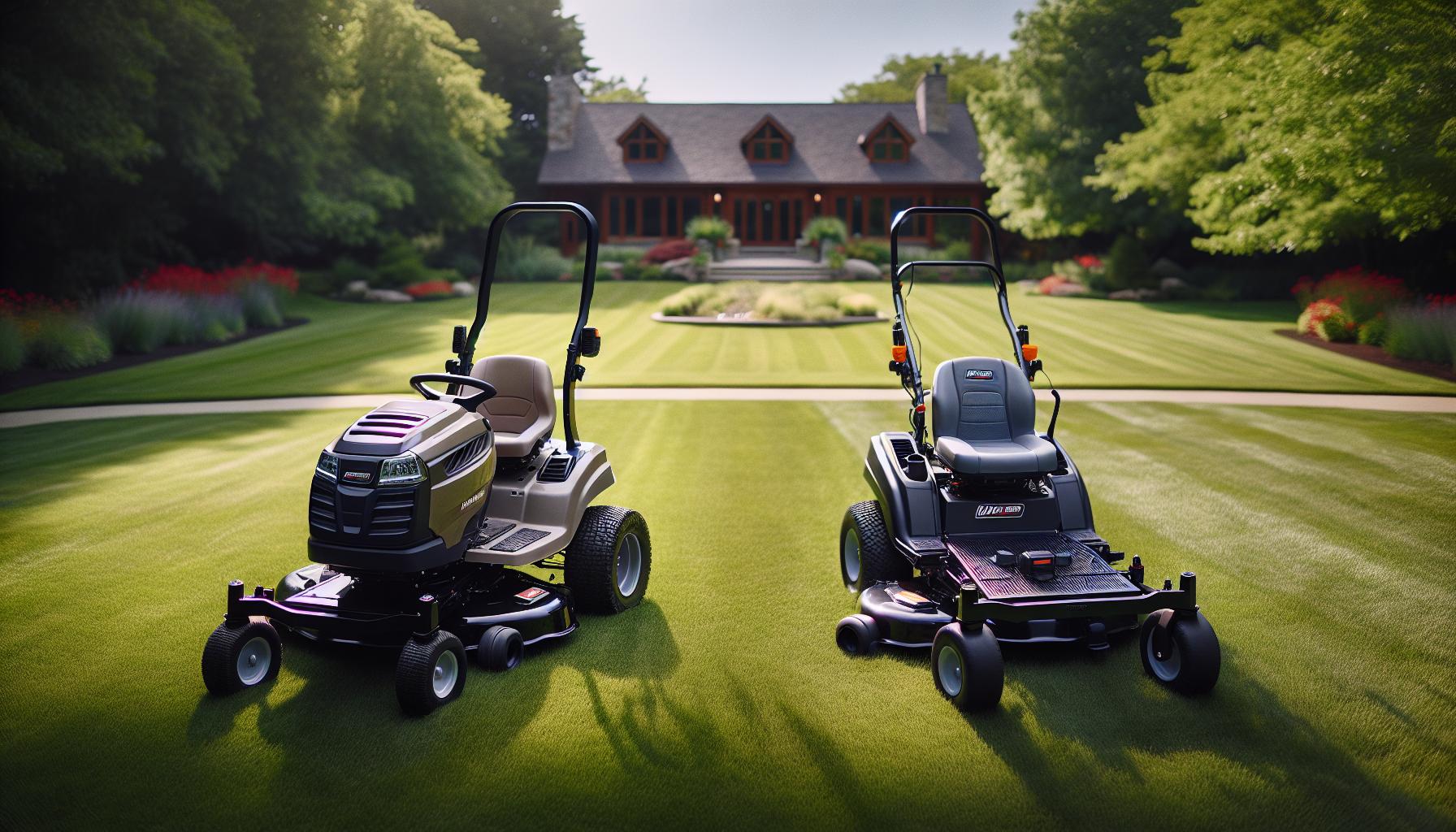
When it comes to purchasing a riding lawn mower, the choice between budget-friendly and premium models can significantly impact both your immediate expenses and the long-term satisfaction you’ll derive from your investment. While it’s tempting to go for the most affordable option, understanding the differences in features, durability, and overall value can help you make a more informed decision.
Budget-friendly riding lawn mowers generally start at lower price points, often appealing to casual users with smaller lawns. These models typically offer essential features such as basic cutting widths, straightforward controls, and adequate engine power. For instance, a basic model may cost between $1,500 and $2,500, providing decent performance for regular mowing tasks. However, these mowers may compromise on durability and ergonomics, potentially leading to a less comfortable experience during longer mowing sessions. Users looking for minimum fuss and lower price tags often find these models sufficient for their needs.
On the other hand, premium riding lawn mowers usually come with a higher price tag, often starting from $3,000 and exceeding $6,000 depending on the features and brand. These models are designed for serious lawn care enthusiasts or those with larger, more complex landscapes. Premium mowers offer advanced features like powerful engines, hydrostatic transmissions for smoother speed adjustments, and superior build quality that enhances longevity. Additional comforts such as high-back seats, user-friendly dashboards, and enhanced traction systems for tackling tough terrains also contribute to a better mowing experience. The investment in a premium model often pays off through improved efficiency, comfort, and reduced maintenance issues over time.
Ultimately, the choice between a budget-friendly and premium riding lawn mower boils down to your specific needs, lawn size, and how often you intend to use the mower. By carefully considering these factors, you can find the right balance between initial cost and long-term value.
Understanding Riding Lawn Mower Types and Models

When selecting a riding lawn mower, understanding the various types and models available can significantly influence your decision-making process. Riding mowers generally fall into several categories, each designed to meet different lawn care needs and user preferences. These types include traditional lawn tractors, zero-turn mowers, garden tractors, and more specialized models.
Types of Riding Lawn Mowers
- Lawn Tractors: These are the most common riding mowers, typically offering a balanced combination of power and versatility. They are suitable for medium to large lawns and are designed for efficient mowing with cutting decks ranging from 42 to 54 inches.
- Zero-Turn Mowers: Known for their exceptional maneuverability, zero-turn mowers can turn 180 degrees without leaving uncut grass, making them ideal for intricate landscapes with many obstacles. They are usually faster and allow for more precise cutting, but may come at a higher cost.
- Garden Tractors: These models are built for more heavy-duty tasks beyond just mowing, including snow removal and hauling. They often come equipped with attachments for various gardening tasks, making them suitable for users who need more functionality.
- Electric and Battery-Powered Mowers: As sustainability becomes a priority, electric and battery-powered riding mowers are gaining popularity. They offer reduced emissions, quieter operation, and lower maintenance needs compared to traditional gas-powered mowers.
Key Features and Specifications
When comparing models, it’s essential to look beyond just the brand and price. Key specifications to consider include:
- Cutting Width: This affects how quickly you can mow your lawn; wider decks can cover more ground but might be harder to maneuver in tight spaces.
- Engine Power: Measured in horsepower, a more powerful engine can handle thicker grass and tougher terrain.
- Transmission Type: Hydrostatic transmissions offer smooth speed adjustments, which can enhance comfort and control.
- Additional Features: Look for features like adjustable cutting heights, comfortable seating, and user-friendly dashboards that can elevate the mowing experience.
Understanding these differences and how they align with your lawn care needs is essential. For instance, if you have a large, open area, a zero-turn mower may save you considerable time. Conversely, if you have a smaller yard with gardens and trees, a lawn tractor or compact model might be more appropriate. Ultimately, the type of riding lawn mower you choose will depend on your yard size, terrain, and personal preferences, helping you find the perfect fit at the right price.
Where to Buy Riding Lawn Mowers: Best Retailers
When it comes to purchasing a riding lawn mower, knowing where to buy can make a significant difference in your overall experience, pricing, and after-sale support. Various retailers offer distinct advantages, from online convenience to local expertise, helping you find the perfect mower for your garden needs.
For those who prefer shopping in person, big-box retailers like Home Depot and Lowe’s provide a vast selection of riding lawn mowers from popular brands such as John Deere, Cub Cadet, and Troy-Bilt. These stores often have knowledgeable employees who can assist you in understanding the specifics of each model and help with immediate inquiries regarding warranties and service. Plus, you can often take advantage of seasonal sales that may not be available elsewhere.
Online marketplaces like Amazon and eBay offer a plethora of options with competitive pricing and customer reviews that can guide your decision. Shopping online can save time and give access to models you may not find locally, along with various delivery options. However, it’s crucial to ensure you’re buying from reputable sellers and to check return policies in case the mower doesn’t meet your expectations.
Another worthy option is specialized local dealerships or yard equipment stores. They often provide a robust selection of brands and models, along with personalized customer service. Many local dealers also offer maintenance and repair services, which can save you considerable time and hassle down the line. Additionally, these stores frequently host promotions that might not be advertised widely, so it’s beneficial to inquire directly.
Ultimately, your choice of retailer should align with your purchasing preferences-whether you prioritize online convenience, local support, or an expansive selection. Be sure to compare prices and features across different platforms to maximize your investment in a riding lawn mower.
Riding Lawn Mower Maintenance Costs and Considerations
Investing in a riding lawn mower is not just about the initial purchase price; ongoing maintenance costs are an important factor to consider for keeping your mower in peak condition. On average, annual maintenance for riding lawn mowers can range from $100 to $300, depending on the model, usage frequency, and whether you choose to perform the work yourself or hire a professional. This investment can significantly extend the lifespan of your mower, ensuring that it operates efficiently when you need it most.
Regular maintenance tasks include oil changes, air filter replacements, and blade sharpening. For instance, changing the oil every 50 hours of operation is crucial for optimal engine performance. Additionally, maintaining blade sharpness is essential for a clean cut, which can impact the health of your lawn. An unkempt lawn mower can lead to uneven cutting and lawn damage, increasing future maintenance needs. If you’re not comfortable handling these tasks, consider scheduling professional maintenance based on your mower’s owner’s manual recommendations.
Moreover, be mindful of seasonal considerations. Preparing your riding lawn mower for winter storage requires special attention-draining fuel, cleaning the deck, and storing it in a protected environment can prevent costly damages. It’s also worth noting that parts and repairs can add to your maintenance costs over time. Having a budget for potential repairs, such as tire replacements or battery service, will help you manage unexpected expenses.
To further optimize your costs, consider investing in a comprehensive warranty or service plan that covers major repairs. This can protect you from heavy out-of-pocket expenses and give you peace of mind. By planning for both routine maintenance and unexpected repairs, you can maximize your investment, ensuring your riding lawn mower serves you well for many years to come.
User Reviews: Real Experiences with Riding Lawn Mowers
When it comes to choosing the right riding lawn mower, user reviews can be invaluable resources that shed light on real-world experiences and performance. Many customers share insights about how different models performed in their yards, balancing price and functionality. For instance, a common takeaway from reviews is the importance of engine power and cutting efficiency, especially for those with larger lawns. Many users recommend looking for mowers with powerful, reliable engines that can handle thick grass without bogging down.
A recurring theme in reviews is the comparison of budget-friendly versus premium models. Users often report that while budget mowers may save money initially, they sometimes lack durability and efficiency, leading to higher long-term costs due to repairs and maintenance. On the other hand, premium riding mowers often come equipped with features that enhance ease of use, such as automatic transmissions and ergonomic controls. Customers with larger properties often highlight their satisfaction with these higher-end machines, noting that features like cruise control and larger cutting decks significantly reduce mowing time.
Moreover, reviews frequently discuss the importance of brand reputation and customer service. Many users appreciate brands known for their reliable customer support, which can be crucial when dealing with maintenance issues or warranty claims. For example, some reviews express frustration with delayed service and lack of parts availability from lesser-known brands. Choosing a popular brand is suggested as it can lead to easier access to replacement parts and a more extensive network of service technicians.
To synthesize these insights, when seeking a riding lawn mower, consider reading a variety of user reviews. Look for patterns in feedback regarding performance, durability, and customer service. This approach not only helps you understand the strengths and weaknesses of specific models but also assists in making an informed decision that aligns with your specific mowing needs and budget constraints.
Financing Options for Your Riding Lawn Mower Purchase
Purchasing a riding lawn mower can be a significant investment, and understanding financing options can help ease the financial burden. Many retailers and manufacturers offer various plans to accommodate different budgets, making it more accessible for homeowners to invest in this essential equipment. One popular option is financing through retailers, which often includes promotional offers such as “0% interest for 12 months” or other deferred payment plans. These deals allow buyers to spread the cost of their mower over several months without paying additional interest, provided payments are made on time.
Loan Options and Credit Terms
If retailer financing isn’t an ideal fit, personal loans from banks or credit unions can also be a viable alternative. These loans typically have fixed interest rates and clear payment terms, which can be beneficial for budgeting. Moreover, some people may opt for credit cards with a 0% introductory APR if they can pay off the balance before the promotional period ends. However, it’s essential to consider potential fees or interest rates that may apply after the initial period.
Leasing as an Alternative
Leasing is another avenue that some homeowners might explore, especially for those who want to use a riding mower without committing to a full purchase. Leasing can allow access to the latest models and technology while keeping monthly payments lower. However, at the end of the lease term, it’s crucial to understand the option to buy the mower, as this can affect long-term financial planning.
Ultimately, assessing these financing options requires careful consideration of individual circumstances. Comparing offers from different retailers, banks, and credit unions can ensure that you find the most favorable terms. It’s advisable to read the fine print and be aware of any hidden fees or penalties that can arise, ensuring you’re fully informed before making a decision on your riding lawn mower purchase.
Seasonal Sales and Discounts on Riding Lawn Mowers
As homeowners prepare for the lawn care season, many begin to wonder when the best time is to purchase a riding lawn mower to maximize value. Seasonal sales and discounts can significantly reduce the overall cost and improve the investment’s return. The end of summer and early fall often present an optimal window for discounts as retailers clear out inventory to make room for new models. This shift aligns with the traditional lawn care calendar, meaning savvy shoppers can benefit from this timing.
To leverage these seasonal opportunities, it’s crucial to keep an eye on events like Labor Day and Black Friday, when major retailers commonly offer substantial promotions. Many manufacturers also introduce incentives during these periods, such as cashback offers or extended warranties, which can further enhance the value. For example, a deeply discounted mower might also come with a money-back guarantee or free service for a year, adding additional layers of savings.
Additionally, subscribing to newsletters from various gardening and home improvement stores can keep consumers informed about exclusive deals or limited-time offers. These emails often provide early access to seasonal sales and flash promotions that aren’t advertised in-store. It’s advisable for buyers to compare prices across various retailers-both online and brick-and-mortar-to gauge the best possible deals.
Finally, don’t overlook the potential for purchasing floor models or returned items at a discount; these mowers are often in excellent condition and come substantially reduced in price. By taking advantage of these seasonal sales and strategically timing your purchase, homeowners can enjoy the benefits of their new equipment while keeping their budgets in check.
How to Choose the Right Riding Lawn Mower for Your Needs
Choosing the right riding lawn mower is essential not just for the appearance of your lawn, but also for maximizing efficiency and comfort during maintenance. A well-chosen mower can drastically reduce the time and effort spent on mowing, while also enhancing your overall lawn care experience. Before making a decision, consider the size of your yard, the terrain, and the type of grass you have, as these factors will significantly influence your best options.
- Yard Size: For smaller properties, a lawn tractor with a smaller cutting deck (e.g., 30 to 42 inches) is often sufficient. In larger spaces, consider wider cutting decks (e.g., 54 inches or more) to cover more ground in less time.
- Terrain: If your lawn has steep slopes or has uneven terrain, zero-turn mowers may be more suitable as they provide excellent maneuverability. Conversely, flat and expansive lawns can easily be maintained with traditional lawn tractors.
- Grass Type: Consider your grass type; some mowers feature special blades designed for specific grasses, promoting healthy growth and a cleaner cut.
H3>Key Features to Consider
When selecting a mower, it’s critical to look into specific features that can enhance your mowing experience. Comfort is key, especially during long sessions. Features like adjustable seats, armrests, and ergonomic controls can make a world of difference. Additionally, check if the mower has mulching capabilities, which can return nutrients back to the soil and reduce the need for bagging clippings. Fuel type is another consideration; while gas-powered mowers tend to be more powerful, electric models offer quieter operation and reduced emissions.
Ultimately, taking the time to evaluate your needs against the various features available can ensure you choose a riding mower that not only fits your budget but also enhances the care of your lawn. Researching user reviews can provide insight into real-life performance and durability, guiding you to make an informed decision. Remember that investing in a high-quality mower tailored to your specific lawn needs can pay off in both results and long-term satisfaction.
Maximizing Your Investment: Tips for Long-Term Use
Investing in a riding lawn mower can represent a significant commitment, often impacting your yard maintenance routine for years to come. To truly maximize your investment, it’s essential to adopt a proactive approach to maintenance, usage, and storage. This can not only extend the life of your mower but also enhance its performance over time, ensuring you get the maximum return on your initial investment.
Regular maintenance is the cornerstone of durability for any riding lawn mower. Ensure routine tasks such as changing the oil, replacing air filters, and sharpening the blades are performed as recommended by the manufacturer. A well-maintained engine runs more efficiently, and sharp blades provide a cleaner cut, promoting healthier grass. Additionally, cleaning the mower deck after each use prevents grass buildup that can cause corrosion and affect performance. If your mower features a hydraulic system, ensure that you check the fluid levels periodically to maintain smooth operation.
Another important factor is seasonal storage. When colder months arrive, it’s crucial to prepare your riding mower for winter by following some best practices. Emptying the fuel tank or adding a fuel stabilizer can prevent clogs in the fuel system, while a thorough inspection before storing can help catch issues before they become significant. Cover the mower to protect it from dust and moisture, preserving its condition until the next mowing season.
Finally, understanding the availability of parts and service for your specific model can provide further peace of mind and ensure longevity. Familiarize yourself with local dealers or service centers that specialize in your brand of mower, so you’re prepared when maintenance or repairs are needed. Investing in a quality model with reliable support can significantly enhance your ownership experience.
By implementing these strategies, you can keep your riding lawn mower running at its best, making those initial costs more manageable while enjoying a beautifully maintained lawn for years to come.
Faq
Q: How much should I expect to pay for a riding lawn mower?
A: Prices for riding lawn mowers typically range from $1,500 to $4,500, depending on the brand, features, and size. Entry-level models may cost less, while high-end versions with advanced capabilities can be significantly more expensive. Consider your yard size and features needed before purchasing.
Q: What are the different types of riding lawn mowers?
A: Riding lawn mowers come in several types, including lawn tractors, garden tractors, and zero-turn mowers. Each type offers distinct advantages: lawn tractors are good for larger yards, garden tractors can handle heavier tasks, and zero-turn mowers provide excellent maneuverability and speed.
Q: Are there seasonal discounts for riding lawn mowers?
A: Yes, major retailers often offer seasonal sales, especially at the end of the mowing season, like in late summer or fall. These discounts can significantly lower the price of riding lawn mowers, making it a great time to purchase if you’re not in immediate need.
Q: What features should I look for when buying a riding lawn mower?
A: Key features include engine power, deck size, transmission type, and additional attachments like baggers or mulchers. Evaluate your lawn’s size and terrain to determine which features will best suit your mowing needs. Refer to the article’s “Features to Consider When Buying a Riding Lawn Mower” section for more details.
Q: How often should I maintain my riding lawn mower?
A: Regular maintenance is essential for optimal performance. Change the oil every 50 hours of use, replace the air filter annually, and sharpen the blades twice a season. Refer to the “Riding Lawn Mower Maintenance Costs and Considerations” section for a more detailed guide.
Q: Do riding lawn mowers come with warranties?
A: Most riding lawn mowers come with warranties that typically range from one to three years. Coverage can vary by manufacturer and model; check the warranty details before purchase to understand what is included and any potential costs for extended coverage.
Q: Where can I compare riding lawn mower prices?
A: You can compare riding lawn mower prices at major retailers like Home Depot, Lowe’s, and specialized lawn equipment stores or online marketplaces like Amazon. Additionally, reading user reviews can provide insights into performance and value. Check the “Where to Buy Riding Lawn Mowers” section for recommended retailers.
Q: How do financing options work for purchasing a riding lawn mower?
A: Many retailers offer financing options, allowing you to pay in installments instead of a lump sum. Interest rates and terms vary, so it’s important to read the details carefully. Some may offer promotional periods with no interest. Explore the “Financing Options for Your Riding Lawn Mower Purchase” section for more information.
Concluding Remarks
To sum up, understanding how much riding lawn mowers cost is essential for making an informed decision that fits your budget and lawn care needs. With various models and prices available, you’re now equipped to confidently choose the right mower that suits your requirements. Don’t miss out on exclusive discounts and updates-sign up for our newsletter today!
Also, check out our guides on lawn care tips and equipment maintenance to further enhance your mowing experience. If you have any lingering questions or you’d like to share your thoughts, please leave a comment below! Your insights help us create even more valuable content. Remember, investing in a quality riding lawn mower can significantly improve your lawn maintenance routine, so take action today and enjoy a beautifully manicured yard!