Running a lawn care business comes with its own set of challenges, and understanding liability insurance is crucial for your success. Did you know that even a minor mishap, such as damaging a client’s property while mowing their lawn, could lead to costly claims that threaten your finances? Liability insurance protects you from such unexpected events, covering legal fees and damage costs to ensure your business remains secure. As you navigate the ins and outs of selecting the right coverage, it’s essential to grasp not just the costs but also the value of having a safety net that allows you to focus on growing your business rather than worrying about potential liabilities. Keep reading to discover how much liability insurance for a lawn care business can cost and what factors influence these rates.
What Is Liability Insurance and Why Is It Important for Lawn Care?
Liability insurance is a crucial component for lawn care businesses, providing essential protection against claims resulting from accidents, injuries, or damages that may occur while performing services. This type of insurance covers legal costs and settlements if a third party claims that your operations caused bodily injury or property damage. The unpredictable nature of outdoor work, which can involve equipment, chemicals, or interactions with clients and their property, makes this coverage not only advisable but often necessary to safeguard your business assets and financial future.
For instance, imagine a scenario where a client trips over equipment left on their property and sustains an injury. Without liability insurance, the owner could face significant medical expenses or legal fees, potentially jeopardizing their business. Liability insurance acts as a safety net, ensuring that such unexpected incidents are manageable. Additionally, many clients may require proof of insurance before contracting services, enhancing credibility in a competitive market.
Key Benefits of Liability Insurance for Lawn Care Businesses
- Financial Protection: Covers legal fees and compensation claims, safeguarding your financial interests.
- Client Confidence: Having insurance can reassure potential clients of your professionalism and commitment to safety.
- Peace of Mind: Knowing you have coverage allows you to focus on delivering quality services without the constant worry of unforeseen incidents.
Overall, liability insurance is not just a protective measure; it is a strategic investment that supports business growth, fosters client trust, and enhances operational stability in the challenging landscape of lawn care services.
Factors That Affect Liability Insurance Costs

Determining the cost of liability insurance for a lawn care business can be complex, as several factors influence premium rates. Understanding these factors can help business owners make informed decisions when shopping for insurance coverage. For instance, the type of services offered plays a significant role; more specialized or hazardous tasks may involve higher risks, consequently increasing premiums. If your lawn care business offers tree removal or pesticide application, you might expect to pay more for coverage due to the potential for accidents or environmental damage.
Another crucial factor is the size and scale of your business. Larger operations with multiple employees and extensive equipment generally face higher premiums. Insurers consider the number of employees and the volume of business when assessing risk-more hands at work can mean a greater chance for accidents. Additionally, your business’s claims history significantly impacts insurance costs. If your business has a history of frequent claims, insurers might view it as a higher risk and adjust the premium upwards.
Location is also a notable factor; businesses operating in urban areas with higher property values and more foot traffic may encounter higher costs. Local regulations, weather conditions, and the overall risk landscape in your area can further influence rates. For example, areas prone to severe weather events, such as storms or floods, may lead insurers to increase liability costs to account for added risk.
Finally, the policy limits and deductibles you choose will also affect your premium. Higher coverage limits generally lead to increased costs, while selecting a higher deductible can help lower your monthly premiums. Balancing these variables while ensuring adequate coverage is essential for protecting your lawn care business from potential liabilities while keeping costs manageable.
Average Costs of Liability Insurance for Lawn Care Businesses
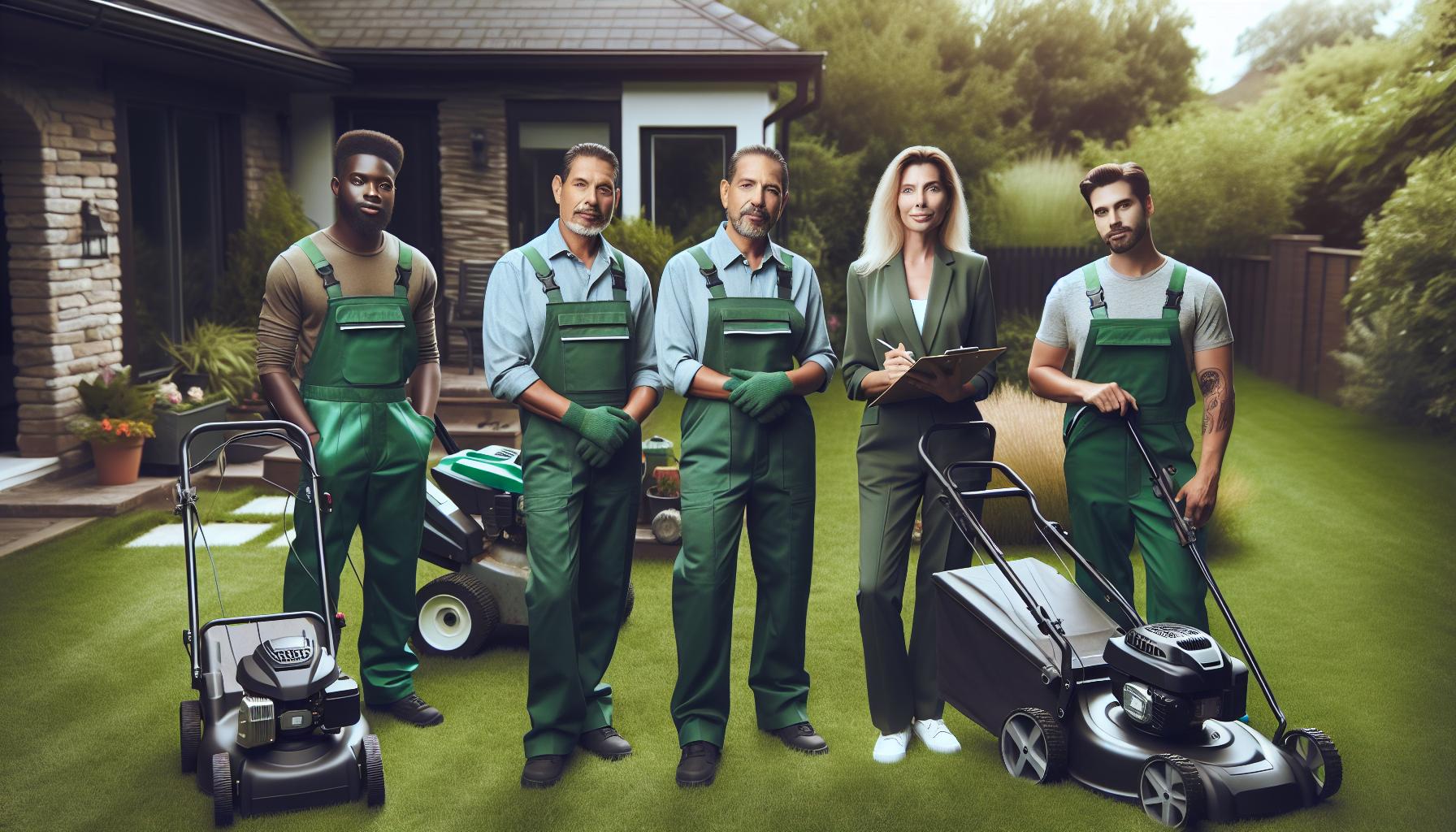
The can vary widely, influenced by several factors including the scope of services offered, business size, and geographic location. On average, lawn care businesses can expect to pay between $400 to $1,200 annually for general liability insurance. This range accounts for the basic coverage necessary to protect against common risks associated with landscape maintenance, such as property damage or injury claims.
For businesses that take on higher-risk activities-such as tree removal or the use of chemicals for pest control-the costs can be significantly higher, sometimes exceeding $2,000 per year. This increase is largely due to the greater likelihood of accidents or environmental liabilities associated with more hazardous work. To better understand these costs, here’s a brief overview of how specific elements can influence premiums:
Factors Influencing Insurance Costs
- Type of Services Provided: Businesses offering more specialized and potentially hazardous services generally face higher premiums.
- Business Size: Larger businesses with more employees or substantial equipment usually incur higher costs, as more operational activities can lead to increased risk.
- Claims History: A record of previous claims can raise premiums, given the perceived higher risk of future incidents.
- Location: Companies in urban areas with higher population densities may face increased premiums due to the higher likelihood of accidents.
Additionally, it’s worth noting that many insurers offer lower rates to businesses that invest in risk management practices, such as employee training programs and safety protocols. By maintaining a strong safety record, lawn care providers can potentially negotiate better rates and reduce their overall insurance expenses.
In summary, while the costs of liability insurance can vary widely based on numerous factors, understanding these elements allows lawn care business owners to budget appropriately and select the right coverage to protect their operations effectively. Investing in comprehensive liability insurance not only safeguards your business against unexpected claims but also enhances your credibility with clients who value professionalism and risk management.
Types of Liability Insurance Policies for Lawn Care Services
When launching a lawn care business, understanding the various types of liability insurance policies available is crucial for protecting your operations and assets. With the potential for accidents ranging from minor injuries to significant property damage, selecting the right insurance coverage can safeguard your business against unforeseen risks.
General liability insurance is the cornerstone for many lawn care companies, covering third-party bodily injury and property damage claims. For instance, if a customer slips and falls on your property while you’re working, this insurance will help cover related medical expenses or legal fees.
Another important policy type is professional liability insurance, which protects against claims of negligence or failure to deliver services as promised. This is particularly vital for businesses offering specialized services, such as landscaping design or pest control, where clients may seek compensation for perceived inadequacies in service delivery.
It’s also essential to consider workers’ compensation insurance if you have employees. This coverage helps protect your business from claims resulting from employee work-related injuries or illnesses. For example, if an employee injures themselves while operating lawn care equipment, workers’ compensation can cover medical expenses and lost wages, mitigating the financial impact on your business.
Finally, consider commercial auto insurance if you use vehicles for transporting equipment or personnel. This policy provides coverage in case of accidents involving your business vehicles, ensuring that both liability and asset protection are in place. In sum, building a comprehensive insurance strategy with these various liability policies not only shields your business from potential financial losses but also enhances its professionalism and credibility in the eyes of customers.
Additional Coverage Options for Enhanced Protection
In the lawn care industry, protecting your business goes beyond basic liability coverage; it involves selecting additional options that can fortify your operations against various unforeseen risks. One effective way to achieve enhanced protection is through the addition of specialized insurance policies tailored for specific situations your business might encounter.
Umbrella Insurance
One powerful tool in your insurance arsenal is umbrella insurance. This policy acts as an extension of your existing liability coverage, providing extra protection once your primary liability limits are exhausted. For example, if you face a significant claim-such as severe injury to a customer on your job site-an umbrella policy can help cover costs that exceed your general liability limits, shielding your assets from substantial loss.
Equipment Coverage
Lawn care businesses often rely on expensive machinery such as mowers, trimmers, and trailers. Equipment coverage or inland marine insurance protects these valuable assets against theft, damage, or loss while they are in transit or on a job site. This type of policy ensures that you can quickly replace or repair your tools, minimizing downtime and maintaining your productivity.
Pollution Liability Insurance
If your services involve chemical usage, such as pesticides, opting for pollution liability insurance can be vital. This coverage safeguards against claims resulting from environmental damage or contamination caused by your business operations. In the event that a customer alleges harm due to chemicals you applied, this insurance can help cover the legal expenses and potential damages, preserving your reputation and finances.
Commercial Property Insurance
Lastly, if you operate out of a physical location for storing equipment or managing operations, commercial property insurance is essential. It covers damages to your business premises and assets within, such as indoor tools and furniture, against fire, theft, or natural disasters. This policy not only provides peace of mind but also ensures business continuity in the event of an unexpected loss.
By considering these additional coverage options, you can build a robust insurance plan that not only meets standard requirements but also adapts to the unique challenges of running a lawn care business, ultimately enhancing your security and operational resilience.
How to Choose the Right Insurance Provider
Choosing the right insurance provider can be a game-changer for your lawn care business, ensuring you have adequate coverage while also minimizing your costs. With so many options available, it can feel overwhelming to navigate the terrain of insurance companies. However, understanding a few essential criteria can help streamline your decision-making process and ensure that you select a provider that not only meets your needs but also supports your business’s long-term growth.
Start by examining the provider’s expertise in the lawn care sector. Not all insurance companies are created equal, and those that specialize in your industry may offer policies that better cater to specific risks associated with lawn care, such as equipment damage or client injuries. Look for companies that have a strong track record in insuring similar businesses and provide case studies or testimonials from lawn care clients. Additionally, consider the range of coverage options they offer. A provider that delivers a variety of policies, including general liability, equipment coverage, and pollution liability insurance, can help you create a comprehensive plan tailored to your needs.
Next, reliability and customer service play crucial roles in your provider selection. Research customer reviews and ratings across various platforms to gauge their reputation. A provider with excellent customer support can make all the difference, especially when you face claims or need to adjust your policy. Reach out to potential providers with questions about their claims process, response time, and support availability; their willingness to assist you can be a telling factor in your overall experience.
Lastly, don’t forget to compare quotes and coverage specifics. While price is an important aspect, it shouldn’t be the sole factor in your decision. Pay attention to the fine print, including exclusions and limits, to ensure you’re getting the best value for your money. Consider bundling policies as well, which might lead to discounts and simplified management of your insurance needs. By taking the time to evaluate each of these elements, you can find an insurance provider that not only safeguards your lawn care business but also empowers it to flourish.
Tips for Lowering Your Liability Insurance Premiums
Finding ways to reduce liability insurance premiums can significantly impact the overall budget of your lawn care business. With strategic planning and proactive measures, you can lower these costs without sacrificing coverage. Utilizing risk management practices not only helps in securing more favorable premiums but also enhances the safety and efficiency of your operations.
One effective strategy is to invest in safety training for your employees. By ensuring that your team is well-equipped to handle equipment and know best practices to avoid accidents, you can demonstrate to insurance providers that you take risk seriously. Additionally, maintaining your equipment and keeping accurate records of repairs can further showcase your commitment to safety. This diligence can translate into lower premiums, as insurers often reward businesses that minimize risks.
Bundling your insurance policies can also yield savings. Many providers offer discounts when you combine liability insurance with other necessary coverage, such as property or workers’ compensation insurance. This approach not only simplifies your coverage management but often provides substantial financial benefits. Furthermore, engaging in regular policy reviews can help identify areas where your coverage may be redundant or where you could adjust limits to better fit your needs, ultimately leading to reduced costs.
Lastly, consider increasing your deductible. While this means you’ll pay more out of pocket in the event of a claim, opting for a higher deductible can lower your premium significantly. Be sure to evaluate your cash flow and decide on a deductible level that won’t strain your budget in the case of an incident. By implementing these strategies, you can effectively manage and reduce your liability insurance expenses, allowing you to focus resources on growing your lawn care business.
Common Claims Lawn Care Businesses Face
When it comes to running a lawn care business, the potential for accidents and mishaps is substantial, making understanding common claims a vital aspect of protecting your company. Lawn care professionals face various risks that can lead to liability claims, and being aware of these scenarios can help you prepare both operationally and financially.
One of the most frequent claims involves property damage. This could happen when a contractor accidentally damages a client’s garden with equipment or scalpers the grass too low. Such incidents can lead to disputes over repair costs or restoration of the property. Another significant risk arises from bodily injury claims, which may occur if a client slips and falls during service, particularly if proper signage is not displayed, or if the work area isn’t adequately cleared of hazards. These types of claims can lead to expensive legal battles and settlements, underscoring the importance of having comprehensive liability insurance.
Common Claims Summary
- Property Damage: Damage to client property, such as equipment mishaps, can lead to costly repairs.
- Bodily Injury: Injuries sustained by clients or bystanders, often from slips, trips, or falls during landscaping activities.
- Equipment Damage: Accidental damage to the lawn care service’s own equipment can result in additional costs, especially if rented equipment is involved.
- Environmental Claims: Use of chemicals and fertilizers can lead to environmental claims if not managed properly, potentially causing harm to local flora or fauna.
By being proactive and ensuring comprehensive liability coverage, lawn care businesses can safeguard against the financial stress of unexpected claims. This not only provides reassurance to the business owner but also enhances customer trust, ensuring clients feel safe when hiring your services. Regular training, adherence to safety regulations, and clear communication with clients can further mitigate risks associated with these common claims, ultimately leading to a smoother operation.
Understanding Policy Exclusions and Limitations
Understanding the nuances of liability insurance is crucial for lawn care business owners, particularly when it comes to identifying potential policy exclusions and limitations. These exclusions can significantly impact your ability to obtain coverage during claims or lawsuits, which is why it’s essential to be well-informed from the onset. For instance, many liability policies may specifically exclude coverage for certain types of claims like deliberate acts, criminal activities, or damages due to professional errors if the policy does not include professional liability protection.
One common limitation many lawn care businesses face is related to the types of activities covered under their liability policy. For example, if your business involves applying pesticides or other chemicals, it’s important to ensure that these activities are explicitly included in your policy. Some insurers might only cover damages arising from landscaping services, leaving instances of chemical harm to clients or the environment unprotected. Understanding such exclusions helps you assess whether specialized coverage, such as environmental liability insurance, may be necessary.
Moreover, many liability insurance policies impose limits on coverage amounts. This means that if damages exceed your policy’s limit, you could be held liable for the excess amount. It’s crucial to evaluate not just what your policy covers, but also how much coverage you actually need based on the scale of your operations and potential risk exposures. Consulting with an insurance advisor can help you navigate these limitations and tailor a policy that aligns with your business needs.
Finally, another factor to consider is the geographical scope of coverage. Some policies might limit protection to specific regions, which could be problematic if you operate in multiple areas or states. Ensure that you have clarity on the places where your insurance is valid to avoid surprises when filing a claim. By thoroughly , you can make informed decisions, shield your business from unnecessary financial strain, and protect your reputation in the highly competitive lawn care industry.
Key Considerations When Starting a Lawn Care Business
Starting a lawn care business can be an exciting venture with abundant opportunities, but it comes with its fair share of responsibilities and risks. Understanding these risks is essential, especially regarding liability insurance, which serves as a protective layer around your business. Lawn care professionals frequently come into contact with clients, their property, and sometimes even the general public, which raises the stakes for potential accidents or damages. Adequate insurance coverage not only safeguards your financial interests but also boosts your credibility and professionalism in a competitive market.
When launching your lawn care business, it is crucial to assess the specific services you plan to offer. For example, will you be doing basic lawn mowing, or will you also provide services that involve chemicals, such as fertilization or pest control? Each service level comes with different risks that may necessitate tailored insurance solutions. Create a list of all the services you intend to provide and consult with an insurance professional to determine the right coverage needed, ensuring that all potential liabilities are adequately addressed.
Aside from the type of insurance, understanding how local regulations and industry standards impact your insurance needs is vitally important. Different regions have varying requirements, which can influence your policy choices and costs. Research the local business regulations in your area to ensure compliance and consult local lawn care associations or networks for insights on best practices. This proactive approach can help you not only meet compliance but also position your business as a trustworthy service provider.
Lastly, investing time in building strong relationships with clients plays a key role in how you manage potential liabilities. Open communication about your services, along with clear contracts that outline the scope of work, can mitigate misunderstandings and disputes. Consider implementing client feedback mechanisms to improve service quality and to document interactions, which can also aid you if a claim arises. By focusing on these elements, you can create a solid foundation for your lawn care business that supports its growth while effectively managing insurance needs.
Customer Testimonials on Insurance Experiences
Many lawn care professionals share their experiences regarding liability insurance, and these testimonials reveal common themes and invaluable insights. One lawn care business owner from Florida highlighted how a small premium provided him with a significant safety net, saying, “I never thought I would need liability insurance until a client tripped over my equipment on their property. Thankfully, my policy covered the medical expenses, and I was able to keep my business running smoothly without worrying about financial ruin.”
Another owner emphasized the importance of comprehensive coverage. “Initially, I opted for the cheapest policy I could find, but I quickly learned that it didn’t cover certain situations, such as property damage caused by my crew. When I had to pay out of pocket for repairs, I realized that not all insurance is created equal. Now, I take the time to understand my policy thoroughly and invest in a good level of coverage,” she remarked. This cautionary tale is a reminder that saving money on premiums can lead to higher costs if a claim arises.
The testimonials also bring to light the impact of excellent customer service from insurance providers. A landscaping entrepreneur shared, “When I had to file a claim after a storm damaged a client’s property, my insurance company was incredibly responsive. They walked me through the process step by step, which made a stressful situation much more manageable.” This highlights how important it is to choose an insurer that not only offers the right coverage but also supports you when you need it most.
Ultimately, these personal accounts suggest that investing in liability insurance is a proactive step that can protect both your business and your peace of mind. By listening to the experiences of others in the lawn care industry, you can make more informed decisions about your insurance needs and select a provider that aligns with your business values and operational risks.
FAQ
Q: What is the average cost of liability insurance for a lawn care business?
A: The average cost of liability insurance for a lawn care business typically ranges from $400 to $1,200 per year. This cost can vary based on factors such as the size of the business, location, and coverage limits. For a detailed understanding, refer to the section on Average Costs of Liability Insurance for Lawn Care Businesses.
Q: How can I reduce liability insurance costs for my lawn care service?
A: To lower liability insurance costs, consider increasing your deductible, maintaining a good claims history, and bundling policies with the same provider. Additionally, implementing safety training for employees can further mitigate risks and lead to discounts. See our Tips for Lowering Your Liability Insurance Premiums for more insights.
Q: What types of liability insurance do lawn care businesses need?
A: Lawn care businesses typically need general liability insurance, which covers bodily injury and property damage. Depending on operations, additional coverage like professional liability or equipment insurance may also be necessary. Explore the section on Types of Liability Insurance Policies for Lawn Care Services for further details.
Q: Does liability insurance cover injuries to my employees while working?
A: Liability insurance generally does not cover employee injuries; instead, you should consider workers’ compensation insurance for that purpose. This insurance provides coverage for medical expenses and lost wages due to injuries sustained on the job. For more, refer to the section on Common Claims Lawn Care Businesses Face.
Q: When should I purchase liability insurance for my lawn care business?
A: It is advisable to purchase liability insurance before starting operations. This ensures you are protected from potential claims right from the beginning. For more guidance on starting your business, check the section on Key Considerations When Starting a Lawn Care Business.
Q: Are there exclusions I should know about in my liability insurance for lawn care?
A: Yes, liability insurance often includes exclusions such as intentional acts, contractual liability, and some professional services. Always read your policy thoroughly to understand limitations. For a better grasp, consult the Understanding Policy Exclusions and Limitations section.
Q: What factors affect the cost of liability insurance for lawn care services?
A: Factors impacting liability insurance costs include business size, location, claims history, types of services offered, and the coverage amount needed. Understanding these can help you evaluate your insurance needs effectively. Refer to the Factors That Affect Liability Insurance Costs section for more information.
Q: How do I choose the right insurance provider for my lawn care business?
A: To choose the right insurance provider, compare quotes from multiple companies, read customer reviews, and assess the coverage options available. Selecting a provider with industry experience can also be beneficial. For a detailed process, see the section on How to Choose the Right Insurance Provider.
Future Outlook
Understanding the cost of liability insurance for your lawn care business is crucial for protecting your investment and ensuring peace of mind. With the right coverage, you can safeguard against unexpected accidents that could impact your finances and reputation. Don’t wait to secure the protection you need-get started today by comparing quotes and exploring tailored policies that fit your specific business needs.
For further insights, check out our guides on essential insurance types for small businesses and tips to reduce your business insurance costs. Have questions or want to share your experiences? We invite you to join the conversation in the comments below. Your journey to a safer, more resilient business starts here-take action now!