Did you know that the average American home uses over 30% of its water for lawn maintenance? As water scarcity becomes increasingly critical, the amount wasted on maintaining lush lawns raises urgent questions about resource management and environmental responsibility. This article explores the shocking truth about water usage on lawns, diving into how much is truly squandered and the broader implications for our planet. By understanding the impact of our landscaping choices, you can take proactive steps to conserve water and advocate for more sustainable practices in your community. Join us as we uncover the hidden costs of lawn care and discover smarter, eco-friendly alternatives that align with your goals for a greener future.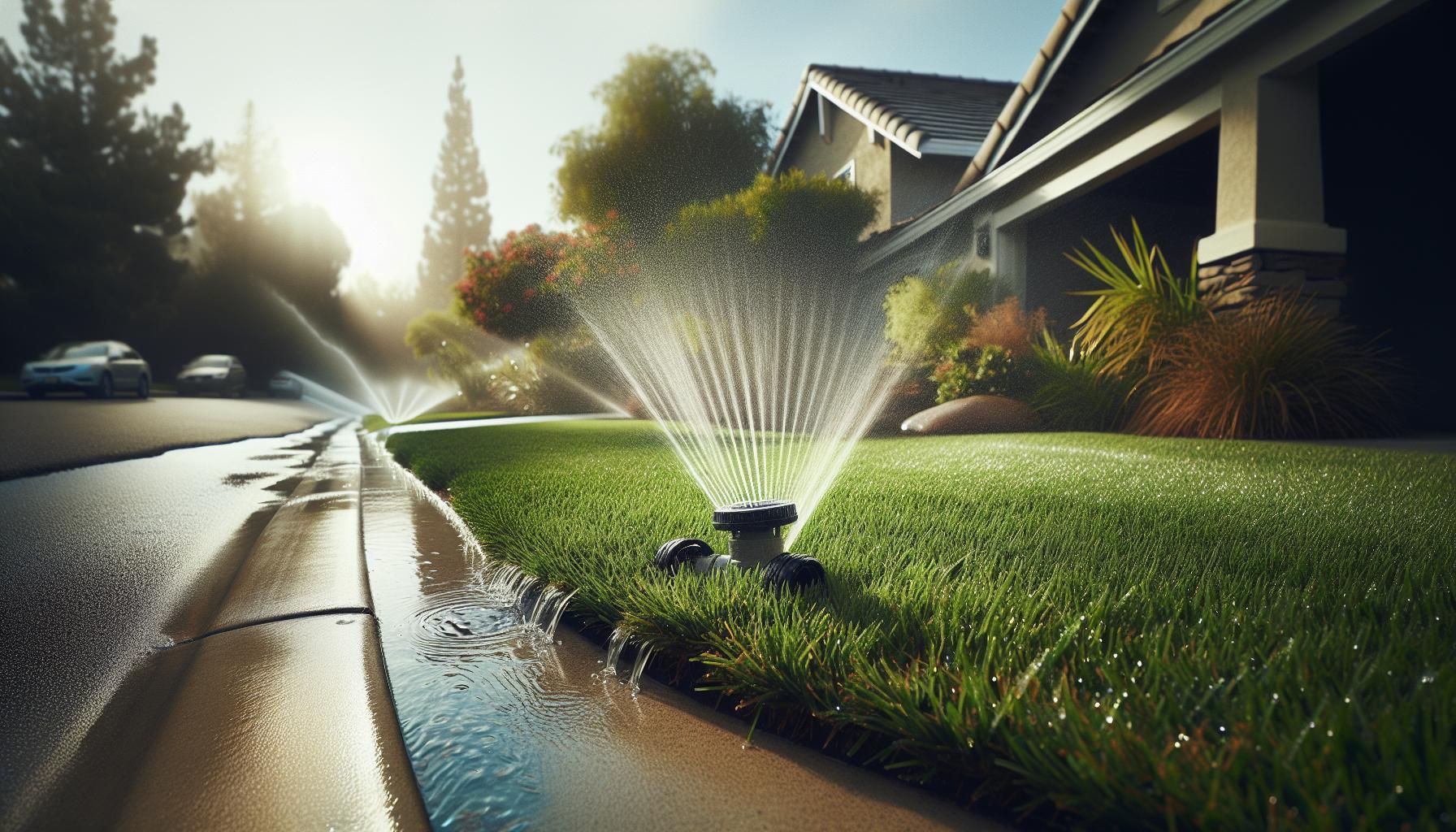
The Hidden Water Crisis: Understanding Lawn Waste
Watering lawns is often viewed as a benign, even necessary activity for maintaining curb appeal, yet it conceals a hidden water crisis that exacerbates global resource challenges. In urban areas, residential lawns account for a substantial portion of community water consumption, with some estimates suggesting that up to 30% of urban freshwater is used for landscaping. The methods employed for lawn upkeep typically lead to significant water waste, resulting in an invisible but pressing crisis.
Firstly, it’s crucial to recognize that many homeowners utilize traditional irrigation methods that do not effectively match the water needs of their lawns. For instance, over-watering is a common practice, driven by an outdated belief that “more is better.” As a result, this contributes to runoff, where water is wasted rather than absorbed, leading to increased demand on already strained water systems. Soil types, local weather conditions, and specific types of grass can all influence how much water a lawn actually needs. Understanding these variables can help homeowners adjust their watering habits appropriately, potentially reducing their water usage by up to 50%.
Moreover, the environmental ramifications of excessive lawn watering extend beyond mere water consumption. Runoff often carries fertilizers and pesticides into storm drains, ultimately polluting waterways and harming aquatic ecosystems. Therefore, addressing lawn waste is not only about conserving water; it also means committing to healthier environmental practices. Solutions such as implementing xeriscaping-landscaping that reduces or eliminates the need for irrigation-can significantly enhance water conservation while still fostering an aesthetically pleasing outdoor space.
By rethinking traditional lawn care practices and embracing innovative methods, individuals can contribute to alleviating the hidden water crisis. The shift toward sustainable landscaping not only helps in conserving water but also supports local biodiversity, creating a more resilient ecosystem that benefits the community as a whole. Embracing these changes can lead to smarter water use and a commitment to environmental stewardship that is necessary in today’s climate realities.
The Environmental Impact of Watering Lawns
Watering lawns is a common practice that significantly impacts our environment, yet many are unaware of the extent of this hidden crisis. In fact, according to various reports, residential lawns can consume as much as 30% of urban freshwater resources, revealing the shocking truth about lawn care’s toll on our water supply. This excessive use not only contributes to water scarcity but also leads to detrimental environmental effects, including habitat destruction and water pollution.
One of the primary concerns is the overwhelming runoff created by traditional irrigation methods, which often result in watering levels far exceeding the actual needs of the grass. This runoff doesn’t just disappear; it carries with it fertilizers, pesticides, and other chemicals that can contaminate local waterways. This pollution has far-reaching effects on aquatic ecosystems, endangering wildlife and disrupting natural habitats. As water flows from lawns into storm drains, it compounds the existing issues of nutrient overload and algal blooms, which can devastate fish populations and degrade water quality.
Additionally, the environmental footprint of maintaining lush green lawns stretches beyond water usage. The energy resources consumed in producing lawn care equipment, the emissions from gas-powered mowers, and the persistent application of chemical treatments collectively contribute to climate change and air pollution. In essence, while homeowners strive for a picturesque yard, this often comes at the cost of the very ecosystems we depend on.
To combat these challenges, homeowners can adopt more sustainable practices. Transitioning to drought-resistant landscaping or utilizing xeriscaping techniques can minimize both water use and chemical reliance. Additionally, smart irrigation systems can optimize watering schedules based on actual soil moisture levels, ensuring that water is used more efficiently. These measures not only conserve precious resources but also promote healthier, more resilient environments that benefit both local ecosystems and the communities they serve.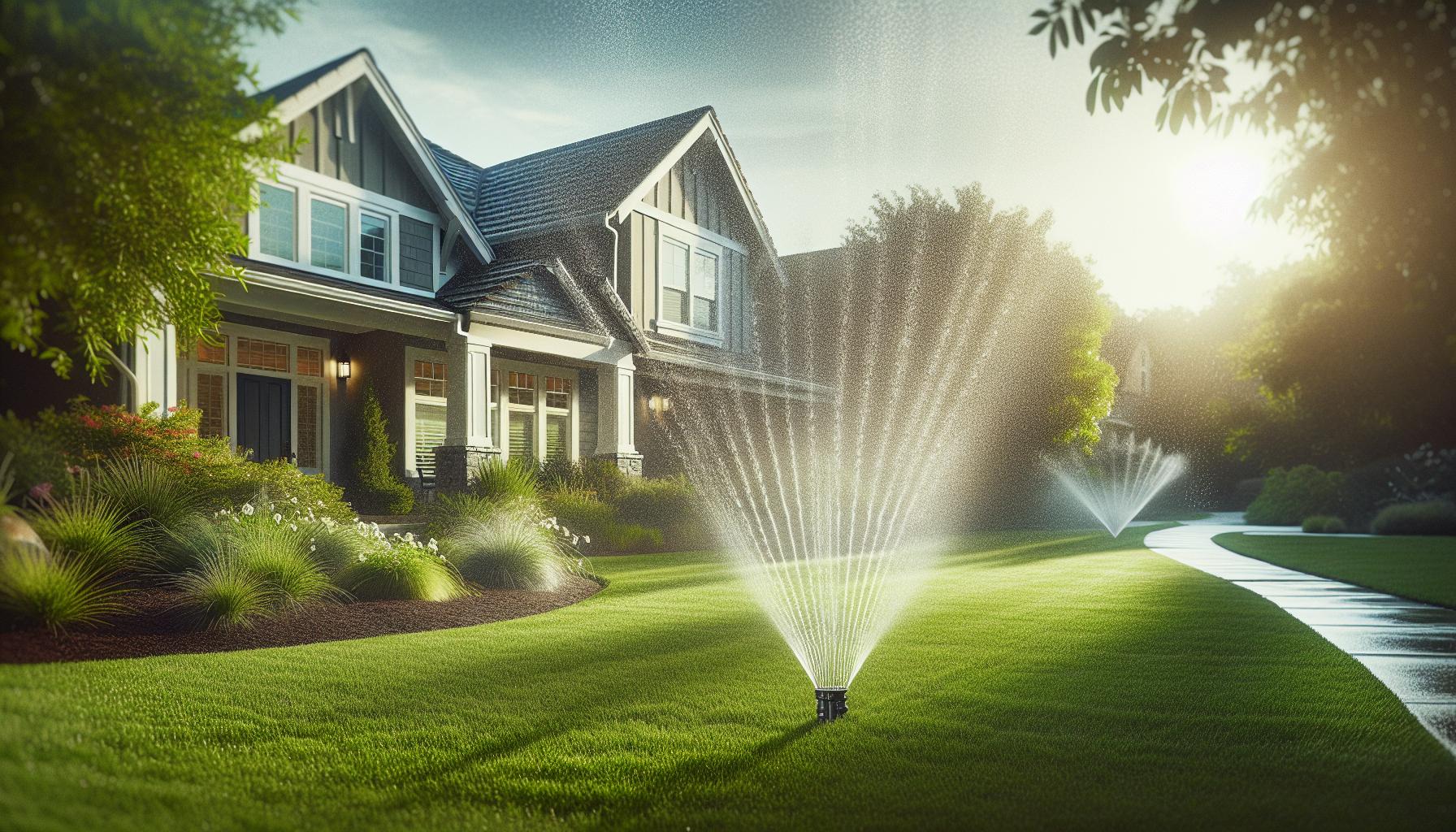
Average Water Usage for Residential Lawns
Watering residential lawns can significantly drain local water supplies, with estimates suggesting that lawns can consume around 30% of urban freshwater resources. This staggering figure highlights the urgent need for homeowners to be aware of just how much water their lawns actually demand. On average, a typical household lawn requires about 50 gallons of water per day during the growing season, which translates to approximately 1.2 trillion gallons of water used annually across the United States alone. This kind of water usage poses serious questions about sustainability in our water-scarce environments.
One of the main factors contributing to this excessive consumption is the method of irrigation. Traditional irrigation systems, particularly those that rely on sprinklers, often lead to significant water waste due to evaporation and runoff. A survey revealed that an estimated 50% of the water applied to lawns is wasted through various forms of evaporation and oversaturation. Consequently, homeowners may unknowingly overwater their lawns while trying to keep them lush, exacerbating the crisis of water wastage.
Key Water Usage Statistics
To better understand the average water usage, consider the following insights:
| Type of Lawn Area | Average Water Usage (gallons per year) |
|---|---|
| Typical Residential Lawn (1,000 sq. ft.) | 30,000 – 50,000 |
| Average Urban Lawn (per household) | 60,000 – 100,000 |
| Commercial Landscaping (per acre) | 500,000 – 1,000,000 |
These numbers shed light on the scale of water consumed just for maintaining grass. Many homeowners may not realize that optimizing their watering practices could result in significant savings. Strategies such as deep watering only when necessary, using mulch to retain moisture, and timing irrigation during the cooler parts of the day can dramatically reduce water waste.
By understanding and addressing the average water usage on residential lawns, homeowners can take proactive steps towards more sustainable lawn care, easing the strain on local water supplies while still maintaining attractive outdoor spaces.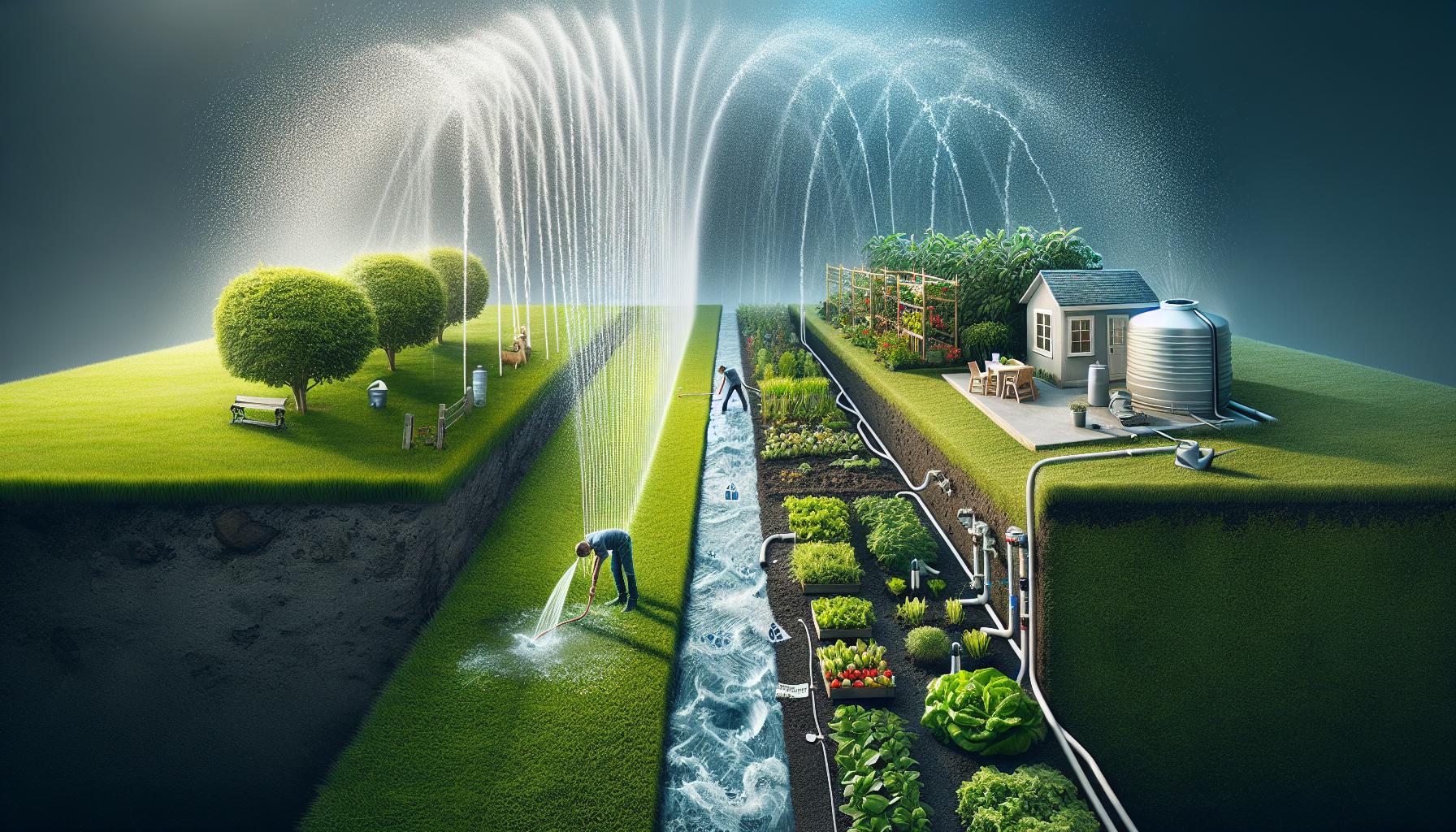
Comparing Water Waste: Lawns vs. Other Uses
The staggering reality of water consumption from residential lawns is often overlooked when we consider the various uses of water around us. Lawns reportedly consume around 30% of urban freshwater resources, which can sometimes eclipse the water used for other critical purposes. For instance, a simply maintained residential lawn can use up to 50 gallons per day during the growing season, amounting to a yearly total that can reach up to 100,000 gallons per household. In comparison, this is significantly higher than the water typically needed for washing a car or even for households to operate their dishwashers and washing machines.
When we compare lawn water use to agricultural irrigation, the numbers can be equally alarming. On average, homes use more water on lawns than is often required by backyard vegetable gardens or fruit orchards. While gardens may only need around 10 gallons per week, lawns continuously demand revitalizing doses of water to maintain that vibrant green aesthetic. When evaluating the distinction, it becomes evident that home gardens often utilize techniques such as drip irrigation or timed watering that minimize water waste, unlike traditional sprinkler systems often employed for lawns.
Moreover, evaluating how much water gets wasted through lawn maintenance against public utility needs reveals a concerning trend. Municipalities face growing challenges around water supply; seasonal demand for water becomes a balancing act with lawn maintenance contributing heavily to peak usage. For example, when the hot summer months hit, lawn watering can nearly double utility demand, creating stress on local water resources that could be redirected towards essential services such as firefighting, drinking water supply, and sanitation.
Understanding the Impact
Ultimately, recognizing the discrepancies between lawn and other water uses is key to fostering more sustainable practices. Here are some points to consider:
- Water Usage Variance: Lawns can consume more water than multiple household appliances combined, leading to a reevaluation of priorities.
- Alternative Methods: Utilizing water-efficient gardening techniques can significantly reduce consumption, encouraging homeowners to adopt sustainable landscaping practices.
- Community Engagement: Educating neighbors about the comparative water waste can catalyze community action for more responsible water use.
As we reflect on how water is allocated, it is imperative that we make informed choices on maintaining our lawns while acknowledging the larger picture of water consumption and conservation.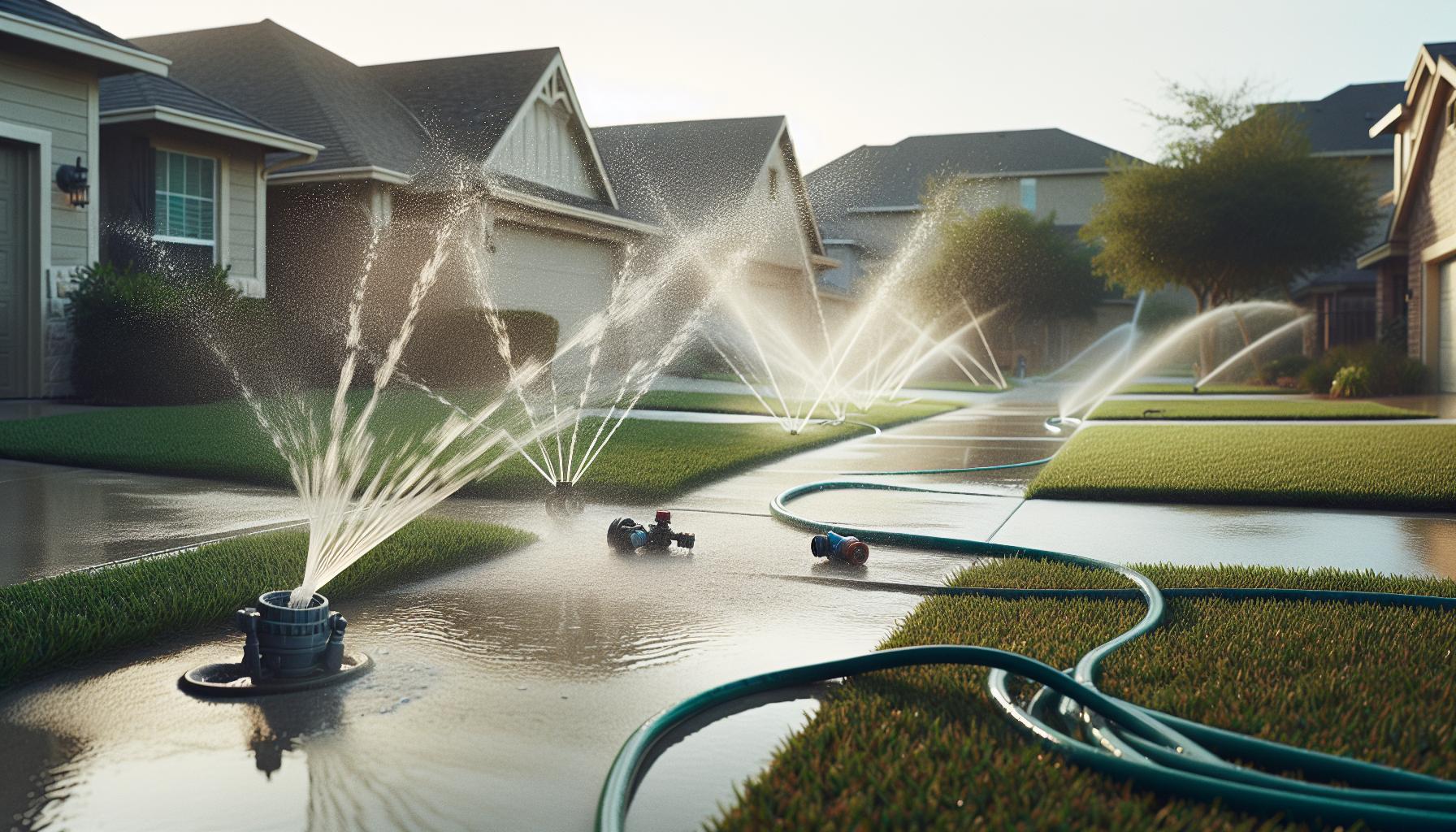
Common Lawn Care Practices That Waste Water
The average American lawn can guzzle more water than one might expect, and many common practices contribute significantly to this waste. Watering lawns during peak evaporation hours, particularly in the afternoon, can result in substantial losses. The sun’s intensity combined with heat causes water to evaporate before it even reaches the roots. Homeowners often fail to adjust their watering schedules, mistakenly believing that more frequent watering will yield a healthier lawn. In reality, this only promotes shallow root growth and increases susceptibility to drought conditions.
Another prevalent practice that perpetuates water waste is the use of traditional sprinkler systems, which tend to oversaturate the lawn. Uniform spray patterns might not account for varying terrain or types of grass, leading to excess runoff. Moreover, many homeowners set timers based on outdated habits rather than conditions such as rainfall or temperatures. This can result in lawns being watered unnecessarily, especially after heavy rains, leading to water pooling rather than absorption.
Failing to utilize efficient watering methods compounds these issues. Installation of drip irrigation systems or soaker hoses can minimize waste by ensuring that water seeps directly into the root zone without the excess runoff common with sprinklers. Additionally, many homeowners overlook the benefits of mulching, which retains moisture in the soil and significantly lowers the need for watering.
By reevaluating common lawn care practices and embracing smarter watering techniques, homeowners can greatly reduce water waste. Adopting these strategies not only conserves water but can also result in a healthier, more resilient lawn. Engaging with neighbors in this conversation can further amplify water-saving initiatives, leading to sustainable landscaping practices throughout the community.
Effective Strategies for Reducing Lawn Water Use
Water conservation is becoming increasingly vital, especially as the average residential lawn can consume more water than most homeowners realize. Fortunately, there are several effective strategies to reduce lawn water use without sacrificing the beauty and health of your yard. By adopting smarter watering practices and embracing sustainable landscaping techniques, you can significantly decrease water waste while maintaining a lush green space.
One of the most impactful strategies is to implement a smart irrigation system. These systems utilize weather data and soil moisture sensors to adjust watering schedules automatically, ensuring your lawn receives only the water it needs. This not only conserves water but also enhances lawn health as it avoids overwatering, which can lead to shallow roots and increased vulnerability to drought. Many modern systems are programmable via smartphone apps, allowing for easy adjustments and real-time monitoring.
Another effective approach is to focus on proper timing. Watering early in the morning or late in the evening can drastically decrease evaporation rates, maximizing water absorption. Homeowners should also consider the use of rain sensors that suspend irrigation during wet conditions. Additionally, mulching the lawn can trap moisture, preventing evaporation and reducing the need for frequent watering. Organic materials like wood chips or grass clippings can serve this purpose effectively while enhancing soil health.
Embracing drought-resistant landscaping is another strategic way to cut back on water use. By incorporating native plants that are adapted to local climates, you can create a resilient garden that requires less water and maintenance. Furthermore, ground covers like clover can replace traditional grass, providing a lush appearance with reduced water demands. These alternatives not only save water but can also promote biodiversity in your garden.
In conclusion, by prioritizing intelligent irrigation, optimal watering times, and native landscaping, homeowners can lead the way in conserving water while enjoying vibrant outdoor spaces. These small yet effective changes contribute not only to individual savings but also to broader environmental sustainability efforts, making a positive impact in your community and beyond.
Smart Irrigation Systems: Is It Worth It?
Implementing a smart irrigation system can significantly transform the way we manage water usage for lawns, a vital aspect of sustainable landscaping in an era where water scarcity is a pressing concern. Studies suggest that traditional irrigation practices often lead to overwatering, with residential lawns frequently using more water than necessary. Smart irrigation technology addresses this issue by leveraging advanced sensors and automation to optimize watering schedules. Homeowners can save water and money while promoting healthier grass growth through thoughtful adjustments.
One of the standout features of smart irrigation systems is their ability to adjust based on real-time weather data. For instance, if rain is forecasted, these systems automatically reduce or suspend watering cycles, ensuring that water is not wasted on days when nature is already providing. This capability not only preserves a critical resource but also mitigates the potential for waterlogging and related lawn issues. Homeowners have reported reductions in water usage by 30 to 50% after transitioning to smart systems, illustrating their efficiency and value.
Moreover, smart irrigation systems often come with smartphone app integration, giving users the flexibility to monitor and adjust settings remotely. This technology allows homeowners to set schedules, receive alerts, and even check soil moisture levels from anywhere, ensuring that their lawns receive precisely what they need at optimal times. Such convenience empowers users to make informed decisions about their watering practices, aligning with best practices for environmental conservation.
Incorporating these systems into your lawn care routine is not just about conserving water; it’s also about enhancing the overall health of your lawn. Proper watering encourages deeper root growth, making grass more resilient against drought and disease. This holistic approach to lawn care ultimately leads to a more robust, sustainable landscape, proving that smart irrigation systems are indeed worth the investment for both individual homeowners and environmental stewardship.
Native Plants and Drought-Resistant Landscaping
In the quest for sustainable landscaping, employing native plants and drought-resistant species can dramatically reduce water waste associated with traditional lawns. Surprisingly, lawns can consume over 30% of residential water use, primarily due to high maintenance demands and inefficient watering practices. By opting for plants that are well-adapted to local climates, homeowners not only conserve water but also enhance local biodiversity and decrease their environmental footprint.
Benefits of Native Plants
Native plants are inherently suited to their local environment, meaning they require less water, fewer fertilizers, and virtually no pesticides compared to non-native species. These plants have evolved to thrive with natural rainfall patterns, making them an ideal choice for drought-prone areas. Additionally, they support local wildlife, including pollinators, birds, and beneficial insects, which can all play a role in creating a healthier ecosystem.
- Lower Water Requirements: Native plants typically require 30-50% less water than traditional grass lawns, significantly reducing outdoor water consumption.
- Soil Enrichment: Many native plants improve soil health by enhancing its structure and organic content, aiding in water retention.
- Less Maintenance: Once established, native gardens require minimal care, freeing up time and resources.
Incorporating Drought-Resistant Landscaping
Drought-tolerant landscaping goes hand in hand with using native plants. This approach involves strategically planning your landscape to include rock gardens, gravel beds, and xeriscaping techniques that utilize minimal water. Implementing design features that capture and retain rainwater can further enhance water efficiency. For example, consider installing rain gardens or permeable pavements that allow for infiltration and reduce runoff.
By transforming a conventional lawn into a diverse landscape with native plants and drought-resistant features, homeowners can create vibrant, aesthetically pleasing gardens that require less water while promoting sustainability. Making these changes not only helps combat water waste but also cultivates a deeper connection with the local environment and its natural beauty. This shift in perspective can lead to smarter choices, ensuring that water resources are utilized prudently in the face of a growing water crisis.
The Role of Local Ordinances in Lawn Watering
Local ordinances play a pivotal role in regulating lawn watering practices, significantly influencing water conservation efforts. These regulations are essential in areas experiencing water scarcity, as local governments implement restrictions to mitigate water waste during dry seasons. For instance, many regions enforce specific watering schedules that restrict lawn irrigation to certain days or times. Such measures not only assist in water management but also encourage homeowners to be more mindful about their water usage.
Furthermore, local ordinances may require homeowners to adopt water-efficient landscaping practices. This can include the promotion of native plants and low-water-use landscaping, sometimes referred to as xeriscaping. Communities that actively encourage these alternatives often see a shift in public perception regarding traditional lawns. As municipalities educate residents on the benefits of drought-resistant plants, many individuals discover not only the environmental advantages but also the financial savings associated with reduced water bills and maintenance costs.
Compliance with these ordinances can also foster community spirit. Neighborhoods often band together to share resources and knowledge about sustainable landscaping practices, leading to a shared commitment to conservation. This can manifest in community programs that offer incentives for homeowners who switch to water-efficient practices, such as rebates for the installation of smart irrigation systems or rainwater harvesting setups.
The effectiveness of these measures largely depends on local enforcement and community buy-in. When residents understand the rationale behind these ordinances and see tangible benefits, they are more likely to comply and even advocate for further sustainable initiatives. As awareness of the water crisis grows, so does the importance of robust local policies aimed at reducing lawn water waste, ultimately laying the groundwork for a more sustainable future.
Cost Implications of Lawn Water Waste
Watering lawns may seem like a benign activity, but the economic repercussions of lawn water waste can be staggering. In the United States, residential outdoor water use accounts for nearly 30% of total household water consumption, and much of this is linked to maintaining lush green lawns. With average monthly water bills climbing, the cost of excess watering not only affects individual homeowners but also places a strain on local water supplies, contributing to broader economic challenges in regions facing water shortages.
The financial burden of inefficient lawn watering practices can be categorized into several key areas:
- Monthly Water Bills: Overwatering your lawn directly translates to higher water bills. For homes with large lawns or those neglecting irrigation efficiency, it’s not uncommon for monthly water expenses to increase by 20% or more during peak seasons.
- Long-Term Community Costs: As municipalities grapple with dwindling water resources, they may increase rates to cover the cost of water treatment and distribution. This often affects all residents, even those who practice water-saving methods, as the community shoulders the economic fallout of overuse.
- Environmental Degradation: Wasted water can lead to environmental costs, such as increased utility costs for processing runoff and managing stormwater. Additionally, lawns heavily reliant on irrigation often require chemical treatments, leading to further financial and environmental implications through the need for cleanup and soil restoration.
- Impact on Property Value: A poorly maintained or over-watered lawn can lead to landscape and soil degradation. Homes with unattractive outdoor spaces may see a decline in property value, which can have lasting implications for homeowners during resale.
To illustrate the actual financial costs, consider this example: A homeowner with a 1,500 square foot lawn may use approximately 1,250 gallons of water weekly during dry months. Assuming a water rate of $0.005 per gallon, this adds up to approximately $6.25 just for irrigation. However, overwatering can double this figure easily, costing homeowners an unnecessary $12.50 per week or more, depending on the efficiency of their irrigation system. In the long run, these expenses deter homeowners from adopting sustainable practices and can contribute to significant economic loss throughout the community.
Understanding the encourages homeowners to adopt more sustainable practices and rethink their landscaping choices. Embracing technologies like smart irrigation controllers or transitioning to drought-resistant landscaping not only helps conserve water but can also safeguard against rising utility costs, benefiting both individual finances and community resources alike.
Innovative Solutions for Sustainable Lawns
Lawns have long been associated with verdant beauty, but the hidden costs of water waste connected to their maintenance have sparked a quest for innovative solutions that create sustainable landscapes. As homeowners increasingly recognize the economic and environmental impacts of maintaining a traditional lawn, a growing movement towards smarter, eco-conscious practices is taking root.
One of the most impactful solutions is the adoption of smart irrigation systems. These advanced systems use weather data and soil moisture levels to optimize watering schedules, ensuring that lawns receive only the water they truly need. For instance, a smart irrigation controller can adjust watering based on recent rainfall or weather forecasts, potentially reducing water usage by up to 50%. Real-world examples show homeowners who have implemented these systems reporting significant decreases in their monthly water bills and healthier grass, which thrives on the precise care it receives.
In addition, transitioning towards drought-resistant landscaping can offer a sustainable alternative to the traditional lawn. By replacing water-intensive grass with native plants, succulents, or ground covers designed to flourish in local climates, homeowners can create beautiful, low-maintenance gardens that conserve water. Plants such as lavender, sage, or various drought-tolerant grasses not only reduce water consumption but also attract beneficial wildlife, enhancing biodiversity and contributing to a healthier ecosystem in urban landscapes.
For those still attached to the classic green lawn aesthetic, integrating permeable paving and rain gardens can help manage runoff while promoting groundwater recharge. Permeable surfaces allow water to infiltrate the ground instead of running off into storm drains. Meanwhile, rain gardens can be strategically placed to capture runoff from lawns and promote natural filtration before the water returns to the groundwater supply. These designs not only minimize water waste but also provide an attractive and functional landscape feature.
By embracing these innovative solutions, homeowners can cultivate sustainable lawns that contribute positively to both their budgets and the environment. Transitioning towards smarter practices, selecting suitable plants, and incorporating innovative design elements can turn the traditional lawn into a model of efficiency and beauty, ultimately reducing the strain on precious water resources.
Q&A
Q: How much water does an average lawn use per week?
A: An average lawn can use between 1 to 1.5 inches of water per week, translating to roughly 750 to 1,500 gallons per week depending on the size and climate. To conserve, consider adjusting irrigation schedules based on rainfall and using moisture sensors. For more on average water usage, refer to our section on Average Water Usage for Residential Lawns.
Q: What are the main causes of lawn water waste?
A: Lawn water waste often stems from over-watering, inefficient irrigation systems, and poor landscape planning. Addressing these issues can significantly reduce wasted water. For effective strategies to minimize waste, check our section on Common Lawn Care Practices That Waste Water.
Q: How does watering lawns impact local water supply?
A: Excessive lawn watering can strain local water supplies, especially during droughts. This practice can deplete groundwater levels and affect ecosystem health. To understand more about the environmental impact, see our article on The Environmental Impact of Watering Lawns.
Q: Are there alternatives to traditional lawns that use less water?
A: Yes, alternatives like xeriscaping, which uses drought-resistant plants, greatly minimize water usage. Native plants are adapted to local climates and require less maintenance. Explore innovative landscaping solutions in our section on Native Plants and Drought-Resistant Landscaping.
Q: When is the best time to water lawns to avoid waste?
A: The best time to water lawns is early morning or late afternoon when temperatures are cooler, minimizing evaporation. Adjusting watering schedules can reduce waste significantly. For more tips, check out our Effective Strategies for Reducing Lawn Water Use.
Q: What technologies can help reduce lawn water waste?
A: Smart irrigation systems can optimize water usage by adjusting based on weather conditions and soil moisture. Investing in these technologies can significantly reduce waste while maintaining a healthy lawn. Learn more about these systems in our Smart Irrigation Systems: Is It Worth It? section.
Q: Can lawn care practices be sustainable without sacrificing aesthetics?
A: Absolutely! Sustainable lawn care combines native plants, proper irrigation techniques, and organic fertilizers to create a beautiful yet eco-friendly landscape. Discover practical solutions in our article on Innovative Solutions for Sustainable Lawns.
Q: How do local ordinances affect lawn watering practices?
A: Local ordinances often set restrictions on watering times and methods to conserve water during drought conditions. Checking local guidelines can help you stay compliant and eco-friendly. More on this topic is covered in our section on The Role of Local Ordinances in Lawn Watering.
Final Thoughts
It’s clear that the staggering amount of water wasted on lawns is an issue we can no longer ignore. By taking action today, whether through mindful watering practices or transitioning to drought-resistant landscaping, you can make a significant difference in conserving this vital resource. Interested in learning more about sustainable gardening practices? Check out our article on Eco-Friendly Lawn Alternatives and Water-Saving Tips for Homeowners.
Don’t let your garden be a part of the problem-join our community by signing up for our newsletter for more insights and expert advice. If you have questions or want to share your own water-saving tips, leave a comment below! Together, we can cultivate a greener and more sustainable future while ensuring your outdoor space remains vibrant and healthy.