
Proper maintenance of your lawn mower is crucial for keeping your lawn pristine, yet many homeowners overlook this essential task. Did you know that a well-maintained mower can improve the quality of your cut and extend the life of your equipment? By understanding how often to service your lawn mower, you can ensure optimal performance and save money on costly repairs. Whether you’re a seasoned gardener or a first-time homeowner, knowing the right service schedule will help you avoid potential headaches and achieve a lush, healthy lawn. In this article, we’ll explore the necessary steps to keep your mower running smoothly and any warning signs that may indicate it’s time for some TLC. Let’s dive in and discover the best practices for maintaining your lawn mower!
Understanding the Importance of Lawn Mower Maintenance
Maintaining your lawn mower is not just about keeping it in good running condition; it’s also a crucial step toward enhancing the health and beauty of your lawn. A well-maintained mower ensures a clean, even cut, which can improve grass health by minimizing disease and promoting stronger growth. Regular maintenance can also prolong the lifespan of your mower, saving you money in the long run. In fact, mowers that receive consistent care perform better and are less likely to break down at inopportune times, like during peak mowing season.
One of the most critical aspects of lawn mower maintenance is understanding when and what to service. Ignoring routine upkeep can lead to gradual performance decline, culminating in costly repairs or the need for replacement. For example, failing to regularly change the oil or clean the air filter can lead to engine strain and decreased efficiency. It’s akin to driving a car without checking the oil; over time, it can cause extensive damage. Thus, staying on top of maintenance tasks not only promotes optimal performance but also enhances the mowing experience by ensuring that your equipment operates smooth and efficiently.
To maintain your mower effectively, consider establishing a service schedule based on usage. For instance, many experts recommend checking oil and air filters after every 25 hours of use, sharpening blades at the start and end of the mowing season, and cleaning the deck to prevent grass build-up. Keeping detailed records of these services can help you track maintenance and ensure that nothing is overlooked. You might even integrate seasonal checks to address specific tasks relevant to changing weather conditions, such as preparing for winter storage or tuning up prior to heavy summer use.
In summary, the importance of lawn mower maintenance cannot be overstated. By investing time and effort into regular servicing, you not only protect your investment in the equipment but also contribute to the overall health of your lawn. Regular checks, prompt repairs, and scheduled maintenance can transform a basic mowing task into an effective practice contributing to a lush, vibrant landscape.
Signs Your Lawn Mower Needs Servicing
Recognizing when your lawn mower needs servicing can be the difference between a well-manicured yard and a frustrating mowing experience. Many homeowners are unaware that certain signs indicate their mower might not be functioning at its best. Early detection of these issues not only helps maintain the performance of your mower but also ensures the health of your lawn, as a poorly functioning mower can damage grass instead of cutting it evenly.
One of the most obvious signs that your lawn mower requires attention is the quality of the cut. If you notice that grass is being torn rather than sliced, this could indicate dull blades. Dull blades not only create a jagged cut, leading to an unattractive lawn, but they can also increase the risk of disease for your grass. Regularly inspecting the blades and sharpening them at the beginning and end of the mowing season is essential for achieving that clean, healthy cut.
Another common issue is engine performance. If your mower struggles to start or produces excessive vibration, it’s time to check for underlying issues. Symptoms like stalling, strange noises, or smoke can indicate engine problems or dirty components-both of which require servicing. Ensuring the air filter is clean and the oil is changed regularly contributes significantly to smoother operation and prevents further damage.
Additionally, be mindful of excessive grass buildup on the mower deck and the discharge chute. Regular cleaning helps prevent clogs and maintains airflow, which is crucial for optimal performance. If you notice that the mower is leaving clumps of grass behind or not discharging clippings efficiently, these could be signs of obstructed components that need cleaning or repair.
In summary, being proactive about identifying these signs can keep your lawn mower in peak condition. Monitoring the quality of the cut, engine performance, and maintaining cleanliness will not only enhance your mowing experience but also ensure that your lawn remains healthy and vibrant throughout the season.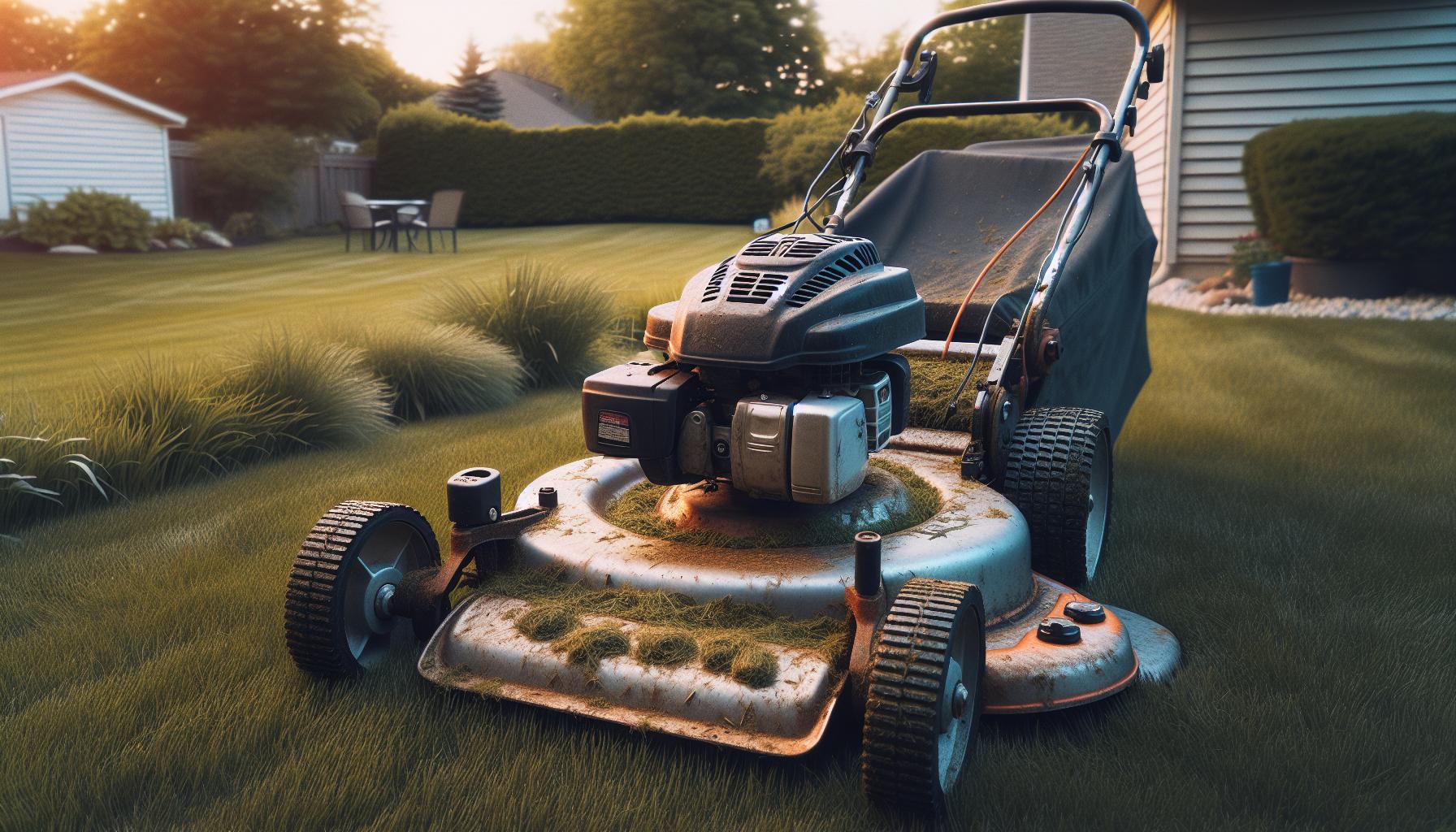
Recommended Service Schedule for Lawn Mowers
Maintaining your lawn mower on a regular schedule is crucial to ensuring its longevity and efficiency. Just like any other piece of machinery, neglecting routine maintenance can lead to significant problems down the road, including costly repairs and a decrease in mowing performance. Knowing when and what to service can not only save you money but also enhance your lawn care results.
To start, it’s generally recommended to service your lawn mower at least once a season, but a more robust schedule depends on usage. For those who mow frequently, a service every 25 hours of operation is advisable. Consider these specific tasks as part of your regular maintenance routine:
Key Service Tasks:
- Oil Change: Change the oil every 50 hours or at least once every year. Clean oil ensures smoother engine performance.
- Air Filter Inspection: Clean or replace the air filter every 25 hours to maintain optimal airflow.
- Blade Sharpening: Sharpen blades every 20 to 25 hours of use, or at the beginning of each mowing season.
- Fuel Stabilization: If storing for the winter, use a fuel stabilizer at the end of the mowing season to prevent fuel degradation.
- General Cleaning: After each mowing, clean off grass clippings and debris from the deck and under the mower to prevent rust and buildup.
If you find that your mower is used heavily or under adverse conditions-like thick grass or dusty environments-more frequent checks are warranted. Keep an eye on any unusual sounds, vibrations, or performance dips, as these can indicate the need for supplemental servicing.
By adhering to this recommended service schedule and adjusting for your specific usage patterns, you can keep your mower running efficiently and ensure your lawn stays beautifully maintained throughout the growing season.
Step-by-Step Guide to Lawn Mower Servicing
To ensure your lawn mower runs smoothly and efficiently, following a structured servicing routine is vital. A well-serviced mower not only performs better but also lasts longer, saving you both time and money in the long run. The process may seem daunting at first, but breaking it down into manageable steps can make lawn mower maintenance straightforward and even enjoyable.
Start by gathering your tools and supplies. You’ll typically need items like a wrench set, screwdriver, spark plug socket, oil container, fuel stabilizer, air filter cleaner, and a sharpening tool for the blades. Once you have everything ready, follow these steps:
Step 1: Prepare the Mower
Ensure the mower is on a flat surface and the engine is off. Disconnect the spark plug wire to prevent accidental starts. If your mower has a battery, disconnect that too for added safety.
Step 2: Change the Oil
Locate the oil drain plug underneath the mower. Place an oil pan below and remove the plug, letting the old oil drain completely. Replace the plug, and refill with fresh oil as per the manufacturer’s specifications. This step is crucial for keeping the engine lubricated and running smoothly.
Step 3: Clean or Replace the Air Filter
Remove the air filter cover and examine the filter. If it’s dirty, clean it with compressed air or replace it entirely if it’s too worn out. A clean air filter is essential for optimal airflow, preventing the engine from overworking.
Step 4: Sharpen the Blades
Remove the blade using the appropriate tools and sharpen it with a blade sharpening tool. A sharp blade cuts grass cleanly, promoting healthy growth and reducing the risk of disease. Reattach the blade securely before moving to the next step.
Step 5: Inspect Fuel System
Check the fuel lines for any cracks or leaks. If you are storing the mower for the winter, add a fuel stabilizer to prevent degradation over time. Empty any old fuel from the tank if applicable.
Step 6: General Cleaning
Wipe down the mower’s exterior and clean out grass clippings and debris from under the deck. This helps prevent rust and improves airflow during mowing.
Following this step-by-step guide for lawn mower servicing will help maintain its performance and longevity. By taking the time to care for your mower, you ensure a better cut and a healthier lawn, making your outdoor space the envy of the neighborhood.
Seasonal Lawn Mower Maintenance Tips
Maintaining your lawn mower throughout the seasons is crucial for its longevity and efficiency. Each season presents unique challenges and opportunities for maintenance, making it essential to adapt your care routine accordingly. For instance, as spring arrives and grass begins to grow vigorously, ensuring your mower is in top-notch shape can make all the difference in achieving a lush, healthy lawn.
In the spring, focus on thorough cleaning and checking all vital components. Begin by changing the oil, as fresh oil significantly impacts engine performance. Additionally, inspect the blades for sharpness; dull blades can tear grass rather than cut it, leading to a less healthy lawn. Don’t forget to clear any debris from under the mower deck, as this can hinder performance and lead to rust. Checking the air filter is equally important; a clean filter ensures optimal airflow, allowing the engine to operate efficiently.
As summer heat sets in, the emphasis shifts to cooling and fuel systems. Check the fuel stabilizer levels and inspect hoses for cracks or leaks. Summer is also time for heightened vigilance against overheating; ensure the mower’s cooling system functions properly, especially during long mowing sessions. Regular cleaning after mowing helps prevent grass buildup that could cause overheating.
In the fall, preparation for winter storage is key. Change the oil again and replace the air filter. It’s advisable to empty the fuel tank or add a fuel stabilizer if you plan to store the mower. This protects the engine from fuel degradation and potential damage during cold months. Cleaning the mower thoroughly will reduce rust and corrosion risks over winter.
Finally, spring back into action as the cold months pass! Before the mowing season begins again, conduct a full inspection of the mower. Check the spark plug, oil, and fuel systems, ensuring everything is ready for optimal performance. This comprehensive seasonal approach will ensure your lawn mower not only survives winter but thrives through every growing season, giving you the best results in maintaining your lawn.
Common Lawn Mower Problems and Solutions
One of the most frustrating experiences for any lawn care enthusiast is discovering that your mower is malfunctioning right when you need it the most. Common issues can arise if your routine maintenance schedule is not meticulously followed, leading to performance problems that can derail your mowing efforts. Understanding these issues and their solutions not only saves time but also extends the life of your mower, ensuring that it remains a reliable tool in your lawn care arsenal.
Identifying Common Issues
One prevalent problem is the mower not starting at all. This could be attributed to a dead battery or an empty fuel tank. First, check the fuel-if it’s been sitting in the tank for too long, it may have gone stale. Additionally, inspect the spark plug for wear and replace it if necessary. If the mower starts but runs poorly, you may have a clogged air filter or fuel filter. Cleaning or replacing these components can restore optimal performance.
Another issue is the mower stalling during operation, which often signals that the blades need sharpening or there is a buildup of grass clippings around the deck. Dull blades not only make mowing inefficient but can also damage the grass by tearing it. Regularly clean the mower deck after each use and sharpen the blades at the start of the season or when you notice diminished cutting performance.
Solutions and Preventive Measures
To tackle issues before they escalate, follow a preventive maintenance schedule that includes:
- Regular Inspection: Check your mower weekly for any signs of wear and tear.
- Oil Changes: Change the oil every 50 hours of use or at least annually to keep the engine running smoothly.
- Blade Maintenance: Sharpen blades after every 20 to 25 hours of use to ensure clean cuts.
- Fuel Care: Add fuel stabilizer when storing your mower for extended periods, especially over winter.
By implementing these practices, you will not only avoid common lawn mower problems but also enhance its performance and durability. Regular servicing and being attuned to signs of trouble ensure that your mower remains a dependable companion in your lawn care routine. Maintaining an organized service schedule significantly minimizes the chances of unexpected breakdowns, keeping your mower in peak condition well into the growing season.
How to Prepare Your Lawn Mower for Storage
Preparing your lawn mower for storage is an essential step to ensure its longevity and optimal performance for the next mowing season. Neglecting this task can lead to rust, clogged fuel systems, and even engine damage, which could mean costly repairs or replacement. With just a few proactive measures, you can protect your mower from the harsh elements and make sure it’s ready to go when the grass starts to grow again.
Start by thoroughly cleaning the mower to remove any grass clippings, dirt, and debris that may have accumulated during use. This not only helps prevent rust but also minimizes the risk of fungal growth. Use a wire brush or putty knife to scrape off any build-up underneath the deck. After cleaning, check and sharpen the blades; dull blades can tear grass rather than cut it, leading to an unhealthy lawn. It’s advisable to either remove the blades for sharpening or run the mower over a designated area to ensure they are in good condition.
Next, focus on the fuel system, as stale gasoline can cause significant problems. If your mower has been sitting with fuel in the tank, it’s best to drain it completely. Alternatively, you can add a fuel stabilizer to the tank if you plan to store it with fuel, ensuring you run the engine for a few minutes to circulate the stabilizer throughout the system. Additionally, check the oil level and change the oil if it’s been a while since your last maintenance.
Lastly, ensure that the mower is stored in a dry, sheltered location to protect it from weather extremes. Cover it with a breathable tarp to prevent dust accumulation while allowing moisture to escape. Consider lifting it off the ground on a wooden platform or bricks to keep it dry, especially in areas prone to dampness. By following these steps, you can effectively prepare your lawn mower for storage, ensuring it’s ready for action when spring arrives.
Choosing the Right Service Tools and Products
A well-maintained lawn mower is essential for achieving a lush and healthy lawn, and having the right tools and products on hand makes all the difference. Investing in quality service tools not only simplifies the maintenance process but also enhances the longevity and efficiency of your mower. When choosing service tools, consider the specific tasks you’ll be performing, from sharpening blades to cleaning air filters, and ensure each tool meets the demands of your equipment.
The must-have tools for lawn mower maintenance include:
- Wrenches and Sockets: For easy access to bolts and screws that hold various components together.
- Blade Sharpening Kit: A specific sharpening kit will allow you to keep your mower blades in optimal condition for clean cuts.
- Oil Change Kit: Having a dedicated kit for fluid changes ensures you have the right oil and tools to perform this essential service without fuss.
- Air Filter Cleaning Supplies: This includes brushes and cleaning solutions designed to maintain air filters on your mower.
- Deck Cleaning Brush: A stiff-bristled brush helps remove grass clippings and debris buildup from the mower deck effectively.
- Fuel Stabilizer: A product that extends the life of your fuel, helping prevent engine problems due to stale gas during off-seasons.
Using the right products is equally important. For instance, choosing a high-quality oil that matches your mower’s specifications ensures efficient operation and prevents engine wear. Likewise, consider using a fuel stabilizer before storing your mower, as it helps maintain fuel integrity and prevents clogging in the fuel system. Moreover, purchasing genuine manufacturer parts not only ensures compatibility but can also lead to better performance compared to generic parts.
It’s prudent to create a maintenance kit tailored to your needs, housing all these essential tools and products in one easily accessible place. This proactive approach not only saves time but also encourages regular maintenance, resulting in a healthier lawn and a mower that lasts significantly longer. By investing in the right tools and products today, you set yourself up for seamless service sessions, enabling a thriving outdoor space tomorrow.
Professional vs. DIY Lawn Mower Servicing
When it comes to lawn mower servicing, homeowners often face a crucial decision: should they take on the task themselves, or seek the help of professionals? Each approach has its benefits and drawbacks, shaping the way you maintain your lawn mower and, by extension, your lawn. Understanding these nuances can help you make an informed decision as you consider how often to service your lawn mower.
DIY servicing can be a rewarding experience, especially for those who enjoy hands-on work. By taking the initiative, you not only save money on service fees but also gain valuable insights into how your equipment operates. For individuals who are comfortable with basic mechanical tasks, performing routine maintenance such as changing the oil, sharpening blades, and cleaning air filters can enhance their connection to their lawn care routine. Plus, attending to these tasks regularly often leads to quicker detection of minor issues, saving you from more costly repairs in the long run.
On the flip side, professional servicing provides the advantage of expertise and time savings. Certified mechanics have the training and experience to diagnose problems quickly and accurately, ensuring that your mower operates at peak efficiency. They can also perform complex repairs that may be overwhelming for a DIY-er. For those with busy schedules or lacking the tools to perform comprehensive maintenance, outsourcing this work can be a smart investment. Moreover, some professionals offer seasonal tune-up packages that include a checklist of services, ensuring nothing is overlooked.
Ultimately, the choice between DIY and professional servicing will depend on your skill level, budget, and the complexity of the maintenance needed. Consider starting with simple tasks to become more familiar with your mower while scheduling professional help for more extensive work. Regardless of your approach, consistent maintenance is key to a healthy mower and a thriving lawn.
Maintaining Different Types of Lawn Mowers
Maintaining your lawn mower is crucial for ensuring it operates efficiently and extends its lifespan. Different types of lawn mowers have unique maintenance requirements, which makes understanding how to care for each type essential for any homeowner. Whether you own a push mower, a self-propelled mower, or a riding mower, following the right maintenance practices can save you time and money while keeping your lawn looking pristine.
For push and self-propelled mowers, routine tasks include regularly checking the oil, changing the air filter, and sharpening the blades. These mowers often have a simple design, making it easier for homeowners to perform basic maintenance tasks. After each use, it’s important to clean the underside of the mower deck to prevent grass buildup, which can affect performance and cut quality. Owner’s manuals typically suggest oil changes every 50 hours of use or once a season, with air filters replaced or cleaned as needed. This proactive approach helps to keep the engine running smoothly and extends the life of the mower.
Riding mowers, on the other hand, require a more thorough maintenance schedule due to their complex engines and additional components. In addition to the basic oil changes and air filter replacements, riding mower owners should also pay close attention to the battery, tire pressure, and fuel system. Changing the fuel filter annually and using fuel stabilizers can prevent fuel system issues over time. Every season, a full inspection of the mower’s deck, belts, and tires is advisable to ensure everything is functioning correctly. This level of detail is essential for larger lawns where riding mowers are often used for efficiency.
Regular maintenance has notable benefits. Not only does it keep your mower in top shape, but it also reduces the risk of unexpected failures and costly repairs. For instance, neglecting routine oil changes can lead to engine wear, while dull blades can tear the grass, resulting in a patchy lawn. Adopting a tailored maintenance schedule based on your mower type helps you stay ahead of potential issues and supports a healthier lawn.
Engaging with your lawn mower care allows for a deeper appreciation of the equipment and its role in lawn care. By understanding the intricacies associated with the type of mower you own and committing to a consistent service schedule, you’ll ensure your mower operates at peak performance, providing the pristine lawns you desire.
Cost Considerations for Lawn Mower Service
Maintaining a lawn mower is not just about keeping your grass trimmed; it’s also a matter of budgeting for maintenance costs effectively. While many homeowners understand the importance of regular servicing, they often overlook the financial implications of neglecting their mower’s upkeep. For instance, addressing minor maintenance tasks, such as oil changes and blade sharpening, can prevent more significant, costly repairs down the line. A well-maintained mower not only operates more efficiently but also extends its lifespan, leading to overall cost savings.
When considering the costs of lawn mower service, it’s crucial to break them down into categories. These can include:
- Routine Maintenance Costs: This often involves changing the oil, replacing air filters, and sharpening blades, which can range from $30 to $100 depending on whether you’re doing the work yourself or hiring a professional.
- Parts Replacement: If components like belts or spark plugs need to be replaced, budget between $10 to $50 for each part. Regular inspections can help catch these needs early.
- Professional Service Fees: If you prefer professional service, annual maintenance could cost between $100 to $250, depending on the complexity of the mower and the services included.
- Long-term Savings: By investing in proper maintenance, you can save significantly on fuel and replacement costs. For example, a mower that runs efficiently consumes less fuel, potentially saving you $50 to $100 per season.
One practical way to manage these costs is to establish a service schedule that aligns maintenance tasks with peak usage times. For instance, scheduling an oil change and blade sharpening before and after the mowing season can optimize performance while integrating these expenses into your budget more fluidly. Additionally, tracking all service and repair expenses will help you assess whether professional servicing or DIY maintenance is more cost-effective for your specific situation.
Ultimately, the price of neglecting lawn mower service can mount quickly, leading to expensive repairs and reduced performance. By understanding and planning for the costs associated with maintenance, you can ensure your mower remains in optimal condition without breaking the bank.
Troubleshooting Lawn Mower Performance Issues
When your lawn mower starts misbehaving, it can be frustrating, especially when you’re eager to get your lawn looking pristine. Recognizing the signs of performance issues early can save you time and money while ensuring your mower operates efficiently. One of the most common symptoms of a poorly functioning mower is difficulty starting. If your mower won’t start, check to see if the fuel is fresh and the spark plug is in good condition. Old fuel can lead to clogging, and a worn spark plug might fail to ignite the mixture effectively.
Another performance issue is uneven cutting. If your mower leaves patches of long grass, it might be time to inspect the blades. Dull or damaged blades can result in uneven cuts and stress the grass. Regularly sharpening the blades not only enhances performance but also promotes healthier lawn growth. Additionally, pay attention to the height at which you’re mowing. Adjusting the cutting height to suit the grass type and current growth rate can also make a significant difference in your mower’s performance.
Struggling with sluggish operation? Your mower might be dealing with clogs or engine troubles. Clogs in the deck can impede airflow and affect the cutting efficiency significantly. Regular cleaning under the deck after each use can help prevent this buildup. If the engine is sputtering or making unusual noises, check the air filter as it can easily become clogged, restricting airflow and creating performance problems. A clean air filter can help maintain optimal engine operation and improve fuel efficiency.
Here’s a quick review of troubleshooting steps to keep in mind:
- Starting Issues: Check the fuel and spark plug.
- Unusual Cuts: Inspect and sharpen blades.
- Sluggish Operation: Clear clogs and check the air filter.
By being proactive about these common issues, you can ensure that your lawn mower remains in peak condition, ready to tackle any grassy challenge. Regular inspections and maintenance can alleviate many of these woes before they escalate, extending the lifespan of your mower and keeping your yard looking its best.
FAQ
Q: How can I tell when my lawn mower needs servicing?
A: Look for signs such as difficulty starting, uneven cutting, excessive vibrations, or unusual noises. Regular checks can help catch issues early. Refer to the “Signs Your Lawn Mower Needs Servicing” section for a detailed list of symptoms to watch for.
Q: What are the key components to check when servicing a lawn mower?
A: Key components include the air filter, spark plug, oil level, and blades. Ensuring these parts are clean and in good condition will enhance mower performance. See the “Step-by-Step Guide to Lawn Mower Servicing” section for more detailed maintenance guidelines.
Q: How often should I change the oil in my lawn mower?
A: It’s recommended to change the oil every 50 hours of operation or at least once per season. Regular oil changes keep your engine running smoothly, as outlined in the “Recommended Service Schedule for Lawn Mowers” section.
Q: Can I service my lawn mower myself, or should I hire a professional?
A: You can service your lawn mower yourself if comfortable with basic maintenance tasks. For complex issues, consider hiring a professional. The “Professional vs. DIY Lawn Mower Servicing” section provides insightful guidance to help you decide.
Q: When is the best time of year to service a lawn mower?
A: The best time to service your mower is at the beginning of the mowing season, typically in spring. Performing maintenance during this time ensures it’s ready for use. Review the “Seasonal Lawn Mower Maintenance Tips” for optimal timings and tasks.
Q: What tools do I need for lawn mower maintenance?
A: Basic tools include a socket set, screwdrivers, oil filters, and cleaning brushes. Ensure you have these on hand for effective servicing. Check the “Choosing the Right Service Tools and Products” section for a complete list of necessary tools.
Q: What types of lawn mowers require different servicing methods?
A: Different types of lawn mowers, like push, riding, or robotic mowers, each have unique servicing needs. Understanding these differences ensures proper maintenance. Refer to the “Maintaining Different Types of Lawn Mowers” section for specific advice on each type.
Q: How can I prepare my lawn mower for winter storage?
A: To prepare for winter, clean the mower, change the oil, empty the fuel tank, and remove the battery if it’s electric. Store it in a dry, secure location. The “How to Prepare Your Lawn Mower for Storage” section outlines these steps in detail for effective winterization.
Future Outlook
To ensure your lawn mower operates at peak performance, remember that regular servicing is key. By setting a consistent schedule, not only will you extend the life of your equipment, but you’ll also enjoy a healthier, greener lawn. If you have any lingering questions about maintenance or service intervals, check out our articles on DIY Lawn Mower Maintenance Tips and How to Choose the Right Lawn Mower Service.
Don’t wait until it’s too late! Sign up for our newsletter to receive expert tips and exclusive offers straight to your inbox. Join our community by sharing your lawn care experiences in the comments below, and let’s cultivate the best lawns together. For more resources on keeping your garden and equipment in tip-top shape, explore our Gardening Essentials Guide. Your lawn deserves the best, so take action today!