
Did you know that regularly changing the oil in your lawn mower can significantly extend its lifespan and improve performance? Many homeowners overlook this crucial maintenance task, leading to decreased efficiency and potential engine problems. Ensuring your mower runs smoothly is essential not only for achieving that perfectly manicured lawn but also for saving money on repairs in the long run. In this article, we’ll explore how often you should change your lawn mower oil, key indicators for maintenance, and the best practices for keeping your equipment in top shape. Stay tuned to discover the best tips for prolonging your mower’s life and achieving peak performance every mowing season!
Choosing the Right Oil for Your Lawn Mower
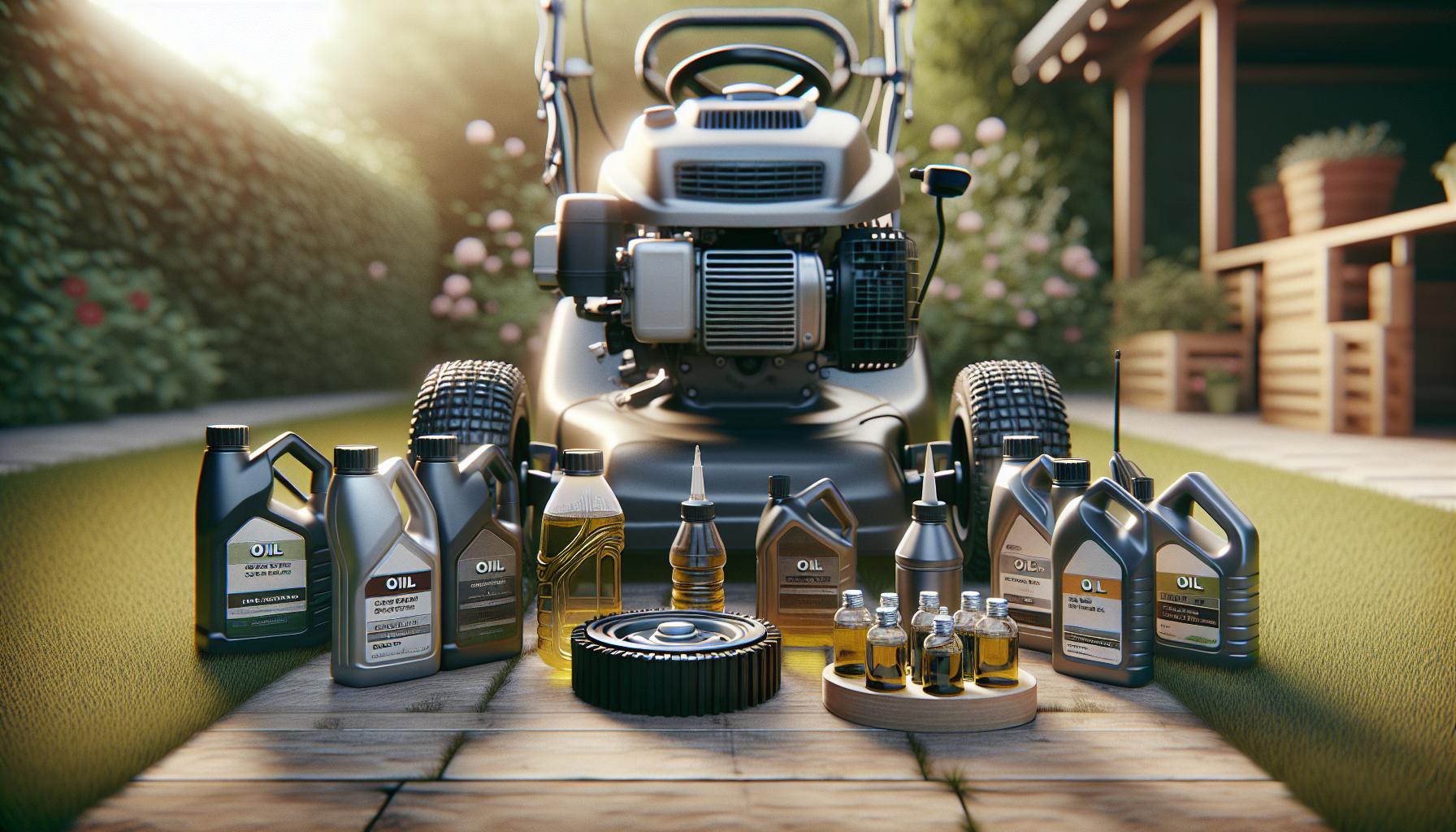
is essential for maintaining peak performance and extending the life of the engine. The type of oil you select can affect everything from how smoothly your mower operates to its overall durability. One key factor in choosing oil is the viscosity grade, which indicates how well the oil flows at different temperatures. For warmer climates, a single-grade oil like SAE 30 is often recommended, while a multi-grade oil such as 10W-30 provides versatility for various weather conditions. This flexibility allows for optimal lubrication during both hot summer days and cooler seasons, ensuring your mower runs smoothly year-round [[3]].
In addition to viscosity, consider using synthetic oils that offer superior protection, especially if your mower is frequently exposed to extreme conditions. Synthetic oils can withstand higher temperatures and provide better lubrication, which translates into improved engine performance and reduced wear over time. Although they may be more expensive upfront, the long-term benefits often justify the cost, as they help maintain engine efficiency and longevity [[1]].
When selecting oil, always refer to the manufacturer’s guidelines for your specific mower. Many manufacturers will specify the recommended oil type and viscosity in the owner’s manual. Following these recommendations ensures compliance with warranty requirements and supports optimal performance. If you’re ever in doubt, reaching out to a local lawn care professional or the manufacturer’s customer service can provide additional clarity on which oil will best suit your mower’s needs [[2]]. Ultimately, the right oil choice not only enhances the functionality of your mower but also plays a crucial role in its maintenance and craftsmanship.
When to Change Your Lawn Mower Oil

Changing your lawn mower’s oil at the right intervals is crucial for ensuring optimal performance and extending the life of your equipment. Neglecting this simple task can lead to a host of problems, including engine wear and tear, reduced efficiency, and ultimately, higher repair costs. Generally, it’s recommended to perform an oil change after the first 20 to 25 hours of use in the mowing season, followed by changes every 50 to 100 hours thereafter, depending on the manufacturer’s guidelines and the type of oil used.
However, several factors can influence the ideal timing for an oil change. For instance, if you regularly mow in sand or dust, or if you operate your mower in extreme temperatures, you may need to change the oil more frequently. Seasonality also plays a part; performing maintenance in early spring ensures your mower is ready for the growing season, while a fall check-up helps prepare it for winter storage. Keeping track of your mowing habits can help you gauge the frequency of oil changes accurately.
To make it simpler, you could establish a routine based on your mowing schedule and environmental conditions. Mark your calendar or set reminders to check the oil level and quality periodically. This proactive approach not only aids in maintaining peak performance but also helps you avoid unexpected breakdowns during critical mowing times.
If you’re unsure when to change your lawn mower’s oil, a good indicator is the oil’s color and consistency. Fresh oil is typically golden or amber, while dirty oil can appear dark or gritty. Checking the dipstick or oil reservoir can provide insight into its condition, signaling whether it’s time for a change.
Signs Your Lawn Mower Oil Needs Changing

Regularly monitoring the condition of your lawn mower’s oil is key for maintaining its performance and longevity. There are several indicators that can signal when it’s time for an oil change, each one acting as a warning system designed to protect your engine from premature wear and tear. Understanding these signs can help you avoid costly repairs and ensure optimal operation whenever you’re ready to mow.
One of the most immediate and clear signs is the color and consistency of the oil. Fresh oil usually exhibits a golden or amber hue, signifying that it is effective in lubricating the engine. Over time, as it picks up dirt, debris, and metal particles from the engine, it shifts to a darker shade and may even appear gritty. Checking the dipstick or the oil reservoir regularly can provide a quick visual assessment. If you notice that your oil has darkened significantly or has become sludgy, it’s time to replace it.
Another crucial factor is the presence of unusual noises while the mower is operating. If the engine starts to sound louder or exhibits knocking or grinding noises, it may indicate insufficient lubrication caused by degraded oil. Timely oil changes can help mitigate these sounds, ensuring smoother operation. Additionally, monitor how your mower performs; if it seems to be losing power or struggling under normal operating conditions, consider checking the oil.
Lastly, if you frequently operate your mower in extreme conditions, such as high temperatures or dusty environments, it’s advisable to check the oil more often. When exposed to such conditions, the oil can break down faster, making regular inspections and changes essential. Keeping a log of your mowing hours can also help determine if you’re approaching the recommended oil change intervals or if the oil appears depleted before those periods.
By observing these signs, you can effectively manage your lawn mower’s maintenance schedule, ensuring that it continues to run smoothly and efficiently throughout the mowing season. Regular checks not only promote peak performance but also extend the lifespan of your equipment, saving you time and money in the long run.
Step-by-Step Guide to Changing Lawn Mower Oil
Changing the oil in your lawn mower may seem like a daunting task, but it’s a straightforward process that can significantly extend the life of your machine while ensuring it performs at its best. Regular oil changes help keep the engine clean and lubricated, thus preventing wear and tear from accumulating debris and degraded oil. Below is an easy-to-follow guide that will walk you through the necessary steps to maintain your mower properly.
Start by gathering all the required materials: fresh oil, a suitable container for the old oil, a wrench or socket set, an oil filter (if applicable), a funnel, and a rag for clean-up. Ensure your mower is on a level surface and has cooled down completely to prevent any burns or injuries. Before you start draining the old oil, it’s essential to remove the spark plug wire to ensure the mower won’t accidentally start while you work.
Next, locate the oil drain plug. This is typically found underneath the mower deck. Use a wrench to carefully unscrew the drain plug, allowing the old oil to flow into your container. Make sure to let it drain completely for several minutes. If your mower has an oil filter, it’s a good idea to replace it at this time. Remove the old filter with an oil filter wrench, lubricate the rubber gasket of the new filter with a bit of fresh oil, and install it according to the manufacturer’s instructions.
Once all the old oil has drained and the filter is replaced, proceed to add the new oil. Using a funnel, pour in the appropriate type and amount of oil specified in your mower’s manual. Check the dipstick to ensure the oil level is correct. After that, securely replace the drain plug and reconnect the spark plug wire. Finally, start the mower and let it run for a few minutes, then turn it off and recheck the oil level to make sure everything is functioning properly.
By following these steps, you can maintain your lawn mower efficiently and ensure optimal performance, allowing you to tackle your yard work with confidence. Regular oil changes not only promote a longer engine life but also enhance fuel efficiency and reliability, ensuring your mower is always ready when you need it.
Benefits of Regular Lawn Mower Oil Changes
Regular oil changes for your lawn mower can be a game changer for not just its performance but also its longevity. Many mower owners overlook this critical maintenance task, but keeping the engine oil fresh can save you from costly repairs down the line. In fact, clean oil reduces friction between the engine’s moving parts, which in turn decreases the heat generated during operation. This helps in maintaining optimal engine temperatures and prevents overheating, ensuring smooth performance every time you mow.
Additionally, changing your mower’s oil regularly can enhance fuel efficiency. When oil becomes dirty or degraded, it hinders the engine’s ability to operate efficiently, leading to increased fuel consumption. By keeping the oil clean, you ensure that your lawn mower runs as intended, maximizing the output from every drop of fuel. This not only saves you money at the pump but also extends the intervals between fills, allowing you to focus more on your mowing tasks rather than fueling up.
Moreover, a clean oil environment helps in reducing wear and tear on key engine components. Over time, old oil can become contaminated with dirt, debris, and other contaminants that can wear out engine parts more quickly. By adhering to a regular oil change schedule, you’re proactively protecting your mower from potential damage. This simple maintenance task can lead not just to better cutting performance but also to a significantly longer lifespan for your machine, keeping it in prime condition for years to come.
In summary, making sure to regularly change your lawn mower’s oil pays off in numerous ways, from improved efficiency and stronger performance to longer-lasting equipment. If you’re looking to invest in your lawn care routine, prioritizing oil changes is a crucial step that can lead to a more reliable and effective mowing experience.
Common Mistakes When Changing Lawn Mower Oil
Changing your lawn mower oil is a crucial maintenance task that can significantly impact your mower’s performance and longevity. However, even seasoned enthusiasts can fall prey to common mistakes that undermine these benefits. One prevalent error is neglecting to consult the owner’s manual for the specific oil change interval recommended for your mower model. Each manufacturer has tailored guidelines based on the engine design and usage, making it essential to remain informed about your mower’s requirements.
Another frequent oversight is using the wrong type of oil. Many lawn mower owners may believe that all oils are interchangeable, but this is far from true. Mowers typically require specific oil types, such as SAE 30 or synthetic varieties, depending on climate and engine type. Using incorrect oil can lead to inadequate lubrication, increased wear, and potentially catastrophic engine failures. Always verify the recommended oil viscosity and type in your user manual.
Additionally, some users forget to properly warm up the engine before draining the oil. Cold oil is thicker and may not drain completely, leaving behind residue that could contaminate the new oil. By allowing the engine to run for a few minutes before the oil change, you ensure a thorough and efficient oil replacement. Once you’re ready to drain, avoid skipping the use of a funnel if you’re pouring new oil; without it, you risk spills that can damage your mower’s components and create a mess.
Finally, failing to dispose of the old oil correctly is another common mistake. Many homeowners may be unaware that used oil is considered hazardous waste and should never be disposed of in regular trash or poured down drains. Instead, take the old oil to a local recycling center or participate in a disposal program, which helps protect the environment and complies with local regulations. Taking these steps not only ensures your mower operates at peak performance but also reflects a responsible approach to maintenance.
Impact of Oil Quality on Lawn Mower Performance
The quality of oil used in your lawn mower can significantly affect its performance, durability, and efficiency. High-quality oil serves as the lifeblood of your mower’s engine, ensuring that critical components remain lubricated and protected from wear and tear. In contrast, using inferior oil can lead to an array of problems, including increased overheating, engine deposits, and ultimately, premature engine failure.
When you use premium oil, it often contains additives designed to enhance its performance characteristics, such as improving lubrication, reducing friction, and better resisting breakdown under high temperatures. These features can result in smoother operation and less strain on the engine components. For instance, if you frequently mow during hot weather, high-quality synthetic oils can maintain their viscosity better than conventional oils, providing continuous protection. This can lead to a more efficient mow, reducing fuel consumption and lowering emissions.
It’s also essential to consider the specific oil viscosity recommended for your mower, as indicated in the owner’s manual. Viscosity affects how well the oil flows at different temperatures. Using oil with the appropriate viscosity ensures optimal engine performance, especially during the initial startup when the engine is cold. If the oil is too thick, it may not circulate properly, leading to increased wear on engine parts before ideal lubrication is achieved.
In summary, prioritizing oil quality is a simple yet effective way to enhance your mower’s performance and prolong its lifespan. Investing in the right type of oil not only safeguards your engine but also contributes to a healthier, more efficient mowing process. By regularly monitoring and changing your oil, as well as selecting high-quality brands, you set the stage for optimal performance and longevity of your lawn mower.
Understanding Lawn Mower Oil Types and Viscosities
Selecting the right type of oil for your lawn mower is crucial for its performance and longevity. With a variety of oils available on the market, it’s essential to understand the differences between them to make informed choices. Lawn mower oil types can generally be categorized into conventional, synthetic, and synthetic blend oils, each offering distinct benefits tailored to specific operational needs.
Oil Types
- Conventional Oil: Derived from refining crude oil, conventional oil is suitable for standard lawn mower engines. It provides adequate protection and lubrication for casual users who mow their lawns infrequently.
- Synthetic Oil: This oil is chemically engineered to offer superior performance, especially in extreme temperatures. Synthetic oils maintain viscosity better when heated, which helps minimize wear and improves overall engine efficiency. They are ideal for those who operate their mowers regularly or in challenging conditions.
- Synthetic Blend Oil: As the name suggests, this oil is a mix of conventional and synthetic oils. It offers a balanced approach, giving enhanced protection over conventional oil without the higher price tag of full synthetic options.
Understanding oil viscosity is also vital. Viscosity refers to the oil’s thickness at different temperatures, and choosing the right viscosity ensures optimal flow within the mower’s engine. Most lawn mowers specify the recommended viscosity in the owner’s manual, typically denoted with a number followed by a ‘W’ (for winter), such as 10W-30. A lower first number indicates better performance in colder temperatures, while a higher second number shows the oil’s resistance to thinning at higher temperatures.
Importance of Viscosity
Using oil with the appropriate viscosity is essential for engine health-especially during start-ups. If the oil is too thick, it might not circulate properly, risking engine components until adequate lubrication is achieved. Conversely, if the oil is too thin, it may not provide sufficient protection, leading to increased wear. Therefore, understanding and selecting the correct oil type and viscosity is not just about meeting the manufacturer’s specifications; it’s about ensuring your lawn mower runs smoothly and efficiently for years to come.
How Oil Changes Affect Engine Longevity
While it might seem like a small task, changing the oil in your lawn mower can dramatically influence the longevity of its engine. Regular oil changes serve as a vital component in the maintenance of your mower, ensuring that it runs efficiently and reducing the likelihood of expensive repairs down the line. Fresh oil helps to lubricate the engine parts, preventing wear and tear caused by friction and debris buildup. Just as regular oil changes in a car extend its lifespan, the same principle applies to your mowing machine.
Old, contaminated oil loses its ability to lubricate effectively, leading to increased engine wear. Over time, dirt, metal shavings, and other contaminants accumulate in the oil, posing a risk to engine components. Regularly changing the oil keeps these harmful substances at bay, allowing the engine to function optimally. When you maintain a consistent oil change schedule, you significantly enhance the engine’s overall performance, which is especially important during peak mowing seasons when the mower is under heavy load.
In addition to enhancing performance, routine oil changes can also improve fuel efficiency. An engine that runs smoothly with clean oil requires less energy to function, translating into lower fuel consumption. This not only saves you money at the pump but also lowers your environmental impact. Furthermore, by keeping your lawn mower properly maintained, you’re reducing the chances of sudden breakdowns, ensuring that your mower is always ready to tackle the toughest of lawns.
Establishing a schedule based on how often you use your lawn mower will empower you to take control of your mower’s health. For most homeowners, changing the oil every 50 hours of operation or at least once per season is a good rule of thumb. This proactive approach not only prolongs the life of your equipment but also enhances your mowing experience, allowing you to enjoy a beautifully maintained lawn without unnecessary hassle.
Seasonal Considerations for Lawn Mower Oil Changes
Regular lawn mower oil changes are not just a chore; they’re essential for optimal performance throughout the changing seasons. As temperatures fluctuate and grass growth patterns shift, understanding how these seasonal factors impact your mower’s oil health can enhance your maintenance routine and extend your machine’s lifespan.
During the spring, as lawn care becomes a priority, the increased frequency of mowing can significantly impact oil quality. The engine works harder to tackle vibrant new growth, leading to faster oil degradation due to heat and contaminants. Therefore, starting the season with a fresh oil change not only prepares your mower for high performance but also helps reduce wear and tear during those crucial first few mows. A good rule of thumb is to assess your oil after every 20-25 hours of use during peak growth months.
As summer heat sets in, your lawn mower is exposed to higher temperatures, which can cause oil to break down more quickly. It’s vital to check the oil level regularly and look for signs of contamination. If you notice a darker color or a gritty texture, it’s time to change the oil. Additionally, maintaining proper oil viscosity during hot months ensures that your engine is lubricated adequately, preventing overheating and improving fuel efficiency.
Autumn brings a new challenge: fallen leaves and cooler weather. While mowing may become less frequent, it’s important to change the oil before storing the mower for winter. Fresh oil will help protect engine parts from moisture and rust during the cold months. Plus, when spring rolls around, you’ll be ready to tackle those first cutting sessions with a mower that’s been cared for properly.
Finally, winter storage deserves attention as well. If you use your mower year-round, consider switching to an oil that can better handle varying temperatures, or at least remember to check its condition before each seasonal transition. A proactive approach to oil changes, informed by seasonal considerations, ensures that your mower remains reliable when you need it most.
Troubleshooting Lawn Mower Performance Issues
If your lawn mower starts exhibiting performance issues, it can be frustrating, but many problems can often be traced back to oil quality and maintenance. Fresh, clean oil is crucial for ensuring your lawn mower operates smoothly. If your mower sputters, lacks power, or has difficulty starting, it may be time to examine the oil level and condition. Always remember that neglected oil changes can lead to increased friction and heat, causing engine components to wear prematurely.
To begin troubleshooting, first check the oil level. Low oil can lead to severe engine damage, so topping it off should be your first step. Look for any signs of contamination, such as a dark color or a gritty texture-these can indicate that the oil has broken down and is no longer effective. If you find that the oil is too dirty, a quick change will often address performance issues and restore your mower’s power. As an added note, always ensure you are using the correct type and viscosity of oil as outlined in your mower’s owner’s manual, as this significantly affects engine efficiency.
Another common issue is overheating, which can not only diminish performance but could also permanently damage the engine. This issue often surfaces when oil is not changed regularly or is of poor quality. A simple inspection can reveal whether the mower is running too hot; feel the engine after a run-if it’s excessively hot to the touch, it may be a signal that it’s time for an oil change or that the oil isn’t providing adequate lubrication. Ensuring the cooling system is clear of debris and that air intake areas are clean can also help maintain optimal temperatures.
Maintaining oil quality is not the only way to enhance performance; be sure to also inspect the air filter and spark plug. A clogged air filter can prevent the engine from receiving enough air, leading to poor fuel combustion. Similarly, a dirty or worn spark plug can disrupt the spark needed to ignite fuel efficiently, lowering power levels. Regular checks and maintenance of these elements, in conjunction with timely oil changes, will ensure your lawn mower runs effectively and lasts longer.
Expert Tips for Maintaining Your Lawn Mower Oil
Regular maintenance of your lawn mower’s oil is vital for ensuring it operates efficiently and has a long lifespan. One key to achieving peak performance is developing a consistent routine for oil checks and changes. While many users overlook this aspect, being proactive can save significant costs in repairs down the line.
To start, always check the oil level before each mowing session. A quick dipstick check will help you determine if the oil is at an appropriate level for optimal engine performance. If the oil appears dark and sludgy instead of clear amber, it’s time for a change regardless of the schedule you’ve set. In addition, using a funnel and a clean cloth while changing oil can prevent spills and keep your workspace tidy, making the process smoother and more efficient.
Another essential tip is to embrace using high-quality oil that meets your mower’s specific requirements, usually indicated in the owner’s manual. The right viscosity ensures that oil flows properly at different temperatures, thereby providing better lubrication. It’s a good practice to not just buy any oil, but rather look for labels that specify compatibility with your mower type, as this can significantly influence performance.
Lastly, consider maintaining a logbook for tracking oil changes, including the date, the oil used, and any observations on the mower’s performance. This method not only provides a clear history but can also assist in diagnosing future issues. By integrating these practices, you’ll keep your lawn mower in peak condition, ready for action whenever you need it.
FAQ
Q: How often should I change the oil in my lawn mower for optimal performance?
A: You should typically change your lawn mower oil every 50 hours of operation or at least once a season. Regular oil changes ensure better engine performance and longevity. Check your owner’s manual for specific recommendations related to your model.
Q: What are the signs that my lawn mower oil needs to be changed?
A: Signs your lawn mower oil needs changing include a dark, dirty appearance, the oil appearing gritty or milky, and engine performance issues like knocking sounds or reduced power. Regular checks can help you identify these symptoms early.
Q: Should I change lawn mower oil before or after winter storage?
A: It’s advisable to change the oil before winter storage. Fresh oil prevents moisture build-up and internal engine corrosion during the offseason. This practice keeps your mower ready for optimal performance come spring.
Q: Can I use the same oil type for different lawn mower models?
A: Generally, yes, you can use the same type of oil if it meets the viscosity and certification levels specified in your mower’s manual. However, always verify compatibility, as some mowers may have unique requirements.
Q: What happens if I don’t change my lawn mower oil regularly?
A: Failing to change your lawn mower oil can lead to engine wear, reduced performance, overheating, and potential engine failure. Regular oil changes help avoid costly repairs and extend the lifespan of your mower.
Q: How do weather conditions affect how often I should change lawn mower oil?
A: Extreme temperatures and humidity can necessitate more frequent oil changes. In hot conditions, oil breaks down faster, and in wet conditions, moisture can contaminate it. Monitor your oil more closely during these times.
Q: Is synthetic oil better for my lawn mower compared to conventional oil?
A: Yes, synthetic oil often provides better engine protection and performance, especially in extreme temperatures. It can also extend the intervals between oil changes. Consult your mower’s manual for oil type recommendations.
Q: Can I change my lawn mower oil without any special tools?
A: Yes, you can change your lawn mower oil with basic tools like a wrench, a funnel, and an oil drain pan. For easier handling, consider using an oil extraction tool, which simplifies the process significantly.
These FAQs cover common questions related to lawn mower oil changes and integrate actionable information for optimal usage. For more detailed guidance, please refer to the article’s sections on changing oil and avoiding mistakes.
The Way Forward
To keep your lawn mower performing at its best, remember that changing the oil regularly is essential for longevity and efficiency. By following the guidelines outlined in our article, you can avoid common pitfalls that lead to engine wear and ensure a clean cut every time. Don’t wait for the peak mowing season-act now to schedule your next oil change and give your mower the care it deserves!
For more insights, check out our detailed guide on lawn care basics and discover the best practices for fertilizing your lawn. If you have questions or tips to share, we’d love to hear from you in the comments below! Engage with our community and explore more resources to transform your outdoor space into a vibrant oasis. Your lush lawn awaits!