
Did you know that the sharpness of your lawn mower blade can significantly impact your lawn’s health? A dull blade tears grass instead of cutting it cleanly, leading to frayed edges that can invite disease and turn your lush greenery into a patchy mess. Understanding how sharp your mower blade should be is crucial for achieving a pristine cut and maintaining a vibrant lawn. Ideally, manufacturers recommend a blade angle of 30 to 45 degrees, while many seasoned DIYers opt for a sharper edge at around 25 degrees for that extra precision. This guide will delve into the best practices for blade sharpening, ensuring you not only maintain the beauty of your lawn but also promote its overall health. Ready to discover how to elevate your mowing game? Let’s dive in!
How Sharp Should a Lawn Mower Blade Be?
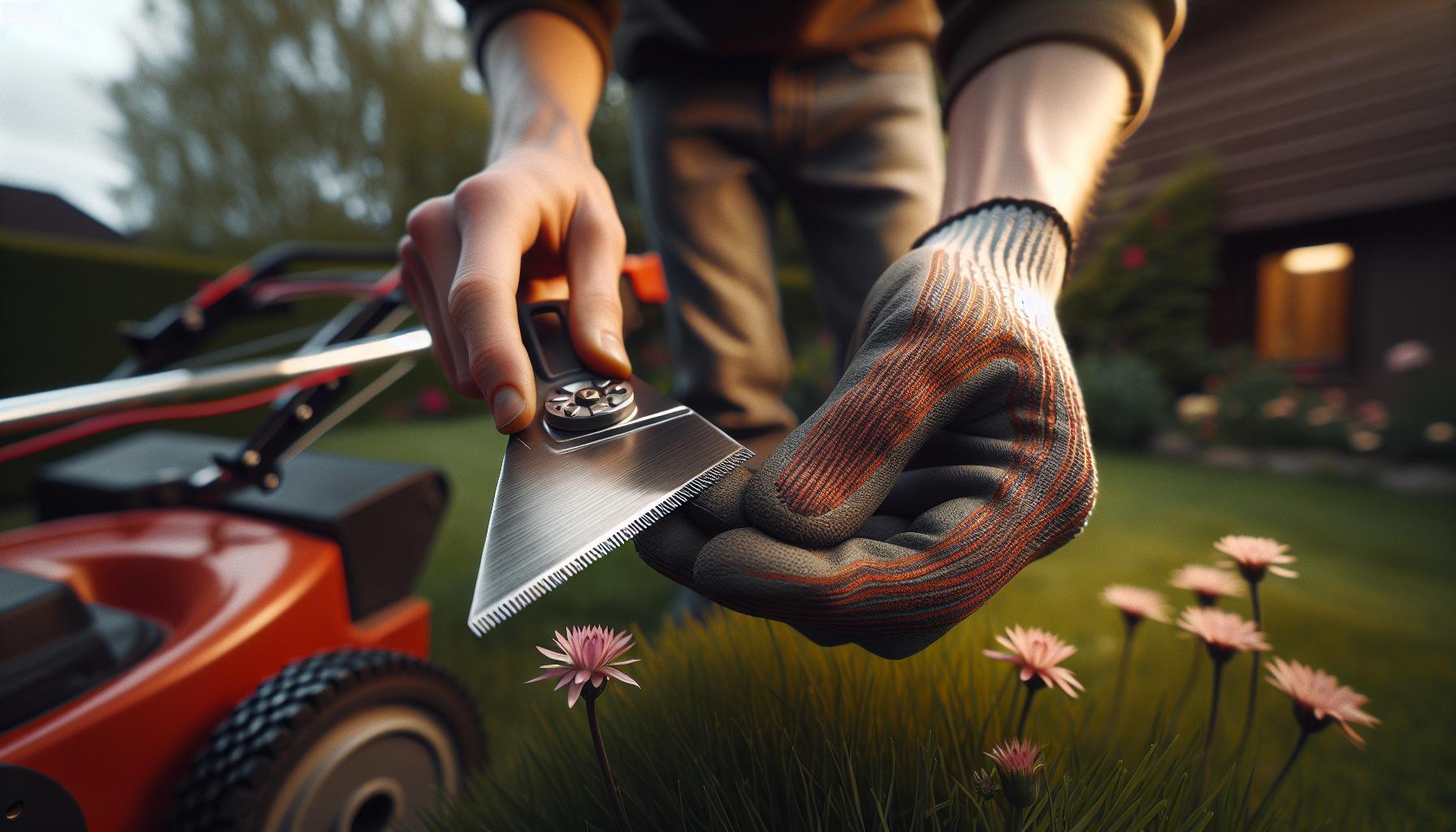
To achieve the best results when mowing your lawn, the sharpness of your mower blade is crucial. Ideally, a lawn mower blade should be sharpened to create a crisp edge that can cut grass cleanly without tearing it. A well-sharpened blade typically has a cutting edge that resembles a chisel’s edge, angled at approximately 30 degrees. This angle allows for efficient cutting while minimizing the risk of damage to both the mower and the grass.
The sharpness of the blade directly influences the health of your lawn. Dull blades can tear grass rather than cut it, leading to ragged edges that can harm the plant and make it more vulnerable to diseases and pests. For most homeowners, regularly checking the blade for sharpness after every 10 hours of use is advised, although this may vary based on the terrain and grass type. A simple test is to cut a piece of paper; if the blade fails to slice cleanly, it’s time for sharpening.
Alongside visual inspections, you should pay attention to how your mower performs. If your mower struggles to cut through grass or leaves clumps behind, it may be a sign that the blade is dulled. Keeping the blade sharp not only ensures cleaner cuts but also enhances the overall efficiency of your mower, leading to a healthier lawn and less time spent mowing.
The Importance of a Sharp Lawn Mower Blade
Maintaining a sharp lawn mower blade is essential for achieving a pristine lawn. A well-maintained, sharp blade creates clean cuts that encourage healthy grass growth, while a dull blade can wreak havoc on your lawn. When you cut grass with a dull blade, the mower tears the grass rather than slicing through it, leading to ragged edges that can become entry points for pests and diseases. This not only diminishes your lawn’s aesthetic appeal but can also adversely affect its health and resilience.
A mower equipped with sharp blades works more efficiently. It requires less power to cut through the grass, resulting in a smoother mowing experience and extending the lifespan of your equipment. Owners of lawns with varying conditions-such as thick grasses or uneven terrain-must especially keep this maintenance in mind. As a best practice, many experts advise sharpening mower blades every 20 to 25 hours of use or at least four times during a typical mowing season. Regularly checking your blades and maintaining that sharp edge can drastically enhance the performance of the mower and promote the overall vitality of your lawn.
In addition to promoting better grass health, using a sharp blade can save both time and effort during mowing. The ability of a sharp blade to efficiently cut grass means fewer passes over areas, minimizing the time spent mowing and reducing the physical strain on the operator. Ultimately, emphasizing translates into not only a more attractive landscape but also a more enjoyable lawn care experience.
Signs Your Lawn Mower Blade Needs Sharpening
When it comes to maintaining your lawn mower, recognizing the signs that indicate your blade needs sharpening is crucial for ensuring a healthy and vibrant lawn. A well-kept lawn mower can make the difference between a perfectly manicured yard and one that looks ragged and unkempt. With that in mind, here are some telltale signs that your lawn mower blade might be due for a sharpening session.
Firstly, if you notice that your mower is struggling to cut through grass, it could be an indication that the blades are dull. A mower should glide through the grass, but a dull blade will cause the engine to work harder, resulting in stalling or uneven cuts. Additionally, take a close look at the edges of the grass once you finish mowing; if they appear torn or ragged, rather than neatly clipped, it’s a clear sign that the blades are not sharp enough. Healthy grass should maintain a clean cut, which not only looks better but also reduces the likelihood of disease.
Another red flag is the need for more passes over areas of your lawn. If you’re finding you have to go over the same patch multiple times to achieve a clean cut, this is a sign of depletion in your blade’s sharpness. Conversely, a sharp blade will swiftly slice through grass on the first pass, promoting quicker mowing and less wear on your mower.
Additionally, if you experience an increase in grass clippings flying out from underneath the mower, that too can indicate dull blades. A sharp blade cuts cleanly, whereas a dull blade might create uneven clippings that can scatter more chaotically. This not only adds clutter to your lawn but can also lead to clumps of grass that smother the lawn beneath, causing damage.
Ultimately, by keeping an eye out for these symptoms, you can ensure that your mower blades remain sharp and your lawn stays healthy. Regular maintenance, including sharpening your blades every 20 to 25 hours of use, can save time in the long run and enhance the overall appeal of your outdoor space.
Consequences of Using Dull Lawn Mower Blades
Using dull lawn mower blades can create a cascade of negative effects that extend beyond just a poor cut. A sharp blade is crucial for achieving a clean, precise cut on grass, while a dull one can wreak havoc on your lawn health and overall mowing efficiency. One of the first consequences you’ll notice is the way your mower interacts with the grass; instead of slicing cleanly, dull blades tear at the grass blades, leading to jagged edges. This not only looks unattractive but can also expose grass to pests and diseases, as torn grass takes longer to heal and can become vulnerable to infections.
As you persist in mowing with dull blades, the repercussions continue to escalate. Increased effort is required from the mower, which can lead to overheating and premature wear on the engine. The extra strain placed on the mower may also result in reduced efficiency, requiring more gas and time to complete the same job. This unintended increase in resource use translates to higher costs, both in terms of fuel consumption and potential repairs or replacements for components that wear out faster due to the added stress.
Furthermore, the quality of cut provided by a dull blade can create uneven and patchy areas within your lawn. When the mower fails to cut properly, it could lead to unsightly brown areas as the taller grass remains uncut and suffers from ongoing damage. Compounding the issue, the irregular clippings that result from a dull blade can smother the healthy grass beneath, preventing sunlight and nutrients from reaching the soil, thus impacting overall lawn vitality.
To maintain a lush, healthy lawn, it is essential to recognize the limitations of dull mower blades and the tangible consequences of neglecting blade maintenance. Investing time in regular sharpening-aiming for every 20 to 25 hours of mowing-ensures that your mower delivers the crisp, clean cut that promotes healthy growth and enhances the aesthetic appeal of your yard.
Best Techniques for Sharpening Lawn Mower Blades
To maintain a luscious lawn, it is imperative that your lawn mower blades are sharp. Dull blades not only yield a ragged cut but can also damage your grass, leading to a host of problems down the line. Fortunately, sharpening lawn mower blades is a straightforward process that can be accomplished with the right techniques and tools. Here are some effective methods to get those blades back in shape.
Using a bench grinder is one of the simplest and most efficient ways to sharpen mower blades. Secure the blade in a vise to keep it stable, then run the blade’s cutting edge along the grinder, maintaining a consistent angle-typically around 30 degrees. Ensure you keep the blade cool by not applying pressure continuously, which could cause it to overheat and lose its temper.
Alternatively, if you prefer a more manual approach, a file or rasp can be employed. This method requires more elbow grease but allows for greater control over the sharpening process. Clamp the blade securely and use back-and-forth strokes to sharpen each side evenly. It’s vital to return to the original angle of 30 degrees while ensuring you create a slight bevel at the cutting edge.
Another popular option is using an angle grinder, which can provide a fast and effective solution. With safety goggles on, position the blade securely and carefully angle the grinder’s wheel against the edge. Move it along the entire length of the blade, watching closely to preserve the blade’s contour and avoid overheating it. As with the bench grinder, intermittent cooling and checking the blade’s sharpness are crucial to achieving the best results.
Lastly, following up with a balancing technique is crucial once sharpening is complete. An unbalanced blade can lead to vibration and uneven cuts. You can check the balance by hanging the blade on a nail or using a commercial balancer. If one side dips, remove material from that side until the blade is evenly balanced. This harmonious approach not only improves cutting efficiency but also prolongs the life of your mower.
Incorporating these techniques will help you achieve the perfect blade sharpness essential for clean cuts, enhancing the overall health and appearance of your lawn. Regularly maintaining your blades will not only improve performance but also spare your mower from undue stress, ensuring a greener and healthier lawn for all to admire.
Understanding Blade Angle for Optimal Cuts
To achieve the best possible cut with your lawn mower, understanding the blade angle is essential. The ideal cutting angle for mower blades typically ranges between 30 to 40 degrees. This angle allows for an effective slicing motion rather than a tearing action, which is crucial for maintaining the health of your grass. When the blade is sharpened to this angle, it results in a cleaner cut that minimizes stress on the grass, promotes healthy growth, and keeps your lawn looking pristine.
The blade angle also plays a significant role in maintaining the overall sharpness during use. Blades sharpened at a steeper angle, or over-sharpened, can lead to a weakened edge that dulls more quickly and is prone to chipping. Conversely, a dull edge or an incorrect angle can result in poor cutting performance, causing the mower to struggle and potentially leading to unevenness on the lawn. Therefore, monitoring and recalibrating your blade angle during the sharpening process is vital to ensure optimal performance.
Another aspect to consider is the blade design itself. Different blade shapes-including high-lift, low-lift, and mulching blades-require adjustments to your sharpening angle for maximum efficiency. For instance, high-lift blades are designed to elevate grass during cutting, necessitating a slightly different angle than that of a standard thick grass blade. Be sure to reference your manufacturer’s specifications for your particular blade type to achieve the best results.
Ultimately, taking the time to fine-tune your blade angle will not only enhance your mowing experience but also contribute significantly to the longevity of both your blades and the health of your lawn. Regular maintenance and adjustments will ensure your mower operates at peak performance, giving you that perfectly manicured lawn you desire.
How to Choose the Right Lawn Mower Blade
Choosing the right lawn mower blade is critical for achieving that well-manicured lawn you desire. Factors such as your mower type, grass type, and the intended use of the blade all significantly influence the blade selection. A well-selected blade not only improves cutting performance but also enhances the health of your grass by making clean cuts, which reduce stress and promote growth.
Start by considering the blade type that matches your mowing needs. For instance, flat blades are ideal for standard mowing on level lawns, while high-lift blades excel at creating airflow, assisting in bagging clippings and keeping the cutting deck clean. If you’re looking for versatility, mulching blades are designed to finely chop clippings, allowing them to decompose quickly and return nutrients to the soil. Evaluate your lawn’s conditions and your preferences to determine which blade features best suit your needs.
Another crucial factor is the blade length and compatibility with your mower model. Measure your current blades if you’re replacing them, and consult your mower’s manufacturer specifications. Most mowers will require blades in the range of 20 to 22 inches for walk-behind models, while riding mowers may necessitate larger sizes. Always ensure that the chosen blade fits securely in your mower’s designated area to avoid safety hazards and operational issues.
Lastly, do not overlook the material composition of the blades. Steel blades are the most common, providing durability and strength, but consider ceramic-coated blades or those made from high-carbon steel for improved performance and longevity. These modern materials reduce rust and maintain a sharper edge longer, which means less frequent sharpening and hassle.
In summary, by thoughtfully assessing your specific needs-including blade type, size, and material-you can select a lawn mower blade that ensures clean, efficient cutting, ultimately leading to a healthier and more vibrant lawn.
Frequency of Sharpening: How Often is Enough?
Keeping your lawn mower blades sharp is crucial for achieving a clean, healthy cut, but how often should you actually sharpen them? The frequency of sharpening largely depends on several factors, including how frequently you mow your lawn, the type of grass you have, and the conditions in which you mow. As a rule of thumb, lawn mower blades should be sharpened every 20 to 25 hours of use, which typically translates to around once a month during the peak mowing season. However, this can vary significantly if you’re mowing in tough conditions, such as tall or wet grass, where you may need to sharpen even more often to maintain optimal cutting performance.
It’s essential to monitor the condition of your blades closely. A simple way to assess their sharpness is to examine the grass after mowing. If you notice a ragged or uneven cut and brown tips on the grass blades, it’s a clear sign that your mower’s blades need sharpening. Additionally, if you frequently encounter rocks or debris while mowing, this can dull your blades faster and necessitate more frequent maintenance.
Beyond just mowing frequency, consider other aspects of blade care. For instance, if you’re dealing with sandy soil or tight grass types, your blades may wear down quicker and require more attention. Conversely, if you mow less frequently or have a less demanding lawn, you might be able to extend the intervals between sharpenings. Regularly inspecting and maintaining your mower, including ensuring it’s clean and free of grass clippings, can also prolong the life of your blades.
In summary, while regular sharpening is essential for maintaining an efficient mower, keep an eye on your specific mowing conditions and grass type to determine the optimal frequency for your blades. This proactive approach will help you achieve the best results and maintain a lush, healthy lawn all season long.
Common Mistakes in Lawn Mower Blade Care
Improper lawn mower blade care can lead to a host of issues that impact not only the health of your lawn but also the performance of your mower. A common mistake many homeowners make is neglecting regular blade maintenance. Sharpening your mower blades is not just a good practice; it’s essential. Blades that aren’t sharp enough can tear grass blades rather than cut them cleanly, which can result in a patchy, unhealthy lawn and make it more prone to disease. Regularly inspect your blades for signs of dullness and ensure they are sharpened before the peak mowing season.
Another frequent oversight is ignoring the blade balance. Blades that are not balanced can vibrate excessively, leading to wear and tear on your mower. A simple way to check this is by using a blade balancer or hanging the blade on a nail. If one side dips lower than the other, it’s time to adjust the weight distribution. Failing to check that blades are balanced can cause uneven cuts and damage to your mower’s engine.
Also, many assume they can skip sharpening between uses if they only mow a small patch of grass. However, even minimal mowing can dull blades, especially if you mow over debris such as sticks or stones. It’s vital to sharpen blades regularly-typically every 20 to 25 hours of use-to ensure the optimal performance of your mower. Ignoring signs of wear can lead to poor mowing outcomes and hinder the overall effectiveness of your lawn care routine.
Finally, not cleaning your mower after use is an error that can shorten the lifespan of your blades. Grass clippings, mud, and debris can accumulate and cause rust and corrosion. After each mowing session, take a few moments to clean the underside of your mower deck and the blades themselves, preserving their sharpness and integrity. Adopting these practices will significantly enhance your blade care regimen, ensuring clean cuts and a healthier lawn.
Maintaining Your Lawn Mower for Longevity
To ensure your lawn mower remains in prime condition and delivers flawless performance, a commitment to regular maintenance is paramount. Beyond merely sharpening the blades, a comprehensive care routine can significantly extend the life of your mower and enhance its effectiveness. By investing a little time and attention, you can avoid costly repairs and enjoy a healthy, well-manicured lawn.
One critical aspect of maintenance involves routine inspections. Take the time to check your mower before and after each use. Look for signs of wear and tear not only on the blades but also on the wheels, belts, and engine. Clean away grass clippings and debris, as these can cause rust and corrosion over time. A quick rinse and wipe-down can make a significant difference in preserving both aesthetics and functionality.
Another vital practice is changing the oil and air filter at regular intervals as indicated in your owner’s manual. Clean oil ensures that the engine runs smoothly, while a clean air filter prevents dirt and debris from entering the engine, which can hinder performance and longevity. Keep an eye on the spark plug as well; replacing it as needed can greatly improve starting efficiency and engine operation.
Lastly, storing your mower correctly during off-seasons is equally essential. If you live in a region with harsh winters, consider elevating your mower to prevent tire flat spots and covering it to avoid rust accumulation. Moreover, keeping the fuel system clean and treating your gasoline with a stabilizer can prevent stale fuel problems, ensuring that your mower starts quickly when you need it again.
In summary, treating your lawn mower with the same care as any other valuable tool will yield rich dividends in performance and lifespan. A solid maintenance routine will not only keep your mower sharp and effective but also contribute positively to the health of your lawn by promoting clean cuts and reducing the chances of disease.
Comparing Electric vs. Gas Lawn Mower Blades
When it comes to lawn care, the type of mower you choose can significantly impact the effectiveness of your cutting performance, especially regarding blade sharpness. Electric and gas lawn mowers are two popular options, each with its distinct advantages and considerations. Understanding how their blades differ can help you make an informed decision on maintaining a clean and healthy lawn.
Electric lawn mowers are often praised for their ease of use and low maintenance. Their blades typically require less frequent sharpening due to the lower torque and speed compared to gas mowers. This can be particularly beneficial for homeowners who prefer a hassle-free mowing experience. However, the trade-off may be that electric mowers can struggle with thicker, more stubborn grass types, leading to the need for more regular blade maintenance. A sharp blade is essential, as it allows for cleaner cuts without tearing, which is crucial for the lawn’s health.
In contrast, gas lawn mowers generally feature more robust blades capable of handling tougher grass types and uneven terrain. This strength means that while their blades may need sharpening more often, they can deliver a superior cutting experience when maintained properly. It’s essential for users of gas mowers to pay particular attention to blade sharpness since a dull blade can result in ragged cuts, increasing the lawn’s susceptibility to diseases and pests. Additionally, gas mowers can often produce higher RPMs, which means that their blades may require professional sharpening tools for optimal results.
Ultimately, regardless of whether you choose an electric or gas lawn mower, prioritizing blade sharpness is pivotal for achieving the best results. Regular inspections and sharpening should be part of your maintenance routine, ensuring that you get clean cuts that promote healthy grass growth. Additionally, consulting the manufacturer’s recommendations for blade care can further enhance your mowing efficiency and the overall health of your lawn.
Expert Tips for Achieving the Perfect Cut
Achieving the perfect cut when mowing your lawn is not just about choosing the right mower; it largely depends on the sharpness of the blades. Did you know that a sharp lawn mower blade can significantly enhance the health of your grass? By ensuring clean cuts rather than ragged tears, sharp blades promote quicker healing and a richer green color in your lawn.
To maintain an optimal cutting performance, follow these expert tips:
Regular Inspection and Maintenance
Develop a routine for inspecting your mower blades before each use. Look for signs of wear, dullness, or damage. Even minor nicks can affect performance. If you notice any imperfections, it’s time to sharpen or replace the blade. Additionally, cleaning the blades after each mowing can prevent grass buildup that leads to rust and reduces efficiency.
Choose the Right Sharpening Method
Different sharpening techniques suit various skill levels and tools at your disposal. If you’re comfortable with power tools, using an angle grinder can be a quick and effective method for sharpening blades. Alternatively, manual options like a file or sharpening stone are ideal for those who prefer a hands-on approach. After sharpening, don’t forget to balance the blade, as an unbalanced blade can lead to uneven cuts and increased mower vibration.
Mind the Cutting Height
Adjusting the cutting height of your mower can also affect how well your lawn is cut. Generally, keeping the grass at a height of about 2.5 to 3.5 inches not only maintains the aesthetic of your lawn but also encourages deeper root growth and healthier grass overall.
By applying these techniques and regularly maintaining your mower blades, you can ensure that you’re not just trimming your grass but nurturing it for robust growth and a lush appearance. Remember, a little effort in blade care goes a long way in achieving that pristine yard you desire.
Q&A
Q: How sharp should a lawn mower blade be for a clean cut?
A: A lawn mower blade should be sharp enough to make clean cuts without tearing the grass. Ideally, it should have a smooth edge with a bevel angle of around 30 degrees. Regular sharpening ensures optimal performance and health for your lawn [1].
Q: What happens if a lawn mower blade is too dull?
A: If a lawn mower blade is dull, it will tear the grass rather than cut it cleanly, leading to an uneven appearance and increased susceptibility to disease. This not only compromises the look of your lawn but can also stress the grass [2].
Q: How can I tell if my lawn mower blade needs sharpening?
A: Signs your lawn mower blade needs sharpening include a jagged grass edge, a brownish tint on the cut grass, and having to make multiple passes to achieve a clean cut. Regular visual inspections can help identify these issues [2].
Q: Can I sharpen my lawn mower blades myself?
A: Yes, you can sharpen lawn mower blades yourself with the right tools, such as a sharpening stone or bench grinder. Ensure safety by wearing gloves and goggles, and remove the blade from the mower for easier handling [3].
Q: How often should lawn mower blades be sharpened?
A: Lawn mower blades should be sharpened every 20-25 hours of mowing or at least once per season for typical usage. More frequent sharpening may be necessary for high-traffic lawns or rough terrain [1].
Q: What techniques are best for sharpening lawn mower blades?
A: Using a sharpening stone, file, or bench grinder are effective techniques for sharpening lawn mower blades. Always follow the existing angle of the blade to maintain its cutting efficiency. Additionally, clean the blade thoroughly before sharpening [3].
Q: Is it necessary to balance lawn mower blades after sharpening?
A: Yes, it is necessary to balance lawn mower blades after sharpening to prevent vibrations during operation. An unbalanced blade can lead to uneven cuts and increased wear on the mower. Use a blade balancer or hang the blade on a nail to check its balance [3].
Q: What type of blade angle is optimal for clean cuts?
A: An optimal blade angle for clean cuts is typically around 30 degrees. This angle allows for effective cutting without damaging the grass. Maintaining this angle during sharpening is crucial for achieving the best results [2].
Concluding Remarks
Keeping your lawn mower blades sharp is essential for achieving those clean, healthy cuts that keep your lawn looking its best. Remember, a well-maintained mower not only enhances your landscaping aesthetics but also promotes healthier grass growth. If you’re considering when to sharpen your blades or want to learn about lawn maintenance best practices, check out our articles on lawn care tips and common mowing mistakes.
Ready to elevate your lawn care? Don’t hesitate-take the first step by scheduling a consultation with our experts today. If you have any questions or need further guidance, leave a comment below or share your experience! Your lawn deserves the best, and we’re here to help you achieve that lush, inviting landscape. Dive deeper into our resources and get ready to transform your outdoor space!