Did you know that unbalanced lawn mower blades can not only lead to a bumpy mowing experience but can also cause excessive wear on your equipment? Properly balancing your mower blades is essential for achieving a smooth, vibration-free cut and ensuring the longevity of your mower. Not only does a well-maintained machine enhance your mowing efficiency, but it also contributes to a healthier lawn by promoting even grass growth. In this guide, we’ll explore simple yet effective techniques to balance your blades, allowing you to tackle your lawn care tasks with confidence. Say goodbye to unwanted vibrations and hello to a beautifully manicured yard. Your mower-and your grass-will thank you!
Understanding Lawn Mower Blade Imbalance and Its Effects
Understanding lawn mower blade imbalance is crucial for ensuring a smooth mowing experience and extending the life of your equipment. When blades are imbalanced, it can lead to a host of issues that not only affect mowing performance but can also cause significant damage to the mower itself. An imbalanced blade can cause excessive vibration, leading to increased wear and tear on both the blade and the mower’s engine. This imbalance can stem from various factors, including uneven blade wear, debris accumulation, or even improper blade installation.
The effects of an imbalanced mower blade are often felt immediately during operation. Operators may notice a rougher ride, making the mower harder to control. Additionally, uneven cuts can leave behind patches of uncut grass, diminishing the overall quality of the lawn. Over time, the vibrations caused by imbalanced blades can loosen mechanical components, leading to more severe repairs and potentially costly downtime. Ignoring these signs can also lead to more profound damages, such as bent spindle shafts or exhaust system damage.
To combat these issues, it’s essential to regularly check and maintain the balance of your mower blades. Regular maintenance not only enhances mowing performance but also contributes to a longer lifespan for your mower. Understanding the symptoms of blade imbalance-like uneven cuts and excessive vibrations-can help you identify and rectify issues before they escalate into more significant concerns. Taking these proactive steps can help ensure a more enjoyable mowing experience while maintaining the health and appearance of your lawn.
Signs of Imbalanced Mower Blades You Need to Know
When it comes to maintaining your lawn mower, one of the most overlooked aspects is the balance of the blades. An imbalanced blade can lead to a host of problems that not only spoil your mowing experience but can also damage your equipment over time. Recognizing the signs of imbalanced mower blades is essential for ensuring smooth operation and achieving a pristine cut on your lawn.
One of the most immediate indicators of a problem is excessive vibration during mowing. If your mower seems to shake more than usual, it may be due to blades that are not properly weighted. This vibration not only makes the machine harder to control but can also pull on various components, leading to premature wear. An erratic or rough handling experience can frustrate operators and result in uneven cutting patterns, leaving patches of uncut grass.
Another telltale sign of blade imbalance is uneven grass cutting. If you notice that sections of your lawn are cut shorter than others, the blades are likely not balanced. Instead of achieving a consistent height, the mower could be scalping certain areas, affecting the overall aesthetic of your lawn. This unevenness can also vibrate the mower’s deck, compounding the imbalance issue and leading to further mechanical problems if not addressed timely.
Listening closely while mowing can also provide clues; a higher-pitched noise or a rhythmic thumping sound may indicate that one blade is running faster than the other. Additionally, visual inspections can reveal if wear is unevenly distributed across the blade edges or if there is debris accumulation that could be throwing off the balance. Regularly inspecting the blades for these signs helps ensure you maintain an optimal mowing environment conducive to a healthy lawn.
In summary, being vigilant about these warning signs-excessive vibrations, uneven cuts, strange noises, and noticeable wear-can save you from more extensive repairs and ensure a better mowing experience. Keeping an eye on these issues not only extends the life of your lawn mower but also contributes to the health and visual appeal of your garden.
Step-by-Step Guide to Checking Blade Balance
To keep your lawn mowing experience smooth and efficient, checking the balance of your mower blades is crucial. An imbalanced blade not only leads to poor cutting performance but can also induce excessive vibration, making mowing a challenge. By following a few straightforward steps, you can ensure that your mower blades are balanced, promoting both the health of your lawn and the longevity of your equipment.
Start by safely preparing your mower. Ensure it is turned off and disconnect the spark plug to prevent any accidental start-up. Then, flip the mower on its side, taking care to support it securely. With proper safety gear on, remove the blade using a socket wrench. Once removed, you’ll want a reliable method for checking its balance.
One effective technique is to use a blade balancer. You can purchase one or construct a simple model with two screws. Place the center hole of the blade onto the balancer’s spindle. If the blade leans to one side, it indicates an imbalance. If it rests evenly, your blades are balanced. In cases of imbalance, you’ll need to grind down the heavier side by removing material, often from the top edge of the blade.
After adjusting, it’s wise to conduct a final check. Reattach the blade to the mower, ensuring it’s secured properly. Test the mower on a flat surface. If there is minimal vibration during operation and an even cut across your lawn, congratulations-you’ve successfully balanced your mower blades. Regularly checking and maintaining the balance of your blades will not only enhance your mowing performance but also prolong the life of your lawn mower.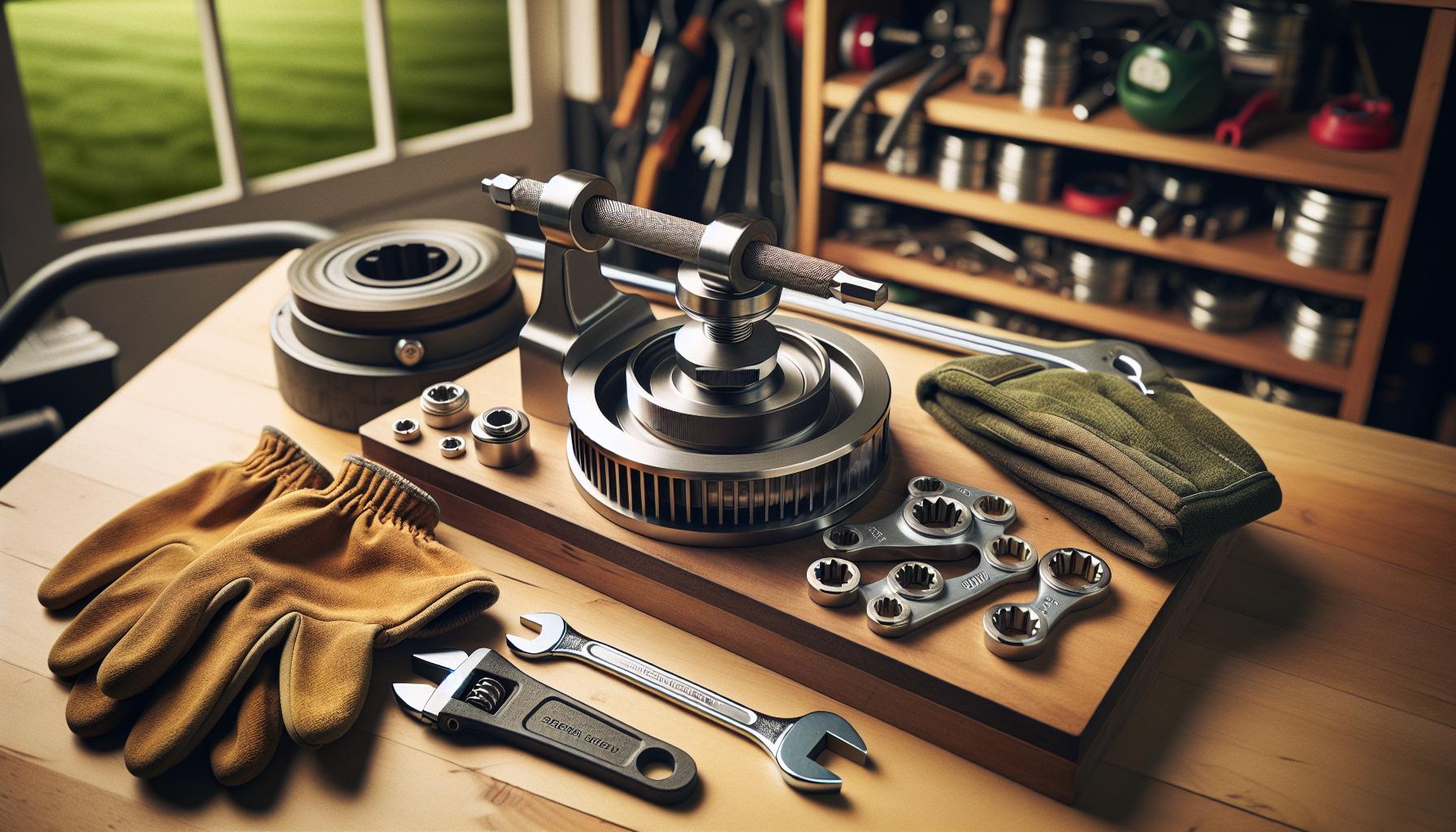
Essential Tools for Balancing Lawn Mower Blades
To achieve a vibration-free mowing experience, having the right tools for blade balancing is essential. Attempting to balance mower blades without the proper equipment can lead to continued imbalance and inefficiencies, negatively impacting both your mower’s performance and your lawn’s appearance. Investing in a few key tools will simplify this task and ensure that your mower operates smoothly.
One of the most important tools for balancing lawn mower blades is a blade balancer. This device allows you to accurately check whether the blades are balanced. You can purchase a commercial balancer or easily make a DIY version with simple materials such as two screws. To use it, simply place the center hole of the blade onto the balancer’s spindle. The blade should ideally stay horizontal; if it tilts, you’ll know that adjustments are necessary.
In addition to a balancer, a socket wrench is crucial for removing and securing the mower blade. This tool often comes with the mower and allows you to easily detach the blade for maintenance. Always ensure that you perform this step with the mower securely supported and the spark plug disconnected to prevent accidental starts.
Another useful tool is a grinder or sharpening stone. If you find that your blade is imbalanced, you’ll typically need to grind down the heavier side to rediscover balance. This not only rectifies the imbalance but also keeps the blade sharp for effective cutting. Additionally, wearing safety goggles and gloves during this process is essential for protecting yourself while working with sharp metal and power equipment.
Moreover, having a tape measure on hand can be practical for ensuring that blades are altered uniformly, particularly if you’re shaping them after grinding. While it’s easy to overlook, a clean work area equipped with basic hand tools like pliers or wrenches is equally important when reassembling the mower.
By ensuring you have these essential tools in your kit, you can make the process of balancing lawn mower blades straightforward and efficient, leading to enhanced mowing performance and improved longevity of your mower.
Techniques for Achieving Perfectly Balanced Blades
Achieving perfectly balanced blades is crucial for a smooth and effective mowing experience, yet many lawn mower users overlook this essential maintenance task. An imbalanced blade can cause significant vibration, leading to potential damage to the mower and uneven cuts on your lawn. To ensure your mower performs at its best, following a few straightforward techniques can make all the difference.
One effective method for blade balancing is the visual inspection. Begin by removing the blade and laying it flat on a stable surface. Look for any visible signs of wear, bends, or unevenness in the blade. A glaring uneven edge can indicate off-balance conditions. If visible defects are present, addressing these discrepancies through sharpening or replacement might be necessary.
Next, utilize a blade balancer. This tool allows for precise testing of the blade’s balance. Place the blade on the balancer’s spindle; it should sit evenly. If one side dips lower than the other, this indicates an imbalance that requires correction. Typically, focusing on the heavier side by grinding or filing it down will resolve this imbalance. Take care to remove material gradually and evenly to avoid over-compensating.
Incorporating sharpening techniques further enhances blade performance. A sharp blade not only makes cutting easier but can also improve the blade’s balance. Use a sharpening stone or grinder to create a uniform edge. As you sharpen, remember to check balance frequently, as removing material from the blade’s edges can affect its weight distribution.
Finally, regularly inspect and maintain your mower blades. Ensure they are clean and free from debris, as build-up can affect balance and cutting efficiency. Scheduling a periodic maintenance routine where you check, sharpen, and balance the blades will prolong their life and maintain optimal mower performance. By employing these methods, you can ensure your lawn mower blades are perfectly balanced, resulting in a vibration-free mowing experience and a healthier lawn.
Maintaining Lawn Mower Blades for Longevity
To ensure your mower blades last longer and maintain optimal performance, regular maintenance is essential. Neglecting this aspect not only leads to diminished cutting efficiency but can also result in costly repairs or premature blade replacement. Proper care of your mower blades can be broken down into a few actionable steps that can significantly enhance their longevity and effectiveness.
Start by keeping the blades clean and free from grass clippings, dirt, and debris. Accumulation of material not only affects balance but can also cause corrosion over time. After each mowing session, take a few minutes to wipe down the blades with a cloth. At the end of the mowing season, consider a thorough cleaning using a hose and a brush, ensuring that all grass and mud are removed. This will also prevent any rust from forming during the off-season.
Regular Inspection
Frequent inspections are crucial for identifying signs of wear or damage early on. Check the blades for nicks, bends, or any irregular surfaces before each use. Look for signs of imbalance, such as uneven wear patterns. If you notice any significant issues, address them immediately by sharpening or, if necessary, replacing the blades. Regularly inspecting for these signs can help maintain cutting performance and prevent vibrations that could lead to other mechanical issues.
Proper Sharpening Techniques
Keeping mower blades sharp is another vital part of maintenance for prolonging blade life. Dull blades not only tear the grass but can lead to increased wear on the mower engine. Use a sharpening stone or file to maintain a sharp edge and always ensure to balance the blades after sharpening. By carefully following the recommended angles when sharpening, you can ensure a clean cut that minimizes stress on the blades and the mower itself.
Lastly, store your mower in a dry, sheltered area to prevent moisture from causing rust or other damage to the blades. If possible, elevate the mower slightly off the ground during storage. Creating a solid maintenance routine that includes cleaning, inspecting, sharpening, and proper storage will lead to longer-lasting mower blades and a better overall mowing experience. By taking these simple steps, you can keep your lawn mower in top shape and your yard looking pristine.
Common Mistakes When Balancing Mower Blades
Balancing mower blades is a critical task that can significantly affect your mowing experience, but many enthusiasts fall victim to common pitfalls that undermine their efforts. One primary mistake is overlooking the need to check both blades for equal weight after sharpening. If one blade is heavier or lighter than the other, this imbalance can cause excessive vibrations, reducing mowing efficiency and potentially leading to mechanical issues. It’s essential to weigh each blade and adjust their weight as necessary, commonly by adding small amounts of welding material or tape.
Another frequent error involves using incorrect tools for the balancing process. Many operators rely on makeshift methods without proper equipment, leading to inaccurate results. Invest in a reliable blade balancing tool that allows for precise adjustments. A level surface is also key; balancing blades on an uneven surface can mislead you into thinking they are aligned when they’re not.
Additionally, failing to regularly inspect blades for damage is a major oversight. Even the slightest nicks or bends can throw off the balance. Before and after sharpening, always check for imperfections and correct them. Ignoring these small issues can eventually lead to larger problems and shorten the lifespan of your blades.
Lastly, neglecting the cleaning process before balancing can introduce dirt and debris that affect the balance. Cleaning the blades of clippings and rust before performing maintenance ensures that the measurements are accurate and the blades remain in optimal condition. By avoiding these common mistakes, you can achieve a vibration-free mowing experience that enhances performance and keeps your lawn looking its best.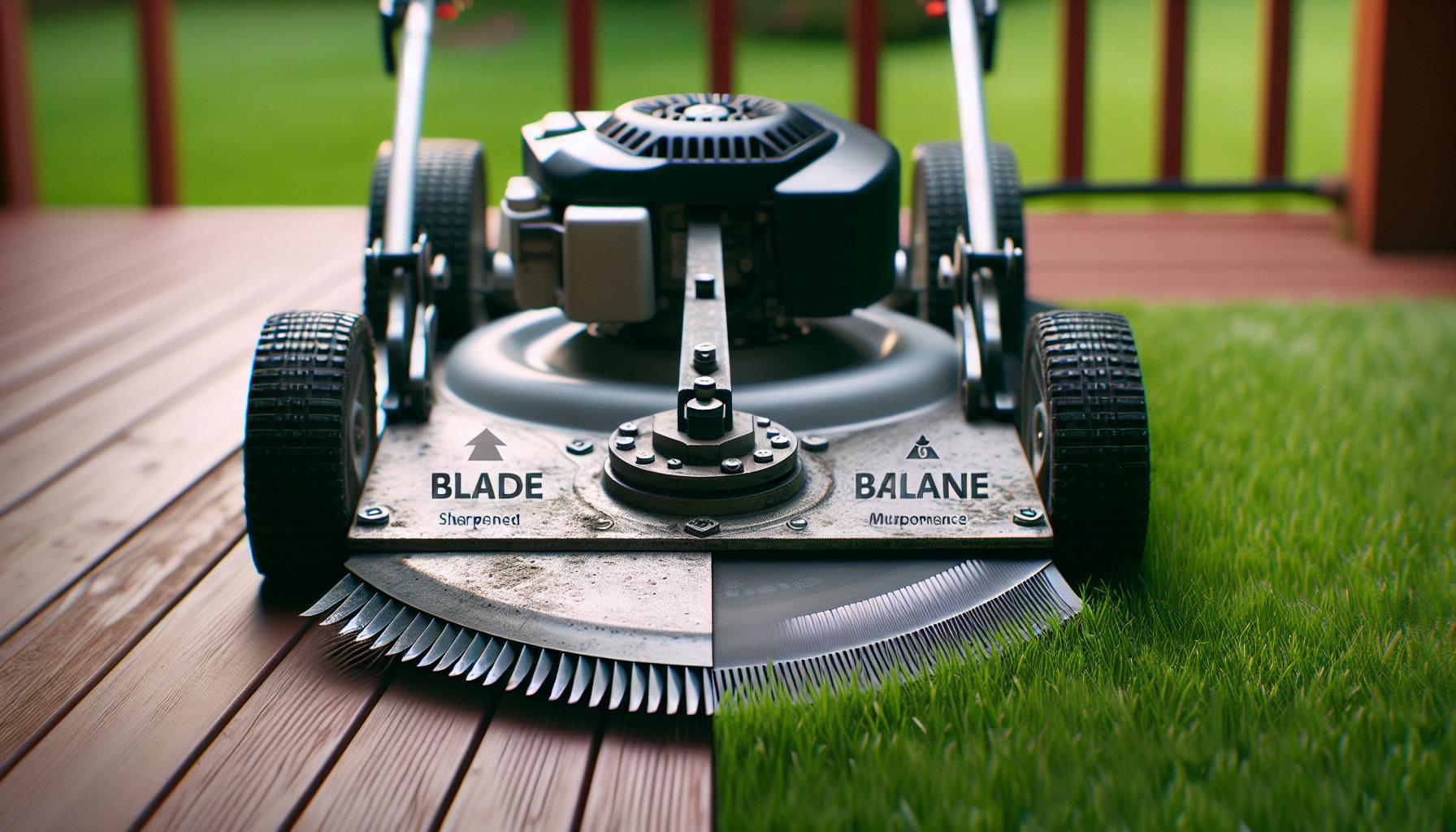
How Blade Balance Impacts Mowing Performance
Maintaining proper blade balance is crucial to enhancing your lawn mower’s performance and ensuring a smooth cutting action. When blades are imbalanced, they lead to unnecessary vibrations that can affect both the mower’s efficiency and the quality of the cut. An imbalanced mower can cause uneven lawn levels, leaving patches of grass either too long or unevenly trimmed, which detracts from the overall appearance of your yard.
One primary effect of blade imbalance is its impact on the mower’s engine and components. Excessive vibration can lead to accelerated wear and tear on the engine, leading to costly repairs or even the need for a total replacement sooner than expected. Additionally, the handlebars and wheels can also experience damage from continual vibration, creating a less pleasant mowing experience. This is particularly disadvantageous for those who mow for extended periods, as it can result in fatigue and discomfort.
To visualize this impact, consider the difference between mowing with well-balanced blades versus imbalanced ones. A set of properly balanced blades can cut through grass smoothly at optimal speeds, while unbalanced blades might cause the mower to skip or bog down in thick patches, resulting in longer mowing times and increased fuel consumption. Properly balanced blades ensure that the mower operates efficiently, maintains speed, and requires fewer adjustments during use.
In summary, investing the effort into balancing your mower blades pays off by enhancing cutting performance, prolonging the lifespan of your machine, and providing a pleasant mowing experience. Taking this simple step ensures a well-manicured lawn and contributes to the long-term health of your mower.
Upgrading Your Mower: When to Replace Blades
Knowing when to replace your lawn mower blades is crucial for maintaining optimal performance and ensuring a healthy lawn. Dull or damaged blades can lead to jagged cuts, allowing grass to tear rather than slice cleanly, which not only detracts from your lawn’s appearance but also makes it more susceptible to disease. If you notice that your mower is struggling to cut effectively, it may be time to consider an upgrade.
To help you make this decision, keep an eye out for specific signs that indicate blade replacement is necessary. One primary red flag is if you see noticeable damage such as nicks, dents, or bends on the blade edges. Additionally, if your mower starts to vibrate excessively or if you hear unusual noises during operation, this could signal that the blades are unbalanced or damaged. Regularly inspecting your blades, particularly after hitting hard objects like rocks or tree roots, can help prevent further issues and prolong their lifespan.
Another key factor is the frequency of your mowing sessions and the conditions of the grass you’re cutting. For homeowners who mow frequently or have particularly tough grass types, such as Bermuda or fescue, blades may dull more quickly. As a general rule, it’s advisable to replace your blades at least once per mowing season, or even more often if you notice any decline in cutting quality.
To maintain a high standard of performance, consider investing in high-quality blades designed for your specific mower model. Upgrading to a better blade can enhance efficiency, ensuring that your mower operates smoothly and effectively, contributing to a more enjoyable mowing experience. By staying vigilant about blade condition and replacing them as needed, you can maintain both the aesthetics and health of your lawn while avoiding potential repairs to your mower caused by dull or damaged blades.
Troubleshooting Vibration Issues in Mowers
Experiencing vibration issues while mowing can signal a range of underlying problems, often tied to blade imbalance. An unbalanced mower blade not only disrupts the tranquility of your lawn care activity but can also lead to a decline in mowing performance and potential damage to your mower’s components. Regular vibration checks should be part of your maintenance routine to ensure a smooth operating experience while prolonging the life of your equipment.
To troubleshoot vibration problems, begin with a visual inspection of the blades. Look for any signs of physical damage such as nicks, bends, or uneven wear. If the blades seem fine, proceed by checking the blade tightness; loose blades can wobble during operation, causing vibrations. Make sure that all bolts and fasteners are securely tightened according to the manufacturer’s specifications, as this simple step can often eliminate vibrations.
Another critical factor to consider is the mower’s deck itself. Inspect for any debris or build-up that may be affecting mower balance. A clean deck not only supports even blade interaction with the grass but also minimizes vibrations. If the issue persists even after these adjustments, it could be wise to examine the spindle bearings. Worn or damaged bearings can cause excessive play, leading to vibration issues. Replacing these bearings as needed can restore stability to your mowing operation.
Finally, ensure that the mower tires are inflated to the correct pressure. Uneven or low tire pressure can lead to an unsteady mowing experience, contributing to vibrations. Keep a regular schedule for checking both blade balance and other related components to ensure a flawless mowing experience, free from annoying vibrations that can take a toll on both you and the mower.
Expert Tips for Professional-Quality Mowing Results
Achieving a perfectly manicured lawn isn’t just about having the right equipment; it also requires a deep understanding of your mower’s performance-starting with the balance of the blades. An imbalanced blade can lead to uneven cuts, excessive vibrations, and even damage to your lawn mower over time. To ensure you’re getting the professional-quality results you desire, follow these expert tips.
First, always prioritize safety when dealing with mower blades. Make sure the machine is turned off and cooled down before attempting to check or adjust the blades. Use a blade balancer or a simple nail in a wall to check their balance. Hang the blade horizontally; if one side dips lower than the other, it’s unbalanced. Take the time to sharpen the blades regularly-sharp blades cut grass cleanly and reduce the likelihood of tears, which contributes to a healthier lawn. By taking care of your blades in this manner, you not only enhance your mower’s performance but also extend the life of the blades themselves.
Another key aspect of maximizing mowing quality is to adjust the mower’s cutting height according to your lawn type and the season. Most lawns benefit from cutting grass at a height of about 2.5 to 3 inches. This allows for sufficient leaf surface area to support healthy growth while minimizing stress from heat and drought. Keeping blades clean between cuts is crucial; clippings can build up and affect performance, so regularly cleaning the mowing deck will ensure optimal operation.
Lastly, consider the direction of your mowing. To avoid scavenging the same paths repeatedly-leading to an uneven cut-alternate your mowing pattern each week. This practice allows grass blades to stand upright, resulting in a neater appearance. Taking these steps can drastically improve your mowing experience and enhance the overall look and health of your lawn. Adopting a proactive and educated approach to maintaining and utilizing your mower will lead to impressive results that could rival professional landscapers.
Q&A
Q: How often should I balance my lawn mower blades?
A: You should balance your lawn mower blades at least once every season and more frequently if you notice excessive vibration or after striking hard objects. Regular maintenance ensures optimal cutting performance and extends the lifespan of both the blades and the mower. For more on maintenance, check the section on “Maintaining Lawn Mower Blades for Longevity.”
Q: What are the signs that my mower blades are out of balance?
A: Signs of unbalanced mower blades include excessive vibration during operation, uneven cuts in your lawn, and a noticeable increase in fuel consumption. These indicators suggest it’s time for a balance check. For detailed troubleshooting tips, see “Troubleshooting Vibration Issues in Mowers.”
Q: Can I balance my mower blades myself?
A: Yes, you can balance your mower blades yourself using simple tools like a blade balancer or a level surface. Follow the steps outlined in “Step-by-Step Guide to Checking Blade Balance” to ensure correct balancing for vibration-free mowing.
Q: What tools do I need to balance mower blades?
A: Essential tools for balancing mower blades include a blade balancer, a wrench to remove the blades, and possibly a safety clamp. Having the right tools simplifies the balancing process, and you can find more about this in the section “Essential Tools for Balancing Lawn Mower Blades.”
Q: How does blade balance affect mowing performance?
A: Properly balanced blades ensure smooth operation, even cuts, and reduced strain on the mower’s engine. This balance helps prevent vibration, promoting efficiency and comfort during mowing. For insights on performance impacts, refer to “How Blade Balance Impacts Mowing Performance.”
Q: What maintenance should I perform after balancing my mower blades?
A: After balancing your mower blades, ensure they are sharpened for optimal cutting. Additionally, check the blade bolts for tightness and clean the mower deck to remove grass clippings that can affect performance. See “Maintaining Lawn Mower Blades for Longevity” for more care tips.
Q: Why is it important to balance mower blades?
A: Balancing mower blades is crucial to prevent vibration, enhance cutting efficiency, and extend the mower’s lifespan. Unbalanced blades can lead to uneven cuts and increased wear on the mower’s components. For a comprehensive understanding, refer to “Understanding Lawn Mower Blade Imbalance and Its Effects.”
Q: What should I do if my mower still vibrates after balancing the blades?
A: If your mower vibrates after balancing the blades, check for other issues like a bent deck, worn-out bearings, or the need for blade replacement. Regular maintenance and troubleshooting can help identify persistent problems. Learn more in “Common Mistakes When Balancing Mower Blades.”
Concluding Remarks
Now that you know how to balance your lawn mower blades for a smoother, vibration-free mowing experience, it’s time to put that knowledge into action! Properly balanced blades not only enhance performance but also extend the life of your mower, ensuring a well-maintained lawn season after season. Don’t let unbalanced blades cause unnecessary wear and tear-take control today!
For further tips on lawn care and maintenance, check out our guides on “Choosing the Right Lawn Mower” and “Essential Lawn Care Tips for Healthy Grass.” And if you’re looking for tools to simplify your mowing tasks, explore our recommended products to find the perfect fit for your needs.
Remember, your lawn deserves the best, and a little effort can make all the difference. If you have any questions or need assistance, feel free to leave a comment below. Happy mowing!