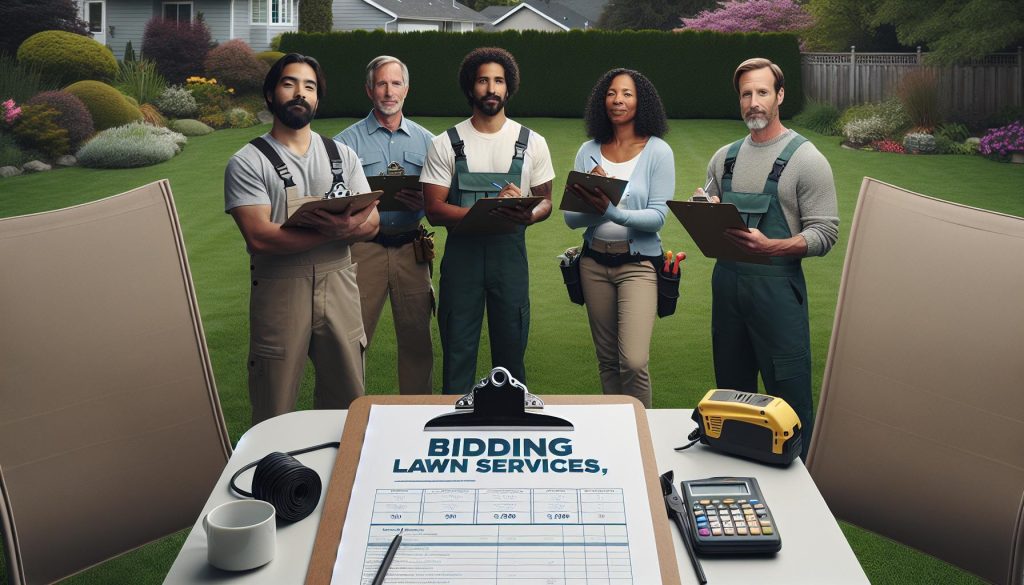
Every lawn care professional knows that crafting a competitive bid can make or break a business. With the right estimate strategies, you not only demonstrate your expertise but also build trust with potential clients. Did you know that a well-structured bid can improve your chances of winning new business by up to 30%? Understanding how to analyze project requirements, account for costs accurately, and present your services compellingly is crucial in an industry where quality lawn care is in high demand. Readers looking to grow their clientele will find value in learning effective bidding techniques, showcasing their unique offerings, and ultimately achieving their financial goals. Dive into our guide to discover the winning strategies that will set you apart in the competitive lawn service landscape and help you secure more contracts with confidence.
Understanding Lawn Service Bidding Basics
Understanding the nuances of bidding for lawn services can significantly impact your success in this competitive market. A well-structured estimate not only reflects your professionalism but also accurately represents the value of your services to potential clients. It’s crucial to approach each bid with a strategic mindset, considering various factors that can influence the final pricing and the perceived value of your work.
Key Elements of Bidding
When preparing your estimate, consider the following essential components:
- Project Scope: Clearly define what services will be provided. This includes mowing, edging, aeration, or fertilization. Be specific so clients understand precisely what they are paying for.
- Time Estimates: Assess how long tasks will take. Providing accurate timeframes can enhance your credibility and trust with clients.
- Material Costs: Include any supplies or equipment necessary for the job. Transparency regarding costs can prevent misunderstandings later.
- Labor Rates: Factor in your hourly or flat rates for labor. Ensure these rates align with industry standards in your locality.
- Geographic Considerations: Understand how location affects pricing, as some areas may warrant higher rates due to demand or complexity.
Each bid should reflect a detailed breakdown that showcases not just the cost but the rationale behind it. Clients appreciate clarity and transparency, which can set you apart from competitors.
Crafting an Attractive Estimate
To enhance the appeal of your estimates, consider using professional templates that are visually engaging. Including your logo, clear headings, and even photos of past work can enhance the presentation. Furthermore, highlighting any unique benefits of your service-such as eco-friendly practices or specialized equipment-can make your proposal more attractive. Consistency in branding across your estimates can also elevate your business’s professional image.
By understanding these bidding basics and implementing best practices, you position yourself as a formidable contender in the lawn service industry, ultimately driving both client satisfaction and business growth.
Essential Factors to Consider in Your Estimate

When compiling your lawn service estimate, it’s crucial to focus on factors that not only convey the details of your offering but also build trust and set the groundwork for successful client relationships. Each component of your estimate should illustrate your professional approach while providing clients with a clear picture of the value they will receive. Failure to properly address these elements may lead to misunderstandings or lost opportunities.
One of the primary aspects to consider is the project scope. Clearly articulating the specific services offered-such as mowing, fertilization, weed control, and landscaping-ensures that clients know exactly what they’re paying for. This level of transparency eliminates ambiguity and fosters trust. Additionally, consider including visual aids, like before-and-after photos or service breakdown charts, to help clients envision the results of your work.
Another essential factor is the time estimates associated with each service. By providing realistic duration estimates, you enhance your credibility and help clients schedule their time accordingly. This aspect is particularly valuable if you can detail the frequency of each service (weekly, bi-weekly, monthly) and its expected impact on the lawn’s health and appearance. Moreover, consider leveraging material costs-include a detailed list of products or supplies used, especially if you utilize eco-friendly materials. This transparency not only justifies your pricing but also appeals to environmentally conscious clients.
Incorporating labor rates that reflect industry standards will also help you maintain competitiveness. Ensure these rates align with the quality of work and attention to detail you provide-clients are often willing to invest more for superior service. Additionally, being attentive to geographic considerations can significantly impact pricing. Rates may need to be adjusted based on the local market demand, travel time, or the complexity of the work, so researching your area thoroughly can provide valuable insights.
By strategically addressing these elements in your estimates, you create a compelling, transparent narrative that speaks directly to potential clients’ needs and instills confidence in your services.
Crafting a Winning Lawn Care Proposal

To capture a potential client’s attention right from the start, your lawn care proposal must resonate with their specific needs and aspirations. The initial impression is crucial, as it can set the tone for your entire pitch. Begin by creating a personalized layout that reflects your understanding of the client’s lawn condition and their desired outcomes. This shows that you are not just offering a one-size-fits-all solution but are invested in delivering tailored results that matter to them.
In your proposal, emphasize the benefits of your services through clear, engaging language and visuals. Use before-and-after scenarios or infographics to illustrate how your work can transform their lawn. Highlight the value of your offerings with specific examples from previous clients, including measurable results such as improved lawn health or increased aesthetic appeal within a specific timeframe. Case studies can be particularly persuasive; they provide tangible evidence of the positive outcomes potential clients can expect.
It’s also vital to incorporate detailed service descriptions with associated costs. Break down each service into comprehensible components: for instance, specify what is included in a lawn mowing service, such as trimming, edging, and clean-up. This clarity prevents surprises later on and builds trust. Alongside services, consider offering tiered packages that cater to varying budgets and needs. This flexible approach not only broadens your potential client base but also allows clients to choose the level of care that suits them best.
Additionally, address potential client concerns directly by including a section on frequently asked questions. Clarifying common doubts about your methods, scheduling, or payment plans right within the proposal can eliminate barriers to decision-making. Moreover, reassure them with a solid satisfaction guarantee, which demonstrates your commitment to quality and client happiness-a key factor in crafting a winning proposal that stands out in a competitive market.
Competitive Analysis: Assessing Local Service Offerings
Understanding your competition is a critical step in crafting effective bids for lawn care services. In a crowded market, what sets your business apart can be as essential as the quality of the services you provide. To gain a competitive edge, start by conducting a thorough assessment of local service offerings. This analysis not only helps you understand pricing structures but also reveals potential gaps in service that you can exploit.
Begin by identifying the main players in your area. Look at businesses offering similar services, from large landscaping companies to smaller, independently owned operations. Pay attention to their service offerings, pricing strategies, and marketing tactics. Consider these points:
- What services do they provide? Are there specialized offerings such as organic lawn care, pest management, or seasonal maintenance?
- How do they structure their pricing? Do they offer packages or a la carte services?
- What is their customer feedback like? Look into reviews to understand what clients appreciate and where competitors might fall short.
After gathering this information, create a competitive matrix comparing your services against those of your rivals. This will highlight not only your strengths but also opportunities for differentiation. For instance, if competitors lack a focus on organic products or do not offer flexible scheduling, these can be highlighted in your proposals as unique selling propositions.
Furthermore, regularly reassess your competition to stay informed about new entrants, changes in pricing, or shifts in customer preferences. This ongoing analysis enables you to adjust your strategies dynamically, ensuring that your bids remain competitive and appealing to potential clients. By positioning yourself as a responsive and knowledgeable service provider, you can effectively communicate the value of your offerings, ultimately leading to winning estimates in this competitive landscape.
Pricing Strategies for Lawn Services: Finding the Sweet Spot
Determining the right pricing strategy for lawn services can significantly impact your ability to win bids and maintain profitability. In a market where consumers are constantly seeking value, finding that balance between competitive pricing and the quality of service can feel like walking a tightrope. Interestingly, research shows that consumers often equate higher prices with better quality, which means setting your rates too low might inadvertently suggest inferiority in your service.
A crucial starting point is to establish a clear understanding of your costs. This includes both direct costs, such as labor and materials, and indirect costs, like overhead and equipment maintenance. Once you have a comprehensive view of your expenses, you can set a base rate that ensures you cover costs while still generating a profit. Next, consider conducting a survey or informal research on what local competitors charge. This gives you a benchmark and helps identify trends in pricing strategies within your area. For instance, you might find that many competitors offer bundled services, which could influence your pricing for service packages.
After analyzing your costs and competitor prices, it’s essential to consider your target market. Are you appealing to budget-conscious homeowners, or are you targeting high-end clients looking for premium service? Tailoring your pricing strategy to align with your target audience can help you position your services effectively. Offering tiered pricing can be a valuable tactic here; this allows clients to select from basic, standard, or premium service packages based on their needs and budget, while also maximizing your revenue potential.
Lastly, don’t forget to communicate the value of your services clearly. When potential clients understand what they are paying for and see the benefits of choosing your company over others, they are often willing to pay a higher price. Incorporating testimonials, showcasing your expertise, and emphasizing unique offerings in your proposals can help justify your pricing and make your bids more competitive. Remember, it’s not merely about finding a price point-it’s about creating a compelling value proposition that resonates with your audience.
Highlighting Your Unique Selling Proposition
In a competitive landscaping market, clearly defining what sets your lawn service apart is not just a good idea-it’s essential for success. Your unique selling proposition (USP) is the key aspect of your business that attracts customers by addressing specific needs or pain points. For instance, if your services specialize in organic lawn care treatments, this can appeal to eco-conscious clients who prioritize sustainability. By positioning your offerings around such core values, you not only differentiate yourself from competitors but also attract a dedicated clientele that shares common values.
Building your USP involves identifying and effectively communicating specific attributes that make your services valuable. Consider these factors when crafting your proposition:
- Quality of Service: Ensure your team is well-trained and consistent in delivering high-quality results. Showcase before and after photos in your proposals to visually confirm your effectiveness.
- Customer Experience: Emphasize responsiveness and personalized communication. Past clients sharing their positive experiences can enhance trust and attract new customers.
- Specialized Services: If you offer unique services-like pest control or landscape design in addition to basic lawn care-highlight these in your marketing efforts.
- Local Expertise: Leveraging your knowledge of local climate and soil conditions can position your services as particularly effective, addressing regional needs that larger, more generic companies may overlook.
In practice, think about how to integrate your USP into all client interactions. When preparing bids, include specific references to your unique offerings, back them with data or testimonials, and discuss potential benefits tailored to the client’s specific lawn care needs. This approach not only enhances your proposals but also showcases your deeper understanding of the market and your clients’ preferences, making you a more appealing option for bidders and clients alike.
Ultimately, a well-articulated USP can be a game-changer in securing bids and loyalty. It provides clarity and assurance to potential clients that choosing your lawn service is not just a choice; it’s a step toward improving and nurturing their outdoor spaces with a dedicated partner who understands their unique requirements. Always strive to keep your USP fresh and relevant, adjusting it as your services evolve or as client needs change.
Building Trust: Tips for Client Communication
Building strong communication channels with clients is paramount in the lawn service industry, where trust can be the deciding factor in securing bids and ensuring customer retention. One compelling statistic suggests that businesses that prioritize effective communication see a 25% increase in customer satisfaction. For lawn care providers, establishing a reputation for clear, responsive communication not only nurtures client relationships but also leads to repeat business and referrals.
To foster trust, begin by being transparent about your services and pricing. Provide detailed estimates that break down costs and explain the reasoning behind your quotes. This clarity can alleviate concerns about overcharging or hidden fees. Incorporate visuals, such as before-and-after photos of your work, to illustrate the impact of your services. Such evidence helps clients visualize the value they can expect, making it easier for them to justify their investment.
Furthermore, active listening is essential. During consultations, encourage clients to share their visions and preferences for their lawns. This engagement shows respect for their ideas and fosters a collaborative atmosphere. Take notes during discussions and follow up with a recap email summarizing what was discussed, which reinforces your commitment to their needs and helps prevent misunderstandings.
Lastly, maintain a consistent presence through regular updates and follow-ups. Whether through email, phone calls, or even brief text messages, check in on ongoing projects and inquire about their satisfaction. This proactive approach not only demonstrates your dedication but also opens doors for feedback, which is invaluable in refining your services and enhancing the customer experience. By prioritizing transparent, empathetic, and consistent communication, lawn care providers can build lasting trust with their clients, solidifying their position in a competitive market.
Effective Follow-Up Techniques After Verbal Estimates
Following up effectively after providing verbal estimates is a vital step in the lawn service bidding process that can significantly influence client decisions. A survey indicates that nearly 80% of clients prefer receiving follow-ups shortly after an estimate, showcasing the importance of timely communication. Not only does this demonstrate your professionalism, but it also reiterates your commitment to providing excellent service.
To initiate a successful follow-up, begin by sending a personalized email or text message within 24 hours of the estimate. This message should thank the client for their time, express enthusiasm about the potential project, and summarize the key points discussed during the initial meeting. Ensuring that your communication is friendly yet professional sets a positive tone and reinforces their perception of your brand. Use this opportunity to reiterate the benefits of your services, making them feel valued and understood.
As part of your follow-up strategy, consider including additional materials that can aid the client in their decision-making process. For example, attaching photos of previous work or testimonials from satisfied customers can help alleviate any doubts they might have. You might also offer to answer any lingering questions they may have, further establishing your role as a helpful advisor rather than merely a service provider.
Timing and Techniques
Understanding when to follow up is just as crucial. A common practice is to follow up twice: once shortly after the estimate and again a few days later if no response has been received. During the second follow-up, you might inquire if they need further clarification or if they have made a decision, demonstrating persistence without being pushy.
Implementing a systematic approach can streamline this process. Create a follow-up calendar that includes reminders for when to send proposals and follow-up communications. This practice not only ensures timely outreach but also helps you keep track of your potential client interactions, allowing for more personalized follow-ups based on their specific needs and discussions.
By leveraging these effective follow-up techniques, lawn care providers can enhance their chances of securing bids and fostering strong, trusting relationships with clients. This proactive engagement encourages clients to choose your services over competitors, further solidifying your position in the market.
Leveraging Seasonal Trends in Your Bidding Strategies
Understanding the patterns of lawn care seasons can set your business apart in a competitive market. As the seasons change, so do the needs of your clients, providing a perfect opportunity to tailor your bidding strategy to align with these variations. For example, spring is often viewed as a fresh start, prompting homeowners to invest in lawn services that promote lush growth and vibrant landscapes. By recognizing these seasonal priorities, you can create more compelling estimates and proposals that resonate with potential clients.
Incorporating seasonal themes into your bids not only showcases your awareness of client needs but also highlights your expertise. During peak seasons, such as spring and fall, when lawn care demand surges, consider offering special packages that bundle multiple services like fertilization, aeration, and weed control. This strategy can increase perceived value and may encourage clients to choose comprehensive care options rather than piecemeal solutions, ultimately maximizing your profitability.
Timing is equally crucial. For instance, as winter approaches, homeowners may lean toward services that prepare their lawns for cold weather, such as winterization treatments. Leveraging this knowledge allows you to present timely and relevant proposals, potentially reducing hesitation among clients. Additionally, keep an eye on local market trends. If you notice that competitors are offering discounts for early spring bookings, consider adjusting your proposals to remain competitive while still maintaining profitability.
Lastly, don’t underestimate the power of effective communication throughout the year. Use seasonal updates in your client outreach-whether through newsletters, social media, or direct emails-to inform clients about the upcoming services that coincide with the changing seasons. Highlighting these services not only keeps your business top-of-mind but also helps clients understand the benefits and necessity of each seasonal service, reinforcing your position as a trusted expert in lawn care.
Common Mistakes to Avoid When Bidding Lawn Services
Crafting the perfect bid for lawn care services can significantly impact not only your success but also your reputation in a competitive market. One common mistake many service providers make is underestimating the complexity of their bids and the various factors that contribute to a successful proposal. Failing to account for expenses like equipment maintenance or seasonal fluctuations in labor costs can lead to bids that are too low, which not only eats into profits but can also jeopardize service quality.
Another frequent misstep is neglecting to engage with potential clients on a personal level. Many bidders rush through the process without truly understanding their clients’ unique needs and preferences. This oversight can lead to generic proposals that fail to resonate with clients. Instead, take the time to ask strategic questions about their lawn care history, desired outcomes, and any concerns they may have. This personal touch can differentiate your service and increase the likelihood of landing the contract.
Lack of detail in the bid itself is another critical pitfall. Providing vague descriptions of services and unclear pricing can confuse potential clients and breed mistrust. Instead, ensure your proposals are comprehensive and transparent. Break down costs associated with labor, materials, and additional services, and consider including a timeline for when clients can expect the work to be completed. Including these details not only clarifies expectations but also demonstrates professionalism and builds credibility.
Lastly, many lawn service providers fail to follow up after submitting their estimates. This can be a missed opportunity to address concerns or provide further clarification. It’s essential to establish a proactive follow-up system where potential clients are contacted to discuss their thoughts on the proposal. This can open the door for negotiations and strengthen the relationship, further improving your chances of securing the contract. By avoiding these common mistakes, you can enhance your bidding process and build a more successful lawn care business.
Upselling Techniques: Expanding Your Client Offerings
In the competitive world of lawn care, mastering the art of upselling can significantly enhance your service offerings and increase your overall revenue. Clients often appreciate personalized touchpoints that enhance the beauty and health of their lawns. By introducing additional services that complement the core offerings, you not only meet their needs but also cultivate long-term relationships that set you apart from competitors.
One effective method of upselling is to assess the current condition of a client’s lawn during your initial evaluation. If you notice areas that could benefit from specialized treatments, such as weed control, pest management, or soil aeration, propose these services alongside your standard mowing and fertilization packages. For instance, you might say, “While you’re currently considering weekly mowing, I noticed your lawn could benefit from aeration to promote healthier growth. It’s a great investment for the upcoming season.” This approach not only demonstrates your expertise but also positions you as a trusted advisor genuinely invested in their lawn’s health.
Another technique involves bundling services together at a discounted rate. Clients are often more willing to invest in multiple services if it feels like a special offer. Create service packages that include seasonal clean-ups, fall leaf removal, or landscaping enhancements combined with regular lawn maintenance. For example, offer a “Spring Revitalization Package” that includes a deep clean, mowing for the season, and the first round of fertilizer at a reduced price. Highlighting the potential savings makes the upsell appealing and can drive client commitment.
Establishing a seasonal communication plan can further facilitate upselling. Use email or direct mail campaigns to inform clients of services specific to the time of year. For instance, sending out reminders about preparing their lawn for winter or alerting them to emerging pests in the spring can create a prompt for service upgrades. Make sure to include testimonials or success stories from previous clients who benefited from similar additional services. Clients who see compelling evidence of your work are more likely to invest in those offerings themselves.
Incorporating these upselling strategies requires a delicate balance of timing and relevance, but when executed properly, they can dramatically enhance your business’s profitability and client satisfaction. By approaching upselling neither as a hard sell nor an afterthought, you cultivate an environment where clients trust your recommendations, deepening their investment in your lawn care services.
Maximizing Profit Without Compromising Quality
In the competitive landscape of lawn care services, achieving profitability while maintaining quality is not just a goal; it’s a necessity for longevity in the business. As you fine-tune your bidding strategies, consider the balance between offering competitive prices and ensuring the top-notch service that keeps clients returning. One pivotal aspect is the careful selection of services that provide value without stretching your resources too thin.
By employing effective scheduling and route optimization, you can enhance efficiency, reducing operational costs. For instance, grouping clients who live in proximity can save fuel costs and time, ultimately allowing you to pass on some savings in your estimates while maintaining healthy profit margins. It’s also beneficial to adopt technology for job management; software can track tasks, schedules, and client preferences, minimizing errors and maximizing your output.
Investing in Training is another essential avenue. Equip your team with skills that enhance their performance and efficiency. A well-trained crew works faster and delivers superior quality, which means you can take on more jobs without compromising service. Regular training not only boosts morale but also reduces the likelihood of costly mistakes or repeat visits, allowing you to maintain a clean reputation while controlling your expenses.
To further maximize profit, consider evaluating your pricing model. Shift towards value-based pricing where you align your charges with the perceived value to the client rather than solely based on cost. Understanding the specific needs and pain points of your customers allows you to present tailored solutions that resonate more deeply, thereby justifying a higher price. For example, if you highlight the long-term savings from a service like soil aeration, clients may be more inclined to invest, recognizing the quality and expertise you bring to the table.
Overall, maintaining the quality of service while maximizing profit requires a combination of strategic planning, effective execution, and client education. By finding innovative ways to operate efficiently and communicate value, lawn care businesses can thrive in a competitive market without sacrificing the standards that bring customers back.
Q&A
Q: How do I determine the right pricing for my lawn service bids?
A: To determine the right pricing, consider factors like local market rates, the size and condition of the lawn, and your operational costs. Conduct a competitive analysis as outlined in the section on Competitive Analysis: Assessing Local Service Offerings to find a balance between competitiveness and profitability.
Q: What are key elements to include in a lawn service proposal?
A: A winning lawn service proposal should include a clear scope of work, detailed pricing, projected timelines, and any guarantees. Enhance your proposal by highlighting your unique selling proposition, as suggested in the section Highlighting Your Unique Selling Proposition.
Q: How can I build trust with potential lawn care clients during the bidding process?
A: Building trust starts with clear communication and transparency. Share testimonials, and establish a professional presence. As suggested in Building Trust: Tips for Client Communication, reassure clients by being honest about what services you provide and setting realistic expectations.
Q: What common mistakes should I avoid when bidding for lawn services?
A: Common mistakes include underestimating costs, failing to adequately assess the lawn conditions, and neglecting client needs. Refer to the section Common Mistakes to Avoid When Bidding Lawn Services for detailed strategies to enhance your bidding process.
Q: When is the best time to adjust my lawn service pricing?
A: The best times to adjust pricing are typically at the start of the growing season or after significant economic changes. Use insights from your seasonal trends to make these adjustments strategically, as discussed in Leveraging Seasonal Trends in Your Bidding Strategies.
Q: How does offering upselling options benefit my lawn service bids?
A: Upselling can increase your revenue by offering clients additional services that enhance their primary service, such as fertilization or pest control. Explore insights from Upselling Techniques: Expanding Your Client Offerings to effectively incorporate upsells into your bids.
Q: What strategies can I use to follow up after providing a lawn service estimate?
A: Effective follow-up techniques include sending a thank-you email, providing a recap of the proposal, and inviting potential clients to ask questions. Learn more in the section Effective Follow-Up Techniques After Verbal Estimates for maximizing client engagement.
Q: How important is seasonal demand in lawn service bidding?
A: Understanding seasonal demand is critical as it influences pricing and service offerings. Busy seasons can require flexible pricing strategies to accommodate demand fluctuations, as discussed in Leveraging Seasonal Trends in Your Bidding Strategies.
Closing Remarks
You’ve now equipped yourself with powerful strategies to bid on lawn service jobs effectively. Remember, crafting a compelling estimate not only showcases your expertise but also builds trust with potential clients. Don’t let opportunities slip away-implement these techniques today to stand out in the competitive lawn care market.
For more insights, explore our articles on lawn maintenance tips and effective lawn care strategies. If you have questions or want to share your bidding experiences, leave a comment below! Sign up for our newsletter to stay updated with the latest tips and innovations in lawn care that can help you grow your business. Act now and take your lawn service bidding to the next level!