Did you know that racing lawn mowers can reach speeds of over 60 miles per hour? Building your own racing mower isn’t just about high-speed thrills-it’s an exciting DIY project that combines creativity, engineering, and a touch of competition. Whether you’re looking to turn weekend chores into adrenaline-filled adventures or simply want to showcase your skills at local races, this guide will walk you through the essential steps to create a powerhouse mower that stands out on and off the track. From choosing the right components to tuning your machine for peak performance, you’ll discover practical tips and expert insights to fuel your passion for speed. Prepare to transform a common lawn mower into a roaring race machine and join a lively community of fellow enthusiasts eager to share tips and techniques. Ready to rev up your engines? Let’s dive into the world of racing lawn mowers!
Understanding the Basics of Racing Lawn Mowers
Building a racing lawn mower is more than just a fun weekend project-it’s an exhilarating blend of engineering, creativity, and competition. The essence of a racing lawn mower lies in its ability to transform a traditional mowing machine into a high-speed contender on the track. To grasp the fundamentals of racing lawn mowers, one must understand both their functional components and the thrilling community that surrounds this unique sport.
At its core, a racing lawn mower is designed for speed and agility rather than just cutting grass. These modified machines typically maintain the mower’s original chassis but undergo significant improvements to enhance performance. This includes upgrades to the engine, chassis modifications for better aerodynamics, and the installation of high-performance tires. The goal is to create a mower that can navigate tight turns and accelerates swiftly without compromising stability. Enthusiasts often prioritize safety features, ensuring that while they’re chasing speed, they don’t overlook essential protective measures.
One of the most captivating aspects of racing lawn mowers is the variety of modifications that can be made. The creativity involved in transforming a mundane garden tool into a racing machine knows no bounds-from paint jobs to customized decals that reflect personal style or team spirit. Understanding the dynamics of weight distribution and power-to-weight ratio is crucial for competitive performance. For example, lighter components can significantly improve acceleration and handling, allowing racers to achieve top speeds while maneuvering through challenging courses.
In summary, racing lawn mowers are emblematic of grassroots motorsport. Their appeal lies not only in the thrill of racing but also in the camaraderie among builders and racers, which fosters a vibrant community. Engaging with this sport opens a world of innovation and friendly competition, making it a rewarding endeavor for DIY enthusiasts and racing fans alike.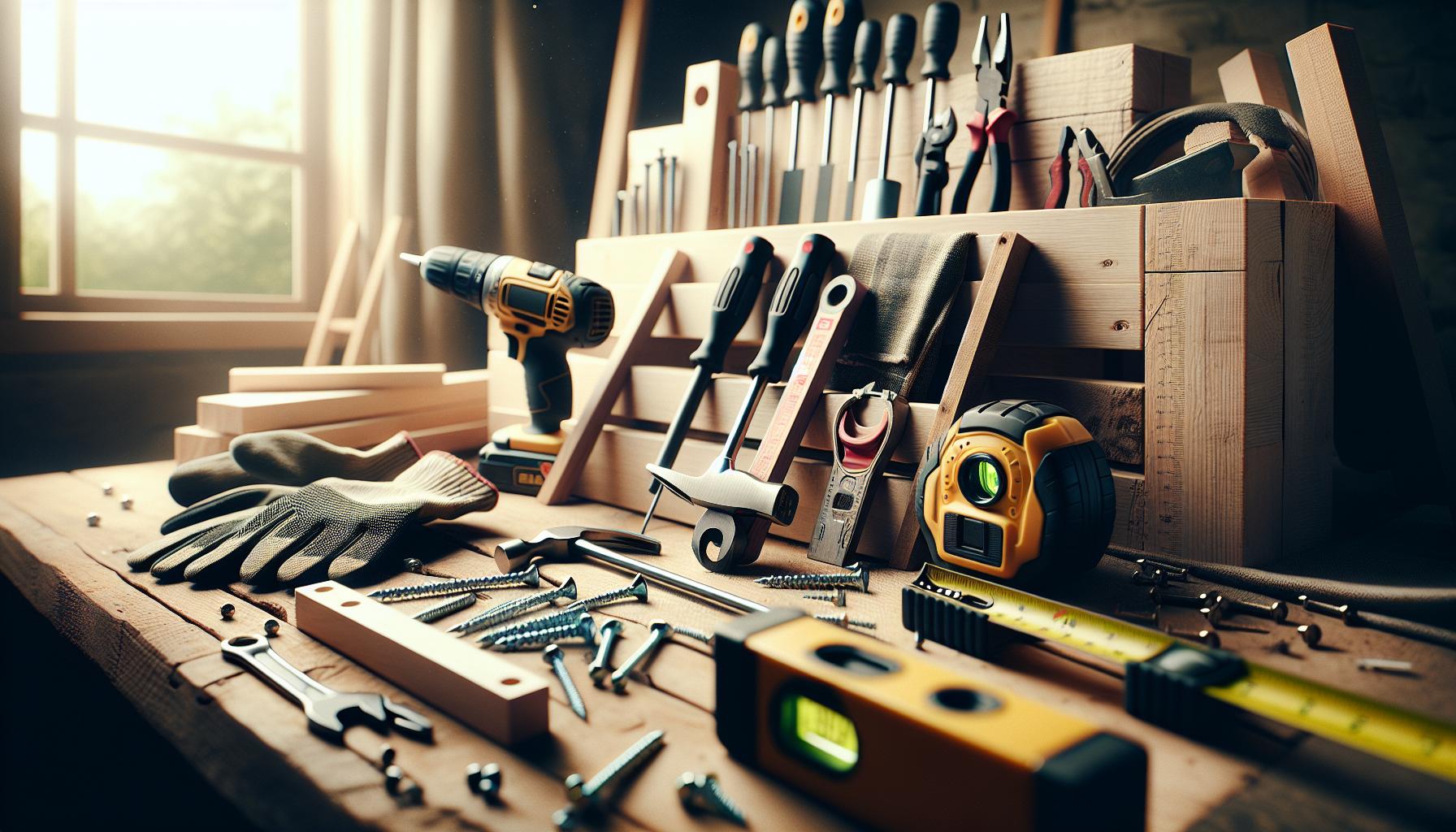
Essential Tools for Your DIY Project
Building a racing lawn mower is an exciting adventure, but having the right tools can make or break your project. Imagine gearing up with everything you need, from basic hand tools to specialized equipment, allowing you to turn your imaginative designs into a roaring reality. Not only does this equip you for assembly, maintenance, and modifications, but it also enhances safety while ensuring that your racing mower meets performance standards. Below is a detailed guide to the essential tools you’ll need for your DIY project.
Basic Hand Tools
Every aspiring mower builder should start with the basics. Hand tools are invaluable for adjusting, assembling, and fine-tuning your mower. Ensure you have the following:
- Wrenches: A set of adjustable and socket wrenches will be crucial for loosening and tightening bolts on the chassis and engine.
- Screwdrivers: A variety of flathead and Phillips screwdrivers will allow you to tackle different types of fasteners.
- Pliers: Needle-nose and standard pliers help grip and manipulate parts in tight spaces.
- Snips and Cutters: Wire cutters and snips will be useful for cutting cables and metal components.
Power Tools for Efficient Work
While hand tools are essential, power tools can drastically reduce the time and effort required for your project. The right power tools can aid in cutting, drilling, and assembling key components, enhancing both precision and efficiency.
- Drill: A cordless drill with a variety of bits will help you create holes for fixtures and fasteners.
- Angle Grinder: This tool is perfect for modifying metal parts, smoothing edges, and making precise cuts.
- Jigsaw: Great for cutting through various materials, a jigsaw will allow for intricate cuts and shaping of body panels.
- Impact Wrench: This will make installing and removing bolts quicker and easier, especially in high-torque applications.
Measuring and Marking Tools
Precision is key when building a racing mower to ensure that all modifications serve their purpose. Accurate measurements will save you from costly mistakes down the line.
- Tape Measure: Essential for all kinds of measurements, from chassis modifications to overall size.
- Square and Level: These tools will ensure that your cuts are straight and that your components are aligned correctly.
- Marker: Use permanent markers or chalk to indicate where cuts will be made or modifications will occur.
Safety Equipment
It’s vital to prioritize safety during your project. Racing lawn mowers can reach high speeds, so protecting yourself while building is crucial.
- Safety Glasses: Always wear these when cutting or grinding to protect your eyes from debris.
- Ear Protection: Use earplugs or earmuffs to protect your hearing when operating power tools.
- Gloves: Heavy-duty work gloves will protect your hands while allowing dexterity during assembly.
By equipping yourself with these essential tools, you’ll create an efficient workspace and set the foundation for a successful racing lawn mower build. Investing in quality tools not only enhances your current project but also prepares you for any future DIY endeavors in the exciting world of modified racing machines.
Choosing the Right Lawn Mower for Racing
When it comes to building a racing lawn mower, the foundation of your project lies in selecting the right mower. Not all lawn mowers are created equal, and choosing one that can handle the modifications required for racing is essential. A well-chosen mower can significantly influence your project’s success and your racing experience.
Different types of lawn mowers serve different purposes, and for racing, you’ll want something robust and relatively powerful. Look for models with a strong engine, ideally a riding mower, which typically has a larger, more powerful motor compared to push mowers. The engine size should be at least 12 horsepower-the more power you have, the faster you can go. Additionally, consider the mower’s weight; lighter mowers tend to accelerate quicker but may lack stability at high speeds.
Before making a purchase, assess local racing regulations, as they can dictate specific mower specifications you must follow. Online and local racing communities often provide insights into which mower models perform best on the track, reflecting the real-world experiences of other enthusiasts. Popular options for racing mowers include the Craftsman Riding Mower and Cub Cadet models due to their availability of parts and ease of modification.
Remember that a mower’s chassis plays a crucial role in how well it will perform on the race track. Look for a mower with a sturdy frame and good design to allow for effective modifications. The chassis should be easy to work on, allowing you to make adjustments to enhance strength and rigidity, which is paramount for handling at high speeds.
In summary, the right lawn mower for racing not only needs power but also agility and the potential for significant customization. Choosing wisely can set the stage for a thrilling DIY project that combines speed and fun on the tracks.
Upgrading Your Lawn Mower’s Engine for Speed
Unlocking the full potential of your racing lawn mower starts with upgrading its engine. This critical step can dramatically enhance speed and performance, turning a standard mower into a racing powerhouse. Lawn mower engines typically range from 12 to 20 horsepower, and while some base models can be adequate, serious racers often seek out higher performance upgrades to achieve that competitive edge.
One of the most effective ways to boost engine performance is by replacing the stock engine with a larger, more powerful option. Consider engines from brands like Briggs & Stratton or Honda, known for their reliability and performance. Switching to a performance carburetor can also yield significant gains, as it optimizes air and fuel flow for improved acceleration. In addition, upgrading the exhaust system allows for better engine breathing and can generate a more aggressive sound, adding to the racing experience.
Essential Engine Modifications
To further enhance speed, incorporate several modifications:
- Change the Gearing: Opt for a high-performance drive belt and pulleys designed to increase speed.
- Increase Compression: Modifying the cylinder head for higher compression can lead to a substantial boost in horsepower.
- Install a Performance Camshaft: A camshaft designed for racing can improve engine efficiency and overall power output.
- Cooling System Enhancements: Upgrading the cooling system prevents overheating, which is essential when pushing the engine to its limits.
Keep in mind that each modification may require careful tuning of your mower’s settings. Ensuring proper ignition timing and jetting of the carburetor ensures that your engine runs smoothly and efficiently, maximizing the benefits of your hard work.
Upgrading your lawn mower’s engine is not just about speed; it’s about creating an exhilarating racing experience. Whether you’re on a modest lawn or a professional track, the roar of an upgraded engine, coupled with well-thought-out modifications, can transform your mower into a show-stopping competitor. Embrace the challenge and enjoy the ride as you push your racing mower to new speeds.
Modifying the Chassis for Improved Performance
To truly elevate your racing lawn mower’s performance, focusing on the chassis is essential. The chassis forms the foundation of your mower, combining strength and agility needed for high-speed maneuvers. As you embark on modifying this critical component, it’s crucial to consider both weight reduction and structural reinforcement, which can significantly impact handling and speed.
One effective way to enhance your mower’s chassis is by lightening its weight. Begin by removing any unnecessary parts, such as the lawn mower’s deck and accessories that don’t serve a racing purpose. Replacing heavy metal components with lighter materials like aluminum or high-strength plastics can drastically reduce overall weight while maintaining durability. This reduction in weight translates to increased speed and improved acceleration, enabling your mower to respond more quickly to steering inputs.
Additionally, strengthening the chassis is paramount to handling the rigors of racing. Consider reinforcing key areas such as the frame and suspension mounts to prevent flexing during sharp turns or sudden stops. You can achieve this by adding brace bars or gussets at critical junctions. A well-structured chassis allows for better weight distribution, enhancing traction and stability when navigating corners at high speeds.
It’s also beneficial to adjust your mower’s wheelbase. A longer wheelbase can provide more stability at high speeds, while a shorter wheelbase can enhance agility and cornering. Experimenting with different configurations will help you find the perfect balance for your racing style. Additionally, lowering the center of gravity by positioning the engine lower in the chassis can further stabilize your mower, improving its handling characteristics under race conditions.
In summary, attention to the chassis can yield substantial improvements in both speed and handling for your racing lawn mower. By employing strategies such as weight reduction, structural reinforcement, and optimizing the wheelbase, you can create a competitive machine that thrives on the racetrack. Remember, every modification counts in the quest for the ultimate racing experience.
Tuning the Suspension for Optimal Handling
Adjusting the suspension of your racing lawn mower can significantly enhance its handling, allowing for sharper steering, reduced body roll, and improved stability during high-speed maneuvers. A well-tuned suspension maximizes the traction of your mower’s tires, ensuring optimal performance on various track surfaces. Before diving into the specifics, it’s crucial to understand that the ultimate goal is to strike a balance between comfort and control.
To begin, one effective way to tune your mower’s suspension is by adjusting the spring rates. This involves choosing springs that match your mower’s weight and the type of racing you’ll be doing. Softer springs provide better traction on rough terrain, while stiffer springs enhance stability during fast cornering. You might find it beneficial to experiment with different spring setups to identify the right configuration for your racing style. Consider the following options when selecting springs:
- Progressive Rate Springs: These springs offer a softer initial ride, becoming stiffer as they compress, suitable for tracks with bumps or irregularities.
- Linear Rate Springs: Providing consistent resistance throughout their travel, these are ideal for smooth surfaces and high-speed racing.
Another critical aspect is the shock absorbers. Upgrading to high-performance shock absorbers can greatly improve responsiveness and damping characteristics. Adjustability is a key feature to look for; many racing shocks allow you to modify the rebound and compression settings. A quicker rebound can help the mower maintain contact with the ground, while increased compression can minimize excessive bounce.
Lastly, consider adjusting the ride height and camber settings. A lower ride height can lower the center of gravity, improving handling during turns but may hinder ground clearance on uneven tracks. Experimentation is key; find a balance where your mower feels stable without sacrificing too much ground clearance. Additionally, setting a slight negative camber on the front tires can improve cornering grip, allowing for tighter turns without losing traction.
In summary, fine-tuning the suspension of your racing lawn mower is essential for maximizing its handling and performance on the track. By taking into account spring rates, high-quality shock absorbers, and careful adjustments to ride height and camber, you can tailor your mower’s suspension to suit your specific racing demands. Investing time in these adjustments not only enhances your mower’s performance but also makes for a more enjoyable racing experience.
Installing Racing Tires: What You Need to Know
Choosing the right tires for your racing lawn mower can significantly impact your performance on the track. Tires are the only contact point between your mower and the ground, influencing traction, speed, and handling during races. When looking for racing tires, you’ll want to consider several important factors, including tire type, tread pattern, and size, all of which can optimize your mower for various racing conditions and terrains.
Types of Racing Tires
There are generally two main types of racing tires to consider: slicks and treaded. Slick tires, which have a smooth surface without any tread, provide maximum contact with the ground and are ideal for dry, smooth surfaces. They excel in situations where speed is critical, as they offer superior grip. On the other hand, treaded tires are better suited for wet or uneven surfaces where water drainage and grip on rough terrain are necessary. Depending on the racing conditions you expect to face, choosing the appropriate type will ensure optimal performance.
Tread Patterns and Traction
The tread pattern is another critical aspect of tire selection. Unique tread designs can either enhance traction or make your mower less stable. For instance, deeper grooves can offer better grip on muddy or wet tracks, while a flatter pattern can reduce rolling resistance on dry surfaces. Before finalizing your choice, assess the types of tracks you plan to race on, and consider testing different tread designs to find the balance that best suits your racing style.
- Cross-Ply Tires: These provide a softer ride and better grip but can be less durable, making them suitable for softer tracks.
- Belted Tires: They offer more durability and stability at high speeds, fitting for both outdoor and indoor racing.
Size Matters
Tire size also plays a crucial role in performance. Larger tires might provide better grip but can increase the overall weight and drag of the mower. Balancing tire size with your mower’s power and intended racing type is vital. Measure the wheel wells and ensure that the new tires fit without rubbing against other components during operation.
In your quest for speed, remember that the right tires not only enhance performance but also contribute significantly to your safety during races. Proper tire selection can lead to better handling and acceleration, allowing you to navigate sharp turns with greater confidence. As you gear up for your next race, investing time in researching and testing various tire options will undoubtedly yield competitive advantages on the track.
Customizing Your Racing Lawn Mower’s Aesthetics
Customizing the look of your racing lawn mower is not just about aesthetics; it’s an opportunity to express your personality and enhance your presence on the track. A well-designed mower can turn heads and may even intimidate your competitors before the race begins. Consider that the visuals of your mower can be as thrilling as its performance. From the vibrant paint job to sleek body modifications, every detail counts.
One effective way to start personalizing your mower is through a custom paint job. Bright colors and unique designs can make your mower stand out. Consider using automotive paint, which is durable and can withstand the wear and tear of racing. Adding racing stripes, flames, or even a team logo can give your mower a professional look. If you’re not confident in your painting skills, there are also vinyl wraps available that can provide a similar effect without the mess.
Adding Accessories and Detailing can further enhance your mower’s appearance. Look for aftermarket parts like custom grills, spoilers, or seat covers that not only improve the look but can also add a touch of personalization. LED lights can also be a striking addition, not just for aesthetics but for visibility at night races. A clean and polished mower is always appealing, so don’t overlook the importance of cleaning and detailing your machine before competitions.
Lastly, consider the overall theme you want to achieve. Whether it’s a sleek, minimalist design or a vibrant, eye-catching racer, having a cohesive theme can elevate your mower’s look significantly. A well-thought-out design reflects on your dedication to racing and can inspire you as you compete. In racing, where every detail can matter, investing time in customizing your mower’s aesthetics can provide you with both a psychological edge and a unique identity on the track.
Safety Considerations for Racing Lawn Mowers
Racing lawn mowers may seem like a fun pastime, but the inherent dangers of high speeds and mechanical failure can quickly turn an exhilarating experience into a hazardous one. Prioritizing safety is not just a regulatory requirement; it’s a personal responsibility to protect yourself and others on the track. Understanding and implementing safety measures can make a significant difference in your racing experience, ensuring that you can enjoy the thrill of competition while minimizing risks.
One of the primary safety features to consider is proper protective gear. Always wear a suitable helmet that meets safety standards; a full-face helmet is recommended for maximum protection. In addition to headgear, wearing long sleeves and pants made from durable materials can shield your skin from injuries, and heavy-duty gloves will help maintain grip on the controls. For added protection, consider investing in a racing suit and specialized footwear designed for motorsports, ensuring that you maintain both performance and safety.
Moreover, your mower’s design and modifications play a crucial role in your safety. Make sure your mower is equipped with proper safety features such as a kill switch, which can immediately shut off the engine in an emergency. It’s also advisable to reinforce the chassis and install a roll cage to protect against rollovers, which can occur at high speeds. Furthermore, ensuring that all components are in top condition before racing-checking brakes, tire pressure, and fluid levels-can prevent mechanical failures that might lead to accidents on-course.
Finally, familiarize yourself with the racing venue and adhere to the established rules and guidelines. Each track will have specific safety protocols, including speed limits and designated areas for service and repairs. Joining a local racing club can also provide access to training sessions where novice racers can learn proper techniques and best safety practices. Engaging with the community not only enhances your racing skills but also places you among others who share a commitment to safe and responsible racing. Taking these precautions ensures not just your safety but also contributes to a more enjoyable racing experience for everyone involved.
Testing and Fine-Tuning Your Racing Mower
After investing time and effort into building your racing lawn mower, the key to unlocking its full potential lies in the testing and fine-tuning process. This step is crucial, not only for optimizing performance but also for ensuring your safety on the track. Proper testing allows you to gather essential data about the mower’s functionality, speed, and stability, giving you the chance to make informed adjustments.
To start, take your mower out for a controlled test run in a safe environment. This could be a private track or a large, open field where you can monitor its performance without interruption. During your initial tests, pay close attention to various factors, such as acceleration, handling, and braking. Note any unusual vibrations, sounds, or handling characteristics that could signal mechanical issues. This introductory run helps establish a baseline for your mower’s performance, serving as a reference for future modifications.
Once you have a baseline established, you can systematically tweak specific components to enhance performance. Begin by adjusting the carburetor settings to optimize fuel delivery, which can significantly improve horsepower and throttle response. If your mower is equipped with adjustable suspension, experiment with different settings to find the best balance for handling. Keep a detailed log of changes and their effects, as this will help you track improvements and troubleshoot any issues that arise.
Moreover, regular maintenance checks are vital to ensure all modifications perform consistently. Inspect your mower’s critical components, such as the engine, bearings, and transmission, for wear and tear, as performance can deteriorate over time. Replace any aged elements promptly to prevent failures during competitions. In addition, consult resources from experienced racers and local racing clubs to gain insights and tips on tuning techniques specific to your mower model.
Finally, do not underestimate the value of using telemetry or timer systems to capture detailed performance data. These tools can provide insights into lap times, acceleration patterns, and even tire performance, enabling you to refine your tuning more precisely. With diligent testing and adjustments, you will not only enhance your mower’s speed and agility but also boost your confidence as a racer, preparing you for competitive events ahead.
Joining the Racing Community: Tips and Resources
Becoming part of the racing lawn mower community can be an exhilarating experience that not only enhances your skills but also opens doors to valuable friendships and resources. Engaging with fellow enthusiasts can provide you with insights into the best techniques, modifications, and racing strategies. To get started, consider attending local racing events or joining clubs dedicated to lawn mower racing, where you can connect with others who share your passion for speed and competition.
Resources to Connect and Learn
Here are a few ways to dive into the racing community:
- Online Forums and Groups: Many websites and social media platforms host forums specifically for racing lawn mowers. Joining these groups will allow you to ask questions, share experiences, and get advice from seasoned racers who have navigated the same path.
- Local Racing Clubs: Find a local lawn mower racing club in your area. These clubs often organize races, workshops, and meet-ups that can help you learn hands-on about modifications and racing techniques.
- Racing Events: Attend races, whether as a participant or a spectator. Events often feature vendor booths where you can find useful parts, tools, and accessories, along with opportunities to interact with experienced racers.
- Workshops and Clinics: Look for workshops hosted by experienced racers or mechanics. These can provide practical, in-depth knowledge about building and fine-tuning your mower.
Tips for Active Participation
As you dive deeper into the community, consider these tips to make the most of your experience:
- Volunteer: Offer your help at local events or within clubs. This can provide invaluable networking opportunities and a chance to gain hands-on experience.
- Share Your Journey: Document your build process and share it with the community through blogs, videos, or social media. This not only inspires others but can also lead to constructive feedback and advice.
- Seek Mentorship: Don’t hesitate to reach out to experienced racers for guidance. Most members of the community are more than willing to share their expertise with newcomers.
By immersing yourself in the racing lawn mower community, you can significantly enhance your knowledge, skills, and enjoyment of the sport. Embrace the camaraderie and shared passion that comes with being part of this unique racing niche, and you’ll quickly find your place among fellow enthusiasts.
Showcasing Your Racing Lawn Mower: Events and Competitions
One of the most exciting aspects of building and racing your own lawn mower is showcasing your hard work and creativity at various events and competitions. These gatherings not only provide an opportunity to demonstrate your custom mower’s speed and agility, but they also allow you to connect with other enthusiasts and share insights. From local races to national championships, being part of the racing scene can enhance your skills and broaden your appreciation for this unique sport.
Participating in competitions requires preparation and a clear understanding of the event rules. Different organizations may have various classes based on mower modifications, engine sizes, and safety standards. Always check the specific regulations for the event you plan to enter. It’s also beneficial to attend a few races as a spectator before competing to familiarize yourself with event formats, pit setups, and the overall atmosphere. Watching seasoned racers can offer insights into effective racing techniques and the community’s camaraderie.
To maximize your presence at events, consider contributing to the culture by displaying your mower prominently. Create a visually striking setup, complete with banners or posters that detail the modifications made to your mower. This not only attracts attention but can also spark conversations with fellow racers and spectators. Engaging with the crowd can lead to meaningful connections and possibly even sponsorship opportunities.
Lastly, keep an eye on both local and regional races, as well as larger events, to find the right platform for showcasing your racing lawn mower. Events like the National Lawn Mower Racing Association (NALMRA) championships attract competitors from diverse backgrounds, offering a perfect stage for your mower. Engaging fully in these competitive environments will not only elevate your racing experience but also refine your skills, making each subsequent race even more thrilling and fulfilling.
Frequently Asked Questions
Q: What materials do I need to build a racing lawn mower?
A: To build a racing lawn mower, you’ll need a base mower chassis, a high-performance engine, racing tires, suspension components, and safety gear such as a helmet. For customization, consider paint, decals, and lightweight materials like aluminum for the chassis. Refer to the “Essential Tools for Your DIY Project” section for a detailed list.
Q: How can I improve the aerodynamics of my racing lawn mower?
A: Enhancing aerodynamics involves ensuring a streamlined shape and reducing any protrusions. You can install a lower profile hood, eliminate excess body parts, and use fairings or covers where necessary. For more on modifying the chassis, check the “Modifying the Chassis for Improved Performance” section.
Q: What are the best racing lawn mower engines for speed?
A: The best racing lawn mower engines typically include high-performance models like the Honda GX series or Briggs & Stratton Animal engines. These engines offer a good balance of power and torque. For tips on upgrading your engine, visit the “Upgrading Your Lawn Mower’s Engine for Speed” section.
Q: How do I tune my racing lawn mower for optimal performance?
A: To tune your racing lawn mower, adjust the carburetor for the correct air-fuel mixture, check spark plug performance, and ensure proper tire pressure. Regularly test and fine-tune components based on feedback from test runs. Refer to the “Testing and Fine-Tuning Your Racing Mower” section for detailed instructions.
Q: What safety gear do I need when racing lawn mowers?
A: Essential safety gear includes a DOT-approved helmet, gloves, long pants, and closed-toe shoes. It’s also wise to wear a fire-resistant suit. For additional safety considerations, consult the “Safety Considerations for Racing Lawn Mowers” section.
Q: Where can I find racing lawn mower competitions?
A: Racing lawn mower competitions are usually found at local motor sports tracks or garden shows. Websites like racing clubs and forums often list upcoming events. For community resources, see the “Joining the Racing Community: Tips and Resources” section for guidance.
Q: How can I troubleshoot engine issues on my racing lawn mower?
A: To troubleshoot engine issues, start by checking the fuel supply, spark plug condition, and air filter cleanliness. Run diagnostics on the ignition system, and inspect for any leaks or unusual noises. The “Upgrading Your Lawn Mower’s Engine for Speed” section offers further troubleshooting insights.
Q: What modifications can enhance handling on a racing lawn mower?
A: Enhancing handling can be achieved through suspension upgrades, lowering the center of gravity, and fine-tuning the wheel alignment. Adjusting tire pressure and choosing the right suspension components also helps. For further information, see the “Tuning the Suspension for Optimal Handling” section.
In Summary
Congratulations on taking the first step toward building your very own racing lawn mower! By mastering the techniques and tips outlined in this ultimate DIY project, you’re not just creating a high-performance machine; you’re enhancing your skills and connecting with a vibrant community of enthusiasts. Don’t wait-gather your materials and dive into your project today; the thrill of racing your custom mower awaits!
As you embark on this exhilarating journey, explore our related content on modifications for speed optimization and safety tips for racing to maximize your experience. If you have any questions or need guidance, please share your thoughts in the comments below; we love hearing from you! For even more DIY projects and expert advice, consider signing up for our newsletter, where you can stay updated with the latest trends and innovations in the world of lawn care and beyond. Embrace the challenge, and let’s build something amazing together!