
Did you know that zoysia grass is not only aesthetically pleasing but also one of the most low-maintenance types of grass available? As homeowners strive for beautiful lawns without the burden of time-consuming care, understanding how to properly maintain zoysia becomes essential. This hardy grass type thrives in various conditions and offers resilience against weeds, pests, and drought, making it an ideal choice for those seeking a lush green landscape with minimal effort. In this guide, we’ll explore effective low-maintenance strategies for caring for your zoysia lawn, ensuring that your outdoor space remains vibrant and healthy throughout the seasons. Whether you’re a seasoned gardener or a novice, you’ll find valuable insights to help you achieve the beautiful lawn of your dreams.
Understanding Zoysia Grass: Key Characteristics and Benefits
Zoysia grass is renowned for its resilience and adaptability, making it an exceptional choice for homeowners seeking a low-maintenance lawn solution. One of its most striking characteristics is its ability to thrive in a range of climates, from warm to temperate, while still maintaining a vibrant green hue throughout the growing season. This grass type is particularly drought-resistant, allowing it to withstand periods of dry weather without requiring extensive watering, thus freeing up time and effort in lawn care.
The benefits of Zoysia grass extend beyond its drought tolerance. Its dense growth habit creates a lush, carpet-like appearance that not only enhances the aesthetic appeal of your yard but also competes effectively with weeds due to its thick covering. This characteristic reduces the need for harsh chemical herbicides, contributing to a more organic approach to lawn care. Additionally, Zoysia grass is quite tolerant of foot traffic, making it ideal for high-use areas like yards, playgrounds, and golf courses.
For those looking to minimize maintenance, the low growth rate of Zoysia grass means that mowing is often less frequent compared to other grass types. When establishing a Zoysia lawn, it’s beneficial to choose the right variety suited to your specific environmental conditions. Varieties such as ‘Meyer’ and ‘Emerald’ provide excellent shade tolerance and a soft feel underfoot, ensuring that your lawn not only looks great but is also enjoyable to walk on. Moreover, Zoysia’s inherent pest resistance means that it typically requires fewer treatments for insects or diseases, further alleviating the burden of lawn upkeep.
In summary, Zoysia grass stands out as a remarkable grass type for those interested in low-maintenance lawn care without compromising on aesthetic quality or durability. Its ability to thrive under various conditions, coupled with its weed suppression and pest resistance, makes it a practical choice for many homeowners.
Essential Tools for Zoysia Lawn Care
Maintaining a vibrant and healthy Zoysia lawn doesn’t require a toolkit filled with complicated gadgets. Instead, a few essential tools can make all the difference in keeping your lawn looking its best while minimizing maintenance efforts. Understanding which tools to have on hand can simplify the care process, ensuring your Zoysia grass thrives throughout the growing season.
Essential Lawn Care Tools
To get started, equip yourself with the following tools:
- Lawn Mower: A reliable mower is vital for managing the low growth of Zoysia grass, which typically requires less frequent mowing than other grass types. Look for a rotary mower with sharp blades to ensure clean cuts that promote healthy growth.
- Fertilizer Spreader: A spreader allows for even distribution of fertilizers, essential for nourishing your lawn. Choose a drop or broadcast spreader based on your lawn size and terrain.
- Watering Equipment: Efficient watering is crucial for Zoysia grass, which requires about 0.5 to 1 inch of water per week. A good-quality hose, spray nozzle, or sprinkler system can help ensure consistent moisture levels.
- Soil Testing Kit: Knowing the nutrient level and pH of your soil can guide your fertilization efforts. A simple testing kit can inform you if you need amendments, ensuring your Zoysia lawn thrives.
- Weed and Pest Control Sprayers: For those needing to address weeds or pests, having a hand sprayer or backpack sprayer is essential. This enables you to apply herbicides or insecticides selectively, protecting your Zoysia without harming beneficial organisms.
- Dethatcher or Rake: As Zoysia grasses can develop thatch, a dethatcher or rake can help maintain a healthy lawn by removing excess organic material that can harbor pests and diseases.
- Core Aerator: Occasional aeration improves soil compaction and encourages deeper root growth, essential for maintaining a robust Zoysia lawn.
These tools not only facilitate basic lawn maintenance but also allow for the effective management of the specific needs of Zoysia grass. With the right equipment, homeowners can enjoy a lush, healthy lawn with less effort and greater satisfaction. Emphasizing simplicity in your lawn care routine will ultimately lead to a more rewarding outdoor space.
Seasonal Maintenance Routines for Zoysia Lawns

Maintaining a Zoysia lawn throughout the year involves adhering to specific seasonal routines that promote robust growth and minimize the need for extensive care. This hardy grass type responds well to a structured maintenance schedule, ensuring it remains healthy and lush from spring through winter. By understanding these seasonal tasks, you can effectively manage your lawn with a low-maintenance approach that doesn’t sacrifice appearance or health.
As spring arrives, it’s time to prepare your Zoysia lawn for the growing season. Begin with a thorough raking to remove any debris or dead grass that may have accumulated over winter. This cleanup not only enhances the lawn’s appearance but also helps prevent pest issues. Following this, consider applying a light fertilizer application, focusing on nitrogen-rich formulas to kickstart growth. Additionally, monitor soil moisture levels closely, as spring rains may be inconsistent. Regular watering, about 1 to 1.5 inches per week, will encourage deep root development during this essential growth phase.
As summer approaches, the focus shifts to maintaining the health and vitality of your Zoysia grass. Regular mowing is key; aim to cut your grass to a height of 1 to 2 inches. This height supports dense growth while discouraging weed germination. Ensure your mower blades are sharp for clean cuts, as this prevents stress on the grass. Additionally, this season is ideal for deeper watering practices-watering twice a week will ensure moisture penetrates 6 to 8 inches into the soil, promoting a healthier root system.
When fall arrives, prepare for the transition to dormancy. This season may involve another round of fertilization, emphasizing potassium to strengthen the grass against winter stresses. Gradually reduce your mowing frequency, allowing the grass to grow taller as it prepares for the colder months. Lastly, continue to check for any signs of pests or diseases, ensuring that your Zoysia lawn remains healthy as it enters dormancy.
Finally, during winter, the focus shifts primarily to observation and minimal intervention. Avoid heavy foot traffic on your dormant grass to prevent damage. If snow blankets your lawn, resist the urge to clear it off, as it provides insulation. Instead, monitor for ice buildup, as excessive ice can choke Zoysia grass. Preparing your lawn for the next spring season involves an understanding of seasonal maintenance routines that prioritize health and resilience, enabling a low-maintenance approach while achieving a vibrant outdoor space.
Watering Wisely: Best Practices for Zoysia Grass
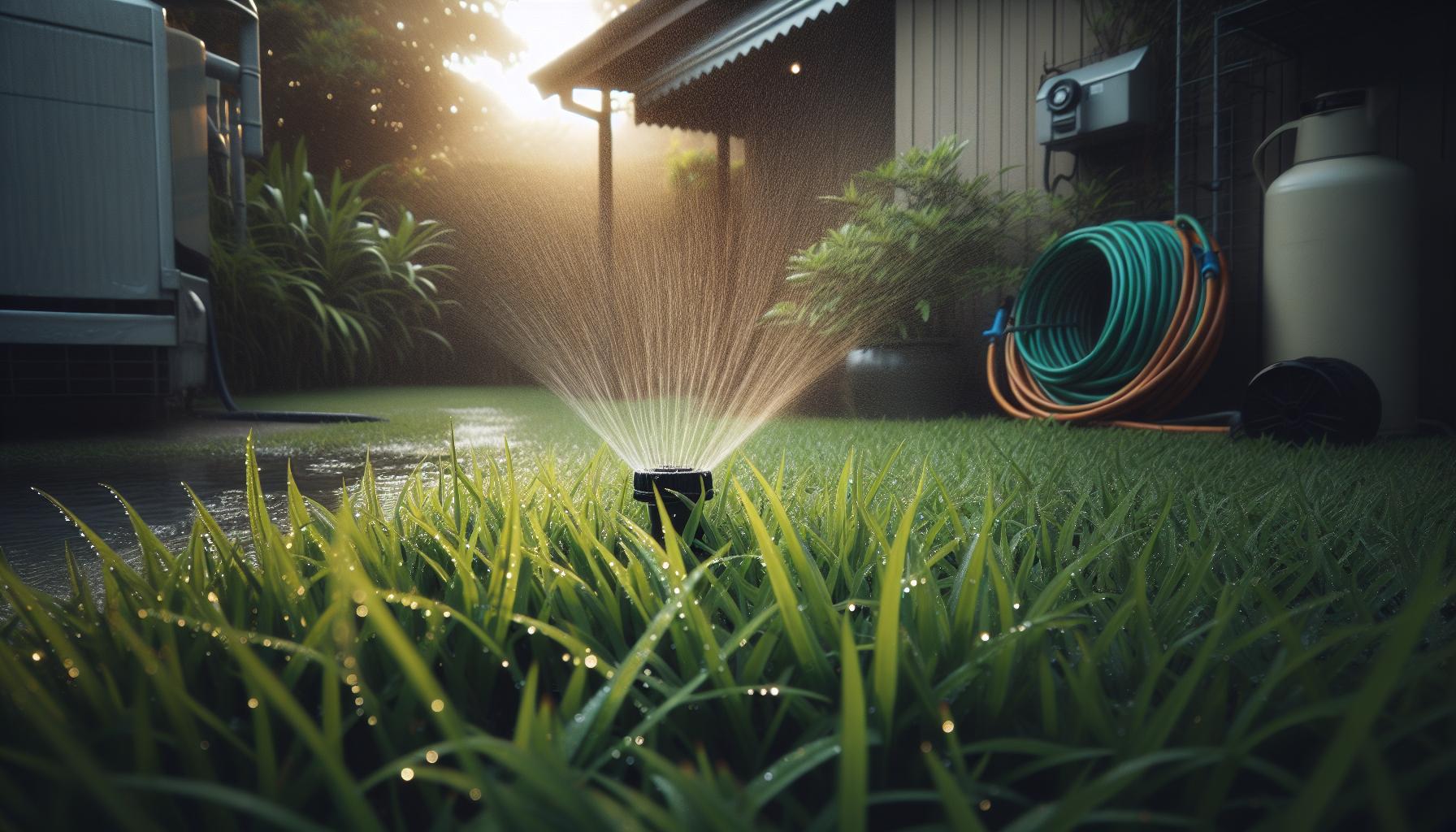
Zoysia grass is renowned for its resilience, particularly when it comes to drought tolerance, making proper watering a critical aspect of its care. One key principle to remember is that deep, infrequent watering encourages the development of a robust root system. This type of watering allows the grass to access moisture deep within the soil, which can be particularly beneficial during the hot summer months when surface moisture may rapidly evaporate. Ideally, your Zoysia lawn should receive about 1 inch of water weekly through rainfall or irrigation to maintain optimal health and vibrancy[[1](https://www.pennington.com/all-products/grass-seed/resources/all-you-need-to-know-about-zoysia-grass)].
Best Practices for Watering Zoysia Grass
To effectively manage watering for your Zoysia lawn, aim to follow these best practices:
- Water Early in the Morning: Early morning watering helps minimize evaporation, ensuring that the grass absorbs as much water as possible. This timing also allows the grass blades to dry out quickly, reducing the risk of fungal diseases.
- Focus on Deep Watering: When you water, aim for 6 to 8 inches of soil penetration. This can typically be achieved by watering heavily once or twice a week, rather than light daily sprinkles.
- Monitor Weather Conditions: Adjust your watering schedule based on rainfall and temperature. During periods of heavy rainfall, scale back or skip watering sessions; conversely, increase watering during dry spells.
- Use a Rain Gauge: Implementing a simple rain gauge can help track how much water your lawn receives, allowing you to make precise adjustments as needed.
In addition to these practices, always pay attention to the signs your lawn may be giving you. If the grass appears dull or bluish, or if footprints remain visible for a long time, it may be time to adjust your watering routine. Monitoring soil moisture can also be done using a simple hand test; dig down to see if the soil is dry at a depth of a few inches. This proactive approach ensures your Zoysia grass gets the hydration it needs while minimizing the risk of overwatering, which can lead to shallow roots and increased susceptibility to pests and diseases[[3](https://andersonslawn.com/blogs/learn/zoysia-grass-care-guide?srsltid=AfmBOoq3RmxbnGbtYVK-1xFt3Gl_tOHHskAxoA7009wzK2auBNi-Siot)].
By mastering the art of watering wisely, you’ll not only support a lush, green lawn but also embrace a low-maintenance approach that reduces time spent managing your Zoysia grass.
Fertilization Fundamentals: Nurturing Your Zoysia Lawn

Nurturing a Zoysia lawn requires an understanding of its unique nutritional needs, especially since this grass type is known for its drought resistance and ability to thrive in various conditions. Proper fertilization not only bolsters its growth but also enhances the soil’s health, leading to a vibrant green lawn that demands less maintenance over time.
To effectively fertilize your Zoysia lawn, start with a soil test. This step will determine the existing nutrient levels and pH of your soil, enabling you to choose the right fertilizer to meet its specific needs. Generally, Zoysia grass benefits from a balanced fertilizer with an N-P-K ratio of about 15-0-15 or 20-0-20, providing a healthy mix of nitrogen and potassium while minimizing phosphorus, which can lead to environmental issues if overused.
Applying fertilizer in the right seasons is crucial for optimal growth. During the active growing season from late spring to early summer, you can apply a nitrogen-rich fertilizer to stimulate growth. Another application in late summer can promote strong root development before the winter months. Be mindful of the timing; fertilizing too late in the season can encourage new growth that won’t survive winter.
When applying fertilizer, choose a granular or slow-release option to minimize the risk of burning your lawn and to ensure a steady nutrient release over time. Conduct applications early in the morning after dew has formed, which aids in absorption and reduces the risk of runoff. A comprehensive fertilization strategy not only supports the health of your Zoysia grass but also contributes to its resilience, ultimately fostering a low-maintenance lawn that thrives with minimal intervention.
Additionally, consider pairing your fertilization efforts with good cultural practices like regular aeration and dethatching, which can improve nutrient uptake. Aerating the soil opens pathways for nutrients and water, thus enhancing the overall effectiveness of your fertilization routine. With these strategies in place, your Zoysia lawn can flourish beautifully while requiring less time and effort from you.
Weed Control Techniques for a Healthy Zoysia Lawn
Weeds can be a persistent challenge for any lawn owner, but they are particularly notorious for disrupting the beauty and health of a Zoysia lawn. This resilient grass type, admired for its drought resistance and adaptability, thrives in warm climates but may still be susceptible to various weeds that compete for nutrients, water, and sunlight. Effective weed control techniques not only keep your lawn looking pristine but also support the growth of Zoysia, ensuring it remains lush and healthy.
One of the paramount approaches to controlling weeds is maintaining a thick, healthy lawn through proper cultural practices. A well-fertilized and well-watered Zoysia lawn will naturally outcompete many weeds, as they struggle to establish themselves in dense grass. Applying a pre-emergent herbicide in early spring can also help by preventing weed seeds from germinating. This strategy is particularly effective against common summer annuals like crabgrass. Remember to follow the manufacturer’s guidelines regarding timing and application rates, as proper use is key to maximizing effectiveness while minimizing potential harm to your grass.
Regular Maintenance Practices
In addition to using herbicides, regular lawn maintenance plays a critical role in weed management. Mowing your Zoysia grass to the optimal height of about 1 to 2 inches not only promotes healthy growth but also prevents weeds from getting the sunlight needed to thrive. Regular mowing can keep invasive species at bay by limiting their ability to flower and spread seed. Furthermore, avoiding overwatering and ensuring proper drainage can deter weed growth, as many can thrive in overly moist conditions.
Hand Weeding and Spot Treatments
For those stubborn weeds that manage to break through, manual removal is a practical option. Hand weeding, especially when the soil is moist, allows you to remove the entire root system, reducing the chance of regrowth. For larger, more aggressive weeds, spot treatments with a post-emergent herbicide may be necessary. Selecting a product specifically designed for use on Zoysia grass is vital, as certain herbicides can harm the grass if not used correctly. Always test any treatment in a small area before widespread application to ensure compatibility with your lawn.
Ultimately, successfully managing weeds in a Zoysia lawn involves a combination of prevention and intervention strategies. By fostering a robust grass environment and utilizing the right products and practices, you can minimize weed issues and maintain a vibrant, healthy lawn that requires less effort and intervention over time.
Pest Management Strategies for Zoysia Grass
Pest infestations can pose a significant threat to the health and appearance of your Zoysia lawn. While this grass type is renowned for its resilience and adaptability, it is not completely immune to pests. Understanding common Zoysia pests and implementing effective management strategies can preserve the vigor of your lawn while minimizing intervention efforts.
Regular monitoring is the first step in the pest management process. Inspect your lawn frequently for signs of pest activity, such as discolored grass, irregular patches, or visible insects. For instance, grubs, which are the larvae of beetles, often feed on the roots and can cause brown patches. If you notice increased presence of pests, consider using beneficial insects like ladybugs or nematodes, which can help control pest populations naturally.
In cases where the pest population has reached damaging levels, targeted treatments may be necessary. Selecting the right pesticide is crucial; always choose products specifically formulated for use on Zoysia grass, as some chemicals can harm the grass if misapplied. Remember to apply pesticides during the early morning or late afternoon to avoid harming beneficial insects and to minimize evaporation. Furthermore, follow the instructions on the label carefully to ensure effective application.
Additionally, cultural practices can play a vital role in preventing pest issues. Maintaining a healthy lawn through proper watering, fertilization, and aeration helps your Zoysia grass withstand pest pressures. A well-aerated soil promotes deeper root growth, enhancing drought resistance and reducing susceptibility to pests. By establishing a robust and thriving lawn ecosystem, you can significantly mitigate the risk of pest infestations while promoting the overall health of your Zoysia grass.
Aeration and Dethatching: Maximizing Lawn Health

One of the most effective yet often overlooked practices for maintaining a vibrant zoysia lawn is aeration and dethatching. These processes not only alleviate soil compaction but also promote healthy growth by enhancing the grass’s ability to absorb nutrients and moisture. Aeration involves perforating the soil with holes to improve air and water movement, while dethatching removes the layer of dead grass and roots that can suffocate your lawn. Together, these techniques optimize the overall health of your turf and contribute to a lush, resilient landscape.
To aerate your zoysia lawn effectively, consider the following steps:
- Timing is Key: The best time to aerate is during the growing season, typically in late spring or early summer when the grass is actively growing.
- Use the Right Equipment: A core aerator will remove plugs of soil, allowing air to penetrate deeper. For small areas, a handheld aerator can suffice, but larger expanses will benefit from a powered aerator.
- Follow Up: After aeration, it’s beneficial to overseed your lawn. The openings created will help seeds make contact with the soil and enhance germination.
Dethatching, on the other hand, can be just as crucial for zoysia lawn care. If your lawn has developed a thick layer of thatch (over half an inch thick), it can impede water and nutrients from reaching the roots. To manage thatch effectively:
- Assess Thatch Levels: Use a garden rake to check for thatch build-up. If you can easily pull up a layer of dead organic matter, it needs attention.
- Choose Your Tools: A dethatching rake or a power dethatcher can help remove excess thatch without damaging your healthy grass.
- Avoid Timing Mistakes: Dethatch during the active growing season to allow your zoysia grass to recover quickly.
Incorporating these practices into your zoysia lawn care routine can lead to significant improvements in lawn health, allowing your grass to thrive with minimal intervention. Regular aeration and dethatching ensure your lawn remains breathable and nourished, setting the stage for long-term vitality and beauty. By investing a little time in these practices, you’ll foster a low-maintenance environment that not only looks good but also withstands pests and drought more effectively.
Mowing Tips for Optimal Zoysia Growth
Maintaining a lush, healthy zoysia lawn involves more than just adequate watering and fertilization; mowing plays an equally critical role in supporting optimal growth. Mowing zoysia grass correctly can enhance its density, health, and overall appearance while minimizing the chances of disease and weed infestation. A well-mowed lawn encourages robust root development and dense turf, making your lawn more resilient to stress.
To start, timing your mow is essential. Mow zoysia grass when it reaches about one-third taller than your desired height. For most varieties, a mowing height of 1 to 2 inches is ideal, and maintaining this range will promote a thicker lawn while allowing sunlight to penetrate effectively. A mower set too low can stress the grass, making it vulnerable to pests and diseases, whereas letting it grow too tall can lead to a variety of issues, including excessive thatch buildup and shading of the lower blades.
A sharp blade is another crucial tool for successful mowing. Dull blades can tear the grass, leading to an uneven cut and increased susceptibility to disease. Aim to mow when the grass is dry to ensure a clean cut and to avoid clumping of clippings, which can smother the grass underneath and cause decay. For those looking to adopt a low-maintenance strategy, consider leaving clippings on the lawn after mowing; this practice, known as grasscycling, returns nutrients to the soil, reducing the need for additional fertilization.
Lastly, it’s important to vary your mowing pattern each time you cut the grass. This simple technique can prevent soil compaction and help the grass root system develop more evenly. Altering your direction encourages upright growth rather than leaning towards a single direction, facilitating robust turf health. By integrating these mowing practices into your lawn care routine, you can cultivate a vibrant and resilient zoysia lawn with relative ease.
Innovative Low-Maintenance Lawn Strategies
Creating a stunning zoysia lawn doesn’t have to mean pouring endless hours into maintenance; innovative low-maintenance strategies can provide lush greenery with minimal effort. One of the foundational techniques for reducing upkeep is embracing smart irrigation practices. Zoysia grass is drought-resistant, thriving with less water than many other grass types. By implementing a drip irrigation system or smart sprinkler controls, you can ensure your lawn receives just the right amount of hydration without overwatering. This not only conserves water but also minimizes the time spent on manual watering.
Another effective approach is to apply a mulch layer or use ground-cover plants alongside your zoysia grass. Mulching not only enriches the soil as it decomposes, but it also helps retain moisture, suppress weeds, and enhance the lawn’s aesthetic appeal. Consider planting low-maintenance, drought-resistant flowers or shrubs that thrive alongside zoysia grass. These companion plants can reduce the need for herbicides and other chemical interventions by naturally outcompeting weeds.
Incorporating the practice of grasscycling is another ingenious strategy for minimizing lawn care chores. Leaving grass clippings on the lawn after mowing can significantly cut down on synthetic fertilizer needs while providing essential nutrients to the soil. It can also reduce the volume of organic waste produced. Over time, this practice not only feeds your zoysia but also encourages the development of a healthier root system, which can improve drought tolerance and resilience against pests.
Lastly, leverage technology to optimize lawn care. Using soil moisture sensors can provide real-time data on your lawn’s hydration needs, preventing over- or under-watering. Automated lawn mowers can also lessen your mowing frequency and anxiety about cutting grass at the right height. By integrating these innovative solutions into your zoysia lawn care routine, you can enjoy a vibrant, healthy lawn that flourishes with minimal effort, allowing you to spend more time enjoying your outdoor space rather than laboring over it.
Adapting Zoysia Care for Different Climates
Adapting zoysia care effectively to different climates not only ensures a thriving lawn but also enhances its resilience to environmental stresses. Given that zoysia grass is native to warm, tropical regions, it naturally excels in warmer climates but can be successfully managed in varied conditions with the right strategies. Understanding local climate influences-such as temperature extremes, humidity levels, and seasonal rainfall-is crucial for optimizing care and maintenance routines.
For regions with hot summers and mild winters, zoysia grass thrives and typically requires minimal adjustments. However, regular mowing, appropriate watering practices, and seasonal fertilization keep it healthy and lush. In areas with colder winters, zoysia can become dormant, turning brown and unappealing. To manage this, ensure proper aeration and dethatching in late fall to allow the grass to breath better and recover more swiftly when spring arrives. A light application of nitrogen before dormancy can also bolster the grass’s health for the following growing season.
In contrast, cool and temperate climates pose different challenges. Zoysia grass can struggle with poor growth during the cooler months, leading to thin patches. To counter this, consider overseeding with a cool-season grass type to maintain green coverage and prevent weeds during the transitional phases. Additionally, using mulch can help regulate soil temperature, retain moisture, and enhance the overall aesthetic of the lawn. For particularly damp areas, ensure your lawn has proper drainage to prevent disease, as zoysia is susceptible to fungal infections in overly wet conditions.
Lastly, urban environments can greatly affect local microclimates. Heat islands, created by concrete and asphalt, may increase soil temperatures, benefiting zoysia, but they can also exacerbate drought conditions. Incorporating native drought-resistant plants into your landscape design can complement your zoysia lawn and reduce irrigation needs. Utilizing technology, such as soil moisture sensors, becomes increasingly valuable in these settings to tailor watering schedules efficiently, keeping your zoysia grass healthy while promoting sustainability.
In summary, by understanding how climate impacts zoysia grass growth, you can implement tailored strategies that enhance its resilience and reduce maintenance efforts, ensuring a beautiful lawn year-round.
Troubleshooting Common Zoysia Lawn Issues
Zoysia grass is celebrated for its resilience, but even the hardiest lawns can encounter problems. Addressing issues promptly is crucial to maintaining that lush green carpet. Common challenges include brown patches, weeds, and pests. Understanding these issues and knowing how to troubleshoot them can save you time and frustration in your zoysia lawn care journey.
One prevalent issue with zoysia grass is brown patches, which may result from various factors including poor drainage, inconsistent watering, or diseases such as brown patch fungus. To combat this, ensure your lawn receives adequate water (about 0.5 to 1 inch per week) and is well-drained to prevent waterlogging. If you suspect a fungus, cutting back on nitrogen-rich fertilizers can help, as too much nitrogen can promote disease. Additionally, applying a fungicide at the first sign of trouble may be necessary.
Another challenge you might face is the invasion of weeds. Creeping zoysia naturally chokes out many types of weeds, but during early spring when it is still waking up from dormancy, weeds can proliferate. To manage this, consider pre-emergent herbicides in early spring, but be mindful not to apply them too close to when you plan to seed new areas. Regular mowing and applying mulch can cover bare spots and suppress weed growth. Moreover, a uniform strong lawn is your best defense against weed invasion, so ensure you are following a proper fertilization schedule.
Finally, pay attention to pests like grubs and chinch bugs. Signs of pest issues can include yellowing grass or areas that seem to be wilting regardless of watering. Performing a simple test can determine if you have grubs: pull back the sod; if you find them, a treatment with an appropriate insecticide may be required. To keep pest populations low, ensure your lawn remains healthy and vigorous, as strong grass is less susceptible to pest damage.
By staying vigilant and addressing issues as they arise, you can maintain the health and beauty of your zoysia lawn with minimal effort. Recognizing the signs of trouble early, implementing effective weed and pest management strategies, and ensuring proper watering practices will help keep your lawn looking its best, allowing you to enjoy a low-maintenance yet vibrant green space.
Faq
Q: How often should I mow my Zoysia lawn for low maintenance?
A: For low-maintenance care, mow your Zoysia lawn every 1 to 2 weeks during its growing season. Keep the mower height between 1 and 2.5 inches, preferably closer to 2.5 for Zoysia japonica. Regular mowing helps suppress weeds and promotes healthy growth. For detailed mowing tips, refer to the mowing section of our article.
Q: What is the best time to water my Zoysia lawn?
A: Water your Zoysia lawn early in the morning, ideally between 6 and 10 AM. This timing reduces evaporation and allows the grass to absorb moisture effectively. Deep watering once a week is preferable, promoting deep roots and drought resistance. Check our watering section for more best practices.
Q: Can Zoysia grass grow in shaded areas?
A: Zoysia grass prefers full sun but can tolerate light shade. For optimal growth, ensure it receives at least 6 hours of sunlight daily. If your lawn has significant shade, consider supplementing with shade-tolerant grasses or adjusting landscape features to improve sunlight exposure.
Q: How do I prevent weeds in my Zoysia lawn naturally?
A: To naturally prevent weeds, maintain a dense lawn through proper watering and mowing. Apply mulch in garden beds adjacent to the lawn, and use organic methods like corn gluten meal as a pre-emergent herbicide. Regularly inspect and manually remove any visible weeds before they seed.
Q: What tools are essential for low-maintenance Zoysia lawn care?
A: Essential tools include a reliable lawn mower, a high-quality rake for dethatching, and a hose or sprinkler system for efficient watering. Additionally, consider a soil testing kit for fertilization needs and a spreader for even fertilizer application. Check our tools section for more details.
Q: When is the best time to fertilize my Zoysia grass?
A: Fertilize your Zoysia grass in late spring through early summer when the grass is actively growing. A slow-release fertilizer is ideal as it provides nutrients gradually, minimizing the need for frequent application. Refer to our fertilization section for specific product recommendations.
Q: How can I improve soil health for my Zoysia lawn?
A: Improve soil health through regular aeration and dethatching. Aeration alleviates soil compaction, while dethatching removes dead grass buildup. This allows better nutrient and water penetration. Implement these practices during the growing season for optimal results, as discussed in our lawn health section.
Q: What common pests should I look for in my Zoysia lawn?
A: Common pests affecting Zoysia grass include grubs, chinch bugs, and armyworms. Regularly inspect your lawn for signs such as discoloration or patches of dead grass. Early detection and treatment can prevent significant damage. For pest management strategies, refer back to our article’s pest management section.
The Way Forward
Thank you for watching our guide on low-maintenance strategies for caring for your Zoysia lawn! Remember, adopting these simple techniques can lead to a lush, vibrant lawn with minimal effort. If you’re eager to dive deeper, check out our articles on the Top Fertilizers for Zoysia Grass and Common Pests to Watch Out For-both will arm you with essential knowledge for maintaining your lawn’s health.
Don’t miss out on maximizing your outdoor space. Subscribe to our newsletter for exclusive tips and updates, and feel free to share your thoughts or questions in the comments below-we love hearing from you! For more resources on lawn care, explore our Lawn Care Toolkit to help you tackle any season with confidence. Let’s keep your Zoysia thriving!