Did you know that a simple change of your lawn mower’s spark plug can significantly boost its performance? Many homeowners overlook this essential maintenance step, leading to struggles with starting and decreased efficiency. When your spark plug is worn out or dirty, it can affect the engine’s ignition, resulting in a lawn mower that sputters, wastes fuel, and ultimately frustrates your attempts to maintain a pristine lawn. By learning how to change your lawn mower spark plug, you not only enhance the engine’s performance but also extend the life of your machine and improve your overall mowing experience. Dive into this guide to discover the straightforward steps you can take to keep your lawn mower running smoothly and efficiently, empowering you to tackle your lawn care tasks with ease.
How to Identify When to Change Spark Plug
Keeping your lawn mower in top condition not only ensures a pristine lawn but also extends the life of the machine. One of the critical components to monitor is the spark plug. Recognizing when to replace it can be the difference between a smoothly operating mower and one that sputters or fails to start altogether.
A good rule of thumb for determining when to change the spark plug is to refer to your mower’s owner’s manual. Many recommendations suggest replacing the spark plug annually or every 500 hours of use, whichever comes first. However, visual inspections can also guide your decision. Look for signs of wear such as discoloration, cracked insulators, or heavy carbon buildup. If the spark plug appears dirty or damaged, it’s time for a replacement.
Additionally, consider the mower’s performance. If you’re experiencing difficulty starting the engine, uneven running, or a noticeable drop in power, these could be symptoms of a worn-out spark plug. Regular maintenance checks can help you stay ahead of potential issues, ensuring your mower runs efficiently and reliably. By promptly identifying the need for a spark plug change, you can maintain optimal performance and prolong the lifespan of your lawn mower.
Essential Tools for Changing Lawn Mower Spark Plug
To successfully change the spark plug in your lawn mower, having the right tools on hand makes all the difference. A well-prepared workspace not only streamlines the process but also ensures that you can perform the task safely and effectively.
Begin with a socket wrench set that includes a spark plug socket, typically 13/16 inch or 5/8 inch in size, depending on the mower’s make and model. This tool is essential for loosening and removing the old spark plug. Additionally, having a ratchet extension can provide the extra reach needed for snug or hard-to-access spark plugs.
Next, a gap gauge is invaluable for checking and adjusting the spark plug gap before installation. This measurement is crucial to ensure optimal engine performance, as gaps that are too wide or too narrow can lead to inefficient combustion. Alongside this, a cleaning brush or a spark plug cleaner will help remove carbon deposits from the old plug, which could affect the performance of your mower if left untreated.
Finally, don’t overlook the importance of safety gear. Wearing gloves and safety glasses is advisable while working on your mower to protect against any debris or accidental slips during the process. Keeping these essential tools nearby not only expedites the spark plug replacement but also contributes to improved performance and longevity of your lawn mower. With the right preparation, you’re poised to tackle this maintenance task with confidence and ease.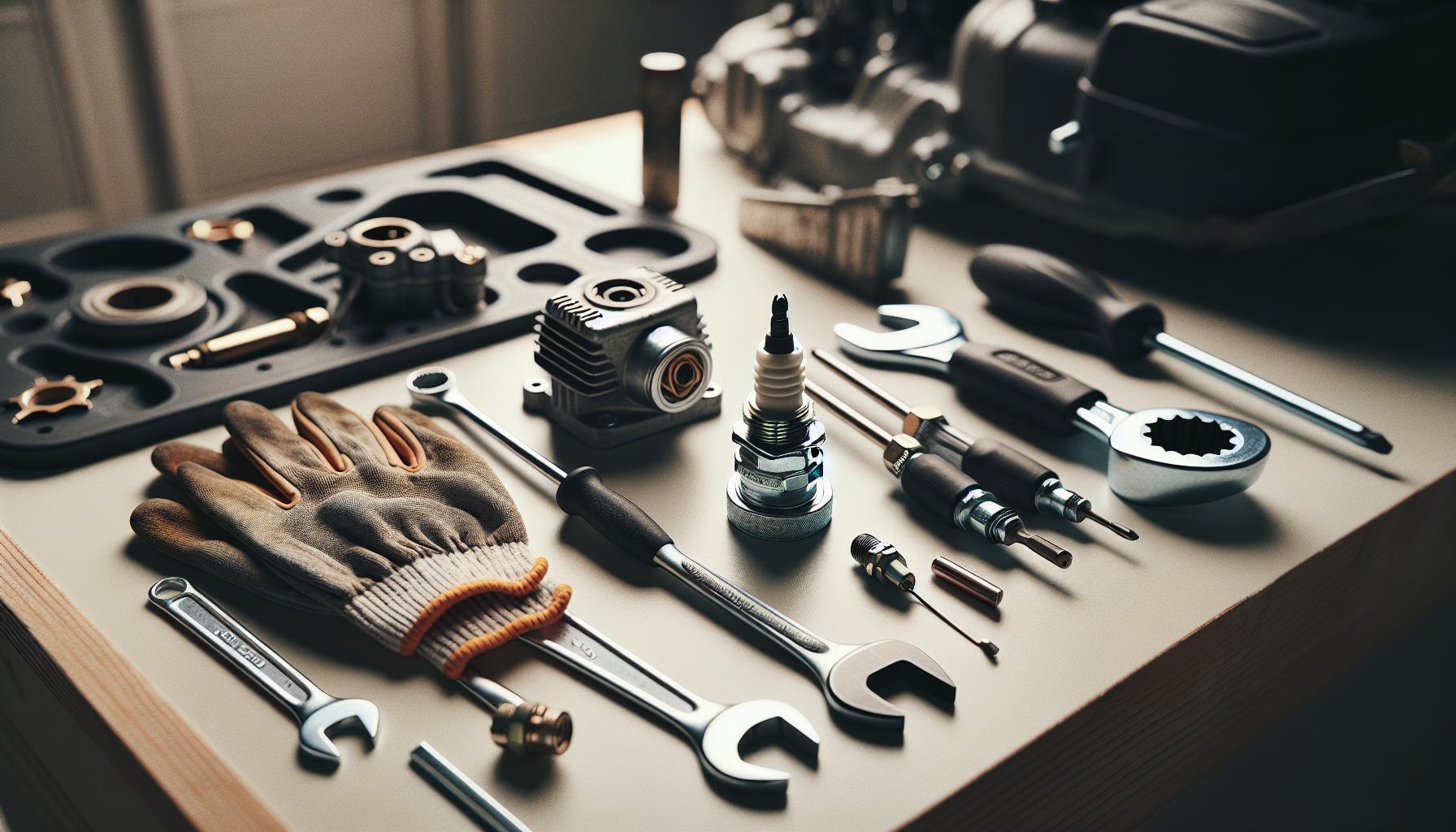
Step-by-Step Guide to Changing the Spark Plug
To ensure your lawn mower runs smoothly and efficiently, changing the spark plug is a fundamental maintenance task that can significantly enhance performance. This process may seem daunting at first, but with a clear step-by-step approach, you’ll find it is straightforward and rewarding. Let’s walk through the essential steps required to change your lawn mower’s spark plug effectively.
Start by ensuring the mower is turned off and the spark plug is cool to the touch. Begin by locating the spark plug, which is typically situated just above the mower’s engine. It may be covered by a boot; gently pull this off to access the spark plug itself. Use your socket wrench to carefully loosen and remove the spark plug by turning it counterclockwise. If the plug is stubborn, it may help to apply a bit of penetrating oil and let it sit for a few minutes before attempting removal again.
Once you’ve removed the old spark plug, inspect it for signs of wear or damage, such as cracking or excessive carbon build-up. If the electrode appears burnt or the insulator is damaged, it’s time to replace it. Before installing the new spark plug, ensure you adjust the gap according to the manufacturer’s specifications using a gap gauge; this step is critical for achieving optimal ignition. Next, apply a small amount of anti-seize compound to the threads of the new spark plug, which will make future removals easier.
Screw in the new spark plug by hand to avoid cross-threading, then secure it with your socket wrench by turning it clockwise. Make sure it is snug, but avoid overtightening to prevent damage to the engine. Once the new plug is in place, reattach the boot securely. Completing these steps ensures your mower will benefit from a fresh spark plug, improving ignition and overall engine performance. Remember to dispose of the old spark plug properly, and consider marking your calendar for the next maintenance check to keep your mower running at its best.
Common Mistakes When Replacing Spark Plugs
Replacing spark plugs in your lawn mower can transform its performance, but many DIY enthusiasts fall into common pitfalls that can lead to costly mistakes or inefficient operation. One of the most frequent errors is neglecting to check and adjust the spark plug gap. Each spark plug type has a specific gap size recommended by the manufacturer, and failing to adhere to this can lead to poor ignition, resulting in hard starting or misfires. Utilize a gap gauge to ensure accuracy before installation.
Another mistake revolves around over-tightening the spark plug. While it’s important to secure the plug snugly to avoid loosening during operation, cranking it down too tightly can damage the threads in the cylinder head or break the ceramic insulator. It’s crucial to follow the manufacturer’s torque specifications, usually found in the mower’s manual, to avoid these issues. A good strategy is to tighten the plug until it is snug, and then give it an additional quarter turn.
Improper cleaning of the threads or using the wrong type of spark plug can also cause problems. Dirt and debris can prevent good contact between the spark plug and the engine, while using a plug not suited for your particular mower model can result in inefficient fuel burning. Always refer to your owner’s manual for the correct plug type and ensure the threads on both the spark plug and the socket are clean before installation.
Additionally, many forget to inspect the old spark plug for signs of wear or damage before replacing it. This can provide valuable insights into the mower’s performance issues. For instance, if you notice a lot of carbon buildup or oil residue, it may indicate deeper engine problems that need addressing. Thorough assessments can not only guide you in choosing the right replacement plug but also help maintain the overall health of your engine. By avoiding these common mistakes, you’ll not only enhance your lawn mower’s efficiency but also prolong its lifespan.
Understanding Spark Plug Types and Specifications
Understanding the various types of spark plugs and their specifications is crucial for optimizing the performance of your lawn mower. Spark plugs play a pivotal role in igniting the fuel-air mixture in the engine, and the type you choose can significantly impact efficiency and longevity. From copper to platinum, each spark plug type offers unique benefits suited to different mower models and user needs.
Types of Spark Plugs
There are several common types of spark plugs, each varying in performance characteristics:
- Copper/Nickel: These are standard, cost-effective plugs that provide good conductivity and heat dissipation. They’re ideal for older mowers that require frequent maintenance.
- Iridium: Known for their durability and high melting point, iridium plugs offer excellent performance and longevity, making them a popular choice for modern, high-performance engines.
- Platinum (single and double): Platinum plugs provide improved spark efficiency and longer life than copper. Double platinum plugs are particularly beneficial in engines with a higher maintenance interval.
- Silver: Though less common, silver spark plugs have a lower resistance and can be effective in specific high-performance applications due to their superior conductivity.
Specifications to Consider
When selecting a spark plug, it’s vital to consider several specifications:
- Heat Range: This indicates how well the plug can dissipate heat. A correct heat range prevents overheating, which could lead to pre-ignition and damage.
- Gap Size: The distance between the electrodes is critical for ignition efficiency. Ensure you adjust the gap according to the manufacturer’s specifications for optimal performance.
- Thread Size and Reach: This must match the engine’s requirements to ensure proper installation and function.
Choosing the right spark plug not only improves ignition reliability but can also enhance the overall efficiency of your lawn mower. For example, using an iridium spark plug in a suitable engine can make starting smoother and reduce fuel consumption, leading to more efficient mowing sessions. Thus, understanding the types and specifications of spark plugs enables you to make informed decisions, ensuring your mower operates at peak performance while reducing the frequency of replacements.
How a New Spark Plug Enhances Mower Performance
A fresh spark plug can significantly elevate your lawn mower’s performance, serving as a small but critical component in the engine’s ignition system. When a spark plug is in optimal condition, it ensures a reliable spark, igniting the air-fuel mixture efficiently. This not only enhances starting performance but also leads to smoother engine operation, providing a consistent power output while mowing. In contrast, a worn or fouled spark plug can cause misfires, leading to erratic engine behavior and increased fuel consumption.
Maintaining a new spark plug contributes directly to enhanced fuel efficiency. With improved ignition, the combustion process becomes more complete, which means your lawn mower uses fuel more effectively. Many lawn mower owners report that after replacing an old spark plug, they notice their mower requires less fuel to cover the same area, reducing overall operating costs. Additionally, a new spark plug helps prevent the build-up of harmful deposits, which can affect engine performance over time.
Another vital aspect of replacing a spark plug is the impact on emissions. A properly functioning spark plug leads to more efficient combustion, which results in lower emissions of harmful pollutants. This is not just good for the environment; it can also help you comply with local regulations regarding emissions for outdoor power equipment.
In summary, replacing your lawn mower’s spark plug regularly is an investment in its performance and longevity. By ensuring that your mower runs efficiently, consumes less fuel, and emits fewer pollutants, you can enjoy a healthier lawn and a more responsible mowing routine.
Signs of a Worn-out Spark Plug to Watch For
A vital component of your lawn mower’s performance, the spark plug can often be overlooked until problems arise. Recognizing the signs of a worn-out spark plug early can save you time, effort, and money by preventing more significant engine issues down the line. So, what should you look out for? Here are some key indicators that your spark plug may be past its prime.
- Difficulty Starting: If your mower struggles to start, this could indicate a weak spark generated by a worn or fouled spark plug. A healthy spark plug leads to a robust ignition sequence, especially important during colder months.
- Engine Misfires: You may notice your engine stuttering or feeling like it’s hesitating during operation. This misfiring is usually a result of an inconsistent spark, which can be traced back to a compromised spark plug.
- Increased Fuel Consumption: A worn spark plug often means that the ignition process is inefficient. This inefficiency can lead to the engine burning more fuel than necessary, which not only impacts your wallet but is also less environmentally friendly.
- Brown or Black Deposits: Upon inspecting the spark plug, look for carbon buildup or oily residues. If the spark plug appears excessively dirty or has deposits, it likely requires replacement. Such deposits impede effective combustion and thus hinder your mower’s performance.
- Strange Engine Sounds: Unusual noises, such as rattling or knocking, can signal underlying engine issues, potentially linked to a failing spark plug. Smooth engine operation is essential for optimal performance.
- Hard to Control Power Output: If you find your mower lacks the power it used to have or is stuttering during operation, this could be traced back to a failing spark plug, preventing the engine from reaching its peak performance.
Regularly inspecting your lawn mower’s spark plug is key to ensuring efficient operation and longevity. If you notice any of these signs of wear, it may be time to replace the spark plug. This simple maintenance task can lead to a noticeable improvement in your mower’s performance, ensuring that it remains a reliable tool for lawn care throughout the season.
Maintenance Tips for Lawn Mower Spark Plugs
Maintaining your lawn mower’s spark plug is essential not just for the performance of your machine but also for extending its lifespan. A well-maintained spark plug ensures efficient combustion, which can save on fuel costs and reduce emissions. By incorporating a few simple practices into your regular lawn care routine, you can keep your spark plugs in optimal condition and prevent unnecessary breakdowns.
One of the first steps in maintenance is to regularly inspect your spark plugs for signs of wear or damage. Remove the spark plug, and examine it for carbon buildup, cracks, or worn electrodes. If you notice heavy deposits or any physical damage, it’s time for a replacement. Doing this at least once a year or before the mowing season starts can significantly enhance performance and reliability.
Additionally, consider the use of dielectric grease on the spark plug threads when installing a new one. This not only helps in preventing seizing but also allows for easier removal in the future. It’s also important to ensure the spark plug is tightened properly, as both overtightening and under-tightening can lead to electrical problems or allow moisture and debris to enter. The recommended torque specifications provided in your mower’s manual should be strictly followed.
Lastly, keep a schedule for changing spark plugs based on your mower’s usage and the manufacturer’s recommendations. Typically, spark plugs should be replaced every one to two years, depending on the model and frequency of use. Depending on conditions like mowing wet grass or tackling tough terrain, more frequent changes may be necessary. By adhering to these maintenance tips, you can improve your lawn mower’s performance and reliability, ensuring a beautiful lawn all season long.
Troubleshooting: What to Do After Changing Spark Plug
After installing a new spark plug in your lawn mower, it’s crucial to ensure everything is functioning correctly to maximize the performance benefits that come from this maintenance task. Often, a new spark plug can significantly enhance engine efficiency, but improper installation or failure to address other potential issues can nullify those advantages. Start by giving the mower a brief test run in a safe environment; this will help you confirm that the engine starts smoothly and runs without unusual sounds or vibrations.
If the mower fails to start, check the following aspects:
- Connection Check: Ensure the spark plug wire is securely attached. A loose connection can prevent ignition.
- Fuel Supply: Confirm that there is fresh fuel in the tank and that fuel is reaching the engine. Stale fuel can also cause starting issues.
- Choke Position: Make sure the choke is set to the appropriate position for starting, especially if the mower has been sitting for a while.
In cases where the mower starts but operates poorly, you might want to investigate other components of the ignition system. For instance, inspect the air filter to see if it is clean and unobstructed; a clogged filter can affect combustion efficiency. Additionally, examine the carburetor for any signs of dirt or blockage, which may require cleaning to restore optimal performance.
If everything seems in order but you still notice recurrent issues like sputtering or stalling during operation, consider checking for deeper mechanical problems. It may include examining the fuel lines for leaks or cracks, ensuring the throttle is functioning properly, or even taking a look at the blade height settings to ensure it’s not straining the engine during operation. Regular troubleshooting and timely interventions can help prevent more significant repairs down the line, ensuring your mower remains in peak condition for a beautiful lawn all season long.
Frequently Asked Questions About Spark Plugs
Understanding spark plugs can greatly enhance your lawn mower’s performance and longevity. A spark plug serves as a critical ignition component in gas-powered mowers, igniting the fuel-air mixture in the engine’s combustion chamber. If you’ve recently changed your spark plug or are considering it, you likely have several questions about their function, maintenance, and troubleshooting.
One common query is about the lifespan of spark plugs. Typically, lawn mower spark plugs should be replaced every 25 to 100 hours of operation, depending on the model and usage. Signs of wear include difficulties starting the engine, rough idling, or decreased power. Regularly inspecting your spark plugs for carbon buildup, excessive wear, or other damage can preempt these problems, ensuring a smoother mowing experience.
Another frequently asked question involves the different types of spark plugs available. While standard copper-core plugs are the most common, newer models may utilize iridium or platinum plugs, which offer better performance and longer life. These more advanced spark plugs can handle higher temperatures and reduce the likelihood of misfires, ultimately leading to optimized engine function.
For those wondering about installation, it’s crucial to use the correct specifications for your specific mower model to ensure proper fit and operation. Misfitting can cause poor engine performance or even damage. Always refer to the manufacturer’s manual for guidance on the right spark plug type and gap settings, as this can significantly influence performance and efficiency.
Maintenance tips to keep in mind include regularly cleaning or replacing the spark plug, as well as mindful operation practices like storing your mower with stabilized fuel. This not only prolongs the life of the spark plug but also facilitates better combustion each time you mow. By integrating these practices, you can enhance your lawn mower’s performance while addressing common but critical issues surrounding spark plug management.
The Cost-Benefit of Regular Spark Plug Replacement
Regularly replacing the spark plug in your lawn mower might seem like a minor maintenance task, but it offers significant benefits that can save you time and money in the long run. A new spark plug serves as the linchpin for optimal engine performance, ensuring that fuel is ignited efficiently and consistently. When the spark plug is in good condition, your mower will start more easily, run smoother, and operate at its best, translating to a cleaner cut and a more beautiful lawn.
Investing in regular spark plug replacement can yield considerable cost savings. A worn spark plug can lead to a host of complications, including misfires, engine knocking, and decreased fuel efficiency. These issues not only force you to spend more on gas but can also lead to expensive repairs down the line. On the other hand, the modest expense of a new spark plug, which can typically range from $2 to $15, can prevent the need for costly repairs related to engine damage or poor performance.
Moreover, a well-maintained spark plug contributes to a longer lifespan for your mower. An efficient engine runs cooler and cleaner, which minimizes wear and tear on internal components. By replacing spark plugs at regular intervals-annually for most users or every 25-100 hours of use, depending on the model-you ensure that your mower not only works efficiently but also has a longer, healthier operational life.
In summary, taking the time to regularly replace your lawn mower’s spark plug is a straightforward yet vital practice that enhances performance, saves on fuel costs, and extends the life of your equipment. Embracing this routine maintenance can transform your mowing experience, leaving you with a lush, well-kept lawn while protecting your investment in lawn care.
When to Seek Professional Help for Spark Plug Issues
When dealing with lawn mower spark plug issues, knowing when to seek professional help is crucial, as improper handling can lead to more significant problems or even costly repairs. If you’ve followed the basic maintenance steps and still find that your mower is experiencing performance issues, it might be time to consult with an expert. One clear sign that professional intervention is needed is persistent starting problems or inability to stay running. If your mower starts but stalls after a few minutes, this could indicate underlying issues that a professional can diagnose more accurately.
Another reason to consider professional help is when you notice excessive carbon buildup or corrosion on the spark plug that cleaning cannot resolve. This buildup can be a symptom of more serious engine problems, such as incorrect fuel mixture or a faulty ignition system, which require specialized tools and knowledge to fix. A professional mechanic can not only replace the spark plug but also conduct a thorough inspection of the engine’s health to pinpoint the root cause of the issue.
Additionally, if you’re unsure about the specifications or types of spark plugs suitable for your mower, consulting a professional can save you from purchasing the wrong part. Issues such as installation errors or using a spark plug with incorrect specifications might lead to further complications or damage. Professionals can ensure that the right spark plug is installed correctly, enhancing performance and preventing future issues.
Lastly, if you’ve recently changed the spark plug but still face problems, it might be indicative of deeper engine troubles, such as fuel line issues or air intake problems. In these instances, professional technicians bring expertise that goes beyond basic maintenance, offering a comprehensive service to restore your mower to optimal working condition. Timely intervention can save you from extensive damage and help you maintain the longevity and efficiency of your lawn care equipment.
Q&A
Q: How often should I change the spark plug on my lawn mower?
A: You should change the spark plug on your lawn mower every 25 to 50 hours of operation or at least once a season. Regular checks help maintain optimal performance, as discussed in the section on “How to Identify When to Change Spark Plug.”
Q: What is the best type of spark plug for a lawn mower?
A: The best type of spark plug depends on your lawn mower’s make and model. Refer to your owner’s manual for specifications. Generally, using OEM (Original Equipment Manufacturer) spark plugs can enhance performance and longevity. For more on spark plug types, see “Understanding Spark Plug Types and Specifications.”
Q: Can a dirty spark plug affect mower performance?
A: Yes, a dirty spark plug can lead to poor mower performance, including starting issues and reduced power. Regular maintenance, as described in the “Maintenance Tips for Lawn Mower Spark Plugs” section, can prevent these problems.
Q: How do I clean a spark plug to improve mower performance?
A: To clean a spark plug, remove it from the mower and use a wire brush or spark plug cleaner. Avoid using harsh chemicals. Reinstall after cleaning to see improved performance, as highlighted in the “Common Mistakes When Replacing Spark Plugs” section.
Q: Why is my lawn mower sputtering after changing the spark plug?
A: Your lawn mower may sputter due to improper installation or a faulty spark plug. Ensure the spark plug is correctly gapped and tightened. For troubleshooting tips, refer to the “Troubleshooting: What to Do After Changing Spark Plug” section.
Q: What are the signs of a worn-out spark plug?
A: Signs of a worn-out spark plug include difficulty starting, rough idling, and reduced power. Regularly checking for these symptoms can prevent larger issues. For more details, see “Signs of a Worn-out Spark Plug to Watch For.”
Q: Can changing the spark plug improve my lawn mower’s fuel efficiency?
A: Yes, changing the spark plug can enhance fuel efficiency by ensuring proper combustion. A new spark plug allows your engine to run smoother, which you can read more about in “How a New Spark Plug Enhances Mower Performance.”
Q: Is it necessary to use a torque wrench when installing a spark plug?
A: While not strictly necessary, using a torque wrench ensures you install the spark plug to the manufacturer’s specifications, preventing damage. For installation guidance, visit the “Step-by-Step Guide to Changing the Spark Plug.”
In Retrospect
Congratulations on mastering the process of changing your lawn mower’s spark plug! This essential maintenance task not only boosts performance but also extends the life of your equipment. Remember, a clean and correctly gapped spark plug can make a significant difference in starting reliability and engine efficiency. Don’t wait for your mower to struggle-take action now and enjoy a well-maintained lawn!
For more tips on mower maintenance, check out our guides on lawn mower maintenance and troubleshooting common engine issues. Have questions or want to share your own tips? Join the conversation in the comments below!
Ready to enhance your lawn-care routine? Explore our Briggs & Stratton service resources for further insights, and don’t forget to subscribe to our newsletter for the latest updates and expert advice. Your lawn deserves the best!