
Changing the oil in your riding lawn mower is essential for maintaining its performance and extending its life, yet many owners overlook this crucial task. Did you know that refreshing the oil regularly not only keeps the engine clean but also helps prevent costly repairs? If you’ve noticed your mower running less efficiently or you’ve simply been putting off this task, you’re not alone. Many individuals struggle with the process, unsure of where to begin or what steps to follow. This complete guide will walk you through each step, ensuring you feel confident and equipped to take on the job. From preparing your mower to properly disposing of old oil, we will arm you with the knowledge needed to tackle this essential maintenance task like a pro. Get ready to dive into the world of mower maintenance and boost your mower’s performance today!
Understanding the Importance of Changing Oil Regularly
Changing the oil in your riding lawn mower is one of the most crucial maintenance tasks you can perform to ensure its longevity and optimal performance. Did you know that regular oil changes can significantly reduce engine wear and tear, leading to a longer lifespan and fewer costly repairs? Oil serves multiple functions in your mower’s engine, including lubricating moving parts, cooling the engine, and helping to remove contaminants. Over time, however, oil can become dirty and less effective, which can lead to decreased performance and potential damage.
The importance of changing oil regularly cannot be overstated. With constant use, the oil in your engine accumulates dirt, debris, and metal particles from engine wear. If left unchanged, this contaminated oil can disrupt the engine’s operation, leading to inefficient performance and even complete engine failure. It’s recommended to change the oil at least once per mowing season or more often if you use your mower heavily or in dusty conditions. Doing so not only preserves your mower’s functionality but also enhances fuel efficiency, saving you money in the long run.
In addition to preventing engine problems, regular oil changes ensure that your mower operates smoothly and efficiently. Fresh oil helps maintain proper lubrication, allowing the engine components to function seamlessly together, reducing the risk of overheating, and minimizing the likelihood of unexpected breakdowns. Establishing a routine for oil changes is also a proactive approach that can save you time and stress, allowing you to enjoy a well-maintained lawn without the worry of unexpected repairs or downtime.
Selecting the Right Oil for Your Riding Lawn Mower
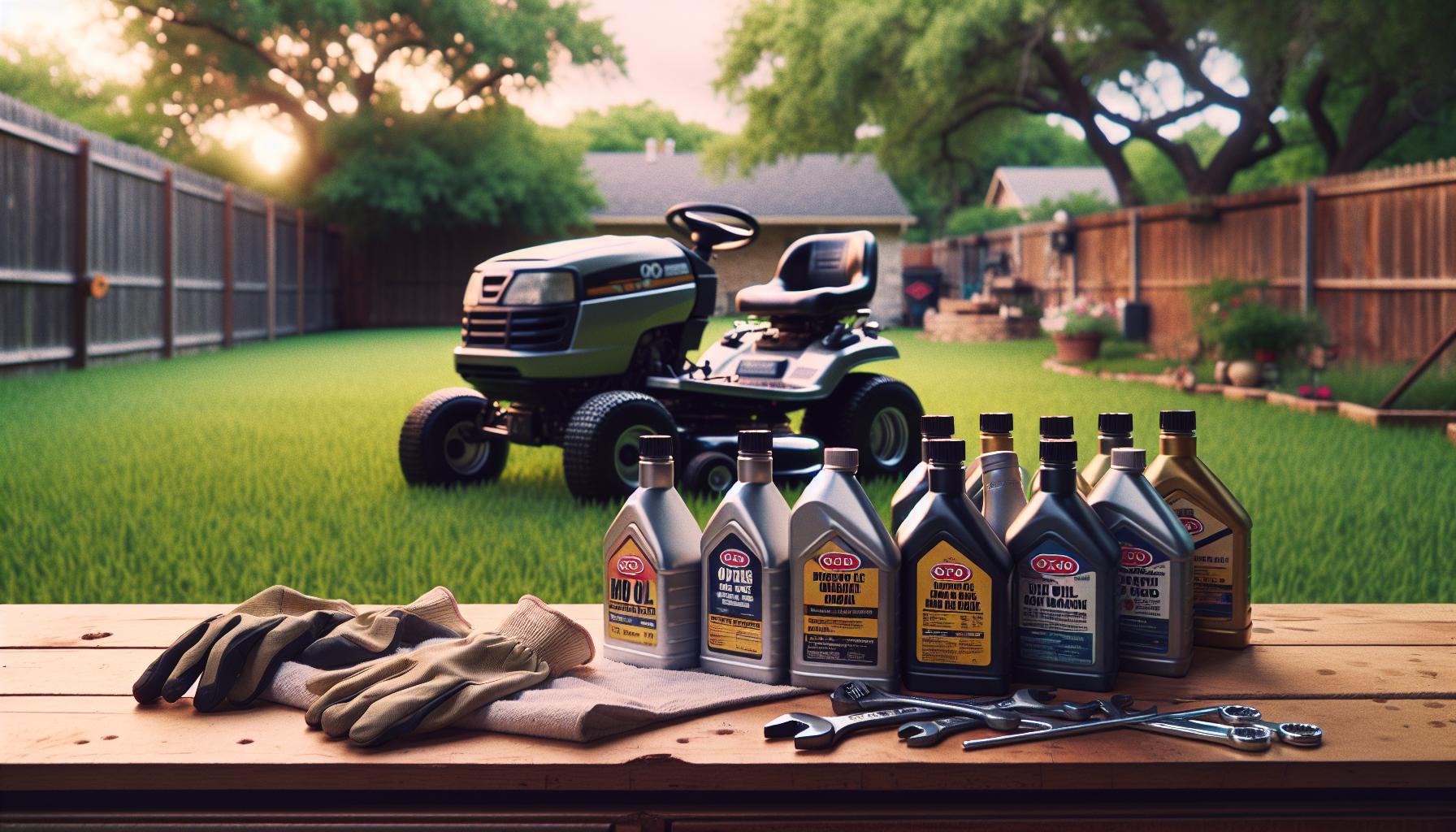
is essential for ensuring optimal performance and longevity of the engine. Not all oils are created equal, and using the right type can make a significant difference in how well your mower operates. The manufacturer’s specifications will provide valuable information on the recommended oil type, typically found in the owner’s manual. Most riding lawn mowers require either conventional or synthetic oil, and choosing the appropriate grade is critical since it can affect engine lubrication and overall efficiency.
When considering which oil to use, you’ll come across two main categories: conventional and synthetic oils. Conventional oil is derived from crude oil and is generally less expensive; however, it may not provide the same level of protection as synthetic oil, especially under extreme conditions. Synthetic oil, on the other hand, is engineered to resist breakdown at high temperatures, making it ideal for heavy-duty applications or riding mowers that are frequently used. In many cases, synthetic oils also offer improved fuel efficiency and better engine performance, making them a worthy investment.
In addition to the type of oil, it’s also crucial to pay attention to the viscosity rating, which is a measure of how well the oil flows at various temperatures. For most riding lawn mowers, a multi-viscosity oil such as 10W-30 or SAE 30 is commonly recommended. The numbers indicate the thickness of the oil; the first number (e.g., 10W) stands for the oil’s viscosity in cold temperatures, while the second number (e.g., 30) denotes the viscosity when the engine is at operating temperature. It’s imperative to follow the manufacturer’s recommendations for viscosity to ensure optimal engine performance and protection.
Finally, always look for oils that meet or exceed the performance standards set by the American Petroleum Institute (API). The API certification seal on oil containers signifies that the product has met strict industry standards for quality and performance, ensuring your riding lawn mower receives the best possible lubrication. Choosing the right oil is an investment in your mower’s health, enabling you to tackle your lawn care tasks efficiently while extending the life of your equipment.
Essential Tools for Oil Change on Lawn Mowers

Changing the oil in your riding lawn mower is one of the most crucial maintenance tasks that can significantly impact its performance and longevity. To tackle this essential job effectively, having the right tools at your disposal is key. With a well-equipped toolbox, you can ensure a smooth oil change process, minimizing the hassle and maximizing the benefits.
Start with the basics: you’ll need an oil drain pan to catch the old oil as it drains from the mower. This prevents spills and makes disposal easier. A wrench or socket set is essential for removing the oil drain plug or the oil filter if your engine uses one. Check your mower’s manual for the exact size you need. Moreover, a funnel will help you pour the new oil back into the engine without spilling, which is especially helpful for those hard-to-reach spots.
Additionally, having rags or shop towels on hand is a smart move for cleaning up any potential mess. You might also want a pair of gloves, as they will help keep your hands clean and protect them from the sometimes harsh chemicals found in oil. For mowers that have a dipstick, a dipstick tool can be useful for checking the oil level before and after the change.
Here’s a quick list of essential tools you’ll need for changing the oil in your riding lawn mower:
- Oil drain pan
- Wrench or socket set
- Funnel
- Rags or shop towels
- Protective gloves
- Dipstick tool (if applicable)
By gathering these tools before you start, you can streamline the oil change process, ensuring that your mower stays in top condition to tackle those mowing tasks effortlessly. Not only does this preparation save time, but it also helps avoid frustrations that may arise if you’re scrambling to find a tool midway through the oil change.
Step-by-Step Guide: How to Change Oil in Your Mower

Changing the oil in your riding lawn mower is essential for maintaining its performance and extending its lifespan. Performing this task regularly not only keeps engines lubricated but also helps in trapping dirt and debris. If you’re ready to dive into this task, follow this comprehensive, step-by-step guide to ensure a smooth oil change process.
Begin by preparing your mower. Run the engine for a few minutes. This warms the oil, helping it drain more completely. Once done, turn off the mower and disconnect the spark plug wire to prevent any accidental starts. This safety measure is crucial. Position the mower on a flat surface, and place an oil drain pan below the mower’s oil drain plug or oil filter.
Next, drain the old oil. Remove the drain plug or filter, allowing the used oil to flow into the drain pan. If equipped, use an oil filter wrench to remove the filter; some residual oil may leak out, so have rags available to keep the area tidy. Once the oil has finished draining, replace the drain plug and ensure it is secured tightly.
Now it’s time to add the new oil. Using a funnel, pour the fresh oil into the engine through the fill cap. It’s important to refer to your mower’s manual for the correct oil capacity, typically ranging from around 20 to 30 ounces. Once the oil is added, wait a moment, then check the oil level using the dipstick to ensure it’s at the appropriate mark. This step is vital, as too much or too little oil can cause engine damage.
Lastly, reattach the spark plug wire, and start the engine for a few moments to circulate the new oil. Check for any leaks around the drain plug or filter to confirm everything is sealed properly. Dispose of the used oil according to local regulations, and enjoy a well-maintained mower ready for the next job! This quick guide not only helps you perform the oil change but also empowers you to keep your riding lawn mower running efficiently all season long.
Disposing of Used Oil Properly: Best Practices

When changing the oil in your riding lawn mower, it’s crucial to consider what happens to the used oil afterward. Improper disposal of used oil can harm the environment and is often illegal. Understanding the responsible methods for disposing of your mower’s oil not only protects local ecosystems but can also conserve resources through proper recycling.
Start by storing your used oil in a clean, sealed container. Empty oil bottles or dedicated oil containers work well for this purpose. Make sure not to mix the oil with other fluids, such as antifreeze or gasoline, as this complicates recycling efforts. Once your container is filled, it’s time to find a proper disposal method. Most communities have recycling facilities, waste collection events, or designated drop-off points specifically for used oil. Many auto parts stores and repair shops also accept used oil, providing a convenient option for disposal. Be sure to check local regulations as they can vary significantly regarding disposal locations and permissible practices.
Best Practices for Used Oil Disposal
- Store Safely: Use a leak-proof container and clearly label it as used oil.
- Check Recycling Options: Research local recycling centers or events that accept used oil.
- Avoid the Trash: Never dispose of oil in your regular trash or pour it down the drain, as both can contaminate water supplies.
- Educate Yourself: Familiarize yourself with hazardous waste laws in your area to ensure compliance and safety.
By taking the time to properly dispose of used oil, you contribute to a healthier environment and support efforts towards sustainable practices. Being a responsible mower owner includes not only maintaining your equipment but also making eco-friendly choices in the process.
Common Mistakes to Avoid During Oil Change
Changing the oil in your riding lawn mower is a vital maintenance task that can significantly affect the machine’s longevity and performance. However, many lawn care enthusiasts make avoidable mistakes during this process that can lead to inefficient operation or costly repairs. One common error is neglecting to prepare adequately before starting the oil change. Failing to gather all necessary tools and materials-such as a wrench, oil filter, oil, a funnel, and a suitable container for the used oil-can lead to interruptions and a longer, more frustrating process.
Another frequent pitfall is using the wrong type of oil. Not all oils are created equal, and using oil that doesn’t meet the manufacturer’s specifications can cause mechanical issues. Consult the owner’s manual to ensure you select the appropriate oil viscosity and type for your mower. Additionally, overlooking the oil filter during the oil change is a common mistake. A clogged or dirty oil filter can lead to inadequate oil circulation, which may cause engine damage over time.
It’s also crucial to pay attention to how the oil is drained. Many DIYers overlook the importance of allowing enough time for the oil to fully drain out of the engine, which can result in a mixture of old and new oil and reduce the change’s effectiveness. After draining the old oil, be sure to properly replace the oil filter and securely tighten it to avoid leaks.
Lastly, don’t forget to properly dispose of the used oil. Many people are unaware that simply throwing it away or pouring it down the drain can harm the environment and violate local regulations. Always store used oil in a clean, sealed container and take it to a recycling facility or a disposal location that accepts used oil. Being mindful of these common mistakes can ensure your riding lawn mower operates at peak efficiency and has a longer lifespan, making your lawn care experience more enjoyable and productive.
Signs Your Riding Lawn Mower Needs an Oil Change
Routine oil changes are essential for maintaining the health and performance of a riding lawn mower, but many users may be uncertain about when it’s time to perform this critical task. Understanding the signs that indicate your mower needs an oil change can help you prevent engine damage and ensure your equipment runs efficiently.
One obvious indicator is the color and consistency of the oil. Healthy oil should appear amber and have a smooth texture. If the oil appears dark and gritty or exhibits a milky color, it’s time to change it. A change in color often signifies that contaminants and impurities have built up, which can compromise lubrication and, ultimately, engine performance.
Additionally, pay close attention to the mower’s operational sounds. If you notice unusual noises, such as knocking or excessive noise from the engine, it could be a sign that the oil isn’t providing adequate lubrication, necessitating an oil change. Heavy-duty use, especially, can lead to faster degradation of the oil, resulting in the need for more frequent changes.
Monitoring the frequency of usage is also crucial. Most experts recommend changing the oil every season or after roughly 50 hours of operation. If you’ve been mowing more than usual or if it’s been a while since your last oil change, it would be prudent to check the oil level and quality. Regular checks can prevent minor issues from escalating into serious mechanical problems that would ultimately be more expensive to repair.
Lastly, if you haven’t changed the oil since the last mowing season, it’s advisable to do so at the beginning of each season. Stale oil can lead to sludge buildup and hinder engine performance, preventing your mower from operating at its best. Regular maintenance not only extends the lifespan of your mower but also enhances its efficiency, ensuring a pristine lawn every time you mow.
Maintaining Your Mower: Related Maintenance Tips
Regular maintenance is the backbone of any successful lawn mowing operation, and neglecting additional tasks can lead to performance issues down the line. Beyond changing the oil, keeping your riding lawn mower in top shape involves a few key practices that ensure its longevity and efficiency. By incorporating these maintenance tips into your routine, you can sidestep costly repairs and enjoy a well-functioning machine.
Cleaning the Air Filter
An often-overlooked component, the air filter plays a critical role in engine performance by ensuring that clean air flows into the combustion chamber. A clogged air filter can restrict airflow, leading to decreased efficiency and power. Check the air filter every few months and clean or replace it as necessary. If you notice it appears dirty or discolored, it’s likely time for a change.
Sharpening the Blades
Dull blades can tear grass rather than cut it, leading to a ragged appearance and potential lawn diseases. Regularly inspect your mower blades for sharpness; a good rule of thumb is to sharpen them every 20 to 25 hours of operation or at the start of each mowing season. Not only will sharp blades promote healthy grass growth, but they also reduce engine load, thereby enhancing overall performance.
Checking the Spark Plug
The spark plug is vital for ensuring your mower starts easily and runs smoothly. A worn or dirty spark plug can hinder engine performance, so inspect it periodically. If you notice any buildup or damage, replacing the spark plug can significantly improve your mower’s starting capabilities and efficiency.
Tire Maintenance
Proper tire pressure is essential for optimal performance and maneuverability. Check your lawn mower’s tires monthly to ensure they are properly inflated. Under-inflated tires can lead to uneven cuts and strain the mower’s engine, while over-inflated tires can result in reduced traction and control. The correct tire pressure typically ranges from 10 to 14 PSI, but always refer to your mower’s manual for specifics.
By embracing these maintenance tips, you will not only enhance the performance and lifespan of your riding lawn mower but also create a smoother, more enjoyable mowing experience. Regular attention to detail in these areas minimizes the risk of breakdowns and helps achieve the pristine lawn you desire.
When to Consider Professional Help for Oil Changes
When it comes to maintaining the health of your riding lawn mower, the oil change is a critical task that cannot be overlooked. However, there are instances where seeking professional help for this service might be your best option. If you’re feeling uncertain about your ability to perform the oil change correctly or if you’re short on time, it may be wise to consider the expertise of a professional technician.
Engaging a professional can provide peace of mind, especially if your lawn mower is experiencing unusual symptoms, such as strange noises, difficulty starting, or poor performance even after routine maintenance. An experienced technician can not only handle the oil change efficiently but can also conduct a thorough examination of your mower. This service may include checks of the oil filter, fuel system, and other components that contribute to optimal performance.
Additionally, if your riding lawn mower is still under warranty, performing maintenance through a certified service provider may be necessary to keep the warranty valid. This professionalism ensures that the oil change is completed using approved products and methods, safeguarding your investment. Many manufacturers require specific oil types or techniques that the average DIY enthusiast might not be fully aware of, making professional assistance the safer route.
Ultimately, while changing the oil yourself can be satisfying and save money, it’s also crucial to know when to step back. If you’re ever in doubt about the process or your machine’s needs, enlisting the help of a professional ensures your mower gets the right care it deserves, allowing you to relax and enjoy your mowing experience without worry.
Upgrading Your Lawn Mower: Performance Tips
Upgrading your riding lawn mower can significantly enhance its performance, making your mowing tasks more efficient and enjoyable. One of the most effective ways to ensure your mower operates at its best is through regular maintenance, including timely oil changes. But you can take this a step further. For instance, considering a switch to synthetic oil can reduce friction, improve engine performance, and extend the intervals between oil changes.
Investing in performance-enhancing accessories can also make a remarkable difference. For example, upgrading your mower’s air filter to a high-performance version can help improve airflow, leading to better fuel efficiency and increased power. Make sure to regularly check and replace these filters to keep your engine running smoothly. Additionally, consider enhancing your mower with a mulching kit if you frequently mow high grass. This attachment allows for finer clippings that decompose more quickly and contribute nutrients back to your lawn, promoting better grass health over time.
Another practical step is to ensure your mower’s blades are sharp. Dull blades tear grass rather than cut it cleanly, which can stress the plant and promote disease. A clean cut not only improves the appearance of your lawn but also encourages healthy growth. Sharpening blades before each mowing season can set you up for success.
Lastly, regularly inspect the spark plug and the fuel system. A worn spark plug can hinder engine performance and efficiency, while old or contaminated fuel can cause starting issues and rough running. Replacing the spark plug annually and using fresh fuel can keep your mower’s engine running smoothly and reliably. By combining these upgrades with regular oil changes, you will not only optimize your lawn mower’s performance but also ensure it lasts for years.
FAQ
Q: How often should I change the oil in my riding lawn mower?
A: You should change the oil in your riding lawn mower every 50 hours of operation or annually, whichever comes first. Regular oil changes help maintain engine performance and longevity. Check the manufacturer’s guidelines for specific recommendations for your mower model.
Q: What type of oil is best for a riding lawn mower?
A: The best type of oil for a riding lawn mower typically depends on the engine type; most manufacturers recommend a high-quality, detergent oil graded SAE 30 for warmer temperatures or a multi-viscosity oil like 10W-30 for varying conditions. Always refer to your owner’s manual for specific oil recommendations.
Q: Can I change the oil in my riding lawn mower myself?
A: Yes, you can change the oil in your riding lawn mower yourself! It’s a straightforward process if you have the right tools and follow a step-by-step guide. Refer to the section “Step-by-Step Guide: How to Change Oil in Your Mower” in the article for detailed instructions.
Q: What are the signs that my riding lawn mower needs an oil change?
A: Signs that your riding lawn mower needs an oil change include dark, dirty oil, engine noise increasing, overheating, or decreased performance. Regular maintenance checks will help identify these issues early. For more details, see the section on “Signs Your Riding Lawn Mower Needs an Oil Change.”
Q: Is it necessary to warm up the engine before changing the oil?
A: Yes, warming up the engine for a few minutes before changing the oil helps thin the oil, making it easier to drain. Ensure the mower is off and cool enough to touch before performing the oil change to avoid burns.
Q: How do I dispose of the used oil from my lawn mower?
A: Dispose of used oil by taking it to a recycling center that accepts motor oil. Many auto parts stores also offer oil recycling services. Never pour used oil down drains or into the ground, as this can harm the environment. Refer to the “Disposing of Used Oil Properly: Best Practices” section for more details.
Q: Can using the wrong oil damage my riding lawn mower?
A: Yes, using the wrong oil can lead to engine damage, increased wear, and decreased performance. Always use the oil type specified in your owner’s manual to ensure optimal operation and longevity. Check the “Selecting the Right Oil for Your Riding Lawn Mower” section for further information.
Q: What tools do I need to change the oil in my riding lawn mower?
A: To change the oil in your riding lawn mower, you typically need a socket wrench, an oil filter wrench, a drain pan, a funnel, and fresh oil. Refer to the “Essential Tools for Oil Change on Lawn Mowers” section for a comprehensive list of tools required.
In Conclusion
Congratulations on taking the first step toward keeping your riding lawn mower in top condition! By following our complete guide on how to change the oil, you’re ensuring not only a smoother mowing experience but also the longevity of your investment. Don’t let maintenance tasks overwhelm you; take action now and transform your lawn care routine.
For further insights, check out our articles on lawn mower maintenance tips and essential tools for oil changes to deepen your knowledge and optimize your mower’s performance. If you’re looking to explore other DIY tasks, consider signing up for our newsletter to receive expert advice and exclusive resources directly in your inbox. Your next mowing season will be here before you know it-stay prepared!
Join the conversation in the comments below and share your experiences with oil changes. Your insights could help fellow lawn care enthusiasts. Happy mowing!