
Picture this: it’s a sunny Saturday afternoon, and you’re ready to tackle your overgrown lawn, but a broken pull rope on your lawn mower stands in your way. You’re not alone-this common issue can catch even the most prepared homeowner off guard. Learning how to change the pull rope on your lawn mower is an essential skill that not only saves you time and money but also empowers you to maintain your equipment effectively. In this guide, we’ll walk you through the straightforward steps to replace that stubborn pull rope, ensuring you’re back to mowing in no time. With a little patience and the right tools, you’ll gain confidence in managing your lawn care tasks and keep your yard looking its best. Let’s dive into the simple process of fixing that pull cord!
Choosing the Right Pull Rope for Your Lawn Mower
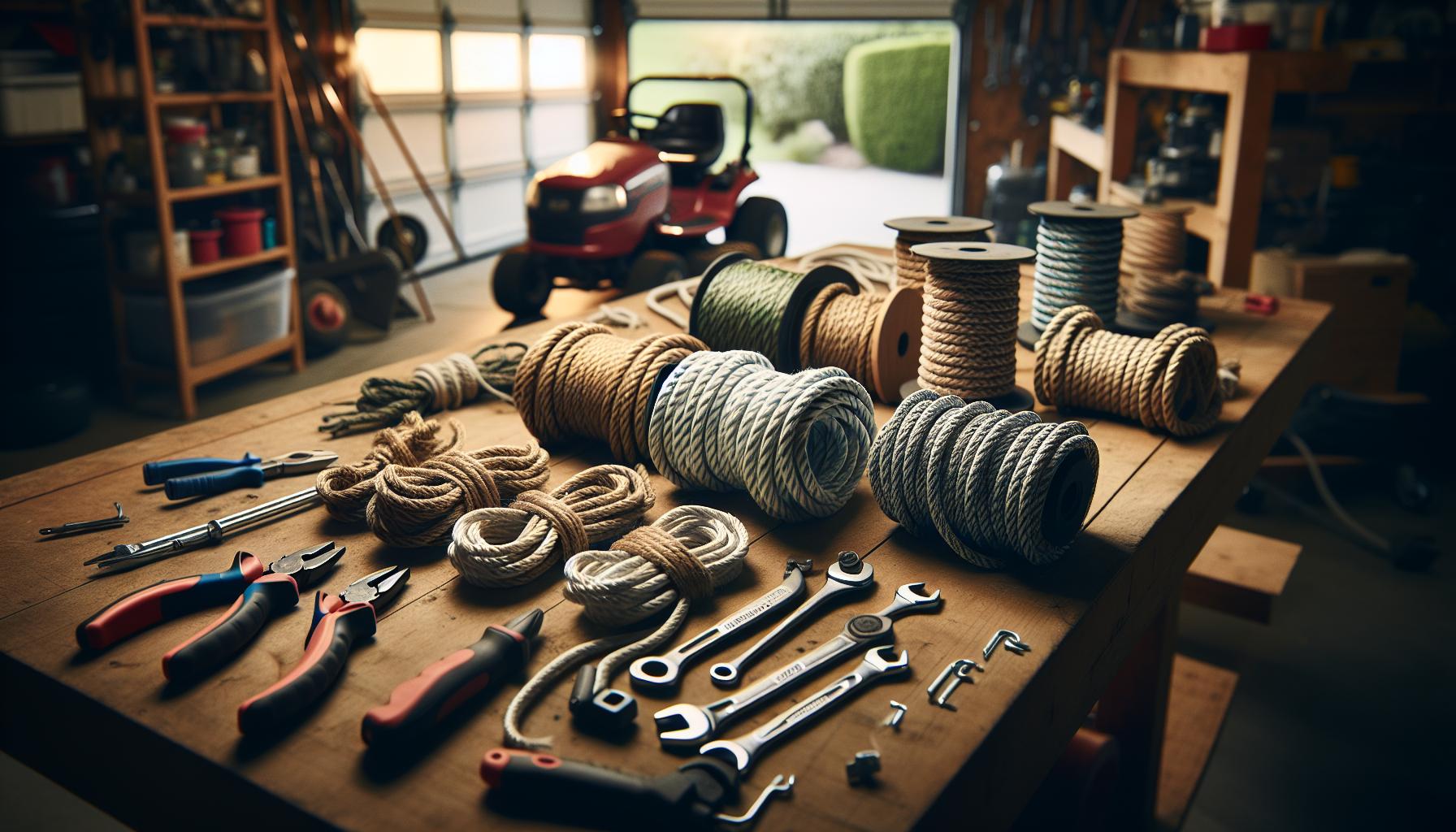
When faced with the task of replacing the pull rope on your lawn mower, selecting the right rope is critical for ensuring smooth operation and durability. The pull rope acts as the vital link between you and the engine’s ignition, making its quality and appropriate size a paramount concern. One of the first aspects to consider is the material. Most replacement pull ropes are made from nylon or polypropylene, with nylon typically providing greater strength and resistance to wear, making it ideal for high-capacity engines.
In addition to the material, it’s essential to pay attention to the diameter of the rope. Commonly, lawn mower pull ropes come in diameters ranging from 3.5mm to 5mm. Choosing a diameter that fits your mower’s specifications ensures a secure fit and reliable function. Most manufacturers provide guidelines on the proper rope size, which can be found in your mower’s user manual or online. Additionally, consider the length of the pull rope; a standard length is 10 feet, which can usually be cut down to size.
Finally, look for a pull rope with a handle that suits your grip preference. Some handles offer ergonomic designs for better control and comfort during operation. Durability features, such as UV resistance and reinforced stitching, can also enhance lifespan, particularly if your mower is stored outdoors. Investing in a high-quality pull rope from trusted suppliers, such as those available on platforms like Amazon and Home Depot, can make all the difference between a smooth start and a frustrating mowing experience.
Identifying the Signs of a Broken Pull Rope
A malfunctioning pull rope can turn a perfectly enjoyable lawn care experience into a frustrating ordeal. Recognizing the signs of a broken pull rope early can save you time, money, and effort. One of the most telltale signs is resistance when you try to pull the cord; if it feels stuck or excessively tough to pull, this may indicate an internal issue in the recoil starter or, more likely, a broken rope. Additionally, if the pull rope doesn’t return to its original position after being pulled, it likely means there’s a problem with the spring mechanism, or the rope has detached from its spool.
Another clear indicator is visible wear or fraying on the rope itself. If you notice cracks, splitting, or if the rope has become excessively thin in certain areas, these could be precursors to a complete break. Inspect the handle as well; a handle that feels loose or moves in an unusual manner is often a sign that the rope is not properly secured.
Lastly, listen for unusual sounds when attempting to start your mower. If you hear popping or snapping noises, this might indicate the rope has indeed snapped inside the casing. Catching these signs early allows for prompt action-which means you’ll be back to mowing your lawn in no time. By staying vigilant and conducting routine inspections of your mower’s pull rope, you can ensure a more seamless mowing experience and avoid unexpected breakdowns.
Step-by-Step Guide to Remove the Old Pull Rope
Replacing the pull rope on your lawn mower can seem daunting, but with a few straightforward steps, you’ll have it done in no time. The process involves careful removal of the old rope to ensure a smooth replacement and restore the functionality of your mower. Starting with the right tools can make a significant difference; typically, you’ll need a screwdriver, a pair of scissors, and possibly a wrench depending on your mower’s design.
To begin, first, make sure your lawn mower is completely powered down and disconnected from any power source. If you’re working with a gas mower, remove the spark plug wire to prevent accidental starting. Next, locate the recoil starter assembly, which is generally situated on the top of the engine. Depending on your mower, you may need to remove the cover by unscrewing the bolts or clips that hold it in place.
Once you have access to the recoil starter, observe how the old rope is threaded through the assembly. This is crucial information for reinstallation later. Cut the defectively damaged pull rope at the handle to free it from the assembly without pulling the remaining rope out. As you do this, be cautious of the recoil spring, which might be under tension; releasing any built-up tension can help prevent it from snapping back unexpectedly.
Next, remove the remaining rope and handle from the spool. If the spool is attached with screws, use your screwdriver or wrench as applicable to remove it. Clean any debris from the recoil area before inserting your new pull rope. This process not only facilitates better installation but also helps keep your mower in optimal condition. Following these procedures will set the foundation for your subsequent steps in replacing the pull rope effectively.
How to Properly Measure and Cut the New Rope
When embarking on the task of replacing a broken pull rope on your lawn mower, properly measuring and cutting the new rope is crucial for ensuring smooth operation. An incorrect length can not only hinder the mower’s functionality but can also lead to premature wear or accidental damage. To start, it’s essential to know the correct type of rope to use. Generally, you’ll want to select a polyester or nylon pull rope with a diameter that matches the specifications of your lawn mower’s recoil starter, typically around 4mm for most models.
Begin measuring the length needed by pulling the old rope out from the recoil starter. If the damaged rope is still attached, make note of its total length, including any sections that may have been frayed or broken internally. If you don’t have the old rope available or if you’re unsure, a common rule of thumb is to measure out approximately three times the distance from the recoil starter to where the handle typically sits, as this allows enough length for a secure knot and ample wrapping around the starter spool.
Cutting the New Rope
Once you’ve established the correct length, proceed to cut the new rope with clean, sharp scissors. It’s advisable to create a clean cut at a 45-degree angle, which can facilitate easier threading through the recoil assembly. This angled tip will help in guiding the rope through tighter spaces and makes it simpler to finish the installation process.
To ensure longevity and performance, you may want to seal the ends of the rope. This can be done by briefly melting the tips with a lighter or using heat shrink tubing. This step prevents fraying, which can occur under repeated tension and relaxation during the starting process. Always prioritize safety when working with heat; ensure that you protect your hands and any surrounding areas. By taking these careful measurements and cuts, you can prepare a sturdy replacement pull rope that will keep your lawn mower performing well for seasons to come.
Techniques for Installing the New Pull Rope
Installing a new pull rope on your lawn mower can seem daunting, but with the right techniques, you can make the process straightforward and efficient. To start, ensure you have the correct new pull rope ready for installation. The first step involves threading the new rope through the recoil starter assembly. Begin by locating the small opening on the recoil starter where the rope exits. This opening is often designed to accommodate the rope securely, guiding it smoothly as you pull. Gently push the rope through this opening until you have a length that protrudes adequately for the handle attachment.
Once the rope is through the recoil assembly, it’s essential to wind it around the starter reel properly. This is where many users overlook detail, leading to a poorly functioning starter. As you wrap the rope around the reel, make sure to do so in the direction indicated by the arrow, which is usually stamped on the side of the reel. Aim for tight, even coils – this helps prevent the rope from jamming during use. Remember to leave some slack in the rope; too tight a spool might hinder the recoil action, while too loose may not provide the necessary tension for reliable starts.
After securing the ropes to the recoil mechanism, attach the handle. Depending on the mower model, this may involve tying a knot or using proprietary fastening methods outlined in your mower’s manual. If using a knot, a simple double knot will suffice, but be sure it’s tightly fastened and that there are no frayed ends. After securing the handle, test the pull rope by gently tugging it. You should feel resistance when pulling, which indicates that the recoil spring is functioning correctly.
Finally, before closing up any covers or panels, pull the rope completely to ensure it retracts easily. This step verifies that your installation is successful. If the rope retracts without effort, great! If not, you might need to reassess the tension and alignment of the wraps. With these techniques, you can ensure a smooth installation of your new pull rope, keeping your lawn mower in top operating condition.
Testing Your Lawn Mower After Replacement

After replacing the pull rope on your lawn mower, it’s crucial to ensure everything is functioning as expected before you dive into yard work. An effective test not only confirms that the installation was successful but also saves you time by preventing potential frustrations during mowing. Start by examining the overall setup-check that the rope is securely attached to the handle and properly wound on the reel without any twists. This preparation creates a solid foundation for the testing process.
Next, perform a simple manual test by pulling the new rope. The first pull should require a firm tug but not excessive force; it should engage smoothly without any abrupt resistance. If you encounter snags or a jerky motion, heed these warning signs as indicators of improper winding or misalignment within the recoil mechanism. This initial test helps you identify any adjustments needed before the mower even approaches the grass.
Once you’re satisfied with the manual tug, it’s time to simulate a real mowing scenario. Ensure the mower is placed on flat ground, and then attempt to start the engine using the new pull rope. You should anticipate a straightforward startup if everything is correctly installed. Listen for a smooth ignition sound-this indicates that your engine is responding well. If the mower fails to start or produces unusual noises, don’t panic. It may suggest other issues, such as fuel supply problems or spark plug issues, which you’ll need to address separately.
Finally, if your mower starts as expected, take it for a quick test run over a small area of grass. Pay attention to the responsiveness: the mower should cut effortlessly without stalling or dragging. Afterward, always remember to carefully inspect the pull rope’s retraction and tension. If it returns smoothly to its original position, congratulations! You’ve successfully replaced the pull rope, ensuring your mower is ready for the next round of yard maintenance.
Common Mistakes to Avoid During Replacement
Replacing a pull rope on your lawn mower may seem straightforward, but there are common pitfalls that can easily lead to frustration or even additional repairs. Understanding these mistakes can save time and ensure a smooth replacement process. One of the most prevalent errors is incorrectly measuring the length of the new pull rope. It’s crucial to either use the original rope as a template or refer to the mower’s specifications. Too short, and it won’t function correctly; too long, and it could create a tangled mess or damage the recoil assembly.
Another frequent oversight involves failing to align the recoil mechanism properly before reassembling. If the spring is not wound correctly or the holes aren’t lined up, the new rope won’t retract as it should, leading to a frustrating mowing experience. Always double-check that the spring tension is appropriately set and that the rope can move freely within its casing before sealing everything back together.
Moreover, many tend to rush through the installation process, neglecting the importance of knot strength when securing the new rope. A weak knot can easily pull loose during use, causing the rope to break or jamming the starter. A reliable knot, like a double knot or the figure-eight knot, provides the necessary security to endure repeated pulls.
Lastly, not performing a thorough check of the entire pull cord system post-installation is a misstep that can result in overlooking other issues that may need addressing, such as fraying or wear on other components. Taking a few extra minutes to inspect the entire system can prevent future headaches and keep your mower firing on all cylinders. By avoiding these common mistakes, you’ll set yourself up for a more efficient and successful lawn mower maintenance experience.
Maintaining Your Lawn Mower’s Pull Rope System

Regular maintenance of your lawn mower’s pull rope system is essential for ensuring smooth operation and minimizing the likelihood of breakdowns. A well-maintained system can enhance performance and extend the life of your mower, saving time and money in the long run. Interestingly, a significant number of lawn mower issues stem from neglecting the pull rope system, largely due to improper care or infrequent inspections.
To keep your pull rope system in optimal condition, start by cleaning it periodically. Debris can accumulate around the recoil housing and pulley, causing the rope to stick or jam. You can use compressed air to blow out dust and grass clippings that may have infiltrated the mechanism. Additionally, inspect the rope and handle regularly for signs of fraying or wear and replace them if you notice any damage. This quick check can prevent future failures and ensure that you can start your mower without difficulty.
Another important aspect of maintenance is lubrication. Apply a light machinery oil to the recoil mechanism and springs to ensure smooth operation. This helps reduce wear and tear, allowing the spring to retract the rope easily after each pull. When oiling, take care to avoid excessive lubrication, as this can attract dirt and debris, leading to further complications down the line.
Lastly, consider the environment in which your mower operates. If you regularly mow in overly wet, muddy, or sandy conditions, you may need to perform maintenance more frequently to counteract the effects of those elements. Storing your mower in a clean, dry location when not in use also contributes to overall durability, protecting the pull rope system from harsh conditions. By proactively , you can ensure reliable performance for many mowing seasons ahead.
When to Seek Professional Help for Repairs
Determining when to consult a professional for lawn mower repairs, particularly regarding the pull rope system, can save you time, frustration, and potentially prevent further damage to your equipment. If you find yourself frequently pulling on the starter rope without results or if the rope breaks again shortly after replacement, it’s a clear indication that the issue may not be as straightforward as a simple fix. These persistent problems can signal underlying mechanical issues that often require the expertise of a trained technician.
Repairing or replacing the pull rope can sometimes be a straightforward task, but complications can arise. For instance, if you notice that the recoil mechanism is not functioning correctly-such as the rope not retracting smoothly or the recoil spring appears damaged-these issues can require specialized assistance. Attempting to fix complex mechanical problems without adequate knowledge can lead to further damage. If you lack the appropriate tools or feel uncomfortable disassembling parts of the mower, seeking professional help is a wise choice.
Additionally, if you have followed the basic troubleshooting steps-like lubricating the mechanism and inspecting the handle and rope-and the problems persist, then it may indicate deeper electrical or mechanical concerns that are not immediately visible. A professional can provide a thorough inspection and pinpoint issues that might not be apparent to the untrained eye. They are equipped with the experience and tools to correctly diagnose the problem and recommend the best course of action, whether it involves replacing parts or more extensive repairs.
Maintaining your lawn mower’s performance is essential for efficient yard care, and sometimes that means leveraging the skills of those who know the machinery inside and out. If you encounter significant resistance while pulling the cord, notice a rattling noise during operation, or if the mower has become increasingly difficult to start, these are all valid reasons to consult a professional. By doing so, you ensure that your lawn mower remains in top condition, saving you from costly future repairs or replacements.
Troubleshooting Pull Rope Issues Beyond Replacement
Experiencing persistent issues with your lawn mower’s pull rope after replacement can be incredibly frustrating, and it’s essential to delve deeper than just swapping out a broken cord. Often, the root of the problem lies beyond the rope itself, indicating other mechanical concerns that require attention. For instance, if your mower’s recoil mechanism is jammed or not functioning properly, it may prevent the cord from retracting smoothly, leading to ongoing troubles even after a new rope is installed. Therefore, regular inspection of the entire starting system is critical.
One of the common culprits of pull rope troubles is a damaged recoil spring. If the spring is broken or malfunctioning, even a new rope will not perform as it should. When inspecting the recoil assembly, look for signs of wear or breakage in the spring, as this can often be the underlying issue. Additionally, ensure that there are no obstructions near the blade or the start mechanism that might hinder functionality, as debris may easily cause a blockage that impacts the operation of the starter rope.
Another factor to consider is the lubrication of the recoil mechanism. Without proper lubrication, components can become stiff and unresponsive, making it difficult to pull the cord effectively. Take the time to clean the mechanism thoroughly and apply suitable lubricant to moving parts, which can improve performance significantly. In some cases, users overlook the importance of maintaining the pull rope assembly; regular care can greatly extend the life of the components involved.
Finally, if you’ve tried troubleshooting and routine maintenance without resolving the issues, it might be time to reconsider your approach. Understanding the potential for deeper mechanical problems is crucial. If the mower displays signs such as unusual vibrations or noises during operation, it might be best to consult a professional. They can conduct a comprehensive assessment of your mower’s mechanical health and pinpoint issues that might go unnoticed by the untrained eye. Taking these steps ensures your mower continues to operate efficiently, saving you time and hassle in the long run.
Alternative Solutions for Easy Lawn Mower Starts
One compelling way to ensure your lawn mower starts easily, even if you’re dealing with a broken pull rope, is to explore alternative starting solutions. Not only can these methods save you time and frustration, but they can also enhance your mower’s overall efficiency. For instance, consider investing in a battery-powered electric starter. Many modern mowers come equipped with this feature, allowing for a simple push of a button to engage the engine without the hassle of a pull cord. This added convenience is especially beneficial for those who may struggle with traditional starting methods due to physical limitations.
Consider Upgrading Your Starter System
If your lawn mower rarely gives you trouble, but you find the pull rope system unreliable, consider upgrading to an automatic recoil starter. This type of system can significantly reduce wear on the pull cord, as it usually engages automatically when the engine is fired up. Additionally, it’s worth evaluating if an aftermarket modification exists for your specific mower model, designed to enhance starting efficiency and reliability.
Regular Maintenance to Prevent Future Issues
Another practical approach is implementing a routine maintenance schedule. Keep the recoil mechanism clean and lubricated, as this can alleviate potential issues related to the pull rope. During your mower’s off-season, perform more thorough inspections and cleanings to ensure all components are functioning well. Regularly checking the condition of the pull rope, recoil spring, and other critical parts may prevent the cord from snapping and ensure a smoother start overall.
Utilizing Correct Techniques for Starting
Lastly, adopting the right starting technique can make a significant difference. When using a pull cord, ensure that you’re pulling at a consistent angle and not exerting excessive force, which can lead to quicker wear and tear. Starting your mower on a level surface can also help provide better stability and minimize complications.
By exploring these alternatives and best practices, you can enjoy a hassle-free experience every time you tackle your lawn care tasks.
Frequently Asked Questions on Pull Rope Changes
When it comes to replacing a pull rope on your lawn mower, it’s normal to have questions that can help simplify the process. Understanding common concerns can enhance your DIY experience and increase the longevity of your mower. One frequent question revolves around the type of rope to use: Can I use any type of cord? The answer is no; it’s essential to choose a cord that matches the specifications of your mower. Look for a strong, durable starter rope made of materials like nylon or polyester for optimal performance. Always check your mower’s manual for recommended rope dimensions.
Another common query is about the installation process: How can I ensure my new pull rope is installed correctly? Start by carefully following the steps provided in your mower’s manual. Generally, you’ll want to wind the rope around the spool with the correct tension and ensure it can retract smoothly. A critical tip is to avoid over-winding, which can lead to malfunctions. When you’re done, test the recoil mechanism to make sure everything functions as it should before testing the mower.
In terms of maintenance, many users wonder, How often should I check or replace the pull rope? Regular maintenance can prevent sudden failures. It’s advisable to inspect the rope for wear and tear before each mowing season and consider replacing it if you notice any fraying or deterioration. Keeping the recoil mechanism clean and lubricated will also extend the life of your pull rope, preventing issues before they arise.
Lastly, some might ask, What should I do if my lawn mower still won’t start after replacing the pull rope? If this happens, you may need to assess other starting components such as the spark plug or fuel line. Troubleshooting these elements can sometimes uncover underlying issues that aren’t directly related to the pull rope. Keeping a regular check on all components contributes significantly to the mower’s reliability and ease of use.
Implementing these insights can demystify the process, making it less daunting and more efficient. Whether you’re a novice or seasoned gardener, knowing the answers to these frequently asked questions can help you maintain your lawn mower effectively.
Frequently Asked Questions
Q: How do I know if my lawn mower pull rope is broken?
A: Signs of a broken pull rope include the rope not retracting, unusual noises during pull attempts, or visible fraying or damage at the handle. For additional details on identifying issues with your pull rope, refer to the section on identifying signs of a broken pull rope in the main article.
Q: Can I use any type of rope for my lawn mower?
A: No, it’s essential to use a pull rope specifically designed for lawn mowers to ensure durability and performance. Refer to the Choosing the Right Pull Rope for Your Lawn Mower section for guidance on selecting the proper type.
Q: What tools do I need to replace the pull rope on my lawn mower?
A: You will typically need a screwdriver, scissors, and a socket wrench. These tools will help you remove the mower casing and install the new rope. For a complete list, see the Step-by-Step Guide to Remove the Old Pull Rope section.
Q: How do I measure the new pull rope for my lawn mower?
A: To measure, unwind the old rope and lay it flat. Use this length to cut the new rope, allowing an extra few inches for knots. Make sure to read the section on Properly Measuring and Cutting the New Rope for further details.
Q: What are common mistakes to avoid when replacing a lawn mower pull rope?
A: Common mistakes include not measuring the rope correctly, over-tightening or loosely installing the rope, and neglecting to test the pull mechanism post-installation. For more tips, check out the Common Mistakes to Avoid During Replacement section.
Q: How often should I replace my lawn mower pull rope?
A: It’s advisable to inspect the pull rope every season and replace it as soon as you notice signs of wear or damage. Regular maintenance can help prevent more extensive repairs. Explore the Maintaining Your Lawn Mower’s Pull Rope System section for further insights.
Q: What should I do if the new pull rope doesn’t work?
A: If the new rope doesn’t operate correctly, double-check the installation steps, ensuring no knots are caught, and that the rope is properly looped through. For detailed troubleshooting assistance, consult the Troubleshooting Pull Rope Issues Beyond Replacement section in the main article.
Q: Can I repair a broken pull rope instead of replacing it?
A: In some cases, you can use tape to temporarily secure a frayed rope, but this is not a long-term solution. For a more permanent fix, replacing the pull rope is recommended. See Alternative Solutions for Easy Lawn Mower Starts for more ideas on dealing with starting issues.
Wrapping Up
Now that you know how to change the pull rope on your lawn mower, you can keep your equipment in top shape for hassle-free mowing. Remember, regular maintenance not only enhances performance but prolongs the life of your mower. If you found this tutorial helpful, consider checking out our in-depth guide on lawn mower maintenance or explore other troubleshooting tips for common mower issues.
Don’t let a broken pull rope disrupt your cutting routine-take action today! For more expert advice and resources tailored to lawn care, be sure to subscribe to our newsletter and keep those blades sharp. Have questions or experiences to share? We invite you to leave a comment below or share this video with fellow DIYers. Together, we can tackle any lawn mower challenge that comes our way!