Did you know that in the United States alone, yard waste accounts for about 13% of all municipal solid waste? Disposing of lawn waste properly is essential not only for keeping your yard tidy but also for protecting the environment. Whether you’re tackling clippings from a recent mowing or dealing with fallen leaves, finding eco-friendly disposal methods can significantly reduce your carbon footprint and enhance your garden’s health. In this article, we’ll explore seven smart ways to dispose of lawn waste that balance your need for a beautiful yard with sustainability. Join us as we dive into practical solutions that will leave your outdoor space looking great while nurturing the planet.
Understanding Lawn Waste: Types You Need to Know
Lawn waste consists of various organic materials generated from routine yard maintenance, and understanding its types is crucial for effective management and disposal. The primary categories of lawn waste include grass clippings, leaves, branches, and flowers. Each type has distinct characteristics and handling requirements, making it essential to categorize them properly. For instance, grass clippings are a rich nitrogen source, while autumn leaves can provide carbon, vital for composting. Recognizing these differences can help homeowners optimize their lawn care practices while minimizing environmental impact.
Grass clippings typically arise from regular mowing and can comprise a significant portion of lawn waste. Many people view them as a nuisance, often bagging them for disposal. However, leaving clippings on the lawn can serve as a natural fertilizer, decomposing on-site and returning nutrients to the soil. This practice, known as grasscycling, can reduce the need for synthetic fertilizers and help maintain soil health.
Leaves, another common type of lawn waste, tend to accumulate in large volumes during fall. While they can create a picturesque landscape, they also pose challenges for lawn care, potentially smothering grass beneath if not managed properly. Homeowners can take advantage of fallen leaves by composting them or using them as mulch, which not only enhances soil structure but also provides vital nutrients for garden beds.
Lastly, branches and other woody debris result from pruning and storm damage. These larger waste items often require more effort to manage, as they may not decompose easily in regular compost. Instead, they can be chipped into mulch or disposed of through municipal yard waste programs. By understanding the types of lawn waste-grass clippings, leaves, and branches-homeowners can develop effective, eco-friendly disposal strategies that benefit both their gardens and the environment.
The Environmental Impact of Lawn Waste Disposal
The way lawn waste is disposed of has significant implications for both the environment and our communities. When homeowners fail to manage grass clippings, leaves, and branches properly, they often end up in landfills, contributing to greenhouse gas emissions. In fact, according to the U.S. Environmental Protection Agency, yard waste makes up approximately 13% of all landfill material, and as it decomposes anaerobically, it generates methane-a potent greenhouse gas with a warming potential 25 times greater than carbon dioxide over a 100-year period.
Efficient and eco-friendly management of lawn waste not only reduces these harmful emissions but also promotes nutrient recycling within our ecosystems. By composting yard debris or using it as mulch, homeowners can return valuable nutrients to their gardens and reduce the need for chemical fertilizers, which can pollute local waterways through runoff. Additionally, practices such as grasscycling-where grass clippings are left on the lawn after mowing-can save time, money, and help retain moisture in the soil.
Moreover, engaging in community initiatives for lawn waste disposal can amplify positive environmental impacts. Local programs that provide resources for composting or offer yard waste collection services encourage sustainable practices among residents. By pooling resources and knowledge, communities can create a robust support network, fostering a culture of sustainability that extends beyond individual efforts.
In summary, making informed decisions about lawn waste disposal is essential for minimizing environmental harm and enhancing community health. By understanding the implications of lawn waste management and adopting sustainable practices, homeowners can contribute to a cleaner, greener planet for future generations.
Smart Strategies for Composting Lawn Clippings
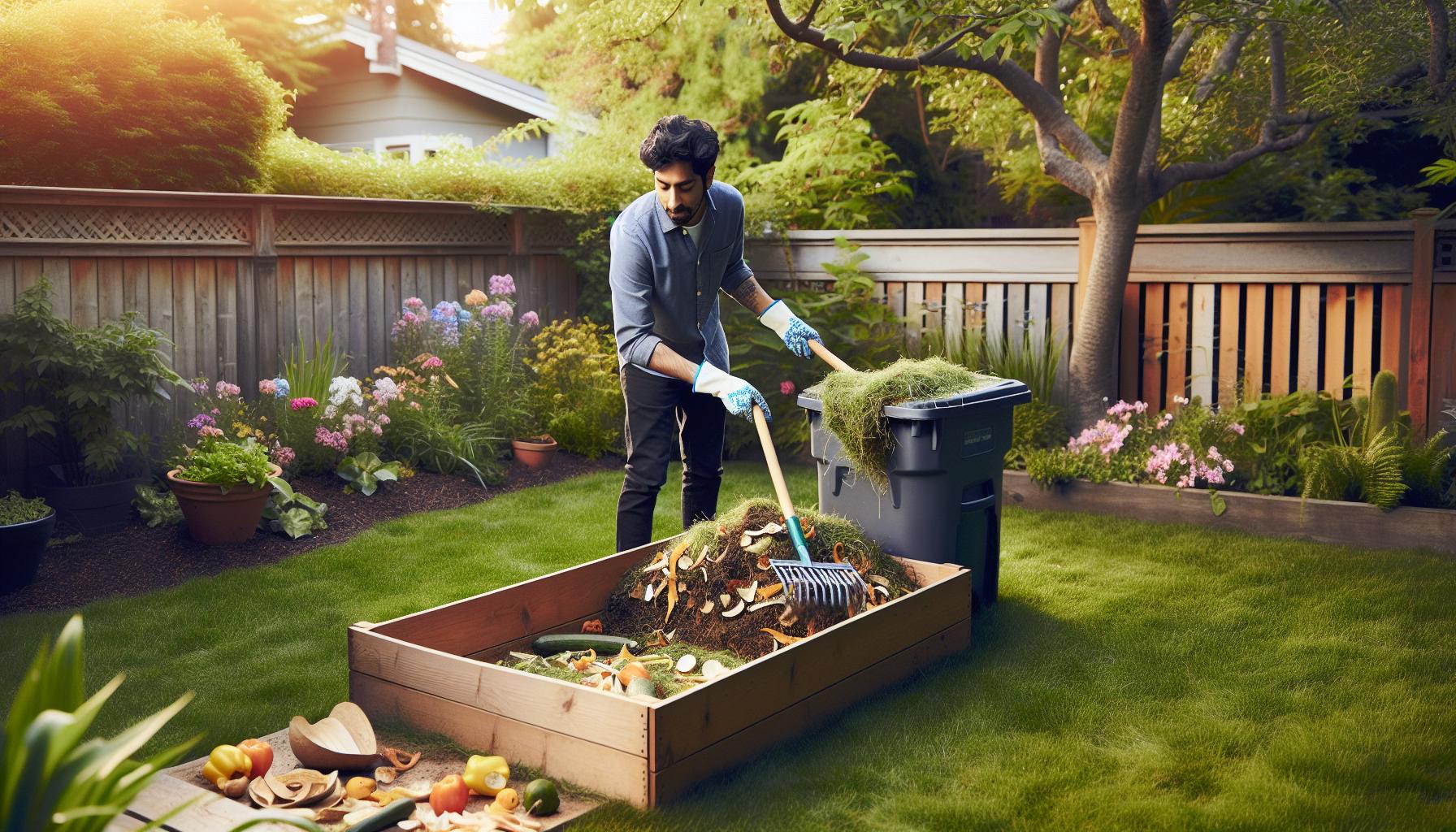
Composting lawn clippings isn’t just an environmentally friendly practice; it’s a simple yet effective way to enrich your garden while minimizing waste. In fact, grass clippings contain about 4% nitrogen, making them a fantastic resource for your compost pile or bin. By properly composting your clippings, you can enhance soil fertility, improve moisture retention, and reduce the need for chemical fertilizers. Here’s how you can turn your lawn clippings into valuable compost with some smart strategies.
One efficient method to compost grass clippings is to mix them with other organic materials. Layering is key; combine your clippings with leaves, vegetable scraps, and yard debris. Aim for a balanced ratio of green materials (like fresh clippings) and brown materials (like dried leaves or straw) to achieve optimal aeration and decomposition. Follow this simple ratio:
| Material Type | Recommended Ratio |
|---|---|
| Green Materials (nitrogen-rich) | Approximately 50-60% |
| Brown Materials (carbon-rich) | Approximately 40-50% |
Moreover, for those quick on time, consider grasscycling, where you leave clippings on the lawn right after mowing. This method returns valuable nutrients back into the soil, reduces the need for additional fertilizers, and cuts down on yard waste. Just ensure that your clippings are short enough and not piled high, which prevents grass mortality.
Another smart strategy involves turning your compost regularly. Aeration is crucial for a healthy compost pile. By turning your pile every few weeks, you introduce necessary oxygen that accelerates the decomposition process, resulting in rich, dark compost in a fraction of the time. Additionally, monitor moisture levels; the pile should be damp but not soaking. You can add water or dry materials as needed to maintain the right balance.
By implementing these strategies, not only can you effectively compost your lawn clippings, but you’ll also foster healthier soil and reduce the environmental impact of conventional waste disposal methods. Embracing composting as a regular practice will empower you to transform yard waste into a sustainable resource for your garden, contributing to a greener planet.
Recycling Leaves: Creative and Eco-Friendly Ideas

Every autumn, millions of leaves fall from trees, producing a colorful carpet that eventually needs to be managed. Instead of discarding these fallen leaves, consider their potential in various creative and eco-friendly ways that can enhance your garden and reduce waste. With a little ingenuity, these natural materials can be transformed into beneficial resources for your landscape.
One of the simplest yet most effective methods for recycling leaves is by creating leaf mulch. Shredded leaves not only suppress weeds but also retain moisture in the soil, providing a slow release of nutrients as they decompose. To make leaf mulch, run over the leaves with a lawn mower equipped with a bagging attachment. Spread the shredded material around flower beds, trees, and shrubs to enrich the soil while maintaining a tidy appearance. Not only does this method help with soil health, but it also reduces the volume of waste sent to landfills.
Leaf Composting
Composting leaves is another excellent way to recycle them, turning yard waste into a rich, organic material for your garden. Mixing leaves with other kitchen scraps and green materials creates a balanced compost pile. As leaves are high in carbon, they should ideally be layered with nitrogen-rich materials such as grass clippings or vegetable scraps. For optimal decomposition, aim for a ratio of 3:1 (carbon to nitrogen), and keep the pile moist but not soaking. Regularly turning the compost will help aerate it and speed up the process, ultimately resulting in nutrient-dense compost ready to nourish your garden.
Creative Uses for Leaves
Beyond composting and mulching, leaves can also be used in various creative projects. For instance, consider making leaf molds. By piling leaves in a corner of your yard and allowing them to break down naturally over time, you can create a rich, dark, crumbly material that can be used to enrich garden beds and improve soil structure. Additionally, many gardeners repurpose leaves to create natural paths or decorative borders around gardens, providing both aesthetic appeal and functionality.
Lastly, don’t overlook the idea of creating leaf-based crafts with children or in local workshops. Using leaves for art projects, such as leaf rubbings or collages, not only promotes eco-friendliness but also fosters creativity. By recycling leaves in these engaging ways, you can contribute to a greener environment while enjoying the process of transforming organic waste into useful garden products.
Utilizing Yard Debris: Mulching Methods Explained
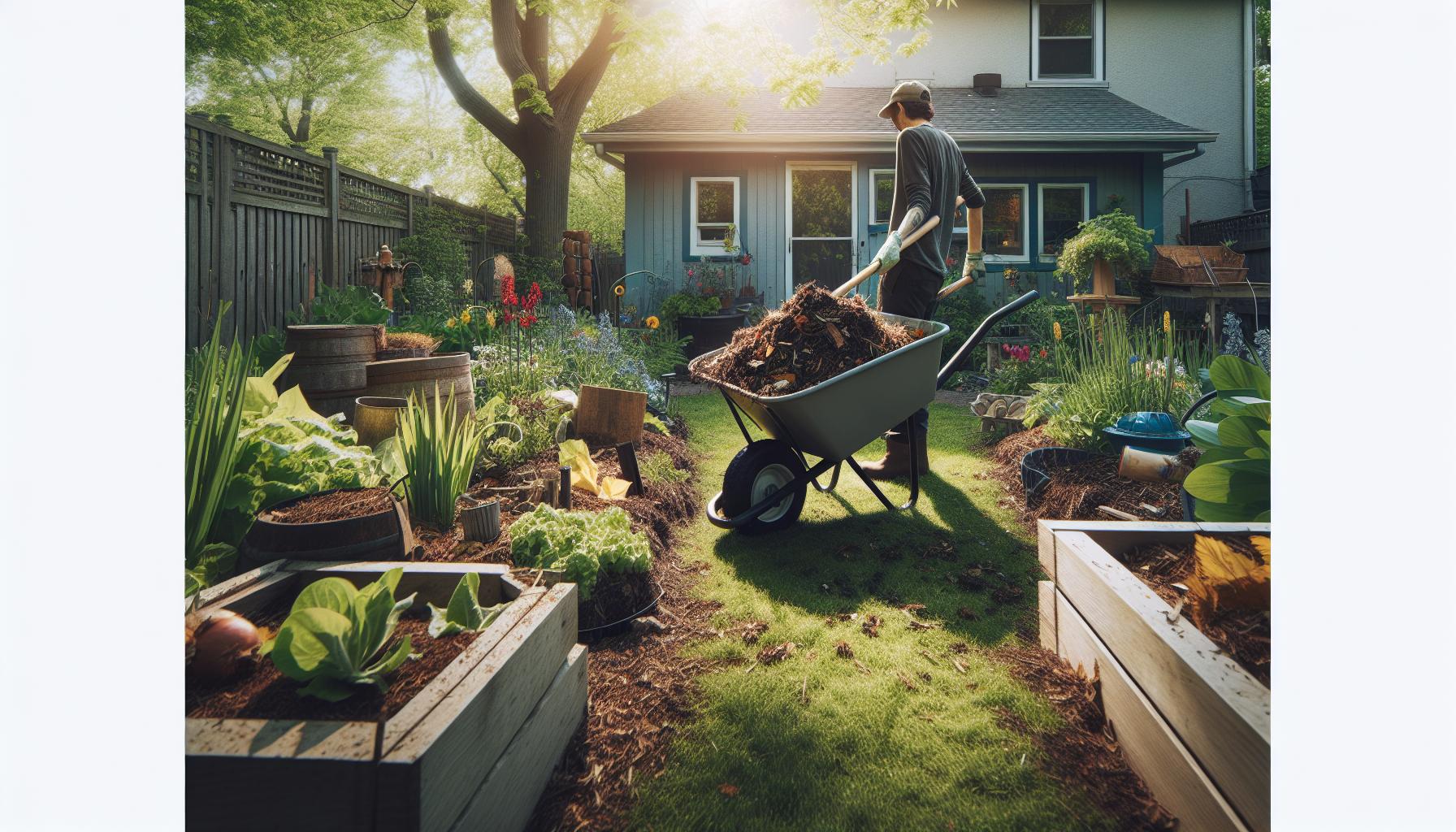
Utilizing yard debris through effective mulching methods can significantly benefit both your garden and the environment. Mulch is an excellent way to suppress weeds, retain moisture in the soil, and gradually enrich the earth as it decomposes. By recycling leaves, grass clippings, and other organic matter from your yard, you can enhance your landscape’s health while reducing waste destined for landfills.
One of the simplest yet most effective techniques for creating mulch is to use a lawn mower equipped with a bagging attachment to chop leaves or grass clippings into small pieces. Shredding these materials increases their surface area, allowing them to break down more quickly once applied. Spread the shredded material in a layer around flower beds, trees, and shrubs. Aim for a thickness of about 2-3 inches. This method not only helps retain soil moisture but also provides a nutrient boost as the mulch decomposes, fostering healthier plant growth.
Another beneficial approach is to incorporate wood chips or bark mulch. These types hold moisture effectively and help create a barrier against weeds, maintaining a clean and attractive landscape. They can also improve soil structure over time. When applying wood chip mulch, keep it a few inches away from the plant stems to avoid rot and provide ventilation to the plants.
Finally, consider creating a compost mulch by blending your yard debris with kitchen scraps and other organic materials. This dual-layer strategy enhances nutrient availability and fosters microbial activity in the soil, greatly benefitting plant health. Remember to keep your compost mulch aerated and turned periodically to ensure optimal decomposition.
By embracing these mulching methods, you can not only create a beautiful garden space but also contribute to a more sustainable environment, transforming waste into valuable resources.
Municipal Disposal Options for Lawn Waste
Managing lawn waste effectively is essential not just for maintaining a tidy garden but also for promoting environmental sustainability. Municipal disposal options present a practical solution for homeowners looking to responsibly get rid of grass clippings, leaves, and other organic garden debris. Many municipalities offer dedicated yard waste collection services, allowing residents to set their lawn waste out for pickup on designated days. This collected material is often transported to facilities where it can be converted into mulch or compost, thereby reducing landfill waste and promoting recycling.
One common system is curbside collection, typically scheduled during certain times of the year, often coinciding with peak lawn maintenance seasons in spring and fall. Residents can place their organic materials in specially designated bins, bags, or bundles. To ensure compliance and effectiveness, it’s crucial to check with local waste management authorities regarding specific guidelines, such as bag sizes, acceptable materials, and collection schedules. For example, some places may require biodegradable bags, while others might allow tied bundles of branches and grass clippings.
In addition to curbside collection, many municipalities operate drop-off sites where residents can bring their lawn waste. These sites often accept a broader range of materials than curbside programs, including larger items like tree trimmings and branches. Using these facilities not only helps in managing yard waste efficiently but also contributes to community composting initiatives, where residents can see firsthand how their waste is transformed into nutrient-rich soil amendments.
It’s worth noting that some cities offer innovative programs that incentivize composting at home or using municipal facilities. These initiatives can include discounts on compost bins or free educational workshops on sustainable lawn care practices. Participating in these programs not only supports local resources but can also foster community engagement, turning lawn waste disposal into an opportunity to learn and grow collectively. By exploring these municipal options, homeowners can adopt responsible waste disposal practices while contributing to the greater good of the environment.
Innovative Approaches to Upcycling Grass and Leaves
Upcycling grass and leaves is not only a practical way to manage lawn waste, but it also contributes positively to the environment by reducing landfill waste and enriching soil health. Ingenious methods of reusing these organic materials can transform them into valuable resources, promoting sustainability right in your backyard. For instance, rather than bagging grass clippings after mowing, consider leaving them on the lawn as a natural fertilizer. This practice, known as grasscycling, can significantly reduce the need for synthetic fertilizers while returning essential nutrients back into the soil.
Creative Uses for Grass Clippings
Grass clippings can serve multiple purposes beyond returning to the lawn. Here are a few innovative approaches to give your clippings a second life:
- Mulching: Use clippings to create mulch for garden beds. A layer of 2-3 inches of grass clipping mulch can suppress weeds, retain soil moisture, and improve soil quality as it decomposes.
- Composting: Layer grass clippings with carbon-rich materials like dried leaves and straw in your compost bin. This balances nitrogen levels and accelerates the composting process, resulting in nutrient-rich soil amendment.
- Animal Bedding: If you have farm animals, grass clippings can be used as bedding. Ensure that the clippings are free from chemicals or pesticides to keep your animals safe.
Transforming Leaves into Resources
Leaves often end up as waste during fall cleanup, but they can be repurposed in remarkable ways.
- Leaf Mold: Create leaf mold by piling leaves in a corner of your yard and letting them decompose over time. This rich, natural amendment provides excellent nitrogen and helps improve soil structure.
- Shredded Leaf Mulch: Shredding leaves before using them as mulch improves their effectiveness in moisture retention and weed suppression. Spread shredded leaves around plants or in garden pathways.
- Natural Insulation: Use leaves as insulation for your vegetable garden during winter months. Covering soil with leaves can help regulate temperature and protect plant roots.
By adopting these innovative strategies for upcycling grass and leaves, you will not only take a proactive approach to waste management but also enhance the health and vitality of your garden. These practices illustrate that lawn waste can indeed be transformed into valuable resources, making your gardening efforts more sustainable and rewarding.
Partnering with Local Gardeners for Waste Solutions
The growing trend of sustainable gardening has sparked an interest in collaboration among local gardeners to effectively manage lawn waste. By partnering with nearby gardening enthusiasts, you can streamline your waste disposal efforts while benefiting from collective knowledge and resources. Local gardeners often share a mutual goal of promoting environmental sustainability, making it easier to find innovative solutions that are both practical and eco-friendly.
One of the most impactful ways to collaborate is through community composting programs. These initiatives allow gardeners to contribute their lawn clippings, leaves, and other organic materials to a shared compost bin, where they can be transformed into nutrient-rich compost. Not only does this reduce individual waste, but it also fosters a sense of community as participants watch their contributions contribute to the health of shared gardens. Additionally, many local gardening groups organize workshops to educate members about the benefits of composting, thus increasing overall community awareness and involvement.
Another avenue to explore is the exchange of yard waste for other gardening resources. For example, if you have an abundance of grass clippings but lack enough organic matter for your compost, reach out to local gardeners who may be willing to trade materials. Some may have excess leaves or other green waste that can complement your lawn clippings. This not only reduces waste but also promotes a spirit of sharing and collaboration among local gardeners.
Finally, consider creating local online platforms or social media groups where gardeners can connect specifically to address waste solutions. These platforms can serve as a space for sharing tips, coordinating waste collection, or discussing local recycling options. By tapping into the collective expertise of your community, you can discover new strategies for managing lawn waste that may not have been previously considered, leading to innovative, sustainable practices that benefit everyone involved.
When to Call in Professional Yard Waste Services
Sometimes, managing yard waste can feel overwhelming, especially during peak gardening seasons when grass clippings, leaves, and other debris accumulate rapidly. While DIY approaches like composting and mulching are effective, there are specific situations where it’s wiser to call in professional yard waste services. Knowing when to seek help can save you time, reduce stress, and ensure your waste is disposed of properly.
If you find yourself with an excessive amount of waste that exceeds what you can realistically handle, it may be time to reach out to professionals. In particular, large projects like tree removals, extensive landscaping jobs, or spring/fall cleanups can generate a significant volume of debris. Trying to manage this on your own can lead to inefficiencies and even hazards, such as improperly stacked waste or difficulty in transporting heavy materials. Professional services are equipped with the tools and manpower needed to handle heavy lifting and ensure safe removal.
Timing Is Everything
Consider also the timing of your clean-up efforts. If you’re facing tight deadlines, such as preparing your yard for an upcoming event or for seasonal transitions, professional services can be a lifesaver. They typically work quickly and efficiently, allowing you to focus on other important tasks. Moreover, during peak seasons, many municipalities have specific yard waste pickup schedules that might not align with your clean-up efforts. Hiring professionals who understand local regulations can ensure that your lawn waste is collected in a timely manner without any added hassle.
Environmentally Responsible Disposal
Choosing professional yard waste services can also play a crucial role in sustainable waste management. Many reputable companies have established relationships with local recycling facilities or composting centers, ensuring that your waste is diverted from landfills. They often employ practices that prioritize environmental responsibility, such as using mulch to enhance soil health or recycling yard waste into viable compost products. By opting for these services, you are contributing to eco-friendly practices while ensuring that your yard waste is disposed of correctly.
Ultimately, while taking on yard waste disposal can be a rewarding task, it’s essential to recognize when professional assistance is not just convenient but beneficial for both you and the environment.
Essential Tips for Safe Lawn Waste Disposal
Disposing of lawn waste safely and effectively is essential not just for maintaining a tidy garden but also for protecting the environment. With an astounding amount of organic waste generated from grass clippings, leaves, and debris every year, adopting smart disposal strategies can significantly reduce your ecological footprint. Here are some essential tips that will help you navigate lawn waste disposal with ease and responsibility.
Start by understanding local regulations regarding lawn waste disposal. Many municipalities have specific guidelines for yard waste collection, including designated pickup days and composting guidelines. Familiarizing yourself with these rules ensures that you’re compliant and helps prevent potential fines or improper disposal. Moreover, utilizing local resources such as community composting programs can enhance your efforts to manage lawn waste responsibly.
When it comes to handling lawn clippings and leaves, consider composting as an efficient and sustainable solution. Not only does this method recycle organic materials, but it also enriches your soil for future gardening. To compost effectively, layer brown materials (like dried leaves) with green materials (like grass clippings) and avoid adding diseased plants or weeds. This will create a balanced compost heap that breaks down efficiently, providing nutrient-rich mulch for your garden.
Smart Collection Techniques
Implementing safe collection techniques can also make lawn waste disposal more manageable. Invest in durable bags or bins specifically designed for yard waste. Be sure to avoid overfilling, as heavy loads can lead to injury when lifting or transporting. Organizing your waste into categories-such as grass clippings, leaves, and branches-can streamline the disposal process. This not only helps when dealing with municipal pickups but also makes it easier to utilize specific composting methods later on.
Engaging with the Community
Finally, consider partnering with local gardeners or community groups focused on sustainable gardening. By joining forces, you can share resources and knowledge about effective waste management techniques. Participating in neighborhood cleanup days or community composting events strengthens local ties while enhancing your efforts to stay environmentally friendly. Taking these steps not only promotes healthy soils but also fosters a strong community spirit centered around sustainability.
By implementing these strategies, you can ensure environmentally responsible disposal of your lawn waste and contribute positively to the ecosystem. Understanding local guidelines, effectively composting organic materials, and engaging with your community sets the stage for a cleaner, greener approach to lawn care.
Exploring Zero-Waste Alternatives for Yard Cleanup
Embracing zero-waste alternatives for yard cleanup not only minimizes waste but also fosters a more sustainable approach to gardening. A staggering 30% of urban waste is comprised of organic materials, and lawn clippings and fallen leaves can account for a significant portion of this. To combat this waste, innovative strategies and creative uses for yard debris can transform what is typically discarded into valuable resources that enrich your garden and benefit the environment.
One of the most effective zero-waste strategies is to implement grasscycling. This involves leaving grass clippings on the lawn after mowing, which naturally decomposes and returns nutrients to the soil. This method not only reduces the need for chemical fertilizers but also cuts down on disposal costs. If you’re concerned about clumping, simply mow when the grass is dry or alternate between mulching and bagging clippings to keep the lawn looking tidy while still maximizing ecological benefits.
In addition, consider using leaves as mulch instead of raking them into piles for pickup. Shredding leaves creates a protective layer that suppresses weeds, retains moisture, and contributes organic matter. This approach not only enhances soil health but also minimizes yard waste and reduces the frequency of removals. For those with larger quantities of leaves, creating a leaf mold pile can be a fantastic solution-this decomposed material will serve as an excellent soil amendment over time.
Community Programs and Engagement
Getting involved with local gardening groups or co-ops can also lead to more zero-waste solutions. Many communities host swap days where residents can share cuttings, seeds, and even yard waste for shared compost heaps. This not only fosters community relationships but also encourages a culture of sustainability where yard waste is considered a valuable resource rather than just waste.
Adopting zero-waste alternatives in your yard isn’t merely about reducing waste-it’s about rethinking how we interact with our environment. By actively involving oneself in sustainable practices such as grasscycling, mulching, and participating in community programs, gardeners can not only enhance their gardens but also contribute positively to their ecological footprint. Thus, the act of caring for your lawn becomes an integral part of a larger movement towards sustainability and environmental stewardship.
Community Initiatives: How to Get Involved in Green Waste Solutions
The transition to a more sustainable approach in lawn care can be exciting and rewarding, particularly through community engagement. Local initiatives provide not only a platform for sharing resources but also an opportunity for education and fostering relationships. By participating in community programs focused on green waste solutions, individuals can contribute significantly to environmental preservation while enriching their gardening experiences.
One effective way to get involved is to join local gardening cooperatives or community gardening groups. Many of these organizations host educational workshops on composting, grasscycling, and efficient lawn care practices. Participating in such events can enhance your skills and knowledge of eco-friendly practices while allowing you to connect with fellow gardening enthusiasts. Additionally, look for community swap days, where residents can exchange plants, seeds, and even yard waste. These events promote the idea that yard waste can be transformed into valuable resources, such as compost or mulch, rather than being discarded.
Another valuable initiative is to support or volunteer for local tree planting or clean-up events organized by nearby environmental groups. These activities not only help improve the local ecosystem but also spread awareness of the benefits of reducing lawn waste. Moreover, many municipalities are now implementing curbside composting programs. Getting involved in these initiatives can help to ensure that organic materials are disposed of properly, diverting waste from landfills and enhancing soil health.
When looking for ways to connect with your community, consider sharing your own practices and successes on social media platforms or community forums. Creating a blog or social media group focused on sustainable gardening can inspire others to adopt similar practices while providing tips and support for effective waste management. In doing so, you help cultivate a culture where lawn waste is viewed as an opportunity for growth rather than merely refuse, paving the way for more innovative and sustainable gardening practices in your community.
Q&A
Q: What is the best way to recycle lawn waste?
A: Recycling lawn waste can be effectively done by composting clippings and leaves. This method not only reduces waste but also creates nutrient-rich soil for your garden. For more comprehensive recycling strategies, refer to the section on “Recycling Leaves: Creative and Eco-Friendly Ideas” in the main article.
Q: How often should I dispose of lawn waste?
A: It’s best to dispose of lawn waste after each mowing session or when you gather a significant amount, typically weekly during growing seasons. Regular disposal prevents buildup and maintains a tidy yard, aligning with sustainable lawn care practices discussed in the article.
Q: Can I burn lawn waste at home?
A: Burning lawn waste is not recommended due to air quality regulations and safety concerns. Instead, consider composting or utilizing municipal disposal options, as described in the “Municipal Disposal Options for Lawn Waste” section of the article.
Q: What can I do with grass clippings besides throwing them away?
A: Grass clippings can be left on the lawn as a natural fertilizer, composted, or made into mulch for gardens. This sustainable practice enriches soil health and reduces waste, which is elaborated in the “Smart Strategies for Composting Lawn Clippings” section of the article.
Q: Is it better to bag or mulch lawn clippings?
A: Mulching lawn clippings is generally better, as it recycles nutrients back into the soil, promoting a healthy lawn while reducing waste. This practice is highlighted in the article’s “Utilizing Yard Debris: Mulching Methods Explained” section.
Q: Are there community programs for lawn waste disposal?
A: Many communities offer yard waste pickup services or composting programs. Check local government websites for initiatives and how to get involved, as discussed in the “Community Initiatives: How to Get Involved in Green Waste Solutions” section of the article.
Q: How does lawn waste impact the environment?
A: Lawn waste can negatively affect the environment through methane emissions in landfills and nutrient runoff into waterways. Understanding these impacts is essential for responsible disposal, as detailed in the article’s “The Environmental Impact of Lawn Waste Disposal” section.
Q: What is the cleanest way to dispose of lawn waste?
A: The cleanest way to dispose of lawn waste is through composting or using local yard waste collection services. These methods minimize mess and environmental impact, ensuring sustainable yard management as outlined in the article.
Wrapping Up
As you embrace these 7 smart and eco-friendly ways to dispose of lawn waste, remember that every small action contributes to a healthier planet. Start implementing these tips today, and not only will you enhance your garden’s health, but you’ll also help reduce waste and promote sustainability in your community. For more insights, check out our guide on composting techniques and explore the best organic fertilizers that can enrich your lawn’s soil.
Don’t hesitate-subscribe to our newsletter for more eco-friendly gardening tips and be part of a growing community that values the environment. Share your experiences in the comments below, and let us know how you handle your lawn waste! Together, we can create greener spaces while reducing our environmental footprint.