If your self-propelled lawn mower has suddenly stopped driving, you’re not alone-it’s a common issue that can be frustrating, especially during the busy mowing season. Understanding how to troubleshoot and fix this problem not only saves you time and money but also enhances your lawn care routine. In this guide, we’ll explore the most frequent causes of a non-driving mower, including potential mechanical and electrical issues. By the end, you’ll be equipped with the knowledge to identify the problem and, hopefully, restore your mower to its full working condition. So let’s dive in and reclaim the effortless mowing experience you deserve!
How Self-Propelled Lawn Mowers Work Explained
Understanding the inner workings of self-propelled lawn mowers can illuminate why they sometimes fail to drive. These machines are designed to take the burden off the user by providing automatic drive via a system of components working in unison. Central to this operation is the drive mechanism, typically a combination of belts, gears, and a powerful engine outfitted with specific drive controls, allowing the mower to move forward without manual effort.
At the heart of a self-propelled lawn mower is the traction drive system. When engaged, the engine powers a belt that transmits energy to the wheels, enabling movement. Variations in speed can often be adjusted by the operator through a control lever or handle, altering the tension on the drive belt. This elegantly designed system allows the mower to traverse various terrains while maintaining optimal control and speed.
However, maintaining this complex interaction among the components is vital for the mower’s performance. Factors like a worn drive belt, misaligned gears, or a faulty traction drive system can lead to drive failures. Regular inspections, proper alignment of parts, and timely replacements are crucial to ensuring that the mower operates smoothly. Understanding these elements empowers users to diagnose and address issues proactively, ultimately extending the mower’s lifespan and efficiency.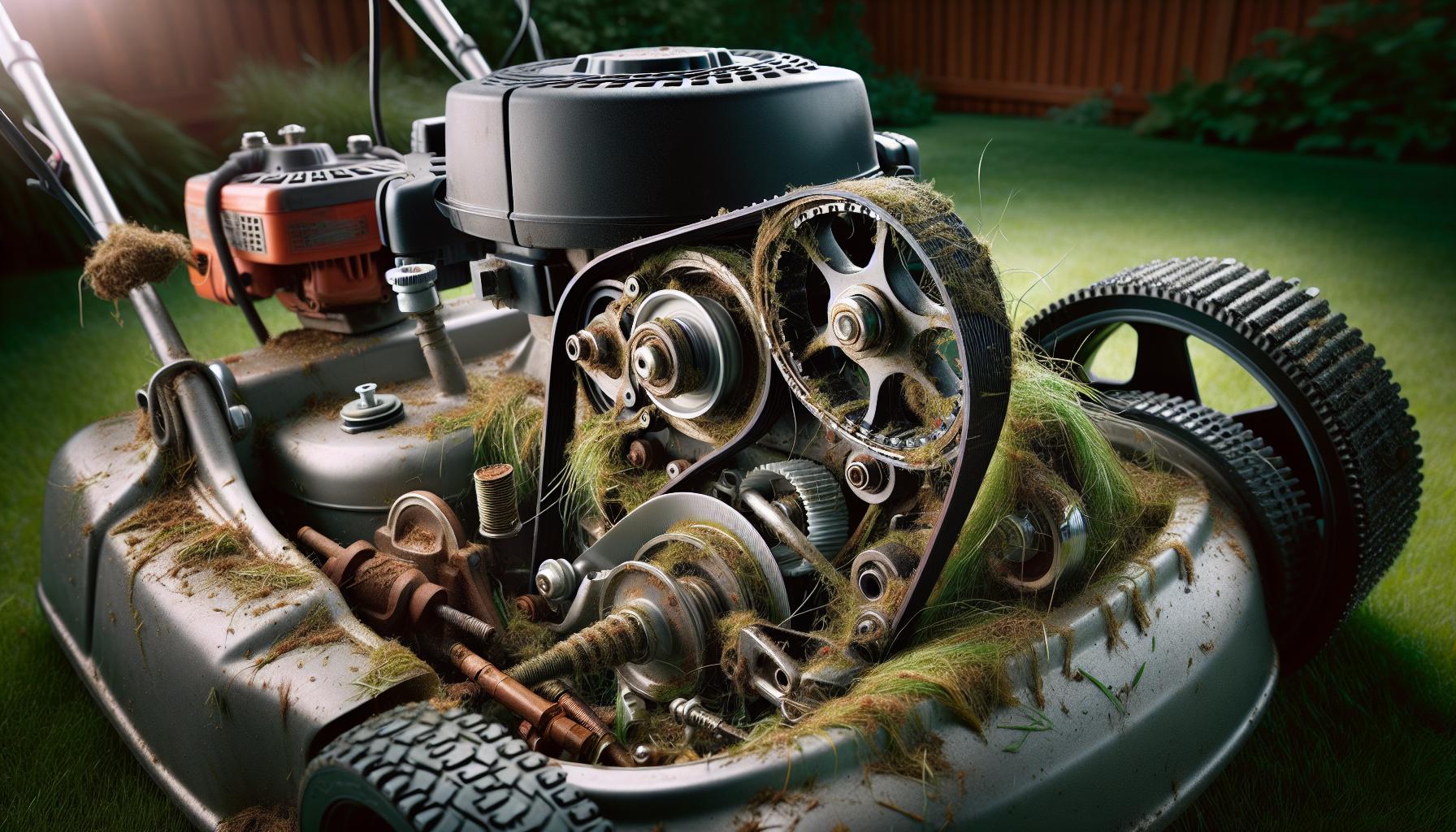
Common Causes of Drive Issues in Lawnmowers
Drive issues in self-propelled lawn mowers can be frustrating, and understanding their common causes is the first step towards effective troubleshooting and repair. Among the most frequent culprits is a worn or damaged drive belt. This belt is essential for transferring the engine’s power to the wheels, and if it becomes frayed or stretched, it can significantly reduce the mower’s ability to propel itself forward. Regularly inspecting the drive belt for signs of wear can prevent unexpected breakdowns.
Another common issue lies within the traction drive system. Misalignment in gears or the drive mechanism can disrupt the connection needed for movement. If the gears are not properly aligned, the mower may struggle to engage the drive, leading to a lack of propulsion. Regular maintenance that includes checking gear alignment can help mitigate this problem before it escalates.
Low engine power can also lead to drive failures, often caused by dirty air filters, clogged fuel lines, or insufficient oil levels. When the engine does not produce enough power, the mower struggles to maintain its forward motion. Ensuring the engine is well-maintained through effective cleaning and regular oil changes can keep it running optimally.
Lastly, it’s crucial to consider wheel and axle conditions. Damage to the wheels, such as loose or broken attachments, can impair the mower’s drive capabilities. Additionally, issues with the axle can cause the wheels not to turn freely, further hindering movement. Periodic checks for wheel stability and axle integrity are beneficial for maintaining the efficient operation of the mower.
Being aware of these common issues not only prepares you for potential repairs but also empowers you to maintain your mower more effectively, potentially saving time and money in the long run.
Step-by-Step Diagnosis for Your Mower
When it comes to troubleshooting a self-propelled lawn mower that won’t drive, a systematic approach to diagnosis can save you both time and effort. Start by ensuring the mower is safely off and disconnected from any power source. This precaution is essential for your safety while checking various components. A classic first step in the diagnosis process is a visual inspection of the mower. Look for any immediate signs of wear and tear on critical parts such as the drive belt and wheels. If you notice any fraying, cracks, or excessive wear, it’s an indication that those components may need replacement.
Check the Drive Belt
Next, focus on the drive belt, which transfers power from the engine to the wheels. A belt that is loose, damaged, or missing teeth can prevent your mower from driving effectively. To check the drive belt:
- Locate the drive belt, typically accessible under a cover on the mower.
- Inspect for signs of wear such as cracks or brittleness.
- Ensure the tension is sufficient; it should not sag excessively when properly installed.
- If you find damage or lack of tension, consider replacing the belt.
Examine the Traction Drive System
After the drive belt, turn your attention to the traction drive system. Begin by checking for any misalignment in gears or the drive mechanism. A misaligned gear can significantly impede movement. Follow these steps:
- Inspect the gear assembly for visible damage or dislocation.
- Look for debris or grass clippings that may be obstructing the gears.
- Manually rotate the wheels; they should turn smoothly without resistance.
If you detect problems in the traction system, like misaligned gears, make adjustments as needed or consult a service manual for specific realignment instructions.
Assess the Engine Power
Lastly, check the engine’s power output, which is crucial for propelling the mower. Factors that could affect this include a clogged air filter, dirty spark plug, or low oil levels. To assess this:
- Inspect and clean or replace the air filter.
- Check the spark plug for carbon buildup and replace it if it’s worn.
- Ensure the engine oil dipstick shows adequate levels and replace the oil if dirty.
By following this structured diagnostic approach, you can pinpoint the problem affecting your mower’s drive functionality more effectively. Keep a log of your findings, as this will help when explaining the issue if you decide to seek professional repairs later.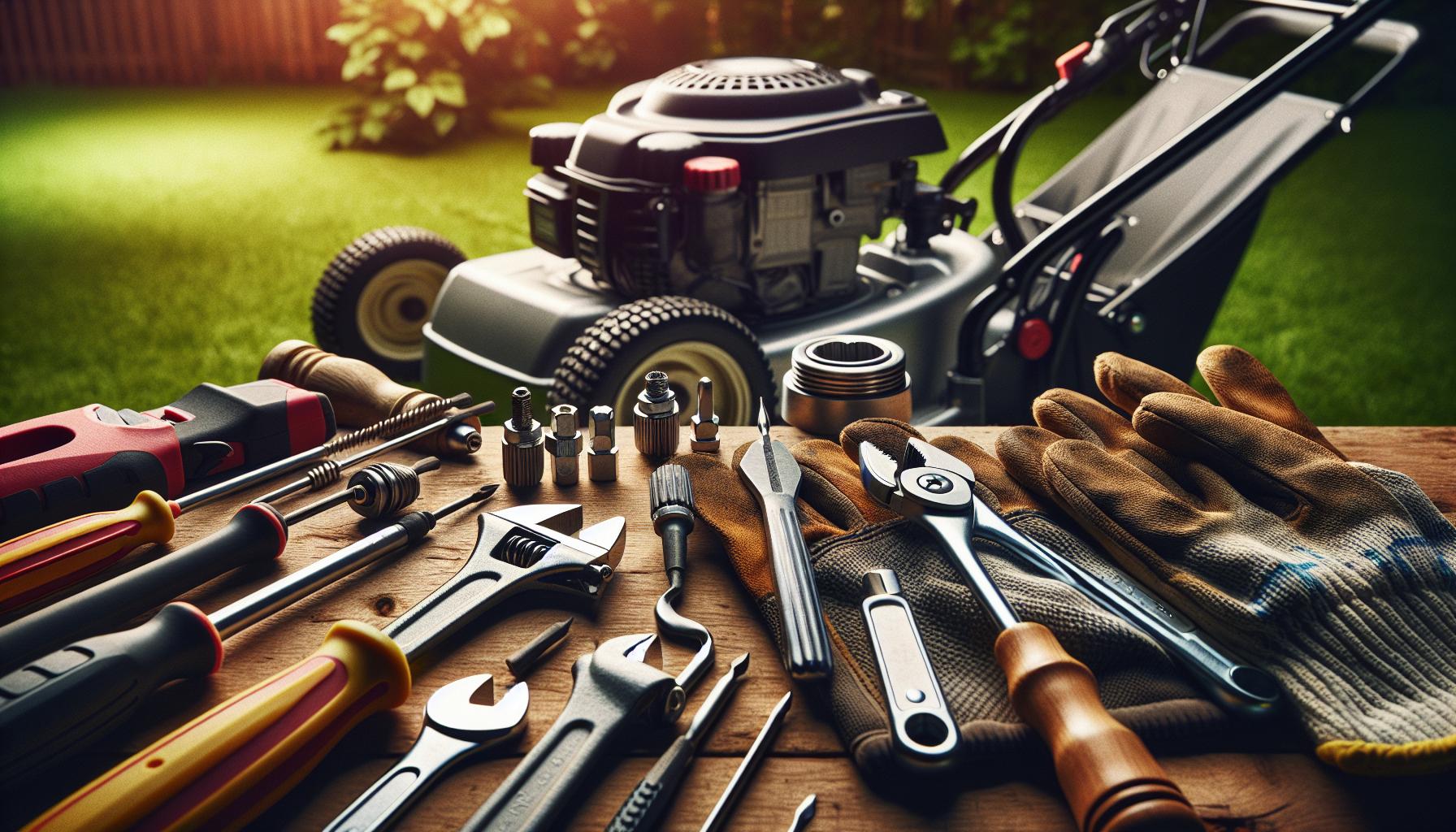
Essential Tools for Lawn Mower Repairs
When diving into lawn mower repairs, especially for self-propelled models that won’t drive, having the right tools on hand is crucial for efficiency and effectiveness. A well-equipped repair station can save you time and reduce frustration, allowing you to tackle common issues with confidence. Here’s a detailed look at essential tools that every lawn mower owner should consider for DIY repairs.
To begin with, hand tools form the backbone of any repair toolkit. A basic set should include:
- Wrenches: A variety of sizes, both standard and metric, will be necessary for loosening and tightening bolts and nuts.
- Screwdrivers: Both Phillips and flathead screwdrivers are essential for removing covers and accessing internal components.
- Flat and Needle Nose Pliers: These are vital for gripping, bending, and cutting wires or other small components.
- Socket Set: A socket set is invaluable for larger nuts and bolts that are common on lawn mowers.
In addition to hand tools, having specific mower maintenance tools can make repairs more straightforward. Consider including:
- Torque Wrench: This helps ensure bolts are tightened to the manufacturer’s specifications, preventing damage from over-tightening.
- Spark Plug Socket: Designed specifically for spark plugs, this tool makes it easier to access and replace them when necessary.
- Oil and Fuel Funnels: For easy oil changes and fuel refills, using funnels helps avoid spills.
- Grease Gun: Proper lubrication of moving parts prolongs the mower’s lifespan. A grease gun is essential for ensuring all bearings and joints are well-lubricated.
Lastly, don’t overlook the importance of safety equipment. Protecting yourself while performing repairs is crucial. Invest in:
- Safety Glasses: To shield your eyes from debris while working on or around the mower.
- Gloves: Durable work gloves protect your hands from cuts and abrasions.
- Ear Protection: If you’ll be running the mower or using power tools, earplugs or noise-canceling headphones can help protect your hearing.
Equipping yourself with the right tools not only enhances your ability to perform repairs effectively but also contributes to a safer working environment. Having these essential items readily available will empower you to diagnose and fix common issues with your self-propelled lawn mower, ensuring it operates smoothly for years to come.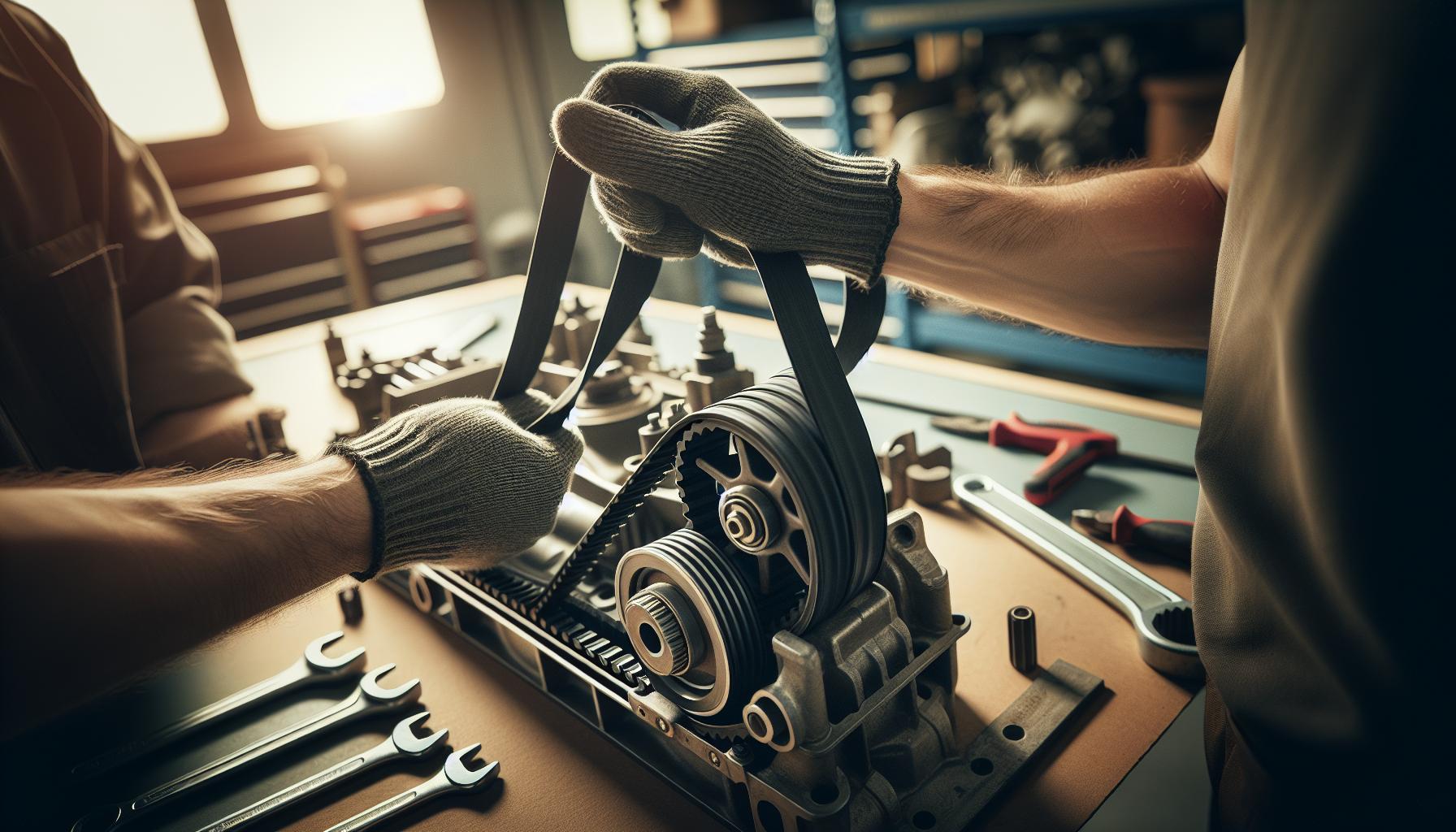
Fixing the Drive Belt: A How-To Guide
When a self-propelled lawn mower fails to drive, one of the most common culprits is a worn or damaged drive belt. This critical component not only connects the engine to the wheels but also enables your mower to move efficiently across your lawn. Fortunately, fixing or replacing the drive belt is a manageable task that you can tackle with some basic tools and a bit of guidance.
Start by ensuring the mower is turned off and disconnect the spark plug wire to prevent any accidental starts. Next, you’ll need to remove the mower deck to access the drive belt. This typically involves unscrewing several bolts that hold the deck in place; consult your mower’s manual for specific locations and torque settings. Once the deck is off, inspect the drive belt for signs of wear such as fraying, cracking, or stretching. If the belt appears damaged, it’s time for a replacement.
Step-by-Step Replacement Process
- Remove the Old Belt: Look for any tensioning mechanisms that may be holding the drive belt in place, such as spring-loaded idlers. Release the tension and carefully slide the old belt off the pulleys.
- Install the New Belt: Before installing a new belt, ensure the pulleys are clean and free of debris. Slide the new drive belt onto the lower pulley, taking care to route it through any necessary guide channels as outlined in your mower’s manual. Make certain the belt is properly seated in the grooves of the pulleys.
- Reapply Tension: Adjust the tensioning mechanism back into place to ensure the belt has the appropriate tension. You want enough tension to prevent slipping but not so much that it causes undue wear on the belt or components.
- Reassemble and Test: Once the new drive belt is in place, reattach the mower deck, ensuring that all screws are tightened appropriately. Finally, reconnect the spark plug wire, check that everything is in working order, and test the mower on a small patch of grass to ensure it drives smoothly.
Maintenance Tips
To prolong the lifespan of your drive belt, consider performing regular maintenance checks. Clean the area frequently to remove grass clippings and debris that can contribute to belt wear. Additionally, always consult your owner’s manual for specific maintenance schedules and replacement intervals based on your usage.
By following these steps and maintaining care for your drive belt, you can keep your self-propelled mower running smoothly, saving you time and money on repairs in the long run.
Checking the Traction Drive System
To ensure your self-propelled lawn mower operates smoothly, is essential. This system directly influences how effectively your mower pushes itself along, and any issues here can lead to frustrating experiences during your mowing sessions. Understanding the components within the traction drive system can help you quickly diagnose problems and implement effective solutions.
A well-functioning traction drive system consists primarily of the traction drive belt, wheels, and sometimes a gearbox, all working in concert to provide the necessary force for self-propulsion. If you notice that your mower struggles to move forward or operates erratically, start by inspecting these components. Begin with the traction drive belt; it should be tight and free of signs of wear such as cracks or fraying. Any damage to the belt will not only affect performance but can also lead to further complications if not addressed promptly.
Next, turn your focus to the drive wheels and axles. Ensure they can rotate freely without obstruction and check for any debris or grass buildup that may impede their motion. Additionally, it’s crucial to ascertain that the wheels are properly secured to the axles, as loose connections can create significant issues with movement. If the wheels or axles show signs of damage, they may need to be repaired or replaced.
Lastly, take a moment to examine any adjustable settings that control the speed and drive engagement of your mower. Engaging the drive safely while the mower is off and gradually adjusting the settings can help you ascertain if the traction components are functioning as they should. Performing these checks will help you maintain optimal performance and avoid unnecessary repairs down the line. Always remember that regular inspection and maintenance can significantly extend the life of your mower’s traction drive system, ensuring it remains an efficient tool for your lawn care needs.
Repairing the Wheels and Axles
When it comes to self-propelled lawn mowers, the wheels and axles play a vital role in ensuring smooth operation and maneuverability. If your mower seems to struggle with movement, the culprit could often lie in these components. Addressing wheel and axle issues not only enhances performance but also prolongs the lifespan of your mower. A common sign of trouble is if the mower does not drive forward or if there’s an unusual noise emanating from the wheels, indicating a potential blockage or mechanical failure.
Start by inspecting the drive wheels. Remove any debris lodged in the wheel wells or axles to ensure free rotation. Grass, mud, or twigs can often accumulate and cause significant drag. Next, check for signs of wear on the wheels themselves. If the tread is worn down or the rubber is cracking, it may be time for a replacement. Ensure that the wheel bolts are tight; loose bolts can lead to wobbling, which affects how efficiently the mower drives.
Additionally, the axle itself should be thoroughly examined. Look for bent or damaged axles, as these can impede both wheel rotation and overall mower function. If the axles seem to be misaligned, they may need to be repaired or replaced. For any stubborn bolts or components, using a penetrating lubricant can help ease the removal during servicing. Always refer to your mower’s manual for specific instructions regarding wheel and axle disassembly, as models can vary.
In cases where the wheels and axles are intact but still not functioning properly, check the connection points to the drive system. Ensure that the drive axles are engaging correctly. If the connection is compromised, it may require adjustment or replacement. By regularly maintaining these aspects of your mower, you can keep it running smoothly and efficiently, making your lawn care tasks much less of a chore.
Replacing a Damaged Gearbox
A malfunctioning gearbox can be a significant roadblock in the performance of your self-propelled lawn mower, often resulting in reduced power transfer to the wheels. Understanding how to identify when a gearbox is damaged and how to replace it can save both time and repair costs. If you notice unusual noises while the mower is in operation, difficulty in engaging the drive system, or if the mower moves sluggishly despite proper wheel and axle conditions, it’s time to evaluate the gearbox.
requires a systematic approach to ensure that you don’t overlook any vital steps. Start by gathering the necessary tools: a socket set, screwdrivers, and possibly a torque wrench. Before you begin, make sure to disconnect the spark plug to prevent accidental starts while working on your mower. Additionally, you might want to take detailed photos of the assembly to reference later when you’re reassembling everything.
Steps for Replacing the Gearbox
- Remove the Mower Deck: Begin by detaching the mower deck to gain access to the gearbox. This usually involves removing a few screws or bolts that secure the deck to the chassis.
- Disconnect the Drive Belt: Carefully remove the drive belt connected to the gearbox. Make a note of how it’s routed so you can reinstall it correctly later.
- Unscrew the Gearbox: Locate the screws or bolts fastening the gearbox to the mower’s frame. Once these are removed, gently pull the gearbox away from the frame. You may encounter some resistance, so make sure no other components are hindering its removal.
- Install the New Gearbox: Position the new gearbox in place and align it with the pre-drilled holes. Secure it with screws or bolts, ensuring they are tight to avoid any vibrations during operation.
- Reconnect the Drive Belt: Follow the notes you made earlier to correctly route the drive belt around the pulleys and any associated components.
- Reassemble the Mower Deck: Finally, reattach the mower deck, ensuring all bolts and screws are snug.
Final Checks
Before taking your mower out for a test run, perform a final check to ensure everything is reassembled correctly. Inspect all connections and the drive belt tension to guarantee that the mower operates smoothly. By following these steps, not only can you restore your mower’s functionality, but you also gain skills that can be applied in future maintenance tasks. Being proactive about gearbox maintenance and timely replacements can greatly extend the life of your self-propelled mower.
Identifying Electrical Problems Affecting Drive
Electrical issues can often be the invisible culprit behind a self-propelled lawn mower’s inability to drive, leaving many users puzzled and frustrated. Understanding how to identify these problems can save both time and money, ensuring that your mower returns to optimal function without unnecessary guesswork. The drive system relies on various electrical components, including the ignition system, electric brakes, and motors, all of which need to be in good working condition.
A common area to investigate is the battery and its connections. If the battery is weak or dead, it won’t provide adequate power for the electric motor that drives the mower. Check the battery terminals for corrosion, ensuring they’re clean and tight. A simple multimeter test can determine if the battery is holding a charge. If it’s under 12.4 volts, it may need recharging or replacement.
Next, examine the wiring connecting the battery to the mower’s motor. Look for any frayed wires, loose connections, or broken plugs. Even a small break can cause significant issues. An easy visual inspection can often reveal damaged wires, but using a multimeter to test continuity will provide a more thorough evaluation. Pay particular attention to the wiring harness leading to the drive motor, as shorts in the system here can lead to problems with engagement and functionality.
Additionally, you should evaluate the safety switches or interlocks that are built into many self-propelled mowers. These switches are designed to prevent the mower from operating under unsafe conditions; for example, if the handle is not held down or if the mower is in neutral. If one of these switches is malfunctioning, the mower may not drive at all. Inspect these parts for proper operation; sometimes, simply cleaning them will restore functionality.
Lastly, consider the controller or drive module of the mower. This component manages the interaction between the electrical system and the mechanical drive. If the controller fails, it could inhibit the ability of your mower to respond to throttle inputs. Checking the manufacturer’s manual for diagnostic tips related to the controller can often provide insights into specific problems or error codes to look for. By systematically evaluating these electrical components, you can often pinpoint the issue and restore your mower’s driving capabilities effectively.
Preventive Maintenance Tips for Longevity
Keeping your self-propelled lawn mower in peak condition doesn’t just save you from unexpected breakdowns; it ensures a smoother and more efficient mowing experience. Like any robust machine, regular maintenance is key to prolonging its life and performance. Simple steps taken throughout the mowing season can help mitigate many common issues, allowing you to enjoy a reliable and effective tool in your yard care arsenal.
To facilitate optimal performance, consider incorporating a routine check of the mower’s major components. Start with the oil level and ensure it’s changed periodically, typically every 25 hours of operation or at the start of the mowing season. This prevents engine wear and keeps everything running smoothly. Additionally, inspect the air filter regularly; a dirty air filter can lead to reduced engine power and efficiency. On a regular basis, clean or replace it to ensure that your engine receives sufficient airflow.
Next, don’t overlook the blades. Sharp, properly-aligned blades not only ensure clean cuts, but they also reduce the strain on the lawn mower engine, which can contribute to mechanical problems over time. Aim to sharpen or replace the blades at least once a season, or more frequently if you mow regularly or tackle tough grass. Moreover, keeping the underside of the mower deck clean helps prevent grass buildup, which can lead to rust and impede mower performance.
Lastly, consider the drive system and wheels. Check the drive belt and any gears periodically for wear and tear, as these components are crucial for the self-propelled feature. Inspect the wheels for proper alignment and ensure that wheel bearings are clean and well-lubricated. This not only helps in maintaining the drive mechanism but also provides a smoother ride across your lawn.
By implementing these straightforward preventive maintenance practices, you can extend the life of your self-propelled mower significantly. Regular checks not only help catch issues early but also enhance the overall efficiency of your equipment, ultimately making yard maintenance a more enjoyable task.
When to Seek Professional Repair Services
It’s not uncommon for a self-propelled lawn mower to encounter issues that may leave you scratching your head. While many minor problems can often be resolved at home with the right tools and a bit of know-how, certain situations may warrant professional intervention. Understanding when to seek expert help can save you time, frustration, and potentially expensive repairs. If you find your mower refusing to drive despite checking the basics-like oil, fuel, and the air filter-it might be time to consider calling in a technician.
Consider reaching out to a professional if you experience persistent drive issues even after your own troubleshooting efforts, such as examining the drive belt and ensuring the traction drive system operates correctly. Complications stemming from the gearbox or traction assemblies can be complex; even seasoned DIY enthusiasts may find these systems challenging to diagnose and repair safely. Additionally, if you detect unusual noises, vibrations, or smoke during operation, these are clear indicators that professional inspection is necessary. Ignoring these signs can lead to further damage, making timely service even more critical.
Another crucial reason to consult a professional is if you are uncertain about the electrical components of your mower. Self-propelled mowers rely heavily on electrical systems for operation, and faults in wiring or connection issues can dramatically impact performance. If your mower’s drive mechanism shows no power despite a full battery or your attempts at inspection yield no results, it’s wise to have a qualified technician take a look. This not only ensures your safety but also helps identify underlying problems that you may not readily see.
Lastly, if you find yourself frequently fixing the same issue or encountering new problems regularly, reconsidering your approach might be beneficial. Sometimes, the time and cost involved in continual repairs can outweigh the expense of professional service or even investing in a new mower altogether. A reliable lawn mower repair service can provide insights on whether it makes sense to continue pouring resources into an aging machine or suggest cost-effective upgrades that deliver better performance.
Cost Analysis: DIY vs. Professional Repair
Deciding whether to tackle lawn mower repairs yourself or enlist the help of a professional can significantly impact both your stress levels and your wallet. DIY repairs can be cost-effective, allowing you to save on labor costs, but they require a certain level of skill, time, and the right tools. For those who enjoy hands-on work and have a bit of mechanical knowledge, addressing common issues like a stubborn drive belt or a misaligned traction drive might be straightforward and rewarding.
On the other hand, some repairs may be beyond the capability of the average homeowner. Complex systems such as gearboxes and electrical components can present challenges that lead to frustration or even further damage if mishandled. In instances where the malfunction involves intricate parts or requires specialized tools-you might find that hiring a professional is not only safer but may also end up being more economical in the long run. The cost of repeated mistakes, particularly with self-propelled mowers that depend on both mechanical and electrical systems, can quickly surpass the fee of a consultation or repair service.
It’s essential to weigh the potential expenses of DIY repairs against professional service costs. For instance, a basic tune-up, including oil changes and spark plug replacements, might total around $50 for parts if done at home. However, more significant issues-like gearbox replacements-can exceed $200 in parts alone, not including your time and potential errors. To help you make an informed decision, consider creating a simple cost analysis:
| Repair Type | DIY Cost Estimate | Professional Repair Estimate |
|---|---|---|
| Basic Maintenance (Oil, Spark Plugs) | $30 – $50 | $50 – $100 |
| Drive Belt Replacement | $25 – $40 | $75 – $125 |
| Gearbox Replacement | $200+ | $300 – $500 |
| Electrical System Repair | $50 – $150+ | $100 – $200 |
Regardless of the path you choose, being mindful of your mower’s condition and maintenance needs will not only extend its life but also enhance your mowing experience. If you’re facing recurring issues or feel overwhelmed by the complexities of repairs, it may just be time to call in the experts and ensure your self-propelled mower is running smoothly without the risk of costly mishaps.
Frequently Asked Questions
Q: What should I do if my self-propelled lawn mower starts but won’t move?
A: If your self-propelled lawn mower starts but won’t move, first check the drive belt for wear or damage. Next, inspect the traction drive system for blockages or issues. Refer to the Step-by-Step Diagnosis for Your Mower section for detailed troubleshooting steps.
Q: How do I know if the drive belt needs replacing on my lawn mower?
A: Indicators that your drive belt may need replacing include unusual sounds during operation, visible fraying, or if the mower struggles to move. For a complete guide on fixing the drive belt, check the Fixing the Drive Belt: A How-To Guide section.
Q: Why is my lawn mower not responding to the speed lever?
A: If your lawn mower isn’t responding to the speed lever, it may be due to wear in the drive system or a disconnected cable. Inspect the cable connections for damage and refer to the Checking the Traction Drive System section for troubleshooting advice.
Q: What regular maintenance can prevent my self-propelled lawn mower from losing traction?
A: Regular maintenance includes cleaning the wheels and drive system, lubricating moving parts, and checking tire pressure. Implement these preventive maintenance tips to prolong your mower’s life and performance.
Q: How can I troubleshoot electrical problems affecting my lawn mower’s drive?
A: To troubleshoot electrical issues, check the battery and wiring for damage. Ensure all connections are secure and test the electrical components. For more guidance, see the Identifying Electrical Problems Affecting Drive section.
Q: Can a clogged air filter affect my lawn mower’s drive?
A: Yes, a clogged air filter can restrict airflow, leading to reduced engine performance, which may affect driving ability. Regularly clean or replace the air filter as part of your maintenance routine.
Q: What tools are essential for fixing a self-propelled lawn mower?
A: Essential tools include a socket set, screwdrivers, and pliers. Specific tools may vary based on the issue; refer to the Essential Tools for Lawn Mower Repairs section for a detailed list.
Q: When should I hire a professional for lawn mower repairs?
A: If you encounter complex issues like gearbox failure or continuous problems after DIY attempts, it’s best to consult a professional. For guidance on when to seek help, revisit the When to Seek Professional Repair Services section.
Concluding Remarks
Now that you have the insights on fixing your self-propelled lawn mower, take action today to get your mower back on track and enhance your lawn care routine. Regular maintenance and timely repairs can save you time and frustration, ensuring a lush and healthy lawn. For more tips on lawn care and mowing techniques, check out our guides on lawn maintenance and tips for green grass.
Don’t let a damaged mower hinder your productivity; explore our site further for essential tools and resources that can elevate your lawn care game. If you found this guide helpful, consider signing up for our newsletter for ongoing tips and advice to keep your yard looking its best. Share your thoughts or questions in the comments below; we’re here to help you every step of the way!