A lawn mower that refuses to start can turn a beautiful day into a frustrating experience in minutes. One common culprit is a damaged or broken pull cord, which is essential for getting your mower up and running. Understanding how to install a pull cord not only empowers you to take control of your lawn care but also saves you time and money on repairs. This step-by-step guide will walk you through the installation process, ensuring you can get your mower ready for action quickly and efficiently. No one wants a lawn that looks untended, so let’s dive into the process and get your mower back to work-your lawn deserves it!
Understanding Pull Cords: What You Need to Know
Pull cords are a vital component of lawn mowers, serving as the mechanism through which the engine is started. Understanding the intricacies of pull cords can save you time and frustration, ensuring that your mower is operational when you need it most. A pull cord typically consists of a durable rope and a recoil starter assembly that retracts the cord after it’s pulled. Over time, however, these cords can wear out due to repeated use, exposure to the elements, or improper maintenance, leading to difficulties in starting your mower.
When you grasp how pull cords function, you’ll appreciate their role in the overall starting system of your mower. The cord must be pulled with enough force to engage the engine’s flywheel, which then ignites the fuel-air mixture-ultimately getting your mower running. This process requires not only a well-maintained pull cord but also a properly functioning starter. If the cord snaps or becomes frayed, it can result in a frustrating mowing experience and potentially significant repair costs if not addressed promptly.
It’s essential to regularly examine your lawn mower’s pull cord for signs of wear, such as fraying, tangles, or stiffness. Keeping the area around the starter clean and free of debris can help prolong the life of the cord. Additionally, using the mower in accordance with the manufacturer’s guidelines will minimize stress on the pull cord system. Knowing these aspects will help you make informed decisions about maintenance and replacement, ensuring you can tackle your lawn care efficiently and effectively.
Essential Tools for Installing a Lawn Mower Pull Cord
To successfully install a new pull cord on your lawn mower, having the right tools at your disposal can make all the difference. You’ll find that access to just a few essential tools not only streamlines the process but enhances your overall experience, allowing you to tackle the job with confidence. Whether you’re a seasoned DIYer or a novice at lawn mower maintenance, equipping yourself with the correct tools will ensure you’re fully prepared for the task ahead.
Basic Tools Required
- Socket Wrench Set: A good socket wrench set will help you quickly remove and reinstall any bolts securing the recoil starter assembly. Look for a set that includes a ratchet and various socket sizes.
- Screwdrivers: Both flathead and Phillips screwdrivers are essential for removing covers or screws that may obstruct access to the pull cord assembly.
- Replacement Pull Cord: Make sure you have the appropriate length and type of pull cord for your specific mower model.
- Scissors or Wire Cutters: Use these to cut the old cord and trim the new one to the appropriate length.
- Pliers: Needle-nose pliers can be particularly helpful for holding small parts and pulling difficult-to-reach segments of the cord during installation.
- Tape Measure or Ruler: For ensuring that your new pull cord is the correct length before installation.
- Lubricant Spray: A little silicone lubricant can help the recoil mechanism function smoothly after reassembly.
Additional Helpful Supplies
In addition to the tools mentioned, having a few more items can enhance the efficiency of the process:
- Gloves: Protect your hands from debris and sharp edges by wearing a pair of work gloves.
- Work Light: If you’re working in a dimly lit area, a portable work light can help you see clearly while you focus on delicate tasks.
By organizing these tools and supplies before you begin, you can expedite the installation process and minimize disruptions. Properly preparing your workspace will offer you a more efficient and enjoyable experience, resulting in a freshly installed pull cord ready for action in no time.
Step-by-Step Guide to Removing the Old Pull Cord
To effectively remove an old pull cord from your lawn mower, a systematic approach is essential for ensuring a smooth transition to a new cord. First, make sure your lawn mower is completely powered off and, ideally, remove the spark plug to prevent any accidental starts. This simple safety measure protects you from potential injuries during the removal process. Gather your tools-the socket wrench, screwdrivers, and pliers-as having everything ready will minimize unnecessary delays.
Begin by accessing the recoil starter assembly, which may be covered by a protective casing or cover. Use the appropriate screwdriver to remove any screws securing this cover. Keep these screws in a safe place as you’ll need them to reattach the cover later. With the cover off, you will see the recoil starter, typically held in place by a few bolts. Utilize the socket wrench to carefully unscrew these bolts, allowing you to lift out the recoil starter unit. Take care not to damage any surrounding components during this step.
Next, examine the old pull cord closely. The cord usually threads through a pulley system, and it’s vital to note the routing before removing it. If needed, take a picture or sketch the configuration to assist with installing the new cord later. Carefully detach the old cord from the recoil starter by unwinding it from the pulley, making sure to note how the cord is wound-this knowledge will be invaluable when you install the new cord.
Once the old cord is fully removed, inspect its connection points for any fraying or wear, which can highlight potential issues in the recoil mechanism itself. If everything looks good, you’re ready to move on to measuring and installing the new cord. Remember that this step is crucial not only for replacing the cord effectively but also for ensuring that your lawn mower operates safely and efficiently once reassembled.
How to Properly Measure Your New Pull Cord
Measuring the exact length of your new pull cord is a critical step that can significantly affect the functionality of your lawn mower. An improperly sized pull cord can lead to frustrating start failures or even damage to the recoil mechanism. To ensure precision, start by setting your old cord out straight against a flat surface. If you’re replacing a broken cord, don’t worry-this method will still work effectively.
Step-by-Step Measurement Process:
- Lay Out the Old Cord: If your old cord is intact, stretch it out alongside a measuring tape. Make sure it’s fully extended without any twists or knots that could affect the measurement.
- Take Accurate Measurements: Measure from the tip of the cord (where it connects to the handle) to the end that inserts into the recoil assembly. Record this length carefully.
- Consider Replacement Length: If the old cord is damaged, measure the distance from the recoil starter to the handle. You’ll want to add a little extra length (about 3-4 inches) to account for how the cord winds inside the recoil housing.
- Check for Compatibility: Consult your lawn mower’s manual or manufacturer specifications for the recommended cord length and diameter, as this can vary between models.
After measuring, it’s wise to round your dimensions for purchase, opting for a slightly thicker cord if you’re in doubt; thicker cords can often withstand more wear and tear. Once you have your new cord, it should mimic the same structure and strength as the original to ensure optimal performance. This attention to detail not only enhances starting reliability but also extends the overall life of your lawn mower. Remember, taking the time to measure carefully now can save you from inconvenience later on.
Installing the New Pull Cord: Detailed Instructions
Installing a new pull cord on your lawn mower can seem daunting, but with the right approach, you can have it done quickly and efficiently. Start by ensuring you have your prepared space and tools ready. You’ll need your new pull cord, a screwdriver, a pair of scissors, and possibly a wrench, depending on your mower model. Before diving into the installation, familiarize yourself with the recoil starter assembly, as understanding its components will help you navigate the process more easily.
Begin by securing the recoil starter in a stable position. If your lawn mower has a cover over the recoil mechanism, remove it carefully by unscrewing any fasteners holding it in place. With the recoil starter exposed, locate the notch or groove that holds the old pull cord in its place. If necessary, use a screwdriver to carefully pry it free without damaging any surrounding components. Once the old cord is out, inspect the recoil mechanism for any debris or damage that may need addressing before proceeding.
Now that the old cord is removed, it’s time to thread the new pull cord through the recoil assembly. Cut the new cord to the appropriate length if you haven’t done so already, leaving a bit of extra for adjustments. Insert one end of the new cord into the starter handle and tie a sturdy knot to secure it. Carefully feed the unknotted end through the recoil housing, ensuring that it goes through the designated slot or eyelet. It’s essential to wind the cord around the spool in a clockwise direction; this helps create the necessary tension for the recoil action.
Once the new cord is properly threaded and wound onto the spool, give it a few test pulls to check for smooth retraction. If everything looks good, reattach the recoil starter cover, ensuring all screws are tightened securely. Test the pull cord functionality by giving it a few test pulls to confirm that it functionally retracts and starts the engine effectively. This small but significant routine maintenance task enhances your mower’s reliability and extends its lifespan. Remember, a well-maintained pull cord can save you time and frustration in the long run.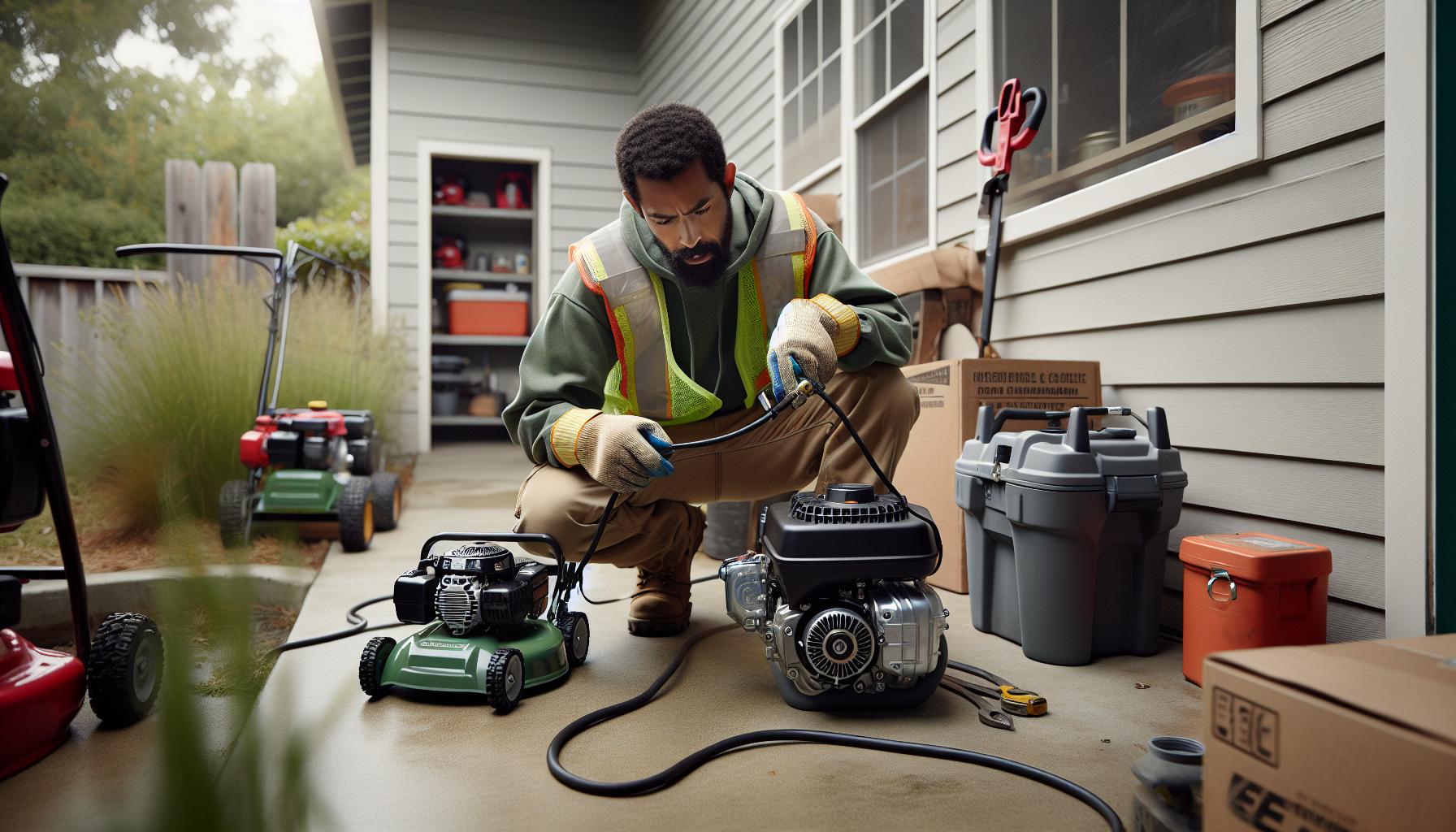
Testing Your Pull Cord: Ensuring Proper Functionality
After installing a new pull cord, it’s crucial to test its functionality to ensure that your lawn mower will start smoothly and operate reliably. This step is often overlooked, but it can save you frustration on your first attempt to use the mower after a cord replacement. Begin by gently pulling the cord a few times. The cord should retract smoothly into the housing without snagging or sticking. If the cord does not retract or feels uneven, it may have been improperly wound around the spool or could be snagging on another component.
Next, check the tension of the pull cord. A properly functioning pull cord will have a firm, but not overly tight, tension. If it feels slack, it may need additional winding. A well-tensioned cord allows for effective engagement with the starter mechanism and ensures that the mower engine will crank without issues. If you discover resistance or the cord won’t pull easily, recheck the assembly, ensuring that everything is aligned correctly and that there are no obstructions.
Once you’ve verified the tension and retraction, it’s time to see if the mower starts. With the mower safely positioned, prepare to start it following standard safety procedures, like checking that the blade is disengaged. Pull the newly installed cord sharply to see if the engine starts smoothly. If it does not start immediately, troubleshoot common issues such as fuel supply, battery status, or air filter blockages that might be affecting the mower’s performance aside from the pull cord.
In case the mower starts and operates as expected, congratulations! You’ve successfully installed a new pull cord. However, if you encounter any problems, reviewing the installation process may be necessary. Look for improper cord alignment, incorrect winding, or damaged components. Regular testing of the pull cord after installation can help ensure longevity and a worry-free mowing experience. Remember, addressing any issues early will prevent more significant problems down the line.
Common Issues with Pull Cords and Their Fixes
Experiencing issues with your lawn mower’s pull cord can be frustrating, especially after you’ve just replaced it. Understanding common problems and their solutions can help streamline your mowing experience and extend the life of your mower. One frequent issue is the pull cord not retracting properly. This can occur if the spring inside the starter mechanism is damaged or if the cord has not been wound correctly around the spool. To troubleshoot, first check for any obstructions or debris that might be preventing the cord from moving freely. If everything appears clear, remove the starter assembly, unwind the cord, and ensure that it is properly aligned and wound before reassembling.
Another common problem is a lack of tension in the pull cord. If the cord feels slack and does not engage the engine efficiently, it may need to be rewound or adjusted. For optimal function, the cord should have a firm tension-not too tight, but enough to fully engage the starter mechanism when pulled. To fix this, check the winding of the cord; it should be wound tight enough around the pulley but allow for some give when pulled lightly. If the cord continues to be lax, it may be worthwhile to replace the cord altogether with a heavier gauge option that can withstand the rigors of regular use.
It’s also essential to consider wear and tear; over time, pull cords can fray or break. If you notice any signs of damage, such as fraying at the handle or along the length of the cord, it’s best to replace it immediately to avoid the risk of snapping during startup. Regular maintenance checks-especially before mowing season-can preempt potential failures. Look for signs of wear, and be proactive about replacement to maintain smooth operation.
By being aware of these common issues and equipped with simple fixes, you can ensure that your lawn mower remains in top shape, ready to tackle your yard work without hiccups. Whether it’s adjusting tension, ensuring proper winding, or replacing frayed cords, taking these steps will keep your mower reliable all season long.
Maintaining Your Lawn Mower Pull Cord for Longevity
Ensuring the longevity of your lawn mower’s pull cord goes beyond just replacing it when it breaks; it’s about proactive maintenance practices that keep it in top shape throughout the mowing season. A well-maintained pull cord can significantly improve your mowing experience, allowing for reliable starts and less frequent repairs.
To start, regularly inspect the pull cord for any signs of fraying or wear. Look closely for any weak points, especially near the handle and where the cord exits the starter mechanism. If you notice any damage, it’s best to replace the cord immediately before it breaks entirely, which could leave you stranded mid-mow. Additionally, keep the area around the pull cord clean and free of debris. Dirt and grass clippings that accumulate can get caught in the mechanism, preventing the cord from retracting properly and leading to premature wear.
Moreover, applying a light coat of grease to the areas where the cord makes contact with the recoil housing can reduce friction. This simple step not only aids in smooth operation but also adds a protective layer that discourages wear from friction over time. Just be careful to use the right type of grease; avoid excessive amounts as that can attract more dirt and debris.
Regular maintenance checks should also include ensuring appropriate tension on the cord. A cord that’s too tight can lead to breakage, while one that’s too loose may not engage the engine properly. Adjustments to the winding of the cord can help establish that ideal tension, allowing it to function effectively and with resilience. By integrating these practices into your routine, your lawn mower’s pull cord can serve you well, providing reliable starts and avoiding the inconvenience of unexpected replacements.
Safety Tips for Working with Lawn Mower Cords
When it comes to maintaining and replacing pull cords on lawn mowers, ensuring your safety should be your top priority. The process may seem straightforward, yet overlooking specific precautions can lead to injuries or damage to the mower. To start, always disconnect the spark plug wire before beginning any work on your mower. This simple step eliminates the risk of accidental starts while you are handling the recoil starter or making adjustments.
Moreover, as you handle the pull cord and recoil assembly, be careful of sharp edges or moving parts. Wear appropriate personal protective equipment (PPE), including gloves and safety glasses, to safeguard against minor cuts and flying debris. If your lawn mower utilizes rivets or other fasteners, employ the correct tools to prevent stripping or breaking components during removal.
Handling any components of the lawn mower also requires attention to potential tension in the pull cord assembly. When disassembling the recoil starter, take care to manage tension in the spring, as it may be under significant pressure. Mismanagement can result in the spring unwinding suddenly, posing a risk of injury. To counter this, it’s advisable to work in a well-lit, clutter-free area where you can easily see and control the parts involved.
Lastly, familiarize yourself with the specific safety guidelines provided in your lawn mower’s user manual. Manufacturers often include vital information tailored to their models, which can further safeguard you during maintenance tasks. By adhering to these safety principles, you can confidently tackle the installation or replacement of your lawn mower’s pull cord while minimizing risks.
Upgrading to a Better Pull Cord: Pros and Cons
Upgrading your lawn mower’s pull cord can significantly enhance its ease of use and longevity, but it’s essential to weigh the benefits and drawbacks before making this decision. Many users find that aftermarket pull cords, often made from more durable materials than their original counterparts, can withstand wear and tear better, ultimately leading to less frequent replacements. For example, nylon or polyester cords can offer improved strength and resistance to fraying, which is a common issue with traditional cords.
On the flip side, opting for a more robust pull cord can come with its own challenges. High-quality cords may be more expensive upfront, and their installation can sometimes require more technical knowledge. It’s also crucial to ensure compatibility with your specific lawn mower model; an improperly sized or incompatible cord can lead to more significant mechanical failures down the line. This is particularly relevant for users of various brands, as different manufacturers have unique requirements for their recoil starter systems.
Considering the investment, it’s worth researching the performance ratings and user reviews of aftermarket options to ensure they meet your needs. Additionally, using a high-quality pull cord can contribute to a smoother start-up experience, which is beneficial for those who might struggle with the traditional cord’s pull strength, especially in smaller-statured users or those with physical limitations.
Overall, the decision to upgrade should factor in not only the initial cost and installation efforts but also the potential for increased reliability and ease of use, making it a worthwhile consideration for many lawn mower owners.
When to Seek Professional Help for Pull Cord Issues
When attempting to resolve pull cord issues on a lawn mower, there are instances where seeking professional help becomes not just beneficial but necessary. One key indicator that you may need to consult a professional is if you’ve exhausted all DIY troubleshooting methods without success. For instance, if you’ve replaced the pull cord but it still fails to retract or the starter mechanism shows signs of significant wear without clear resolution, it may be time to call in an expert. Professionals have the experience and diagnostic tools to identify underlying mechanical issues that a typical user might overlook.
Another scenario warranting professional assistance is when you notice abnormal noises during the pull cord operation or after attempting repairs. Sounds such as grinding, popping, or excessive friction could indicate serious internal damage within the recoil starter assembly or other engine components. In such cases, continuing to use the mower could exacerbate the problem, leading to more extensive repairs or even total engine failure. A skilled technician can provide a thorough assessment to prevent further damage.
Moreover, if you possess limited technical skills or are unsure about the correct installation procedure, hiring a professional can save you time and reduce the risk of potential injuries or mishaps. This is particularly important for those who may not feel comfortable working with small engine systems. A professional will not only ensure that the installation is performed correctly but also offer warranties or guarantees for their work, providing peace of mind that the job was done right.
In summary, while many pull cord issues can be resolved through DIY methods, certain situations clearly indicate that professional intervention is warranted. These include persistent problems after DIY attempts, signs of internal damage, and a lack of confidence in performing repairs safely and effectively. Recognizing when to seek expert help can ultimately save you time, money, and a great deal of frustration.
Troubleshooting Other Lawn Mower Start Issues
When a lawn mower struggles to start, diagnosing the issue can be a complex task. Various factors could be at play, extending beyond problems with the pull cord. A common starting issue is a lack of fuel or a faulty fuel system. Ensure that the fuel tank is filled with fresh gas, as stale or contaminated fuel can prevent the mower from starting. Additionally, inspect the fuel line for any blockages or leaks. If the fuel system seems intact, consider checking the carburetor, as a clogged or malfunctioning carb can disrupt the air-fuel mixture necessary for combustion.
Another critical area to examine is the ignition system. Problems such as a faulty spark plug can hinder engine performance. Inspect the spark plug for signs of wear, damage, or carbon buildup. Replacing a worn or dirty spark plug is a straightforward fix that often restores functionality. Moreover, ensure that your ignition switch is operational, as a faulty switch may not send the necessary signals to the engine to start.
The mower’s air filter is another vital component that can significantly affect starting capabilities. A dirty or clogged air filter restricts airflow, leading to an improper fuel-air mix. Regularly cleaning or replacing the air filter will help maintain optimal engine performance. If issues persist, examining electrical components like the battery (if your mower is electric) is important; ensure connections are clean and secure.
In summary, troubleshooting starting issues requires a systematic examination of multiple mower systems. By addressing fuel, ignition, and air filter conditions, you can often resolve starting problems effectively. Maintaining these components through regular inspections will not only facilitate easier starting but also prolong the life of your lawn mower.
FAQ
Q: How do I know if my lawn mower pull cord needs to be replaced?
A: You should replace your lawn mower pull cord if it is frayed, hard to pull, or excessively stretched. Additionally, if the pull cord frequently jams or fails to retract, it may indicate wear and needs replacement. For further details, check the “Common Issues with Pull Cords and Their Fixes” section in the article.
Q: What type of pull cord do I need for my lawn mower?
A: The type of pull cord needed varies by lawn mower model. Generally, you should choose a nylon or polypropylene cord of appropriate thickness. Consult your owner’s manual for specific recommendations or refer to the “How to Properly Measure Your New Pull Cord” section in the article for assistance.
Q: Can I repair a damaged pull cord instead of replacing it?
A: In some cases, you can repair a damaged pull cord by cutting out the frayed section and tying a knot, but this is not always recommended. A replacement is often more reliable. Consider checking the “Step-by-Step Guide to Removing the Old Pull Cord” for a thorough approach to this task.
Q: How often should I maintain my lawn mower pull cord?
A: Regular maintenance of your lawn mower pull cord is suggested after every few uses, especially during the mowing season. This includes checking for wear and ensuring it retracts smoothly. For more preventive measures, refer to the “Maintaining Your Lawn Mower Pull Cord for Longevity” section in the article.
Q: Why does my lawn mower pull cord get stuck?
A: A stuck pull cord can be due to dirt or debris in the recoil starter, a malfunction in the starter mechanism, or a misaligned or worn cord. Troubleshooting tips can be found in the “Common Issues with Pull Cords and Their Fixes” section of the article.
Q: How can I improve the longevity of my lawn mower pull cord?
A: To enhance the lifespan of your lawn mower pull cord, regularly clean the recoil housing, avoid yanking or jerking the cord, and replace the cord when signs of wear appear. Detailed maintenance tips are covered in the “Maintaining Your Lawn Mower Pull Cord for Longevity” section.
Q: What should I do if my new pull cord won’t retract?
A: If your new pull cord won’t retract, check for proper installation and ensure that there are no kinks or tangles in the cord. Additionally, verify that the recoil spring is functioning correctly. For specific installation advice, see the “Installing the New Pull Cord: Detailed Instructions” section in the article.
Q: Is it worth upgrading to a better pull cord for my lawn mower?
A: Upgrading to a higher-quality pull cord can enhance durability and ease of use. Consider factors such as material and thickness to ensure better performance. For pros and cons of upgrading, refer to the “Upgrading to a Better Pull Cord: Pros and Cons” section in the article.
To Wrap It Up
Now that you’ve mastered how to install a pull cord on your lawn mower step-by-step, it’s time to put your skills to work! Remember, a properly functioning pull cord not only enhances your mower’s performance but also makes your lawn care routine more efficient. If you’re facing any difficulties or have questions, don’t hesitate to check out our additional resources on lawn mower maintenance and troubleshooting for further help.
Looking to take your lawn care knowledge even further? Explore our article on “Essential Lawn Mower Tools for Every Gardener” and sign up for our newsletter for expert tips and exclusive content delivered right to your inbox. Your lawn deserves the best care, so let’s keep those mowing tasks easy and effective. Share your experience or ask questions in the comments below-your feedback is invaluable!