Have you ever faced the frustration of a dead lawn mower battery right when you’re about to tackle your yard? You’re not alone. Many homeowners find themselves in this predicament, especially during peak mowing season. Understanding how to jump a lawn mower battery with a car not only saves time and hassle but can also keep your lawn care routine running smoothly. This process demystifies a common issue, empowering you to take control of your equipment and ensure your mower is ready when you need it most. With the right techniques, jumping the battery safely can be straightforward and achievable, allowing you to get back to that perfect, well-manicured lawn you desire. Keep reading to learn the essential steps and tips for a safe jump-starting experience.
Understanding Lawn Mower Batteries: Basics You Need to Know
Lawn mower batteries, often overlooked, are the unsung heroes of your lawn maintenance routine. Understanding their functionality is crucial, especially when you find yourself faced with a dead battery at the start of mowing season. Most lawn mowers operate on either lead-acid batteries or lithium-ion batteries, each with distinct characteristics. Lead-acid batteries are common due to their affordability and ease of replacement, while lithium-ion batteries are gaining traction for their longer lifespan and lighter weight. Regardless of the type, the basic role of a lawn mower battery is to provide the necessary power to start the engine and operate electrical components.
It’s essential to recognize that these batteries are typically rated in Cold Cranking Amps (CCA), which indicates their ability to start an engine in cold conditions. For example, a battery with a higher CCA rating will perform better in colder climates. Regular maintenance, such as checking fluid levels in lead-acid batteries or ensuring lithium-ion batteries remain charged, can greatly extend their lifespan. Furthermore, knowing the typical lifespan of these batteries-usually 3 to 5 years for lead-acid and longer for lithium-ion-can help homeowners plan for timely replacements.
When you encounter battery issues, the causes can vary from simple lack of charge due to prolonged inactivity to deeper issues like corroded terminals or internal damage. Before you jump your lawn mower battery with a car battery, it’s crucial to assess these factors. Being aware of whether your mower uses a 12V battery and understanding the general setup of your mower’s battery system will make the jumping process much smoother. Always check the manufacturer’s guidelines, as different models may have specific instructions regarding battery care and jump-starting techniques. Armed with this understanding, you’re better prepared to handle any starting dilemma with confidence.
Safety Precautions Before Jumping a Battery
Before the inevitable moment when your lawn mower refuses to roar to life, it’s crucial to prepare and understand the potential risks involved in jumping a battery. While the process can seem straightforward, neglecting proper safety precautions can lead to accidents, equipment damage, or even personal injury. Therefore, taking a few minutes to review essential safety measures can make all the difference in ensuring a smooth and safe operation.
First and foremost, always wear protective gear such as gloves and safety glasses. These items protect against possible sparks or acidic leaks from lead-acid batteries, which can cause burns or eye injury. It’s also vital to ensure that both the lawn mower and the vehicle are turned off before connecting the jumper cables. This simple step minimizes the risk of electrical surges that may occur when the two batteries are connected.
Additionally, be mindful of your working environment. Ensure that the area is well-ventilated, especially if you’re working with lead-acid batteries, which can emit harmful gases. Avoid jumping a battery in wet or damp conditions, as water can create a hazardous situation by directing electricity unpredictably. Lastly, always keep flammable materials away from the area where you plan to perform the jump. Having a fire extinguisher nearby is a smart precaution, just in case of an unexpected incident.
Ultimately, being aware of your surroundings and equipment can significantly reduce the risk of accidents when jumping a lawn mower battery. By following these safety precautions, you can tackle the task with confidence, ensuring both your safety and the longevity of your lawn care equipment.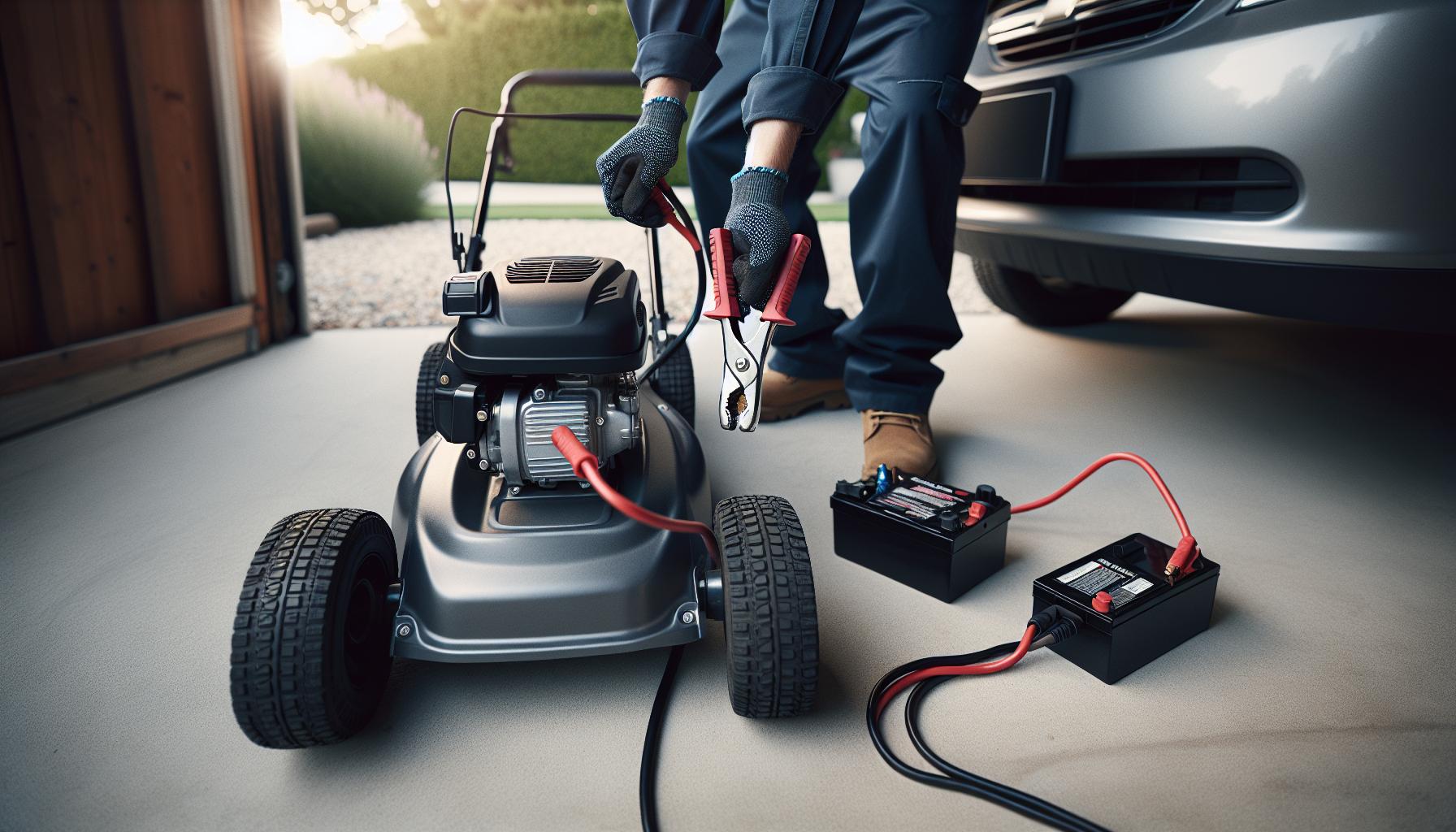
Necessary Tools for Jumping a Lawn Mower Battery
Having the right tools on hand can simplify the process of jumping a lawn mower battery, turning a potentially frustrating scenario into a manageable task. Before you dive into the job, it’s essential to gather your equipment, ensuring you’re fully prepared to tackle the task efficiently and safely.
The primary tool you’ll need is a set of jumper cables. These should be of good quality, featuring robust clamps for a secure connection. Look for cables that are at least 10 to 12 feet long, providing enough length to connect your vehicle and the lawn mower without straining the cables. It’s also beneficial to choose cables with thick copper wiring, which enhances conductivity and reduces the risk of overheating.
In addition to jumper cables, consider having a multimeter handy to check battery voltage. This tool will help you determine whether the problem lies with the battery or if it may be something more complex. Lastly, having a wrench or pliers in your toolkit will come in handy for loosening any corroded battery terminals, ensuring a tight and secure connection for optimal power transfer.
By ensuring you have these tools ready, you can approach the task of jumping your lawn mower battery with confidence, making the process smoother and more efficient. Remember, the right preparations can pave the way for a successful outcome, allowing you to get back to maintaining your lawn in no time.
Step-by-Step Guide: Jumping with a Car Battery
Starting the season with a dead lawn mower battery can feel incredibly frustrating, but knowing how to jump it with a car battery can save the day. This straightforward process, when done safely and correctly, can have your mower running like new in no time. To ensure a successful jump start, it’s crucial to follow a series of steps to connect everything properly and avoid any mishaps.
Begin by positioning both the lawn mower and the car close enough to ensure that your jumper cables can reach each battery. Make sure both vehicles are turned off before making any connections. Now, open the battery compartments; it’s important to identify the positive (+) and negative (-) terminals on both the lawn mower and the car battery.
Next, take your jumper cables and follow these steps for connection:
Jumping Process Steps
- Connect the Red Clamp: Attach one red clamp to the positive terminal of the dead lawn mower battery.
- Connect the Other Red Clamp: Attach the other red clamp to the positive terminal of the car battery.
- Connect the Black Clamp: Attach one black clamp to the negative terminal of the car battery.
- Connect the Other Black Clamp: Instead of connecting it to the lawn mower’s negative terminal, attach the second black clamp to a metal surface on the mower; this helps to ground the connection and minimizes the risk of a spark near the battery.
Once all clamps are securely connected, start the car and let it run for a few minutes. This will allow the car’s battery to charge the mower’s battery. After sufficient time has passed, attempt to start the lawn mower. If it starts successfully, leave it running for a bit to allow the battery to recharge fully.
Important Considerations
Be cautious to avoid any common mistakes, such as connecting the clamps in the wrong order or touching the clamps together while connected to the batteries, as this can create a spark. Always ensure that the connections are tight and not wearing down. If jumping the mower doesn’t work, it may require professional help or a closer inspection of possible underlying issues.
Following these steps carefully will help you jumpstart your lawn mower battery efficiently, allowing you to focus on keeping your lawn in pristine shape.
Common Mistakes to Avoid When Jumping Batteries
Connecting a dead lawn mower battery to a car battery can be a simple solution to an all-too-common problem, but missteps during this process can lead to frustrating outcomes or safety hazards. By being aware of these pitfalls, you’ll be far more likely to complete the task smoothly and get your mower up and running without incident.
One of the most critical mistakes is reversing the connection order of the jumper cables. Always remember that the red clamp must be connected to the positive terminals first, followed by the black clamp to the negative terminal of the car. Connecting the clamps in the wrong order can create sparks, potentially damaging both batteries or causing personal injury. Additionally, mistakenly connecting a clamp to the wrong terminal can result in battery failure or electrical shock.
Another common error occurs when users attempt to skip grounding the connection properly. While it’s safe to connect one black clamp to the car battery’s negative terminal, the other should be attached to a grounded surface on the mower rather than the negative terminal. This reduces the risk of sparks near the battery, which could ignite hydrogen gas emitted from the battery. Ignoring this safety precaution may lead to dangerous situations.
Improperly securing the clamps is another frequent oversight. If the clamps are loose or not making a secure connection, the jump will be ineffective. After securing the clamps, always take a moment to check that they are tightly connected and that there is no fraying or damage to the cables themselves. Additionally, disconnecting the cables too soon can lead to incomplete charging-make sure to let your mower run for a sufficient amount of time to recharge before shutting off the car.
Lastly, refusing to follow proper safety procedures can lead to more significant issues. This includes not wearing protective eyewear or ignoring signs of battery damage. If your mower’s battery shows signs such as swelling, corrosion, or leakage, it may be time to replace it rather than attempting to jump it. By following these tips and being vigilant about avoiding common mistakes, you can efficiently and safely jump your lawn mower battery, getting back to maintaining your green space with ease.
What to Do If Jumping Doesn’t Work
When you find yourself ready to mow the lawn only to discover that jumping the battery hasn’t worked, it can be both frustrating and concerning. It’s important to remain calm and systematically evaluate the reasons behind this failure. Sometimes, the issue might not be as straightforward as a dead battery; various factors contribute to a lawn mower’s inadequate power response.
First, ensure that the connections were made properly and securely. Loose or corroded terminals can prevent the transfer of power. Check the condition of both the battery terminals and the jumper clamps, looking for any signs of corrosion or damage. If you notice rust or buildup, clean the terminals with a mixture of baking soda and water, using a small brush to scrub them thoroughly before attempting another jump.
If securing connections doesn’t solve the problem, inspect your lawn mower’s battery for physical damage. Look for signs like swelling, leaks, or corrosion, which could indicate that the battery is beyond recovery. Consider using a multimeter to test the battery voltage; a fully charged lawn mower battery should ideally read around 12.6 volts or higher. If it shows significantly less, it’s likely that the battery needs replacing.
In situations where jumping the battery and checking the connections and damage do not yield results, it’s wise to evaluate the starter and charging system. The mower’s starter motor or alternator might be malfunctioning, which prevents the battery from receiving a proper charge or starting the engine. If you’re unsure how to proceed, consulting the mower’s manual for specific troubleshooting guidelines is an excellent next step.
Lastly, don’t hesitate to reach out to a professional if you continue to experience difficulties. Lawn mowers involve intricate electrical systems, and sometimes expert intervention is necessary. Verifying the issue through a professional can give you peace of mind and help ensure that your lawn mower is operational for all your gardening needs.
Maintaining Your Lawn Mower Battery for Longevity
Keeping your lawn mower battery in peak condition is essential for seamless operation and to avoid inconvenient breakdowns, especially during those critical mowing sessions. Just as regular maintenance extends the life of your mower, paying attention to its battery can prevent costly replacements and ensure it starts reliably whenever you need it. A well-maintained battery not only enhances performance but can also save you time and money in the long run.
To ensure longevity, start with proper storage. If you live in an area where temperatures fluctuate significantly, store your mower and its battery in a cool, dry place to prevent damage from extreme cold or heat. Additionally, during the off-season, consider removing the battery and storing it at room temperature. This practice helps maintain optimal charge levels and protects against sulfation, a common issue where lead sulfate crystals form on the battery plates, reducing capacity.
Regular maintenance checks are key. Make it a routine to inspect your battery for corrosion on the terminals, which can impede electrical flow. To clean the terminals, a simple mixture of baking soda and water can neutralize the acid buildup-be sure to wear gloves and eye protection while doing so. Furthermore, keep the battery charged, especially if your mower is not used frequently. Using a trickle charger can help maintain the battery’s charge without overloading it, ensuring that it’s always ready for action.
Lastly, monitor the health of your battery by performing voltage checks periodically. Using a multimeter, ensure that the voltage remains around 12.6 volts when fully charged. If you notice a significant drop, it might be time to explore replacement options. Remember, taking proactive steps in maintaining your lawn mower battery not only enhances its lifespan but also ensures your mower operates smoothly when the grass is ready for a trim.
Signs Your Lawn Mower Battery Needs Replacement
Determining when your lawn mower battery is on its last legs can save you from the frustration of an unresponsive mower right when you need it. An underperforming battery not only affects the reliability of your mower but can also lead to costly repairs if left unchecked. Here are some clear signs that indicate it’s time to consider replacing your lawn mower battery.
One of the most telling signs is a decline in starting performance. If your mower consistently struggles to start, takes longer than usual to crank, or exhibits sluggishness, these could be symptoms of a weakening battery. This can also manifest as dimming headlights or weak gauges on battery-powered equipment. Regular checks of your battery’s voltage can aid in identifying this issue; a fully charged battery should read around 12.6 volts. If you notice readings below this threshold even after a recharge, it may indicate that your battery is unable to hold a charge effectively.
Another significant warning sign is corrosion on battery terminals. While some corrosion is normal over time, excessive buildup can hinder the battery’s ability to deliver power. If you see a white, powdery substance around the terminals, it’s crucial to clean it up but also to monitor the overall battery condition. If cleaning does not improve performance, it might be time to look for a replacement.
The age of the battery also plays a critical role; most lawn mower batteries last between three to five years depending on usage and maintenance. If yours is approaching this age range and starts showing performance issues, it’s wise to start considering a new battery. Always keep an eye out for any unusual swelling or deformities in the battery casing, as these can indicate serious internal issues that require immediate replacement.
By recognizing these signs early, you not only ensure that your mower keeps running smoothly but also prevent potential setbacks during important mowing sessions. Taking the time to assess your battery’s health can lead to timely replacements and better overall lawn maintenance.
Exploring Alternative Methods for Battery Issues
When faced with battery issues that prevent your lawn mower from starting, it’s essential to explore alternative methods for resolving the situation, especially if traditional jump-starting doesn’t yield results. While jumping a lawn mower battery with a car is a common practice, there are various solutions and preventative measures you can take to tackle these challenges effectively.
One effective alternative is to use a battery charger specifically designed for lawn mower batteries. These chargers can bring a depleted battery back to life without the risk of damaging the electronic systems of the mower, which may occur when using a car battery. Look for smart chargers that automatically adjust the charge rate for safety and efficiency. Additionally, portable jump starters are an excellent backup option. They are compact and easy to use, allowing you to jump your lawn mower without needing another vehicle. Just ensure the jump starter is compatible with your battery’s voltage and capacity.
In situations where jump-starting and charging don’t work, consider cleaning the battery terminals. Corrosion can significantly impair battery performance. To clean the terminals, mix baking soda with water to create a paste, apply it to the terminals, and scrub gently with an old toothbrush. Rinse with water and dry thoroughly before reattaching the cables. This simple maintenance can often restore functionality without the need for more drastic measures.
Finally, if you frequently encounter battery issues, investing in a maintenance-free battery could be a wise long-term solution. Maintenance-free batteries offer convenience by eliminating the need for regular water level checks and providing a longer lifespan. Additionally, consider using a trickle charger during the off-season to maintain battery health, particularly for seasonal lawn mowers. This consistent low-level charge can keep your battery in optimal condition, reducing the likelihood of unexpected failures when you need your mower the most.
By leveraging these alternative methods, you can enhance your lawn mower’s reliability and reduce downtime, allowing you to focus more on the enjoyable aspects of lawn care rather than troubleshooting battery problems.
A Guide to Choosing the Right Battery for Your Mower
When it comes to ensuring your lawn mower runs smoothly, choosing the right battery is crucial. A well-suited battery not only improves performance but also enhances the lifespan of your mower. With the market flooded with various types, brands, and specifications, it’s essential to navigate these options with care. Whether you’re replacing an old battery or looking for a backup, understanding your mower’s requirements and battery types can simplify the decision process.
First, know the specifications of your mower, including the correct battery group size, which is a key determinant for compatibility. Referencing a battery group size chart can help you find what fits your machine perfectly, ensuring that voltage and dimensions match. Common sizes for lawn mowers typically range from 12V to 6V, and understanding these specifications will guide you in selecting a battery that meets your mower’s demands [[1]].
Next, consider battery chemistry. Lead-acid batteries are the traditional choice, offering reliable performance at a lower cost but requiring regular maintenance. In contrast, newer lithium-ion batteries provide a lightweight option with longer life and faster charging times, making them ideal for those who prioritize convenience and efficiency. However, they come with a higher price tag. Each type has its pros and cons, so evaluate your needs and budget accordingly [[2]].
When choosing a battery, look for reputable brands that offer warranties to back their products. A warranty can indicate the manufacturer’s confidence in their battery’s longevity and performance. Additionally, consider the environmental impact of your choice; some batteries are recyclable, which can lessen your carbon footprint. Lastly, if you are new to selecting mower batteries, consulting with a professional at your local hardware store can provide insights tailored to your specific model. In essence, a thoughtful selection process can keep your mower in prime condition and ready for action when it’s time to tackle your lawn.
When to Call a Professional for Battery Problems
Determining when to seek professional help for battery issues can often save time, money, and frustration. A common misconception is that all battery problems can be tackled with DIY methods like jumping the mower’s battery from a car. However, certain signs indicate that the situation may be more complex and require expert intervention. If you repeatedly find yourself needing to jump-start your lawn mower, it may suggest underlying issues such as a faulty alternator or significant corrosion in connections, which are better handled by a skilled technician.
Additionally, if you’re unsure about the condition or compatibility of your battery, consulting a professional is wise. For instance, if your mower’s battery is leaking, swelling, or visibly damaged, it’s crucial not to attempt any fixes yourself. A professional will know how to safely dispose of hazardous materials and replace the battery with one that meets your mower’s specific requirements. Investing in professional help at this stage can prevent further damage to your mower and ensure safety during operation.
Moreover, keep an eye on performance indicators. If your mower struggles to start even after a jump or the battery drains quickly after being charged, these red flags warrant a professional assessment. Technicians can conduct diagnostic tests, pinpoint issues, and determine whether the battery or another component of the electrical system is at fault. In situations where battery replacement is necessary, they can recommend the right type and size, helping you avoid the pitfalls of mismatched batteries.
Finally, it’s always crucial to consider your comfort level with electrical repairs. If you’re not experienced with battery systems, complicated jump-starting procedures, or disconnections, it may be better to let a professional handle it. They not only ensure the job is done accurately but also provide peace of mind that you’re not risking damage to your equipment or personal safety. Remember, a proactive approach not only enhances your mower’s longevity but can also enhance your overall lawn care experience.
Understanding Battery Safety and Environmental Considerations
When handling batteries, particularly in a lawn mower jump-starting scenario, prioritizing safety and environmental considerations is paramount. Batteries contain harmful materials, and improper handling can lead to not only personal injury but also environmental hazards. For instance, lead-acid batteries, commonly used in lawn mowers, contain lead and sulfuric acid, both of which can be detrimental to the environment if not disposed of correctly.
Before you jump-start your lawn mower battery, it’s essential to take some safety precautions. Always wear protective gear such as gloves and goggles to shield your skin and eyes from battery acid or unexpected sparks. Ensure the area you’re working in is well-ventilated, and keep flammable materials away from the worksite. Furthermore, check the condition of both batteries prior to connecting them; look for any signs of leakage or swelling. If you notice any issues, refrain from attempting a jump and consult a professional instead.
Environmental Impact and Disposal
When a battery reaches the end of its life, proper disposal is critical to minimize environmental impact. Many local governments have specific guidelines for battery disposal or recycling programs designed to safely handle hazardous materials. Always research your community’s regulations or take your old batteries to designated recycling centers. By doing so, you prevent toxic materials from leaching into the soil and water supply.
Additional Safety Considerations
Moreover, understanding the proper procedure for jump-starting can save you from unnecessary hazards. Always connect the positive terminal first and ensure that the jumper cables are clear from moving parts in either machine. If at any point you feel unsure about the process, it’s wise to reach out to a qualified technician. They can not only assist with the jump-start but also provide invaluable advice on maintaining your battery and equipment, ensuring longevity and reducing the risk of future issues. Adopting safe practices and respecting environmental considerations will enhance not only your lawn mower’s performance but also your commitment to sustainable practices.
FAQ
Q: Can you jump a lawn mower battery with a car?
A: Yes, you can jump a lawn mower battery with a car, but it requires caution. Use jumper cables to connect the car battery to the mower battery, ensuring you connect the positive and negative terminals correctly. Refer to the safety precautions section of the article for detailed guidance.
Q: What precautions should I take when jumping a lawn mower battery?
A: Ensure both vehicles are turned off before connecting the cables. Avoid touching the cable clamps together, and keep flammable materials away. For more safety tips, check the “Safety Precautions Before Jumping a Battery” section of the article.
Q: What tools do I need to jump a lawn mower battery?
A: You will need a set of jumper cables and a working car battery. It’s also helpful to have gloves and safety goggles for additional protection. Detailed tool lists can be found in the “Necessary Tools for Jumping a Lawn Mower Battery” section.
Q: How long should I run the car after jumping the lawn mower battery?
A: After jumping the lawn mower battery, run the car for about 5-10 minutes to charge the mower battery. This ensures it receives enough power. For maintaining battery health, see “Maintaining Your Lawn Mower Battery for Longevity” in the article.
Q: What do I do if the lawn mower won’t start after jumping?
A: If the lawn mower doesn’t start, check the connections to ensure they’re secure. Also, inspect the battery for damage. If these fail, you may need to replace the battery or consult a professional, as discussed in the “What to Do If Jumping Doesn’t Work” section.
Q: Is it safe to jump a lawn mower battery from a hybrid car?
A: Generally, it’s safe, but consult your hybrid’s owner manual first. Hybrid batteries are different, and precaution is essential to avoid damage. Refer to the safety guidelines in your article for more information on battery safety considerations.
Q: What are common mistakes to avoid when jumping a lawn mower battery?
A: Common mistakes include reversing the positive and negative connections and failing to secure the clamps properly. Always follow the step-by-step guide provided in the article to avoid these pitfalls and ensure safe operation.
Q: How can I tell if my lawn mower battery is faulty before jumping?
A: Look for signs of corrosion, swelling, or leaks from the battery terminals. If the battery shows these issues, it is likely defective and may need replacement. Explore the “Signs Your Lawn Mower Battery Needs Replacement” section for further insights.
For more detailed steps and information, check the full article on jumping lawn mower batteries!
Future Outlook
Now that you know how to safely jump a lawn mower battery with a car, don’t let a dead battery slow you down when it’s time to mow! Take these essential steps and keep your lawn maintenance on track. If you’re looking for more handy tips on lawn care or troubleshooting common mower problems, check out our resources on Lawn Mower Maintenance and How to Diagnose Mower Issues.
We’d love to hear your thoughts or any questions you might have-drop a comment below! For ongoing updates, consider subscribing to our newsletter for exclusive tips right in your inbox. Remember, staying proactive with your equipment will not only save you time but also enhance your overall lawn care experience.