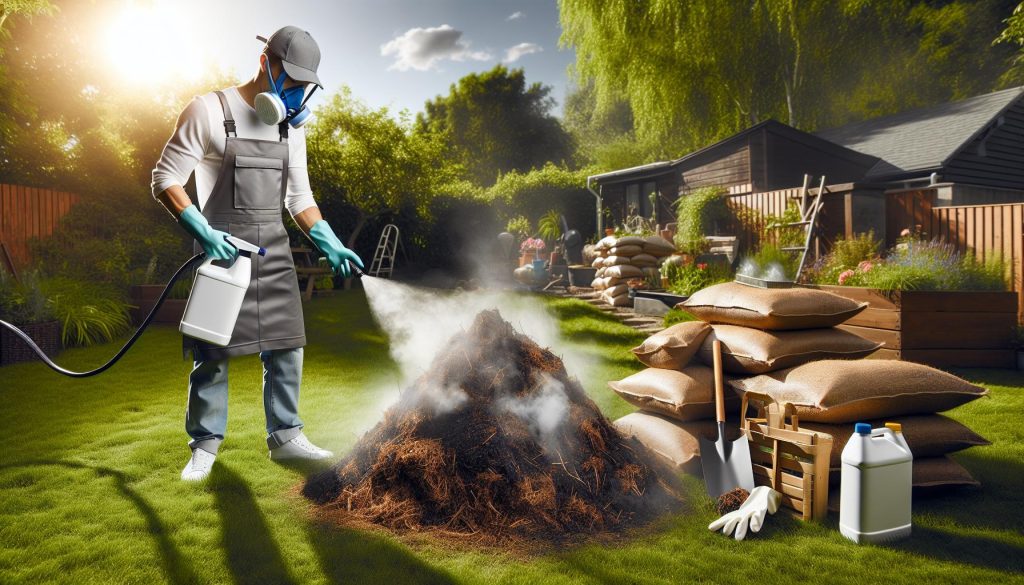
Did you know that a neglected lawn waste pile can quickly become a breeding ground for various fungi, which not only affects its appearance but can also jeopardize the health of your entire yard? Understanding how to effectively kill fungus in your lawn waste pile is crucial for maintaining a vibrant outdoor space. Whether you’re dealing with stubborn mold, unsightly mushrooms, or a funky odor, addressing these issues is essential for a healthier lawn and enhancing your gardening efforts. In this guide, you’ll discover practical treatment tips and strategies to combat fungal growth, transform your waste pile, and ultimately support the thriving ecosystem of your garden. Stay tuned to learn how small actions today can lead to a lush, fungus-free lawn tomorrow!
Understanding Lawn Waste Fungus: Causes and Symptoms
Fungi are an integral part of the ecosystem, playing a vital role in decomposing organic matter. However, when it comes to lawn waste, certain types of fungi can become problematic, particularly in compost piles or grass clippings left in shady areas. Understanding the causes and symptoms of lawn waste fungus can help you intervene effectively and maintain a healthy yard.
A proliferation of fungi in lawn waste is often triggered by a combination of high moisture levels and insufficient airflow. When lawn clippings and organic debris accumulate, they can create a damp, shaded environment, which is perfect for fungal growth. Moreover, different types of waste encourage different fungal species. For example, a pile rich in green grass clippings is more susceptible to fungi than a balanced mix of greens and browns. Symptoms of fungal infestation can vary; you may notice a fuzzy white mold, dark spots, or even unpleasant odors emanating from the pile, signaling decay and potential issues. In more severe cases, the fungi can spread, impacting surrounding grass and plants, leading to discoloration or die-off.
Recognizing the specific symptoms of lawn waste fungus is crucial. Common indicators include:
- White or gray mold: Often appears like a powdery substance on the surface of the waste.
- Dark, slimy patches: Indicative of a wetter environment where fungal spores thrive.
- Strong, musty odors: A sign of anaerobic bacteria and decay.
By identifying these signs early, you can take proactive measures to control the spread and minimize damage to your lawn. Keeping a close eye on the conditions of your lawn waste and acting quickly when symptoms arise can make all the difference in maintaining an appealing outdoor space.
Effective Treatment Options for Fungus in Lawn Waste

To combat fungus in lawn waste effectively, addressing the issue promptly and intelligently is key. Many homeowners may find themselves surprised at how quickly a small problem can escalate into a larger concern if left unchecked. A proactive approach involves a combination of physical management strategies, natural solutions, and when necessary, chemical interventions.
Physical Management Strategies
Begin by improving air circulation and reducing moisture levels in your lawn waste pile. Turning over the pile frequently can aerate it, allowing moisture to escape and sunlight to reach inner layers, which helps to deter fungal growth. Additionally, mix in brown materials such as dry leaves or straw to balance the nitrogen-rich green grass clippings, which provide an ideal environment for fungi. This balanced mix not only promotes healthier decomposition but also improves the texture of the pile, contributing to better airflow.
Natural Solutions
Consider utilizing natural remedies to manage fungal conditions. Ingredients such as baking soda mixed with water can be an effective treatment; spraying this solution onto the affected areas can help to discourage fungal spores. Similarly, introducing beneficial microorganisms through compost teas can outcompete harmful fungi. These beneficial microbes can establish themselves quickly, creating a resilient microbial community that combats disease and enhances overall soil health.
Chemical Interventions
In cases where natural remedies do not yield the desired results, chemical fungicides may be necessary. It’s crucial to choose a fungicide labeled for use on lawn waste or compost, and always follow the manufacturer’s instructions regarding application rates and safety precautions. Timing is also essential; applying fungicides in the early stages of fungal development can significantly enhance effectiveness. Avoid applying during wet conditions, as this can wash away the treatment before it can penetrate the fungal layers adequately.
By combining these strategies and interventions, you can successfully manage fungus in your lawn waste piles, ensuring a healthy green space and maximizing the benefits of your organic waste management practices. Always observe your lawn and waste conditions regularly, as early intervention is your best defense against potential fungal infestations.
Natural Remedies for Fungus Control in Yard Waste

Natural approaches to controlling fungus in yard waste can be both effective and environmentally friendly. Leveraging common household ingredients not only saves money but also reduces the reliance on chemical treatments that can have adverse effects on your garden ecosystem. One of the simplest methods is using baking soda, which can be mixed with water to create a spray solution. This mixture works as a fungicide by altering the pH level of the soil and discouraging fungal growth. Regularly spraying this combination on affected areas can help keep your lawn waste pile healthy and mitigate fungal infestations.
Another valuable remedy involves introducing beneficial microorganisms through products like compost tea. This nutrient-rich solution facilitates the growth of helpful bacteria and fungi, establishing a robust microbial community that competes with harmful pathogens. Making your own compost tea is straightforward: steep well-aged compost in water for a day, then strain and use the liquid as a watering solution for your lawn waste. This not only helps to control fungus but also enhances the overall health of your soil.
Essential oils such as tea tree oil or neem oil can also be effective against fungi. By mixing a few drops of these oils with water and a small amount of liquid soap (to help the solution adhere to the waste), you can create a natural fungicide. Applying this solution directly onto fungal growth can inhibit its spread and promote a healthier composting environment.
Lastly, consider adding organic matter, like wood chips or shredded leaves, on top of your lawn waste. These brown materials promote better aeration and reduce moisture retention, creating an environment less conducive to fungal growth. By combining these natural remedies and practices, you’ll cultivate a more balanced and thriving lawn waste pile, effectively managing fungus while enriching your garden ecosystem.
Chemical Solutions: When and How to Use Them
While natural remedies can be very effective in managing lawn waste fungus, there are times when chemical solutions may be necessary, especially when dealing with severe infestations. Understanding when and how to use these treatments can save your lawn and restore balance to your garden ecosystem. The key to successful application lies in selecting the right products and using them responsibly to minimize harm to beneficial organisms in your soil.
Chemical fungicides come in various types, targeting specific fungi that may plague your lawn waste piles. Broad-spectrum fungicides are designed to combat a wide range of fungal pathogens, making them suitable for general use. Selective fungicides, on the other hand, target specific fungi, offering a more surgical approach to treatment. Always read the product labels carefully for guidance on types of fungi treated and application methods. It’s essential to follow the instructions to achieve optimal results and reduce the risk of resistance developing in fungal populations.
When applying chemical solutions, consider the timing. Early treatment is crucial; applying fungicides at the first sign of fungus can prevent further spread. Here’s a quick checklist for effective application:
- Choose the right weather: Apply fungicides on dry days to ensure the product remains effective and does not wash away with rain.
- Wear protective gear: Always use gloves and a mask when handling and applying chemicals to safeguard your health.
- Target affected areas: Use a sprayer to apply fungicides directly to the areas showing symptoms, rather than treating the entire pile, to avoid unnecessary chemical use.
- Monitor progress: After application, keep an eye on your lawn waste to assess the effectiveness of the treatment and determine whether further action is needed.
If the fungus persists or spreads despite chemical treatment, it may indicate an underlying issue with your lawn’s health or the effectiveness of the chosen product. In such cases, consulting with a lawn care professional can provide additional insight and tailored solutions. Remember, while chemical solutions can offer rapid results, integrating them into a broader lawn care strategy that includes good management practices and regular monitoring will yield the healthiest outcomes for your garden.
Preventing Fungus Growth in Lawn Waste Piles
To maintain a thriving lawn and prevent the onset of fungal issues, it’s crucial to implement proactive strategies that deter the spread of fungus in lawn waste piles. One key factor to consider is the moisture content in these piles. Fungi thrive in damp environments, so regular aeration of lawn waste can significantly help in reducing moisture buildup. Turning the pile frequently not only improves airflow but also promotes even decomposition, which is less conducive to fungal growth.
Another important consideration is the composition of your lawn waste. Mixing green materials, which are rich in nitrogen, with brown materials, like dry leaves and straw, can create a balanced environment that supports rapid decomposition while minimizing the likelihood of fungal infestations. Aim for a ratio of about 2:1 (green to brown) to optimize the breakdown process while keeping fungus at bay. Additionally, consider adding lime to your grass clippings and other organic matter; this can help reduce acidity and create an unfavorable environment for fungi.
Maintaining proper lawn care can also contribute to healthier waste piles. Regular mowing and the collection of clippings can prevent excessive build-up of organic matter that can serve as a breeding ground for fungi. Moreover, rinsing off any debris from tools and equipment before use can prevent the introduction of fungal spores into your lawn waste.
Lastly, understanding the environmental conditions around your lawn is critical. Providing sufficient sunlight and ensuring good drainage can discourage moisture accumulation. Consider placing your composting area in a spot that receives adequate sunlight throughout the day, which helps to naturally dry out any excess moisture. By implementing these strategies, you can create a less hospitable environment for fungi and pave the way for a healthier lawn and composting system.
Best Practices for Lawn Waste Management
Managing lawn waste effectively is a crucial aspect of maintaining both a healthy yard and preventing the growth of harmful fungi. One of the most important practices is ensuring that the lawn waste is properly aerated. This not only facilitates better airflow but also helps regulate moisture levels, an essential factor since fungi thrive in damp conditions. Regularly turning your compost pile or lawn waste can significantly reduce moisture buildup, promoting even decomposition and limiting fungal proliferation.
In addition to aeration, it’s vital to balance the composition of your lawn waste. A healthy mixture of nitrogen-rich green materials-such as grass clippings-and carbon-rich brown materials, like dried leaves and straw, can create an optimal environment for decomposition. Maintaining a ratio of about 2:1 (green to brown) is highly effective. Moreover, incorporating lime can help adjust the pH level, making the environment less hospitable for fungi while supporting beneficial microorganisms necessary for healthy composting.
Proper lawn care also plays an influential role in waste management. Consistent mowing and carefully collecting clippings can prevent an excessive buildup of organic material, which may otherwise provide a breeding ground for fungal spores. After working in your yard, clean your tools thoroughly to eliminate any fungal spores that might have transferred, thus preventing further contamination of your lawn waste piles.
Selecting the right location for your compost pile or lawn waste storage is equally important. A site that receives ample sunlight throughout the day can assist in drying excess moisture, thereby reducing the overall humidity conducive to fungal growth. By integrating these best practices, you can not only manage lawn waste effectively but also establish a healthier ecosystem that discourages the onset of funguses and promotes a lush, vibrant lawn.
The Role of Environment in Fungus Proliferation
The lushness of your lawn can quickly become a breeding ground for unwanted fungi if environmental conditions are not carefully managed. Moisture and temperature play pivotal roles in fostering fungal growth, as many species thrive in damp, shaded areas. When yard waste, such as grass clippings and leaves, is not adequately aerated or maintained, it can create ideal conditions for these organisms to proliferate. Understanding how your environment influences these conditions can be crucial in preventing and managing fungal issues.
To reduce the likelihood of fungal outbreaks, ensuring proper drainage is vital. Waterlogged areas or poorly draining compost heaps retain moisture that fungi adore. By selecting a well-drained site for your lawn waste storage, you can minimize the humidity levels that contribute to fungal growth. Temperature fluctuations also play a significant role; warmer weather can lead to more rapid decomposition, but it can also create a steamy environment if not managed properly. Regular turning and aerating of your compost will help maintain a cooler temperature and allow excess moisture to escape.
Sunlight is another critical factor; fungi prefer low-light conditions that can often be found in shaded spots. Positioning your compost pile in a sunny location not only helps in drying out excess moisture but also introduces beneficial microorganisms that help combat harmful fungi. Moreover, a balanced composition of brown and green materials in your compost stacks encourages healthy decomposition processes that can outcompete fungal spores.
Lastly, understanding the role of your lawn’s microclimate can significantly impact fungus management. For instance, areas with dense tree cover will naturally be more humid and may require extra attention. Regular inspections and adjustments based on seasonal changes will empower you to stay ahead of fungal problems efficiently, ensuring that your lawn remains vibrant and healthy.
Identifying Different Types of Lawn Waste Fungus
Identifying the various types of lawn waste fungus is crucial for effective management and treatment. Fungal species differ remarkably in their characteristics, growth habits, and effects on lawn waste, making it essential for homeowners to recognize them early on. A wide range of fungi can develop in poorly managed lawn waste, including saprophytic fungi, which actively decompose organic matter, and pathogenic fungi, which may harm plants and soil health.
Among the most common fungi found in lawn waste are Rhizopus, commonly known as black bread mold, and Trichoderma, a beneficial fungus that can outcompete harmful organisms. Saprophytic fungi like Rhizopus typically appear as a black or grayish mold on decaying organic material, thriving in damp conditions. While they contribute to decomposition, unchecked growth can slow down the breakdown process. In contrast, Trichoderma appears greenish and is often used in organic gardening for its ability to suppress pathogenic fungi, making it a positive presence in lawn waste management.
Other notable fungal types include Fusarium and Sclerotinia, which are more concerning due to their potential to introduce diseases to live plants. Fusarium typically creates a brownish discoloration on the waste and can impact turf health if it spreads. Similarly, Sclerotinia can form hard black structures on organic material, indicating potential for disease spread. Recognizing these fungi early can help in taking the necessary steps to control their proliferation.
To effectively manage fungal growth, consider conducting regular inspections of your lawn waste piles. Look for unusual colors, textures, or growth patterns, and take note of any odors that may indicate decay. Maintaining a balanced compost heap with appropriate aeration and moisture levels will help minimize the risk of pathogenic fungi taking hold. Informed management not only encourages healthy decomposition but also contributes to the overall vitality of your lawn.
When to Seek Professional Help for Fungus Issues
Recognizing in your lawn waste is essential to safeguard not just your composting efforts but also the overall health of your garden. If you find yourself battling persistent fungal growth that doesn’t respond to home treatments, it may be time to consult with experts. For instance, if you observe highly unusual fungal formations that are notably dense or have an odd coloration, these can be indicators of potentially harmful species that might not only affect your lawn waste but also pose a risk to your healthy plants.
Professional intervention is particularly warranted if you encounter symptoms like foul odors or excessive moisture retention in your lawn waste piles. Such conditions often attract certain fungi that can spoil composting processes and lead to detrimental results for your garden. Additionally, if you are experiencing a rapid die-off of vegetation in proximity to your composting area, it may point to pathogenic fungi such as Fusarium or Sclerotinia, which require expert management to prevent further spread.
Furthermore, any complex fungal issues emerging from underlying soil problems or poor waste management practices can necessitate the expertise of a lawn care professional. They can assess environmental factors such as drainage and aeration that might be fostering a fungal habitat. Their insights can help re-establish a well-balanced ecosystem in your garden by recommending tailored treatments and amendments aimed at restoring your lawn’s vitality.
In instances where you are unsure about the types of fungus present, especially when distinguishing between beneficial and harmful varieties, consulting an expert ensures that you take appropriate action. Professionals can accurately identify specific fungal species and recommend targeted solutions, saving you time and potentially preventing costly damage to your lawn and shrubbery. Remember, proactive maintenance and professional advice can be invaluable in maintaining a thriving garden ecosystem.
Maintaining a Healthy Lawn to Prevent Future Issues
Maintaining a healthy lawn goes beyond regular mowing and watering; it’s a proactive strategy that can significantly reduce the risk of fungal growth in lawn waste piles. A thriving lawn creates an environment that minimizes the conditions under which fungi prosper. One of the most effective ways to ensure your lawn remains healthy is by focusing on proper soil care. Healthy soil, rich in organic matter, promotes the growth of beneficial microorganisms that compete with harmful fungi. Consider incorporating compost into your soil to improve fertility and structure, enhancing drainage and aeration and reducing moisture buildup that favors fungal growth.
Regular lawn inspections play a crucial role in early detection and prevention of fungal issues. Keeping a keen eye on any signs of trouble, such as unusual discoloration or wilting grass, can help identify underlying problems before they escalate. Implementing a consistent schedule for aerating your lawn can also help; this process alleviates soil compaction, improves water penetration, and enhances root development. A well-aerated lawn is less likely to sustain the damp and poorly drained conditions that often lead to fungal outbreaks.
Additionally, ensure that you are applying the right type of fertilizer at the appropriate times. Over-fertilization can result in excessive growth, leading to thick, lush patches that retain moisture, creating an ideal environment for fungal spores to thrive. Ideally, use a slow-release fertilizer that supports gradual growth rather than a quick burst that can lead to excessive moisture retention in lush foliage.
Finally, when managing your lawn waste, ensure that you are practicing effective composting methods. Turn your compost pile regularly to maintain airflow and prevent the conditions that lead to anaerobic decomposition. Consider balancing your green (nitrogen-rich) and brown (carbon-rich) materials to optimize the composting process, which can, in turn, create a healthier lawn environment and minimize fungal threats. By adopting these strategies, you not only foster a vibrant lawn but also set the stage for effective waste management that helps mitigate rust and other fungal issues.
Fungus vs. Beneficial Microorganisms: What to Know
Fungi are often viewed through a negative lens, especially when they wreak havoc on your lawn and garden. However, it’s essential to recognize that this kingdom of organisms is not solely composed of harmful species; many fungi play a crucial role in maintaining healthy ecosystems. Understanding the symbiotic relationship between harmful fungi and beneficial microorganisms can influence how we manage lawn waste and treatment strategies.
Beneficial microorganisms, including certain fungi, are vital for soil health as they aid in the decomposition of organic matter. These microorganisms break down dead plant material, returning vital nutrients to the soil, and improving its structure and fertility. For example, mycorrhizal fungi form symbiotic relationships with plant roots, enhancing nutrient uptake, water absorption, and disease resistance in plants. This beneficial interplay helps create a robust soil ecosystem that can outcompete pathogens, reducing the prevalence of harmful fungi that could threaten lawn health.
To effectively manage your lawn waste while fostering beneficial microorganisms, consider the following practices:
- Encourage Diversity: Incorporate a mix of carbon-rich ‘brown’ materials (like dried leaves and straw) and nitrogen-rich ‘green’ materials (such as grass clippings) into your compost. This balance promotes microbial diversity and healthy decomposition.
- Aerate When Necessary: Ensure your compost pile gets adequate airflow. Turning it regularly helps maintain aerobic conditions, which favor beneficial microorganisms while discouraging harmful anaerobic fungi.
- Moisture Management: Maintain appropriate moisture levels; too little can inhibit microbial activity, and too much can create conditions for pathogenic fungus. Monitor your compost pile’s moisture and adjust as needed.
To differentiate beneficial microorganisms from harmful fungi, consistent monitoring is key. Symptoms of fungal issues, like unusual spots or discoloration on grass blades, indicate potential problems that may need attention. By promoting the growth of beneficial fungi through proper composting and soil management, you not only reduce the impact of harmful species but also enhance the overall resilience of your lawn. This proactive approach not only helps in managing existing lawn waste challenges but also sets the stage for a healthier lawn ecosystem, ultimately minimizing the chances of future fungal outbreaks.
The Importance of Regular Lawn Inspections
Regularly inspecting your lawn is crucial for maintaining its health and vigor. Just like medical check-ups for humans, these inspections allow you to identify early signs of trouble before they escalate into significant problems. Surprisingly, a majority of lawn issues, including fungal infestations, can be mitigated or completely avoided with the right vigilance. Over time, minor symptoms such as discoloration, wilting, or unusual growth patterns can signal the presence of harmful fungi, making it essential to develop a routine that prioritizes regular assessments of your yard.
Begin your inspections by closely observing your lawn for signs of distress. Keep an eye out for areas of thinning grass, abnormal colors, or patches that are noticeably different from the rest of your lawn. Investigating your lawn waste piles is equally vital; mold, foul odors, or excessive moisture can indicate a fungal problem. Document your findings-photos can be beneficial for tracking changes over time. Create a checklist to systematically evaluate your lawn’s health, focusing on aspects such as soil moisture, grass height, and any unforeseen pests.
Best Practices for Lawn Inspections
- Schedule Regular Checks: Aim for inspections at least once a month during the growing season, and increase the frequency if problems arise.
- Use Proper Tools: Equip yourself with a soil thermometer, a magnifying glass, and basic gardening tools to facilitate a thorough examination.
- Assess the Environment: Evaluate weather conditions; warm, humid conditions favor fungal growth, making it critical to inspect during and after such weather.
Ultimately, proactive lawn inspections empower you to detect and address fungal issues in their infancy, negating the need for extensive treatment measures later on. With a keen eye and a commitment to regular monitoring, you’ll foster a more resilient lawn ecosystem capable of withstanding various challenges, reducing the likelihood of severe fungal outbreaks in lawn waste piles.
Frequently Asked Questions
Q: What causes fungus to grow in lawn waste piles?
A: Fungus often thrives in lawn waste piles due to excess moisture, lack of air circulation, and decomposing organic material. These conditions create an ideal environment for fungal spores, leading to rapid growth. To prevent this, ensure proper aeration and moisture control in your yard waste pile.
Q: How can I identify different types of lawn waste fungus?
A: To identify lawn waste fungus, look for specific traits like color, texture, and growth pattern. Common types include powdery mildew (white or gray powdery spots) and slime molds (gelatinous, often brightly colored textures). Refer to the section on identifying different types of lawn waste fungus for detailed descriptions.
Q: Is it safe to compost lawn waste that has fungus?
A: Yes, you can compost lawn waste with fungus if the compost reaches high temperatures (between 130-160°F) to kill harmful spores. However, it’s best to avoid adding large amounts of heavily infected material to prevent the spread of fungi. Consult your composting guidelines for best practices.
Q: When should I seek professional help for fungus problems in my lawn waste pile?
A: Seek professional help if the fungus appears extensive, persists despite treatment, or if you’re uncertain about the type affecting your garden. A specialist can identify the issue and recommend effective treatments. Refer to the section on seeking professional help for more details.
Q: Can I use household items to treat fungus in lawn waste?
A: Yes, household items like vinegar or baking soda can be effective in treating minor fungus issues. Mix 1 tablespoon of baking soda with water and spray it on the affected areas. Check the article’s natural remedies section for more effective solutions.
Q: How does the environment influence fungus growth in lawn waste?
A: Environmental factors such as humidity, temperature, and the presence of decaying organic matter significantly influence fungus growth. High humidity and warm temperatures create ideal conditions for fungal spores to thrive. Explore the role of the environment in fungus proliferation in the main article for insights.
Q: What are the best practices for managing lawn waste to prevent fungus?
A: Best practices for managing lawn waste include regular turning of the compost pile, ensuring adequate aeration, and maintaining appropriate moisture levels. Additionally, mix different types of waste to enhance decomposition while reducing fungal growth. For comprehensive management tips, see the article’s best practices section.
Q: Does fungus in lawn waste affect my garden plants?
A: Yes, fungus in lawn waste can affect garden plants, particularly if spores spread. Some fungal pathogens can infect plant roots or leaves, leading to diseases. It’s essential to control fungus in waste piles to protect your garden. For more details, refer to the section on maintaining a healthy lawn.
Insights and Conclusions
Now that you have the effective treatment tips for killing fungus in your lawn waste pile, it’s time to take action! Remember, tackling this issue promptly not only protects your garden but also fosters a healthier environment for future growth. If you have questions or need further guidance, check out our articles on maintaining a healthy lawn and composting tips.
Don’t forget to explore our dedicated resources on organic lawn care and pest management. By signing up for our newsletter, you’ll receive exclusive tips straight to your inbox, ensuring you stay ahead in your gardening journey. Share your experiences with us in the comments below and connect with fellow gardening enthusiasts! Your beautiful, fungus-free lawn awaits-let’s make it happen together!