Bacterial leaf diseases are among the most common and destructive threats to gardeners and farmers alike, often leading to reduced yields and compromised plant health. Understanding how to effectively remove these diseases is crucial for anyone looking to maintain a thriving garden or crop. By addressing issues like leaf spots and wilting early, you can protect your plants and ensure their longevity. Did you know that certain practices can not only eradicate existing bacteria but also prevent future outbreaks? In this guide, we will explore practical methods and strategies to combat bacterial infections, empowering you to safeguard your green space. Join us as we delve into the essential steps for restoring your plants’ health and vitality.
Understanding Bacterial Leaf Diseases in Plants

Bacterial leaf diseases are a significant threat to the health and productivity of plants, often leading to devastating effects on agricultural output. These diseases are caused by various bacteria that can invade the plant tissue, resulting in a range of symptoms that can seriously impair plant function. Common bacterial pathogens include Pseudomonas, Xanthomonas, and Erwinia, which can flourish in warm, humid environments. Understanding these diseases is crucial for plant health and the management of infestations.
The impact of bacterial leaf diseases on plants varies greatly, affecting everything from the overall vigor of the plant to its aesthetic appeal. Infected leaves may display a variety of symptoms, including yellowing, leaf spots, wilting, and premature leaf drop. These symptoms result from bacterial toxins that disrupt normal cellular processes. The process of infection begins when bacteria enter the plant through wounds, natural openings, or through vectors like insects, highlighting the need for careful monitoring of plant health.
Identifying the specific type of bacterial disease can be challenging but is critical for effective management. This often involves observing the patterns of symptoms, the timing of their appearance, and their progression over time. Consideration of environmental conditions and plant care practices also plays a vital role. Early recognition is key, as prompt intervention can significantly reduce the spread of the bacteria and minimize damage.
Managing bacterial leaf diseases effectively requires a multifaceted approach. Integrated practices include maintaining plant health through proper cultural practices, such as ensuring good air circulation, adequate spacing, and appropriate watering techniques to reduce humidity. Regular monitoring and the application of both organic and chemical treatments can also be effective in curbing severe cases. By prioritizing plant hygiene and employing strategic management practices, gardeners and farmers can safeguard their crops against the detrimental effects of bacterial infections.
Common Symptoms of Bacterial Leaf Diseases
Detecting bacterial leaf diseases early is crucial for protecting plants from irreversible damage. Bacterial infections can manifest in various ways, leaving telltale signs on leaves that attentive gardeners can learn to recognize. One of the initial symptoms often seen is yellowing or chlorosis, where the leaf tissue turns yellow while the leaf veins remain green. This indicates that the bacteria are affecting the plant’s ability to conduct photosynthesis effectively.
Another prominent sign is the appearance of leaf spots, which can vary in color from brown to black, depending on the type of bacteria involved. These spots may start small but can expand and merge, leading to larger necrotic areas that signify significant tissue damage. Wilting is also a common symptom, as bacterial pathogens block the vascular tissues, disrupting water transport within the plant. In more severe cases, you may notice premature leaf drop, where leaves shed before their usual season, highlighting the plant’s distress.
It’s important to observe how these symptoms evolve. For instance, initial yellowing may progress to spots accompanied by wilting if not addressed promptly. Understanding these indicators can aid in distinguishing bacterial infections from other plant diseases, such as fungal or viral infections, which exhibit different symptom patterns. By familiarizing yourself with these signs early on, you can take proactive measures to mitigate the impact of bacterial leaf diseases on your plants. Regular inspections and a keen eye for these symptoms will enable you to act quickly, preserving not just the health of your plants but also the vibrancy of your garden.
Effective Identification Techniques for Leaf Diseases
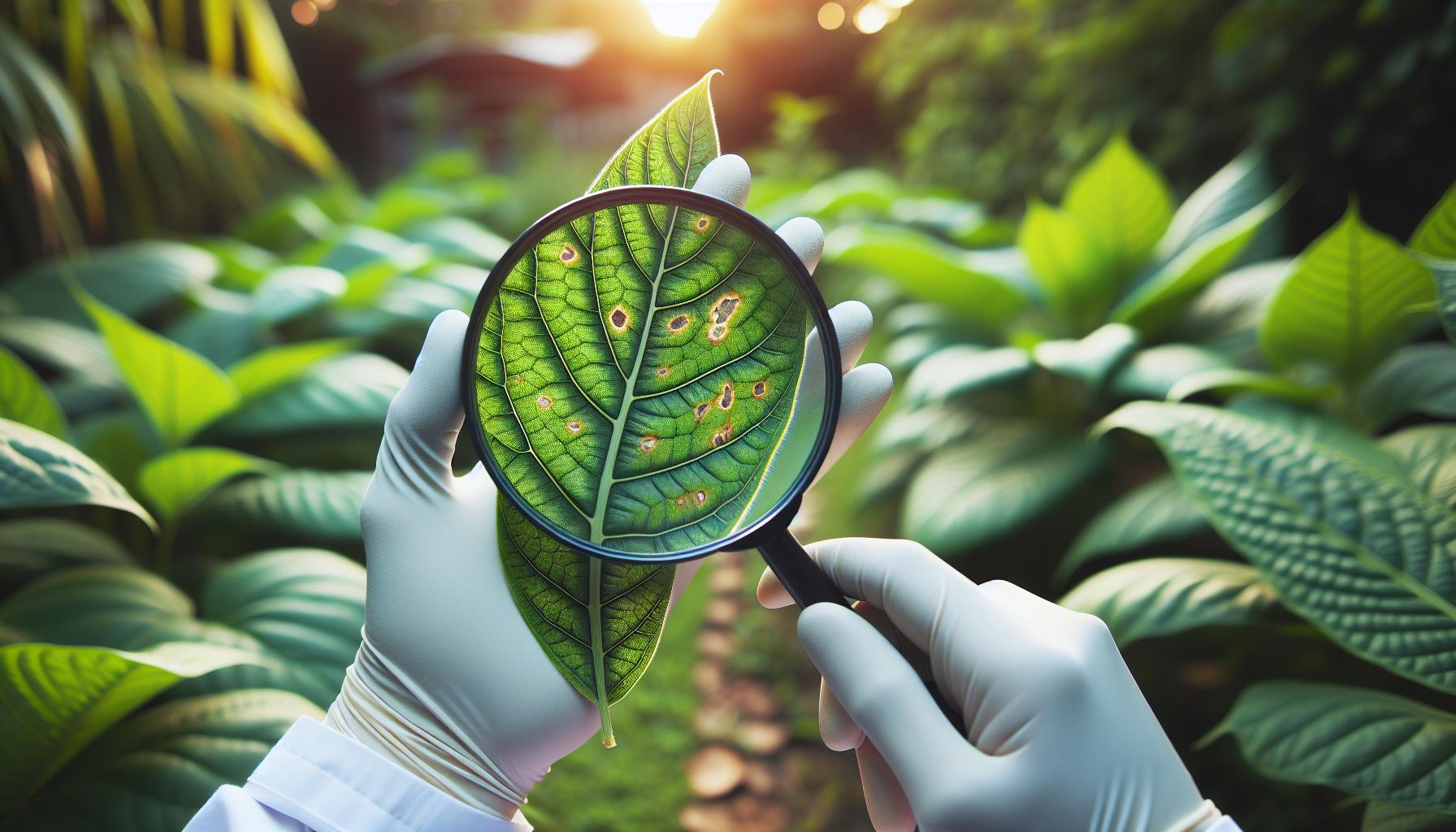
Detecting bacterial leaf diseases requires a keen eye and an understanding of the characteristic symptoms these infections present. Accurate identification is crucial for proper management and treatment. One of the most effective techniques is to perform regular inspections of your plants, especially during the growing season. Observing plants closely can aid in spotting early signs of distress before they develop into more severe problems. Keep an eye out for irregularities such as leaf discoloration, unusual spots, or wilting-the earlier these symptoms are detected, the better the chances of successful intervention.
To enhance your identification skills, consider using a systematic approach. Start by noting the location of affected leaves and the pattern of the symptoms. For instance, bacterial leaf spots may appear randomly or in specific areas, providing clues to their source. Take photographs of the affected areas to compare against reference materials or consulted resources. If possible, use a magnifying glass to inspect the leaf surface for microscopic signs, such as ooze, which is a hallmark of certain bacterial infections. This can help distinguish between bacterial and other types of diseases, such as fungal infections, which often present with different characteristics.
Furthermore, employing biochemical tests can greatly aid in identifying bacterial diseases definitively. Test kits are available that can analyze plant tissue samples, detecting specific bacteria responsible for the infection. Such tests provide precise information and can help tailor treatment strategies. Engaging with local agricultural extension services or expert plant pathologists can also offer valuable insights into which bacterial diseases are prevalent in your area, guiding your identification process.
- Regular Inspection: Check plants weekly for changes in leaf appearance.
- Photographic Evidence: Document symptoms to compare and analyze.
- Use of Magnification: Inspect leaves closely for oozing or other subtle signs.
- Biochemical Testing: Consider laboratory tests for accurate identification.
By integrating these techniques into your plant care routine, you can better manage bacterial leaf diseases and protect your garden from potential outbreaks.
Natural Remedies for Bacterial Infections
Exploring in plants reveals a wealth of options rooted in traditional practices and organic gardening principles. These approaches not only bolster plant health beyond chemical interventions but also promote an environmentally sustainable method for treating and preventing bacterial leaf diseases. For instance, a simple solution that many gardeners find effective is the use of a homemade spray made from garlic and water. Garlic is known for its natural antibacterial properties; when blended and diluted, it creates an organic spray that can deter bacterial growth on plants.
Another powerful natural remedy is the use of baking soda. This common household item can be mixed with water and a small amount of plant oil to create a foliar spray. The alkalinity of baking soda makes the environment less hospitable for bacterial pathogens, effectively preventing their spread. Regular applications, especially after rainfall, can help safeguard your plants against infections. Additionally, some gardeners have success with cinnamon, a spice known for its antifungal and antibacterial properties. Sprinkling cinnamon powder on the soil around affected plants can inhibit bacterial growth and promote healthier root systems.
It’s essential to maintain a balanced environment in your garden. Incorporating beneficial microorganisms into the soil through compost can naturally combat harmful bacteria. Compost tea, when brewed correctly, introduces these beneficial microbes, enhancing soil health and plant resistance. Moreover, practicing regular crop rotation with companion planting can deter the establishment and spread of bacterial diseases. Plants like marigolds and nasturtiums, when grown alongside more susceptible crops, can act as a barrier against bacterial infections by attracting beneficial insects and repelling harmful ones.
To maximize these natural remedies, consistency and patience are key. Implementing these solutions as a part of your overall garden care routine, alongside vigilant monitoring for early symptoms of distress, empowers you to create a garden environment less susceptible to bacterial infections. Remember, while natural methods can be highly effective, combining them with proper care and good cultivation practices will yield the best results in combating bacterial leaf diseases.
Chemical Treatments for Severe Cases
When bacterial leaf diseases reach a critical point, relying solely on natural remedies may not suffice. In such severe cases, the swift application of chemical treatments can be essential in salvaging affected plants. These treatments vary significantly in composition and target specific bacterial pathogens, making it crucial to select the right product based on the disease at hand.
One of the most commonly used chemical treatments is copper-based fungicides. Copper has long been recognized for its antimicrobial properties and is effective against a variety of bacterial infections, including bacterial blight and soft rot. When applying copper sprays, it’s important to follow the manufacturer’s instructions closely. Overuse can lead to copper accumulation in the soil, which could harm beneficial soil organisms over time. Consequently, targeting affected plants precisely while adhering to application guidelines ensures both efficacy and ecological balance.
Another option is the use of antibiotic treatments like streptomycin, which is particularly effective against serious bacterial infections in crops such as apples and pears. These antibiotics work by inhibiting bacterial growth, offering a rapid solution for stubborn infections. However, growers should consult local regulations regarding the use of antibiotics in gardening, as their application can lead to antibiotic resistance and other long-term ecological concerns.
For many gardeners, considering the environmental impacts of chemical treatments is paramount. Therefore, integrating these interventions into a broader plant care strategy is beneficial. For instance, using chemical treatments during peak disease seasons, while pairing them with practices like improved plant hygiene and regular monitoring, can reduce reliance on chemicals over time and promote a more sustainable approach to plant health.
In summary, while chemical treatments are sometimes necessary to combat severe bacterial leaf diseases, their use should be balanced with environmental considerations and integrated into an overarching strategy that includes cultural practices and ongoing monitoring for the best outcomes in plant health.
Best Practices for Plant Hygiene and Care
Maintaining cleanliness in your garden is not just about aesthetics; it’s a vital part of promoting plant health and preventing bacterial leaf diseases. Did you know that many bacterial infections can thrive in neglected gardens, where decaying plant material and poor airflow create perfect conditions for disease? Implementing effective hygiene practices can significantly reduce the risk of infections, ensuring your plants thrive.
One of the simplest yet most impactful routines involves regularly removing debris like fallen leaves, dead plants, and weeds. This organic matter can harbor bacteria and serve as a breeding ground for pathogens. After cleaning, it’s essential to dispose of this material properly-composting is an excellent option, provided that the compost is managed at high temperatures to kill any pathogens. After removing debris, consider using a rake or hoe to improve soil aeration, which promotes faster drying and decreases the likelihood of bacterial proliferation.
Another crucial aspect of plant hygiene is maintaining proper spacing between plants. Overcrowding not only restricts airflow but also traps moisture, creating a humid environment that bacteria love. Aim for optimal spacing to allow sunlight and air to circulate freely-this can be particularly beneficial in preventing leaf diseases that result from excessive wetness.
Regular watering practices also play a pivotal role. Watering early in the day allows plants to dry out before nightfall, reducing moisture accumulation on leaves. When watering, avoid overhead irrigation; instead, use a drip irrigation system or water at the base of the plants. This targeted approach minimizes water on the foliage, directly reducing the likelihood of bacterial infection.
Lastly, consider the importance of sanitation tools and equipment used in the garden. Always disinfect your gardening tools after tending to sick plants or before moving to new areas of the garden. A simple solution of bleach and water or a ready-made garden disinfectant can help eliminate pathogens from your clippers, shovels, and other tools, thereby preventing cross-contamination.
By adopting these , you create a robust defense against bacterial leaf diseases and promote a healthier growing environment. The investment in consistent routines not only safeguards your plants but also enhances the overall beauty and productivity of your garden.
Preventive Measures to Protect Your Plants
To successfully safeguard your plants against bacterial leaf diseases, it’s crucial to implement a series of preventive measures focused on promoting overall plant health and creating an environment less conducive to the growth of harmful bacteria. Did you know that the majority of bacterial infections thrive in damp, overcrowded spaces? By taking proactive steps, you can significantly mitigate the risk of outbreaks.
One of the most effective strategies involves improving airflow around your plants. Crowding them too closely not only stifles air circulation but also traps humidity, which is a breeding ground for bacteria. To maximize airflow, ensure that plants are spaced adequately apart; this promotes sunlight penetration and reduces moisture retention on leaves. In addition, trimming back excessive foliage can further enhance ventilation, allowing for faster drying after rain or watering.
Soil health also plays a pivotal role in plant vitality. Ensuring well-drained soil helps prevent standing water, a condition that can lead to bacterial proliferation. It’s vital to regularly amend your soil with organic matter, like compost, which not only enhances drainage but also enriches the soil with beneficial microbes that compete with harmful bacteria. Conducting soil tests can help determine nutrient deficiencies and pH levels, informing your amendment strategy for optimal plant health.
Moreover, regular pruning is key to disease prevention. Removing yellowing or dead leaves can help prevent bacteria from spreading, as these parts often serve as reservoirs for pathogens. Employing tools that are disinfected between uses will further prevent cross-contamination between different plants in your garden. Additionally, fostering a mix of plant varieties-commonly known as companion planting-can enhance biodiversity and provide natural resistance to diseases.
Maintaining a vigilant and routine approach to monitoring your garden ensures that potential issues are identified and addressed early. Combine this with best practices in plant care, such as appropriate watering techniques and fertilization schedules, and your plants will thrive in a healthier, more resilient environment. Taking these preventive measures not only protects your plants from bacterial leaf diseases but also promotes a thriving and vibrant garden ecosystem.
Understanding Your Soil’s Role in Plant Health
Healthy soil is the foundation of a thriving garden, and it plays a crucial role in preventing bacterial leaf diseases in plants. Did you know that the microorganisms present in healthy soil can help suppress harmful pathogens? Maintaining optimal soil conditions not only facilitates nutrient uptake but also fosters a robust ecosystem that can withstand disease pressure. When soil is rich in organic matter and nutrients, plants are more resilient and capable of fighting off infections.
To create an environment conducive to plant health, consider the following practices:
- Amend with Organic Matter: Regularly adding compost or well-rotted manure improves soil structure, enhances drainage, and increases the organic matter content that beneficial microbes thrive on. These microbes compete with pathogenic bacteria, reducing their ability to infect plants.
- Ensure Proper Drainage: Soil that retains too much moisture can create an ideal habitat for bacteria that cause leaf diseases. To prevent waterlogging, ensure your garden beds are well-drained, and consider using raised beds if necessary.
- Conduct Soil Tests: Periodic testing of soil for pH, nutrient levels, and microbial activity can help you adjust amendments and fertilization practices to meet the specific needs of your plants. This proactive approach can lead to healthier plants that are less susceptible to diseases.
- Diverse Planting: A diverse planting strategy not only improves soil health but also reduces the risk of disease, as different plants may attract various beneficial organisms that help suppress pathogens.
By understanding the complex relationship between soil health and plant vitality, gardeners can significantly reduce the incidence of bacterial infections. Regular maintenance and informed practices can transform your soil into a protective barrier against bacterial diseases, ensuring your plants remain vigorous and thriving.
Combatting Bacterial Diseases in Indoor Plants
Indoor plants can be a source of joy and beauty in any home, but they can also be vulnerable to bacterial leaf diseases that threaten their health. Understanding how to effectively combat these diseases is essential for maintaining plant vitality and preventing further spread. One effective strategy is to regularly inspect your plants for any early warning signs. Look out for symptoms such as water-soaked spots, yellowing leaves, or wilting, as these can indicate bacterial activity. Prompt action can be the difference between saving a plant and losing it altogether.
Maintaining a clean environment is crucial in the fight against bacterial diseases. Start by cleaning your plant pots, tools, and surfaces with a diluted bleach solution or rubbing alcohol, as this can help eliminate any lingering pathogens. Quarantine any new plants for a couple of weeks before introducing them to your indoor garden. This allows you to monitor them for signs of infection and prevents the introduction of diseases to your existing plants. Additionally, ensure that your plants are not overcrowded, which can hinder airflow and promote moisture retention-two conditions that bacteria thrive on.
Watering practices play a significant role in the prevention of bacterial leaf diseases. Use room temperature water and apply it directly to the soil rather than the leaves to minimize excess moisture on foliage. Water in the morning to allow any moisture on the leaves to evaporate throughout the day, reducing the chances of bacterial proliferation. Furthermore, consider using a natural fungicide or antibacterial spray made from ingredients like neem oil or baking soda to treat affected areas quickly and effectively.
To bolster your plants’ defenses, ensure they are receiving adequate nutrients through a balanced fertilizer. Healthy plants are generally more resilient against diseases. Rotate your plants regularly to give each one access to light and airflow while fostering an environment that is less conducive to bacterial outbreaks. By integrating these strategies into your plant care routine, you can significantly reduce the risk of bacterial leaf diseases in your indoor plants, keeping your green space thriving and beautiful.
The Importance of Crop Rotation and Diversity
Crop rotation and plant diversity are often celebrated as fundamental practices in sustainable agriculture, but their importance transcends traditional farming. For gardeners and indoor plant enthusiasts alike, these strategies play a crucial role in managing bacterial leaf diseases. By regularly changing the location or variety of plants cultivated in a particular space, the risk of disease establishment and spread can be significantly reduced.
When you continually plant the same species in the same soil, you create an environment conducive to bacteria that favor those plants. Bacterial pathogens can build up in the soil, leading to a higher likelihood of infection during subsequent growth cycles. Integrating crop rotation allows for a natural disruption of this pathogen lifecycle, making it harder for diseases to become entrenched. This practice encourages soil revitalization and minimizes the buildup of harmful bacteria, effectively breaking the cycle of infection.
In conjunction with crop rotation, embracing plant diversity offers additional safeguards against bacterial leaf diseases. A varied garden not only helps to confuse pests and pathogens-preventing them from establishing a stronghold-but also enhances the resilience of your garden ecosystem. By mixing plant families, you can benefit from the unique characteristics and disease resistance traits of different species. For instance, introducing legumes into your rotation can improve soil health due to their nitrogen-fixing properties, while companion planting certain herbs can deter harmful bacteria and pests.
To implement these practices effectively, consider creating a planting schedule that alternates plant types year after year. Designate specific sections of your garden for different families or varieties, and monitor which combinations thrive together. As you cultivate a rich tapestry of plant life, you not only combat bacterial diseases but also create a vibrant, harmonious environment that supports healthy growth and increases the overall beauty of your indoor or outdoor space.
Resistant Plant Varieties: What You Need to Know
Many gardeners may not realize that selecting resistant plant varieties is one of the most effective strategies for managing bacterial leaf diseases. These varieties have been specifically bred or identified for their ability to withstand or resist infection from various bacterial pathogens, making them a smart choice for anyone looking to maintain a healthy garden. By incorporating these plants, you not only reduce the likelihood of disease but also promote a more robust and resilient ecosystem within your garden.
When choosing resistant varieties, it’s essential to consider both the type of plant and the specific bacterial diseases prevalent in your area. For example, some tomato varieties, such as ‘Bush Early Girl’ and ‘Celebrity’, are known for their resistance to common bacterial infections, including bacterial wilt and leaf spot. Similarly, many cucumber varieties like ‘Marketmore 76’ show resilience against bacterial wilt, thereby providing an additional layer of protection for your crops. You can often find lists of resistant varieties through local extension services or agricultural universities, as they frequently conduct research on plant resistance in your region.
Benefits of Using Resistant Varieties
- Reduced Chemical Use: By selecting resistant plants, you can minimize the need for chemical treatments, leading to a healthier environment.
- Higher Yields: Healthy plants are more productive, resulting in better yields for gardeners and farmers alike.
- Enhanced Soil Health: Resistant varieties can help break cycles of disease in the soil, further promoting the health of the entire garden ecosystem.
In addition to selecting resistant varieties, it’s critical to complement this strategy with best cultivation practices. Proper plant spacing, adequate air circulation, and consistent watering routines can all help reduce the incidence of bacterial diseases, even in more susceptible varieties. Remember, while resistant varieties are a powerful tool in disease management, awareness and proactive care are equally vital for maintaining plant health over time.
When to Seek Professional Help for Plant Issues
In the battle against bacterial leaf diseases, there are crucial moments when DIY solutions simply aren’t enough. Recognizing when to seek professional help can significantly impact the health of your plants and the overall success of your gardening efforts. For instance, if you notice persistent symptoms that do not improve with basic care or natural remedies, it may be time to consult with an expert. In cases where entire sections of your garden seem affected, a professional can accurately diagnose and recommend advanced treatments that may be necessary to combat the spread of infection.
Additionally, if you find that the bacterial infestation is affecting high-value crops or favorite ornamental plants, enlisting professional help could save your investment. Experts can conduct specific tests to identify the exact type of bacteria at play, which is crucial because different bacterial diseases require tailored approaches for successful management. When you observe unusual signs, such as distorted leaves, unusual discoloration, or rapid plant decline, it may indicate a more serious issue that goes beyond basic leaf spot treatments.
For those managing larger gardens or farms, keeping an eye on the broader ecosystem is important. Professionals can provide insights into soil health, drainage, and plant interactions that might be contributing to bacterial problems, offering a holistic approach to plant care. Additionally, if you are implementing a comprehensive disease management strategy that includes monitoring and prevention, professionals can supply the latest research-backed methods and resistant varieties suited for your specific growing conditions.
Lastly, if you find yourself overwhelmed or unsure about the right steps to take, do not hesitate to reach out for help. Engaging with professionals early can save time, resources, and the potential loss of beloved plants. Ultimately, taking action at the right moment to seek professional advice can be a game-changer, ensuring that your garden thrives despite the challenges posed by bacterial leaf diseases.
Frequently Asked Questions
Q: How can I identify if my plant has a bacterial leaf disease?
A: To identify bacterial leaf diseases, look for symptoms such as yellowing leaves, water-soaked spots, or leaf curling. If leaves show signs of decay or a slimy texture, these may indicate infection. Regularly inspecting your plants and comparing symptoms can help with effective identification.
Q: What are the best homemade remedies for treating bacterial infections in plants?
A: Effective homemade remedies include using a baking soda solution or neem oil. Mix 1 teaspoon of baking soda with 1 quart of water and spray it on affected leaves. Neem oil can be mixed according to label instructions and helps reduce bacterial spread.
Q: Can I use bleach to treat bacterial leaf diseases?
A: Using bleach to treat plant diseases is not recommended as it can harm the plant. Instead, opt for approved fungicides or natural remedies like diluted vinegar solutions that are less harsh on plants while still effective against bacteria.
Q: When is the best time to treat bacterial leaf diseases?
A: The best time to treat bacterial leaf diseases is at the first sign of symptoms. Early intervention improves recovery chances. Treat infected plants during cooler parts of the day to minimize plant stress and maximize remedy effectiveness.
Q: What role does soil health play in bacterial leaf diseases?
A: Soil health significantly impacts plant diseases. Poor soil conditions can weaken plants, making them susceptible to infections. Regularly testing your soil and ensuring adequate drainage and nutrient levels can prevent bacterial issues. Refer to our section on Understanding Your Soil’s Role in Plant Health for more details.
Q: How does crop rotation help prevent bacterial diseases?
A: Crop rotation helps disrupt the life cycles of harmful bacteria. By planting different crops in each growing season, you reduce the chances of specific bacteria establishing and multiplying in the soil. This practice supports overall soil health and plant resilience against diseases.
Q: Are all plants susceptible to bacterial leaf diseases?
A: Not all plants are equally susceptible to bacterial leaf diseases. Some varieties are bred for resistance, which can offer protection. Check our section on Resistant Plant Varieties for insights into which plants might be less prone to disease.
Q: What should I do if my plant’s bacterial infection doesn’t improve?
A: If a plant’s bacterial infection shows no improvement after treatment, consider removing and disposing of the most affected leaves to prevent further spread. Consult a professional for further diagnosis and recommendations if the conditions persist.
Future Outlook
Now that you have the tools to effectively remove bacterial leaf diseases from your plants, it’s time to put them into action and protect your garden. Don’t wait for symptoms to worsen-act now to ensure your plants stay vibrant and healthy! For more in-depth information, check out our articles on “Preventing Plant Diseases” and “Top Tips for Healthy Foliage” to further enrich your gardening knowledge.
We invite you to explore our site further and subscribe to our newsletter for exclusive gardening tips and tricks straight to your inbox. Have questions or experiences to share? Join the conversation in the comments below! Your garden’s success story could inspire fellow gardeners. Remember, the sooner you diagnose and treat your plants, the more vibrant your garden will be. Happy gardening!