Maintaining a healthy lawn often requires more than just regular mowing; sometimes, you need to perform maintenance on your lawn mower itself, particularly when it comes to the battery. Did you know that proper battery care can extend the life of your equipment and ensure optimal performance? Whether you’re preparing for the mowing season or troubleshooting issues, knowing how to safely remove the battery from your lawn mower is essential for both maintenance and safety. In this guide, we’ll walk you through three easy steps to efficiently remove the battery, addressing common concerns about safety and ease of use. Understanding this straightforward process can empower you to take better care of your mower, ensuring a beautifully maintained lawn all season long. Read on to discover how simple it can be!
Essential Tools for Battery Removal Success
To successfully remove the battery from a lawn mower, having the right tools at your disposal can make all the difference in ensuring a smooth and efficient process. While many may think that battery removal is a straightforward task, specific tools are essential to avoid complications and ensure safety.
First and foremost, you’ll need a set of basic hand tools, including a socket or wrench set. These tools will help you loosen the battery terminals, which can sometimes be tightly secured. Additionally, a pair of pliers is useful for gripping and maneuvering small components, especially if rust or corrosion has made connections difficult to manage.
Safety Equipment: Before you begin, equip yourself with safety gloves and goggles. These items will protect your hands from sharp edges and potential acid leaks from the battery. Once you’re suitably protected, gather the following essential tools:
- Socket/Wrench Set: Necessary for removing the battery terminals.
- Pliers: Helpful for grasping and twisting connectors or fasteners.
- Battery Terminal Cleaner: This tool ensures good connection and can remove any corrosion that may have built up on the terminals.
- Multimeter: While not strictly necessary for removal, a multimeter can help you check battery health before replacement.
Utilizing these tools will simplify the battery removal process and minimize the risk of damage to your lawn mower or the battery itself. By being well-prepared, you not only safeguard your equipment but also enhance your ability to work efficiently and effectively.
Step-by-Step Guide to Safe Battery Removal
To efficiently and safely remove the battery from your lawn mower, following a clear step-by-step guide is essential. A well-planned approach can help you avoid common pitfalls and ensure that everything goes smoothly. Begin by ensuring your mower is off and parked on a flat, stable surface, with the ignition key removed. This preparation helps prevent any accidental starts that could lead to injury.
Start by wearing your safety gloves and goggles to shield yourself from potential battery acid leaks. Next, locate the battery compartment, which is typically situated beneath the seat or under a cover. Once you’ve accessed the battery, it’s time to disconnect the terminals. Always remove the negative terminal first (marked with a minus sign), as this greatly reduces the chance of a short circuit. Use your socket set to loosen the clamp and carefully lift the terminal off the battery post. Repeat this process with the positive terminal.
After the terminals are safely disconnected, gently remove any brackets or supports holding the battery in place. Keep in mind that batteries can be heavy, so consider having a second person assist you if needed. Lift the battery straight up from its compartment without tilting it, as this can cause acid leakage. Finally, ensure the battery is stored upright to avoid spills and damage.
By adhering to these steps, you can successfully and safely remove the battery from your lawn mower, paving the way for maintenance or replacement. Remember, patience and precision are key; rushing through the process can lead to mistakes that could pose safety risks.
Common Mistakes to Avoid During Battery Removal
When tackling the removal of a lawn mower battery, it’s easy to overlook some simple but crucial steps that can lead to accidents or damage to the mower. One common mistake is neglecting to turn off the mower and remove the ignition key. Doing this ensures that the mower cannot accidentally start while you’re working, significantly improving safety. Furthermore, failing to secure loose clothing or hair can result in entanglement, which poses a serious risk while maneuvering around the mower.
Another frequent error is not having the right tools ready before starting the process. Without the necessary tools, such as wrenches or pliers, you might resort to using makeshift solutions, which can lead to slip-ups or accidents. Always ensure you have the correct size sockets and wrenches handy for terminal disconnection. Additionally, many people skip wearing safety gear. Adequate protection, including gloves and goggles, is vital to guard against battery acid splashes or spills, which can cause injury.
An often-overlooked aspect during battery removal is the order in which terminals are disconnected. Removing the positive terminal before the negative increases the risk of a short circuit. Always disconnect the negative terminal first, then follow with the positive. This simple step can save you from a lot of trouble and potential hazards.
In summary, awareness and preparation are key when removing a lawn mower battery. By paying attention to these common mistakes-turning off the mower, having the right tools, wearing safety gear, and following the proper disconnection order-you can safely accomplish the task and ensure that both you and your equipment are protected.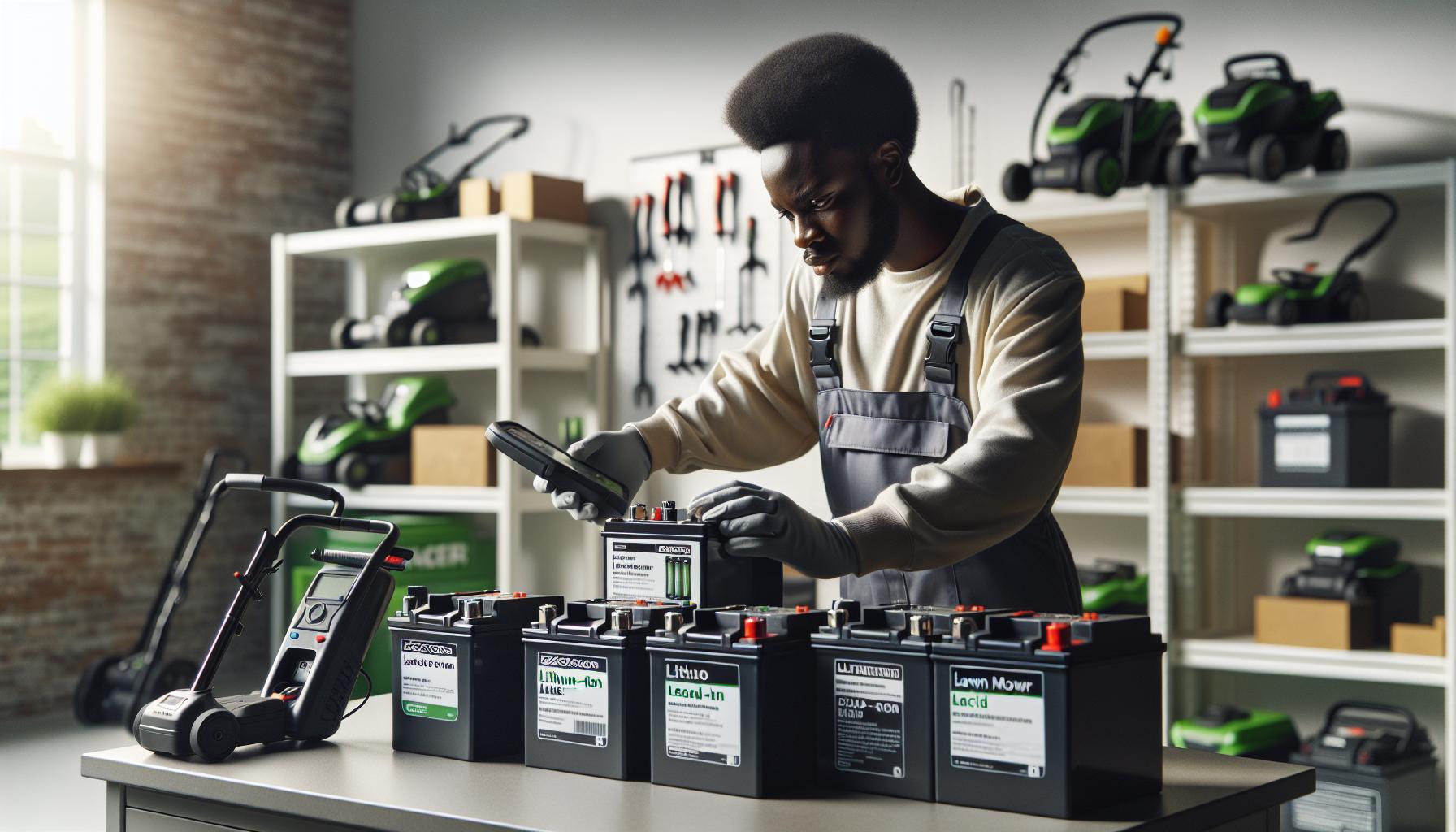
Understanding Lawn Mower Battery Types
When working on a lawn mower, understanding the different types of batteries available is crucial for effective maintenance and replacement. Lawn mowers typically use two main types of batteries: lead-acid batteries and lithium-ion batteries. Each type has distinct characteristics that can impact performance, longevity, and care requirements. Knowing these differences not only helps in selecting the appropriate replacement but also influences how to handle battery removal safely.
Lead-Acid Batteries
Lead-acid batteries are the most common type found in traditional lawn mowers. These batteries are known for their affordability and reliable performance. However, they do have some limitations. Lead-acid batteries are heavier and bulkier than their lithium-ion counterparts, which can impact the overall weight of the mower. Additionally, they require periodic maintenance, such as checking fluid levels and keeping the terminals clean to ensure optimal performance.
Some key points about lead-acid batteries include:
- Cost-effective: Generally cheaper to purchase compared to lithium-ion batteries.
- Weight: Heavier, making them less desirable for lightweight mower designs.
- Maintenance: Require regular checks for electrolyte levels and cleaning of terminals.
- Life Span: Typically last 3-5 years with proper maintenance.
Lithium-Ion Batteries
On the other hand, lithium-ion batteries have seen increased adoption due to their many advantages. These batteries are lighter, have a longer lifespan, and often come with smart technology that enhances efficiency and safety. They provide more power while being compact, and they don’t require as much maintenance as lead-acid batteries.
Here’s what you need to know about lithium-ion batteries:
- Weight: Much lighter, contributing to a more manageable mower.
- Longevity: Can last up to 10 years or more, significantly reducing replacement frequency.
- Efficiency: Charge faster and maintain power longer compared to lead-acid batteries.
- Smart Features: Often equipped with indicators for charge levels and health monitoring.
While both battery types have their pros and cons, the choice between them often depends on the specific needs of the user and the mower type. Understanding these distinctions not only helps in the selection process but also informs how to approach battery removal and maintenance effectively. Always consult your mower’s manual for recommendations on battery types and replacement procedures to ensure optimal performance.
How to Properly Dispose of Lawn Mower Batteries
Disposing of lawn mower batteries responsibly is crucial for both environmental sustainability and personal safety. Lead-acid and lithium-ion batteries contain materials that, if improperly discarded, can harm the environment or pose health risks. Fortunately, safe disposal methods are readily available and ensure that these batteries are either recycled or managed in ways that minimize their impact.
For lead-acid batteries, many retailers that sell these batteries offer recycling programs. If you’re purchasing a new battery, most stores will accept your old one for no charge. If not, you can often find a dedicated recycling center in your area. It’s essential to keep the terminals covered to prevent any accidental short-circuiting during transportation.
On the other hand, lithium-ion batteries can also be recycled, but they require careful handling due to their chemical composition. Check for local e-waste recycling programs that specifically accept lithium-ion batteries. Some municipalities host annual collection events that allow residents to drop off their batteries safely. Many manufacturers have take-back programs that ensure proper disposal or recycling of their products, so it’s worth checking their websites for any instructions.
Always remember that disposing of batteries in regular trash is not only illegal in many areas but also contributes to hazardous waste in landfills. Taking the time to find appropriate disposal methods helps protect the environment and promotes the responsible recycling of battery materials. Consider documenting your battery disposal habits to inspire others in your community to follow suit, creating a ripple effect towards more sustainable practices.
Signs Your Lawn Mower Battery Needs Replacement
Recognizing when your lawn mower battery needs replacement is crucial for maintaining the efficiency of your equipment. A battery that fails to perform can lead to frustrating interruptions during cutting sessions, and knowing the signs of a declining battery can save you time and money in the long run. One of the first signals that your battery may be on the fritz is a noticeable drop in performance. If your mower struggles to start or requires multiple attempts to crank over, it’s a strong indicator that your battery might not be holding a charge effectively.
Another telltale sign is the presence of physical damage or corrosion on the battery terminals. Over time, lead-acid batteries can corrode, leading to poor connections that directly affect the power supplied to your lawn mower. If you notice white, ashy deposits at the terminals, this corrosion should be cleaned off to allow for better connectivity, but it can also be a sign that the battery is nearing the end of its life. Additionally, if your battery is more than three to five years old, it may be time to consider replacement, as battery performance typically diminishes after this period.
Lastly, a battery that won’t hold a charge after full recharge cycles is a surefire sign that it needs replacing. This can be tested by fully charging the battery and then observing its ability to power the mower. If it quickly loses power or won’t start the mower after a full charge, it’s time to invest in a new battery. Keeping an eye on these indicators can help ensure your lawn mower operates effectively, keeping your yard pristine without unnecessary downtime.
Troubleshooting Battery Issues After Removal
After successfully removing the lawn mower battery, several troubleshooting steps can help ensure your equipment continues to operate smoothly. One of the first actions is to inspect the battery terminals for any signs of corrosion or dirt. Often, a buildup of grime can create poor connections, which may lead to starting issues even with a new battery. If corrosion is present, it’s essential to clean the terminals using a mixture of baking soda and water, applying it gently with a brush to avoid damaging any components.
If you’ve replaced the battery and the mower still won’t start, it might be worth checking the electrical connections and wiring for any signs of wear or damage. A loose or frayed wire can lead to inconsistent power delivery, impeding your mower’s ability to function correctly. Simply wiggling the connections while trying to start the mower may reveal loose wires that need tightening or connectors that require re-seating.
Another aspect to consider is the age and performance of the battery charger. If your battery was charged but the mower isn’t starting, ensure that the charger is functioning properly. Test the charger with a multimeter to verify that it is delivering the correct voltage and power to the battery. An ineffective charger can leave your battery undercharged, resulting in performance issues.
Finally, if all else fails and you’ve double-checked all connections and equipment, it may be time to consult a professional. Complex issues related to the mower’s electrical system can sometimes be beyond DIY fixes, requiring expertise for a proper diagnosis and repair. Maintaining clear documentation of your troubleshooting efforts can also aid any technician in identifying the problem quickly.
Safety Precautions for Handling Lawn Mower Batteries
When it comes to handling lawn mower batteries, safety should be your top priority. Batteries can contain harmful substances and present hazards if not managed correctly. Before starting your battery removal, ensure you’re equipped with the right knowledge to protect yourself and the environment during this process.
First, always wear personal protective equipment (PPE). This includes safety goggles to protect your eyes from potential splashes or debris, and gloves to prevent skin contact with corrosive materials that may have accumulated on the battery terminals. It’s also a good idea to work in a well-ventilated area to mitigate any fumes that might escape from the battery, especially if it is being charged or is showing signs of damage.
Handling Precautions
When disconnecting the battery, follow these guidelines to enhance safety during the procedure:
- Remove the negative terminal first: Always disconnect the negative (-) terminal before the positive (+) terminal to minimize the risk of a short circuit.
- Use insulated tools: Employ tools with rubber grips to help avoid accidental contact with the battery’s terminals.
- Avoid open flames: Keep any flames or sparks away from the battery area, as battery gases can be explosive.
Additionally, ensure that the engine is off and cool before beginning your battery removal task. This not only reduces the risk of burns but also eliminates the chance of electrical hazards if surfaces are accidentally touched. If you notice any leaks, bulges, or corrosion on the battery case, handle it with extra care, and consider contacting a professional for assistance. Always strive to follow manufacturer guidelines for your specific lawn mower model concerning battery handling.
Maintaining these safety precautions will not only help you manage the battery effectively but also prolong the life of your mower and ensure a safe working environment. Remember, proper preparation and awareness can significantly reduce the risk of accidents while handling electrical components.
Tips for Maintaining Your Lawn Mower Battery
Maintaining your lawn mower battery is essential for ensuring reliable performance and longevity. Did you know that a well-cared-for battery can last significantly longer, saving you money and hassle in the long run? Proper care and maintenance practices can prevent unexpected breakdowns and enhance the efficiency of your mower, especially during peak mowing seasons.
To keep your battery in peak condition, regularly check and clean the terminals. Corrosion buildup can hinder performance and even prevent the mower from starting. Utilize a mixture of baking soda and water to clean any build-up, but remember to rinse it off thoroughly to avoid leaving any residue that might cause further issues. Additionally, ensure that the terminals are tightly connected; loose connections can lead to poor performance and draining issues.
Charging your battery correctly is also crucial. If your mower uses a lead-acid battery, ensure it’s fully charged and maintained regularly, especially during the off-season. Slow charging is ideal as it helps avoid overheating and extends the lifespan of the battery. Keep the battery topped off between uses, particularly if you store your mower for an extended period, as a fully charged battery is less susceptible to sulfation, a common cause of battery failure.
Lastly, consider environmental factors when maintaining your battery. Store your mower in a climate-controlled environment when possible to protect the battery from extreme temperatures, which can cause damage or reduce efficiency. Regularly test the battery’s voltage, especially before heavy use periods, and always consult your owner’s manual for manufacturer-specific guidelines on maintenance routines that suit your mower’s battery type.
By following these practical tips, you’ll not only ensure that your lawn mower starts reliably but also prolong the lifespan of your battery, leading to a healthier mowing experience.
When to Seek Professional Help for Battery Issues
When it comes to lawn mower batteries, knowing when to seek professional help can save you time, money, and frustration. Often, the initial signs of battery trouble can be confused with basic issues that any homeowner might be able to address. However, there are certain scenarios where professional intervention is not just advisable, but crucial.
One clear indicator that it’s time to call in the experts is if your lawn mower fails to start despite having a fully charged battery. A well-maintained battery should provide consistent power, and repeated failures could suggest deeper issues within the mower’s electrical system or even the battery itself. Additionally, if you notice any physical signs of damage or leaks from the battery, it’s critical to avoid attempting repairs yourself, as handling a compromised battery can pose safety risks.
Another situation that warrants professional assistance is when you experience persistent voltage drops or inconsistent performance, despite following recommended maintenance practices. If your mower often struggles to turn over or dies after short usage periods, this could indicate a failing battery or an underlying electrical problem that requires specialized diagnostic tools to identify and fix. Professionals can conduct thorough tests to determine whether the issue lies with the battery, the mower’s wiring, or other components.
Lastly, if you find yourself confused by the type of battery your lawn mower uses or how to properly dispose of it, seeking expert guidance can ensure you make the right choices. For instance, different mower models might require specific battery types, and using the wrong one can lead to inefficiencies or even damage. Professionals not only help you understand these requirements but can assist in the safe disposal of old batteries, which often contain hazardous materials that must be handled correctly.
In summary, while many battery-related issues can be managed at home, knowing when to reach out for professional help can enhance your safety and ensure your lawn mower operates optimally for years to come.
Upgrading to a New Battery: What You Need to Know
Upgrading your lawn mower battery can significantly enhance its performance, ensuring that your mower operates efficiently and consistently. Before making a purchase, it’s crucial to understand the various battery types available and to select one that matches your mower’s specifications. The most common types of batteries used in lawn mowers are lead-acid and lithium-ion, each with its unique advantages and limitations.
When considering an upgrade, take note of a few key factors. Firstly, check the voltage requirements of your mower, as installing a battery with the wrong voltage can lead to improper functionality or even damage. Most mowers use either 12V or 24V batteries. Additionally, size is important-ensure the new battery fits securely within the designated compartment in your mower. Finally, look for batteries with a good warranty and read customer reviews to gauge reliability and performance.
Battery Features to Consider
- Maintenance Requirements: Some lead-acid batteries require regular maintenance, while sealed AGM or lithium-ion batteries are virtually maintenance-free.
- Charging Time: Lithium-ion batteries generally charge faster than lead-acid types, which can be a significant advantage in busy mowing seasons.
- Weight: A lighter battery can enhance maneuverability but may have less capacity in some cases.
If you’re still unsure about which battery to choose, consulting your mower’s manual or asking for expert advice at a local repair shop can be beneficial. Should you decide to tackle the installation yourself, be sure to follow all safety precautions during removal and replacement to avoid any injury or damage to your equipment. Upgrading to a compatible, high-quality battery not only extends your mower’s lifespan but can also offer a more enjoyable mowing experience.
Frequently asked questions
Q: How do I know when to replace my lawn mower battery?
A: You should replace your lawn mower battery if it shows reduced starting power, does not hold a charge, or has physical signs of damage like swelling or leakage. Regularly check the battery and consider replacing it every 3-5 years, depending on usage. For more details, see our section on “Signs Your Lawn Mower Battery Needs Replacement.”
Q: Can I remove the lawn mower battery without tools?
A: While some lawn mower batteries may allow for easy disconnecting, it’s best to use appropriate tools like a wrench or screwdriver for safe removal. Using tools ensures you can secure connections properly during reinstallation. Refer to our “Essential Tools for Battery Removal Success” for specifics.
Q: What should I do if my lawn mower won’t start after battery removal?
A: If your lawn mower doesn’t start post-battery removal, check all connections for security and ensure the battery is charged. Inspect for any blown fuses or other electrical issues. For troubleshooting, consult our “Troubleshooting Battery Issues After Removal” section.
Q: Is it safe to remove the battery from a riding lawn mower?
A: Yes, it is safe to remove the battery from a riding lawn mower if you follow safety precautions, including disconnecting the negative terminal first and wearing gloves. Always refer to the manufacturer’s guidelines for your specific model.
Q: How long does a lawn mower battery last?
A: A lawn mower battery typically lasts between 3 to 5 years, depending on usage, maintenance, and type. Regularly checking and maintaining your battery can extend its life. For maintenance tips, check our “Tips for Maintaining Your Lawn Mower Battery” section.
Q: What type of battery is commonly used in lawn mowers?
A: Most lawn mowers use either lead-acid or lithium-ion batteries. Lead-acid batteries are more common in traditional mowers, while lithium-ion batteries are increasingly used in newer, electric models. For a deeper understanding, see “Understanding Lawn Mower Battery Types.”
Q: Can I dispose of lawn mower batteries in regular trash?
A: No, you should not dispose of lawn mower batteries in regular trash due to environmental regulations. Instead, take them to a recycling facility or a local hazardous waste disposal site. Learn more in our section on “How to Properly Dispose of Lawn Mower Batteries.”
Q: What safety measures should I take when removing a lawn mower battery?
A: Always wear gloves and goggles when handling batteries to protect against acid leaks and debris. Disconnect the negative terminal first, and work in a well-ventilated area. For a detailed guide, refer to our section on “Safety Precautions for Handling Lawn Mower Batteries.”
To Wrap It Up
Now that you’ve successfully learned how to remove the battery from your lawn mower in just three easy steps, it’s time to take the next steps in maintaining your equipment! Be sure to check out our guide on “Essential Lawn Mower Maintenance Tips” to keep your mower running smoothly all season long. If you’re interested in upgrading your mower or exploring the best lawn care tools, visit our product recommendations page.
Act now-your lawn care routine will only benefit from a well-maintained mower! If you have any lingering questions or concerns, don’t hesitate to leave a comment below. We love hearing from our community and are here to help. Don’t forget to sign up for our newsletter to receive exclusive tips and updates directly to your inbox. Keep your lawn in top shape, and thanks for visiting!