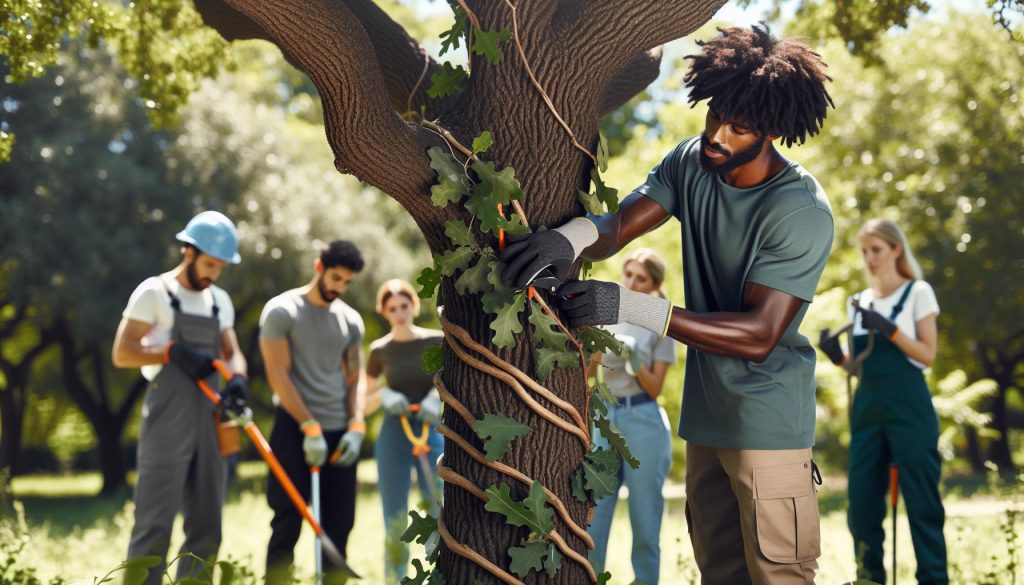
If you’ve ever marveled at the majestic oak tree in your yard, you may have also noticed unwelcome invaders like the big leaf vine, which can strangle and damage your treasured tree. Understanding how to remove this vine safely is crucial not only for the health of your oak but also for maintaining the aesthetic and ecological balance of your garden. This guide will equip you with practical methods to eliminate big leaf vine without harming your tree, ensuring your landscape remains vibrant and flourishing. By learning to tackle this common gardening problem, you’ll feel empowered to protect the natural beauty in your surroundings, paving the way for a healthier environment. Ready to reclaim your space? Let’s explore the best techniques for a successful removal!
How Big Leaf Vine Affects Oak Trees
The Big Leaf Vine is notorious for its rapid growth and tendency to smother surrounding plants, and oak trees are particularly vulnerable to its invasiveness. These resilient trees, which are central to many ecosystems, can suffer significantly when overrun by this aggressive vine. The vine’s broad leaves create dense canopies that block sunlight, limiting the photosynthesis necessary for the oak’s health. Over time, this lack of light can weaken the tree, leading to reduced growth rates and increased susceptibility to pests and diseases.
Moreover, the physical weight of the densely intertwined Big Leaf Vine can put stress on the oak’s branches. In extreme cases, it can even break limbs or topple smaller trees entirely. This stress not only harms the tree structurally but can also disrupt its natural shape and growth patterns. Additionally, the competition for water and nutrients can further diminish the oak’s vigor, stunting its ability to thrive in its environment.
To mitigate these issues, managing Big Leaf Vine promptly is crucial. Early intervention can help preserve the health of oak trees and maintain the biodiversity essential for local ecosystems. Gardeners and tree care specialists are often advised to monitor their oak trees for signs of vine encroachment and take proactive steps to curb its growth, ensuring these majestic trees remain healthy and strong.
Identifying Big Leaf Vine: Key Characteristics

The Big Leaf Vine can easily be mistaken for other dense foliage due to its vigorous growth and sprawling nature, making identification vital for effective management. One of the most distinguishing features of this vine is its large, heart-shaped leaves, which can measure up to a foot in diameter. In the right conditions, these leaves can form a lush canopy that entirely covers trees and other vegetation. The vine tends to climb rapidly, using nearby structures or plants for support, further complicating maintenance efforts.
In addition to its impressive foliage, the Big Leaf Vine exhibits a twisting growth pattern that allows it to entwine itself around trunks and branches of oak trees, enhancing its ability to choke out competing plants. The stems are typically green when young but can turn woody as they mature, creating a robust, intricate network that can cause significant physical stress on affected trees. It’s also important to note that the vine can produce small, inconspicuous flowers that develop into clusters of berries, although they are not the most noticeable characteristic.
Monitoring your oak trees for signs of this invasive vine is crucial, particularly in the warmer months when growth accelerates. Look for dense green masses around the base of oak trees or on lower branches, as this indicates that the vine is establishing itself. If you observe branches starting to bend or break under the weight of the vine, action must be taken swiftly to protect the health of your oak. Understanding these key characteristics will empower you to identify and manage Big Leaf Vine before it causes irreversible damage to your trees and the ecosystem around them.
Risks of Big Leaf Vine on Oak Health
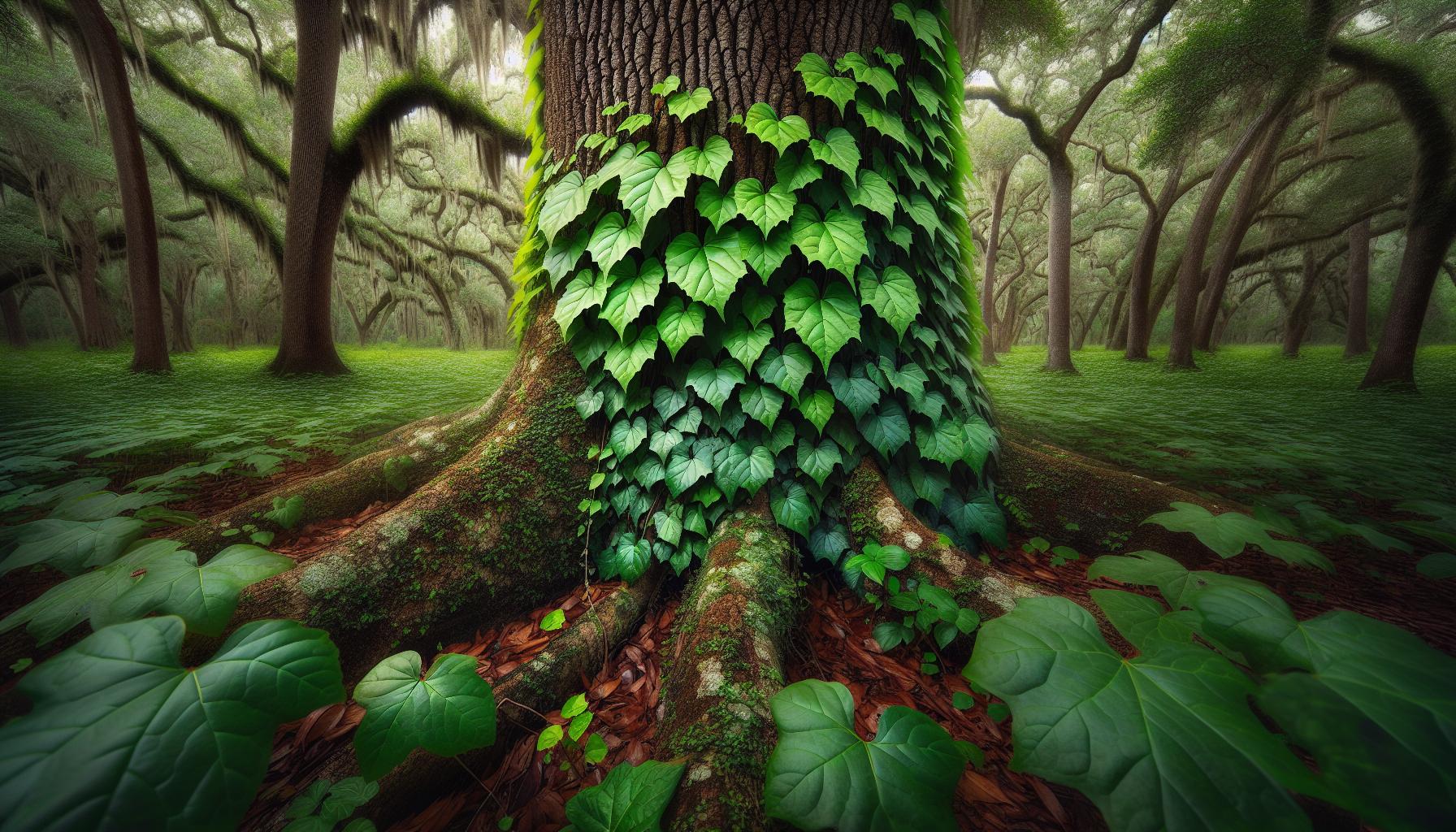
The Big Leaf Vine poses significant risks to the health of oak trees, primarily through its aggressive growth habits and the stress it places on these majestic plants. One of the most alarming aspects of this vine is its ability to envelop oak trees entirely, creating a dense canopy that limits light penetration. Oaks, which require ample sunlight for photosynthesis, can suffer from reduced growth and vigor when their foliage is shaded by the vine’s massive leaves. Over time, this stress can weaken the tree, making it more susceptible to pests, diseases, and even death.
As the Big Leaf Vine wraps itself around the trunks and branches of an oak tree, it exerts physical pressure that can lead to structural damage. The twisting vines can girdle branches, cutting off essential nutrients and water flow. This girdling effect can manifest as wilting leaves, dieback in branches, and may even compromise the tree’s overall structural integrity, making it more prone to wind damage or breaking. Furthermore, the weight of the vine can lead to limb failure, posing additional risks not only to the health of the tree but also to nearby structures and individuals.
In addition to these physical threats, the Big Leaf Vine can outcompete oak trees for vital resources. By monopolizing soil nutrients and moisture, the vine can stunt the growth of the oak, making it harder for the tree to thrive in a balanced ecosystem. This competition can lead to a decline in oak health, which is concerning given the ecological significance of oak trees in providing habitat and food for numerous species.
To effectively mitigate these risks, early identification and prompt action are crucial in managing Big Leaf Vine infestations. Regular monitoring of oak trees for signs of the vine’s presence and being proactive about removal can help preserve the health and longevity of these valuable trees.
Tools You Need for Safe Removal
When confronting the challenges posed by Big Leaf Vine, having the right tools at your disposal can make a significant difference in how effectively and safely you can remove it from oak trees. This invasive plant can entwine itself around tree trunks and branches, creating both aesthetic and ecological issues. Therefore, preparation is crucial, and understanding the necessary equipment will help streamline the removal process.
To begin with, you should equip yourself with basic cutting tools. A good pair of sharp pruning shears is essential for snipping smaller vines and branches that have become difficult to manage. For thicker vines and more robust growths, a handsaw or loppers can be invaluable. These tools allow you to cut through tougher materials without damaging the underlying tree. Make sure to have a sturdy ladder on hand if the vine has climbed high into the tree’s canopy, ensuring that you can reach the affected areas safely.
In addition to cutting tools, consider protective gear. Heavy-duty gloves will protect your hands from sharp edges and irritants, while safety goggles can shield your eyes from debris that might fall during the cutting and removal process. Wearing long sleeves and pants can help prevent skin irritation from contact with the vine as well as from branches that might be obscured by the growth.
Don’t forget the importance of cleanup and disposal tools. A durable tarp can be useful for collecting and transporting cut vines away from the site. Plastic bags or biodegradable garbage bags are also handy for smaller cuttings, making it easier to manage waste according to local disposal guidelines. If you plan on trying to compost the removed material, be sure to check that the composting method you choose is effective against invasive species to prevent them from regrowing.
In summary, having the right tools ensures that the removal of Big Leaf Vine is efficient and safe, enhancing the wellbeing of your oak trees and the surrounding ecosystem. By preparing adequately, you not only protect yourself but also uphold the health and integrity of your green spaces.
Step-by-Step Guide to Removing Big Leaf Vine

To effectively remove Big Leaf Vine from oak trees, it’s essential to follow a systematic approach that not only ensures your safety but also protects the health of the tree. The process can be straightforward if you keep a few critical steps in mind.
Start by assessing the vine’s extent. Observe how the vine has intertwined itself with the oak, noting sections where it may be tightly wrapped around the trunk or major branches. Identify which areas need attention first, focusing on those that show signs of severe entanglement. Once you’ve mapped out your strategy, gather your tools and protective gear, as previously discussed.
Begin the removal process at the base of the vine. Using your sharp pruning shears, carefully cut the vine at ground level. This ensures that you’re not pulling up any roots, which could potentially harm the oak. It’s critical to move slowly and methodically; trying to rush can lead to injury or accidental damage to the tree. After cutting at the base, gently work your way up the vine, snipping away smaller sections as you go. Use your loppers or handsaw for larger, more stubborn growths, always taking care not to damage the bark of the oak tree.
As you progress, keep an eye out for any areas where the vine has begun to cling to the tree using aerial roots or tendrils. Gently tug at these sections before cutting, as this can sometimes release tension and make the removal easier. If you encounter thicker sections that are particularly challenging, consider using a hand saw to eliminate them effectively.
Once the vine is fully removed, it’s vital to dispose of it properly. Collect all cuttings in a tarp or biodegradable bag, and ensure that they are not left in the vicinity of the tree to prevent regrowth. Monitor the area for any signs of new growth in the coming weeks, and be vigilant about addressing any re-sprouts as soon as they appear.
This careful, methodical process will not only aid in removing the invasive Big Leaf Vine but also bolster the health of your oak tree by minimizing stress and damage during the removal operation. By taking these steps, you contribute to sustaining the ecological balance and protecting the integrity of your green space.
Best Practices for Protecting Oak Trees After Removal
After the removal of Big Leaf Vine from oak trees, the health and safety of the tree must remain a priority. One of the most critical aspects to consider is the tree’s recovery, which involves protecting it from potential stressors and ensuring it has the resources required for regrowth. Taking proactive steps helps mitigate any negative impacts from the removal process and provides the oak with a conducive environment to thrive.
To support the oak tree post-removal, begin by inspecting it for any injuries or wounds caused during the removal of the vine. Apply a tree wound dressing if necessary, particularly to larger cuts, to minimize the risk of infection and pest invasion. Regularly monitor the area for signs of disease or stress, such as wilting leaves or discolored bark, which can indicate that the tree needs additional care.
In addition to wound care, it’s essential to provide proper hydration. Newly exposed soil around the oak may dry out quickly, especially if the vine had been obstructing water access. Water the tree deeply but infrequently to encourage strong root growth and improve its resilience. Consider adding a layer of organic mulch around the base, which retains moisture, suppresses weeds, and regulates soil temperature. Applying mulch correctly is important; ensure it does not touch the trunk to prevent rot.
Finally, maintaining ongoing monitoring and care is crucial. Schedule regular checks on the tree’s health and stability throughout the seasons. This includes assessing soil health and richness, providing organic fertilizers when necessary, and ensuring that the tree receives adequate sunlight. By creating a supportive environment, you help your oak tree flourish and prevent the resurgence of invasive species like Big Leaf Vine. Following these best practices not only aids the individual tree but also contributes positively to the broader ecosystem in which the oak resides.
Natural Alternatives for Controlling Big Leaf Vine

Finding effective methods for controlling Big Leaf Vine can significantly benefit your oak trees and the surrounding ecosystem. Instead of reaching for harsh chemicals, consider natural alternatives that promote ecological balance while keeping unwanted vines at bay.
One of the most effective techniques is manual removal. This approach includes regularly pulling the vines by hand to reduce their presence before they can establish themselves. Timing is essential; targeting the vine during its early growth stages makes it easier to manage. When removing the vine, ensure to get as much of the root system as possible to prevent regrowth. It’s also wise to use garden gloves to protect your hands from potential irritants.
Another natural method is to create competition through planting native plants. Establishing a diverse plant community can outcompete the Big Leaf Vine for resources such as sunlight, water, and nutrients. Consider planting deep-rooted perennials that thrive in your regional habitat. These plants not only provide support to your oak tree but also create a balanced ecosystem, drawing beneficial insects and pollinators.
Mulching as a Control Strategy
Applying organic mulch around the base of your oak can inhibit the growth of Big Leaf Vine. The mulch creates a physical barrier and also suppresses sunlight from reaching the vine’s seeds and shoots. Composed of wood chips, straw, or grass clippings, mulch also adds nutrients to the soil as it breaks down.
These natural solutions need consistent effort and monitoring to ensure their effectiveness. By integrating these strategies into your maintenance routine, you can manage Big Leaf Vine while supporting the health and vitality of your oak trees and overall landscape.
When to Seek Professional Help for Removal
When tackling the issue of Big Leaf Vine encroaching on your oak trees, it’s crucial to recognize when the situation escalates beyond a DIY solution. In some instances, attempting to manage invasive vines without adequate expertise can lead to more harm than good. For example, if the vine has intertwined deeply around the oak, removing it could inadvertently harm the tree or destabilize the environment around it. Observing how extensive the vine’s growth is and assessing the health of your oak will guide your decision-making process.
There are several key indicators that it’s time to call in professionals. If the Big Leaf Vine has established a strong hold and covers a significant portion of the oak’s trunk or branches, this not only complicates removal efforts but risks inflicting injury on the tree. Moreover, if you notice any signs of damage to the oak tree, such as bark stripping or dieback, it’s essential to seek help immediately to prevent further stress or decline in tree health.
Additionally, if your approach to manual removal isn’t yielding success after repeated efforts, it’s sensible to consult experts who utilize more advanced techniques and tools. Professionals often have the training to identify the underlying roots of the issue, offering tailored strategies for removal that promote long-term health for your oak tree. This can include targeted herbicide use, which should only be considered in consultation with specialists who understand the ecological implications.
In situations where the vine infestation is accompanied by other invasive plant species, the complexity increases. Professionals possess the integrative knowledge required to address multiple issues simultaneously while ensuring that your ecosystem remains balanced. Investing in professional help can save you time, energy, and potentially costly mistakes, preserving both your beloved oak trees and the surrounding environment in the process.
Long-Term Maintenance Strategies for Oak Trees
To ensure the long-term vitality of your oak trees after removing Big Leaf Vine, it’s essential to adopt a proactive approach to their maintenance. Healthy oaks not only contribute to the ecosystem by providing shelter and food for wildlife, but they also add aesthetic value to your landscape. One effective strategy involves consistent monitoring for any signs of stress or new vine growth. Regular inspections can help you catch potential issues early, allowing for timely interventions before they escalate into significant problems.
Another crucial aspect of oak maintenance is proper watering and mulching. Oak trees require adequate moisture, especially during dry spells, to support healthy growth and vigor. Applying a layer of organic mulch around the base of the tree can help retain soil moisture, suppress competing weeds, and regulate soil temperature. Aim for a mulch layer of about 3 inches, ensuring it doesn’t touch the trunk directly, which can promote rot. Additionally, consider implementing a watering schedule during particularly hot months or drought conditions, especially if your tree shows signs of stress.
Fertilization can also play a significant role in maintaining healthy oak trees. After controlling the Big Leaf Vine, consider a soil test to assess nutrient levels. Based on the results, you may need to apply a balanced slow-release fertilizer to replenish any nutrients that may have been depleted. Pay attention to the advice regarding fertilizer application rates and timing, as over-fertilization can harm both the tree and the surrounding ecosystem.
Lastly, integrating companion planting can foster a healthier environment for your oak trees. By planting native species that can coexist peacefully with your oaks, you create a balanced ecosystem that encourages biodiversity. Native plants can attract beneficial insects, reduce pests, and improve soil health-all vital factors in the sustained health of your oak trees.
In conclusion, maintaining the health of oak trees after Big Leaf Vine removal involves vigilant monitoring, proper hydration and mulching, strategic fertilization, and creating a supportive ecological environment through companion planting. By adopting these practices, you can help your oak trees flourish and ensure they remain a valuable part of your landscape for years to come.
Understanding Ecosystem Impact: Vine Removal Effects
Removing invasive vines like Big Leaf Vine can significantly impact the surrounding ecosystem, particularly when it involves established trees such as oaks. The act of removing these vines not only frees the oak tree from a competitive threat but also initiates a series of ecological changes that can enhance or disrupt the local environment.
When Big Leaf Vine is eradicated, oak trees often experience improved health and vigor, leading to increased growth rates and better resistance to diseases and pests. This can result in a more robust trunk and canopy, which not only benefits the tree but also enhances the local habitat. A well-cared-for oak tree provides shelter and sustenance to various wildlife species, including birds and insects, which rely on it for nesting, feeding, and as a part of their life cycles. Consequently, the removal of the vine can lead to a more biodiverse ecosystem, as the oak tree can better support these species.
However, it is crucial to approach vine removal with care to avoid unintended consequences. The act of cutting and removing the vine can temporarily disturb the soil and the surrounding plant life. For instance, if the vine has established a substantial network of roots, their removal may create spaces in the ground that could be filled by other, possibly invasive plants. Furthermore, wildlife that depended on the vine for shelter or food may be affected until alternative sources are established.
To mitigate these effects, it is advisable to monitor the area post-removal and implement supportive actions. This includes mulching around the oak to suppress new weeds, providing adequate water to encourage oak recovery, and considering replanting native species to fill any ecological gaps left by the vine. By acknowledging and addressing these ecosystem dynamics, you can create a balanced approach that fosters both the health of your oak trees and the surrounding environment.
Faq
Q: What is the best time of year to remove Big Leaf Vine from an oak tree?
A: The best time to remove Big Leaf Vine is during late spring or early summer when the plant is actively growing. This timing allows for easier identification and effective removal before it can produce seeds. For more detailed timing strategies, refer to the section on risk assessment in your maintenance plan.
Q: Can I use chemical herbicides to kill Big Leaf Vine?
A: Yes, chemical herbicides can be effective against Big Leaf Vine, but they should be used as a last resort. Ensure that the herbicide is safe for oak trees and apply it according to the manufacturer’s instructions. Always consider natural alternatives first for safe practices.
Q: How can I prevent Big Leaf Vine from returning after removal?
A: Preventing the return of Big Leaf Vine involves regular monitoring and maintenance. Apply mulch around the base of the oak tree and keep the area clear of debris to discourage vine growth. This long-term strategy is discussed in great detail in the maintenance section of your article.
Q: What are the signs that Big Leaf Vine is harming my oak tree?
A: Signs of harm include poor growth of the oak tree, visible strangulation or covering of branches, and reduced foliage. If you notice these symptoms, it’s crucial to take action promptly to protect your tree’s health, as outlined in the risk section of your article.
Q: Is it safe to remove Big Leaf Vine without professional help?
A: Yes, you can safely remove Big Leaf Vine on your own if it’s not extensively covering the oak tree. Use the right tools and follow the step-by-step guide detailed in your article. If the vine is overwhelming or you’re unsure, don’t hesitate to seek professional assistance.
Q: What should I do if I see Big Leaf Vine regrowing?
A: If you notice regrowth, promptly cut back the new growth and consider applying a targeted herbicide if necessary. Regularly check for signs of new shoots and address them quickly to prevent re-establishment, as discussed in your long-term maintenance strategies.
Q: How does Big Leaf Vine affect local wildlife?
A: Big Leaf Vine can negatively impact local wildlife by outcompeting native plants for resources, thereby reducing biodiversity. Its removal can help restore native habitats, which is essential for the ecosystem’s balance and health, as noted in the ecosystem impact section of your article.
Q: Can Big Leaf Vine cause structural damage to my oak tree?
A: Yes, Big Leaf Vine can cause structural damage by wrapping around and constricting branches, leading to breakage or death. If you’ve observed these effects, you should follow the effective removal practices outlined in your step-by-step guide for immediate action.
Insights and Conclusions
By following these steps to safely remove big-leaf vine from your oak tree, you’re taking an essential step in protecting your trees and enhancing your landscape health. To further enrich your gardening knowledge, consider exploring our articles on “Best Practices for Tree Care” and “Identifying Invasive Plant Species.” Don’t hesitate to subscribe to our newsletter for expert tips and updates that can help you maintain a thriving environment.
If you’re still unsure about the removal process or face challenges, remember you can always reach out for expert consultation or join our community forum where enthusiastic gardeners share experiences and advice. Your proactive approach today can lead to a vibrant and healthy garden tomorrow. Let’s work together to ensure your trees thrive – your journey towards a vine-free oak starts now!