
If you’ve recently adopted a fiddle leaf fig, you’re likely aware of its beauty and how it quickly becomes a focal point in any space. However, when it comes time to repot your beloved plant, the thought of removing it from its pot can be daunting. Many plant enthusiasts worry about damaging their fiddle leaf fig during this process, which is understandable given its delicate structure. Knowing the right techniques can not only make this task stress-free but also ensure that your plant continues to thrive. In this guide, we’ll explore simple, effective methods to remove your fiddle leaf fig from its pot, minimizing risk and maximizing care, so you can confidently support your plant’s growth and health. Let’s dive in and uncover how you can navigate this essential care step with ease!
Understanding the Fiddle Leaf Fig’s Root System
Fiddle Leaf Figs (Ficus lyrata) are known for their stunning broad leaves and ability to make a bold statement in any room. However, their beautiful foliage is supported by a complex and sensitive root system that plays a crucial role in their overall health. Understanding this root system is essential for anyone looking to repot their Fiddle Leaf Fig without causing stress to the plant.
The roots of a Fiddle Leaf Fig are typically shallow and spread out, seeking moisture and nutrients in the top layers of the soil. This characteristic makes them vulnerable to overwatering, which can lead to root rot. Conversely, when under-watered, these roots can dry out quickly, causing issues like leaf drop and yellowing. When preparing to remove your plant from its pot, it’s vital to be gentle; the roots are delicate and can easily break if handled roughly.
When you repot, aim to disturb the roots as little as possible. This is essential for minimizing stress on the plant. If your Fiddle Leaf Fig has become root-bound (when the roots begin to circle around the pot), a careful untangling may be necessary before repositioning it into a new pot with fresh soil. Moreover, ensure that the new pot has adequate drainage, as Fiddle Leaf Figs do not tolerate sitting in water, which further stresses the root system.
In summary, keeping the Fiddle Leaf Fig’s root system healthy is a vital aspect of its care. By understanding its unique root characteristics and needs, you can successfully navigate the repotting process, ensuring your plant continues to thrive without unnecessary stress.
Essential Tools for Safe Repotting
When preparing to repot your Fiddle Leaf Fig, having the right tools can dramatically reduce stress on both you and your plant. Using proper equipment not only ensures a smoother process but can also safeguard the delicate root system that is crucial for your plant’s health. Here’s a breakdown of essential tools that can make your repotting experience effective and efficient.
To start, consider the following tools:
- Gloves – Protect your hands from moisture and potential irritants in the soil, especially if you have sensitive skin.
- Sharp Knife or Pruning Shears – Use these to gently cut away any roots that are tightly bound or obstructing the removal process. A clean cut minimizes damage.
- Hand Trowel – A small shovel will help you loosen and scoop out soil efficiently, allowing you to access the roots without disturbing them too much.
- Watering Can – Having a watering can handy allows you to hydrate your plant after repotting, which is essential to help it recover from the process.
- New Pot with Drainage Holes – Always have a properly sized pot that provides good drainage, vital for preventing root rot.
- Fresh Potting Mix – Use high-quality, well-draining soil tailored for indoor plants to give your Fiddle Leaf Fig the nutrients it requires.
- Measuring Tape – Ensuring the new pot is adequately sized is crucial; use a measuring tape to check dimensions.
- Plastic Sheet or Drop Cloth – Lay this down to protect your floors from soil spillage during the repotting process.
In addition to these tools, you might find it helpful to prepare a support system. As Fiddle Leaf Figs can grow quite tall and may be top-heavy, having a friend or a sturdy surface to work on can prevent accidents.
Equipped with the right tools and a secure workspace, you enhance your chances of a stress-free repotting experience. Remember, the key to maintaining a healthy Fiddle Leaf Fig during this process is minimizing root disturbance and ensuring proper handling. The right equipment not only fosters a smoother operation but also significantly contributes to the overall well-being of your beloved plant.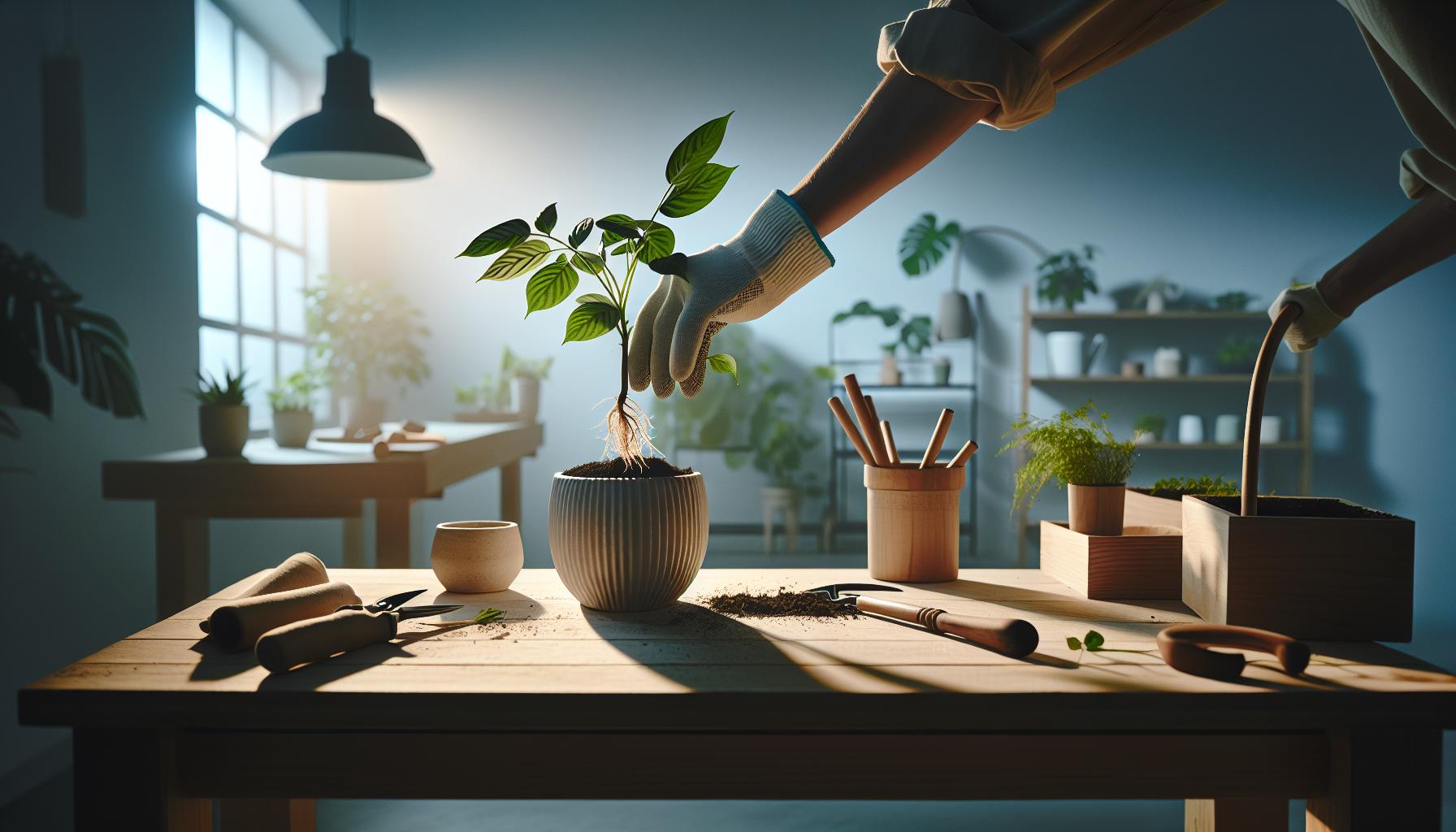
Step-by-Step Guide to Removing Your Plant
When it’s time to remove your Fiddle Leaf Fig from its pot, the key to a successful transition lies in doing so thoughtfully and carefully. The process is crucial for your plant’s health, especially if you want to minimize root disturbance and stress. Start by ensuring the plant is adequately watered a day before removal; this helps hydrate the roots and makes them more pliable.
Begin by gently tipping the pot to its side or upside down. Hold the base of the plant and gently pull it out. If the roots seem stuck, you may need to tap the pot’s sides or use a hand trowel to loosen the soil around the edges. Be cautious not to tug hard on the plant, as this can cause unnecessary injury to both the roots and stems. Continue by checking for any tightly bound roots; if any are circling the root ball, use your sharp knife or pruning shears to cut these roots carefully. This will encourage new growth once the plant is repotted.
Once the plant is free, inspect the root system closely. Healthy roots should appear white or light tan, while dark, mushy roots indicate issues like rot. If you find any damaged roots, trim them off, allowing your Fiddle Leaf Fig a fresh start in its new environment. After this assessment, gently shake off excess soil to reduce the weight and make it easier to transfer your plant.
As you prepare for repotting, keep in mind that timing is essential. The ideal moments for removing your Fiddle Leaf Fig are during the spring or early summer, promoting vibrant growth and adapting better to new conditions. Keeping these steps in mind will ensure that you handle your plant correctly, reducing the stress of removal and setting the stage for a healthy transition to its new pot.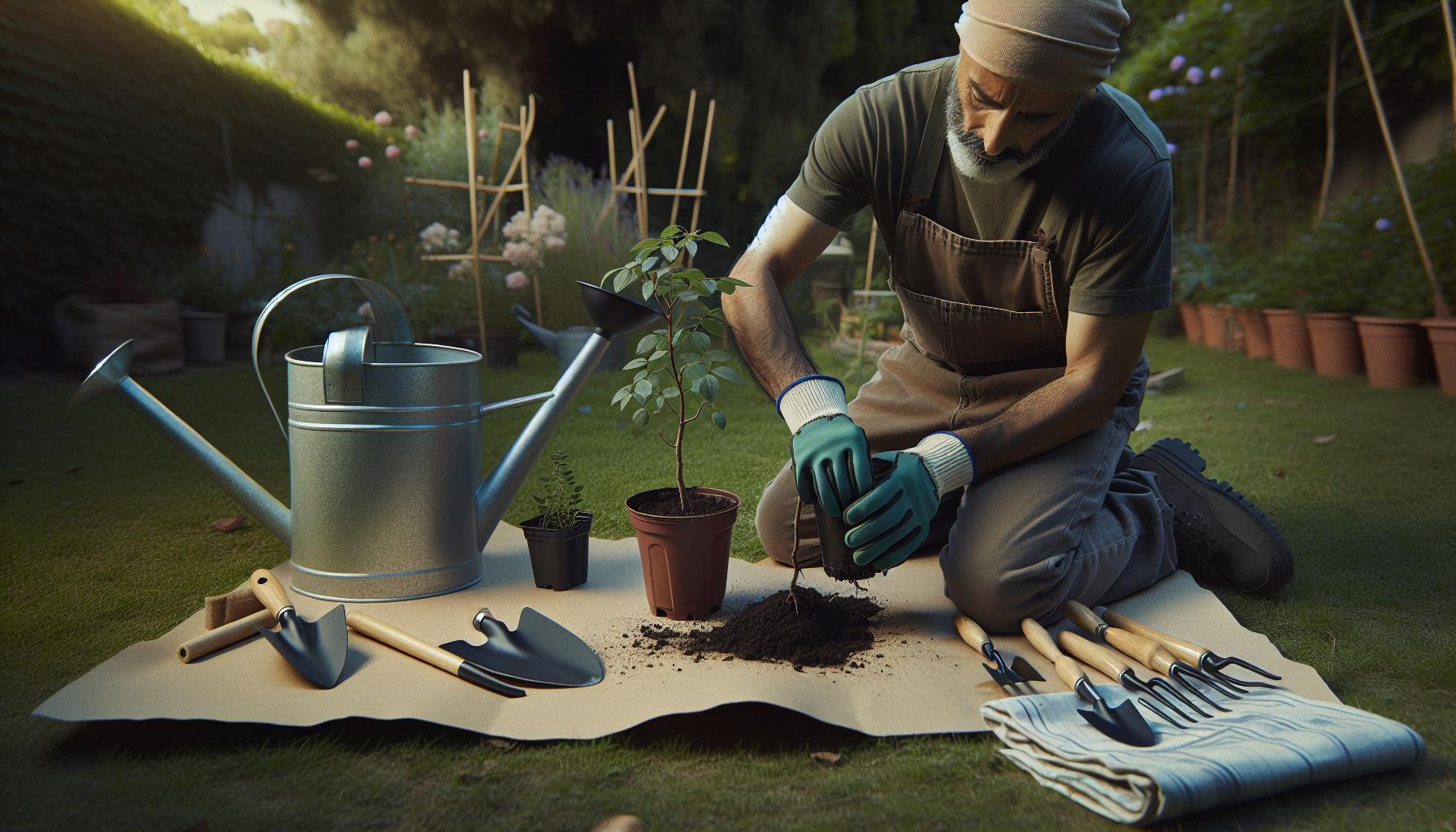
Tips for Minimizing Transplant Shock
Transplant shock can be a daunting challenge for any plant owner, especially when it comes to popular species like the Fiddle Leaf Fig. This phenomenon occurs when a plant experiences stress from the disruption of its roots during repotting. To ease this transition and keep your Fiddle Leaf Fig thriving, there are several strategies you can implement before, during, and after the repotting process.
One of the most effective ways to minimize transplant shock is to maintain consistent moisture levels before and after removing your plant from its pot. Water your Fiddle Leaf Fig thoroughly one day prior to repotting; this not only hydrates the plant but also softens the soil, making it easier to extract without damaging the roots. After transplanting, continue to provide a controlled watering schedule-allow the top inch of the soil to dry out before watering again. This approach helps the plant acclimate to its new environment without the added stress of dehydration.
Providing a suitable environment post-transplant is crucial for recovery. One effective method is to reduce stress factors such as light intensity and air flow. After repotting, consider placing your Fiddle Leaf Fig in a corner of your home where it can receive bright, indirect light rather than direct sunlight, which could scorch the leaves. Additionally, preventing drafts from windows or vents will help the plant adjust without further stress. Keeping the temperature relatively stable also fosters a more comforting atmosphere for recovery.
Lastly, consider applying a rooting hormone to the roots at the time of repotting. This can help stimulate new root growth and promote healing after the shock of being transplanted. Additionally, keeping the plant clean by wiping the leaves with a damp cloth not only removes dust but also encourages healthy photosynthesis, assisting in the recovery process. By taking these proactive steps, you can significantly enhance your Fiddle Leaf Fig’s chances of bouncing back after repotting, ensuring a vibrant and healthy plant for your home.
Transporting Your Fiddle Leaf Fig After Removal
Transporting a Fiddle Leaf Fig after its removal from the pot requires careful handling to minimize stress and damage. Notably, the Fiddle Leaf Fig is sensitive to disruption, making it vital to implement thoughtful techniques during this transition. As you prepare for transport, ensure you have a supportive strategy in place to protect the plant’s health.
One of the first steps is to secure the plant in a way that prevents movement during transit. If possible, place your Fiddle Leaf Fig in a sturdy box or a car that allows it to stand upright. Avoid placing other items on top of it that could cause physical damage. It’s also essential to shield the leaves from direct sunlight or harsh wind, as both factors can cause additional stress. Consider covering the plant lightly with a breathable cloth to help guard against environmental stressors without trapping moisture.
Another crucial point is temperature regulation. Fiddle Leaf Figs thrive in stable temperatures; thus, it is advisable to avoid exposing your plant to extreme cold or heat during transport. If you’re transporting it in a car, maintain a comfortable cabin temperature, and make sure not to leave it in a closed vehicle on a sunny day, as this can create an oven-like environment that may harm the plant.
As you arrive at your destination, avoid jostling the plant excessively. Upon arrival, place the Fiddle Leaf Fig in the prepared new pot as soon as possible. This quick transition minimizes the time the roots are disturbed, further preserving plant health. If there will be a delay before you can pot the plant, keep the roots wrapped in a damp cloth to maintain moisture until you can get it situated in its new home. Taking these precautionary steps will not only aid in the plant’s recovery but also set the stage for its future growth in a new environment.
Best Practices for Replanting into a New Pot
Replanting a Fiddle Leaf Fig can be a transformative experience for both the plant and its caretaker. This sensitive species thrives when given proper attention during the repotting process. Ensuring that the roots remain healthy and intact is crucial for the overall well-being of your plant. One of the key best practices is to choose the right pot-one that is slightly larger than the current one, allowing for root growth without overwhelming the plant. A pot that is too large can lead to root rot, while a snug fit promotes better soil contact and anchorage.
When preparing the new pot, consider the importance of drainage. Fiddle Leaf Figs prefer well-draining soil, so selecting a pot with drainage holes is essential. Additionally, use a high-quality potting mix that retains moisture but also allows excess water to flow out. Mixing in some perlite or orchid bark can enhance drainage further, preventing water stagnation at the bottom of the pot. Before placing the plant in its new home, add a layer of soil to the bottom of the pot to create a stable base.
As you insert your Fiddle Leaf Fig, be gentle with the root system. Loosen any tightly bound roots with care, as this encourages them to spread and absorb nutrients more effectively. After positioning the plant in the center of the pot, fill in around the sides with soil while ensuring the root ball is slightly above the rim of the pot. This promotes better air circulation and reduces the risk of fungal issues. Once repotted, give it a good watering until you see excess moisture draining through the holes, but avoid saturating the soil immediately after repotting-this can stress the plant.
Finally, place your repotted Fiddle Leaf Fig in a location with indirect sunlight, allowing it to acclimate to its new surroundings. Monitor the plant closely over the next few weeks for signs of stress or adjustment, such as leaf drop or browning, and maintain a consistent watering schedule that respects the plant’s needs. By following these best practices, you’re not just repotting-you’re fostering a healthy environment where your Fiddle Leaf Fig can truly thrive.
Caring for Your Fiddle Leaf Fig Post-Transplant
Caring for a Fiddle Leaf Fig after transplanting it can significantly influence its adjustment and long-term health. One of the most critical aspects of post-transplant care is ensuring the plant is in an optimal environment. It’s important to choose a spot that offers bright, indirect sunlight, as direct sunlight can scorch the freshly stressed leaves. This gentle light helps the plant acclimate without further stressing it. Additionally, maintaining a steady temperature between 65°F and 75°F (18°C to 24°C) can promote recovery and growth.
During the first few weeks post-transplant, soil moisture needs careful management. Water your Fiddle Leaf Fig when the top inch of soil feels dry to the touch, ensuring not to overwater, as this can lead to root rot. Instead of saturating the soil right after repotting, consider giving it a light watering to help settle the new soil around the roots without overwhelming them. This balance will aid the plant in re-establishing its root system while minimizing the risk of transplant shock.
Regularly check for signs of distress such as leaf drop or browning. These symptoms can indicate that your Fiddle Leaf Fig is struggling to adapt to its new environment. Providing humidity is another important consideration; these plants thrive in higher humidity levels. To boost the humidity, you can mist the leaves with water, use a humidity tray, or place a small humidifier nearby, especially in dryer climates or during winter months when indoor heating can dry out the air.
Finally, patience is vital. Allow your Fiddle Leaf Fig time to adjust without excessive interference. After a month or so, you can start to observe its growth patterns and needs more closely. As it begins to settle in, gradually return to a regular fertilizing schedule with a balanced houseplant fertilizer every 4-6 weeks during the growing season. This will support healthy growth and vibrancy in your plant, ensuring it thrives in its new home.
Common Mistakes to Avoid While Repotting
Repotting a Fiddle Leaf Fig can transform its health and growth potential, but missteps during this process can have lasting negative effects. One common mistake is inadequate preparation. Before removing your plant from its pot, ensure you have all necessary tools ready-like a clean sharp knife, fresh potting mix, a new pot, and watering can. Skipping this step can lead to a rushed and stressful experience for both you and your plant, increasing the chances of damage.
In addition, many plant owners fail to properly assess the size of the new pot. Choosing a pot that is too large can lead to excess soil moisture, which can sway the plant towards root rot. Conversely, a pot that is too small won’t allow the roots enough room to grow, stunting your plant’s growth potential. Aim for a new pot that is only one or two inches wider in diameter than the current one.
Another frequent oversight is neglecting the importance of the root system during the removal process. It’s critical to gently loosen the roots without pulling or tearing them. Using a knife to score the sides of the pot can help, but do so with caution. Remember that the roots are the lifeblood of your plant; rough treatment can result in unnecessary stress, prolonging any recovery time needed after transplanting.
Lastly, overlooking the need for proper aftercare post-repotting can lead to further complications. After you’ve successfully transferred your Fiddle Leaf Fig to its new home, be sure to water appropriately and provide the right environment. Consider placing your plant in a location with bright, indirect sunlight to facilitate gradual acclimatization. Monitoring humidity and maintaining consistent watering practices will significantly increase the plant’s chances of adjusting well. By avoiding these common pitfalls, your repotting experience can be a smooth transition toward a healthier, more vibrant Fiddle Leaf Fig.
Signs Your Fiddle Leaf Fig Needs Repotting
Identifying when your Fiddle Leaf Fig is ready for repotting is crucial for maintaining its health and promoting robust growth. One of the primary indicators is visible root growth-if you notice roots emerging from the drainage holes at the bottom of the pot, or if the roots are tightly packed and circling around the inside of the pot, it’s a sign that your plant has outgrown its current container. Additionally, if you observe the soil drying out faster than usual, this could indicate that the roots have taken up most of the available space and nutrients, making it difficult for the soil to retain moisture.
Another telltale sign of a plant in need of repotting is stunted growth. If your Fiddle Leaf Fig has stopped growing or is producing smaller leaves than usual, it may be lacking the space and resources necessary to thrive. Similarly, if you notice yellowing leaves-a symptom often related to root stress or nutrient deficiency-it could be a prompt to check the pot size and soil condition.
Lastly, if you see signs of distress such as wilting or drooping leaves, it can indicate that the root system is either too cramped to function effectively or that the soil has degraded and no longer provides adequate support. These symptoms signal that it’s time to reassess the potting situation and consider giving your Fiddle Leaf Fig a new home that offers more room for its roots to flourish.
In essence, keeping an eye on these signs will ensure that your Fiddle Leaf Fig remains healthy and vibrant, helping you provide the best care possible as you prepare for a successful repotting process.
How to Choose the Right Pot for Your Plant
Choosing the right pot for your Fiddle Leaf Fig is crucial, not just for aesthetic appeal but also for the overall health of the plant. An appropriate container will provide room for the roots to grow and allow for essential drainage. Did you know that a poorly selected pot can lead to stagnant water, causing root rot or other issues? To ensure your plant thrives after repotting, consider the following factors:
Start with the size of the pot. A common rule of thumb is to choose a pot that is 1-2 inches larger in diameter than the current one. This extra space allows your Fiddle Leaf Fig’s roots to expand comfortably. If you select a pot that is too big, the soil may retain excess moisture, which can lead to root problems. For most indoor settings, a height that matches the overall height of your plant is ideal, as Fiddle Leaf Figs can grow quite tall.
Next, the material of the pot is essential. Here are some popular options:
- Terracotta: Ideal for promoting aeration and moisture evaporation, but be cautious as it dries out faster and may require more frequent watering.
- Plastic: Lightweight and available in various sizes and colors; however, they may not allow for as much airflow as other materials.
- Ceramic: Offers a balance of weight and aesthetic appeal but typically requires a drainage hole to avoid water retention issues.
Moreover, ensure your pot has drainage holes. These holes are essential for allowing excess water to escape, preventing root rot. If you fall in love with a pot that lacks drainage, consider using it as a decorative outer pot while keeping the plant itself in a separate, appropriately draining container.
Finally, match the visual style of the pot with your home decor, as this can enhance your living space while providing a secure environment for your Fiddle Leaf Fig. The right pot can turn a simple plant into a decorative centerpiece while keeping your plant healthy and thriving. Remember, the goal is to create a supportive environment that facilitates growth and displays your Fiddle Leaf Fig beautifully.
Maintaining Soil Health After Repotting
Maintaining healthy soil after repotting your Fiddle Leaf Fig is crucial for its recovery and growth. Fresh potting mix not only provides nutrients but also aids in moisture retention and aeration, essential factors for a thriving plant. To ensure your plant flourishes in its new environment, focus on a few key aspects: soil composition, moisture management, and nutrient replenishment.
First, consider the soil type. A high-quality potting mix formulated for tropical plants is ideal, as it balances drainage and moisture retention. Look for a mix that contains components like peat moss, perlite, and vermiculite, which help to create an airy structure. This prevents sogginess and enhances root growth. You might even consider adding organic matter such as worm castings or compost to supplement decomposition and provide beneficial microorganisms.
Proper watering practices after repotting are also vital to maintaining soil health. It’s common to water too frequently out of concern for your Fiddle Leaf Fig, but overwatering can lead to root rot. Allow the top inch of soil to dry out between waterings. If you’re unsure, use a moisture meter to check the soil’s hydration level. This not only helps in preventing excess moisture but also encourages the roots to grow deeper into the soil, searching for water.
Another important consideration is fertilization. After repotting, your Fiddle Leaf Fig may benefit from a slow-release fertilizer specifically designed for indoor plants. This provides essential nutrients over time without overwhelming the sensitive roots. Look for balanced fertilizers with equal parts nitrogen, phosphorus, and potassium (NPK), ideally in a granular form. Applying it according to the manufacturer’s instructions during the growing season can boost your plant’s recovery and overall health.
Finally, keep an eye on the soil’s condition: observe the soil texture and color over time. Signs of compacted soil or dried-out areas indicate a need for aeration, which can be done gently with a stick or tool to create pathways for water and nutrients. Regular monitoring can also help you spot any pests or diseases early, allowing for prompt intervention. By creating and maintaining a healthy soil environment, you provide your Fiddle Leaf Fig with the best possible conditions for successful growth and vitality.
Frequently Asked Questions
Q: What is the best time to repot a fiddle leaf fig?
A: The best time to repot a fiddle leaf fig is during the spring or early summer when the plant is actively growing. This timing helps minimize stress and encourages quick recovery after transplantation.
Q: How can I tell if my fiddle leaf fig needs repotting?
A: Signs that your fiddle leaf fig needs repotting include roots growing out of the drainage holes, yellowing leaves, or stunted growth. For more information, see the section on signs your fiddle leaf fig needs repotting in the main article.
Q: What should I do before removing my fiddle leaf fig from its pot?
A: Before removing your fiddle leaf fig, gently water the plant a day prior to ensure the soil is moist. This step helps reduce root breakage and stress during the removal process. Refer to the essential tools for safe repotting for more tips.
Q: Can I reuse the old soil when repotting my fiddle leaf fig?
A: It’s generally not recommended to reuse old soil, as it can contain pests and diseases. Fresh potting mix provides better drainage and nutrients. Check the best practices for replanting into a new pot for further guidance.
Q: What type of pot is best for a fiddle leaf fig?
A: A pot with drainage holes is ideal for a fiddle leaf fig. It allows excess water to escape, preventing root rot. For details on choosing the right pot, refer to the section on how to choose the right pot for your plant in the main article.
Q: How can I help my fiddle leaf fig adjust after repotting?
A: To help your fiddle leaf fig adjust after repotting, place it in a spot with bright, indirect light and avoid moving it too often. This stability aids in recovery. See more tips on caring for your fiddle leaf fig post-transplant in the article.
Q: What should I avoid doing when repotting a fiddle leaf fig?
A: Avoid repotting in a pot that is too large, as it can retain excess moisture and lead to root rot. Also, refrain from overwatering after repotting. Check the common mistakes to avoid while repotting section for additional insights.
Q: Is it necessary to prune my fiddle leaf fig before repotting?
A: Pruning is not necessary before repotting but can be beneficial if the plant is overly large or has damaged leaves. Lightly trimming helps the plant focus energy on new growth. Explore the step-by-step guide to removing your plant for further instructions.
In Conclusion
Successfully removing your fiddle leaf fig from its pot is just the first step in nurturing this beautiful plant. Remember, gentle handling and proper techniques not only reduce stress for your plant but also set the stage for its healthy growth in a new environment. If you found this guide helpful, consider exploring our related articles on “How to Repot Your Fiddle Leaf Fig” and “Top Tips for Fiddle Leaf Fig Care” for more expert advice.
Don’t miss out on future plant care tips-subscribe to our newsletter today! If you have any questions or thoughts about your plant journey, drop a comment below. Your fiddle leaf fig deserves the best, and we’re here to help you every step of the way. Dive deeper into the world of indoor gardening, and let’s ensure your plants thrive together!