Leaf stains on brick surfaces are not only unsightly but can also lead to more significant issues if left untreated. These stubborn marks often stem from tree foliage, causing a persistent problem for homeowners who take pride in their outdoor spaces. Fortunately, removing these stains doesn’t have to be a daunting task. In this guide, we’ll share effective methods and tips for quickly restoring the appearance of your brick surfaces, allowing you to enjoy a clean and inviting environment. Keep reading to discover practical solutions that will save you time and effort while protecting the integrity of your brickwork.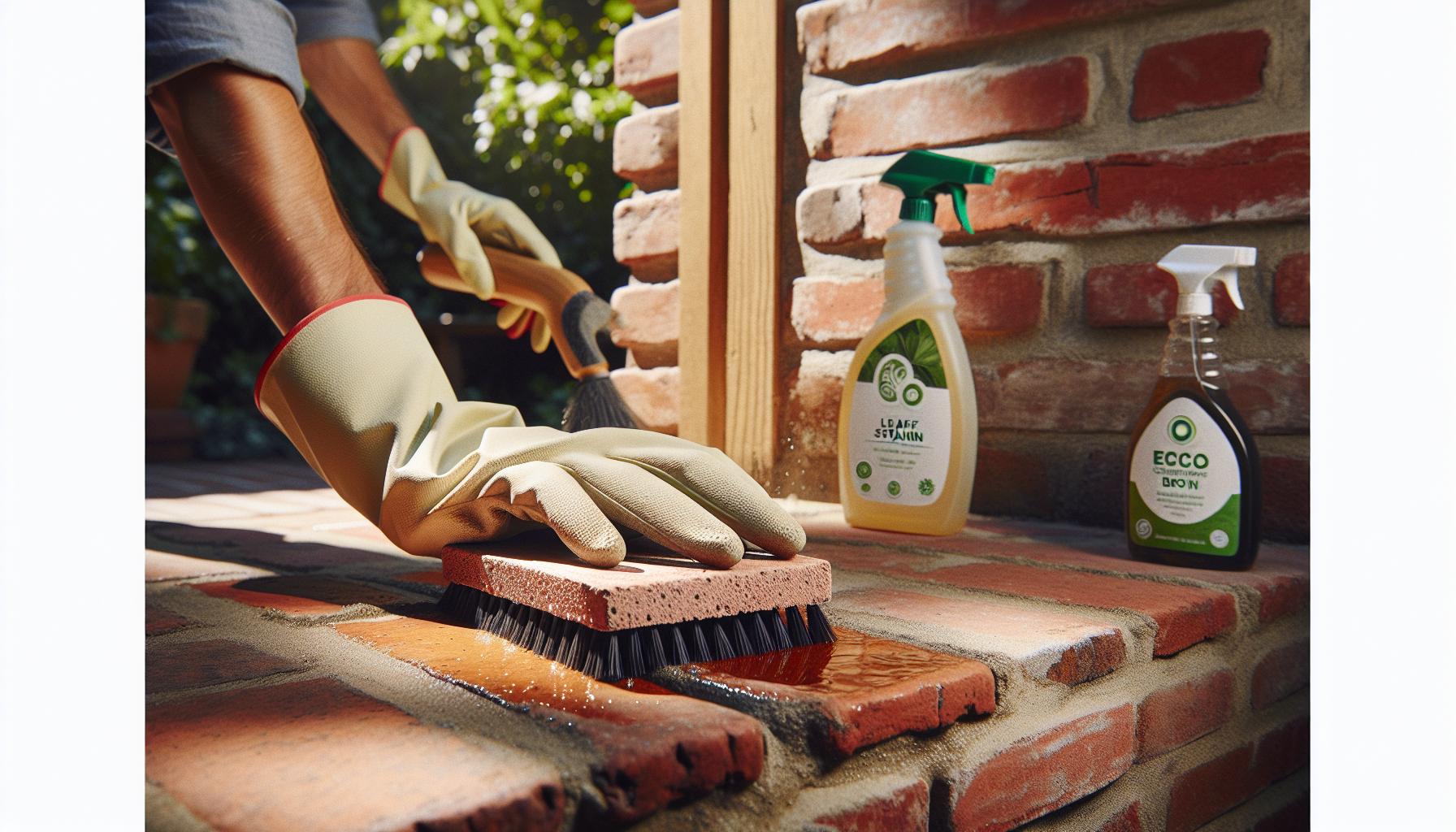
How Leaf Stains Affect Your Brick Surfaces
Leaf stains on brick surfaces can be more than just an aesthetic concern; they can also indicate the presence of organic compounds that may damage the brick over time. These stains often come from the tannins in leaves, which can seep into porous materials like brick, leading to discoloration and potential degradation. As these stains set in, they can create unsightly patches that detract from the overall appearance of your home or patio, making it important to address them promptly.
The structure of brick allows it to absorb moisture and other substances, which means that once leaf stains penetrate the surface, they can be challenging to remove. Not only do these stains mar the visual appeal, but if left untreated, they can also contribute to mold and mildew growth in damp conditions. This not only worsens the discoloration but can also lead to structural issues if the integrity of the brick is compromised. Thus, addressing leaf stains is crucial not only for cosmetic reasons but also for maintaining the long-term health of your brick surfaces.
To effectively combat these stains, understanding the root cause is essential. For example, certain types of leaves, particularly those that are darker or contain more tannins, may leave more stubborn stains than others. Regular maintenance and timely cleaning are key strategies for preventing these issues from escalating. By incorporating easy cleaning practices, like washing away fallen leaves promptly and using protective sealants, homeowners can mitigate the impact of leaf stains and extend the life of their brickwork.
Best Methods for Quick Leaf Stain Removal
Removing leaf stains from brick surfaces can be a quick and straightforward task if you know the right techniques. Leaf stains, primarily caused by tannins and pigments in leaves, can set into brick and create unsightly discolorations if not addressed swiftly. Fortunately, there are effective methods that homeowners can use to tackle these stains without professional help.
Utilize a Simple Soap Solution
One of the fastest ways to remove leaf stains is by creating a soap solution. Mix warm water with a few drops of mild dish soap in a bucket. Use a soft-bristle brush to scrub the stained areas gently. This method is often sufficient for superficial stains. Rinse the area thoroughly with clean water after scrubbing to ensure no soap residue remains.
Employ Baking Soda for Stubborn Stains
For more persistent stains, baking soda can be an excellent choice. Make a paste by combining baking soda with water until it reaches a thick consistency. Apply the paste directly to the stained area and let it sit for about 15 minutes. Scrub with a brush afterward and rinse with water. Baking soda not only helps to lift stains but also offers a gentle abrasive action that can effectively remove discoloration without damaging the brick surface.
Vinegar Solution for Organic Stains
Another effective method for quick stain removal involves using vinegar. Mix equal parts white vinegar and water in a spray bottle, and apply it directly to the stained area. Let it sit for 5-10 minutes to break down the stain’s components. Scrub gently with a brush or cloth, then rinse well. The acetic acid in vinegar is effective against organic stains, making it a valuable ally in your cleaning arsenal.
Consider Using Oxygen Bleach
If natural cleaning solutions do not yield satisfactory results, oxygen bleach is a powerful alternative. Mix oxygen bleach powder with water according to package instructions and apply it to the affected areas. Allow it to sit for the recommended time, scrub with a brush, and rinse thoroughly. Oxygen bleach is safe for most surfaces and provides strong stain-lifting properties without harsh chemicals.
By utilizing these methods, homeowners can swiftly tackle leaf stains and restore the attractiveness of their brick surfaces. Whether opting for household staples like soap, baking soda, vinegar, or a more potent oxygen bleach, acting quickly and using the right technique can greatly ease the cleaning process and preserve the integrity of your brickwork.
Homemade Solutions for Leaf Stain Removal
Removing leaf stains from brick surfaces doesn’t have to mean resorting to harsh chemicals or expensive cleaners. In fact, your kitchen pantry is likely already stocked with the perfect ingredients for effective, homemade stain solutions. These simple and eco-friendly remedies not only tackle stains but also protect the integrity of your brickwork.
One of the most accessible options is a baking soda paste. To create this, mix baking soda with a little water until it forms a thick paste. Apply it generously to the stained area and let it sit for about 15 minutes. Baking soda is a natural abrasive and can gently lift stubborn stains without scratching your bricks. After letting the paste work its magic, scrub the area lightly with a brush before rinsing with water.
Another effective homemade cleaner involves vinegar, a common household item that boasts powerful stain-fighting properties. Combine equal parts white vinegar and water in a spray bottle. Spray the mixture on the stained areas and let it sit for 5-10 minutes. The acetic acid in the vinegar breaks down the organic components of the stain, making it easier to scrub away. Afterward, rinse thoroughly to avoid any residual vinegar smell.
For those seeking an even more potent solution, consider using oxygen bleach. While more commonly associated with laundry, it can be a fantastic option for outdoor stain removal as well. Mix oxygen bleach powder with water according to the package instructions and apply it to the leaf-stained bricks. Allow it to sit for the recommended time, then scrub and rinse. This method is safe for brick surfaces and effective against tough stains, making it a versatile choice.
By incorporating these homemade solutions, you can effectively combat leaf stains while also making an environmentally conscious choice. Not only do these methods save you money, but they also minimize the exposure of harsh chemicals in your home and garden, allowing you to maintain the beauty of your brick surfaces sustainably.
Step-by-Step Guide to Pressure Washing Bricks
One effective way to tackle stubborn leaf stains on brick surfaces is through pressure washing. This method not only provides a deep clean but can also save you time compared to more manual approaches. However, using a pressure washer requires some knowledge to avoid damaging the bricks or any mortar joints. Here’s a straightforward guide to get you started on pressure washing your bricks safely and effectively.
Begin by gathering necessary equipment, which includes a pressure washer, a brush attachment, and safety gear like gloves and goggles. Before you start, it’s important to prepare the area by clearing any debris or furniture nearby. It’s also advisable to conduct a patch test on a less visible area to ensure that the pressure won’t damage the bricks. Once you’re ready, follow these steps:
Step-by-Step Instructions
- Choose the Correct Setting: Set your pressure washer to a moderate pressure (around 1500-2000 PSI) to avoid dislodging the bricks.
- Apply a Cleaning Solution: Mix a gentle brick cleaner or water with a bit of detergent in the pressure washer. Apply this solution to the stained areas using a spray wand, allowing it to saturate for about 5-10 minutes to break down the stains.
- Pressure Wash: Using the fan tip nozzle, start cleaning from the top and work your way down to prevent streaks. Maintain a distance of about 12-18 inches from the surface and move the wand in a steady sweeping motion.
- Rinse Thoroughly: After pressure washing, it’s crucial to rinse the area with clean water to remove any soap residue. This will also help to wash away any remaining debris that may have been loosened by the cleaning solution.
Make sure to observe the surfaces during the process and adjust your technique if you notice any signs of mortar coming loose. Additionally, using a low-pressure setting for rinsing can help safeguard the integrity of the bricks. After the job is complete, allow the area to air dry while checking for any remaining stains that may require further treatment using your preferred method.
Employing a pressure washer not only provides an effortless way to restore your brick’s appearance but can also be completed in a short amount of time. With the right approach, you can ensure your bricks remain both clean and intact, ready to withstand the elements and look their best for years to come.
When to Call a Professional for Stain Removal
Determining when it’s time to call in a professional for leaf stain removal from brick surfaces can save both time and frustration, especially when DIY efforts fall short. While many homeowners tackle minor stains with homemade solutions or pressure washing, there are scenarios where enlisting expert help is the most effective or safest approach. If you notice that the stains are particularly deep-set, extremely widespread, or if they seem to be deteriorating the integrity of the brick itself, professional intervention may be warranted.
Some signs that indicate a need for professional assistance include persistent discoloration even after multiple cleaning attempts, or if the brick begins to show signs of crumbling or damage. For example, if the mortar between bricks appears loose or if the surface feels more porous after cleaning, this suggests that home methods may have caused more harm than good. A professional service not only possesses specialized knowledge about various types of bricks and the right cleaning agents to use, but they can also apply methods that mitigate the risk of damage while ensuring a thorough clean.
Moreover, if you’re dealing with an extensive area of brick that requires attention-as might be the case on outdoor patios or walls-it’s often more practical to hire a professional. They can utilize industrial-grade equipment and effective techniques that aren’t readily available to the average homeowner. This choice can ultimately lead to better results and longevity for your brick surfaces, avoiding needing repairs or further treatments down the line.
Lastly, if time is of the essence, hiring professionals can provide faster results, allowing you to maintain a pristine exterior without dedicating your own time or resources. In cases where specific environmental factors-like heavy sap or persistent leaf drop-are contributing to staining, experts can offer tailored solutions that address underlying issues, rather than just the surface problem.
Preventing Leaf Stains: Tips and Tricks
To keep your brick surfaces looking pristine and free from the unsightly stains caused by falling leaves, it’s essential to adopt proactive measures. One key strategy is to maintain regular cleaning routines during the fall, especially before heavy rains. This not only prevents leaf debris from accumulating but also minimizes the likelihood of stains setting in. A simple approach involves using a broom or blower to remove leaves promptly-ideally once a week during peak leaf drop.
Investing in preventive treatments can also go a long way. Consider applying a sealant designed for brick surfaces, which can create a barrier against moisture and stains. Look for products that are breathable, allowing for moisture to escape while keeping dirt and stains at bay. Additionally, ensure that any trees or large shrubbery near your home are trimmed back to reduce leaf litter exposure. If possible, plant trees that are less likely to shed leaves close to brick surfaces.
Another practical tip is to direct water runoff away from brick areas. This can be accomplished by adjusting gutters and downspouts to divert water or creating gentle slopes in the landscaping. By preventing excess water pooling around your bricks, you’ll also reduce the chances of leaf stains remaining stagnant and becoming more difficult to remove.
Finally, consider the use of absorbent mats or barriers in high-traffic areas or under overhanging trees where leaves frequently fall. These mats can catch a significant amount of leaf litter before it lands on your brick, significantly reducing your cleaning workload. By combining these strategies, you can effectively ward off leaf stains and prolong the beauty and integrity of your brick surfaces.
Understanding Different Types of Brick and Stains
Understanding the varying types of brick and how they respond to different stains can greatly enhance your cleaning efforts and prolong the life of your surfaces. It’s fascinating how the composition and finish of bricks impact their susceptibility to staining from natural debris like leaves. Standard types of brick found in residential settings include clay, concrete, and sand-lime bricks, each exhibiting unique characteristics that affect stain absorption and removal.
Clay bricks, known for their aesthetic appeal and durability, often have a porous structure, which can trap moisture and organic materials, resulting in more pronounced leaf stains. The color of clay bricks can also influence how stains appear; lighter-colored bricks may show discoloration more dramatically compared to darker ones. In contrast, concrete bricks, while less porous, can still discolor under prolonged exposure to leaf tannins, typical in vibrant foliage.
Types of Stains
When addressing leaf stains specifically, it’s essential to differentiate between two main categories: surface stains and deep-set stains. Surface stains typically occur from the pigments in decaying leaves and can often be cleaned with mild soap and water or commercial cleaners designed for brick surfaces. However, when stains penetrate deeper into the brick’s construction-common with porous varieties like clay-they require more intensive cleaning methods, such as pressure washing or chemical treatments, to restore the brick’s original appearance.
The effectiveness of stain removal methods can be further influenced by factors such as the brick’s texture and finish. For instance, smooth-finished bricks may be easier to clean than rough-textured or weathered bricks, which tend to trap debris more readily. Understanding these nuances not only helps in choosing the right cleaning strategy but also assists in preventive measures to protect your brick surfaces from future staining.
In summary, the relationship between different types of brick and their susceptibility to leaf stains is crucial for effective maintenance. By recognizing the properties of your bricks, you can apply targeted cleaning techniques that protect their integrity while keeping them looking their best.
Eco-Friendly Options for Leaf Stain Treatment
Cleaning your brick surfaces from leaf stains doesn’t have to involve harsh chemicals that can harm the environment. In fact, several eco-friendly solutions are effective at tackling these stubborn stains while being gentle on both your bricks and the planet. For instance, you can create a simple yet powerful cleaning solution using common household ingredients that not only help preserve the integrity of your bricks but also reduce harmful runoff into your garden and waterways.
One popular method involves a blend of white vinegar and water. Mixing equal parts of each creates a biodegradable cleaner effective against many types of stains, including leaf discolorations. Simply apply the mixture to the stained area, let it sit for about 15 minutes, and then scrub with a soft-bristle brush before rinsing with water. This method leverages the natural acidity of vinegar to break down organic matter without damaging the brick surface.
Another effective treatment utilizes baking soda for its mild abrasive properties. You can form a paste by mixing baking soda with water, applying it directly to the stain, and gently scrubbing. This not only helps lift the stains but also deodorizes the area, leaving your brick surfaces looking clean and fresh. Furthermore, this method is safe for all types of bricks, ensuring their longevity.
For those seeking even more natural solutions, hydrogen peroxide is a powerful option. It acts as an oxidizing agent that can help remove deep-set stains. To use it, apply a 3% solution directly on the stained areas and let it sit for around 10-15 minutes before rinsing. This treatment is particularly beneficial for porous bricks that tend to absorb dirt and discolorations.
In summary, sustainable cleaning options are not only effective but also promote a healthier environment. By employing these eco-friendly methods, you can maintain the beauty and durability of your brick surfaces without compromising your commitment to nature.
Testing Your Brick’s Resilience to Stains
Testing the resilience of your brick surfaces against stains is a crucial step in maintaining their aesthetic appeal and structural integrity. Understanding how your bricks respond to potential stains will not only arm you with the right cleaning strategies but also help you make informed decisions when it comes to prevention. Testing is particularly important for bricks that are porous, as these can absorb leaf stains more readily, leading to discoloration that can be difficult to remove.
To assess your brick’s resilience, start by conducting a simple water absorption test. Choose a discreet area of your brickwork to avoid any visible damage. Pour a small amount of water onto the surface and observe how quickly the brick absorbs it. If the water beads up and does not soak in, your bricks likely have a good level of resistance. In contrast, if the water is quickly absorbed, this indicates a higher porosity, which could lead to greater susceptibility to organic stains like those from leaves.
Another effective method is to apply a mild acidic solution, such as a mixture of vinegar and water, to a small area. Monitor how the brick reacts-if it retains its color and structure while responding well to the solution, it can be considered more resilient. Be sure to follow up with clean water to rinse any solution off and assess any long-term effects.
Moreover, consider inspecting your brick surfaces for existing stains or discolorations. This can provide insight into their current condition and help you identify weak spots that might require future treatment. Keeping a record of these observations will also assist in understanding how different factors, such as weather conditions or water exposure, can affect stain resilience over time.
In conclusion, is an ongoing process that can save you time and effort in the long run. By understanding the unique characteristics of your specific brick type and how it interacts with common staining agents, you can take proactive measures to protect your surfaces and keep them looking their best.
Maintaining Your Brick Surfaces After Cleaning
Maintaining the beauty and integrity of your brick surfaces after tackling leaf stains is essential for long-lasting appeal and durability. It’s not just about cleaning; routine maintenance plays a critical role in preserving your investment and preventing future issues. For instance, once you’ve removed stains, a great practice is to apply a high-quality masonry sealer. This creates a protective barrier against moisture, dirt, and organic stains, making it significantly easier to clean up any future mess.
To keep your bricks looking their best, consider establishing a regular cleaning schedule. Depending on your local environment-such as proximity to trees or high rainfall-you may need to clean your bricks every few months. During these cleanings, inspect for any signs of wear or new stains. If you catch potential problems early, you can take preventive measures before they become more significant.
Another vital aspect of maintenance is proper drainage around your brick structures. Ensuring downspouts direct water away from brick surfaces can prevent moisture buildup that leads to staining and deterioration. Consider landscaping adjustments to provide better drainage or installing pavers that help guide runoff away from brick foundations and walls.
Lastly, be cautious with chemical products. While some commercial cleaners can be effective, they may also cause damage to your bricks if misused. Always test new cleaners in an inconspicuous area first, and follow the manufacturer’s directions. By following these maintenance tips, you can enjoy vibrant, well-preserved brick surfaces, free from the threat of unsightly leaf stains.
Comparing Commercial Cleaners for Leaf Stains
When faced with stubborn leaf stains on your brick surfaces, the right commercial cleaner can make all the difference. With a plethora of options available, selecting a product tailored for your specific needs can save time and ensure effective results. Not all cleaners are created equal; they vary in composition, pH levels, and intended use, which can significantly influence their effectiveness on brick stains.
One popular category includes oxygen bleach-based cleaners, which are effective for both organic stains and environmentally friendly options. These cleaners work by releasing oxygen, which helps lift stains without the harshness of traditional bleach, making them less likely to harm surrounding vegetation. Many homeowners appreciate their effectiveness in breaking down plant-based stains, such as those from leaves, while being safer for the environment.
Acid-based cleaners are another contender but should be approached with caution. They are powerful against tough stains, particularly those that have set in over time. Commonly used are muriatic acid solutions, but they can damage brick and surrounding surfaces if not used properly. It’s essential to dilute such cleaners according to the manufacturer’s instructions and always conduct a patch test in an inconspicuous area to prevent discoloration or surface damage.
Key Comparisons
Here are some factors to consider when on bricks:
| Cleaner Type | Effectiveness | Safety | Environmental Impact |
|---|---|---|---|
| Oxygen Bleach | High | Safe for plants | Eco-friendly |
| Muriatic Acid | Very High | Potentially harmful | Not eco-friendly |
| Liquid Detergents | Moderate | Generally safe | Varies |
In conclusion, when choosing a cleaner for leaf stains on your brick surfaces, consider your specific needs regarding effectiveness, safety, and environmental impact. Always follow the manufacturer’s instructions, and don’t hesitate to consult with professionals if you feel unsure about which product is right for your situation.
Common Mistakes to Avoid When Cleaning Bricks
Cleaning bricks can often seem like a straightforward task, but missteps in the process can lead to unsatisfactory results or even damage to the surface. One of the most common mistakes homeowners make is not testing a cleaner on a small, inconspicuous area before proceeding. Each type of brick has its unique characteristics and may react differently to various cleaning agents; what works well on one type might harm another. A simple patch test can prevent a costly error, such as discoloration or degradation of the brick surface.
Another frequent error is over-scrubbing the stained area. While it may be tempting to vigorously scrub away at stubborn leaf stains, using excessive force can wear down the brick’s surface or cause scratches. Instead, gentle scrubbing with a soft brush or cloth is often more effective. Additionally, allowing the cleaning solution to dwell for the recommended time before rinsing can enhance its efficacy, as many cleaners need time to break down stains effectively.
Many also underestimate the power of rinsing. After applying a cleaner, it’s crucial to thoroughly rinse the area to remove any residue. Leaving cleaner on the brick can lead to buildup over time, trapping dirt and potentially causing discoloration. A gentle wash with water is often sufficient, but using a pressure washer can effectively remove lingering dirt and soap without damaging the brick if done carefully.
Lastly, ignoring weather conditions while cleaning can lead to poor results. Cleaning bricks on a hot, sunny day may cause cleaning solutions to dry too quickly, preventing proper penetration and removing stains efficiently. Ideally, aim for a cooler day or work in shaded areas to give cleaners enough time to do their job effectively. By avoiding these common mistakes, you can preserve the beauty of your brick surfaces and achieve impressive results in leaf stain removal.
Frequently Asked Questions
Q: How do you remove stubborn leaf stains from brick quickly?
A: To remove stubborn leaf stains from brick quickly, plan to use a mixture of water and a mild dish soap. Apply the solution with a soft brush, scrubbing gently until the stains lift. Rinse thoroughly with water. For extensive stains, consider a pressure washer for a more thorough clean.
Q: What is the best time of year to clean leaf stains off brick?
A: The best time to clean leaf stains off brick is during dry seasons, preferably in spring or fall, when the weather is mild. Avoid wet or humid days to ensure the cleaning solution works effectively and adheres properly to the brick surface.
Q: Can vinegar be used to remove leaf stains from bricks?
A: Yes, vinegar can be used to remove leaf stains from bricks. Mix equal parts of vinegar and water, apply it to the stained area, and let it sit for 10-15 minutes before scrubbing gently with a brush. Rinse thoroughly to prevent residue buildup.
Q: Is it safe to use bleach for cleaning leaf stains from brick?
A: While bleach can effectively remove stains, it’s not recommended for brick surfaces. Bleach can discolor and damage the brick over time. Instead, opt for gentler solutions like vinegar or baking soda for safer and effective cleaning.
Q: How can you tell if a leaf stain has penetrated the brick?
A: You can tell if a leaf stain has penetrated the brick by examining the color and texture. If the stain appears darker and the surface feels rough or gritty, it’s likely absorbed. For deep stains, consider professional cleaning methods to restore the brick.
Q: What homemade solutions work for removing leaf stains from brick?
A: Effective homemade solutions include baking soda paste (mix baking soda with water), vinegar, or a dish soap mixture. Apply these mixtures directly onto the stains and scrub with a soft brush, followed by rinsing with water for best results.
Q: How do leaf stains affect the longevity of brick surfaces?
A: Leaf stains can lead to the deterioration of brick surfaces if not removed promptly. They can promote moss and mold growth, which can penetrate and weaken the bricks over time. Regular cleaning helps maintain brick integrity and appearance.
Q: What tools do I need to remove leaf stains from brick effectively?
A: Essential tools include a soft-bristle brush, cleaning bucket, spray bottle for solutions, a pressure washer (for tough stains), and protective gear like gloves and goggles. These tools will help you safely and effectively clean your brick surfaces.
Concluding Remarks
You’ve now equipped yourself with effective strategies to eliminate leaf stains from brick surfaces quickly. Remember, maintaining the beauty of your outdoor spaces not only enhances curb appeal but also protects your investment. Don’t let stubborn stains ruin the look of your home – act now to reclaim your bricks!
For more tips on home maintenance, check out our guide on Best Cleaning Techniques for Outdoor Surfaces and discover DIY Solutions for Common Home Challenges. If you’re looking for personalized advice, consider signing up for our newsletter to receive expert insights straight to your inbox.
Have questions or success stories to share? We invite you to leave a comment below or connect with us on social media. Your experiences matter to us! Let’s keep the conversation going as we explore more ways to care for your home.