As the vibrant hues of autumn leaves mesmerize us with their beauty, they can also become a source of frustration when those leaves leave stubborn stains on our favorite clothes. Leaf stains can be particularly tricky to remove, often embedding themselves deeply in the fabric, making it seem like once they’re there, they’re there to stay. Fortunately, understanding the nature of these stains and knowing how to tackle them effectively can save your wardrobe from the brink of disaster. In this guide, we’ll delve into proven methods and tips that can help you permanently erase leaf stains, restoring your garments to their former glory. Keep reading to discover how simple household items and easy techniques can turn your laundry woes into triumphs!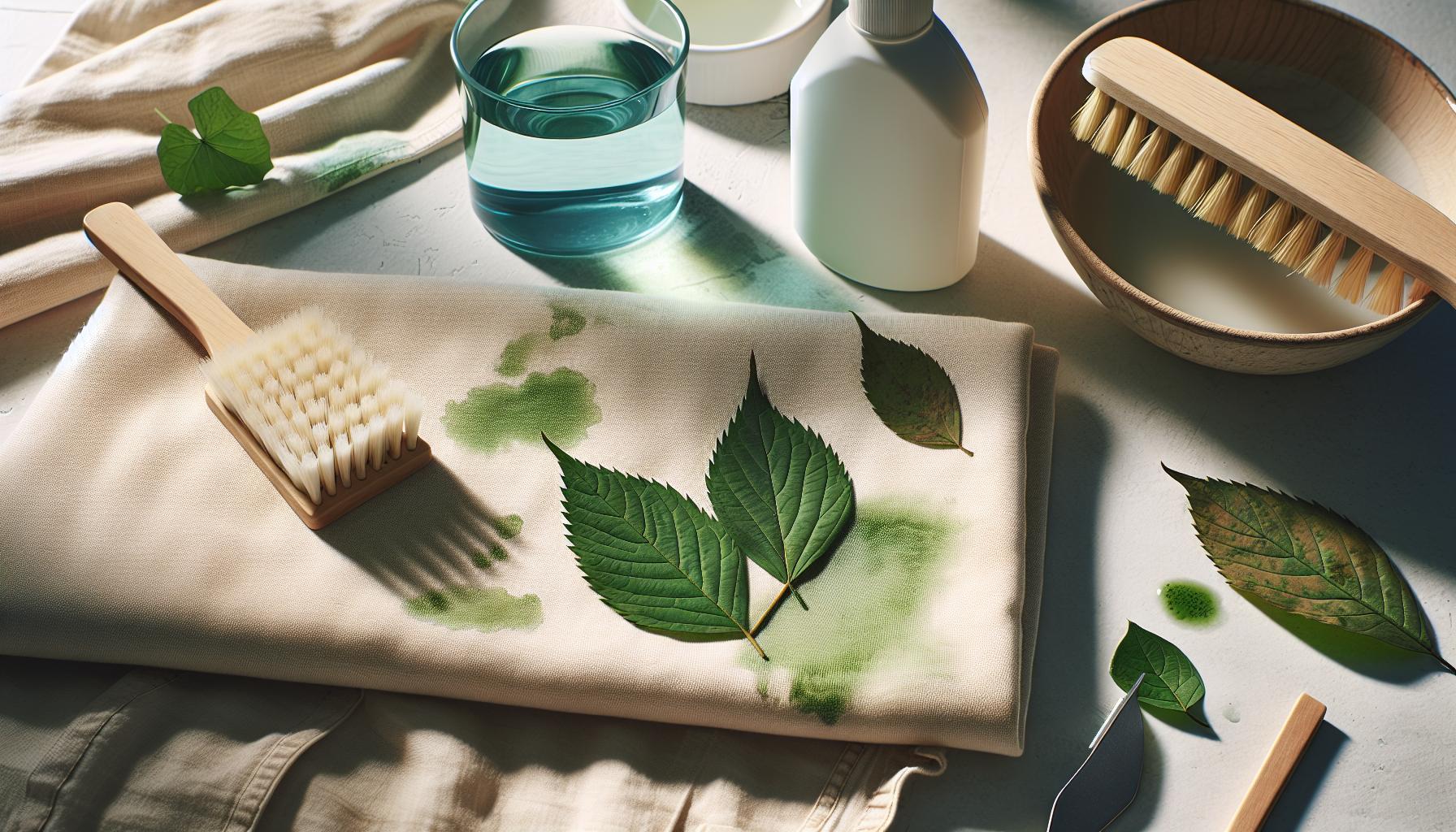
Understanding Leaf Stains: Causes and Characteristics
Leaf stains are a common nuisance for anyone who enjoys outdoor activities, be it gardening, hiking, or simply lounging in the park. These stains, often bright and vibrant, come from the pigments found in leaves, particularly chlorophyll and various carotenoids. The science behind these stains reveals that chlorophyll, responsible for the green color in leaves, can leave behind tough stains due to its complex structure when it comes into contact with fabric. Additionally, other pigments, such as tannins from certain leaves, can create dark discolorations that are challenging to remove.
The nature of leaf stains is largely dependent on the type of leaf and environmental conditions. For instance, the sap or resin from certain trees, like oaks or maples, can be particularly adhesive and stubborn, making removal efforts that much harder. Factors such as moisture level in the air and the presence of other debris can also influence how these pigments interact with fabric. It’s important to address these stains quickly, as allowing them to set can lead to a greater chance of permanent discoloration. Understanding the specific source of the stain can inform your approach to treatment, determining whether a more aggressive cleaning method or a gentle, natural remedy is necessary.
In summary, leaf stains are not only the result of direct contact with foliage but are also influenced by the specific characteristics of the leaf itself and the environmental context. Being aware of these variables can help in choosing the right method for effective stain removal.
Essential Tools for Stain Removal Success
To effectively tackle leaf stains and ensure successful removal from clothing, having the right tools on hand is crucial. A well-stocked stain removal kit not only expedites the cleaning process but also enhances your chances of permanently eliminating those vibrant pigments that leaf stains leave behind. When preparing your arsenal, consider the following essential items:
- High-quality liquid laundry detergent: Look for a detergent designed to tackle tough stains. These detergents often contain enzymes that can break down organic pigments like chlorophyll and tannins.
- Stain remover spray: A targeted stain remover can be a powerful ally, especially when applied directly to fresh leaf stains. Choose a formulation that specifies effectiveness on plant-based stains.
- White vinegar: This natural remedy not only helps to neutralize odors but can also lift stains. It’s especially helpful when mixed with baking soda for a fizzy stain-fighting treatment.
- Soft-bristle brush: A gentle brush can help lift the stain particles from the fabric without damaging the fibers. Make sure to use it lightly to avoid ruining the garment.
- Cold water: Always rinse stained fabrics with cold water first. Hot water can set stains, making them harder to remove.
- microfiber cloths or paper towels: These materials are excellent for blotting at stains without spreading them further, allowing you to contain the mess as you work.
Having these tools readily available allows you to act quickly when stains occur. The sooner you can address a leaf stain, the more effective your cleanup efforts will be. For instance, if you find yourself outdoors and accidentally spill a drink or brush against a leaf-laden surface, having a small bottle of stain remover in your bag can save your clothes from permanent discoloration.
Always remember that preparation is key to successful stain removal. By understanding the tools that work best for combating leaf stains, you are equipping yourself for outdoor adventures and everyday situations alike. Not only will you be ready for any unexpected stains, but you will also gain peace of mind knowing that you can restore your clothes to their original state, no matter the challenge.
Pre-Soaking Techniques to Lift Leaf Stains
When dealing with stubborn leaf stains, pre-soaking can be a game changer in your stain removal arsenal. This technique not only helps to loosen the pigments that cause discoloration but also prepares the fabric for more effective cleaning. By allowing the fabric to soak, you give the stain-fighting agents time to penetrate and break down the stain before it is subjected to the scrubbing and washing processes.
To effectively pre-soak clothes with leaf stains, start by mixing a solution that combines cold water with your choice of a stain-fighting agent. This could be a high-quality liquid laundry detergent or a mixture of white vinegar and baking soda, which creates a fizzy reaction that can lift stains more efficiently. Fill a basin or sink with enough cold water to fully submerge the stained item, then add the detergent or vinegar mixture. Let the fabric soak for at least 30 minutes, or longer for tough stains.
During the soaking period, periodically check the fabric. Gentle agitation can help release some of the pigment, so feel free to swirl the garment in the water. After soaking, rinse the item thoroughly with cold water to remove any residual solution before proceeding with a standard wash. This preparatory step helps to ensure that the stain does not set during the wash cycle, ultimately increasing your chances of restoring the garment to its original condition.
In addition to commercial detergents, some natural solutions can be quite effective. For example, adding a tablespoon of salt to your pre-soak solution can enhance the fabric’s ability to absorb these stain-fighting agents, thereby increasing the likelihood of lifting the leaf stain. By applying these pre-soaking techniques, you set the stage for a successful stain removal process that protects your favorite fabrics from the marks of nature.
Step-by-Step Guide to Removing Fresh Leaf Stains
The vibrant hues of autumn leaves may be picturesque, but they can leave behind stubborn stains when they come into contact with your clothing. To eradicate these unwanted marks effectively, it’s important to act swiftly, as fresh leaf stains are best handled immediately after they occur. Here’s a straightforward guide to help you tackle fresh leaf stains and restore your garments to their former glory.
Start by identifying the type of fabric you are dealing with, as different materials may require different treatments. For most washable fabrics, follow these steps:
- Blot the Stain: Gently blot the stained area with a clean cloth or paper towel to absorb any excess liquid or pigment without rubbing, which could spread the stain further.
- Rinse with Cold Water: Hold the stained fabric under cold running water, letting the water flow from the reverse side of the stain to push the pigment out rather than deeper into the fibers. Do this for several minutes until the water runs clear.
- Apply a Stain Remover: Choose a stain-fighting agent appropriate for your fabric type. You can use a commercial stain remover or create a paste with laundry detergent and a bit of water. Apply it directly to the stain and let it sit for about 10-15 minutes.
- Launder Normally: After the stain remover has had time to work, launder the item as per the care instructions on the label. Opt for cold water, as hot water can set the stain. It’s advisable to wash the stained item separately to avoid transferring any remaining stain to other clothes.
- Inspect Before Drying: Once the wash cycle is complete, check to see if the stain has been completely removed before placing the item in the dryer. Heat can set any remaining stain, making it more difficult to remove later. If any trace of the stain persists, repeat the stain removal steps.
By following these steps diligently, you can significantly improve your chances of completely removing fresh leaf stains. Remember that the sooner you address the stain, the better the results will be.
How to Treat Dried Leaf Stains Effectively
Dried leaf stains can be particularly stubborn, presenting a challenge that requires a bit more effort than fresh stains. These stains are often set in the fabric, as the natural pigments from the leaves have had time to bond with the fibers. However, with the right approach, you can effectively treat these blemishes and restore your garments. Understanding the composition of these stains is crucial; they can contain tannins and other substances that not only discolor fabrics but can also be tricky to remove.
To tackle dried leaf stains, start with a thorough inspection of the fabric to determine its washing instructions and to ensure colorfastness. Next, you must reactivate the stain. One effective method involves soaking the item in a solution of cool water and a few drops of dish soap for approximately 30 minutes. This step helps to break down the pigments. After soaking, gently rub the stained area between your fingers. Be careful not to scrub too hard, which might damage delicate fabrics.
Stain Removal Techniques
After pre-soaking, you can apply one of several stain treatments. Here are some options:
- White Vinegar Solution: Mix equal parts of white vinegar and water. Apply to the stain and let it sit for 20-30 minutes before rinsing.
- Baking Soda Paste: Create a paste with baking soda and water, apply it to the stain, and let it sit for 20 minutes. Rinse thoroughly afterwards.
- Oxygen Bleach: For white or colorfast garments, use an oxygen bleach following the manufacturer’s instructions. This product is effective for older stains without the risks that come with chlorine bleach.
After you’ve treated the stain with your chosen method, launder the garment as per the care label guidelines, opting for the maximum water temperature safe for the fabric. Remember to check the stained area after washing-before you put it in the dryer. If the stain persists, avoid heat, as it can set the stain. Instead, repeat your chosen treatment again until the stain is fully removed.
By following these steps, you can effectively reclaim fabrics affected by dried leaf stains, preserving their beauty and extending their life.
Natural Remedies for Leaf Stain Removal
Natural remedies can be remarkably effective in removing leaf stains from clothing, providing environmentally friendly options that are just as powerful as commercial products. One outstanding solution is the use of both white vinegar and baking soda. These two household staples not only readily break down the pigments in leaf stains but also help neutralize odors and soften fabrics. To create a cleaning paste, mix a quarter cup of baking soda with two tablespoons of water to form a thick paste. Apply this to the stained area and follow up by spraying a mixture of equal parts vinegar and water over the paste. As the two react, you’ll notice fizzing, which helps loosen the stain more effectively.
Another natural remedy to consider involves lemon juice and salt. The citric acid in lemon juice acts as a mild bleach, helping to lift stains without harsh chemicals. Apply freshly squeezed lemon juice directly to the stain and sprinkle a bit of salt afterward. Allow it to sit for about 30 minutes before rinsing it out with cold water. This method not only brightens whites but is also a gentle option for colored fabrics, provided you test for colorfastness first.
If you prefer a soak, tea tree oil can be an excellent choice due to its natural antibacterial properties. Add a few drops of tea tree oil to a basin of warm water and let the stained garment soak for an hour. After soaking, launder as usual. This method can be especially beneficial in humid climates, where bacterial growth might facilitate additional staining.
Lastly, consider creating a borax solution, which is another powerful yet natural option. Mix half a cup of borax with a gallon of warm water and soak your stained clothing for one to two hours. This not only helps remove stains but also brightens fabrics and deodorizes them, making it a multi-functional laundry aid.
By incorporating these natural remedies into your stain removal routine, you not only tackle leaf stains effectively but also contribute to a healthier environment-demonstrating that powerful cleaning doesn’t have to come at a cost to your health or the planet.
Preventing Leaf Stains: Tips for Outdoor Activities
Engaging in outdoor activities such as hiking, gardening, or picnicking often brings the chance to encounter beautiful natural surroundings. However, it also significantly increases the risk of getting leaf stains on clothing. These stains are not only unsightly but can also require considerable effort to remove. Prevention is key to maintaining the integrity of your garments and ensuring you can enjoy your time outside without worrying about potential stains from leaf contact.
One of the most effective ways to prevent leaf stains is to wear protective clothing. Opt for long-sleeved shirts and pants made from synthetic materials, which are often more resistant to stains compared to natural fibers. Additionally, choosing darker colors can help mask any potential marks from leaves. If you’re engaging in activities known to involve a lot of contact with leaves or dirt, consider wearing a designated set of outdoor clothes that you don’t mind getting a bit soiled.
Another proactive approach is to plan your outdoor activities strategically. Before heading out, inspect the area for types of foliage that are known to cause staining, such as certain trees or shrubs. Being aware of your environment can help you avoid close contact with these plants. When gardening or doing yard work, laying down a towel or using a picnic blanket can create a barrier between your clothing and the ground, further minimizing the chances of transferring any leaf pigments onto your clothes.
Furthermore, applying a stain-repellent treatment to your clothes can be an excellent preventive measure. Products designed to repel dirt and liquids can create a barrier, making it easier to brush off any stray leaves or dirt without leaving a stain. Regular washing of your outdoor gear can also help, as accumulated dirt can become a trap for leaf stains, making them harder to remove later.
By taking these preventative steps, you can significantly reduce the likelihood of getting leaf stains on your clothes while enjoying all the outdoor activities you love. Implementing a few simple measures can save you time and effort in cleaning and help keep your wardrobe looking fresh.
Choosing the Right Laundry Detergent for Stains
Choosing the right laundry detergent can make all the difference in effectively removing stubborn leaf stains from clothes. Not all detergents are formulated the same, and selecting one that targets organic stains is crucial for successful stain removal. Look for detergents that specifically list enzyme-based formulas, as these are designed to break down the pigments found in natural stains, such as those from leaves.
When evaluating laundry detergents, consider options that come in liquid form. Liquid detergents tend to penetrate fabric fibers more effectively than powders, making them a better choice for tackling the oily pigments found in many leaf stains. Stain-fighting boosters often added to these formulas can help to enhance their efficacy, ensuring that even set-in stains are treated effectively. For best results, use a detergent that aligns with the type of fabric you are cleaning; ensure it is suitable for the garment’s care instructions to avoid damaging delicate materials.
Additionally, consider the concentration of the detergent. High-efficiency (HE) detergents are specially designed for machines using less water and can be quite effective on leaf stains due to their concentrated nature. Using a detergent that is effective in cold water washing can also save energy without sacrificing cleaning power, allowing you to tackle stains more sustainably.
For particularly stubborn leaf stains, mixing your chosen detergent with a stain pre-treatment can boost performance. Look for pre-treaters with similar stain-fighting enzymes for optimal results. Apply the pre-treatment directly to the stain, let it sit for a few minutes, then wash the garment with the detergent of your choice. This combined approach can lead to much cleaner results, ensuring that your clothes remain vibrant and free from unwanted marks.
When to Seek Professional Cleaning Help
Sometimes, despite your best efforts, leaf stains can stubbornly resist removal. Understanding can save you time, money, and frustration. It’s especially essential if you’re dealing with valuable or delicate garments-like silk or high-end fabrics-that might require specialized treatment. If your attempts at stain removal haven’t yielded results after multiple methods, it may be a signal to consult the expertise of a professional cleaner.
Professional cleaners possess advanced tools and techniques that can address stubborn stains that home methods might not effectively handle. They have access to industrial-grade stain removal products that are often more powerful than regular household cleaners and can also tailor treatments to the specific fabric type. For example, if a leaf stain has set in or has been exposed to high heat during drying, a professional might employ techniques such as steam cleaning or enzymatic treatments that are not available for standard home use.
Additionally, fabrics with intricate designs, embellishments, or delicate weaves can be challenging to clean without damaging the material. Taking these items to a professional can ensure that you don’t inadvertently harm the fabric while attempting a DIY solution. Moreover, if you notice discoloration around the stain or signs of damage like fraying or weakening of the fibers, it’s better to let experts handle the situation to prevent further deterioration.
Ultimately, if you find yourself faced with persistent leaf stains and overwhelming frustration, don’t hesitate to seek the expertise of a professional cleaner. It’s a proactive choice that can deliver peace of mind, especially when it comes to maintaining your wardrobe in top condition.
Post-Removal: Caring for Your Clothes After Treatment
After successfully treating leaf stains, the care you give your clothes can enhance their longevity and maintain their appearance. It’s important to take proactive measures not only to protect the fabric but also to prevent any potential re-staining. Even the best stain removal processes can leave your garments vulnerable, so here are some key strategies to ensure your clothing remains pristine after treatment.
First and foremost, thoroughly inspect the stained area once the treatment is complete. If any discoloration persists, consider repeating the stain removal method before laundering the entire garment. Washing a stain prematurely can set it further into the fabric, making it much more difficult to remove later on.
When it’s time to wash your treated clothes, opt for a gentle cycle with cold water, especially for delicate fabrics. Cold water helps preserve colors and fibers, reducing the risk of damage or fading. Use a high-quality, color-safe laundry detergent that is specifically formulated for stain removal to reinforce your earlier efforts.
Drying and Storage Tips
Once washed, assess whether the garment needs further treatment. Avoid placing it in a dryer if any trace of the stain remains, as heat can set the stain permanently. Instead, allow the piece to air dry, preferably in a shaded area away from direct sunlight, which can also lead to fading.
Your storage routine also plays a significant role in maintaining the integrity of your garments. Ensure that clothes are completely dry before folding or hanging them to prevent any moisture-related issues like mildew. Store seasonally worn clothes in breathable garment bags, and for items that are rarely used, consider using lavender sachets to deter pests while imparting a pleasant scent.
By being mindful of washing, drying, and storage practices, you can greatly reduce the likelihood of leaf stains recurring and keep your favorite garments looking as good as new. Remember, the care you provide your clothes post-treatment is just as vital as the stain removal itself.
Storing Clothes to Avoid Future Leaf Stains
To keep clothing free from future leaf stains, effective storage strategies are essential. After all, many find themselves caught off guard by unexpected leaf encounters during outdoor activities, leading to unintentional marks on their favorite garments. An effective way to mitigate potential staining is to cultivate an organized and thoughtful storage routine.
Begin by ensuring that all clothes are completely dry before storing them. Moisture can lead to mildew and unpleasant odors, which may not only ruin the fabric but also be difficult to remedy later on. A good practice is to store seasonal items in a well-ventilated space to prevent any musty buildup. For clothing that will be stored for an extended period, consider using breathable garment bags rather than plastic covers, which can trap moisture and foster mold growth.
Utilizing Natural Repellents
Incorporating natural repellents into your storage can offer an extra layer of protection. For instance, placing lavender sachets or cedar blocks in your clothing storage can deter pests and provide a pleasant aroma. These natural solutions are a delightful way to enhance your wardrobe’s longevity while preventing leaf stains or other pests from taking up residence in your clothes.
Organizing by Use
Another effective technique is to organize your wardrobe based on usage. Group items that are frequently worn for outdoor activities, such as gardening or hiking, in a designated area. This makes it easier to grab appropriate clothes without rummaging through your entire closet. Using this method can help minimize the risk of grabbing garments that are more prone to leaf stains.
By implementing these smart storage strategies, you can protect your clothing from future leaf stains and ensure that your garments remain in excellent condition, ready for any adventure that comes your way. Taking just a little time to organize can save you from the headache of stain removal down the line.
FAQ
Q: How do I remove leaf stains from delicate fabrics like silk?
A: To remove leaf stains from delicate fabrics, such as silk, act quickly by blotting the stain with a clean cloth. Use a mixture of mild detergent and cool water to lightly dab the area. Test any solution on a hidden part first. Follow with gentle rinsing. Refer to the section on Natural Remedies for best practices.
Q: What homemade solutions can effectively remove leaf stains from clothes?
A: Effective homemade solutions for removing leaf stains include using white vinegar mixed with warm water or a paste of baking soda and water. Apply the solution to the stain, let it sit for 15-30 minutes, and rinse. For more methods, check the Natural Remedies section of the main article.
Q: Can bleach remove leaf stains from clothes?
A: While bleach can remove certain stains, it’s not recommended for leaf stains as it may cause yellowing or damage fabric, especially colored ones. Instead, consider safer alternatives like vinegar or baking soda. Visit the section on Essential Tools for Stain Removal Success for more insights.
Q: What should I avoid when removing leaf stains from clothes?
A: Avoid using hot water initially, as it can set the stain. Also, do not rub the area aggressively; instead, dab gently to avoid spreading the stain. Check out the step-by-step guide for effective techniques to avoid common pitfalls in stain removal.
Q: Is it safe to use commercial stain removers on leaf stains?
A: Yes, many commercial stain removers can effectively treat leaf stains; however, it’s essential to follow the product instructions and test on a small inconspicuous area first. For specific product recommendations, refer to the Choosing the Right Laundry Detergent for Stains section.
Q: How do weather conditions affect the removal of leaf stains?
A: Weather conditions can impact stain removal, as humidity can make stains set faster. For best results, aim for a dry, warm day to treat stains. Explore the Preventing Leaf Stains section for tips on handling leaf stains during various outdoor conditions.
Q: When is it best to treat leaf stains on clothes?
A: It’s best to treat leaf stains as soon as you notice them. Fresh stains are much easier to remove compared to dried ones. Refer to the How to Treat Dried Leaf Stains Effectively section for additional information on delay consequences and treatment.
Q: Are there specific laundry cycles recommended for leaf-stained clothes?
A: Yes, using a delicate cycle with cold water is recommended for treating leaf-stained clothes, especially if they are sensitive fabrics. This helps avoid further setting the stain. For detailed washing instructions, visit the post-removal care section of the article.
Feel free to explore the main article for comprehensive guidance on handling leaf stains effectively!
Closing Remarks
Now that you know how to effectively remove those pesky leaf stains from your clothes permanently, it’s time to put these methods into action! Don’t let stains diminish the beauty of your favorite garments any longer-try these solutions today! Want to dive deeper into fabric care? Check out our guides on “The Best Ways to Remove Stains from Delicate Fabrics” and “Top Tips for Maintaining Your Wardrobe” for more valuable insights.
We’re committed to helping you keep your wardrobe in top shape, so be sure to subscribe to our newsletter for exclusive tips and tricks delivered straight to your inbox. If you have any questions or want to share your own stain-fighting success stories, please leave a comment below. Your experiences could inspire others facing the same challenges! Remember, a clean wardrobe boosts your confidence, so take the next step now and explore our site further to discover more ways to enhance your clothing care routine!