Leaf stains on pavers can be unsightly, often creating a dull and neglected look in an otherwise beautiful outdoor space. Many homeowners find that vibrant autumn leaves, while picturesque, leave behind stubborn blemishes that seem impossible to remove. Fortunately, you don’t have to sacrifice aesthetics for nature’s beauty. In this guide, we’ll explore effective and quick methods to remove those pesky leaf stains from your pavers in just minutes. By addressing this common issue, you can restore your outdoor area’s charm and enhance its curb appeal. Ready to reclaim your space? Let’s dive into the best techniques to tackle those stains effortlessly!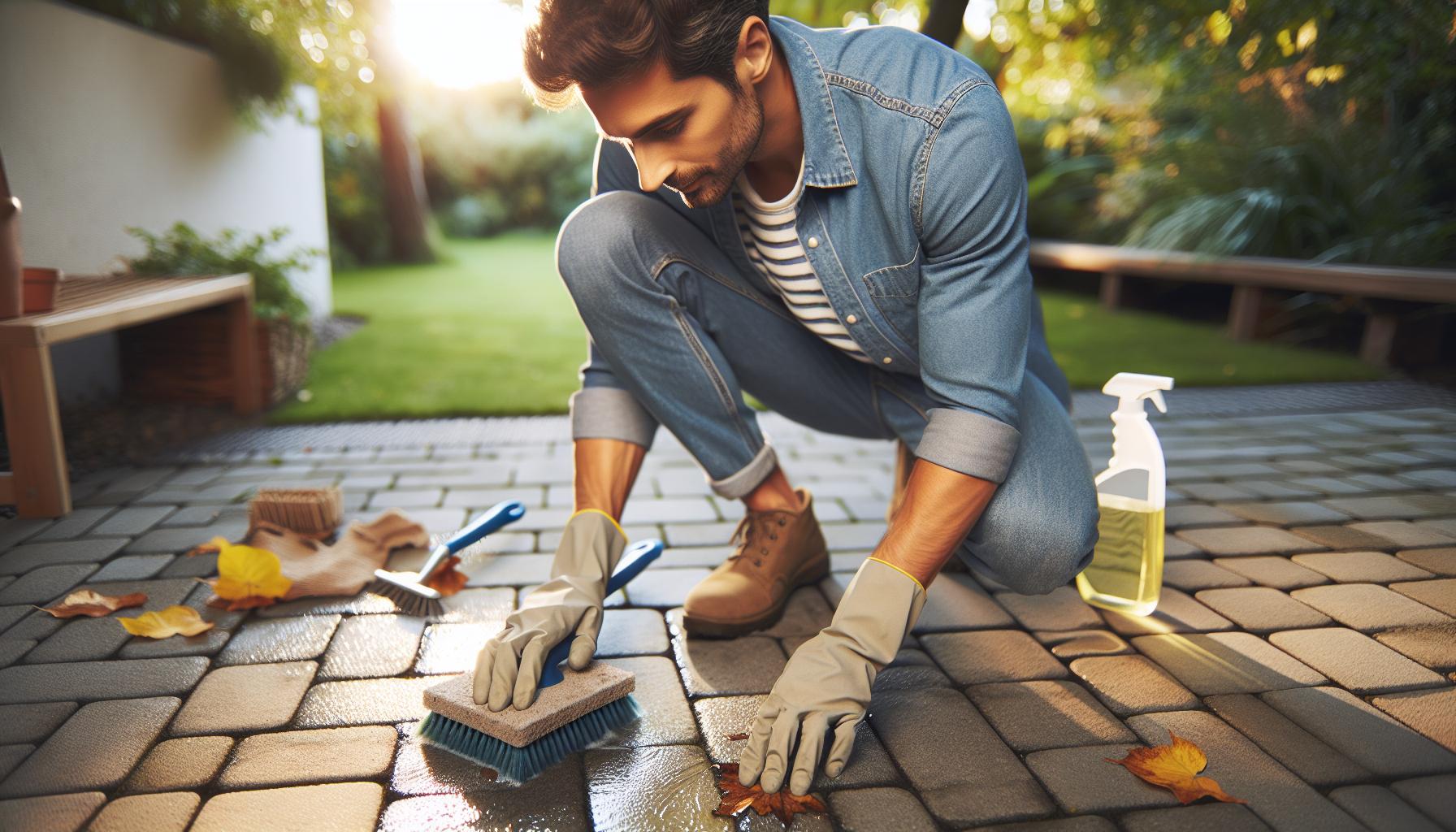
The Best Time to Remove Leaf Stains: Timing Matters
The perfect window for addressing leaf stains on pavers is crucial; timing can significantly impact the ease and effectiveness of the removal process. Leaves left on surfaces for extended periods can begin to break down, causing stains that become increasingly challenging to lift. Thus, prompt action after fall can be your best strategy. Ideally, you want to tackle leaf stains shortly after the leaves have fallen, especially during the early days of autumn, when they are still fresh and not overly decomposed.
When deciding the optimal time, consider not just the season but also the weather. A dry, sunny day can greatly enhance your cleaning efforts. The warmth helps in activating cleaning solutions, allowing them to penetrate and lift stains more efficiently. Conversely, attempting to clean leaf stains immediately after rain can lead to futile efforts, as moisture makes the stains more stubborn and harder to remove. Planning your cleaning sessions around the weather conditions can create a more effective routine, preserving the aesthetic of your pavers.
Additionally, consider seasonal maintenance routines. Regularly clearing away leaves can lower the chances of staining altogether. Establishing a consistent leaf removal schedule-especially during the peak of autumn-prevents the buildup of debris and minimizes your workload when it comes time for deeper cleanings. With timely and proactive care, you can keep your pavers looking pristine and prolong their lifespan, ensuring your outdoor spaces remain inviting and beautiful.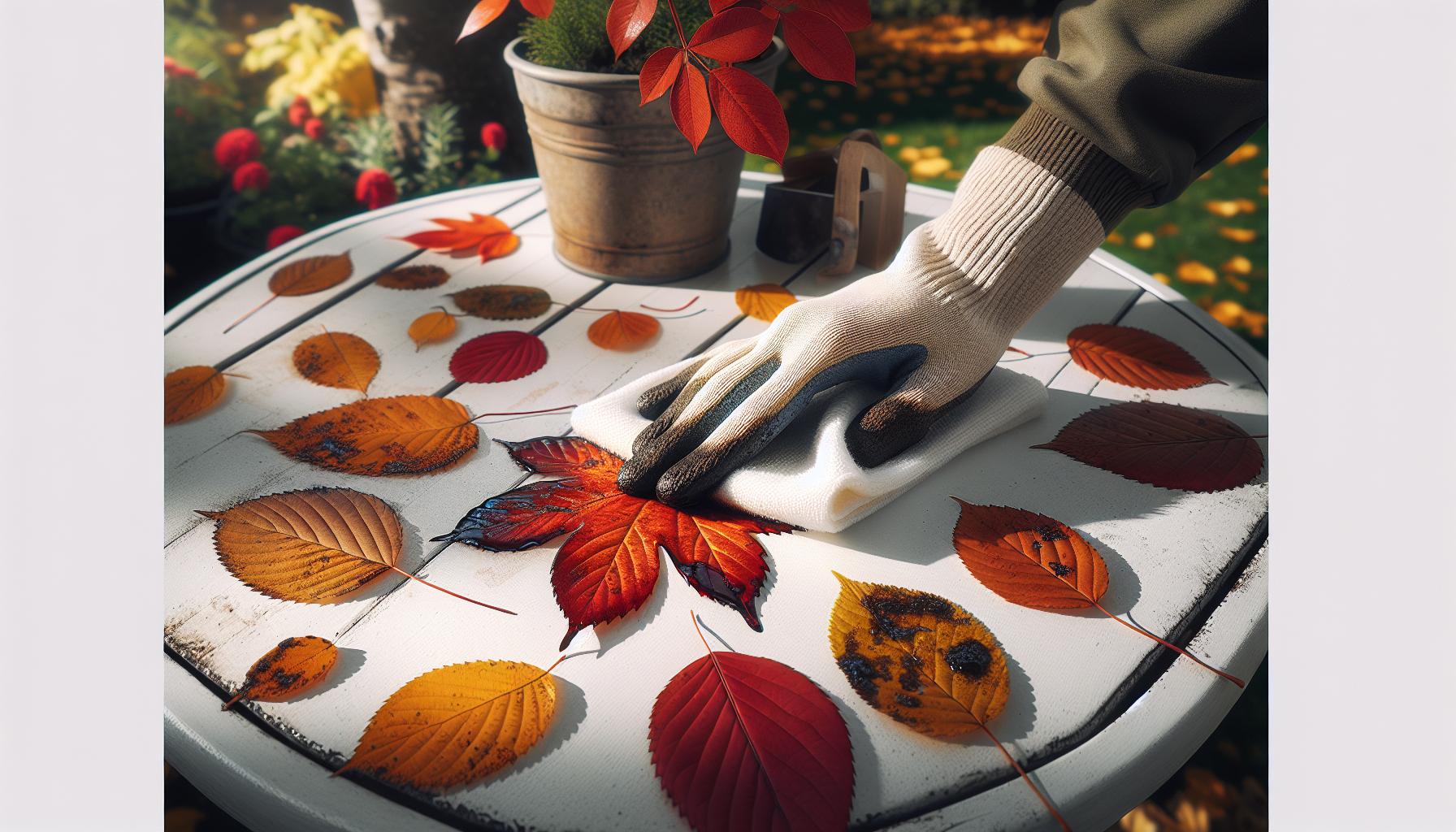
Understanding the Causes of Leaf Stains on Pavers
Leaves on pavers, when left unattended, can turn into unsightly stains that not only mar the aesthetic of your outdoor space but also make maintenance more challenging. The primary culprit behind leaf stains is the decomposition process that begins shortly after leaves fall. As leaves break down, they release tannins-natural pigments found in many plants-that can stain porous surfaces such as concrete and pavers. Exposure to moisture, particularly rain, can exacerbate this staining by allowing these pigments to seep deeper into the material.
The type of leaves involved also plays a crucial role. For instance, oak and maple leaves tend to be more acidic and release greater quantities of tannins, leading to more persistent stains. Moreover, environmental factors such as humidity and temperature can influence how quickly these pigments are absorbed by the pavers. In warm, humid conditions, the decomposition process accelerates, resulting in deeper and more difficult-to-remove stains.
To mitigate staining, it’s essential to understand that prevention is far more effective than cleanup. Regular maintenance, such as sweeping or using a leaf blower to clear fallen leaves promptly, can significantly reduce the risk of stains forming. Additionally, applying a protective sealer on your pavers can create a barrier that helps repel moisture and organic material, making your pavers less susceptible to staining. By being proactive and informed, you can keep your paver surfaces looking pristine and prolong their longevity.
Essential Tools and Supplies for Stain Removal
When tackling unsightly leaf stains on pavers, having the right tools and supplies can make all the difference in achieving a clean and stain-free result in just minutes. A well-equipped cleaning kit not only streamlines the removal process but also ensures that you can address the issue effectively without damaging your paver surfaces. Here’s a rundown of essential items you’ll want to gather before you begin.
- Broom or Leaf Blower: Start by removing any loose leaves or debris with a broom or, for larger areas, a leaf blower. This step is crucial as it prevents further staining while you work.
- Stiff-Bristled Brush: To scrub away stains, particularly those set in deeply, a stiff-bristled brush will help agitate the stain without harming the paver surface.
- Bucket: A sturdy bucket is necessary for mixing solutions, whether you’re using a commercial cleaner or a DIY stain remover.
- Protective Gloves: Always wear protective gloves to shield your skin from harsh chemicals if you choose to use commercial cleaners.
- Pressure Washer (Optional): For a more intense cleaning approach, a pressure washer can rapidly remove stubborn stains by directing a strong jet of water precisely where it’s needed.
- Cleaning Solutions: Depending on the nature of the leaf stains, you may need specific cleaning solutions. This could be a commercial stain remover designed for concrete or pavers, or natural solutions like vinegar and baking soda mixed to create a gentle cleaning paste.
Equipping yourself with these tools not only prepares you for effective stain removal but also enhances efficiency. By having your supplies on hand, you can tackle stains the moment they appear, keeping your outdoor spaces looking pristine. Remember, the key to prolonging the life of your pavers lies not just in cleaning but in effective and timely maintenance.
Quick and Effective Methods for Removing Leaf Stains
When faced with leaf stains on your pavers, speed and effectiveness are critical. The longer a stain is allowed to sit, the more difficult it becomes to remove. Quick action can turn a tedious chore into a rapid refresh for your outdoor spaces. One of the most effective methods is to use a safe, lukewarm water solution mixed with a gentle dish soap. Apply this mixture to the stained area and gently scrub with a stiff-bristled brush. This method not only helps lift the stain but does so without the potential damage that harsher chemicals could cause.
Another approach is to harness the power of vinegar. Due to its natural acidity, vinegar is exceptionally good at breaking down organic stains. Mix equal parts of vinegar and water in a spray bottle and generously apply it to the stain. Allow it to sit for about ten minutes before scrubbing with a stiff brush. For deeper stains, a paste made from baking soda and water can be effective as well. Apply the paste to the stained area, let it sit for 15-20 minutes, and then scrub away the residue with a brush and rinse with clean water.
For particularly stubborn stains, consider using a pressure washer. This method can save time while delivering powerful cleaning performance. Just be sure to adjust the pressure accordingly, so you don’t damage the paver surface. Often, a targeted approach paired with the right nozzle will successfully remove stains without the need for harsh chemicals or prolonged scrubbing.
Lastly, do not underestimate the effectiveness of commercial stain removers specifically formulated for pavers. They often contain enzymes that break down complex organic stains, making them easier to clean. When trying any cleaning product, always test a small area first to ensure compatibility with your paver material. By utilizing these quick and effective methods, you can keep your pavers looking immaculate with minimal hassle.
Step-by-Step Guide to Cleaning Leaf Stains
Leaf stains on pavers can detract from the overall aesthetic of your outdoor space, but with a systematic approach, you can swiftly restore their former glory. Tackling these unsightly stains does not need to be a time-consuming or daunting task. With the right materials and techniques, you can effectively remove leaf stains in minutes.
Begin by gathering your supplies: a stiff-bristled brush, a bucket, lukewarm water, mild dish soap, white vinegar, baking soda, and a spray bottle. Once you’re equipped, follow these straightforward steps:
1. Initial Rinse
Start by rinsing the stained area with clean water. This helps to remove any loose debris and prepares the surface for more effective stain removal.
2. Make a Cleaning Solution
Mix a solution of lukewarm water with a few squirts of mild dish soap in your bucket. For a more potent solution, combine equal parts of vinegar and water in a spray bottle.
3. Apply the Solution
Apply your chosen cleaning solution generously to the stained area. If using the vinegar mixture, spray it directly onto the stain, ensuring it is well-covered. Allow it to sit for about 10-15 minutes, giving the solution time to break down the stain.
4. Scrub the Stain
Using the stiff-bristled brush, scrub the stained area in circular motions. This action should lift the stain from the surface of the pavers. For tougher stains, make a paste using baking soda and water. Apply the paste, let it sit for 15-20 minutes, and then scrub as before.
5. Rinse Thoroughly
Rinse the area with clean water to remove any residue from the cleaning solution. Ensure that no soap or baking soda remains on the surface, as it can attract dirt over time.
6. Assess and Repeat if Necessary
After rinsing, take a close look at the area. If any discoloration remains, repeat the process until you achieve the desired cleanliness.
Incorporating these simple steps not only helps you effectively remove leaf stains but also maintains the appearance and longevity of your pavers. Regular cleaning will make future stain removals easier and keep your outdoor area looking pristine.
DIY Solutions: Natural Remedies for Leaf Stains
Natural remedies are not only effective but also environmentally friendly solutions for banishing leaf stains from pavers. These remedies leverage common household items, making them accessible and affordable. One of the most popular natural ingredients is baking soda. Its abrasive quality makes it excellent for scrubbing away stains without damaging the surface of your pavers. Simply mix baking soda with a bit of water to create a paste, apply it to the stained area, and let it sit for 15-20 minutes before scrubbing and rinsing.
Another powerful ally in your quest against leaf stains is vinegar. This pantry staple is renowned for its natural acidic properties that dissolve stains and grime. To use vinegar, create a solution of equal parts vinegar and water in a spray bottle. Spritz it generously over the stained paver, allowing it to sit for about 10-15 minutes. This gives the vinegar time to break down the organic material causing the discoloration. Afterward, scrub the area with a stiff-bristled brush to lift the stain and then rinse thoroughly with clean water.
Lemon juice offers a refreshing twist as a natural stain remover. This acidic fruit not only carries a pleasant scent but also contains citric acid, which serves a similar purpose to vinegar. You can use lemon juice in two ways: apply it directly onto the stain or mix it with baking soda to form a paste for more stubborn marks. After letting it sit briefly, scrub and rinse as usual to witness impressive results.
To maximize your stain-fighting efforts, consider the best time for application. Warm weather promotes faster drying and enhances the effectiveness of your cleaning solutions. However, you should avoid very hot conditions, which can cause your solutions to evaporate too quickly. Additionally, performing these cleaning techniques after a rain can help loosen stubborn stains, making your natural remedies even more effective.
By embracing these DIY solutions, not only do you maintain your pavers’ aesthetic appeal but also take a step towards more sustainable home maintenance practices.
Preventing Leaf Stains: Best Practices for Paver Care
Maintaining the pristine appearance of your outdoor pavers is not just about successfully removing leaf stains but also about preventing them in the first place. A proactive approach can save you time and effort in the long run. One of the most effective strategies is to implement a regular cleaning routine. Sweeping the paver surface frequently, especially during the fall, can significantly reduce the accumulation of leaves and debris that contribute to unsightly stains. Additionally, consider using a leaf blower to make this task quicker and more efficient.
Another best practice is to seal your pavers. A high-quality sealant creates a protective barrier that prevents leaves, moisture, and other organic materials from penetrating the surface. Sealing not only makes it easier to clean up spills and leaves but also enhances the color and finish of your pavers, giving them a longer-lasting appeal. Aim to reseal your pavers every one to three years, depending on your climate and wear patterns.
Additionally, pay attention to your landscaping choices. Keeping trees and shrubs trimmed back and planting low-maintenance foliage can reduce the number of leaves that fall onto your pavers. You might also consider using mulch or ground cover plants around the paver area, which can absorb moisture and prevent leaf stains while enhancing the overall aesthetic of your yard.
Lastly, always address spills and stains promptly. If you notice any discoloration caused by leaves or organic matter, quickly apply one of your DIY cleaning solutions or a mild detergent mixed with water. The sooner you act, the easier it will be to remove the stain, preventing it from setting into the paver surface. By following these simple yet effective strategies, you’ll maintain the beauty of your pavers and minimize the need for extensive cleaning later on.
When to Seek Professional Help for Stains
Sometimes, despite your best efforts, those stubborn leaf stains just won’t budge. This can be incredibly frustrating, especially when you’ve tried various home remedies and cleaning solutions without success. If you find yourself in this position, it may be time to consider professional help. Working with experts can bring a fresh perspective and, more importantly, effective techniques that might be beyond the reach of DIY methods.
There are several indicators that it’s wise to seek assistance from professionals. If the stains are extensive and have been allowed to set for a long time, they can become deeply embedded in the pavers, making them resistant to standard cleaning methods. In such cases, professionals have access to industrial-grade cleaning solutions and equipment that can safely and effectively treat these tough stains. Additionally, if your pavers are made of a delicate material that requires specialized care, attempting to clean them yourself could unintentionally cause further damage.
In situations where the appearance of your pavers is affecting your home’s curb appeal or when you have a special event approaching, hiring professionals can be a time-saving solution. They can swiftly restore your pavers without the guesswork and labor that comes with handling it yourself. It’s also worth mentioning that some stains may indicate deeper issues, such as moisture problems or algae growth, which professionals can diagnose and resolve, ensuring the long-term health of your paver surfaces.
In summary, if you’re dealing with persistent stains, delicate materials, or time constraints, engaging a professional cleaning service could be the best way to restore the immaculate appearance of your pavers. Their expertise can save you both time and potential aggravation, allowing you to enjoy your outdoor area without the worry of unsightly stains.
Long-Term Maintenance Tips for Paver Surface Longevity
To ensure the longevity of your paver surfaces and prevent unsightly leaf stains from becoming a major issue, establishing a consistent maintenance routine is key. Regular upkeep not only keeps your pavers looking pristine but also extends their overall lifespan. One of the best practices is to implement a seasonal cleaning schedule. Aim to clear leaves and debris from your pavers at least once a week during fall when leaves are most likely to accumulate. This proactive approach reduces the risk of stains setting in and saves you time and effort down the line.
Another critical aspect of paver maintenance is sealing. Applying a high-quality sealant creates a protective layer over your pavers, which not only enhances their color but also offers resistance to stains and moisture absorption. Depending on your climate and the type of paver material, resealing may be required every 1-3 years. This investment helps fend off damage from harsh weather conditions and minimizes the impact of stains from organic materials, such as falling leaves. Choosing the right sealant can also make future cleaning much more manageable.
Equally important is monitoring the drainage conditions around your paver area. Standing water can lead to mold and mildew growth, which can stain pavers and degrade their surface over time. Ensure that your landscaping slopes away from the pavers and that any nearby gutters and drains are clean and functioning properly. Additionally, consider installing permeable pavers, which allow water to seep through, reducing the likelihood of water pooling and subsequently causing stains.
Lastly, don’t underestimate the power of simple preventive measures. Place mats or decorative stones under common areas where stains frequently occur, such as under planter boxes or patio furniture, to catch any potential runoff. Utilizing these strategies will not only enhance the visual appeal of your outdoor space but also provide a long-lasting solution against unsightly leaf stains and other potential damage to your pavers. By committing to these long-term maintenance tips, you can enjoy a beautiful, stain-free outdoor area throughout the seasons.
Alternative Uses for Leaf Stain Removers
While leaf stain removers are often recognized for their effectiveness on pavers, their versatility extends beyond this single application. Many of the products or DIY solutions designed for tackling unsightly stains can serve a variety of functions around your home and garden, maximizing their value and minimizing waste. Utilizing these removers in unexpected ways can elevate your cleaning routine and support overall home maintenance.
One alternative use is in the care of outdoor furniture, especially those made of plastic or wood. The same leaf stains that mar your pavers can also affect your patio chairs and tables, leaving unsightly marks that deter from your outdoor aesthetic. A gentle application of a leaf stain remover can effectively restore their original hue, making your outdoor spaces more inviting for family gatherings or evening get-togethers. Furthermore, using these products in conjunction with a light scrub can help eliminate mildew and dirt build-up, enhancing the longevity of your furniture.
Another innovative application is in cleaning garden tools. These tools often face harsh outdoor conditions, leading to rust and stains from organic materials. By applying a leaf stain remover-especially those formulated with natural, biodegradable components-you can clean off stubborn stains, sap residues, and even grime from leaves. This not only improves the tool’s functionality and appearance but also supports its durability, ensuring that you have well-maintained equipment ready for your gardening tasks.
Additionally, consider repurposing leftover stain remover solutions for cleaning terracotta pots or decorative concrete features. These materials can easily develop discoloration from organic debris or rain residue. A simple wash with a diluted stain remover can refresh their appearance, saving you from the need to purchase specific cleaning products for each type of surface around your home.
Lastly, think about the potential of leaf stain removers in your vehicle maintenance routine. If you’ve parked under leafy trees, your car might also fall victim to leaf stains. A diluted application can help lift these stains from the surface of your vehicle’s paint or finishes, restoring its shine without the need for specialized automotive cleaners.
By exploring these alternative uses, you can harness the powerful cleaning properties of leaf stain removers in a variety of home and garden applications, maximizing their effectiveness while minimizing your cleaning arsenal.
Comparing Commercial Products: What Works Best?
When it comes to tackling leaf stains, not all commercial products are created equal, and choosing the right one can make all the difference in both effectiveness and safety for your pavers. Many of these stain removers claim to offer quick results, but the ingredients and application processes can vary significantly. Understanding these factors can help you select the best product for your needs and ensure your outdoor surfaces remain pristine.
Key Ingredients to Look For
Many commercial leaf stain removers contain a mix of enzymes, surfactants, and acids that work to break down organic matter. It’s essential to consider products with biodegradable ingredients that are safe for both your pavers and the surrounding environment. For instance, enzymatic cleaners can often be highly effective, as they target the proteins in the leaf stains while also being less harsh on your surfaces. On the other hand, bleach-based products, while potent, can lead to discoloration or damage to certain types of paver materials.
Product Performance
To make an informed choice, you might consider reviewing performance ratings or customer feedback to see how well different products have worked for others. A straightforward comparison can reveal how quickly a product acts (with some formulas designed to work in minutes) versus others that may require longer application times. For instance, some popular brands include:
| Product Name | Active Ingredients | Application Time | User Rating |
|---|---|---|---|
| Green Cleaner All-Purpose | Enzymes, surfactants | 5 minutes | 4.5/5 |
| Stain Remover Pro | Oxalic acid | 10 minutes | 4.0/5 |
| Eco-Paver Wash | Natural extracts | 15 minutes | 4.3/5 |
Cost-Effectiveness vs. Performance
It’s also worth considering the cost per use. Cheaper products may seem appealing, but they might require repeated applications to achieve the desired results. In contrast, investing in a slightly more expensive product that effectively eliminates stains in one go can save both time and money in the long run. Additionally, consider the size of the container; larger quantifies often offer a better value, particularly for extensive paving areas.
By carefully examining the ingredients, performance capabilities, and cost-effectiveness of various commercial leaf stain removers, you can confidently select a product that not only meets your immediate needs but also contributes to the long-term care and maintenance of your pavers.
Post-Cleaning Care: Keeping Your Pavers Stain-Free
Maintaining the pristine appearance of your pavers after removing leaf stains is essential for both aesthetic and longevity purposes. Once you’ve successfully cleaned your pavers, implementing strategic post-cleaning care can significantly minimize the likelihood of future stains and enhance the durability of your surfaces. Did you know that regular maintenance can extend the lifespan of your pavers? Here’s how to ensure that your outdoor spaces remain inviting and stain-free.
One of the most effective measures you can take is to regularly sweep the paver surface to remove fallen leaves, dirt, and debris. Keep a broom or blower handy near your patio or pathway, as a quick weekly cleaning can greatly reduce the accumulation of organic material that leads to staining. Additionally, consider sealing your pavers every couple of years with a high-quality sealant. This protective layer not only enhances the color but also creates a barrier that helps prevent stains from setting in.
Implementing Additional Protective Measures
Incorporating mulch or landscaping around your paved areas can also provide natural protection. By reducing the number of leaves that might fall onto your pavers, you decrease the likelihood of stains. Furthermore, planting trees or shrubs that shed less or using decorative rocks instead of grass can minimize debris. If you find yourself dealing with heavy leaf fall during certain seasons, consider investing in a tarp or netting to catch leaves before they can settle on the pavers.
Monitoring and Quick Response
Always keep an eye on your paver surfaces for any signs of discoloration or an emerging stain. If you notice a leaf stain developing, address it immediately using your chosen cleaning method. The sooner you act, the less likely it is that the stains will become embedded in the surface. A proactive approach is key to maintaining clean and attractive pavers.
By consistently employing these practices, you’ll not only keep your pavers looking their best but also enjoy a more inviting outdoor space for family and friends. Remember, the effort you put into post-cleaning care can make all the difference in how long-lasting and beautiful your paver surfaces remain.
Frequently asked questions
Q: What household items can I use to remove leaf stains from pavers?
A: You can use several household items to remove leaf stains from pavers, including white vinegar, baking soda, and dish soap. Combine equal parts vinegar and water in a spray bottle or create a paste with baking soda and water to scrub the stains away effectively.
Q: How long should I let cleaning solutions sit on leaf stains?
A: It’s recommended to let cleaning solutions, such as vinegar or commercial cleaners, sit on leaf stains for about 10 to 15 minutes. This allows the solution to penetrate the stain, making it easier to scrub away.
Q: Will pressure washing remove leaf stains from pavers?
A: Yes, pressure washing is an effective method for removing leaf stains from pavers. The high-pressure water can lift the stains and debris, but make sure to use a moderate pressure setting to avoid damaging the pavers.
Q: Can I use bleach to remove leaf stains from my pavers?
A: Bleach can remove leaf stains; however, it may also harm surrounding plants or grass. If you choose to use bleach, dilute it with water (1:10 ratio) and test it on a small area first, as it can lighten paver colors.
Q: What is the best paver cleaner for leaf stains?
A: The best paver cleaners for leaf stains typically contain oxygen bleach or enzyme-based formulas designed for outdoor surfaces. Research product reviews to find one that is effective and safe for your type of pavers.
Q: How do I prevent leaf stains from returning to my pavers?
A: To prevent leaf stains from returning, regularly clean your pavers and remove fallen leaves promptly. Consider applying a sealant after cleaning, as this creates a protective barrier against stains and makes future cleaning easier.
Q: Are there eco-friendly ways to remove leaf stains from pavers?
A: Yes, eco-friendly solutions for leaf stains include using a mixture of baking soda and water or vinegar and water. These natural cleaners are effective and won’t harm the environment or nearby plants.
Q: When is the best time to clean leaf stains from pavers?
A: The best time to clean leaf stains from pavers is after a dry spell when the pavers are free from moisture. This ensures that the cleaning solutions will work effectively and the stains can be scrubbed away without additional water dilution.
Key Takeaways
Now that you know how to effectively remove leaf stains from your pavers, why not put your newfound skills to the test? Remember, a clean driveway not only enhances your home’s curb appeal but also preserves the integrity of your pavers. If you have other outdoor cleaning challenges, check out our guides on best practices for patio maintenance and eco-friendly cleaning solutions, which can further elevate your outdoor space.
Don’t wait to enjoy a stain-free environment! Share your results and tips in the comments below, and consider subscribing to our newsletter for exclusive content and updates. Whether you’re looking to combat pesky stains or wanting expert insights on maintaining your pavers, we’ve got you covered. Explore more to keep your outdoor areas looking flawless and ready for your next gathering!