As the summer sun beckons you to dive into your sparkling pool, the last thing you want to see is unsightly leaf stains marring the surface. These stains not only detract from your pool’s beauty but can also signal potential maintenance issues. Understanding how to effectively remove leaf stains is crucial for pool owners who wish to maintain a clean, inviting oasis. In this guide, you’ll discover simple techniques that will help you tackle these pesky blemishes with ease, ensuring your pool remains a source of enjoyment and relaxation. Get ready to restore your pool’s pristine appearance and impress your guests with a well-kept swimming environment!
Understanding Leaf Stains on Pool Surfaces
Leaf stains on pool surfaces are more than just an eyesore; they can indicate broader maintenance issues that can impact the longevity of your pool. These stains typically arise from the breakdown of organic material, including leaves, which release tannins and other pigments when they decompose. When leaves fall into a pool and remain submerged for an extended period, they can leach these compounds, resulting in unsightly dark patches that are particularly pronounced on lighter surfaces. Stains can also lead to slippery surfaces, posing safety risks for swimmers.
Understanding the specific type of pool surface you have is crucial in addressing leaf stains effectively. Different materials, such as plaster, tile, or vinyl, respond differently to cleaning solutions and methods. For instance, plaster surfaces might be more porous and absorb stain pigments, while tiles can often be cleaned with harsher chemicals without damage. It’s important to identify your pool’s material before choosing a cleaning strategy to avoid potential damage or discoloration. Furthermore, regular maintenance and prompt removal of debris can greatly reduce the likelihood of stains forming in the first place.
Being proactive about pool cleanliness can save you time and effort in the long run. Utilizing pool skimmers and brushes regularly prevents leaves from settling and decomposing in the water, minimizing staining risks. Additionally, understanding seasonal changes and the types of trees surrounding your pool can help you predict high leaf fall times, allowing you to prepare accordingly. By being vigilant and informed, you can keep your pool not only clean but also safe and inviting throughout the swimming season.
Essential Tools for Leaf Stain Removal
To combat leaf stains effectively and restore your pool’s aesthetic appeal, it’s essential to equip yourself with the right tools. Having the appropriate gear not only facilitates the removal process but also minimizes the risk of damage to your pool’s surface. For instance, a reliable pool skimmer is a fundamental tool that allows for the quick removal of leaves and debris from the water, thereby preventing stains from forming in the first place. Regular skimming can significantly reduce the amount of organic material in your pool, hindering the stain-causing decomposition process.
Another must-have is a quality pool brush, preferably one with a soft bristle head specifically designed for your pool’s surface type. This tool is excellent for scrubbing away lighter stains without scratching or damaging the finish. For tougher stains, a scrubber with a bit more grit may be beneficial, but ensure you test it on a small area first. Furthermore, a vacuum designed for pool use, whether manual or automatic, can help clear away particles that might not be easily reachable, ensuring that your pool remains pristine both above and below the waterline.
Additional Cleaning Supplies
Aside from these primary tools, you might also want to stock up on some essential cleaning supplies:
- Pump sprayer: Ideal for applying cleaning solutions to stubborn stains.
- Baking soda or baking powder: Useful for creating eco-friendly cleaning pastes for gentle scrubbing.
- Pool algaecide or dedicated stain removers: These can effectively target and lift stains caused by organic materials.
- Protective gloves and goggles: Always wear appropriate safety gear when handling chemicals.
By having these tools and supplies readily available, you can ensure that you’re prepared to tackle leaf stains effectively as they occur. Whether it’s a quick skimming session during pool maintenance or a thorough deep cleaning after a storm, being equipped transforms what could be a tedious task into a manageable routine, keeping your pool looking its best year-round.
Step-by-Step Guide to Remove Stains
Removing leaf stains from your pool surfaces can be a straightforward process if you follow a systematic approach. Leaf stains often appear when organic matter decomposes and releases pigments that can cling to your pool’s surface. Start by gathering all your necessary tools and supplies, ensuring you’re well-equipped for the task.
Begin by skimming the pool’s surface with a high-quality pool skimmer to remove any floating leaves and debris. This initial step reduces the chances of stains forming further down the line. Next, use a hose to spray the affected area lightly with water before applying any cleaning solutions; this helps to both loosen the stain and prepare the surface for treatment.
For a more targeted removal, prepare a cleaning solution. For organic stains, create a paste using a mixture of baking soda and water, applying it directly on the stained areas. Let it sit for approximately 10 to 15 minutes to penetrate and lift the stain, then scrub with a pool brush. If the stain persists, consider using a specialized pool stain remover; just ensure that the product is compatible with your pool surface type.
After scrubbing, rinse the area thoroughly with clean water to wash away any remaining cleaning agents. If there are stubborn stains that resist removal, you may need to repeat the cleaning process or use a slightly stronger chemical solution with caution. Regularly maintaining your pool with these procedures will not only eliminate stains but also prolong the life of your pool surface. This proactive approach ensures your oasis remains inviting and aesthetically pleasing throughout the season.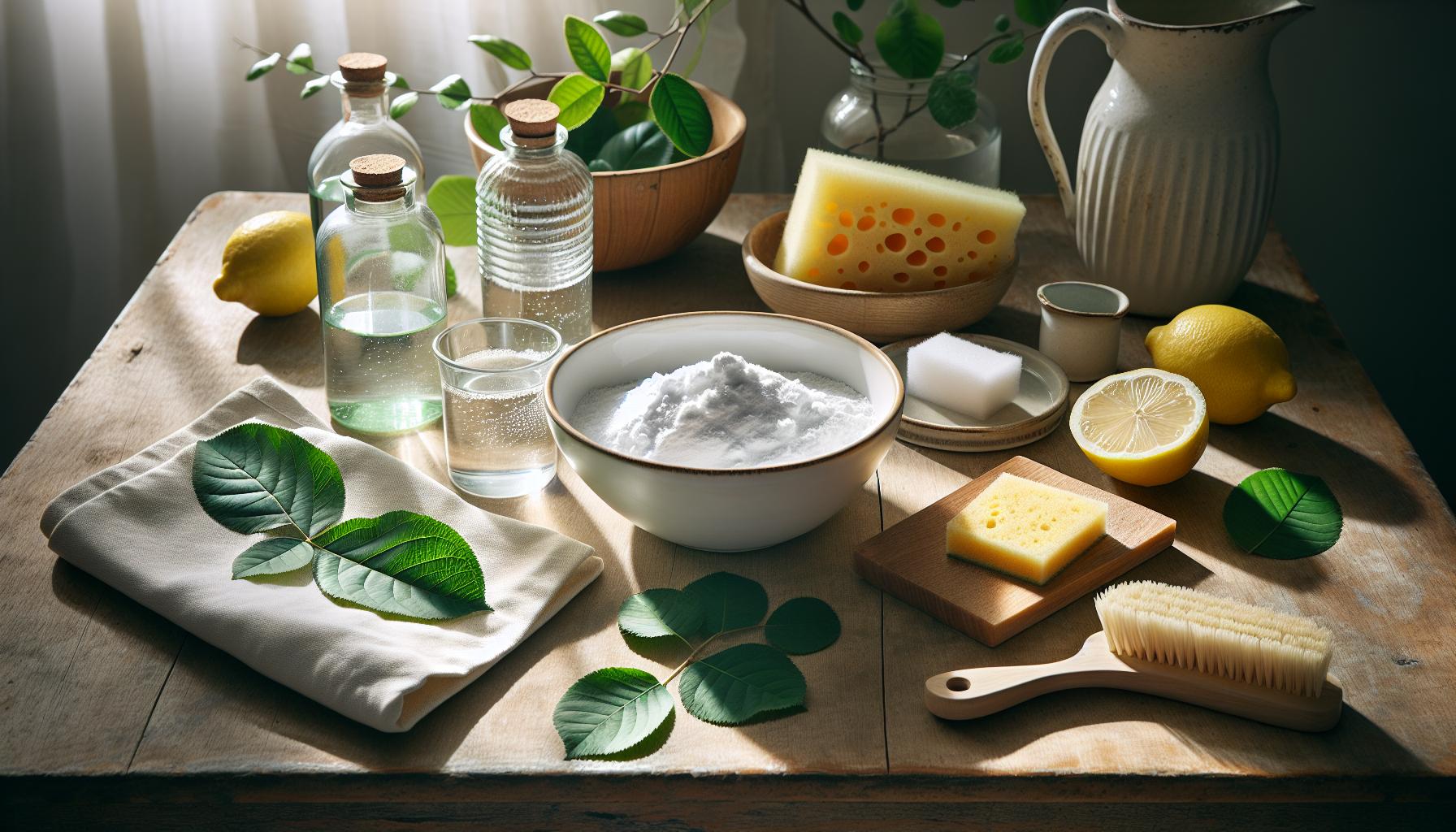
Natural Remedies for Leaf Stain Removal
One of the most effective ways to address stubborn leaf stains on pool surfaces is by turning to natural remedies that not only tackle the discoloration but also protect your pool’s integrity. Many household items can be surprisingly useful in restoring the pristine appearance of your pool without harsh chemicals. For instance, baking soda, a versatile kitchen staple, is known for its mild abrasive quality and pH balancing attributes. Creating a paste from baking soda and water can serve as an effective stain lifter. Apply this paste directly to the stained areas and let it sit for about 15 minutes before scrubbing gently with a soft-bristle brush.
Another potent natural remedy is white vinegar, which boasts both acidic properties and antibacterial benefits. Mixing equal parts of white vinegar with water in a spray bottle creates an eco-friendly cleaning solution. Spray the mixture directly on the stained surface and allow it to sit for several minutes, then scrub lightly to lift the stain. The vinegar will not only help in breaking down organic material but also contribute to a surface that looks fresh and clean.
Citrus fruits, especially lemons, can also be utilized due to their natural bleaching effects. Apply lemon juice directly to the stained area and let it sit for a short while before scrubbing. This method is particularly effective for lighter stains and contributes a pleasant scent to your pool area. In addition, consider using a mixture of hydrogen peroxide and baking soda; this combination can be particularly effective against tougher stains. The bubbling reaction helps to lift stains from the surface while ensuring a safe cleaning experience for both your pool and the environment.
To maintain optimal results, ensure that you regularly use these natural methods, especially after heavy leaf fall. By implementing these gentle yet effective solutions, you not only preserve the aesthetic and structural integrity of your pool but also promote a healthier aquatic environment. Embracing can lead to long-term benefits both for your pool and the planet.
Chemical Solutions: Pros and Cons
Chemical stain removers can be highly effective in tackling stubborn leaf stains on pool surfaces, but their use comes with a set of advantages and considerations that every pool owner should be aware of. A compelling reason to choose chemical solutions is their ability to provide quick results, often removing stains in much less time than natural remedies. For example, commercial pool stain products typically contain strong acids or bleach, which can break down organic materials that contribute to discoloration. However, while these solutions are powerful, they can also pose risks to the pool’s surface and its surrounding environment.
Pros:
- Efficiency: Chemicals often deliver faster and more visible results compared to natural methods, saving you time and effort.
- Targeted Action: Many products are formulated to specifically address particular types of stains, such as iron, copper, or organic material, making them effective for complex issues.
- Long-Lasting Effects: Quality chemical solutions can prevent stains from reappearing for an extended period, which reduces the frequency of cleaning required.
Cons:
- Surface Damage: Harsh chemicals can cause wear over time to certain pool materials, such as plaster or tile, leading to costly repairs.
- Health and Safety Risks: Many chemical cleaners emit strong fumes and can be harmful if inhaled or if they come into contact with skin, necessitating precautions like gloves and masks during use.
- Environmental Impact: The runoff from pool chemicals can adversely affect local water ecosystems and gardens, creating a need for careful disposal and handling.
For those considering a chemical approach, it’s crucial to read labels thoroughly and follow usage instructions precisely. Testing any new product on a small, inconspicuous area of your pool surface can also help ensure compatibility. Ultimately, the best solution may involve a blend of both natural and chemical methods, allowing you to leverage their strengths while mitigating potential downsides. By approaching stain removal carefully and knowledgeably, you’ll be better positioned to maintain a clean and visually appealing pool environment.
Preventive Measures to Avoid Leaf Stains
Pool owners often dread the sight of unsightly leaf stains, which can mar the beauty of their outdoor oasis. Fortunately, taking proactive steps can significantly reduce the chances of these stubborn stains becoming a nuisance. By employing a few preventive measures, you can keep your pool surface looking pristine, while also saving time and effort on future cleaning.
One of the most effective strategies for preventing leaf stains is regular maintenance of your surrounding pool area. This involves clearing away leaves, twigs, and other organic debris promptly, especially during the peak of autumn when leaves are particularly prone to falling. Consider investing in a quality pool cover during the off-season, which can act as a barrier against debris and reduce the workload come springtime. Additionally, placing strategically located leaf nets or lawn bags can make it easier to collect leaves before they have a chance to sink and stain the pool’s bottom.
Another crucial aspect is ensuring that your pool’s filtration system is functioning optimally. A well-maintained filter helps prevent organic materials from lingering in the water longer than necessary, minimizing the risk of staining. Regularly checking and cleaning your skimmer and filter can make a noticeable difference. Alongside mechanical filtration, utilizing a pool vacuum can further help keep the pool clean-removing debris before it has the opportunity to decay and contribute to staining.
Lastly, consider the landscaping surrounding your pool. If possible, avoid planting trees that shed a significant amount of leaves near the pool area. Choosing native or low-shedding plants can provide aesthetic appeal without the maintenance burden of heavy leaf litter. If existing trees must remain, strategic pruning can lessen their impact while creating a more enjoyable environment around your pool space. By combining these proactive measures, pool owners can keep leaf stains at bay and maintain a beautiful swimming area year-round.
Maintaining a Clean Pool Surface Year-Round
Maintaining a clean pool surface throughout the year can seem daunting, but it is essential for not only aesthetics but also the longevity of your pool’s materials. Regular upkeep can prevent leaf stains from setting in, and with a few simple, consistent practices, you can enjoy a pristine swimming environment regardless of the season.
One of the most effective strategies for year-round cleanliness is to establish a regular cleaning schedule. This includes using a skimmer net to remove debris daily, especially after windy days or storms when leaves and twigs are more likely to fall into the pool. Consider employing a robotic pool cleaner or a manual vacuum at least once a week. These devices efficiently pick up leaves and other debris before they have the chance to decompose and stain your pool surface.
Establishing a Routine
Keeping a routine maintenance schedule not only prevents stains but also helps in detecting issues early. Here are some key activities to include in your maintenance checklist:
- Daily: Skim the surface for floating leaves and debris.
- Weekly: Vacuum the bottom of the pool, brush the walls, and check chemical balance.
- Monthly: Deep clean the filtration system, inspect for any cracks or damages, and replace any necessary pool accessories.
Another critical factor is to monitor the water chemistry. Maintaining the right levels of pH and chlorine not only keeps the pool water safe but also helps prevent algae growth that can contribute to staining. Use a test kit regularly to ensure that your water remains balanced. If you notice any unusual staining, address it immediately by adjusting the chemical levels and considering shock treatments as needed.
Maintaining your pool’s surroundings is equally important. Ensure that any nearby trees are trimmed and that leaf catching devices like nets or covers are in place, especially during autumn. By taking these proactive measures, you can effectively minimize the chances of leaf stains forming and enjoy a clean and inviting pool year-round.
Eco-Friendly Alternatives for Pool Care
When it comes to maintaining a sparkling pool while being kind to the environment, exploring eco-friendly alternatives is not only wise but necessary for sustainable pool care. Using natural products or methods to prevent and remove leaf stains can greatly reduce the chemical load on your pool, ensuring a safe swimming environment for both your family and local wildlife. For instance, consider utilizing enzymatic cleaners, which break down organic matter like leaves without harsh chemicals. These cleaners can effectively target stains caused by decaying leaves while being biodegradable and non-toxic.
Additionally, incorporating a few simple natural maintenance techniques can significantly reduce the occurrence of leaf stains. Regularly adding a few cups of baking soda to your pool can help maintain pH balance and prevent staining, as it naturally counters acidity. Moreover, placing a few strategically located floating devices that attract debris can reduce the number of leaves that settle into your pool. Devices like floating skimmers or nets are great, as they require no chemicals and can be easily removed and cleaned.
Natural Leaf Stain Prevention Methods
To keep your pool pristine without relying on harsh substances, consider these eco-friendly practices:
- Regular Use of Natural Cleaners: Products such as vinegar can be diluted with water and used for spot-cleaning stains, offering a safe alternative to commercial chemicals.
- Install Pool Covers: In the fall, using pool covers can drastically minimize the amount of debris that falls into your pool, primarily leaves, thus reducing staining potential.
- Utilize Green Algae Cleaners: Certain algae cleaners made from natural ingredients can help keep your pool clean without harming the ecosystem.
By prioritizing these , not only can you effectively combat and prevent leaf stains, but you will also contribute to environmental preservation. Staying conscientious about the products and methods you use will ensure that your pool remains both clean and safe for swimmers while reducing your ecological footprint.
Expert Tips for Stain Prevention and Removal
To effectively combat leaf stains on pool surfaces, understanding a few expert tips can make a significant difference. One of the most effective preventative measures is diligent maintenance. This involves using a skimmer net daily to remove fallen leaves before they can sink to the pool bottom. Establishing a routine-especially during peak leaf seasons-ensures that debris doesn’t contribute to stubborn staining. Additionally, incorporating a pool vacuum into your maintenance routine can help eliminate smaller particles that a skimmer might miss.
Utilizing the right cleaning products is crucial for both stain removal and prevention. For a more eco-friendly approach, consider natural options like baking soda, which can be sprinkled on stained areas before scrubbing with a soft brush. Not only does this tackle the stain effectively, but it also helps maintain a balanced pH, preventing future buildup. Alternatively, enzymatic cleaners are highly effective against organic stains as they break down the very materials causing the discoloration, keeping your pool surface looking pristine without harsh chemicals.
Another key to preventing leaf stains is choosing the right pool cover. During the fall, cover your pool to keep leaves and debris out. If you live in an area with heavy leaf fallout, opt for a cover that is sturdy enough to withstand wind and rain. When using covers, remember to check regularly-leaves can pile up on the surface, and proper maintenance of the cover itself minimizes the risk of staining when the cover is removed.
Lastly, educating yourself about the chemicals in your pool and avoiding unnecessary chlorine use during leaf-heavy seasons can help prevent discoloration. Excessive chlorine not only leads to imbalances but can also react with organic matter, resulting in stains. Regular water testing can help ensure that your pool remains in top condition, making it easier to maintain a clear, clean swimming area all year long.
Troubleshooting Stubborn Leaf Stains
Dealing with stubborn leaf stains on your pool surface can feel like a daunting task, especially when conventional cleaning methods fall short. Leaf stains are often the result of organic materials, such as tannins from decomposing leaves, which can bond with the surface of your pool and create unsightly blemishes. Understanding how to effectively troubleshoot these stains is essential in maintaining a pristine pool environment.
One effective method is to combine mechanical and chemical approaches. Start with a good scrubbing using a nylon-bristled brush, ensuring you remove any loose debris. If the stain persists, consider applying a specialized pool stain remover. Look for products that contain ascorbic acid or vitamin C, which can be particularly effective against tannin stains. Always follow the manufacturer’s instructions, and conduct a small patch test to ensure the product does not harm your pool’s surface.
In some cases, the water chemistry in your pool can contribute to the stubbornness of leaf stains. High levels of metals like copper or iron can react with organic matter and exacerbate staining. Regularly test your water using a reliable pool testing kit and adjust your pH, alkalinity, and calcium hardness as necessary. An imbalance in these levels can hinder the effectiveness of cleaning products and lead to a cycle of recurring stains.
If you still encounter trouble with persistent stains, consider enlisting the help of a professional. They have access to advanced cleaning equipment, such as pressure washers or acid wash techniques, that can remove deep-set stains without damaging the pool surface. Remember, however, that prevention is often the best remedy. Establish a routine maintenance plan to keep leaf debris at bay and minimize the conditions that lead to staining in the first place. This proactive approach not only saves time and effort in the long run but also keeps your pool looking inviting and clean all season long.
Common Mistakes When Cleaning Pool Surfaces
When tackling leaf stains on your pool surfaces, it’s easy to fall into common traps that can hinder your cleaning efforts or, worse, damage your pool. One prevalent mistake is underestimating the effect of water chemistry. Many pool owners focus solely on physical cleaning methods, neglecting to check their water’s pH, alkalinity, and metal content. An imbalance can significantly impact the effectiveness of your cleaning agents, making stains harder to remove. Test your pool water regularly, and make adjustments based on the results to optimize your cleaning strategy.
Another frequent error is using the wrong tools or products. It might be tempting to grab the nearest brush or stain remover, but not all tools are suitable for pool surfaces. Abrasive brushes can scratch delicate finishes, while certain chemicals can cause more harm than good. Always choose a nylon-bristled brush and specialized stain removers formulated for pools. Furthermore, it’s essential to follow the manufacturer’s instructions closely, as improper usage can lead to ineffective cleaning and may even worsen the staining.
Many pool owners also overlook the significance of routine maintenance. Waiting until stains are visible before attempting to clean can create a vicious cycle of buildup. Regularly skimming leaves and debris, along with routine brushing of the pool surface and water testing, can prevent stains from developing in the first place. Schedule cleaning sessions and ensure your pool is covered when not in use to minimize exposure to falling leaves.
Finally, trying to eliminate stubborn stains too quickly, without allowing sufficient time for products to work, is a common misstep. Patience is key-some stain removers require a specific dwell time to achieve optimal results. Rushing the process can result in frustration and prolonged labor. By addressing these common mistakes, you’ll improve your chances of restoring your pool’s beauty and maintaining a healthy swimming environment.
When to Call a Professional for Help
Cleaning leaf stains from pool surfaces can sometimes feel like an unending battle, especially if the stains are persistent or widespread. While many homeowners can effectively tackle minor stains with the right tools and methods, there are times when calling in a professional is the best course of action. Recognizing these moments can save you time, effort, and potentially costly mistakes down the line.
If you’ve tried various DIY cleaning methods without success, it may be time to consult with a professional. Stains that resist common treatments or seem to be spreading could signal deeper issues, such as water chemistry imbalances or damage to the pool surface itself. Experts can conduct a thorough analysis, suggesting tailored solutions that DIY attempts might overlook. Additionally, when dealing with more complex stains-like those ingrown from metal oxidization or algae-professionals have access to specialized equipment and cleaning solutions that may not be available for home use.
Professional help is also advisable when you notice significant changes in your pool water’s clarity or chemistry. If your cleaning efforts lead to fluctuations in pH, alkalinity, or other essential factors, a professional can provide the proper balance correction methods. Understanding the interplay between your cleaning techniques and water chemistry can be a daunting task for many pool owners, making expert guidance invaluable.
Furthermore, if your pool has intricate surfaces, like mosaic tiles or natural stone, hiring professionals ensures that the materials are cleaned appropriately without damage. Abrasive commercial cleaners and improper tools can easily scratch or degrade these surfaces. Engaging a professional not only protects your investment but also saves you the hassle of remediating any unintentional damage caused by DIY cleaning efforts.
In summary, while many pool maintenance tasks can be handled independently, it’s crucial to know when to outsource cleaning to the experts. Their experience, advanced tools, and specific knowledge can bring back the luster of your pool without the risk of further complications. If cleaning has proven too overwhelming or ineffective, or if damage is suspected, seeking professional assistance is a practical and wise choice.
FAQ
Q: How can I prevent leaf stains from forming in my pool?
A: To prevent leaf stains in your pool, regularly skim debris from the surface, use a pool cover during autumn, and ensure proper chemical balance. Consider adding preventive treatments, described in the “Preventive Measures to Avoid Leaf Stains” section of this article.
Q: What are some effective natural remedies for removing leaf stains?
A: Effective natural remedies for leaf stains include using baking soda paste or a mixture of vinegar and water. Apply these mixtures to the stained areas, let them sit, then scrub gently before rinsing. Refer to our “Natural Remedies for Leaf Stain Removal” section for detailed methods.
Q: When should I consider using chemical solutions for leaf stains?
A: Use chemical solutions for leaf stains when natural remedies fail or when dealing with stubborn stains. Always follow the manufacturer’s instructions and consider the “Chemical Solutions: Pros and Cons” section for guidance on safe application.
Q: How do I know if I need to call a professional for leaf stain removal?
A: Call a professional if stains persist after multiple cleaning attempts or if you’re unsure about using chemicals. The “When to Call a Professional for Help” section offers more insights on this decision.
Q: What tools are essential for removing leaf stains from pool surfaces?
A: Essential tools include a pool brush, a skimmer, a vacuum, and cleaning solutions. Find specific recommendations in our “Essential Tools for Leaf Stain Removal” section, ensuring you’re well-equipped for effective cleaning.
Q: Can I use bleach to remove leaf stains from my pool?
A: While bleach can remove stains, it’s not always safe for pool surfaces as it can damage materials. Consider exploring alternative methods in the “Chemical Solutions: Pros and Cons” to safeguard your pool’s integrity.
Q: What are common mistakes to avoid when cleaning pool surfaces?
A: Common mistakes include using the wrong cleaning products, not testing chemicals on small areas first, or neglecting to balance pool chemicals afterward. The “Common Mistakes When Cleaning Pool Surfaces” section provides helpful tips to avoid these pitfalls.
Q: How often should I clean my pool to prevent leaf stains?
A: Clean your pool at least once a week during leaf-fall seasons and more frequently if your pool area is heavily shaded or surrounded by trees. Consistent maintenance is essential, as detailed in the “Maintaining a Clean Pool Surface Year-Round” section.
Concluding Remarks
Congratulations on taking the first step towards a cleaner, more enjoyable pool! By removing those pesky leaf stains using the methods we’ve outlined, you can not only restore your pool’s appearance but also enhance its longevity. Don’t let those stains dampen your relaxation-act now and keep your pool pristine for the seasons ahead!
Looking to dive deeper? Check out our guides on maintaining crystal-clear water and the best tools for pool care to ensure your backyard oasis remains in top shape. And while you’re here, don’t forget to subscribe to our newsletter for expert tips delivered straight to your inbox! If you have any questions or success stories to share, we’d love to hear from you in the comments below. Your engagement keeps our community thriving, so let’s keep the conversation going!