Leaf stains on stamped concrete can be a frustrating issue for homeowners, especially when these unsightly marks detract from the beauty of your outdoor spaces. With the natural tannins from leaves permeating concrete, timely removal is essential for maintaining its pristine look. Not only do these stains impact your driveway’s curb appeal, but they can also lead to further discoloration over time if left untreated. Fortunately, there are effective methods to tackle these stubborn marks quickly and safely. In this guide, we will explore practical solutions that not only remove leaf stains but also help protect your concrete’s finish. You’ll gain insights into easy-to-follow techniques that save you time and effort, ensuring your stamped concrete stays as beautiful as the day it was installed. Let’s dive in and reclaim the charm of your outdoor space!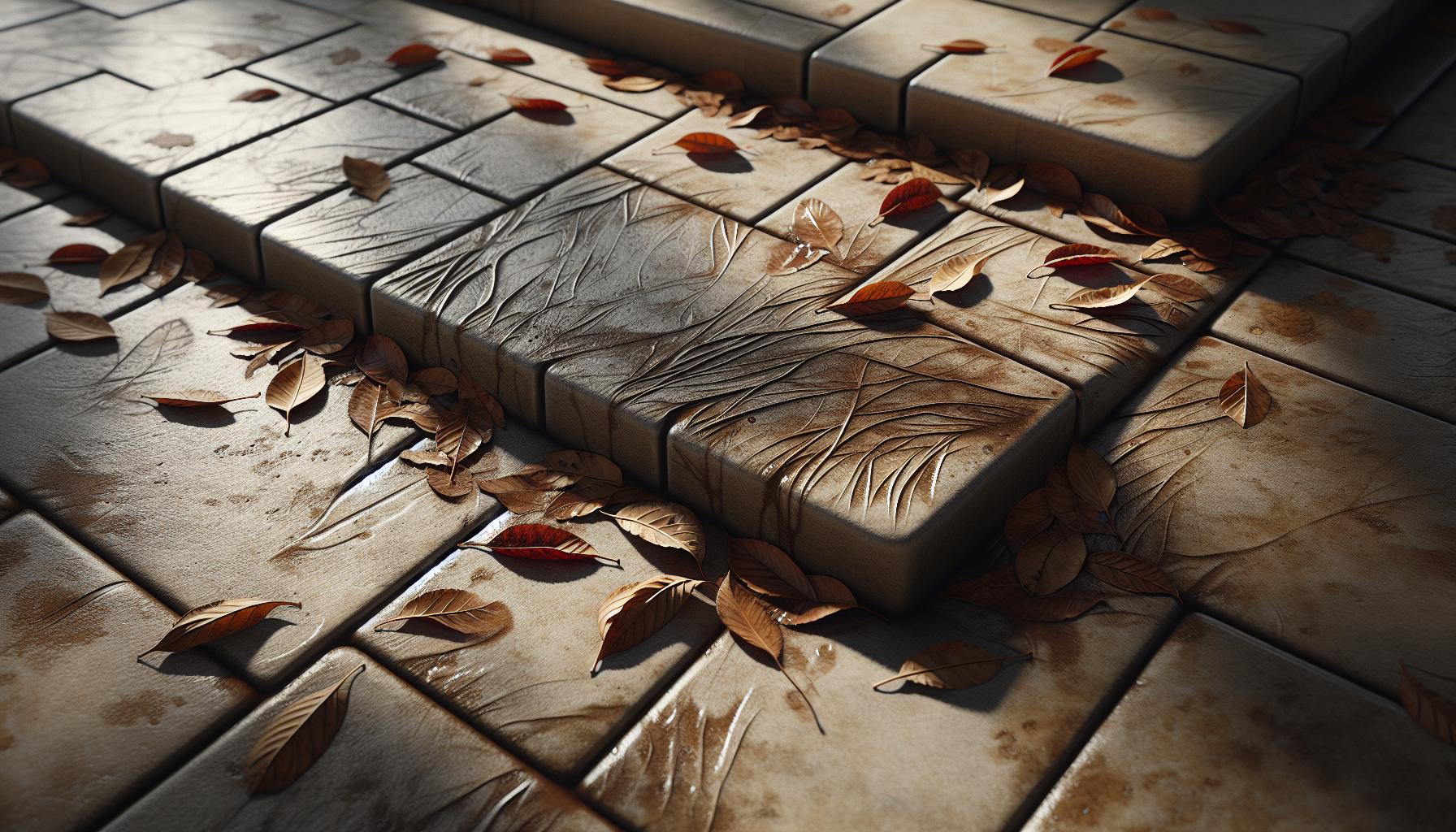
Understanding Leaf Stains on Stamped Concrete
Leaf stains on stamped concrete are not only unsightly but can also be surprisingly persistent; understanding their origins and characteristics is vital for effective removal. These stains are primarily caused by tannic acid released from decaying leaves, particularly from varieties like oak and maple. When rain or moisture interacts with these leaves, the tannins leach out and penetrate the porous surface of concrete, resulting in dark patches that are often mistaken for dirt or grime.
It’s essential to recognize that the degree of staining can vary based on several factors, including the type of concrete finish and the duration the leaves were in contact with the surface. Sealed stamped concrete is generally more resistant to staining because the sealant acts as a barrier, while unsealed or improperly sealed surfaces are more susceptible. Additionally, the color and texture of the stamped concrete can affect how noticeable the stains are; darker surfaces may disguise stains better, whereas lighter concrete can highlight them more prominently.
Being proactive can help mitigate the issue of leaf stains on stamped concrete. Regular maintenance, such as sweeping away leaves promptly and using a sealant on the concrete, can drastically reduce the likelihood of stubborn stains developing. For those who have already noticed discoloration, understanding the nature of these stains empowers homeowners to take appropriate steps for removal.
Quick Fixes for Leaf Stains
If you’re dealing with pesky leaf stains on your stamped concrete, quick action can make all the difference. Fortunately, there are several effective methods that you can implement without needing professional help. One of the simplest approaches involves using household items that you likely have on hand. A mixture of *dishwashing detergent* and water can be highly effective for light stains, while a solution of *laundry detergent* with bleaching agents or ammonia might be necessary for tougher discolorations.
Quick Fix Techniques
To tackle the stains:
- Action with Dish Soap: Mix a few drops of dish soap with warm water. Use a mop or a soft brush to apply the mixture directly to the stained area. Rinse thoroughly with water after scrubbing.
- OxiClean Method: For more stubborn stains, dissolve OxiClean in water as per the package instructions and apply it to the stained areas. Let it sit for around 10-15 minutes before scrubbing and rinsing.
- Vinegar Solution: A natural option involves equal parts of vinegar and water. This non-toxic solution can help lift the stain without harsh chemicals, although it may require multiple applications.
If your concrete is sealed, ensuring the sealant remains intact will aid in quicker removal of stains. It’s important to act fast as time plays a critical role; the longer the leaves sit, the more entrenched the tannins become. Implementing these quick fixes can help restore the appearance of your stamped concrete in no time!
Step-by-Step Guide to Deep Cleaning
To achieve a thorough cleaning of stubborn leaf stains on stamped concrete, an organized approach is essential. First, gather your supplies, which may include brooms, mops, scrub brushes, buckets, and a suitable cleaning solution based on the severity of the stains. Ensuring you have protective gear like gloves and goggles is also wise, as some cleaning agents can be harsh.
Begin your deep cleaning by removing any loose debris or dirt from the surface. Sweep or use a blower to clear away leaves, dirt, and other substances that could interfere with the cleaning process. Once the surface is clear, you can proceed with applying your chosen cleaning solution. For a moderate stain, create a mixture of warm water and dishwashing detergent, applying it generously to the stained areas. Allow the solution to sit for approximately 10-15 minutes to break down the stains.
After the solution has had time to work, use a stiff-bristled brush to scrub the affected areas. This will require some elbow grease, especially for more entrenched stains. Focus on small sections at a time, using circular motions to ensure you lift the stain without damaging the concrete’s texture. Rinse the area thoroughly with clean water to remove any remaining detergent or loosened debris.
For persistent discolorations, consider employing a specialized concrete cleaner or a solution containing OxiClean. Mix according to the package instructions and follow the same scrubbing and rinsing process. If necessary, repeat the steps until the concrete is clean, shifting to a more potent solution only as needed.
Maintaining your stamped concrete’s appearance doesn’t end with deep cleaning. After the stains are removed, consider sealing the surface to protect against future stains and enhance its color and finish. This barrier will make any subsequent cleaning easier and more effective. Regular maintenance, including rinsing and occasional light scrubbing, will prolong the life and aesthetics of your stamped concrete surfaces.
Best Household Products for Stain Removal
Removing leaf stains from stamped concrete can be a breeze with the right household products at your disposal. Many common items found in your kitchen or cleaning cabinet possess powerful stain-fighting properties that can effectively tackle those pesky tannic acid stains left by fallen leaves. Armed with these ingredients, you can restore the beauty of your stamped concrete surfaces without resorting to harsh chemicals.
One of the most effective household products for tackling leaf stains is hydrogen peroxide. A solution with a concentration of 3-5% can work wonders without risking damage to your concrete. Simply apply it directly to the stained area, allow it to sit for about 10-15 minutes, and then scrub with a stiff brush before rinsing thoroughly with water. This method is particularly useful for moderate stains and is safe for regular use.
Another superb option is a mixture of baking soda and water, which acts as a gentle abrasive. Create a paste and apply it to the affected areas, letting it sit for approximately 30 minutes to an hour. The baking soda works to lift the stain while being gentle enough not to scratch the surface of your concrete. After the paste has had time to work, scrub it away with warm water and a soft-bristled brush.
For a more aggressive approach, consider using distilled white vinegar. Its acidic nature can break down tannins effectively. Mix one part vinegar with one part water, spray it onto the stains, and let it sit before scrubbing. This solution not only removes stains but also leaves a fresh scent behind. However, be cautious with this method; excessive use of vinegar may affect the finish of stamped concrete over time.
Lastly, commercially available products like OxiClean can be extremely useful. Though not a household staple, many households keep this effective cleaner handy. Mix according to the package’s instructions and scrub the stained surface as needed. While it may require more investment than straightforward household products, its efficiency in removing tough stains often justifies the cost.
Incorporating these household products into your cleaning routine not only helps in removing leaf stains but also promotes a more eco-friendly approach to maintaining your concrete surfaces. By opting for readily available solutions, you’re not only saving money but also minimizing the use of harsher chemicals that can be harmful to both the environment and your surface finishes.
Preventing Future Leaf Stains
To keep your stamped concrete surfaces looking pristine and free from leaf stains, proactive measures are essential. Understanding that tannin-rich leaves can leave those stubborn marks is the first step. Consider implementing a routine maintenance plan that incorporates regular cleanups and protective measures to tackle the issue before it starts.
Timely Leaf Removal is crucial. As leaves fall, make it a habit to clear them from your concrete surfaces as soon as possible. This not only prevents the leaves from sitting and degrading, which can lead to tannin staining, but also keeps your outdoor space looking tidy. Utilize blowers or brooms to swiftly address fallen leaves, ensuring your concrete stays clean and stain-free.
Sealing Your Concrete is another effective method of prevention. Applying a high-quality concrete sealer creates a barrier that protects against stains and enhances durability. Choose a sealer designed specifically for stamped concrete; it will provide a protective layer that hydrates and maintains the color of the surface while repelling stains. Re-sealing every few years, especially after heavy rainfall or seasonal changes, can greatly enhance its resilience against outdoor elements.
Additionally, creating a designated Leaf-Free Zone around your stamped concrete can help. Planting leaf-shedding plants away from these surfaces, or using hardscaping features like gravel or mulch, can drastically reduce leaf litter accumulation. Installing landscape edging can further define these areas, preventing the migration of leaves onto your concrete.
By incorporating these preventive strategies into your maintenance routine, you’ll not only save time when it comes to cleaning but also protect the integrity and appearance of your stamped concrete surfaces for years to come.
Expert Tips for Professional Cleaning
When it comes to tackling stubborn leaf stains on stamped concrete, professional cleaning services offer a wealth of specialized knowledge and techniques that can save you time and ensure optimal results. One crucial aspect to understand is that professionals often use advanced cleaning equipment, such as pressure washers equipped with specialized nozzles that allow for precise control over water pressure. This ensures that the concrete surfaces are cleaned effectively without damaging the delicate texture of stamped designs.
In choosing a professional cleaner, verify that they understand the unique characteristics of stamped concrete and the factors contributing to leaf stains. Effective stain removal typically involves a combination of cleaning solutions tailored to combat tannins and organic matter. Look for services that utilize eco-friendly, biodegradable cleaners that can lift stains while being safe for the environment. These solutions are often more effective than traditional harsh chemicals and reduce the risk of harm to surrounding plants and soil.
Additionally, inquire about their cleaning process. Reputable cleaning services often implement a multi-step approach, which may include pre-treatment of stains, high-pressure washing, and post-cleaning sealing. Applying a protective sealant afterward can significantly extend the life of the cleaning results and minimize future staining, which is advantageous for maintaining the appearance of your stamped concrete.
Lastly, ensure that the service comes with a satisfaction guarantee. Established cleaning companies should be confident in their results and willing to rectify any unsatisfactory work. This assurance allows you to invest in professional cleaning services while having peace of mind that your stamped concrete will be restored to its original beauty, free from unsightly leaf stains.
Innovative Solutions: Eco-Friendly Options
One of the most exciting developments in concrete care is the rise of eco-friendly cleaning solutions that effectively tackle leaf stains without harming the environment. Traditional cleaning products often contain harsh chemicals that can leach into the soil, affecting the surrounding plants and wildlife. Fortunately, there are innovative alternatives that combine efficacy with environmental responsibility, making them perfect for maintaining your stamped concrete’s beauty while being gentle on nature.
Natural ingredients like baking soda and white vinegar are prime examples of effective, eco-friendly cleaners. When mixed, they create a powerful reaction that lifts tannin stains from the surface of the concrete. To utilize this method, simply create a paste with baking soda and water, apply it to the stained areas, and scrub gently with a soft brush. The effervescent action of vinegar can enhance this process; spray the area with diluted vinegar to boost cleaning power before rinsing thoroughly.
For those who prefer ready-made solutions, many commercial cleaners are now formulated with biodegradable ingredients. These products can effectively break down the tannins and organic matter causing the stains, allowing for a thorough clean that is safe for both your stamped concrete and the environment. Look for brands that explicitly mention their eco-friendliness and check for certifications that indicate their non-toxic nature.
Moreover, incorporating preventative measures can extend the life of your stamped concrete and limit the occurrence of leaf stains. Applying a water-based, environmentally friendly sealant can protect the surface from absorbing tannins in the first place. This proactive approach not only aids in easier cleanup but also contributes to the longevity of your concrete’s appearance.
By opting for innovative, eco-friendly solutions, you can clean your stamped concrete effectively while preserving the ecological balance of your surroundings, ultimately contributing to a healthier environment for all.
Maintaining Your Stamped Concrete’s Appearance
Maintaining the pristine appearance of stamped concrete requires a combination of regular care and preventive strategies, particularly when it comes to pesky leaf stains. Stamped concrete, with its textured surface and vibrant designs, can become a strategic focal point in your outdoor space. However, without proper maintenance, the beauty of your concrete can quickly diminish due to stains and environmental wear.
One of the key aspects of maintaining your stamped concrete is establishing a consistent cleaning routine. Regularly sweeping or blowing away leaves and debris will prevent the buildup of organic materials that can lead to tannin stains. For seasonal maintenance, consider using a mild soap solution with warm water to wash the surface, ensuring it remains free from dirt and grime. This not only enhances its visual appeal but also reduces the likelihood of stains taking hold.
Another effective strategy is the application of sealants, which provide a protective layer against stains, UV rays, and moisture penetration. A high-quality, water-based sealant designed for stamped concrete can prolong the surface’s life and keep its colors vibrant. Reapplying the sealant every one to three years, depending on exposure and wear, will ensure ongoing protection. When resealing, be sure to thoroughly clean the surface first to eliminate any existing stains, enhancing the sealant’s effectiveness.
It’s equally important to address any stains immediately to prevent them from setting in. Quick action can save you time and effort in the long run. For leaf stains, opt for eco-friendly solutions like a mixture of baking soda and vinegar, which not only effectively lifts the stains but is also safe for the environment. Regular vigilance and immediate attention to spills or staining materials will keep your stamped concrete looking its best.
Additionally, keep in mind the environmental factors that might affect your stamped concrete. Areas with heavy foliage should be monitored more closely to prevent leaf buildup, while locations prone to rain may need more frequent sealing. By staying proactive in your maintenance practices, you can enjoy the beauty of your stamped concrete for years to come, turning it into a lasting asset for your home.
Common Mistakes to Avoid When Cleaning
Cleaning leaf stains from stamped concrete can be deceptively simple, but many homeowners fall victim to common pitfalls that can do more harm than good. One prevalent mistake is using harsh chemicals or abrasive tools. While it may be tempting to reach for the strongest bleach or a metal scrub brush for stubborn stains, these can damage the concrete’s finish and texture, leading to more extensive repairs in the future. Instead, opt for mild detergents and soft brushes specifically designed for concrete surfaces.
Another frequent oversight is neglecting to perform a patch test before applying any cleaning solution across the entire stained area. Each stamped concrete surface can react differently to chemicals or cleaners, so testing a small, inconspicuous section ensures that the product won’t discolor or damage the concrete. This simple step can save you from significant rectification costs and efforts later.
Lastly, timing plays a critical role in effective stain removal. Allowing stains to sit for extended periods before addressing them increases the likelihood that they will become entrenched in the concrete. Quick action, ideally within 24 hours of noticing a new leaf stain, can significantly reduce the removal effort. If you find yourself faced with fresh stains, try to use a combination of eco-friendly products like a baking soda and vinegar mixture or specific concrete cleaners, applying them promptly for optimal results.
By avoiding these mistakes-using the wrong cleaning products, skipping the patch test, and delaying cleaning after stains appear-you can maintain the beauty of your stamped concrete and ensure it remains a stunning focal point in your outdoor space. Regular attention and care, combined with knowledge of proper cleaning methods, will go a long way in preserving your concrete’s appearance.
When to Call a Professional Cleaner
When dealing with stubborn leaf stains on stamped concrete, the allure of a quick DIY fix can be tempting. However, there are specific situations where enlisting the help of a professional cleaner is not just advisable, but necessary. Recognizing these scenarios can save you time, money, and prevent potential damage to your precious surface.
The first indicator that it’s time to call in the experts is when traditional methods fail to eliminate the stains. If you’ve tried commonly recommended household products, like hydrogen peroxide or mild detergents, and the discoloration persists, it may signal that the stains have penetrated too deeply or are too complex for standard cleaning approaches. Professionals carry specialized tools and cleaners that can tackle even the most challenging stains without harming the concrete.
Another scenario that warrants professional intervention is when the extent of the stain damage is significant or widespread. If numerous areas of your stamped concrete are affected, or if the texture has been compromised due to prior cleaning attempts, a professional can provide a comprehensive solution tailored to restoring the surface’s appearance. This is particularly important if the concrete is part of a larger driveway or patio, where consistent aesthetics are crucial for overall curb appeal.
Considerations for Complex Stains
Some stains may involve more than just leaf residue; for example, if they’re combined with oil or automotive fluids, the cleaning process could become increasingly complicated. Experts are trained to handle these mixed stains effectively, often employing industry-grade products that most homeowners may not have access to.
Lastly, if you’re uncertain about the cleaning process or feel uncomfortable using strong chemicals, it’s wise to reach out to a professional. Having peace of mind knowing that the job is being managed by a skilled technician can alleviate stress and ensure that your stamped concrete is cleaned safely and effectively. Always assess your comfort level with the materials used and the techniques required before deciding to go it alone. Taking these steps will help preserve the beauty and functionality of your stamped concrete for years to come.
Comparing DIY Methods vs. Professional Services
When it comes to tackling leaf stains on stamped concrete, homeowners often find themselves at a crossroads between trying a DIY approach and hiring a professional service. Each option has its merits and drawbacks, and understanding these can help you make an informed decision that best suits your situation.
DIY methods can be quite appealing due to their cost-effectiveness and the convenience of doing it yourself. Many homeowners have successfully used household products like hydrogen peroxide, vinegar, or baking soda to address superficial stains. These methods often involve less financial investment and can be achieved with items typically found around the house. However, while DIY solutions can be effective for minor stains, they may not always yield satisfactory results for deeper or more stubborn stains. Techniques that require scrubbing or scrubbing machines might damage the stamped texture if not executed with care. Additionally, there’s a risk that DIY methods may inadvertently cause further discoloration or etching of the concrete surface if harsh chemicals or incorrect concentrations are used.
On the other hand, professional services bring specialized knowledge, tools, and cleaning products formulated for robust stain removal. Professionals often use industry-grade solutions that penetrate deeper into the concrete and can effectively handle complex stain issues that homeowners might struggle to resolve. They are trained to recognize the unique properties of stamped concrete and can tailor their approach to maximize cleaning effectiveness without causing harm to the surface. While this option is undoubtedly more expensive, the peace of mind and assurance of a thorough cleaning can save you time and prevent potential mistakes that could lead to costly repairs.
Ultimately, whether you choose a DIY approach or enlist professional help will depend on the severity of the stains, your comfort level with the cleaning process, and your budget. For minor discolorations, a DIY fix may suffice, but for extensive or deep-set stains, investing in professional services can ensure your stamped concrete remains in prime condition without the risk of damage.
Frequently asked questions
Q: What is the best method to remove leaf stains from stamped concrete?
A: To remove leaf stains quickly from stamped concrete, a mixture of warm water and dish soap works effectively. Apply the solution directly to the stain, scrub with a soft brush, and rinse thoroughly. For tougher stains, consider using a commercial concrete cleaner as detailed in our “Best Household Products for Stain Removal” section.
Q: How do I prevent leaf stains on my stamped concrete?
A: To prevent leaf stains, regularly clean your stamped concrete, especially during fall. Using a sealant can also help protect the surface. For comprehensive prevention tips, check our “Preventing Future Leaf Stains” section for detailed strategies.
Q: Can vinegar help remove leaf stains from stamped concrete?
A: Yes, vinegar can be effective for stain removal. Mix equal parts of water and white vinegar, apply to the stain, let it sit for 10-15 minutes, then scrub and rinse. Ensure to follow up with a pH-neutral cleaner to avoid damage, as discussed in our “Step-by-Step Guide to Deep Cleaning.”
Q: How long does it take to remove leaf stains from stamped concrete?
A: Removing leaf stains typically takes about 30 minutes, depending on the method used and the severity of the stain. Preparing the area and allowing treatment solutions to sit as per product instructions can streamline the process, as mentioned in our “Quick Fixes for Leaf Stains” section.
Q: Is it safe to use bleach on stamped concrete for leaf stains?
A: Using bleach on stamped concrete is not recommended, as it can damage the surface and change its color. Instead, opt for eco-friendly stain removal solutions, which are safer for both your concrete and the environment. For more recommendations, refer to our “Innovative Solutions: Eco-Friendly Options.”
Q: Should I seal my stamped concrete to protect against leaf stains?
A: Yes, sealing your stamped concrete is highly recommended. A good sealant acts as a barrier against stains and makes future cleaning easier. For sealing tips, please see our section on “Maintaining Your Stamped Concrete’s Appearance.”
Q: What should I avoid when cleaning leaf stains from stamped concrete?
A: Avoid using harsh chemicals, abrasive cleaning methods, and untreated water pressure, as these can damage the stamped surface. For common pitfalls and how to avoid them, refer to our “Common Mistakes to Avoid When Cleaning” section.
Q: When should I consider hiring a professional to remove leaf stains?
A: Consider hiring a professional if stains persist despite DIY efforts or if your stamped concrete requires specialized cleaning techniques. For guidance on when to seek professional help, check our “When to Call a Professional Cleaner” section for more insights.
Key Takeaways
If you found these tips on removing leaf stains from stamped concrete helpful, don’t wait! Start restoring your outdoor spaces today and enjoy a cleaner, more beautiful patio. For more in-depth strategies, check out our guide on maintaining stamped concrete and learn how to prevent future stains! Have further questions? Leave a comment below or connect with us for personalized advice. Remember, achieving a pristine look for your concrete is just a few steps away-subscribe to our newsletter for expert tips and exclusive resources to keep your outdoor areas stunning all year long! Your stamped concrete deserves the best care; take action now to make it shine again!