
If you’ve ever admired the beauty of travertine only to find it marred by unsightly leaf stains, you’re not alone. These natural stone surfaces, often used in patios and pool decks, can quickly lose their luster after a rain or heavy wind. But fear not! In this guide, we will explore effective, natural methods to restore your travertine’s charm without harsh chemicals. You’ll learn how to tackle those stubborn stains using simple household ingredients and techniques that are not only safe for the environment but also gentle on your stone. Say goodbye to frustration and hello to a cleaner, more vibrant outdoor space-read on to discover how to reclaim your travertine’s pristine appearance naturally!
How Leaf Stains Appear on Travertine Surfaces
The vibrant colors of leaf-strewn landscapes can transform any outdoor space, but the beauty of nature comes with its challenges when leaves touch the luxurious surface of travertine. These stunning stone pavers, popular for patios and pool decks, can become marred by unsightly leaf stains that occur when leaves decompose or when moisture mixes with organic material. The tannins released from certain types of leaves can penetrate the porous nature of travertine, leaving behind dark or discolored spots that detract from the stone’s natural elegance. Understanding how these stains arise is crucial for effective prevention and removal.
Leaves accumulate moisture, especially during rainy seasons or in shaded areas, creating an ideal environment for organic decay. When leaves are left to sit on travertine surfaces, the moisture facilitates the release of tannins and other pigments, which can seep into the stone’s pores. If not promptly addressed, these stains can become more stubborn and challenging to remove over time. Interestingly, the color and type of leaves play a significant role in the severity of staining; for example, oak and maple leaves are known to be particularly rich in tannins, making them more prone to causing noticeable discoloration on light-colored travertine.
Regular maintenance and timely cleanup of fallen leaves are essential to prevent staining. Sweeping up debris and promptly washing areas that accumulate organic material can help mitigate the risk of tannin stains taking hold. When travertine is kept clean and dry, not only does it look more appealing, but it also minimizes the chance for the stone to absorb substances that could lead to staining, ultimately preserving its beautiful finish.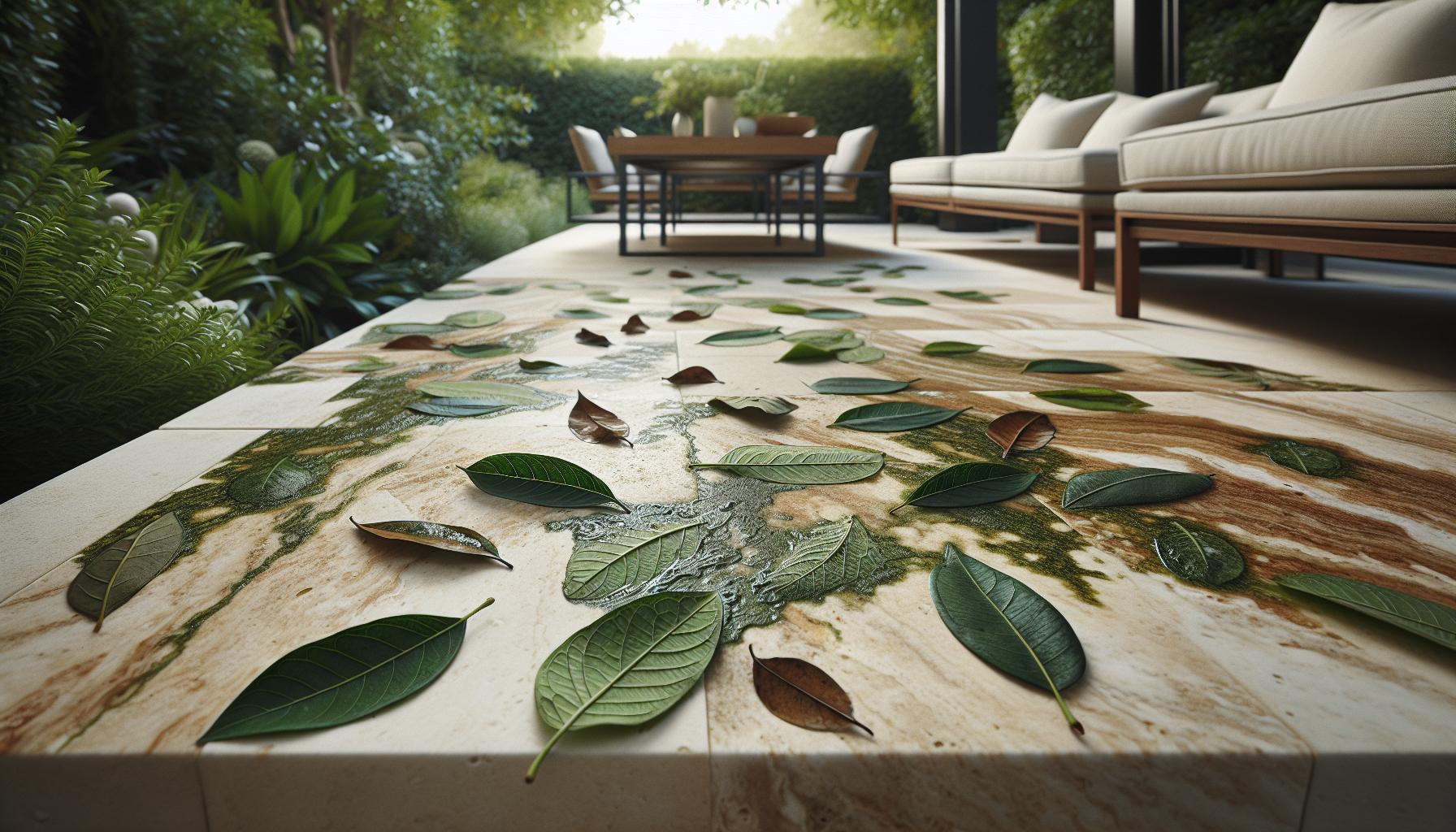
The Dangers of Chemical Cleaners for Natural Stone
Choosing the wrong cleaning solutions can do far more harm than good when it comes to safeguarding the natural beauty of travertine. Many common chemical cleaners may contain harsh acids or bleach that can damage the delicate surface of this natural stone. Unlike ceramic tiles, which are designed to withstand rigorous scrubbing and cleaning products, travertine is porous and requires more careful handling. The wrong cleaner can lead to etching, discoloration, and even disintegration of the stone over time.
Chemical reactions can occur when these products come into contact with minerals within the travertine, resulting in dull, lifeless patches that are challenging to restore. For instance, acidic cleaners can lead to surface erosion, stripping away the natural luster and finish of the stone. This not only diminishes the aesthetic appeal but also makes the surface more susceptible to future staining and damage. Moreover, chemicals can infiltrate the porous structure of travertine, causing long-term effects even after the initial cleaning process.
To avoid these detrimental effects, opting for natural cleaning methods is a safer choice. Simple ingredients such as baking soda, vinegar (in moderation), and olive oil can be effective for maintenance without risking damage. These alternatives work to lift stains and maintain the vibrancy of travertine surfaces without the aggressive toll taken by chemical agents. Implementing such natural solutions not only protects the travertine but also contributes to an eco-friendly home environment.
Finally, it is crucial to always test any cleaning agent-natural or chemical-on a small, inconspicuous area before applying it to the entire surface. This precaution helps ensure that the cleaner won’t adversely affect the stone’s appearance or integrity, granting you peace of mind in your cleaning endeavors. Being informed about the best ways to care for travertine helps to maintain its stunning beauty for years to come.
Natural Ingredients for Safe Cleaning
Cleaning travertine surfaces, especially when dealing with stubborn leaf stains, requires an approach grounded in safety and effectiveness. Natural ingredients offer a gentle yet efficient way to refresh the beauty of this porous stone, minimizing the risk of damage that harsh chemicals can cause. Utilizing common household items can yield powerful cleaning solutions while also being environmentally friendly.
One of the most versatile natural cleaning agents is white vinegar. Its mild acidity can help lift stains without the aggressive effects of stronger acids found in commercial products. When combined with baking soda, a well-known natural abrasive, it enhances cleaning power by breaking down stains while also scrubbing away residue. Mixing equal parts vinegar and water in a spray bottle provides an excellent all-purpose cleaner that can effectively target leaf stains. For a more abrasive approach, creating a paste from baking soda and a small amount of water can assist in gently scrubbing away blemishes without scratching the stone’s surface.
Another effective natural option is olive oil, which can be utilized in combination with vinegar to not only clean but also condition travertine surfaces. The mixture can be applied in a ratio of 2:1 (olive oil to vinegar) to produce a solution that cleans while helping to maintain the luster of the stone. Additionally, essential oils, such as tea tree oil, can be infused into these cleaners for their antibacterial properties, ensuring that not only are stains removed, but surfaces are sanitized as well.
When using these natural ingredients, always remember to do a spot test on an inconspicuous area of the travertine to ensure compatibility. This test will help you confirm that the solution does not adversely affect the stone’s color or finish, providing peace of mind as you clean. By embracing these safe and effective natural alternatives, you can enjoy a pristine travertine surface while protecting its inherent beauty.
Step-by-Step Guide to Removing Leaf Stains
Removing leaf stains from travertine surfaces can seem daunting, but with the right approach, it can be a straightforward task that restores the stone’s natural beauty. The key is to act quickly, as fresh stains are easier to clean than those that have settled. Begin by gathering your cleaning supplies, which will include natural ingredients such as white vinegar, baking soda, and a soft cloth or sponge. These components are effective yet gentle on your travertine, helping to safeguard its integrity.
For an effective cleaning solution, mix equal parts water and white vinegar in a spray bottle. Spray the affected areas generously and allow it to sit for about 10-15 minutes. This allows the mild acidity of vinegar to penetrate the stain and lift it from the surface. After letting it sit, take a soft cloth or sponge and gently scrub the area in circular motions. Avoid using abrasive pads, as they may scratch the stone. Once the stain begins to lift, you can create a paste using baking soda and a small amount of water. Apply this paste directly onto the stained area and let it sit for another 10 minutes before gently scrubbing again.
After treating the stain, rinse the area thoroughly with clean water and dry it with a soft towel. This step is crucial to ensure that no residue from the cleaning agents remains, which could lead to further staining. If the stain persists, consider repeating the process or trying a combination of vinegar and baking soda as a more intense treatment. Always remember to perform a patch test on an inconspicuous area to avoid discoloration.
As a preventative measure, it can be beneficial to seal your travertine surfaces with a penetrating sealant. This helps to protect the stone against future stains while maintaining its natural hue. Regular maintenance, such as occasional cleaning with a vinegar-water solution, can significantly extend the life and appearance of your travertine, ensuring it remains a stunning feature in your home.
Preventative Measures for Future Stain Issues
Maintaining the stunning appearance of your travertine surfaces is not just about cleaning; it’s also about adopting a proactive approach to prevent stains before they become a problem. Leaf stains, while common, can be easily avoided with a few simple measures. Understanding the nature of travertine – a porous natural stone – can guide homeowners in implementing effective preventative strategies.
One of the most effective ways to protect your travertine from staining is to apply a high-quality penetrating sealer. This sealer creates a barrier that repels spills, moisture, and dirt, making it significantly more difficult for stains to take hold. Reapplication of the sealer should be conducted every 1-2 years or as recommended by the manufacturer to maintain its protective qualities. When selecting a sealer, look for one specifically designed for natural stone, as it will offer the best protection without causing discoloration.
Regular cleaning plays a pivotal role in stain prevention. A simple routine of sweeping or vacuuming away leaves and debris, combined with periodic cleaning using a solution of warm water and a few drops of mild dish soap, can greatly reduce the likelihood of stains developing. This basic upkeep removes organic matter before it has the chance to decompose and cause discoloration on the travertine.
Additionally, consider the placement of foliage around your travertine surfaces. Trimming overhanging branches or moving planters away from high-traffic areas can reduce the amount of leaf litter that falls on the stone. Using outdoor rugs or mats under seating areas can act as a buffer, catching dirt and organic material before it reaches the travertine.
Incorporating these preventative measures not only helps in maintaining the aesthetic of your travertine but also prolongs its lifespan. Keeping a watchful eye on your outdoor environment and creating a cleaning regimen will ensure your travertine remains a beautiful centerpiece for years to come.
Alternative Techniques for Stubborn Stains
Leaf stains on travertine surfaces can be persistent and frustrating, but nature often provides us with effective solutions. One of the first techniques to consider is the use of a simple paste made from baking soda and water. This natural compound is a gentle abrasive that can help lift stubborn stains without damaging the stone. Mix three parts baking soda with one part water to create a thick paste, apply it directly over the stained area, and allow it to sit for at least 30 minutes. Rinse the area with water and gently scrub with a soft brush, repeating as necessary until the stain lightens or disappears.
Another useful method involves the application of hydrogen peroxide. With its natural bleaching properties, hydrogen peroxide can effectively tackle leaf stains, especially those that are darker or more ingrained. Pour a small amount of hydrogen peroxide directly onto the stain, letting it soak in for 10-15 minutes before blotting with a clean cloth. If the stain persists, consider creating a poultice by mixing hydrogen peroxide with flour or cornstarch to form a paste that you can leave on the stain for several hours.
For old or particularly stubborn stains, a vinegar solution can sometimes work wonders, though caution is advised due to travertine’s sensitivity to acidic substances. To use vinegar safely, dilute it with an equal part of water and apply it with a soft cloth. Ensure that you do not leave it on for too long, as excessive acidity can etch the stone’s surface. Always rinse thoroughly with water afterward to neutralize any remaining acidity.
Lastly, if you are looking for a preventive approach while tackling existing stains, consider using a mixture of lemon juice and warm water. The citric acid in lemon juice helps break down organic matter, and when mixed with water, it becomes gentler on your travertine. Apply this solution with a soft sponge, allowing it to work on the stains for several minutes before rinsing. By embracing these natural techniques, you can keep your travertine surfaces pristine, enjoying their beauty without the worry of harsh chemicals.
Expert Tips for Maintaining Travertine Beauty
Maintaining the allure of travertine surfaces requires a blend of diligence and knowledge about appropriate care practices. One key to preventing leaf stains and other unsightly blemishes is regular maintenance. Routinely cleaning your travertine with a soft broom or mop can help remove dirt and organic debris before they have a chance to mark your beautiful stone. It’s advisable to avoid using harsh chemicals or acidic cleaners that can erode the surface and diminish its natural luster.
To enhance your cleaning routine, consider sealing your travertine every 1-2 years. A high-quality sealer creates a protective barrier, making it more resistant to stains, moisture, and spills. When choosing a sealer, opt for one specifically formulated for natural stone to ensure compatibility. Additionally, promptly clean any spills-especially those from organic materials like leaves or food-using a mild soap and water solution. This immediate response can often prevent stains from setting in.
When tackling leaf stains specifically, you can effectively utilize natural remedies for an eco-friendly approach. After addressing the stains, it’s beneficial to maintain a consistent routine of gentle cleaning and inspections. Establishing a regular schedule to check for any accumulated debris or stains will help you catch issues early on, ensuring that your travertine remains in pristine condition.
Another preventative strategy involves the strategic placement of leafy trees or shrubs away from direct contact with your travertine surfaces. This can significantly reduce the frequency of leaf stains. If you find yourself dealing with troublesome marks despite all precautions, remember that a gentle scrub with a baking soda paste or hydrogen peroxide solution can be your best ally, allowing you to restore your travertine’s beauty without resorting to harmful chemicals. Embracing these practical techniques will extend the life of your travertine and keep it looking as stunning as the day it was installed.
Understanding Travertine Composition for Better Care
The beauty of travertine, with its unique textures and warm tones, can be deceptively simple. Understanding its composition is crucial for maintaining its allure and ensuring longevity, especially when it comes to dealing with stains such as those caused by leaves. Travertine is a natural stone that forms through mineral deposits from hot springs, which gives it its distinct porous structure. This porosity is both a blessing and a curse; while it allows for beautiful coloration and patterns, it also means that travertine can absorb liquids and stains more easily than denser stones like granite.
To effectively prevent and treat leaf stains, it’s essential to recognize the sandstone-like qualities of travertine. Its surface can trap dirt and organic matter, which can lead to staining if not cleaned promptly. The organic substances from leaves contain tannins, which can penetrate the stone, leaving dark marks that can be challenging to remove. Thus, addressing spills immediately with a gentle solution can help prevent deeper stains from forming. Consider using a mix of warm water with a mild, pH-neutral soap, as acidic cleaners can exacerbate staining and even damage the surface.
Maintaining the integrity of your travertine is not just about reactive cleaning; it’s also about proactive care. Regular sealing is critical, as it enhances the stone’s resistance to stains and moisture. High-quality sealers create a protective layer that can prevent tannins and other blemish-causing agents from penetrating the stone. Select a sealer specifically designed for natural stone to maximize effectiveness, applying it every 1-2 years or as needed based on wear and exposure.
Investing time in understanding the specific composition of your travertine will go a long way in choosing appropriate cleaning methods and products. The porous nature of travertine means that proper cleaning involves gentle, natural solutions rather than harsh chemicals. By embracing a consistent care routine and respecting travertine’s natural characteristics, you can keep your surfaces looking their best while extending their life.
Common Mistakes to Avoid When Cleaning
When it comes to caring for travertine surfaces, especially in the context of removing unsightly leaf stains, many homeowners unknowingly fall into common pitfalls that can exacerbate the problem. One of the primary errors is using harsh chemical cleaners. While they may promise immediate results, these substances can damage the porous structure of travertine, leading to further staining or dulling the stone’s natural luster. It’s crucial to stick with pH-neutral cleaners that are specifically designed for natural stone, avoiding anything acidic or alkaline that could degrade the surface over time.
Another frequent mistake is neglecting to address stains promptly. Leaves can deposit tannins that not only stain the surface but also seep deeper into the stone if not treated quickly. It’s best to tackle any leaf stains as soon as you notice them, using a gentle cleaning solution made from warm water and a mild soap. This proactive approach can significantly reduce the likelihood of permanent discoloration and save hours of scrubbing later.
In addition to cleaning products, the tools you choose can make or break your cleaning efforts. Scrubbing with coarse brushes or abrasive pads is a misstep that can scratch the surface of travertine. Instead, opt for soft cloths or non-abrasive sponges that allow you to clean without causing unnecessary damage.
Lastly, some homeowners overlook the importance of regular sealing. This maintenance step creates a barrier against stains and moisture, ensuring that your travertine is equipped to handle everyday wear. Seal your travertine surfaces every 1-2 years, or as needed, especially in high-traffic areas, to maintain their beauty and resilience against leaf stains and other contaminants. By steering clear of these common mistakes, you’ll ensure that your travertine remains a stunning focal point in your home for years to come.
Restoring Shine After Stain Removal
Restoring the natural shine of travertine after removing leaf stains can be a rewarding yet meticulous process. Fortunately, it’s possible to achieve a beautiful finish without resorting to harsh chemicals that can further damage the stone. Understanding how to care for and rejuvenate your travertine surfaces is key to maintaining their elegance over time.
To begin, ensuring that the travertine is completely dry after cleaning is crucial. Once the surface is clean and dry, you can use a pH-neutral stone cleaner specifically formulated for natural stones. Apply this cleaner using a soft, non-abrasive mop or cloth, moving in a circular motion to avoid streaks. This method not only enhances the shine but also adds a layer of protection against future stains and environmental wear.
For additional shine, consider using a mixture of warm water and a few drops of mild dish soap. This gentle cleaning solution can effectively brighten the stone without causing any harm. Rinse thoroughly with clean water afterward to remove any residue, which can dull the surface if left behind. It’s advisable to dry the area with a soft towel or cloth to prevent water spots.
Moreover, applying a stone sealer can significantly enhance the shine and protect against stains and moisture penetration. Look for a quality, breathable sealer designed for natural stone, which allows the travertine to maintain its ability to “breathe.” Apply the sealer according to the manufacturer’s instructions, typically letting it dry for a certain period before applying a second coat for optimal protection and shine.
To keep your travertine surfaces looking pristine, it’s essential to regularly maintain them by sweeping or vacuuming to remove debris and prevent scratching. Scheduled cleaning with pH-neutral products and yearly resealing will go a long way in preserving not only the shine but also the integrity of your beloved travertine. By following these practices, you can enjoy the beauty of your travertine surfaces and keep them looking their best for years to come.
Additional Resources for Travertine Care
Given the beauty and elegance of travertine surfaces, maintaining them properly is essential for preserving their charm and longevity. For those dealing with leaf stains, understanding the right resources and methods for care can make all the difference.
A wealth of information is available to help homeowners tackle travertine maintenance effectively. Consider visiting dedicated natural stone care websites that specialize in travertine and other limestone products. These platforms often provide extensive guides on cleaning solutions, sealing products, and recommended techniques tailored to travertine. For example, resources like those from granite care experts can detail specific pH-neutral products that won’t harm the stone while effectively handling stains.
Another excellent resource is consumer forums and community groups where enthusiasts share their experiences and solutions. These platforms allow you to gather real-world feedback on the effectiveness of various cleaning products and methods specific to travertine. Engaging with these communities can also open discussions about preventative measures, such as using mats in outdoor spaces to reduce leaf debris from falling directly onto your travertine.
Lastly, investing in professional cleaning and sealing services, particularly if the stains prove difficult to remove, can preserve the integrity of your surface. Many professionals offer tailored maintenance plans that include periodic cleaning and resealing to keep travertine in its best condition. Checking reviews and verified testimonials can help you choose reputable services in your area, ensuring you get expert care for your elegant stone surfaces.
By leveraging these resources, you’ll be equipped with the knowledge and practical advice needed to handle leaf stains effectively while maintaining the striking beauty of your travertine for years to come.
Faq
Q: How can I prevent leaf stains on my travertine patio?
A: To prevent leaf stains on your travertine patio, regularly clean fallen leaves and debris. Applying a stone sealant can also help protect the surface and make it resistant to staining. For more tips, check the “Preventative Measures for Future Stain Issues” section of our article.
Q: What natural ingredients can help remove leaf stains from travertine?
A: Natural ingredients like baking soda, vinegar, and lemon juice can help remove leaf stains from travertine. Mix these with water to create a paste, apply it to the stains, and let it sit before scrubbing gently. This method is covered in detail in the “Natural Ingredients for Safe Cleaning” section.
Q: Is it safe to use vinegar on travertine for stain removal?
A: No, using vinegar on travertine is not safe, as its acidity can damage the stone. Instead, consider using a mild soap solution or baking soda paste for effective stain removal without harming the surface. For safer alternatives, refer to the “Natural Ingredients for Safe Cleaning” section.
Q: How long should I let a natural cleaning solution sit on the stain?
A: Generally, you should let a natural cleaning solution sit on the stain for about 10-15 minutes to allow it to penetrate effectively. Always test on a small area first to ensure it doesn’t harm the travertine. More instructions can be found in our “Step-by-Step Guide to Removing Leaf Stains.”
Q: Can I use a pressure washer to clean my travertine surface?
A: Using a pressure washer on travertine is not recommended, as high pressure can damage the stone. Instead, opt for gentle scrubbing with a soft brush and a mild cleaner. Consult the “Common Mistakes to Avoid When Cleaning” section for further guidance.
Q: How do I restore the shine of travertine after cleaning?
A: To restore the shine of travertine after cleaning, you can use a stone polish specifically designed for natural stone. Apply it according to the manufacturer’s instructions after the surface has dried completely. Check the “Restoring Shine After Stain Removal” section for more tips.
Q: Can baking soda damage travertine when removing stains?
A: No, baking soda is generally safe for travertine. It acts as a gentle abrasive and can lift stains without causing damage. Always mix it with water to form a paste before application. For information on the effectiveness of various methods, see the “Alternative Techniques for Stubborn Stains” section.
Q: What should I do if stains persist after cleaning with natural methods?
A: If stains persist after using natural cleaning methods, consider using a commercial stone cleaner specifically formulated for travertine, following the manufacturer’s instructions. If the stain remains, professional cleaning may be necessary. Refer to the “Alternative Techniques for Stubborn Stains” for more options.
The Way Forward
Now that you know how to effectively remove leaf stains from your travertine naturally, it’s time to put this knowledge into action. Don’t let stubborn stains diminish the beauty of your outdoor spaces. Start implementing these eco-friendly methods today and watch your surfaces shine! For more tips on maintaining your travertine and enhancing the beauty of your home, check out our articles on “Best Cleaning Products for Natural Stone” and “How to Seal Travertine for Lasting Protection.”
If you found this guide helpful, consider signing up for our newsletter to receive more expert advice on home maintenance and cleaning tips right in your inbox. We’d love to hear about your results or any questions you have in the comments below-your journey to a spotless outdoor area starts now! Remember, your home’s beauty reflects your care; take the next step today!