If you’re a proud owner of a fiddle leaf fig, you might be surprised to find unwanted guests like worms wreaking havoc on your beloved plant. These pests can quickly turn your vibrant foliage into a sad sight, leading to concerns about the health of your indoor garden. Understanding how to safely and effectively remove worms is crucial not only to restore your plant’s beauty but also to prevent potential infestations in the future. In this guide, we will explore practical methods to tackle this common issue, ensuring your fiddle leaf fig remains healthy and flourishing. Whether you’re a seasoned plant enthusiast or just starting out, you’ll find valuable insights that will empower you to protect your green companion. Read on to discover safe solutions that keep your fiddle leaf fig worm-free and thriving!
Understanding Fiddle Leaf Fig Worm Infestations
Understanding the presence of worms in fiddle leaf figs is crucial for any plant enthusiast. These houseplants, prized for their striking foliage, can experience unwanted guests that threaten their health and vitality. Worm infestations can stem from various sources, including the soil itself, which may harbor pests when introduced from outdoor environments or unsterilized potting mixes. While the sight of worms can be alarming, it’s essential to understand that not all worms are harmful. Some, like beneficial nematodes, can actually contribute positively by breaking down organic material in the soil.
Identifying the specific type of worm affecting your fiddle leaf fig is key to effective management. Common culprits include soil-dwelling larvae, such as those from fungus gnats or millipedes. While millipedes primarily feed on decaying organic matter and are generally harmless to the plant, their presence may indicate overwatering or excessive mulch, which creates an inviting environment for them. In contrast, certain larvae can damage the roots, leading to further plant distress. Monitoring your plant closely for wilting leaves, stunted growth, or unusual leaf drop can provide early warnings of potential problems.
Prompt action can mitigate the impact of these pests. Implementing proper cultural practices, such as ensuring good drainage and allowing the soil to dry between waterings, can help create an unfavorable environment for worm infestations. Additionally, incorporating natural remedies, such as diatomaceous earth or beneficial insects, can help control pest populations without resorting to harsh chemicals. Understanding the lifecycle and habits of these pests will empower you to take proactive measures, ensuring your fiddle leaf fig remains not only beautiful but also healthy and thriving.
Signs of Worm Damage on Fiddle Leaf Figs
Recognizing the signs of worm damage on your fiddle leaf fig is essential for maintaining its health and vitality. These houseplants, known for their lush, glossy leaves, can suffer from various types of pests, including larvae and worms, which can go unnoticed until significant damage occurs. Early detection can be the difference between a flourishing plant and one struggling to survive.
One of the most common indications of worm infestation is wilting leaves. If you notice your fiddle leaf fig’s leaves drooping or wilting despite regular watering, this could signal root damage caused by larvae feeding on the roots. Additionally, other warning signs include yellowing leaves, stunted growth, or the premature dropping of leaves. These symptoms often indicate that the plant is under stress, possibly from the presence of harmful pests in its soil.
Another important aspect to consider is the presence of tiny black flies or insects around the plant, typically indicating fungus gnat larvae in the soil. While adult gnats are usually harmless, their larvae can damage roots and compete for nutrients necessary for your fig’s health. Checking the soil for unusual textures, such as a sticky or excessively moist feel, can also hint at underlying issues, particularly if overwatering has occurred.
To effectively monitor your plant, regularly inspect the leaves and soil for any visual signs of pests or harmful activity. If you notice any of these symptoms, it’s crucial to act promptly to prevent further damage. Identifying and addressing worm infestations early can result in a quicker recovery for your fiddle leaf fig, allowing it to thrive once more.
Effective Natural Remedies for Worm Removal
An effective strategy to combat worm infestations in fiddle leaf figs relies on safe and natural remedies that minimize harm to your plant while effectively addressing the issue. One of the most straightforward approaches is to create a mixture of water and beneficial nematodes, microscopic worms that target harmful soil pests, including larvae. These nematodes are harmless to plants and humans but deadly to pests, making them an excellent option for managing infestations organically.
In addition to nematodes, introducing biological controls like predatory insects can offer significant benefits. Ladybugs and lacewings, known for their appetite for pest larvae, can help balance the ecosystem in your plant’s environment. Ensure you keep your plant in suitable conditions to attract these beneficial insects, such as providing proper humidity and avoiding harsh pesticides that might deter them.
Regular application of natural insecticidal soaps or neem oil can also diminish worm populations and assist in maintaining plant health. When using these, it’s vital to spray both the soil and the foliage to ensure both larvae and adults are effectively targeted. Always dilute the product as per instructions and test it on a small plant area first to check for any adverse reactions.
Furthermore, improving the overall health of your fiddle leaf fig can enhance its resilience against pests. Consider adjusting your watering habits, as overwatering can attract unwanted pests. Ensure the soil has adequate drainage and allow it to dry out slightly between waterings. Incorporating organic matter, like compost, can also promote a healthy root system, making your plant less susceptible to infestations in the future.
By employing these natural remedies and enhancing your fiddle leaf fig’s growing conditions, you can create a more balanced environment that discourages worm infestations while supporting vigorous growth.
Step-by-Step Guide to Safely Remove Worms
When battling a worm infestation in your fiddle leaf fig, a systematic approach is crucial for effective removal and overall plant health. Many plant owners worry that their favorite greens may face irreversible damage; however, with the right steps, you can safely eliminate these unwelcome guests and promote a healthier growing environment.
Begin by inspecting your fiddle leaf fig thoroughly. Check the base of the plant, the soil, and beneath the leaves for signs of worms or larvae. These pests often thrive in moist, rich soil, so pay close attention to any areas that seem particularly damp. Once you’ve identified the most affected areas, remove the plant from its pot to examine the root zone more closely. Gently shake off the excess soil, taking care not to damage the roots.
Next, you can choose to mix a natural solution to help eliminate the worms. A popular option is to prepare a mixture containing beneficial nematodes, which are microscopic worms that target harmful soil pests. Follow the manufacturer’s instructions regarding the right dilution and application method. Apply this mixture directly onto the soil and around the root zone. As a natural predator, these nematodes will seek out and engage with the pests, effectively curtailing their population over time.
Moreover, improve your fiddle leaf fig’s growing conditions to enhance its health and resilience against future invasions. Ensure that your plant is in well-draining soil, as standing water can encourage worm infestations. Introducing organic matter or compost can also fortify the soil, leading to better root health. If you choose to repot your plant, consider using a fresh, high-quality potting mix that offers improved drainage to discourage worm breeding. Regularly monitoring your plant and adjusting your watering practices can further mitigate future infestations.
By employing these steps, you’ll not only remove worms safely but also create a thriving environment for your fiddle leaf fig, allowing it to flourish in a healthy and vibrant way.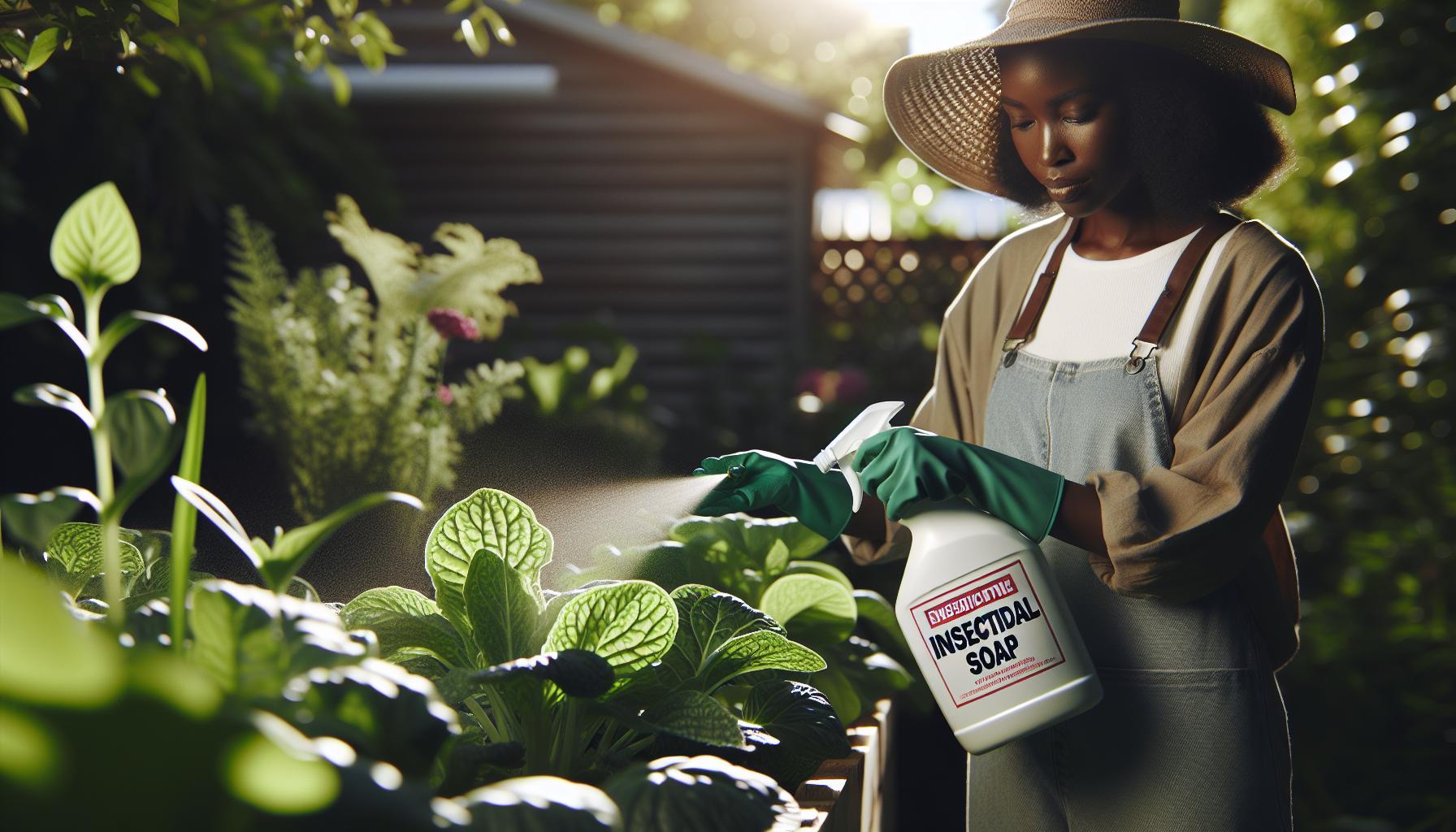
Using Insecticidal Soap: How and When
Using insecticidal soap can be an effective and straightforward method for managing worm infestations in your fiddle leaf fig. This eco-friendly solution not only targets pesky worms and larvae but also does so without jeopardizing the health of your beloved plant. Insecticidal soap works by suffocating the pests upon contact, making it essential to apply the product properly for maximum efficacy.
When to Use Insecticidal Soap
Timing is crucial when applying insecticidal soap. Ensure you are using it during the active growth period of your plant, typically in spring and early summer. During these months, your fiddle leaf fig is more vigorous and resilient, and treatments can integrate seamlessly into its care routine. Before applying, inspect your plant for visible signs of worm activity, such as larvae in the soil or around the base. If you notice an infestation, it’s best to act quickly to prevent further damage.
How to Apply Insecticidal Soap
Prepare the insecticidal soap according to the instructions on the product label, observing the recommended dilution rates. Here’s a simple application guide:
- Choose a calm day: Apply the soap on a day without strong sunlight or wind to prevent evaporation and maximize effectiveness.
- Thoroughly spray the affected areas: Make sure to cover the entire plant, focusing on areas where you observe worm activity, including the undersides of leaves and the soil surface.
- Repeat as necessary: It may take multiple applications to fully eradicate the worms, so plan to check back on your plant every few days and reapply as needed.
Consistency with treatments, paired with proper environmental control like improving drainage and avoiding overwatering, will greatly enhance the effectiveness of the insecticidal soap. With patience and diligence, you can effectively manage worm infestations and maintain the health of your fiddle leaf fig.
Monitoring Your Plant After Treatment
After applying insecticidal soap to your fiddle leaf fig, it’s crucial to keep a close watch on the health of your plant. Monitoring your plant following treatment not only ensures the effectiveness of the pesticide but also helps you spot any signs of stress or recurring issues. Regular observation can provide early warning signs of infestation resurgence or other health problems that may arise from the treatment process or environmental factors.
Start by assessing the overall appearance of your plant. Look for any new signs of worms or larvae, especially in the soil and around the base of the plant. Gently inspect the leaves for sticky residue or tiny holes, which may indicate ongoing damage. It’s beneficial to check under the leaves as well, as pests often hide in these less visible spots. A weekly inspection can help you catch any issues early, allowing you to act quickly if the problem persists.
Additionally, observe how your fiddle leaf fig reacts to the treatment. Are the leaves maintaining their vibrant color, or do they appear yellowed and droopy? Healthy plants will show signs of vigor, such as new growth or freshly unfurling leaves. If the plant seems to decline, you may need to reassess your watering schedule, light conditions, and overall care routine. Ensure that you aren’t over- or under-watering, and check that the plant is receiving adequate light. Stress from incorrect environmental conditions can inhibit recovery and make your plant more susceptible to further infestations.
Finally, take note of the soil moisture and health. Use a moisture meter or perform a finger test to determine if the soil is too dry or overly saturated. Consistent moisture levels are essential for your plant’s recovery and can prevent the re-emergence of pests that thrive in damp, decaying conditions. By keeping these factors in check and documenting your plant’s response post-treatment, you can maintain a healthy environment that promotes longevity and resistance to pests.
Preventing Future Worm Infestations
To maintain the health of your fiddle leaf fig and prevent future infestations, it’s essential to create an environment that is inhospitable to worms and other pests. One pivotal aspect is ensuring that your plant has the right soil conditions. Overly wet and mucky soil can attract unwanted pests, including worms. Opt for a well-draining potting mix specifically formulated for fiddle leaf figs, which typically contains perlite or orchid bark to improve aeration and drainage. Regularly checking your soil moisture is crucial; use a moisture meter or perform a finger test to gauge when to water.
Another preventive measure involves maintaining optimal light conditions. Fiddle leaf figs thrive in bright, indirect sunlight. Too little light can weaken the plant, making it more susceptible to infestations. Conversely, intense direct sunlight can scorch the leaves, making the plant deprived of vigor. Positioning your fiddle leaf fig near a window with filtered light can help keep it healthy and robust.
In addition to environmental adjustments, consistent care practices play a vital role. Regularly cleaning the leaves with a damp cloth not only enhances photosynthesis but also helps you spot pests early. Removing any dead leaves or organic debris from the base of the plant can minimize the attraction of insects. It can also help in eliminating potential breeding grounds for worms in the soil.
Lastly, integrating biological pest control methods can be very effective. Introducing beneficial insects such as ladybugs or lacewings can help keep pest populations at bay without resorting to harsh chemicals. Increasing the plant’s resilience through proper nutrition-like using organic fertilizers-will also promote healthy growth and strengthen the plant’s defenses. By following these actionable steps, you can create a thriving environment for your fiddle leaf fig while fending off potential worm infestations.
Choosing the Right Soil and Environment
for your fiddle leaf fig is crucial, not just for promoting healthy growth, but also for preventing pesky worm infestations. A well-draining potting mix can make all the difference. Soil that retains too much moisture creates an ideal environment for worms and other pests, as they thrive in damp conditions. To combat this, opt for potting mixes specifically designed for fiddle leaf figs, which typically include components like perlite, orchid bark, and peat moss. These materials enhance aeration and drainage, preventing water from pooling at the roots and keeping the soil at an optimal moisture level.
In addition to selecting quality soil, consider the location of your fiddle leaf fig. These plants are native to tropical regions and prefer bright, indirect sunlight. Insufficient light can weaken the plant, making it more vulnerable to infestations, while too much direct sunlight can scorch its leaves. Position your plant near a window that receives filtered light, ensuring it gets the brightness it needs without the harshness that can lead to stress. Regularly rotating your plant can also help it maintain an even shape and promote even exposure to light.
Regular care is equally important to create a favorable environment for your fiddle leaf fig. Keeping the foliage clean by gently wiping the leaves with a damp cloth not only enhances photosynthesis but also allows you to check for early signs of pests. Furthermore, clearing away any dead leaves or organic debris around the base of the plant minimizes possible breeding grounds for worms, helping to keep your plant healthier. Make it a habit to check the moisture level of your soil before watering, using tools like a moisture meter or simple finger tests to avoid overwatering, which can lead to the damp conditions that attract pests.
By integrating these practices into your fiddle leaf fig care routine, you can establish a thriving environment that discourages worm infestations and enhances overall plant health, ensuring your plant remains robust and vibrant.
Promoting Healthy Growth for Resistance
To ensure your fiddle leaf fig remains resilient against pests like worms, fostering robust growth is essential. Healthy plants are naturally more resistant to infestations-growth vigor strengthens their defenses. A primary factor in promoting this health is maintaining the right balance of nutrients. Incorporating organic fertilizers, such as compost or a balanced slow-release fertilizer, can provide essential nutrients that support leaf and root development. Regular feeding, especially during the growing season, helps your plant produce lush foliage that is less susceptible to pest invasions.
In addition to nutrition, regular monitoring of your plant’s water needs plays a vital role in promoting healthy growth. Excess moisture not only encourages worm infestations but can also lead to root rot. It’s important to allow the top inch of soil to dry out between waterings. Using a moisture meter can ensure you’re not overwatering. Adjust your watering schedule according to seasonal changes-plants generally require less water in winter when they are not actively growing.
Furthermore, enhancing the plant’s environment can significantly contribute to its overall health. Fiddle leaf figs thrive in bright, indirect sunlight, which boosts photosynthesis and strengthens their immune system. Positioning your plant near a window with filtered light or utilizing sheer curtains for diffused sunlight can make a significant difference. You might also consider rotating the plant periodically to ensure all sides receive equal light exposure, promoting even growth and minimizing stress on any one side.
Lastly, engaging in practices that improve air circulation around your plant can help prevent disease and pest issues. Avoid overcrowding plants in close quarters and consider using small fans to enhance airflow if your environment tends to be humid. Combining these strategies creates a dynamic care routine that not only promotes healthy growth but also fortifies your fiddle leaf fig against future worm infestations, ensuring a thriving, vibrant addition to your home.
When to Seek Professional Help
Recognizing for your fiddle leaf fig is crucial in ensuring its health and longevity. If you’ve tried various home remedies and the infestation shows no sign of improvement, it might be time to consult an expert. A significant indicator that professional intervention is necessary is when the damage becomes extensive, affecting multiple leaves or even the stems. In such cases, pests can compromise the plant’s structural integrity, leading to potential long-term damage that makes recovery difficult.
Another situation to consider is when you’re unsure about the type of worms or pests you’re dealing with. Misidentifying pests can lead to ineffective treatments that might worsen the situation. Professionals have the experience and tools to accurately diagnose the issue and recommend targeted treatments that are safe and effective. Moreover, if the plant shows signs of disease beyond pest infestations-such as yellowing leaves or stunted growth-it’s essential to get an expert’s opinion, as these symptoms could indicate underlying health problems that require specialized care.
If your fiddle leaf fig is not responding positively to treatments, such as insecticidal soap or other natural remedies, this can also be a signal to seek a professional’s guidance. They can provide access to more potent treatments or solutions that aren’t typically available to the general public. Remember, an ounce of prevention is worth a pound of cure. Engaging a specialist not only addresses the immediate issue but also aids in developing a long-term care strategy that will keep your plant thriving and resilient against future infestations.
Assessing the overall condition and response of your plant following treatments can guide you. If you find yourself feeling overwhelmed or uncertain, reaching out to a local horticulturist or pest control expert can provide the reassurance and expertise needed to restore your fiddle leaf fig to its vibrant best.
Common Pest Comparisons: Worms vs. Other Pests
Understanding the differences between worms and other common pests that affect fiddle leaf figs is crucial for effective treatment and prevention. While worms may seem alarming, many of them are harmless and often feed on organic matter in the soil rather than directly harming the plant itself. This contrasts significantly with other pests, such as aphids, spider mites, or mealybugs, which can cause serious damage to leaves and stems. For instance, aphids feed on the sap of the plant, leading to yellowing leaves and stunted growth, while spider mites can create fine webs and cause leaves to become speckled and drop prematurely.
To navigate pest management effectively, it’s essential to identify the type of pest you’re dealing with. Worms, often identified as larvae or small creatures in the soil, usually indicate overwatered conditions, as they thrive in moist environments. In comparison, pests like aphids and mealybugs tend to cluster on new growth or undersides of leaves, making them more visually noticeable. If you spot small worms after watering, chances are they are springtails or harmless fungus gnat larvae, which indicate excess moisture but don’t pose a direct threat to your plant’s health [[1]](https://www.facebook.com/groups/363693658005960/posts/1457966468578668/).
Understanding these distinctions allows you to tailor your treatment approach. For minor worm infestations, you might simply adjust your watering practices and allow the topsoil to dry out between waterings, which can help eliminate the favorable conditions for these creatures. Conversely, tackling pests like aphids requires more direct intervention, such as applying insecticidal soap or neem oil directly on the affected leaves. Incorporating a routine of monitoring your plant for signs of different pests will enable quick intervention based on the type of infestation.
Ultimately, the goal is to promote a healthy growing environment that minimizes the risk of both worms and other pests. Regular inspections, appropriate watering practices, and choosing high-quality soil can help create an environment where plants can thrive while reducing the likelihood of pest problems.
Frequently asked questions
Q: What are the common types of worms found in fiddle leaf figs?
A: Common types of worms in fiddle leaf figs include Springtails and fungus gnat larvae. While they may appear alarming, they typically feed on decaying matter in the soil and are harmless to your plant. For additional information, you can check the section on understanding worm infestations.
Q: How can I tell if my fiddle leaf fig has a worm problem?
A: Signs of a worm problem in fiddle leaf figs include visible worms in the soil, unusual leaf drop, or yellowing leaves. If you observe damage or excessive soil moisture, it may indicate a worm infestation. For detailed signs, refer to the article on signs of worm damage.
Q: What natural remedies can I use to remove worms from my fiddle leaf fig?
A: Natural remedies for removing worms include introducing beneficial nematodes, using diatomaceous earth, or lightly flooding the soil to drive them out. These methods eliminate worms without harsh chemicals. See the effective natural remedies section for more options.
Q: Is it safe to use insecticidal soap on fiddle leaf figs?
A: Yes, insecticidal soap is safe for treating worms on fiddle leaf figs. It works by suffocating pests on contact and can be applied during the growing season. Be sure to follow the product instructions carefully, as outlined in the insecticidal soap section.
Q: How do I monitor my fiddle leaf fig after treatment for worms?
A: After treating your fiddle leaf fig for worms, monitor it closely for signs of stress or new pests. Check the soil moisture and inspect the leaves regularly. Refer to the monitoring section for a comprehensive guide on maintaining plant health post-treatment.
Q: What should I do to prevent future worm infestations on my fiddle leaf fig?
A: To prevent future infestations, ensure proper watering, avoid over-fertilization, and use sterile soil. Regularly check for pests and maintain good plant hygiene. For preventative measures, consult the section on preventing future worm infestations.
Q: Can I repot my fiddle leaf fig to help manage a worm issue?
A: Yes, repotting your fiddle leaf fig using fresh, sterile soil can help eliminate worms. Gently remove the plant, inspect the roots for damage, and transfer it to a clean pot. For tips on soil and environment, see the suitable soil section in the article.
Q: When should I seek professional help for worms in my fiddle leaf fig?
A: If a worm infestation is severe, persists despite treatment, or if your plant continues to decline, it’s time to seek professional help. Consider consulting a plant care expert or a local nursery. Refer to the section on when to seek professional help for more guidance.
In Retrospect
Now that you know how to safely remove worms from your fiddle leaf fig, it’s crucial to take proactive steps to maintain its health and vitality. Regular inspection and care can prevent pest infestations from becoming a recurring problem. If you found this guide helpful, explore our articles on general fiddle leaf fig care and tips for keeping your indoor plants thriving.
Don’t wait until those pests return-act now to protect your plant! For more insights, consider subscribing to our newsletter for the latest gardening tips and tricks from the experts. Join our community and share your experiences; we love hearing from fellow plant enthusiasts! Your fiddle leaf fig deserves the best care, and with these strategies, you can ensure it continues to flourish in your home.