
Did you know that regular lawn mower maintenance can save you up to 50% on repair costs? With rising expenses in everything from fuel to repairs, many homeowners are searching for practical solutions to keep their mowers running smoothly. Whether you’re facing a stubborn engine or dull blades, understanding how to repair your lawn mower not only extends its lifespan but also reduces reliance on costly repairs. In this guide, we’ll walk you through essential repair tips and tricks that empower you to tackle common mower issues with confidence. Get ready to save money and enhance your lawn care experience as we explore step-by-step solutions that every homeowner can master!
Understanding the Basics of Lawn Mower Repair
Lawn mowers, much like any mechanical device, require a fundamental understanding of their components and operations for effective repair. Delving into the world of lawn mower repair not only equips owners with the skills to handle minor issues but also offers insights into maintenance practices that can greatly extend the life of the machine. For instance, simple knowledge about engine types-whether gas or electric-can dictate the approach taken during troubleshooting. It’s essential to grasp how these different engines operate, as common problems often stem from fuel issues, spark plug malfunctions, or battery failure.
One crucial aspect of lawn mower repairs is recognizing that many issues can be self-diagnosed without professional assistance. For example, if your mower is not starting, check for basic problems such as an empty fuel tank, clogged filters, or disconnected spark plugs. These fundamental checks can save time and money before resorting to more complex repair strategies or finding professionals. Understanding the importance of routine maintenance-like oil changes and air filter replacements-further emphasizes that a well-maintained mower not only performs better but is less likely to experience severe breakdowns.
Maintaining a proactive approach towards lawn mower upkeep involves familiarizing oneself with the mechanics of the tool. This includes knowing how to care for blades, understanding electrical components, and navigating seasonal requirements, which can vastly affect performance. Taking the time to learn these basics arms DIY enthusiasts with the confidence needed to tackle repairs, enabling them to make informed decisions about when to repair and when to seek professional help. In essence, understanding these foundational concepts is key to minimizing repair costs and ensuring a vibrant, healthy lawn throughout the mowing season.
Common Lawn Mower Issues and Fixes
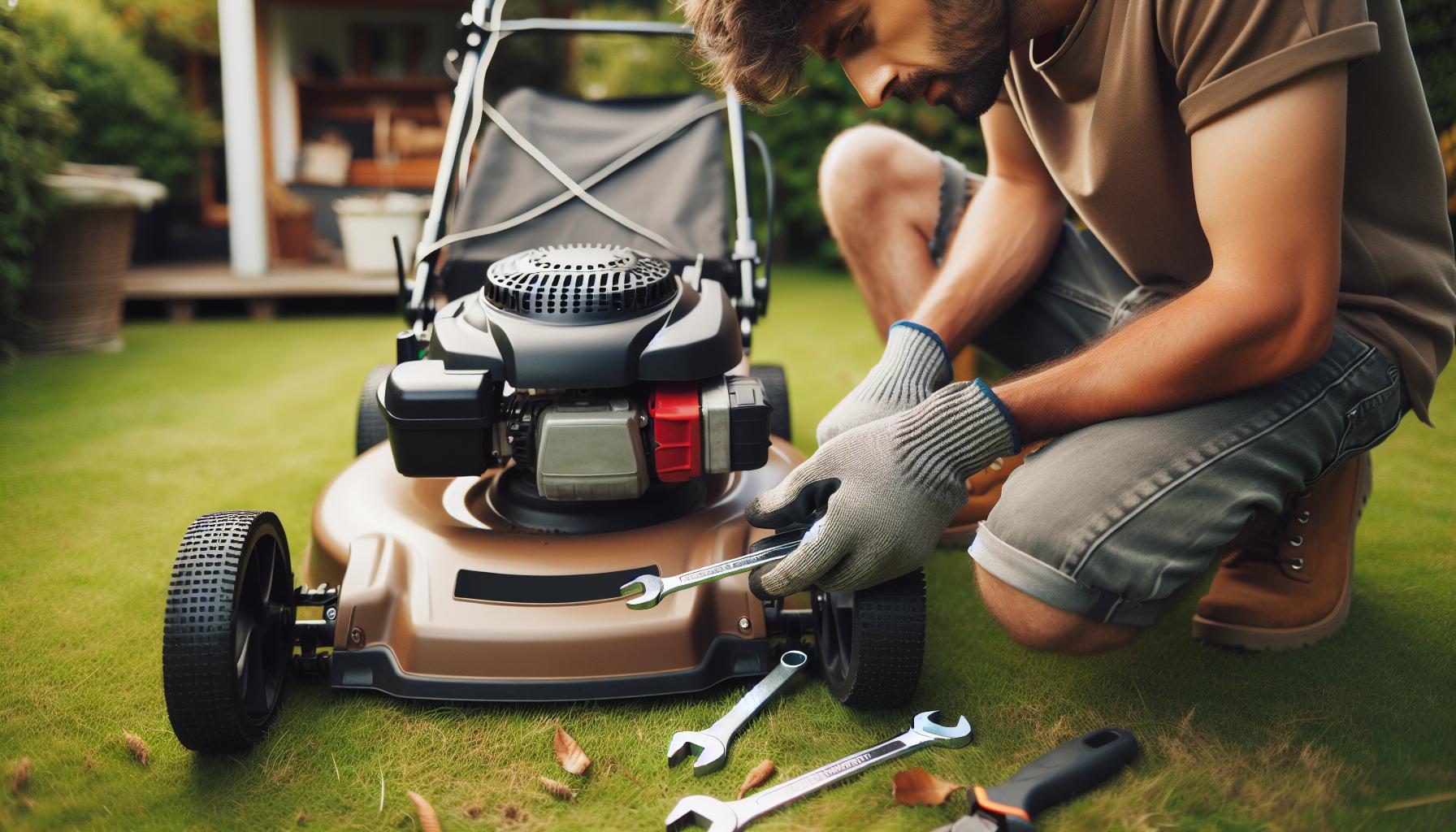
When it comes to lawn mower maintenance, understanding common issues can not only save you money but also keep your lawn looking its best. Many lawn mower problems stem from fundamental issues that are often simple to diagnose and fix. Knowing these problems and their solutions can make all the difference between a smoothly running mower and a frustrating experience.
Common Issues and Solutions
Here are several frequent lawn mower problems along with their fixes:
- Mower Won’t Start: This could be due to an empty fuel tank, stale fuel, or issues with the spark plug. Start by ensuring there’s fuel in the tank. If the fuel is old, consider replacing it. Check the spark plug for dirt or wear and replace it if necessary.
- Grass Not Cutting Evenly: This typically results from dull blades or incorrect cutting height. Sharpen the mower blades or adjust the cutting height according to the type of grass. Regularly maintaining your blades will ensure a clean cut.
- Engine Overheating: If the mower’s engine is overheating, it might be due to a clogged air filter or insufficient oil. Clean or replace the air filter, and check the oil level, topping it off if necessary.
- Excessive Vibration: Excessive vibrations may indicate loose or damaged blades. Inspect the blades and hardware for tightness and look for any signs of cracks or breaks. Tighten loose components and replace damaged parts as needed.
- Stopping Abruptly: If your mower stops unexpectedly while in use, it could be due to a blockage in the mower deck or a fuel issue. Clean the mower deck and check for any debris or grass build-up that might be impeding operation. Also, inspect the fuel lines for cracks or leaks.
By keeping these common issues and their fixes in mind, you can better maintain your lawn mower and address problems as they arise, potentially saving on repair costs or downtime. Regular checks and simple maintenance routines can prolong the life of your mower, keeping it running efficiently for many seasons to come.
Step-by-Step Guide to Basic Repairs
Knowing how to tackle basic repairs on your lawn mower can transform what often seems like a daunting task into an empowering experience. Many homeowners fear the prospect of repairs, assuming they require specialized knowledge or tools. However, with a step-by-step guide, you can confidently address common mower issues and save money in the process.
Start with the essentials: safety. Ensure the mower is turned off and disconnected from any power source if it’s electric. For gas mowers, remove the spark plug wire to prevent accidental starting. Once you’re ready, examine the mower for visible signs of trouble. A thorough visual inspection can often point out loose parts, worn-out belts, or damaged blades.
Here’s a practical approach to some basic repairs:
- Cleaning the Air Filter: A clogged air filter can hinder engine performance. Remove the air filter cover, take out the filter, and clean it with compressed air or replace it if heavily soiled.
- Sharpening the Blades: Dull blades can tear rather than cut grass. Securely prop up the mower, remove the blade using a ratchet set, and file the edges with a sharpening stone or use a bench grinder for a sharper edge.
- Changing the Oil: Regular oil changes keep the engine running smoothly. Drain the old oil while the mower is warm for better flow, replace the oil filter if applicable, and refill with fresh oil to the recommended level.
- Fixing Fuel Issues: If the mower won’t start, it might be a fuel issue. Replace old fuel with fresh gasoline and use a fuel stabilizer to prevent gumming if you anticipate long periods between use.
Following each of these steps methodically can help you identify and rectify common problems effectively. Illustrating this process makes repair not just a task but a manageable part of lawn care, allowing you to keep your equipment in top shape and your yard looking pristine. By investing a bit of time and effort, you can extend the life of your mower and increase its efficiency, ensuring your lawn stays healthy and beautiful.
Tools You Need for Lawn Mower Maintenance
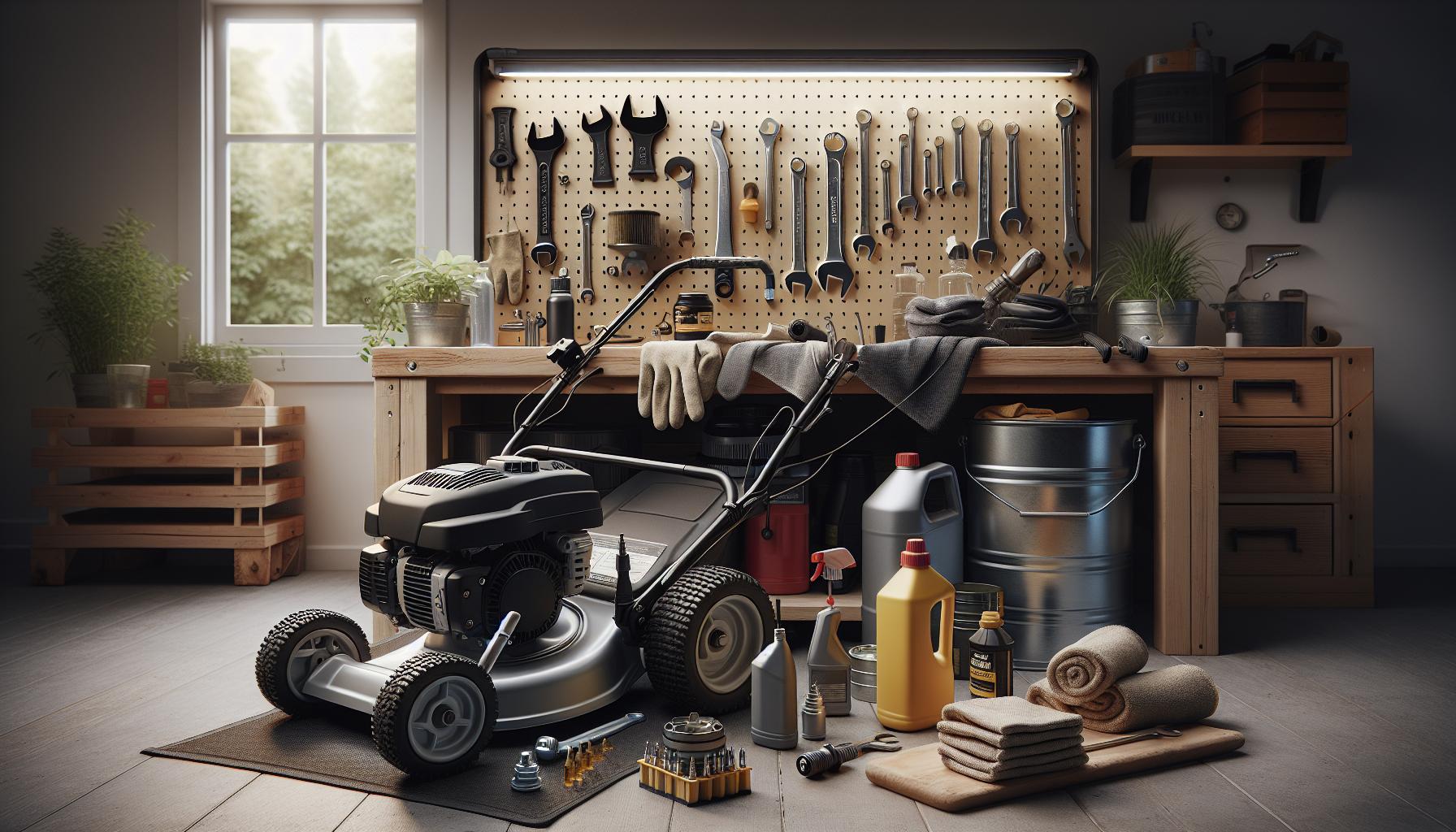
Having the right tools for lawn mower maintenance can make a world of difference when it comes to performing repairs and upkeep efficiently. Equipped with the necessary tools, you can tackle everything from routine maintenance to more complicated repairs, ultimately saving both time and money. Whether you’re a seasoned homeowner or a novice looking to learn the ropes, investing in a basic toolkit tailored for lawn mower care is an intelligent choice.
To start, make sure you have the following essential tools:
- Socket Set: A good socket set is critical for removing and tightening various components, including the spark plug, blade bolts, and other accessible fixtures.
- Wrench Set: Having a set of wrenches helps manage a variety of sizes for different fittings around the mower.
- Oil Filter Wrench: This specialized wrench allows you to easily remove oil filters, making oil changes straightforward.
- Blade Sharpener: Whether using a specialized sharpening tool or a conventional file, keeping your blades sharp ensures cleaner cuts and improved lawn health.
- Fuel Can: A dedicated fuel can is necessary for easily storing and transporting fresh gasoline to avoid contamination and ensure optimal performance.
- Air filter cleaning kit: This can include compressed air or cleaning solutions to ensure your air filter remains unobstructed, helping the engine run smoothly.
- Safety Gear: Don’t forget gloves, goggles, and a mask, especially when handling chemicals or sharp components to protect yourself during repairs.
Having these tools at your disposal ensures that you are well-prepared for any maintenance challenges that may arise. In addition, consider investing in a sturdy work surface or platform as well as a cover for your tools. These additional investments can keep your tools organized, clean, and ready for action.
Lastly, remember that having a designated space for repairs will encourage you to maintain your mower regularly. This practice not only prolongs the life of your equipment but also enhances your efficiency during the mowing season, allowing you to enjoy a vibrant, healthy lawn without interruption. Embracing DIY repairs with the right tools can turn a chore into a manageable, satisfying task.
Preventative Care: Extend Your Mower’s Life
Regular maintenance is fundamental to extending the life of your lawn mower and ultimately saving money on repairs. By adopting a proactive approach to mower care, you can significantly reduce the likelihood of major mechanical issues, enhancing performance and durability. Just like any other machinery, a lawn mower thrives on consistent attention. Studies have shown that well-maintained lawn mowers can last for years longer than those subjected to neglect.
To maximize the lifespan of your mower, consistency is key. Start with a basic routine that includes checking the oil levels and changing the oil regularly-generally recommended every 50 hours of operation. Using the correct type of oil not only improves engine performance but also helps prevent overheating. Additionally, ensure that the air filter is clean and free of debris; a clogged air filter restricts airflow and can lead to engine inefficiency and wear.
Routine Inspection and Maintenance Tasks
Implementing a series of simple, regular maintenance tasks can make a significant difference. Consider the following:
- Blade Maintenance: Check and sharpen the blades at least once per season. Dull blades tear the grass rather than cut it cleanly, which can lead to lawn damage.
- Fuel Care: Always use fresh fuel and consider adding a fuel stabilizer, especially if you store your mower for extended periods. Old fuel can cause starting issues and poor engine performance.
- Battery Inspection: For electric or battery-operated mowers, check the battery connections and clean any corrosion. Regularly charge and maintain the battery to prolong its life.
- Cleaning: Clean the undercarriage after each use to prevent grass buildup, which can lead to rust and other issues over time.
The addition of a seasonal maintenance checklist can also help keep things organized. This list can include oil changes, spark plug replacements, and full inspections of belts and cables to catch potential problems before they become major repairs.
Storing Your Mower Effectively
A well-planned storage strategy can also play a pivotal role in your lawn mower’s longevity. Always store the mower in a dry area to prevent rust and corrosion, and consider using a cover to guard against dust and debris. If you’re storing your mower during the off-season, remember to drain the fuel tank to prevent stale gasoline from gumming up the carburetor.
By implementing these preventative measures, you not only ensure optimal performance but also keep repair costs down, allowing you to enjoy a beautiful lawn with less hassle and expense over the years.
DIY vs. Professional Repair: Pros and Cons
Repairing a lawn mower can be a cost-effective way to keep your lawn in check, but the decision between tackling repairs yourself or seeking professional help often creates a dilemma for many homeowners. On one hand, DIY repairs allow you to learn hands-on skills, potentially save a significant amount of money, and enjoy the satisfaction of fixing your machine. However, certain complexities and time constraints can make professional services a more appealing option.
Engaging in DIY repairs generally involves less financial outlay. For standard issues such as changing the oil, cleaning the air filter, or sharpening the blades, the required tools and materials are relatively inexpensive and readily available. Plus, many resources-from online tutorials to community workshops-can help guide the troubleshooting process. Yet, this approach also demands a commitment of your time and patience, particularly for more complex repairs that might require specialized knowledge or equipment. A common mistake among DIY enthusiasts is misjudging the problem’s severity, which can sometimes lead to additional repairs down the line.
In contrast, hiring a professional repair service can save you from the stress of misdiagnosing a problem. Professionals typically come equipped with comprehensive experience and tools, ensuring that repairs are carried out quickly and effectively. Furthermore, a well-done repair from an expert can extend the lifespan of your mower and potentially enhance its performance. However, this convenience comes with a price that can range widely depending on the nature of the repair. For example, while small fixes may not eat into your budget too much, major repairs can quickly escalate costs, making you wonder if investing in a new machine might be the better choice.
Ultimately, your decision may also hinge on how comfortable you feel with mechanical tasks. If you enjoy hands-on projects and have a basic understanding of mower mechanics, the DIY route can be rewarding and educational. Conversely, if time is of the essence or the repair looks daunting, seeking professional help might be your best bet. Balancing these pros and cons against your unique situation will help you determine the most suitable path to keeping your lawn mower in prime condition.
How to Diagnose Engine Problems
Diagnosing engine problems in a lawn mower can often feel daunting, but understanding the common signs and symptoms can save you both time and money. Many homeowners may not realize that 90% of mower issues stem from just a handful of problems, primarily related to fuel delivery, spark, and airflow. Recognizing these issues early can help you decide whether to tackle repairs yourself or consult a professional.
One of the most common symptoms of engine trouble is a mower that won’t start. Before you panic, check the basics: ensure there’s fuel in the tank, the fuel is fresh (outdated fuel can lead to starting issues), and the choke is functioning correctly. If fuel delivery seems fine, explore the ignition system. A faulty spark plug is a frequent culprit; inspect it for wear or damage, and replace it if necessary. If you have a multimeter, you can test the spark plug for continuity to ensure it’s delivering the necessary spark to ignite the fuel.
If your mower starts but runs roughly, sputters, or dies under load, the problem could lie in the air intake or carburetor. Blocked air filters can significantly reduce engine performance, so a quick check and replacement of a dirty filter can often resolve the issue. Additionally, inspect the carburetor for clogs or dirt buildup. Cleaning it can restore performance and efficiency; however, if you suspect damage, a replacement might be needed.
Finally, listen for unusual sounds while operating the mower. Knocking or rattling noises could indicate serious engine damage or issues with the blade assembly. If the engine appears to run hot, check the oil levels. Low oil can lead to severe engine damage if not addressed promptly. Refer to your owner’s manual for the correct oil type and oil-change intervals to maintain optimal engine health.
By following these guidelines and performing regular maintenance checks, you can effectively diagnose and address engine problems, ensuring your lawn mower runs smoothly and efficiently.
Maintaining Blades: Sharpening and Replacement Tips
Maintaining sharp blades is one of the most critical steps in lawn mower care, as dull blades can not only make mowing less effective but can also damage your grass, leading to increased susceptibility to pests and diseases. Regularly sharpening your mower blades can result in a cleaner cut, which is essential for the overall health of your lawn. Ideally, blades should be sharpened at least once a season or after every 20 hours of use, but this may vary depending on your mowing frequency and the type of grass you have.
Sharpening Tips
To sharpen the blades effectively, first, ensure your lawn mower is turned off and disconnected from any power source for safety. Next, tilt the mower on its side, and use a socket or wrench to remove the blade. A bench grinder or a file can be used for sharpening. When using a file, apply even strokes along the edge of the blade at an angle corresponding to the original angle of the edge (typically around 30 degrees). This method allows for precise sharpening while maintaining the correct blade aerodynamics.
After sharpening, it’s important to check for any nicks or damages. If the blade is too worn or damaged, replacement might be necessary. A new set of blades can be relatively inexpensive compared to the cost of professional sharpening services. Always refer to your owner’s manual to ensure compatibility when selecting replacement blades.
Replacement Considerations
Should you decide that replacement is the better option, consider how often you use your mower and the types of terrain you mow. If you’re frequently cutting thick or coarse grass, the blades may dull faster than in softer areas. Look for high-quality blades that can be easily installed; many manufacturers offer specific models that enhance cutting performance and durability.
To further extend the life of your blades, remember to clean them after each use. Grass clippings and dirt can accumulate and lead to corrosion over time. A simple wash with water and a stiff brush can help maintain blade integrity. Additionally, during the off-season, consider storing your mower in a dry place and applying a light coat of oil on the blades to prevent rust.
By integrating these maintenance tips, you not only enhance your lawn’s appearance but also save money on repairs and replacements in the long run. Keeping your blades in top condition ensures your mower operates efficiently, prolonging its life while effectively managing your lawn care duties.
Electrical Component Troubleshooting
Electrical issues in lawn mowers can often lead to frustration, especially when the mower won’t start or shuts off unexpectedly. Understanding common electrical problems and their solutions can save you time and money, making the troubleshooting process less daunting. For instance, many mower owners may encounter issues like a dead battery, faulty ignition switches, or bad connections, all of which are manageable with a bit of know-how.
One of the first steps in troubleshooting electrical components is to check the battery. Ensure that it is fully charged and that connections are secure. Corroded terminals are a common culprit for poor electrical connectivity, so cleaning the terminals with a wire brush can often restore functionality. If the battery is damaged or old, it may need replacement. Likewise, if your mower has a pull start, ensure the starter rope isn’t frayed and works smoothly.
Common Electrical Components to Inspect
When diagnosing electrical problems, pay close attention to several key components:
- Ignition Switch: This switch powers the ignition system. If the mower won’t start at all, it’s worth checking if this switch is functioning correctly.
- Fuses: Inspect all fuses for continuity. A blown fuse can interrupt power supply to crucial components, preventing the mower from starting.
- Wiring Harness: Look for any signs of wear or damage. Exposed wires can lead to shorts, while loose connections may cause intermittent operation.
Once you’ve inspected these components, you can further diagnose more complex issues using a multimeter to check for voltage across the circuit. If there’s no voltage reaching certain components, you may need to trace back through the wiring for any breaks.
It’s essential also to take a step back and assess whether you’ve encountered any recurring issues that necessitate professional help. Electrical problems can occasionally signal deeper issues within the mower’s mechanical systems. Knowing when to call in a professional can save time and prevent further damage.
Seasonal Maintenance Checklist for Lawn Mowers
Proper maintenance of your lawn mower is crucial, not just to ensure it operates smoothly, but to extend its lifespan and avoid costly repairs down the line. A well-maintained lawn mower can be the difference between a reliable tool that lasts for years and an expensive repair bill or replacement. By adhering to a seasonal maintenance checklist, you can catch potential issues before they disrupt your mowing routine.
Start each season with a thorough inspection of your lawn mower. This involves checking the oil level and quality, replacing the oil if it appears dark and thick or if you haven’t done so recently. Ensure that the air filter is clean; a clogged air filter can reduce performance and fuel efficiency. If it’s excessively dirty, consider replacing it to enhance airflow to the engine. For gas mowers, also inspect the fuel system, replacing stale fuel with fresh gasoline and adding a fuel stabilizer if necessary to prevent breakdowns during storage.
Another critical aspect is inspecting the mower blades. Dull blades not only tear grass rather than cut it but can also stall the engine if their condition is neglected. Sharpen blades at least once a season, or more frequently if you’re cutting tough grass or mowing frequently. As part of your seasonal checklist, examine the deck for grass buildup, which could lead to corrosion. Clean the underside of the mower deck regularly to maintain performance and prevent rust.
Lastly, don’t overlook the electrical components, especially if your mower has any electrical starts or safety features. Check battery connections and ensure all wiring is intact. Seasonal maintenance is not only about addressing current issues; it’s a proactive strategy to catch and correct minor repairs before they evolve into bigger, more costly problems, ultimately saving you money and ensuring a functional lawn mower year-round.
Cost-Effective Tips for Lawn Mower Upkeep
Keeping your lawn mower running smoothly can save you a significant amount of money over time. It’s often easy to overlook the regular care these machines require, which can lead to costly repairs. In fact, many simple maintenance tasks can prevent serious issues down the road while ensuring your mower operates efficiently and effectively.
First and foremost, regular cleaning is essential. After each mowing session, take a few minutes to remove grass clippings and debris from the mower deck and surrounding areas. A clean mower not only performs better but also lasts longer as it prevents rust and corrosion. Additionally, don’t forget to check and clean air filters at least once a season or more frequently if you operate in dusty conditions. This improves airflow, which enhances engine performance.
Another effective money-saving strategy is to sharpen your mower blades regularly. Dull blades tear grass rather than cut it, leading to a weakened lawn that invites pests and diseases. Sharpening blades at the start of the mowing season and at intervals throughout can enhance cutting efficiency and reduce the strain on the engine, which ultimately saves fuel. Using a sharpening tool or service often costs less than a new set of blades.
Utilizing premium fuel and adding a fuel stabilizer can also be a smart investment. Cheap, low-quality fuel can lead to engine knocking and deposits that clog internal components. By opting for higher-grade fuel, along with a stabilizer, you can keep your fuel system clean and extend the overall life of your mower’s engine. Additionally, always store your mower properly during off-seasons, ensuring fuel tanks are emptied or stabilized to prevent gumming and corrosion.
Finally, consider becoming familiar with basic repair techniques. Many common issues, such as changing the oil, replacing spark plugs, or adjusting belts, are tasks that can be performed at home with minimal tools and a little guidance. This not only saves money on labor costs but also gives you a better understanding of your machine. Online tutorials and manuals provide invaluable resources for DIY repairs, making it easier than ever to maintain your mower in top condition. By implementing these practical tips, you can extend the life of your lawn mower and reduce the necessity for expensive repairs.
When to Consider Buying a New Lawn Mower
To ensure your lawn remains pristine, knowing when to upgrade your mower is key. While routine maintenance can extend the life of your machine significantly, there are scenarios where purchasing a new mower is the most cost-effective choice. Mowers, like any machine, have a finite lifespan, typically around 10 to 15 years, depending on the model and usage. If your lawn mower is consistently breaking down and repair costs are stacking up, it’s crucial to consider if these expenses are worth it compared to investing in a new model.
One of the primary indicators that it might be time for a replacement is frequent engine troubles. If you find yourself diagnosing and repairing engine issues like stalling, poor starting, or excessive smoke repeatedly, it may signal that the engine’s internal components are worn beyond fixable limits.
- Heavy rust or damage on key parts such as the deck can affect not only performance but also your safety when operating the mower.
- If your mower has required substantial repairs in the past year, a simple calculation of those repair costs versus the price of a new mower can provide clarity.
Performance Concerns
Often, the most telling sign is performance deterioration. If your mower fails to cut grass uniformly or leaves streaks, it could indicate a failing motor or dull blades that regular sharpening can no longer rectify. An underperforming mower requires more fuel, which, compounded over time, can negate any savings realized through DIY repair attempts. Furthermore, safety is a non-negotiable aspect; a mower that vibrates excessively or has a malfunctioning safety feature should prompt immediate reconsideration of its usability.
Technological Advances and Efficiency
Advancements in lawn care technology can also influence your decision. Newer models frequently offer enhanced efficiency, user-friendly features, and eco-friendliness that older mowers simply cannot match. For instance, self-propelled mowers, improved fuel economy, or electric options provide both comfort and savings. They may entail a higher upfront cost but can lead to significant energy savings in the long run, making it worthwhile to evaluate potential long-term benefits against your current mower’s inadequate performance.
In summary, when faced with the decision to repair or replace your lawn mower, consider the cost of repairs, the current performance issues of your machine, and the benefits of newer, more efficient models. Investing in a new mower may ultimately save you money, enhance your mowing experience, and ensure a well-kept lawn.
Frequently asked questions
Q: How can I troubleshoot a lawn mower that won’t start?
A: If your lawn mower won’t start, first check the fuel level and ensure there’s fresh fuel in the tank. Inspect the spark plug for damage or wear and replace it if necessary. Additionally, confirm that safety features like the blade brake are disengaged. Refer to “Common Lawn Mower Issues and Fixes” for detailed solutions.
Q: What steps can I take to maintain my lawn mower throughout the season?
A: Regular maintenance includes checking and changing the oil, sharpening blades, and cleaning the air filter. It’s also important to inspect belts and cables for wear. Following the “Seasonal Maintenance Checklist for Lawn Mowers” can help keep your mower in optimal condition.
Q: Why is my lawn mower making a sputtering noise while running?
A: A sputtering noise often indicates a fuel issue, such as old or contaminated gasoline. Check the fuel line for clogs and consider replacing the fuel filter. For more on diagnosing engine problems, see the section on “How to Diagnose Engine Problems.”
Q: When is it cost-effective to hire a professional for lawn mower repairs?
A: Hiring a professional is cost-effective if you lack the tools or experience to diagnose complex issues, such as engine or electrical problems. For simpler repairs, consider the “DIY vs. Professional Repair: Pros and Cons” to assess your options.
Q: How do I know if my lawn mower needs new blades?
A: If your mower is tearing grass instead of cutting it cleanly, or if the blades are visibly chipped or dulled, it’s time for replacement. Regularly check blade condition as part of your “Maintaining Blades: Sharpening and Replacement Tips” in your maintenance routine.
Q: What is the best way to save money on lawn mower repairs?
A: Save money by performing regular maintenance, such as oil changes and blade sharpening, yourself. Purchase replacement parts online or at local stores instead of opting for dealer repairs. Following the “Cost-Effective Tips for Lawn Mower Upkeep” will also help extend the lifespan of your mower.
Q: Are there any seasonal tips for lawn mower storage?
A: Before storing your mower for the season, ensure it is clean, the fuel is stabilized, and the battery is disconnected if it’s electric. Follow the “Seasonal Maintenance Checklist for Lawn Mowers” to properly prepare your mower for storage and prevent future issues.
Q: What should I check before taking my lawn mower to a repair shop?
A: Before visiting a repair shop, check for basic issues like fuel, spark plugs, and air filters. Understanding the mower’s symptoms can help the technician diagnose the issue effectively, as outlined in the “Step-by-Step Guide to Basic Repairs.”
The Way Forward
Now that you’ve mastered the basics of repairing your lawn mower and saving money on repairs, it’s time to put your skills into action! Remember, regularly maintaining your mower not only extends its life but also enhances your lawn’s appearance. Don’t forget to check out our related articles on “Essential Lawn Care Tips” and “DIY Lawn Mower Maintenance Checklist” for more insights and guidance.
Take the first step today-apply what you’ve learned and share your repair success stories in the comments below. If you found this guide helpful, consider signing up for our newsletter for more expert tips and exclusive content tailored for lawn care enthusiasts. Your lawn deserves the best, and with the right knowledge, you can keep it looking pristine without breaking the bank. Join our community today and explore the wealth of information available at your fingertips!