
Proper lawn mower maintenance is essential for not only extending the life of your Honda mower but also ensuring you achieve a flawless cut every time. Did you know that regular servicing can enhance fuel efficiency and even improve your mower’s performance? Many homeowners overlook this critical aspect until they encounter issues, leaving their lawns untidy and neglected. By learning how to service your Honda lawn mower with this step-by-step guide, you can save time and money, while enjoying the satisfaction of a well-maintained yard. Discover the simple tasks that keep your mower in top shape, and gain the confidence to tackle maintenance like a pro. Let’s dive in and unlock the secrets to optimal lawn care!
Understanding Your Honda Lawn Mower’s Parts and Functions
Understanding the different parts and functions of your Honda lawn mower is essential for effective maintenance and optimal performance. Each component plays a pivotal role, and knowing how they work together will empower you to keep your mower running smoothly. For instance, the blade is not just responsible for cutting the grass; it works in conjunction with the deck and engine to ensure a clean, even cut. A well-maintained blade results in healthier grass, while a dull one can damage your lawn and lead to uneven mowing.
Key Components of Your Honda Lawn Mower
Understanding the main parts of your Honda lawn mower can help you identify issues quickly:
- Engine: The heart of your mower, converting fuel into mechanical energy. Regular checks on oil levels and filters are crucial for longevity.
- Deck: The housing that contains the blade. A robust deck enhances durability and protects internal mechanisms.
- Blade: The cutting component that needs regular sharpening to ensure efficient grass cutting.
- Wheels: These provide mobility. Check for wear and proper inflation if your model requires air-filled wheels.
- Throttle Control: This adjusts engine speed. Familiarize yourself with its function for better control while mowing.
- Grass Bag: Depending on the model, a bag or mulching feature may be included to manage clippings effectively.
By familiarizing yourself with these parts, you can diagnose issues better and ensure your Honda lawn mower stays in prime condition. Regular inspection and understanding how each part contributes to the overall functionality is key to prolonging the lifespan of your machine. Furthermore, maintaining a clean deck and regularly checking the blade sharpness can promote healthier lawn care practices.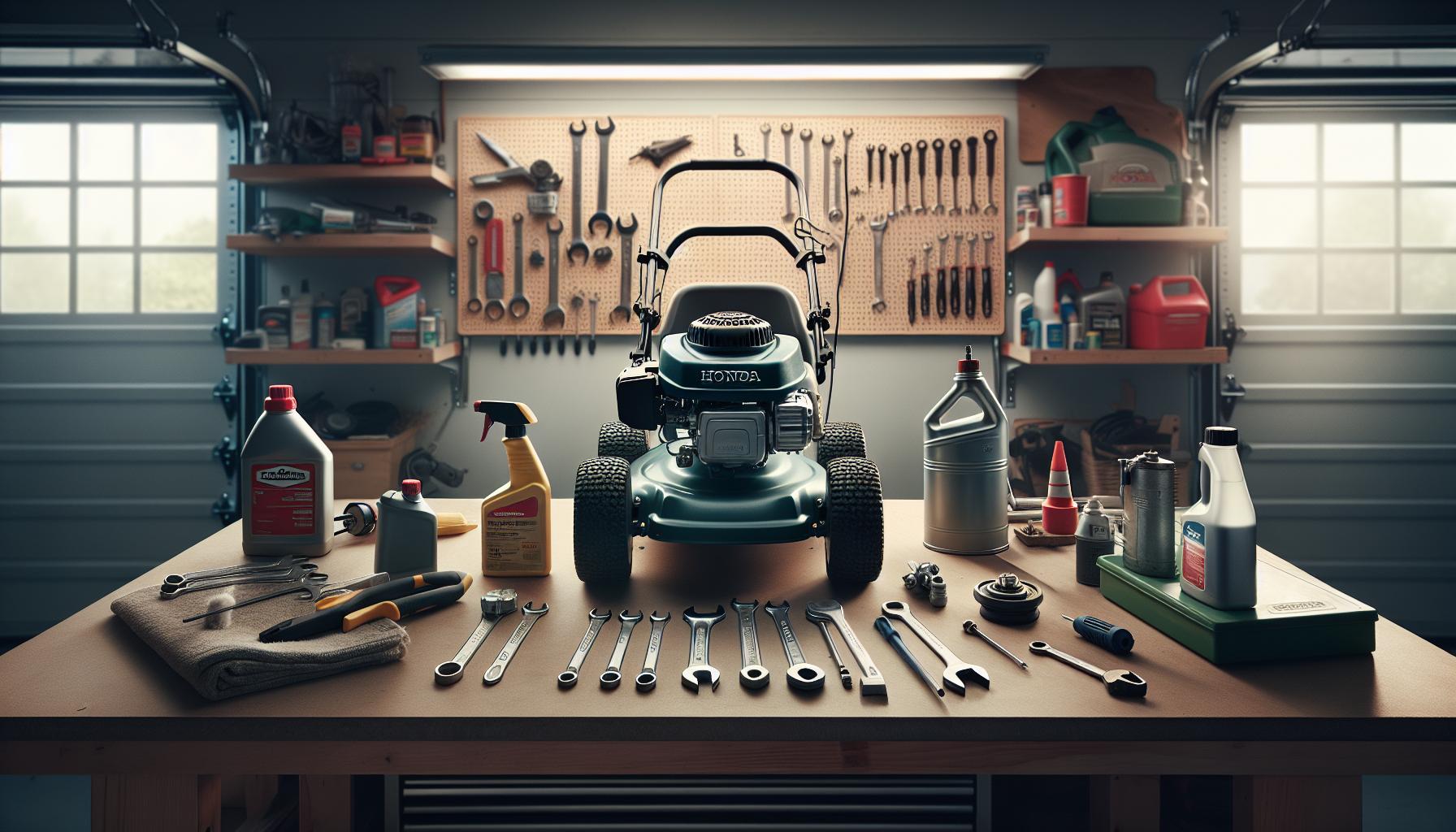
Essential Tools for Honda Lawn Mower Maintenance
Having the right tools on hand is crucial for maintaining your Honda lawn mower effectively, ensuring that you can perform necessary tasks with ease and efficiency. Investing in a basic toolkit not only simplifies routine maintenance but also enhances the longevity and performance of your mower. Many mower-related issues can be tackled with a few essential tools, making regular upkeep a manageable task.
- Wrenches and Sockets: These are vital for bolt and nut adjustments. Whether you’re replacing the blade or making minor repairs, a good set of metric wrenches and sockets will come in handy.
- Screwdrivers: A Philips and flathead screwdriver are essential for accessing various components. They will be used to adjust, tighten, or replace parts securely.
- Oil Change Tools: An oil drain pan and a funnel are necessary for changing the engine oil. Regular oil changes are critical for the health of your engine, ensuring it runs smoothly.
- Air Filter Maintenance: Having a small brush or vacuum to clean the air filter will help maintain proper airflow, which is essential for engine efficiency.
- Blade Sharpener: A sharp blade not only cuts the grass more effectively but also improves lawn health. A blade sharpening tool or file will ensure you can maintain this critical component.
- Safety Gear: Always prioritize safety by using gloves and goggles when servicing your mower, especially when handling sharp blades or lubricants.
Incorporating these tools into your lawn mower maintenance routine will provide a solid foundation for keeping your Honda mower in peak condition. Not only does it enable you to address common issues proactively, but it also fosters a deeper understanding of your equipment. As you become familiar with the maintenance process, you’ll feel more confident in addressing any challenges that arise, ensuring that your mower operates at its best season after season.
Performing Routine Maintenance: Oil Changes and Air Filters
Performing regular maintenance on your Honda lawn mower, particularly oil changes and air filter replacements, is essential to ensure optimal engine performance and longevity. Did you know that neglecting these tasks can lead to reduced efficiency and even permanent damage? By understanding the significance of these maintenance activities, you can save yourself both time and money in the long run.
To begin with oil changes, it’s vital to monitor the oil level and quality regularly. Over time, engine oil can become contaminated and lose its lubricating properties, which can result in increased wear and tear on engine components. Aim to change the oil every 25 to 50 hours of operation or at least once a year, depending on usage. When performing an oil change, follow these general steps:
- Start the engine: Let it run for a few minutes to warm up the oil, making it easier to drain.
- Drain the old oil: With the engine off and cooled, remove the oil drain plug and let the old oil completely drain into an oil pan.
- Replace the oil filter: If your model has an oil filter, remove it according to the manufacturer’s instructions and replace it with a new one.
- Add new oil: Use fresh oil that meets the manufacturer’s specifications, and fill it up through the dipstick to the correct level.
Next, maintaining the air filter is equally important for keeping your mower running at peak performance. A clean air filter ensures proper airflow to the engine, which is crucial for efficient combustion. Clogged air filters can lead to a decrease in power and increased fuel consumption. Depending on usage, you should check the air filter every 25 hours and clean or replace it as needed. Here’s how to do it:
- Remove the air filter cover: Typically secured with screws or clips, carefully detach it to access the air filter.
- Inspect and clean: If the filter is reusable, tap it to remove dirt or use a soft brush or vacuum. If it’s severely clogged or damaged, replace it with a new one.
- Reassemble: Replace the air filter and secure the cover tightly to prevent debris from entering the engine.
Regularly performing oil changes and ensuring a clean air filter is a simple yet effective way to extend the life of your Honda lawn mower. By incorporating these practices into your routine maintenance schedule, not only will you enhance your mower’s performance, but you’ll also enjoy a healthier garden and greater efficiency in your mowing endeavors.
Sharpening and Maintaining the Lawn Mower Blades
Maintaining sharp and well-functioning blades is crucial for achieving a clean and healthy lawn. Dull mower blades can tear grass instead of cutting it, leading to a ragged appearance and making your lawn more susceptible to diseases and pests. To keep your Honda lawn mower operating at its peak, regular sharpening and maintenance of the blades should be part of your routine service practices.
To begin the sharpening process, it’s important to gather the right tools, including a socket wrench or a screwdriver (depending on your mower model), a blade sharpening file or grinder, and safety equipment like gloves and goggles. Before starting any work, make sure the mower is turned off and completely cool. Disconnect the spark plug wire to prevent accidental starts.
Steps for Sharpening the Lawn Mower Blades
- Remove the blade: Use your socket wrench or screwdriver to detach the blade from the mower. Remember to note how the blade is oriented for proper reinstallation.
- Inspect the blade: Check for cracks or excessive wear. If the blade is too worn, it may be time to replace it rather than sharpen.
- Sharpen the blade: Using a sharpening file or a bench grinder, maintain an angle of 30 to 45 degrees and stroke towards the cutting edge. Ensure to sharpen both sides of the blade equally to maintain balance.
- Clean the blade: After sharpening, remove any debris or grass clippings stuck on the blade to prevent rust and ensure optimal performance.
- Reattach the blade: Position the blade back on the mower as it was originally, ensuring it is secured tightly.
In addition to sharpening, regular maintenance includes checking for blade balance and wear. After sharpening, it’s wise to test the balance by placing the blade on a blade balancer or, alternatively, laying it on a flat surface. If one side of the blade dips significantly, it needs further sharpening on the heavier side. By keeping your blades sharp and well-maintained, not only will you improve mowing efficiency, but you will also promote a healthier lawn environment.
Lastly, make it a habit to check your mower’s blades at the beginning and end of the mowing season, as this preventive measure can significantly prolong the life of your blades and enhance your mowing experience. With a little time and care, you can ensure that your Honda lawn mower provides the best cut possible, elevating the appearance and health of your lawn.
How to Clean the Fuel System and Carburetor
Keeping your Honda lawn mower in top shape requires regular attention to the fuel system and carburetor, as a clean fuel system is essential for optimal performance. Over time, dirt and debris can clog these vital components, leading to inefficient engine operation or even stalling. Thankfully, cleaning the fuel system and carburetor is a manageable task that can dramatically improve your mower’s functionality and longevity.
Start the process by gathering the necessary tools: a socket wrench, a screwdriver, pliers, and a cleaning solution suitable for carburetors. Before you begin, ensure the mower is cooled down and unplugged by disconnecting the spark plug wire. This step is crucial for safety. Next, locate the carburetor, typically situated near the engine, and carefully detach the fuel line using pliers. This prevents fuel from leaking, which can be dangerous.
With the fuel line removed, you can access the carburetor. Begin by inspecting it for any obvious signs of dirt or buildup. To clean the carburetor, you may choose to follow a simple procedure: remove the float bowl to access the internal components and clean them with a carburetor cleaner spray. Pay special attention to any jets, as these can often become blocked. Once cleaned, reassemble the carburetor and reconnect the fuel line securely.
Finally, always ensure that you check the fuel itself. Using fresh fuel and adding a fuel stabilizer can help prevent debris from building up and reaching the carburetor again. It is also wise to run the mower for a few minutes after cleaning to allow fuel to circulate and ensure everything is working correctly. By maintaining a clean fuel system and carburetor, you can enhance the efficiency and lifespan of your Honda lawn mower, making your mowing experience smoother and more enjoyable.
Troubleshooting Common Honda Lawn Mower Issues
The experience of a struggling lawn mower can be frustrating, often resulting in stalling, poor cutting performance, or even complete failure to start. Understanding common issues can save time and alleviate the stress of troubleshooting. A few prevalent problems include engine difficulties, blade behavior, and fuel system malfunctions. Knowing the right steps to address these concerns can help maintain your Honda lawn mower effectively.
Engine Issues
If your mower fails to start, begins sputtering, or loses power during operation, the engine may be the culprit. Start by checking the fuel. Ensure you’re using fresh, clean gasoline, as old or contaminated fuel can lead to starting issues. If the fuel is fine, inspect the spark plug. A worn or dirty spark plug may not ignite the fuel-air mixture properly; replacing it is often a simple yet effective solution. Additionally, make sure the air filter is not clogged, as restricted airflow can also hinder engine performance.
Blade Problems
When it comes to cut quality, dull or damaged blades can create an uneven lawn that is neither healthy nor aesthetically pleasing. To troubleshoot, start with a visual inspection of the blades. If they appear chipped or bent, it’s time for sharpening or replacement. Regular maintenance, including sharpening every few uses and ensuring proper height settings, will help achieve the best mowing results.
Fuel System Glitches
If the mower seems to have trouble maintaining power or runs roughly, the fuel system may need attention. Clogged filters and dirty carburetors can severely affect performance. Begin by changing the fuel filter, and follow this by a thorough cleaning of the carburetor to remove any buildup. This step is crucial, as debris can significantly reduce the efficiency of fuel delivery, leading to common issues like stalling or poor acceleration.
By addressing these common issues proactively, you can enhance the reliability and performance of your Honda lawn mower, ensuring that it continues to serve you well for years to come.
Preparing Your Honda Lawn Mower for Seasonal Changes
As the seasons change, so do the demands on your Honda lawn mower. Preparing your mower properly for seasonal transitions can ensure optimal performance and longevity. By following some straightforward maintenance tasks, you can help your mower weather the elements and remain in peak condition for the upcoming lawn care demands.
One essential step is to change the oil before winter storage or the onset of heavy mowing season. Fresh oil lubricates the engine components effectively and eliminates contaminants that could cause damage. Check the owner’s manual for the recommended oil type and change intervals. Additionally, consider examining the spark plug to assess its condition; replacing it can enhance starting efficiency and performance.
Dust and debris can accumulate over time, especially during heavy use. Cleaning or replacing the air filter is crucial, as a clogged filter restricts airflow and can impede engine performance. A clean filter allows for better combustion and reduces fuel consumption. Regularly inspecting the blades is just as vital. Dull or damaged blades should be sharpened or replaced to ensure a clean cut, which promotes healthier grass growth.
Finally, pay attention to the fuel system; using old gasoline can lead to starting troubles. If you plan to store your mower for an extended period, run the engine until it consumes most of the fuel, or add a fuel stabilizer to prevent degradation. Following these steps can significantly impact your mower’s health and performance, helping it to transition smoothly between seasons.
Advanced Tips for Enhancing Lawn Mower Performance
Regular maintenance is vital not just for the longevity of your Honda lawn mower, but also for enhancing its performance. A well-maintained mower can provide a cleaner cut, operate more efficiently, and save you both time and money in fuel costs over its lifespan. To achieve optimal performance, consider the following advanced tips, each targeting a specific aspect that can significantly impact your mower’s efficiency.
Optimize Your Mower’s Engine Efficiency
One of the standout features of Honda lawn mowers is their engines, renowned for reliability and efficiency. To keep the engine running at its very best, regularly check the oil level and change it according to the manufacturer’s recommendations. Using high-quality, manufacturer-recommended oil can reduce friction and wear on engine parts, leading to improved performance. Additionally, inspect and replace the air filter regularly. A clean air filter ensures adequate airflow, which is essential for optimal combustion and fuel efficiency, preventing unnecessary strain on the engine.
Enhance Cutting Performance with Proper Blade Care
The condition of your mower blades is directly correlated with the performance of your mower and the health of your lawn. Dull or damaged blades can tear grass instead of cutting it, leading to potential lawn diseases. Regularly sharpen your mower blades-ideally every 20-25 hours of use-to maintain a clean cut. Keep a blade sharpening kit handy or consider taking the blades to a professional for a perfect edge. Remember, a clean cut encourages healthier grass growth, giving your lawn a lush appearance.
Optimize Your Fuel System
The fuel system is the heart of your mower’s operation. Utilizing high-quality fuel can significantly enhance your mower’s efficiency. Avoid using fuel older than 30 days; stale gasoline can lead to engine problems and diminished performance. Always use a fuel stabilizer if storing your mower for more than a month, which helps prevent the breakdown of fuel, ensuring that your mower starts easily when you need it. Consider cleaning the carburetor periodically, as buildups can affect fuel delivery and performance.
Regular Inspections and Fine-Tuning
Incorporating regular inspections into your maintenance routine can help identify issues before they escalate. Pay attention to cable connections and control systems that may require tightening or lubrication. Additionally, check the deck for any grass clippings or debris buildup, which can affect airflow and cutting efficiency. Setting the proper cutting height based on the season can also advance performance-higher settings in summer help retain moisture in the soil, while lower cuts in cooler months allow for better sunlight exposure.
In essence, combining these advanced performance-enhancing tips with routine maintenance not only extends the life of your Honda lawn mower but optimizes it to deliver top-notch results with each use. Maintaining your mower is an investment in your lawn care, ensuring that it delivers an optimal performance season after season.
Safety Precautions for Mower Servicing
When it comes to servicing your Honda lawn mower, safety should always be your foremost priority. Each year, thousands of injuries occur in the backyard simply due to negligence during maintenance. By following a few critical precautions, you can ensure that your mower servicing experience is both effective and safe.
Before any maintenance work begins, it’s essential to prepare your work area. Ensure you have ample space, good lighting, and the right tools readily accessible. Always turn off the mower and disconnect the spark plug, which will prevent the engine from accidentally starting during servicing. For gas-powered mowers, it’s especially important to remove any fuel to avoid spills or fires. Also, consider wearing appropriate personal protective equipment (PPE) such as gloves, safety glasses, and sturdy shoes to protect against sharp edges and flying debris.
Handling Sharp Components
Lawn mower blades are razor-sharp and can cause severe injuries if you’re not careful. To safely remove or sharpen the blades, leverage a quality blade removal tool and always cut away from your body. When sharpening, consider using a vise to secure the blade, ensuring it won’t slip during your work. Additionally, it’s advisable to keep a first aid kit on hand just in case an accident occurs.
Working with Fluids
Many maintenance tasks involve handling oils, fuels, and other potentially hazardous fluids. Always dispose of used oil and filters correctly, following local regulations. Use funnels and rags to prevent spills, and if you happen to spill any chemicals, be sure to clean them up immediately to avoid slippery conditions that could lead to accidents. For optimal safety, consider using biodegradable products that are easier on the environment.
Overall, safeguarding yourself during servicing not only prevents accidents but also enhances efficiency. By recognizing potential hazards and implementing these precautions, you will be better prepared to maintain your Honda lawn mower safely and effectively, ensuring it remains in top condition for many seasons to come.
Storage Tips to Extend Your Honda Lawn Mower’s Life
Storing your Honda lawn mower properly at the end of the mowing season is crucial for extending its lifespan and ensuring it performs at peak efficiency when you need it again. Many mower owners underestimate the importance of proper storage, which can lead to a range of issues, such as fuel system clogs or rust on essential components. By taking the time to prepare your mower for storage, you are safeguarding your investment and setting yourself up for a successful next season.
Start by cleaning your mower thoroughly; this includes removing grass clippings, dirt, and debris from both the deck and the underside. A clean mower is less likely to develop rust and will maintain its performance levels. After cleaning, consider changing the oil. Old oil can cause engine wear, so replacing it with fresh oil ensures smoother operation when you start your mower next time. Additionally, inspect filters and spark plugs; replacing a dirty air filter can enhance airflow and performance in upcoming seasons.
Another crucial step involves treating the fuel system. If you are storing your mower for an extended period, it’s advisable to add a fuel stabilizer to the tank. This helps prevent fuel from breaking down and clogging the carburetor. Run the mower for a few minutes after adding the stabilizer to ensure that it circulates through the fuel system. For those who prefer a more thorough approach, you might consider draining the fuel completely if your mower will be in storage for several months. Properly stored fuel, combined with effective carburetor cleaning, can save you a lot of headaches come mowing season.
Finally, choose a storage location that is dry, cool, and away from direct sunlight. Ideally, cover your mower with a protective cover or tarp to shield it from dust and potential moisture. If possible, elevate it off the ground to avoid rust development. By following these storage tips, you’ll help ensure that your Honda lawn mower remains in excellent condition, ready for action when the grass starts to grow again.
When to Seek Professional Repair Services
When it comes to maintaining your Honda lawn mower, there will be times when you might encounter issues that surpass your DIY capabilities. Understanding can save you both time and money in the long run. For instance, if your mower is experiencing persistent engine problems, such as difficulty starting or stalling during operation, these could be signs of deeper mechanical issues. Ignoring these symptoms may lead to further damage, which often incurs higher repair costs.
Another critical scenario is when you notice unusual noises, such as grinding or knocking, while the mower is in operation. Sounds like these are often indicative of wear on internal components, and attempting to troubleshoot these without expertise can risk causing more significant damage. Additionally, if you’ve performed routine maintenance, such as oil changes and blade sharpening, but your mower still fails to perform as expected, this may suggest a more complex issue with the transmission or fuel system.
It’s also wise to consult a professional repair service when faced with electrical problems, such as malfunctioning lights or issues with the ignition system. These components require specialized knowledge and tools to accurately diagnose and fix. Lastly, if you find yourself overwhelmed by the prospect of repairs or are simply short on time, seeking help can not only alleviate stress but also ensure your mower receives the expert attention it needs to function properly.
In sum, recognizing the signs that your Honda lawn mower requires professional servicing can help you maintain its efficiency and prolong its lifespan, ultimately enabling you to enjoy a healthy, well-manicured lawn.
Frequently Asked Questions
Q: How often should I service my Honda lawn mower?
A: You should service your Honda lawn mower at least once a year, preferably before the mowing season begins. Regular servicing, including oil changes and air filter replacements, ensures optimal performance. Check your owner’s manual for specific maintenance intervals for your model.
Q: What are the signs that my Honda lawn mower needs servicing?
A: Signs that your Honda lawn mower needs servicing include difficulty starting, uneven cutting patterns, and excessive noise. Additionally, check for oil leaks or smoke during operation. Early servicing can prevent larger repair issues.
Q: Can I use any oil for my Honda lawn mower?
A: No, it’s important to use the recommended oil type specified in your Honda lawn mower’s manual. Typically, 10W-30 or SAE 30 motor oil is used. Using the correct oil ensures optimal engine performance and longevity.
Q: What should I do if my Honda lawn mower won’t start?
A: If your Honda lawn mower won’t start, first check the fuel level and ensure there’s no old or contaminated fuel. Then inspect the air filter and the spark plug for any issues. Troubleshooting these common problems can often resolve starting issues.
Q: How do I replace the air filter on my Honda lawn mower?
A: To replace the air filter on your Honda lawn mower, locate the air filter cover, remove it, and take out the old filter. Clean the filter housing and insert a new air filter, ensuring it fits snugly. Refer to your manual for specifics regarding your model.
Q: Is it necessary to sharpen my Honda lawn mower blades?
A: Yes, sharpening your Honda lawn mower blades is essential for healthy grass. Sharp blades cut cleaner, reducing lawn stress and preventing disease. Aim to sharpen them at least once per season or more frequently if you mow often.
Q: How can I winterize my Honda lawn mower?
A: To winterize your Honda lawn mower, begin by cleaning it thoroughly to remove grass and debris. Drain the fuel or add a fuel stabilizer, change the oil, and remove the battery if applicable. Store it in a dry, sheltered area to prevent damage.
Q: Where can I find professional servicing for my Honda lawn mower?
A: You can find professional servicing for your Honda lawn mower at authorized Honda dealerships or certified lawn mower repair shops. Consult the Honda website or your user manual for recommended service locations.
For detailed guides on each service aspect, visit our sections on Routine Maintenance, Troubleshooting Common Issues, or expand your knowledge on Advanced Tips for Enhanced Performance.
Concluding Remarks
Now that you’ve mastered the essential steps to service your Honda lawn mower, it’s time to put that knowledge into action! Regular maintenance not only prolongs the life of your mower but also ensures peak performance. If you have any questions or need clarification on specific steps, feel free to leave a comment below or check out our related articles on lawn care essentials and troubleshooting common mower issues.
Ready to dive deeper? Don’t miss our comprehensive guide on “Choosing the Right Lawn Mower Accessories” and “Seasonal Lawn Care Tips” to enhance your gardening experience. And while you’re here, consider signing up for our newsletter to receive exclusive tips and tricks delivered straight to your inbox. Your beautifully maintained lawn is just a click away-start your journey now and elevate your gardening game!