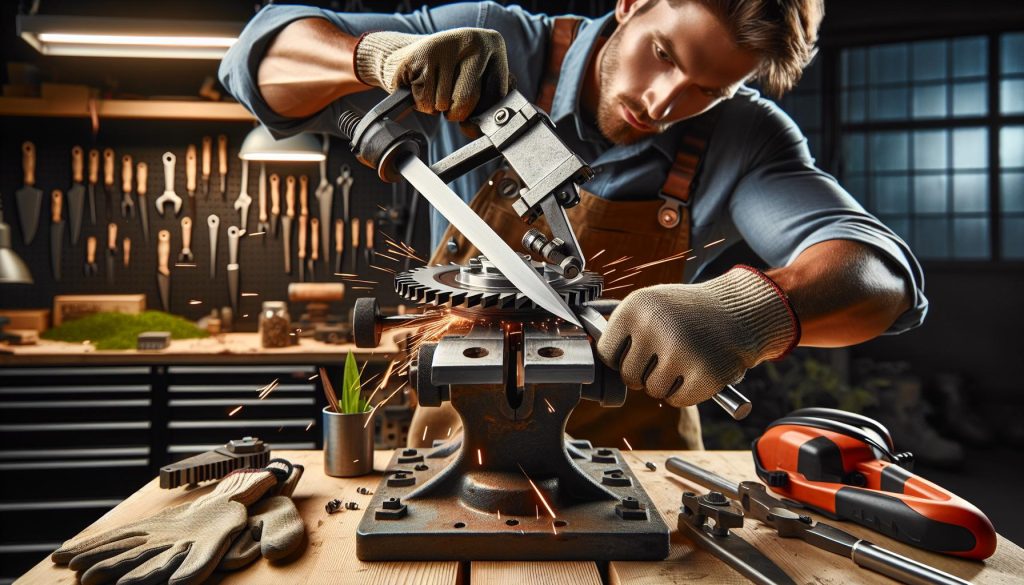
A well-sharpened lawn mower blade is crucial for achieving a healthy, vibrant lawn. Did you know that dull blades can tear grass rather than cut it cleanly, leaving your yard vulnerable to disease and pests? For homeowners committed to lawn care, knowing how to sharpen a 14-inch mower blade to its factory edge can dramatically improve your mowing experience and the overall health of your grass. This simple maintenance task not only enhances the performance of your mower but also saves you time and money in the long run. With proper sharpening techniques, you can ensure a clean cut on your lawn, allowing it to thrive beautifully. Let’s dive into the step-by-step process of sharpening your mower blade, bringing your lawn one step closer to the lush, manicured look you desire.
Understanding the Importance of a Sharp Lawn Mower Blade
Maintaining a sharp lawn mower blade is crucial for any landscaper or homeowner looking to achieve a lush, healthy lawn. A sharp blade slices through grass cleanly, as opposed to tearing it, which can leave frayed edges that invite disease and pests into your yard. When you use a dull blade, you not only compromise the health of your lawn but also create additional work for yourself. Instead of a clean cut, a dull blade can mulch grass unevenly, requiring more time and effort during your mowing sessions.
Moreover, a sharp blade significantly enhances the performance of your mower. With less resistance, your mower operates more efficiently, using less fuel and saving you money in the long run. It also reduces wear on your mower’s engine, extending its lifespan and reducing maintenance costs. When dealing with different types of grass or varying mowing conditions, a sharp edge can prevent clogging and promote better airflow, ensuring your mower runs smoothly.
In summary, keeping your lawn mower blade sharp not only fosters a healthier lawn but also contributes to the overall efficiency and durability of your mower. It transforms mowing from a mundane chore into an effective and manageable task, making your landscaping efforts more fruitful. Prioritizing blade sharpness is an investment in the health of your grass and the longevity of your equipment.
Essential Tools for Sharpening Your 14-Inch Blade
To achieve a factory edge on your 14-inch lawn mower blade, having the right tools is crucial. Each tool serves a specific purpose in the sharpening process, ensuring that your blade performs efficiently while promoting a healthy lawn. Here’s a closer look at the essential tools you’ll need to get started.
Sharpening Stone or File
A good-quality sharpening stone or metal file is fundamental for maintaining your blade’s edge. These tools allow for precise sharpening and can often be found in various grits, enabling you to choose a finer or coarser edge depending on how dull your blade is.
Drill and Blade Sharpener
For those seeking a quicker solution, a drill-mounted blade sharpener can be a game-changer. This electrical attachment simplifies the process by allowing you to sharpen the blade while it is mounted on the mower, providing consistent results with minimal effort. However, you’ll need to ensure that the sharpener is compatible with a 14-inch blade.
Protective Gear
Safety should never be overlooked. Invest in a quality pair of gloves to protect your hands from sharp edges, as well as goggles to shield your eyes from metal shavings during the sharpening process.
Torque Wrench
A torque wrench is vital for reattaching your blade after sharpening, ensuring that it is properly secured without over-tightening, which could lead to damage.
Vice or Clamp
If you prefer a more manual approach, a vice or clamp can help stabilize the blade while you work. This tool offers a steady grip, reducing the chance of slips and ensuring even strokes during sharpening.
With these essential tools in hand, you can approach the task of sharpening with confidence, helping your mower blade maintain its optimal performance and longevity. Properly sharpening your lawn mower blade not only enhances mowing efficiency but ultimately contributes to a healthier lawn.
Step-by-Step Guide to Sharpening Your Lawn Mower Blade
To achieve an optimal edge on your 14-inch lawn mower blade, a systematic approach to sharpening is essential. Not only will this enhance the performance of your mower, but it will also contribute to a healthier lawn by ensuring that grass is cut cleanly rather than torn, which can lead to brown tips and disease. Below is a straightforward guide to help you sharpen your mower blade with precision.
Begin by ensuring your safety. Wear protective gloves and goggles to guard against metal shavings and sharp edges. Remove the blade from the mower, following the manufacturer’s instructions. Typically, this involves tilting the mower on its side and using a socket wrench to loosen the bolt that secures the blade. Always take note of the blade’s orientation before removal, as it will need to be reattached in the same position.
With the blade removed, secure it in a vice or clamp for stability. This will allow you to work with greater control as you sharpen. Using a sharpening stone or file, start at the cutting edge of the blade and make smooth, even strokes. Aim to maintain the factory bevel angle, which is generally around 30 degrees. For those using a drill-mounted blade sharpener, this step is simplified, as it allows you to sharpen without detaching the blade from the mower. However, it’s crucial to ensure the sharpener is suitable for your blade size.
After the blade has been sharpened, use a wire brush to clean off any debris or rust. This is also a good opportunity to inspect the blade for any signs of damage or excessive wear, such as nicks or bends, which may require more serious attention. Once satisfied with the sharpness and condition of the blade, reattach it to the mower, ensuring that the bolt is tightened correctly using a torque wrench to prevent movement during operation.
Following these steps will keep your lawn mower performing at its best, helping you achieve that pristine manicured look in your yard. Properly maintaining your mower blade not only protects your investment but also saves time and energy during mowing tasks.
Common Mistakes When Sharpening Mower Blades
Sharpening a lawn mower blade might seem straightforward, yet many enthusiasts inadvertently make missteps that compromise the blade’s effectiveness. One common mistake is neglecting to maintain the correct bevel angle while sharpening. Each mower blade is engineered with a specific angle, typically around 30 degrees. Straying from this angle can result in a blade that doesn’t cut effectively, leaving your lawn uneven and ragged. This may lead to unwanted stress on the grass, ultimately harming its health.
Another prevalent error involves rushing through the sharpening process. Proper sharpening takes time and focus; quick, uneven strokes can create an imbalanced blade. This imbalance can negatively affect the mower’s performance, leading to vibrations that could damage the mower or lead to uneven grass length after mowing. Instead, take deliberate strokes, ensuring uniformity across the blade edge for optimal results.
Additionally, failing to clean the blade properly after sharpening is a common oversight. Residual debris such as grass clippings, dirt, and rust can dull an otherwise sharp edge. After sharpening, it’s essential to use a wire brush to remove any material that could impede the blade’s performance. A clean blade not only cuts more effectively but also improves the longevity of the mower.
Lastly, some individuals overlook the importance of checking the blade for damage before sharpening. Nicks, bends, or severe corrosion can render sharpening ineffective and might require more skilled repair or even a replacement. By addressing these common pitfalls, you can ensure your mower blade performs at its best, resulting in a healthier lawn and more efficient mowing sessions.
How to Check Your Mower Blade for Damage

When it comes to lawn care, the importance of a well-maintained mower blade cannot be overstated. A blunt or damaged blade doesn’t just affect the efficiency of your mowing; it can also harm your grass by tearing rather than cutting, creating an entry point for diseases. Before you jump into sharpening, it’s crucial to assess the condition of your mower blade. This not only ensures that any sharpening effort is effective but also helps prevent further damage to your mower.
To check your mower blade for damage, start by safely detaching it from the mower. This usually involves loosening a few bolts, so make sure to consult your mower’s manual for specific instructions. Once removed, inspect the blade closely for any visible signs of damage:
- Nicks and Chips: Look for small indentations or chunks missing from the edge. These can disrupt the cutting action and lead to an uneven cut.
- Bends or Warps: Carefully examine the blade’s body for any bending or twisting. A bent blade can cause vibrations during operation, potentially damaging other mower components.
- Severe Rust or Corrosion: Check for significant rust or corrosion spots. While light rust can often be sharpened out, extensive corrosion may compromise the structural integrity of the blade, necessitating a replacement.
- Fractures: Look for cracks on the blade, especially near the mounting holes, as these can lead to complete blade failure during operation.
If you notice minor damages, such as small nicks or light surface rust, these can often be rectified during the sharpening process. However, if you discover major issues, such as severe bends or significant corrosion, it may be best to replace the blade entirely. Not only does this save you from later complications, but it also guarantees a cleaner cut and promotes the health of your lawn.
In summary, routinely checking your mower blade for damage is an essential part of lawn maintenance. This proactive approach can save you from inefficient mowing and help maintain the beauty and health of your lawn. Always remember: a sharp, undamaged blade is key to achieving that perfectly manicured look you desire.
Safety Tips for Sharpening Lawn Mower Blades
Sharpening your lawn mower blade can be a rewarding endeavor, transforming a dull cutting edge back to its factory-fresh state. However, the process involves certain risks, making it essential to prioritize safety. One of the most critical aspects of sharpening your blade is ensuring that you work with the utmost caution. Before beginning, make sure to wear appropriate protective gear such as gloves, safety goggles, and closed-toe shoes. These items can help safeguard your hands, eyes, and feet from potential injuries caused by sharp blades and flying debris.
When preparing your workspace, ensure that it is well-lit and free from clutter. Setting up a sturdy work surface can greatly reduce the risk of accidents. If using power tools for sharpening, familiarize yourself with their controls and functions beforehand. Be mindful of electrical cords, ensuring they are kept away from moving parts and not in a position where they could trip you. If you encounter resistance while sharpening, do not force the tool; it’s better to reassess your method and maintain control to prevent slips or jolts that might lead to injury.
During the sharpening process, always handle the blade with care. When holding the blade, avoid placing your fingers near the cutting edge. Instead, grip the flat sides of the blade, and utilize a firm, controlled motion when sharpening. If you’re using a power grinder, maintain a secure stance to help manage the vibrations that can occur. Remember, working with tools can create heat; if sparks are flying, it’s a good idea to have a fire extinguisher nearby, especially if working in a dry environment.
Once you’ve finished sharpening, ensure the blade is clean and free of metal shavings before reattaching it to your mower. Double-check that all fasteners are tightened securely to prevent the blade from loosening during operation. Finally, as an additional safety measure, keep your tools in good condition and store them away appropriately when not in use. Following these safety tips will not only protect you but will also make your blade sharpening experience smooth and efficient, ultimately contributing to a healthier, well-maintained lawn.
Maintaining Your Lawn Mower Blade After Sharpening
Maintaining the longevity and performance of your lawn mower blade after sharpening is crucial for ensuring that it continues to provide a clean and efficient cut. A sharp blade not only enhances the aesthetics of your lawn but also promotes healthier grass growth. After you put in the effort to sharpen your mower blade to its factory edge, implementing a routine maintenance plan can protect your investment and guarantee optimal mowing results.
To begin with, it’s essential to regularly clean your mower blade after each use. Debris, grass clippings, and dirt can accumulate on the blade, leading to rust and corrosion if left unaddressed. Use a putty knife or a wire brush to scrape off any stuck-on grass or debris. Rinsing the blade with water can help, but ensure it is dried thoroughly afterwards to prevent moisture-related damage. Additionally, applying a light coat of oil can create a barrier against rust.
Another key aspect of maintaining your mower blade is to regularly inspect it for any signs of damage. Check for nicks, cracks, or bends that could affect its performance. Minor damage can sometimes be remedied with further sharpening, but extensive damage may necessitate a replacement. Keeping an eye on the blade’s condition after sharpening ensures that you catch issues early before they affect mowing performance.
Storage Considerations
Proper storage plays an important role in blade maintenance. When storing your mower, ensure it is kept in a dry, sheltered place to minimize exposure to moisture and environmental elements. If possible, elevate the mower off the ground on concrete or shelves to avoid any rust from soil contact. Consider using a protective cover over the mower, especially if it is stored outdoors.
Schedule for Routine Maintenance
Establishing a maintenance schedule can serve as a practical reminder to keep your mower blade in top shape. Aim to clean and inspect your blade after every few uses or at the very least, before the start of your mowing season. Regularly scheduling a thorough sharpening every season can also help maintain optimal performance throughout the mowing months.
By incorporating these maintenance tips, you will ensure that your lawn mower blade continues to perform at its best, delivering clean cuts and contributing to a vibrant lawn. Taking proactive care of your equipment is a simple yet effective way to maximize your lawn care efforts.
When to Replace Your Lawn Mower Blade

Knowing can make the difference between a beautifully manicured lawn and a patchy, unhealthy one. Even with regular sharpening, mower blades have a finite lifespan due to wear and tear, and understanding the signs of damage is essential for maintaining mower effectiveness. A blade that is dull or damaged can result in ragged cuts that are detrimental to grass health, potentially causing stress and increased vulnerability to disease.
Among the most obvious indicators for blade replacement are visible signs of damage. If you notice significant nicks, bends, or cracks when inspecting the blade, it is usually time to consider a replacement. Minor nicks may sometimes be sharpened out, but if the blade is deformed or overly corroded, attempting to salvage it can lead to poor performance and safety hazards. Regular inspections after sharpening can help catch these issues early, ensuring you address problems promptly before they affect your mowing.
Another sign that replacement is necessary is consistent poor performance even after sharpening. If your lawn mower struggles to cut grass evenly, or if you find that your grass blades appear torn rather than cleanly cut, it may not just be a dull blade but rather a blade that has outlived its effectiveness. Over time, even freshly sharpened blades can lose the precise angle needed for optimal cutting, and a replacement can restore your mower’s peak performance.
Typical Lifespan of a Lawn Mower Blade
While usage will vary based on the type of lawn and conditions, the general rule is to consider replacing your mower blade after one to three years of regular use. Frequent mowing, especially in tough conditions or with sandy soil, can accelerate blade wear. If your blade shows signs of rust or consistent damage despite regular sharpening, it might be time for an upgrade to maintain the aesthetic appeal of your lawn and promote healthy growth.
Staying attentive to the condition of your lawn mower blade and knowing when to replace it can significantly impact your lawn’s health and your mowing efficiency. Investing in a quality replacement blade will not only save your grass but will also enhance the overall mowing experience.
The Benefits of Keeping a Sharp Mower Blade
Maintaining a sharp mower blade is fundamental to achieving a lush and healthy lawn. A sharp blade not only delivers cleaner cuts, which helps grass recover quickly, but also reduces the amount of stress placed on the plant. This results in more vigorous growth and enhances the lawn’s resilience against pests and diseases. When grass is cut with a sharp blade, it experiences minimal damage, leading to a tidier appearance and improving the overall aesthetic of the garden.
In addition to promoting healthy grass, a sharp blade contributes to the efficiency of your mowing process. With a properly sharpened edge, your mower requires less energy to slice through grass, which means reduced wear and tear on the machine. This efficiency translates to longer intervals between maintenance, saving you both time and money in the long run. Moreover, sharp blades allow for smoother operation, decreasing the risk of stalling the mower or dealing with uneven cuts that can mar the lawn.
Consider also the environmental impact of a well-maintained lawn mower. A sharp blade reduces fuel consumption, as the mower works less hard to achieve the same results. This efficiency not only benefits your wallet but also lessens the carbon footprint associated with lawn maintenance. The longevity of your mower can be significantly enhanced by keeping the blade sharp, ensuring you spend less on repairs and replacements.
Ultimately, investing time in sharpening your mower blade translates not just to improved lawn health but also to a more effective and sustainable mowing experience. Regular sharpening, ideally before the mowing season begins and throughout the year as needed, is a simple yet powerful way to care for your lawn and enhance your gardening practices.
DIY vs. Professional Blade Sharpening: Which is Best?
When it comes to keeping your lawn mower blades sharp, a common debate arises: is it better to handle sharpening yourself, or should you trust a professional? Each approach offers distinct advantages and potential drawbacks, making it essential to weigh your options based on your personal skills, time constraints, and the condition of your mower blades.
For those considering a DIY sharpening approach, it’s important to acknowledge the hands-on experience it provides. With the right tools-such as a sharpening stone, file, or specialized blade sharpener-many homeowners find that they can achieve acceptable results with a bit of practice. This method promotes self-sufficiency, allowing you to adjust the sharpness as frequently as you feel necessary, which is particularly useful during peak growing seasons. Moreover, the cost savings from not having to pay for professional services can add up significantly over time, making it a tempting option for budget-conscious gardeners. However, inexperienced users might face challenges in achieving the proper angle or level of sharpness, potentially leading to uneven cuts that could harm the grass.
On the flip side, enlisting a professional for blade sharpening can provide peace of mind, ensuring that the job is done right. Professionals typically have access to specialized equipment and extensive experience, capable of producing a sharper edge with more precision than most DIY setups. For those who lack the necessary tools or time to devote to the process, hiring a service can save valuable hours and effort, allowing you to focus on other gardening tasks. There’s also an aspect of safety; mishandling sharp blades during a DIY project enhances the risk of injury.
In deciding between DIY and professional blade sharpening, consider the following factors:
- Skill Level: If you have experience and feel comfortable working with tools, attempting DIY sharpening could be rewarding.
- Time Investment: Think about your schedule; if time is limited, a professional service could be more practical.
- Cost Considerations: Weigh the cost of professional services against the investment in tools if you choose to sharpen blades yourself.
- Blade Condition: Severely damaged blades may require expert attention to bring them back to a functional state.
Ultimately, the choice between DIY and professional blade sharpening hinges on your individual circumstances, preferences, and the specific needs of your lawn mower. Both methods can yield great results when executed properly, so evaluating which aligns best with your lifestyle will lead to the healthiest lawn possible.
Troubleshooting Poor Mowing Performance After Sharpening
After investing time and effort into sharpening your lawn mower blade, it can be disheartening to experience poor mowing performance. Several factors can contribute to this issue, and addressing them proactively can help restore your mower’s efficiency.
One common reason for unsatisfactory cutting results after sharpening is improper blade installation. Ensure that the blade is secured tightly and oriented correctly; it should rotate in the right direction for optimal performance. A loose or incorrectly positioned blade not only affects the cut quality but can also lead to vibrations that might damage the mower.
Another possibility is that your mower is not leveled correctly. A mower that tilts can produce uneven cuts and scalping of the lawn. Check the deck height adjustments and confirm that the mower sits evenly on the ground. Additionally, some mowers can benefit from adjusting the cutting height according to the type of grass and its growing conditions.
It’s also essential to consider the sharpness achieved during your sharpening session. If the blade wasn’t sharpened at the correct angle, or if burrs were left on the edge, the mower may still struggle with clean cuts. Performing a quick inspection of the blade edge can reveal whether further tuning is necessary. Regularly checking and maintaining proper blade sharpness will lead to healthier grass and enhance the mower’s performance over time.
Lastly, ensure that the mower is running efficiently. Poor engine performance, whether due to a clogged air filter, dull spark plug, or stale fuel, can hinder the mower’s ability to cut cleanly. A well-maintained engine will provide the power needed for effective mowing. Following these troubleshooting steps can greatly improve your mowing experience and keep your lawn looking sharp.
Tips for Storing Your Lawn Mower Blade Properly
To ensure your lawn mower blade remains in top condition after sharpening, proper storage is essential. An often-overlooked detail, storing your blade correctly can significantly extend its life and maintain its sharpness. A common misconception is that blades can simply be left anywhere; however, moisture and environmental factors can lead to rust and dullness. By investing some time in the right storage practices, you can make sure your sharpened blade stays ready for its next use.
First, consider cleaning the blade thoroughly after sharpening. Remove any grass clippings, dirt, and debris that could trap moisture. Use a wire brush or cloth to wipe down the blade, ensuring a clean surface. After cleaning, apply a light coating of oil or a rust inhibitor spray. This protective layer helps shield the metal from moisture, preventing rust formation during storage.
When storing the blade, opt for a dry and temperature-controlled environment. Avoid damp basements or sheds where humidity can be a concern. To keep the blade secure and prevent accidental damage, use a dedicated storage container or hang it on a wall with a protective cover to shield its edges. Alternatively, consider storing it in a blade storage rack designed for this purpose.
Lastly, maintain a habit of checking your stored blade periodically. Look for any signs of rust or dullness, and address these issues promptly. Regular inspections not only preserve the blade’s performance but also ensure that your mower operates efficiently during those crucial lawn care weekends. By adopting these storage tips, you can enjoy a sharp, effective blade that’s always ready to tackle your lawn care needs.
FAQ
Q: How often should I sharpen my lawn mower’s 14-inch blade?
A: You should sharpen your lawn mower’s 14-inch blade at least once a season or after every 10 hours of use. Regular sharpening helps maintain cutting performance and promotes healthier grass growth.
Q: What is the most effective way to sharpen a lawn mower blade?
A: The most effective way to sharpen a lawn mower blade is to use a rotary grinder or a sharpening stone while maintaining a 30-degree angle on the edge. This method ensures a clean cut and prevents blade damage. Check out the “Step-by-Step Guide to Sharpening Your Lawn Mower Blade” section for detailed instructions.
Q: Can I sharpen my lawn mower blade without removing it?
A: Yes, you can sharpen your lawn mower blade without removing it, but it’s safer and more effective to detach the blade first. This allows for better access and control, ensuring a uniform edge. Refer to the “Safety Tips for Sharpening Lawn Mower Blades” for more guidance.
Q: What tools do I need to sharpen a lawn mower blade effectively?
A: To sharpen a lawn mower blade effectively, you’ll need a sharpening stone or a rotary tool, a wrench to remove the blade, safety goggles, and gloves. The “Essential Tools for Sharpening Your 14-Inch Blade” section covers the tools in detail.
Q: How can I tell if my lawn mower blade is dull?
A: You can tell if your lawn mower blade is dull if it tears the grass instead of cutting it cleanly, resulting in frayed tips. You might also notice a brownish hue on grass after mowing. Check the “How to Check Your Mower Blade for Damage” section for more diagnostic tips.
Q: Is it better to use a professional service for sharpening lawn mower blades?
A: Using a professional service can ensure precise sharpening and may save you time, especially if you’re uncomfortable doing it yourself. However, with the right tools and knowledge, DIY sharpening is a cost-effective option. Explore “DIY vs. Professional Blade Sharpening: Which is Best?” for comparison insights.
Q: What should I do if my lawn mower blade chips after sharpening?
A: If your lawn mower blade chips after sharpening, it may be due to excessive wear or improper sharpening technique. Inspect the blade for damage and reshaping needs. Refer to the “Common Mistakes When Sharpening Mower Blades” section for prevention tips.
Q: How do I maintain my lawn mower blade after sharpening?
A: After sharpening, maintain your lawn mower blade by regularly cleaning it, lubricating moving parts, and avoiding cutting on rocky or hard surfaces. Regular maintenance extends the life of the blade. For more information, see the “Maintaining Your Lawn Mower Blade After Sharpening” section.
To Wrap It Up
Congratulations on learning how to sharpen your 14-inch lawn mower blade to a factory edge! With the right techniques, you can enhance your mower’s performance, ensuring a cleaner, healthier cut for your lawn. Remember, regular maintenance not only prolongs the life of your blade but also optimizes your lawn care efforts, making your outdoor space look pristine.
If you’re keen on elevating your lawn care routine even further, check out our guides on maintaining your lawn mower and seasonal lawn care tips. Don’t forget to subscribe to our newsletter for expert advice and exclusive resources, ensuring your lawn stays vibrant year-round. Have questions or tips of your own? Share them in the comments below! Your feedback helps build a supportive community of lawn care enthusiasts. Now, get out there and enjoy your beautifully sharpened mower!