
Maintaining a sharp lawn mower blade is essential for achieving a healthy, beautiful lawn, yet many homeowners overlook this crucial task. A dull blade tears grass rather than cuts it cleanly, weakening the plants and making them more susceptible to disease. Fortunately, sharpening your lawn mower blade with a bench grinder is an efficient way to restore its cutting edge, but safety should always come first. In this guide, we’ll explore the step-by-step process of sharpening your blade safely, emphasizing protective measures and proper techniques. Whether you’re a seasoned DIYer or a novice looking to enhance your lawn care skills, you’ll gain the confidence to tackle this important maintenance task effectively. Ready to ensure your mower is ready for the next cutting session? Let’s dive in!
How a Sharp Blade Benefits Your Lawn Health
A sharp lawn mower blade is crucial for the health and appearance of your lawn. When blades are dull, they don’t cut grass cleanly; instead, they tear and shred the grass, creating jagged edges that can lead to browning and a weakened lawn. This type of damage exposes the grass to disease and pests, potentially leading to more significant lawn care issues down the line. In contrast, a well-sharpened blade ensures a clean, precise cut, which not only looks better but also helps maintain the overall health of the grass.
In addition to promoting a healthier lawn, sharp blades improve the efficiency and performance of your mowing equipment. A sharp blade requires less power to cut through the grass, which can reduce fuel consumption and minimize wear on your mower. This translates to longer equipment lifespan and reduced maintenance costs. Moreover, mowing with sharp blades can help retain moisture in the soil, as the clean cut minimizes stress on the grass, which aids in water absorption.
Routine sharpening is essential, particularly during the peak growing seasons when grass is actively growing. An easy rule of thumb is to sharpen your lawn mower blades after every 10 hours of use or at least once a month during peak cutting seasons. Not only does this practice lead to healthier grass, but it also enhances the overall appearance of your lawn, giving it a lush, vibrant look that is the envy of the neighborhood. Thus, investing time in keeping your mower blades sharp is not just a maintenance task; it’s an essential step in maintaining the vitality and beauty of your outdoor space.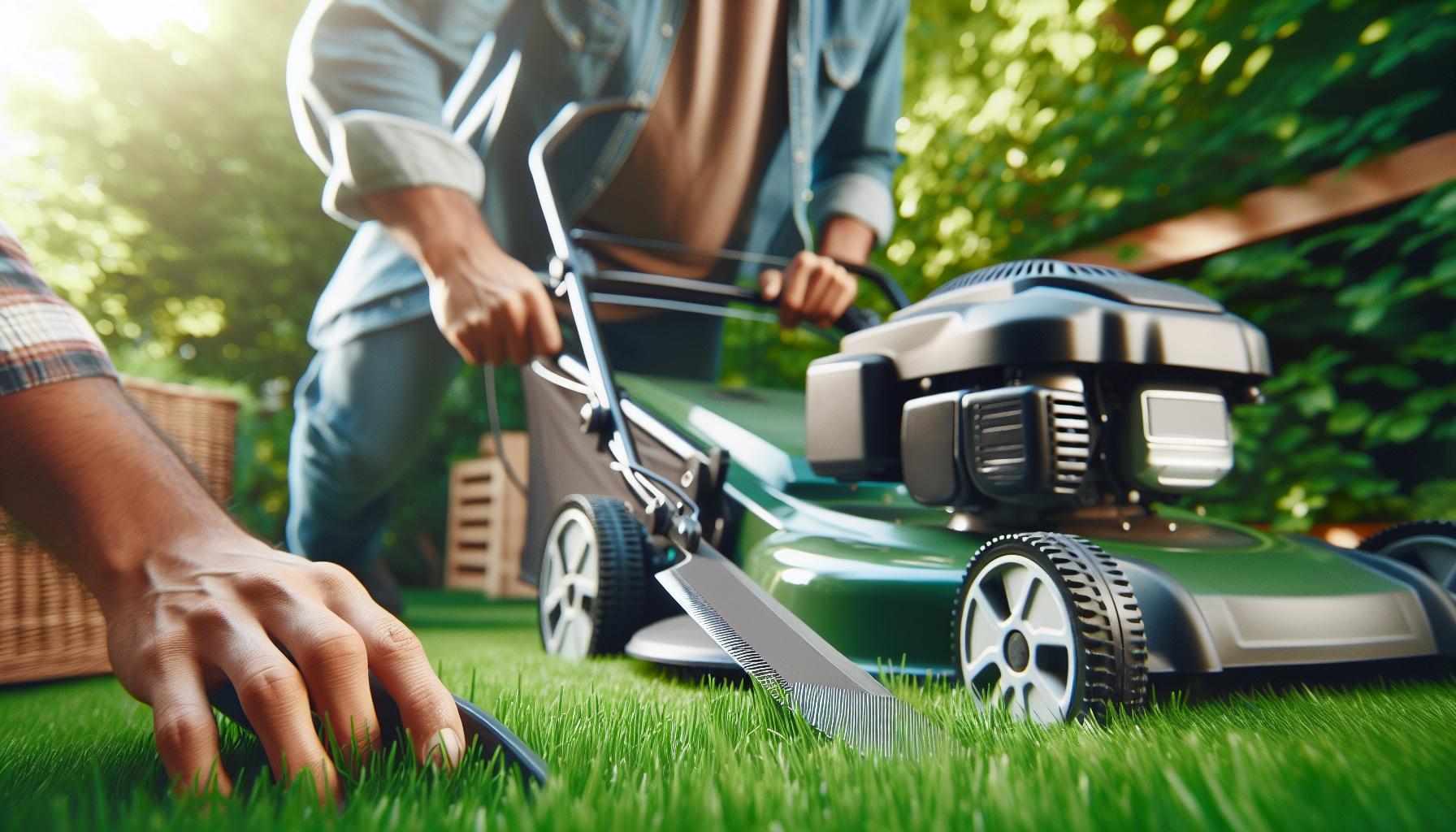
Essential Safety Gear for Grinding Lawn Mower Blades
When it comes to sharpening lawn mower blades, safety is paramount. Using a bench grinder can indeed make the task efficient, but without the right protective equipment, it poses serious risks. The high-speed operation of a grinder can fling metal shards, create sparks, and even lead to potential accidents from tool misuse. Therefore, equipping yourself with the essential safety gear ensures not only your protection but also a smoother sharpening experience.
First and foremost, safety goggles are critical. They shield your eyes from flying debris and sparks that can result from grinding metal. Opt for goggles that fit snugly and provide a clear view; this allows you to maintain visibility while focusing on the blade. Alongside goggles, hearing protection such as earplugs or earmuffs can help reduce exposure to the loud noise produced by the grinder, preventing long-term damage to your hearing.
Heavy-duty gloves are equally important; they protect your hands from sharp edges, hot surfaces, and accidental slips. Choose gloves made from durable materials that provide good grip, allowing you to securely hold the blade during sharpening. Additionally, consider wearing long sleeves or protective clothing to cover any exposed skin, further reducing the risk of cuts and abrasions.
For those who might be particularly sensitive to dust and debris, a dust mask or respirator can be beneficial. This is especially relevant if you’re working in a poorly ventilated area where metal filings and particles can accumulate in the air. By ensuring you have the right safety gear, you set a solid foundation for a safe, efficient, and productive sharpening session.
Step-by-Step Guide to Using a Bench Grinder
Using a bench grinder is one of the most effective ways to sharpen your lawn mower blades, and mastering the technique can lead to better performance and healthier grass. The process is straightforward, but it requires attention to detail and safety precautions to ensure optimal results without accidents. Below is a practical guide to using a bench grinder for sharpening lawn mower blades efficiently.
Before starting, ensure your bench grinder is securely mounted and plugged in. Always wear your protective gear, including safety goggles, hearing protection, and gloves, and make sure that you are working in a well-ventilated area to manage any dust or debris.
Preparation of the Blade
- Remove the Mower Blade: First, turn off the lawn mower and disconnect the spark plug for safety. Use a wrench to carefully remove the blade, ensuring you hold it securely to avoid any slips.
- Clean the Blade: Inspect the blade for any dirt or grass residue and clean it thoroughly. A clean blade allows for more effective sharpening.
- Examine the Blade Condition: Check for any significant nicks or damage. If the blade is excessively worn or damaged, you may need to replace it instead of trying to sharpen it.
Sharpening Process
- Positioning the Blade: With the blade cleaned and inspected, hold it at the proper angle, usually around 30 to 45 degrees, against the grinder’s wheel.
- Grinding Technique: Start the grinder and gently press the blade against the wheel. Utilize a steady and consistent motion, moving the blade across the grinding wheel, from the base to the tip. It’s essential to keep the same angle throughout the process to ensure an even edge.
- Cooling the Blade: The friction generated can make the blade hot, potentially damaging its temper. Submerge the blade in water frequently during the sharpening process to keep it cool and prevent overheating.
Finalizing the Blade
- Inspect the Edge: After sharpening, check the blade edge for uniformity and sharpness. You can run your finger lightly on the edge (with caution!) to feel for sharpness and evenness.
- Reattach the Blade: Once satisfied, reattach the blade securely to the mower, remembering to reconnect the spark plug.
- Test it Out: Before fully using your mower, conduct a test run on a small patch of grass to ensure the blade cuts smoothly and efficiently.
By following these steps carefully, not only will you sharpen your lawn mower blades effectively, but you’ll also ensure safety and prolong the life of your equipment. Regular blade maintenance is key to a healthy lawn, and mastering the use of a bench grinder plays a significant role in achieving that goal.
Identifying When Your Mower Blade Needs Sharpening
A dull lawn mower blade can wreak havoc on your lawn, leading to ragged cuts that make grass susceptible to disease and pests. Recognizing the signs that your blade needs sharpening is essential for maintaining a healthy lawn. A sharp blade not only cuts grass cleanly but also contributes to the overall aesthetic and health of your yard. Here are some key indicators that it’s time to sharpen your mower blade.
One of the most noticeable signs is the quality of the cut. If you see jagged or torn edges on grass blades after mowing, it’s clear that your mower blade is dull. Healthy grass should have a clean cut and look fresh, as opposed to a shredded appearance that can leave the plant vulnerable to disease. Additionally, if the mower seems to struggle while cutting, or if you notice excess clumping of grass clippings, these can also signal a need for sharpening.
It’s also wise to assess your mowing routine. If you’ve mowed several times without sharpening, it’s probably time to take action. As a rule of thumb, blades should be sharpened at least once or twice during the mowing season, depending on the frequency of use and the type of terrain you’re tackling. For instance, lawns with thick, tough grasses may require more frequent sharpening compared to a standard fescue lawn. Finally, if you notice an increase in effort required to push or maneuver your mower, a dull blade could be the culprit, making the task more labor-intensive than necessary.
Incorporating regular inspections into your maintenance routine will help ensure that you catch dull blades before they affect your lawn health. By staying proactive about blade sharpening, you’ll achieve a cleaner, healthier cut every time you mow.
Choosing the Right Bench Grinder for Lawn Care
Choosing the right bench grinder is essential for achieving a professional-level sharpness on your lawn mower blades. Not only does a quality grinder enhance performance, but it also ensures safety and efficiency during the sharpening process. While selecting a bench grinder, consider the motor power, type of grinder, and specific features that cater to lawn care needs.
Start with the motor power; a stronger motor-typically between ½ to 1 HP-will provide smoother operation and more consistent sharpening results. Ideal grinders for lawn care should also have a variable speed feature, allowing you to adjust the wheel speed based on the material and thickness of the mower blade. This flexibility helps to prevent overheating, which can damage the metal and lead to an ineffective sharpening job.
Another important aspect is the type of grinding wheel. For sharpening mower blades, look for wheels made of aluminum oxide or ceramic materials, as they offer durability and effective grinding capabilities. A 36-grit wheel is generally suitable for initial sharpening, while a finer wheel (like 60-grit) can be used for finishing touches to achieve that razor-sharp edge. Additionally, consider grinders that come with optional attachments, such as blade sharpening jigs, which can greatly assist in maintaining the angle of the blade while sharpening.
When evaluating portable versus stationary grinders, think about your workspace and how often you’ll sharpen blades. A stationary bench grinder, often more stable, is ideal for regular users who have a workshop set up. Conversely, a portable option might suit homeowners who prefer to perform maintenance tasks in different locations. Ensuring you have the right setup not only makes the sharpening more efficient but also enhances safety.
By investing in a suitable bench grinder equipped with the necessary features, you’ll ensure effective sharpening of your mower blades, leading to better lawn health and easier mowing sessions. Thus, a well-chosen grinder becomes an indispensable tool in your lawn care arsenal.
Common Mistakes to Avoid While Sharpening
When sharpening lawn mower blades, even seasoned users can fall prey to common missteps that can compromise both the blade and the overall cutting performance. One of the most frequent errors is insufficient attention to the angle of the blade edge. Maintaining the original bevel is crucial for optimal cutting. Any deviation can lead to an uneven cut, causing additional stress on the mower and a potentially unhealthy lawn.
Another critical oversight is neglecting to cool the blade during the sharpening process. Excessive heat can affect the temper of the metal, which might result in a blade that dulls quickly or even becomes brittle. To avoid this, periodically dip the blade in water or use a slower speed on the grinder to maintain a cooler blade temperature. This practice not only preserves the integrity of the metal but also prolongs the life of your blade.
It’s also essential to regularly check the condition of your grinding wheel. Using a worn or cracked wheel can lead to inefficient sharpening and may pose safety hazards. Ensure that the wheel’s grit is suitable for lawn mower blades and replace it as necessary. Additionally, failing to secure the blade properly can lead to accidents. Always use a vice or appropriate holding device to stabilize the blade while sharpening.
Lastly, one common mistake is overstressing the grinding process. Rushing through sharpening can lead to insufficiently sharpened edges. Take your time to work methodically along the blade edge, allowing for a more even finish. This patience not only achieves a better cut but also makes the overall mowing experience smoother. By being mindful of these pitfalls, you can ensure that your lawn mower blades remain sharp and effective, ultimately contributing to a healthier lawn.
Maintaining Your Bench Grinder for Optimal Performance
To achieve consistent and efficient sharpening results, maintaining your bench grinder is essential. A well-kept grinder not only enhances the sharpening process but also contributes to the longevity and effectiveness of your tools. Regular maintenance can prevent common grinding issues, extending the life of both the grinder and the mower blades.
Start with routine inspections of your grinding wheel. Over time, wheels can wear down, become cracked, or lose their shape. Using a worn wheel can lead to uneven sharpening and potentially damage the blade. It’s important to check the condition of your wheel before each use and replace it if you notice any signs of wear or damage. Ensure that the wheel you use is appropriate for metal sharpening; a wheel with a suitable grit is crucial for achieving fine edges on mower blades.
Another aspect of maintenance involves keeping the grinder itself clean. Dust and metal shavings can accumulate and hinder performance. Regularly clean the grinder’s work area and ensure that any debris is cleared from the motor and vents to prevent overheating. A clean workspace not only enhances safety but also improves the accuracy of your sharpening efforts. Furthermore, lubricating any moving parts according to the manufacturer’s specifications can help the grinder operate smoothly, reducing wear on components and maintaining effective performance.
Lastly, always ensure that the grinder is properly secured on a stable surface. Vibration from an unstable setup can lead to inaccuracies in sharpening and make the process unsafe. Using rubber feet or mats can help absorb vibrations, providing a more stable grinding experience. By focusing on these maintenance tasks, you can optimize your bench grinder’s performance and make your lawn mower blade sharpening tasks easier and more efficient.
Alternative Methods for Sharpening Mower Blades
While a bench grinder is often the go-to tool for sharpening mower blades, several alternative methods can achieve excellent results without the need for specialized equipment. One popular option is using a file or hand-held sharpener. This method is particularly effective for those who prefer a hands-on approach and wish to have more control over the sharpening process. By using a single-cut file, you can gently stroke the blade in a steady motion, maintaining the blade’s original angle, which helps preserve its integrity and ensures a clean cut.
Another alternative is the drill attachment method, where a specially designed sharpening stone can be attached to a standard drill. The convenience of this method allows for quick and efficient sharpening. Simply secure the mower blade in a vise, insert the sharpening stone into the drill, and apply the drill to the blade’s edge. This technique requires minimal effort and can be as effective as using a bench grinder when done properly, ensuring the blade retains its sharpness without the risk of overheating or warping due to high-speed grinding.
For those in a pinch or looking for a more economic solution, using a grinding wheel on a handheld electric angle grinder can also prove beneficial. Just like with the bench grinder, it’s crucial to work with proper technique and maintain the blade’s angle. Keep in mind that this method tends to be more aggressive, so extra caution is needed to avoid removing too much material or damaging the blade.
Finally, for occasional maintenance, commercial blade sharpeners are worth considering as they provide an all-in-one solution for sharpening needs. Many of these sharpeners are designed specifically for lawn mower blades and offer a user-friendly experience. They typically feature guides to ensure the correct blade angle is maintained, making them suitable for both novices and seasoned lawn care enthusiasts. By exploring these alternative methods, you can keep your mower blades sharp and your lawn healthy without the sole reliance on a bench grinder.
Troubleshooting: What to Do if Blades Are Damaged
When mowing your lawn, one of the most frustrating issues can be discovering that your mower blades are damaged. Dull or nicked blades not only lead to an uneven cut but can also tear the grass, making it vulnerable to disease and pests. If you notice physical damage to your blades, such as chips, bends, or cracks, it’s essential to address these issues promptly to maintain optimal lawn health and mower performance.
Start by assessing the extent of the damage to your blades. For minor nicks and chips, you might be able to sharpen them back to good condition using a bench grinder. Begin by securely clamping the blade and cautiously applying the grinder to the damaged areas, ensuring that you maintain the original angle of the blade. If a significant portion of the blade is bent, it may be better to attempt a straightening process first. Gently hammer the blade back into shape on a flat surface, taking care not to create stress fractures.
In cases where the blade has deep cracks, significant bends, or has been ground down too far, replacement may be the safest and most effective option. Using damaged blades can not only harm grass health but may also lead to further damage to your mower’s mechanism. Always choose a replacement blade that is compatible with your model and made from high-quality material to ensure durability.
After either repairing or replacing the blades, remember to regularly inspect them again. Keeping your blades sharp and in good condition not only extends their lifespan but also enhances mowing efficiency. Establishing a routine check-up every few mowing sessions can help catch any problems early, ultimately saving you both time and money in the long run.
Tips for Storing and Caring for Sharp Blades
Storing and caring for sharp lawn mower blades is crucial for achieving the best performance and longevity from your equipment. A well-maintained blade not only cuts grass more effectively but also minimizes the risk of damage to both the blade and the mower. One essential practice is to ensure that your blades are completely dry before storage. Moisture can lead to rust, which not only degrades the metal but also creates an uneven cutting surface. Consider applying a thin layer of oil or a rust-inhibiting spray to the blades before putting them away, as this can significantly extend their life.
Another important factor is the manner in which the blades are stored. It is advisable to keep them in a designated area, preferably on a shelf or in a tool cabinet, rather than tossing them into a pile with other tools. This helps prevent accidental contact with other sharp objects that could dull or damage the edges. Additionally, using blade covers or protective sheaths can provide an extra layer of defense against impacts, moisture, and dirt accumulation.
If you’re storing blades for an extended period, such as during the off-season, take the time to inspect them thoroughly before putting them away. Look for any signs of wear or damage that may have gone unnoticed during routine inspections. Keeping a maintenance log can be beneficial; note when blades were last sharpened, any damages identified, and the conditions they were used in. This proactive approach ensures that your blades will be ready for optimal performance when the grass starts growing again.
Finally, recognizing the importance of periodic maintenance can’t be overstated. Schedule regular inspections and sharpenings based on your usage frequency. A sharp blade does wonders for your lawn, promoting healthier grass growth and reducing the risk of disease. By investing time in properly caring for and storing your mower blades, you’re ultimately contributing to the health and aesthetic of your lawn for seasons to come.
Understanding Different Types of Lawn Mower Blades
Different types of lawn mower blades are designed for specific cutting needs, which makes understanding their characteristics essential for achieving the best lawn care results. Each blade type excels in unique situations, and matching the right blade to the mowing task can significantly enhance lawn health while also making the sharpening process with a bench grinder more effective.
Among the most common blade types, mulching blades are designed with a curved shape that allows for finer clipping and a more efficient grass recycling process. This design enables the grass to be cut multiple times before it hits the ground, creating a natural fertilizer that promotes soil health. Using a bench grinder to sharpen mulching blades requires an understanding of their unique angles to ensure precise cutting edges without losing their specialized shape.
On the other hand, high-lift blades are engineered to create a stronger airflow that lifts grass for an even cut, making them ideal for taller grass varieties. When sharpening high-lift blades, it’s crucial to maintain the specific angle of the blade’s lift to ensure optimal functionality. Meanwhile, low-lift blades typically suit flatter terrains and are less likely to clog, which means they require a different sharpening technique.
Another popular option is the Gator blade, a hybrid design that combines features of mulching and high-lift blades. These blades are excellent for users who want versatility. The sharpening technique here might involve a more careful approach, ensuring that the unique serrated edges maintain their effectiveness.
Understanding these various blade types not only aids in selecting the correct one for your particular mowing task but also informs the sharpening process. For instance, properly knowing how each type should be ground down can make a substantial difference in blade performance. Utilizing specific techniques and angles while sharpening with a bench grinder will prolong blade life and improve your mower’s performance, thus contributing to the overall health of your lawn.
The Importance of Regular Maintenance for Longevity
Regular maintenance of lawn mower blades is essential not just for enhancing performance, but also for extending the life of your equipment. Dull blades can cause uneven cuts and stress the mower engine, leading to unnecessary wear and tear. Keeping your blades sharp ensures they cut cleanly, which is critical for promoting healthy grass growth. Grass cut with sharp blades is less prone to fraying, which can lead to disease and pest infestation. A well-maintained blade, sharpened properly using a bench grinder, can significantly improve the overall health of your lawn while reducing the need for frequent replacements or repairs.
To achieve optimal results, establish a maintenance routine that includes regular inspections and sharpening intervals. Depending on how frequently you mow, an interval of every 20-25 hours of operation is often recommended. This practice not only keeps your mower performing at its best but also saves you time and money in the long run. Incorporate a simple checklist in your routine:
- Inspect Blades: Check for signs of wear or damage before each use.
- Sharpen Blades: Use a bench grinder to restore the edge, ideally at the start of the mowing season.
- Clean Blades: Remove grass clippings and debris after mowing to prevent rust and deterioration.
- Check Bolts and Fasteners: Ensure everything is tight and secure to prevent accidents.
Properly caring for your mower blades not only promotes longevity but also enhances the efficiency and effectiveness of your mowing. A sharp blade allows for more efficient cuts, which means the mower doesn’t have to work as hard, ultimately saving energy and prolonging the life of the engine. By prioritizing blade maintenance, you’re investing in the health of your lawn and the durability of your equipment-two wins for any lawn care enthusiast.
Faq
Q: What safety precautions should I take when sharpening a lawn mower blade with a bench grinder?
A: To ensure safety while using a bench grinder, always wear safety goggles or a face shield, hearing protection, and gloves. Ensure the grinder is turned off before attaching or detaching blades, and keep fingers away from the moving wheel to prevent injuries. For detailed safety gear, see our section on essential safety gear.
Q: How can I tell if my lawn mower blade needs sharpening?
A: You can tell if your lawn mower blade needs sharpening by looking for signs like uneven cuts, tearing of the grass instead of slicing, or visible nicks. Regularly checking the blade will help maintain your lawn’s health and prevent more wear. More details are in the article about recognizing when blades need sharpening.
Q: Is it okay to sharpen a mower blade on a bench grinder if I’ve never done it before?
A: Yes, you can sharpen a mower blade on a bench grinder as a beginner, but it’s essential to follow a step-by-step guide closely. Familiarize yourself with safety protocols and practice on a spare blade before attempting your primary blade for better results. Our guide has specific steps to help you.
Q: What type of bench grinder is best for lawn mower blades?
A: A bench grinder with a high-speed motor and a fine-grit wheel is best for sharpening lawn mower blades. Look for grinders that are rated for the speed necessary to avoid overheating the blade. For exceptional performance, check our recommendations in the section about choosing the right grinder.
Q: Can I sharpen my lawn mower blades without a bench grinder?
A: Yes, you can sharpen lawn mower blades without a bench grinder by using hand tools like a sharpening stone or file. This method requires more effort but is effective for minor touch-ups. For more information, see our alternative methods section.
Q: What are common mistakes to avoid when sharpening lawn mower blades?
A: Common mistakes include overheating the blade, not securing the blade properly, and failing to maintain the correct angle during sharpening. These errors can lead to dull blades or damage. Check out our section on common mistakes for more tips.
Q: How often should I sharpen my lawn mower blade?
A: You should sharpen your lawn mower blade every 20 to 25 hours of mowing or at least once per season. Frequent sharpening ensures clean cuts and promotes healthier grass. For deeper insight, refer to our article section on the importance of regular blade maintenance.
Q: What tools are needed for sharpening a lawn mower blade with a bench grinder?
A: You’ll need personal protective equipment (PPE), a bench grinder, a wrench for blade removal, and possibly a sharpening jig to help maintain the correct angle. For step-by-step instructions, check out our comprehensive guide on using a bench grinder.
In Conclusion
Now that you’re equipped with the essential techniques for sharpening your lawn mower blade using a bench grinder safely, it’s time to take action! Ensuring your blades are sharp is crucial for a healthy lawn, as dull blades can cause unnecessary damage and browning. Don’t forget to check out our guides on how to maintain your lawn mower and essential lawn care tips to keep your yard looking its best.
For even more insights, consider signing up for our newsletter or exploring our range of lawn care products that can help you maintain your outdoor spaces effectively. We’d love to hear your experiences-comment below with any questions or tips you have! Remember, a well-maintained mower not only improves your lawn but also prolongs the life of your equipment. Keep your blades sharp and your lawn flourishing!