
A well-maintained lawn is not just aesthetic; it contributes to the overall health of your yard. One crucial yet often overlooked aspect of lawn care is the sharpness of your mower blades. Did you know that dull blades can tear grass instead of cutting it cleanly, leading to brown edges and making your lawn more susceptible to disease? In this guide, we will walk you through the essential steps to sharpen your lawn mower blades, empowering you to achieve a healthier, more vibrant lawn. By investing a little time and effort into this simple maintenance task, you’ll not only enhance the performance of your mower but also contribute to the lush landscape you desire. So, let’s dive into mastering this vital skill that ensures your grass stays green and thriving throughout the season.
How to Know When Your Lawn Mower Blades Need Sharpening
Recognizing when your lawn mower blades need sharpening is essential for maintaining a healthy and attractive lawn. Dull blades can tear grass rather than cut it cleanly, leading to a brown, ragged appearance and making your lawn vulnerable to disease. One of the simplest ways to determine if your blades need attention is through a visual inspection. If you notice that the grass is not being cut evenly or you see frayed edges, it’s a sign that the blades have lost their sharpness.
Another indicator is the performance of your mower. If it struggles to cut through even healthy grass at normal speeds, or if you find yourself making multiple passes over the same area, your blades are likely dull. Additionally, pay attention to the clippings; if they are clumping instead of spreading evenly across the lawn, this could also signify that the blades require sharpening.
To maintain optimal mowing results, aim to check your blades regularly, particularly after every 10 hours of use or at the start of each mowing season. Establishing a routine will help you catch any issues early, ensuring that your mower operates efficiently and prolonging the life of both your mower and your lawn.
Understanding the Different Types of Lawn Mower Blades
Understanding the type of lawn mower blades you have is crucial for effective maintenance and optimal performance of your lawn care equipment. Different blades have distinct designs tailored to specific mowing tasks, and understanding these differences can help you choose the right blade for your mower and lawn conditions.
There are typically three main types of lawn mower blades: standard blades, mulching blades, and high-lift blades. Standard blades, which are flat and straight, are designed primarily for regular grass cutting. They provide a clean cut and are effective for well-maintained lawns. On the other hand, mulching blades feature a curved design with specialized cutting edges that help chop grass clippings into finer pieces, allowing them to decompose quickly and return nutrients to the soil. This makes mulching blades ideal for eco-conscious gardeners looking to minimize yard waste. Finally, high-lift blades have a distinctive design that lifts grass blades upwards while cutting, ensuring a more efficient grass discharge. These blades are perfect for cutting thick or tall grass, as they can effectively handle larger volumes of clippings.
Choosing the right type of blade not only affects the quality of your cut but also influences how often you’ll need to sharpen them. For instance, mulching blades tend to dull quicker due to their design being less suited for tough grass or uneven terrains, necessitating more frequent sharpening. Conversely, while standard blades may not need to be sharpened as often if used on well-groomed grass, it’s still essential to consider the specific conditions under which you mow.
When selecting blades, always consider your lawn’s specific needs as well as your mower’s compatibility. Refer to the manufacturer’s specifications to ensure you choose the right type, as using incompatible blades can lead to subpar performance and increased wear on your mower. By understanding these different types of blades and their roles, you can maintain your lawn mower more effectively and keep your lawn looking its best year-round.
Essential Tools for Sharpening Lawn Mower Blades
To achieve a sharp, clean cut on your lawn, having the right tools for sharpening your lawn mower blades is essential. Just like any craft or trade, using the best equipment can significantly impact the outcome of your work, ensuring that your mower blades not only cut cleanly but also last longer between sharpenings.
To get started, you’ll want to gather the following essential tools:
- File or Grinder: A fine file is ideal for precision work, while an electric grinder can save time on tougher blades. Belt sanders are also great options for quick sharpening.
- Wrench or Socket Set: You’ll need these to safely remove the blades from your mower. Make sure to have both metric and standard sizes on hand.
- Protective Gear: Safety goggles and gloves are crucial. The sharpening process can create metal shavings and small debris that can be harmful if they come into contact with your eyes or skin.
- Bench Vise: A sturdy bench vise can hold your blades securely in place, allowing for more controlled sharpening. If you don’t have a bench vise, consider using a clamp.
- Ruler or Angle Finder: Maintaining the correct angle while sharpening is key to an effective edge. Using a ruler or a specialized angle finder can help you achieve the desired bevel.
- Cleaning Supplies: Before sharpening, it’s wise to clean the blades of dirt and grass clippings. A wire brush or a putty knife, along with some soapy water, should do the trick.
Using this equipment, you’ll be well-equipped to sharpen your lawn mower blades effectively. Properly sharpened blades will not only enhance the performance of your mower but also contribute to healthier grass, as dull blades can tear instead of cutting, leading to ragged edges that invite disease. Taking the time to use the right tools can make this often-dreaded chore a breeze and keep your lawn looking its best.
Step-by-Step Guide to Sharpening Lawn Mower Blades
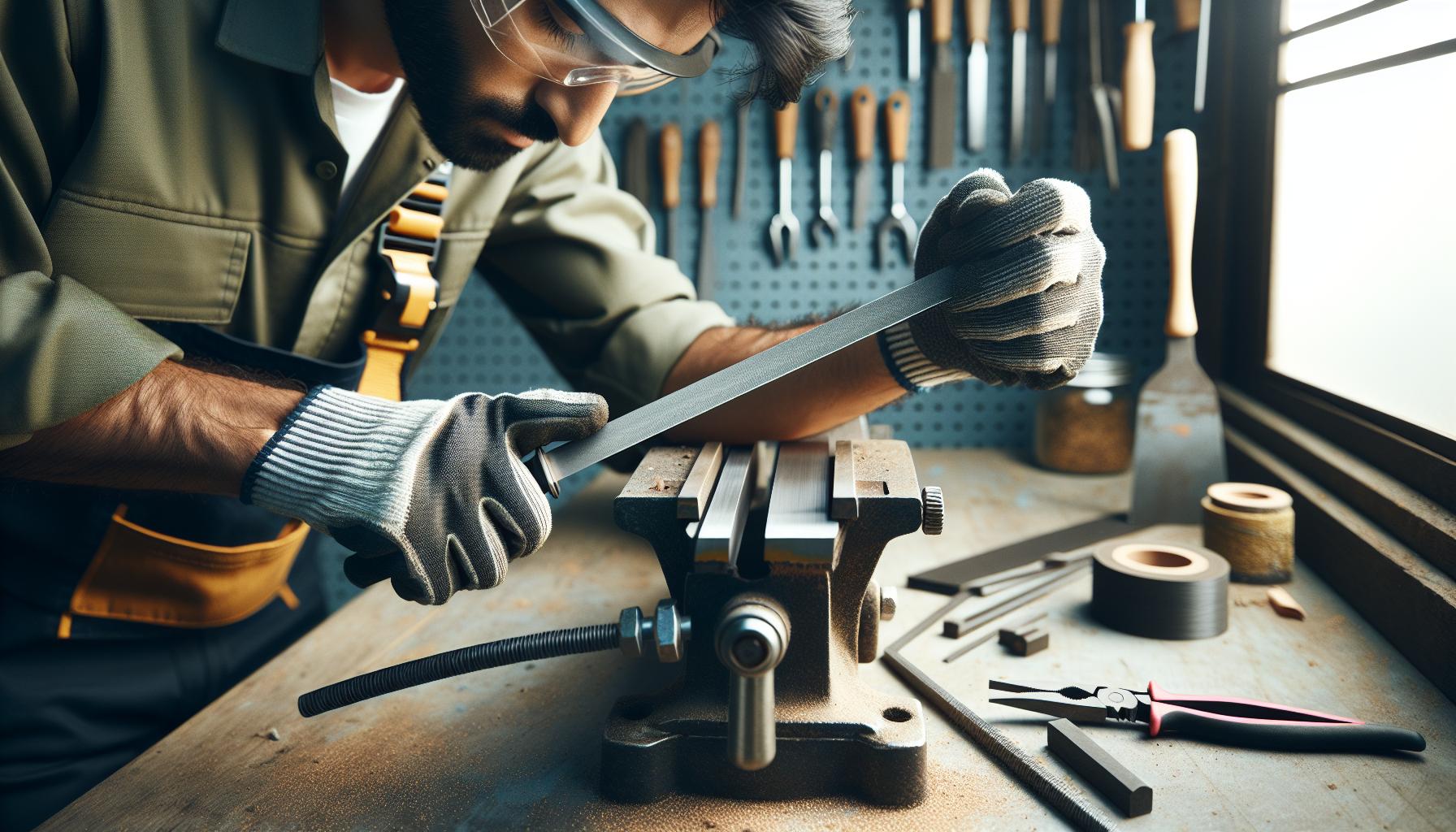
To achieve the best results when caring for your lawn, it’s crucial to maintain your mower blades. Dull blades not only perform poorly but can also damage your grass and lead to diseases. Here’s a straightforward guide to sharpening your lawn mower blades effectively.
Start by ensuring that you have all essential tools ready. Before doing anything, make sure your mower is turned off and disconnected from any power source. With your wrench or socket set, carefully remove the blades. For safety, it’s advisable to wear gloves and goggles throughout the process to protect yourself from sharp edges and metal shavings.
Next, clean the blades thoroughly using a wire brush and some soapy water; this will help you see the condition of the blades clearly. Once clean, secure the blade in a bench vise, ensuring it is stable and won’t move during sharpening. The sharpening itself is done using either a file or an electric grinder. If you’re using a file, start at the cutting edge and work toward the center, maintaining the manufacturer’s specified angle, usually around 30 to 45 degrees. For grinders, run the blade swiftly across the wheel, ensuring not to overheat the metal, which could weaken its structure.
After sharpening, inspect the blade for a uniform edge, and lightly sand any rough spots to ensure it is smooth. Finally, reattach the blades to the mower, and be sure to perform a final check on their alignment. Sharpened blades not only improve the efficiency of your mowing but also contribute to a healthier lawn, making this an essential part of lawn maintenance.
Common Mistakes to Avoid When Sharpening Blades
Sharpening lawn mower blades at home can be straightforward, yet many enthusiasts fall into common pitfalls that hinder their efforts and may even lead to damaged equipment. One prevalent mistake is neglecting to clean the blades before starting the sharpening process. Dirt, grass clippings, and rust can obscure damage and affect the sharpening outcome. A thorough cleaning not only reveals any significant wear but also provides a clearer surface for effective sharpening.
Another frequent error is failing to maintain the proper angle during sharpening. Many blades are designed to be sharpened at a specific angle, typically between 30 to 45 degrees. If you stray from this angle, you risk creating a less effective cutting edge, which could tear grass rather than cut it, leading to an unhealthy lawn. Using a guide or referring to your mower’s manual can prevent this issue and ensure consistent results.
Furthermore, it’s crucial to be cautious when using power tools for sharpening. Overheating the blade can weaken the steel and create brittleness, leading to potential cracks and breaks during use. It’s wise to periodically dip the blade in water when using a grinder to keep the metal cool. Finally, some operators assume that they can sharpen the blade in one go. In reality, it’s often more effective to take your time, checking frequently for uniformity and sharpness, rather than attempting to achieve perfection in a single pass. By avoiding these common mistakes, you can enhance both the performance of your mower and the health of your lawn.
How to Maintain Sharp Lawn Mower Blades
Maintaining sharp lawn mower blades is essential for achieving a healthy and vibrant lawn. Dull blades can lead to tearing grass rather than cutting it cleanly, which can open up your lawn to pests and disease. To keep your blades in prime condition, a multifaceted approach is necessary that involves regular inspections, proper cleaning, and timely maintenance activities.
Start by inspecting your blades regularly, especially before and after mowing sessions. Look for signs of wear, chipping, or rust. If you notice any of these issues, it may be a clear indication that sharpening or even replacement is needed. After each mowing, take a few moments to clean the blades thoroughly. Use a stiff brush and a hose to remove grass clippings and debris that can lead to rust and corrosion. A clean blade not only cuts more effectively but also extends the life of the blade itself.
Another critical maintenance aspect is lubrication. Ensuring that the pivot points and fasteners of the mower deck are well-lubricated helps prevent wear and tear, thus indirectly maintaining blade sharpness. You might also consider storing your mower in a dry place to avoid moisture accumulation that can promote rust, further compromising blade integrity.
For those who prefer to handle their own maintenance, utilizing a blade sharpening guide can help ensure that you are correctly honing your blades. Remember, the angle of sharpening matters greatly; it’s typically recommended to maintain a consistent angle of 30 to 45 degrees. With proper maintenance routines in place, your mower blades will remain sharp and efficient, allowing you to keep your lawn looking its best all season long.
Signs of Poorly Sharpened Blades and Their Impact
A poorly sharpened lawn mower blade can wreak havoc on your lawn, turning what should be a simple mowing task into a recipe for disaster. The difference between a clean cut and a jagged tear might seem trivial, but the consequences can affect your grass health significantly. When blades are dull, they don’t slice through grass neatly but rather tear it, leading to frayed edges that can lead to increased susceptibility to pests and diseases. This not only diminishes the aesthetic appeal of your lawn but also puts its viability at risk.
Identifying the signs of poorly sharpened blades is crucial for effective lawn care. Here are some common indicators to watch for:
- White or Brown Tips: If you notice that the tips of your grass blades are turning brown or white after mowing, it’s a telltale sign of tearing rather than cutting. Damaged grass can become stressed and weak, opening avenues to disease.
- Uneven Cutting: A lawn with patches of shorter grass amidst longer sections often indicates that the blades are dull. Dull blades can fail to trim evenly, resulting in an unsightly appearance.
- Excessive Grass Clippings: If you’re left with a lot of clippings on the lawn after mowing, it might mean the blades are not cutting effectively, causing grass to bend over rather than being sliced cleanly.
- Increased Mowing Time: When you find yourself spending more time than usual mowing, it may be due to the mower struggling to cut the grass with dull blades, increasing your workload unnecessarily.
The impact of neglecting blade sharpness extends beyond mere aesthetics; it also affects the long-term health of your lawn. A lawn that is frequently torn and stressed may require additional watering, fertilization, and pest control, leading to increased maintenance costs and effort. Furthermore, repeated dull blade use can strain the mower’s engine, possibly incurring costly repairs down the line. Regular maintenance and timely sharpening of your mower blades are not just tasks on a checklist; they are critical components of successful lawn care that can save you time, money, and effort in the long run. By staying attuned to these signs and addressing them promptly, you can ensure that your lawn remains healthy and vibrant.
When to Replace Lawn Mower Blades Instead of Sharpening
For every garden enthusiast, understanding when to replace mower blades is as important as knowing how to sharpen them. Using blades that are irreparably damaged can lead to poor performance and negatively affect your lawn’s health. While sharpening can rejuvenate slightly dull blades, there are circumstances where replacement is the better option.
If your blades are chipped, bent, or cracked, it’s time to consider replacement. Even if they are sharpenable, significant damage can compromise the blade’s structure, preventing it from functioning effectively during operation. Blades with deep dents can cause vibrations that may lead to further damage to your mower. Additionally, if you notice that your grass isn’t being cut cleanly despite sharpening efforts-resulting in brown or jagged edges-this often indicates excessive blade wear beyond repair.
Frequency of Use Matters
Another critical factor to consider is how often you use your mower. For those who mow frequently-such as professional lawn care providers-mower blades can wear out much quicker than for casual users. If your blades have been sharpened multiple times throughout the season, they may have become too thin and susceptible to breakage. Generally, if you find yourself sharpening blades at least three times in one mowing season, it might be more cost-effective and safer in the long run to replace them altogether.
Material Wear and Tear
During the sharpening process, blades can lose material, which can affect their overall performance over time. If you notice signs of corrosion or rust, it indicates that the blades have deteriorated significantly. Blades made from lower-quality materials will not hold an edge as well and may need to be replaced more frequently. Always examine blades for rust spots and thinning edges before sharpening-if they’re too far gone, a new set could save you from ongoing frustrations.
Understanding when to replace your lawn mower blades instead of sharpening them is key to maintaining an effective lawn care routine. Keeping a close eye on blade condition, usage frequency, and the material quality can help you decide when it’s time to invest in a new set, ensuring your lawn receives the cleanest cut possible for optimal health.
Safety Tips for Sharpening Lawn Mower Blades
When it comes to sharpening lawn mower blades, safety should always be your top priority. A common misconception is that this task is straightforward; however, without proper precautions, the risk of injury can be significant. The blades of a lawn mower are sharp and can cause serious cuts if handled improperly. So before you dive into the sharpening process, it’s essential to follow these safety tips to ensure a smooth and accident-free experience.
First and foremost, always wear appropriate personal protective equipment (PPE). This includes heavy-duty gloves to protect your hands from sharp edges and sturdy, closed-toe shoes to safeguard your feet. Using safety goggles is also recommended to shield your eyes from flying debris or sparks during the sharpening process. These simple steps can significantly reduce the risk of injury.
Secure Your Workspace
Before beginning, ensure your workspace is clean and well-lit. A clutter-free area allows you to focus on the task without distractions. Additionally, it is crucial to securely immobilize the lawn mower. For push mowers, this means preventing the mower from rolling or tipping over. If you’re working on a riding mower, make sure it’s parked on a flat surface and the key is removed to prevent accidental start-up. Use a sturdy workbench or clamps to hold the blades while sharpening them.
Use the Right Tools Carefully
Choosing the correct tools for blade sharpening is another pivotal safety aspect. Always use a specific blade sharpening tool-such as a file, sharpening stone, or grinder-that is designed for this task. Read the manufacturer’s instructions for these tools to ensure you understand how to use them safely and effectively. When sharpening, avoid positioning your fingers close to the blade’s edge, and keep your other hand at a safe distance to prevent accidental slips.
Lastly, be mindful of the blade’s mounting and direction. Always ensure the mower blade is detached and securely held before you begin to sharpen it. When sharpening, follow the original angle of the blade to maintain its effectiveness. After finishing the sharpening process, take a moment to clean your tools and workspace to ensure a safe environment for your next lawn care task. With these safety tips in mind, you can confidently sharpen your lawn mower blades and keep your lawn in pristine condition without compromising your well-being.
The Best Practices for Lawn Mower Blade Care

Maintaining your lawn mower blades is crucial for achieving a healthy, well-manicured lawn. A sharp blade not only cuts grass cleanly, reducing the risk of disease, but it also makes your mowing tasks easier and more efficient. Ensuring that your mower blades are in prime condition involves several best practices that can prolong their lifespan and enhance your mowing experience.
One of the fundamental practices is to clean the blades regularly after each mowing session. Grass clippings, dirt, and debris can accumulate on and under the blades, leading to rust and corrosion. Use a putty knife or wire brush to scrape off any buildup, and rinse with water if necessary. Ensuring blades are clean will help maintain their sharpness and improve overall performance.
Another essential practice is to check the blade’s sharpness frequently. As a rule of thumb, mower blades should be sharpened at least once a season, or more often if you mow frequently. A good indicator that your blades need sharpening is if you notice ragged edges on the grass after mowing. If your mower struggles to cut through thick patches, this is another sign that blade maintenance is needed.
Storing your mower properly during the off-season is also critical for blade care. Keeping your lawn mower in a dry, sheltered location protects it from the elements, preventing rust and wear on the blades. Before storing, ensure that the blades are sharpened, cleaned, and if possible, coated with a light layer of oil to protect against moisture. This will not only keep your blades sharp but also prepare them for optimal performance when mowing season returns.
Lastly, consider investing in quality mower blades. While there are many options available, high-quality steel blades tend to hold their sharpness longer and require less frequent sharpening, ultimately saving you time and effort. Always ensure that you are using blades compatible with your mower model for the best results.
By implementing these best practices, you can enhance the longevity of your lawn mower blades and, in turn, achieve a lush, green lawn with ease.
How Often Should You Sharpen Your Lawn Mower Blades?
Maintaining the sharpness of your lawn mower blades is not just a matter of convenience-it significantly influences the health of your grass and the efficiency of your mowing sessions. Typically, a good rule of thumb is to sharpen your lawn mower blades at least once a season. However, frequency can vary depending on several factors including how often you mow, the condition of your lawn, and the type of grass you have. For heavy usage or if you’re mowing over particularly rough terrain or thick grasses, you might need to sharpen your blades every 20 to 25 mowing sessions.
- Light Use: Sharpen once per season.
- Moderate Use: Sharpen every 20 to 30 mowing sessions.
- Heavy Use: Sharpen after every 10 to 15 mowing sessions.
It’s also crucial to pay attention to the condition of your lawn. If you notice grass tearing rather than being cleanly cut or see a buildup of brown tips on the blades of grass, these signs indicate that your mower blades may be dull and need immediate attention. Moreover, the type of grass itself plays a role-softer grasses may not dull blades as quickly as tougher varieties like Bermuda or Zoysia.
As seasons change, consider adjusting your sharpening routine. In spring, for example, when grass is growing vigorously after winter dormancy, you might find your blades dulling faster due to the thick, lush growth. By proactively sharpening them before peak growth times, you can maintain a healthier lawn and ensure your mower operates efficiently.
FAQs About Lawn Mower Blade Sharpening Techniques
When it comes to maintaining your lawn mower, sharpening the blades is one of the most critical tasks that can greatly affect your mowing experience and the health of your lawn. Many homeowners wonder about the most effective techniques to ensure their mower blades remain sharp, leading us to common questions and misconceptions in this area.
One frequent question is, “Can I sharpen my lawn mower blades at home, and if so, how?” The answer is a resounding yes! With the right tools-such as a sharpening stone, file, or angle grinder-and a little know-how, you can sharpen your blades right in your garage or shed. Always remember to disconnect the spark plug before you begin the process for safety. For those unfamiliar with the exact angle to achieve, many lawn mower blades are designed to be sharpened at a 30 to 45-degree angle. Keeping the blade’s edge consistent ensures better cutting performance.
Another important question many have is regarding the frequency of sharpening. While general advice suggests sharpening once per season, the real frequency should be tailored to your specific mowing habits. If you are mowing frequently or your terrain is rough, consider sharpening blades after every 10 to 15 mowing sessions. Additionally, always inspect your blades for nicks or damage after cutting thick or dry grass, which can significantly dull the edge.
Lastly, a common misconception is that all blades can be sharpened using the same method. In actuality, the type of lawn mower blade dictates the sharpening technique. For example, rotary blades on a standard gas mower can be sharpened using a sharpening stone, while specialized mulching blades may require a different approach to preserve their unique shape and cutting edges. Understanding the specifics of your blade type is essential for effective maintenance.
By addressing these frequently asked questions and applying the knowledge gained, you can improve your lawn mower’s performance and enhance the look of your lawn. Regular maintenance not only ensures a cleaner and healthier cut but also prolongs the life of your equipment.
FAQ
Q: How often should I sharpen my lawn mower blades?
A: You should sharpen your lawn mower blades at least once a season or after every 20-25 hours of use. If your lawn has rough terrain or if you notice browning grass after mowing, consider sharpening more frequently. For detailed maintenance tips, refer to the section on maintaining sharp blades.
Q: What are the signs that my lawn mower blades need sharpening?
A: Signs your lawn mower blades need sharpening include uneven cutting, ragged grass edges, or a lawn that appears brown or distressed post-mowing. Check for visible nicks or dullness in the blades, which are clear indicators that sharpening is necessary. More insights can be found under the “Signs of Poorly Sharpened Blades” section.
Q: Can I sharpen lawn mower blades by hand?
A: Yes, you can sharpen lawn mower blades by hand using a file or a sharpening stone. This method requires patience and a steady hand to achieve a sharp edge. Ensure safety while handling the blades; for a more precise technique, follow the step-by-step guide in the article.
Q: Is it better to use a blade sharpening kit or a professional service?
A: Whether to use a sharpening kit or a professional service depends on your personal skills and convenience. A sharpening kit offers DIY satisfaction and cost savings, while professionals provide expertise and proper equipment. Explore our section on the essential tools for sharpening for more information.
Q: What safety precautions should I take when sharpening lawn mower blades?
A: Always wear protective gloves and goggles when sharpening lawn mower blades. Disconnect the spark plug before starting to avoid accidental starts, and use a well-lit workspace to enhance visibility. For more detailed safety tips, check the relevant section in our guide.
Q: How can I maintain my lawn mower blades after sharpening?
A: After sharpening, maintain your lawn mower blades by cleaning them thoroughly to remove grass clippings and debris. Regularly check for dullness and clean the blades after each use. Visit the “Best Practices for Lawn Mower Blade Care” for effective maintenance strategies.
Q: Are there any specific tools recommended for sharpening lawn mower blades?
A: Essential tools for sharpening lawn mower blades include a metal file, sharpening stone, or rotary tool with a grinding attachment. Having a blade balancer can also help ensure your blades are evenly sharpened. Consult the “Essential Tools for Sharpening Lawn Mower Blades” section for recommendations.
Q: What type of lawn mower blades can I sharpen?
A: Most lawn mower blades, including standard and mulching blades, can be sharpened. However, specialized or unique blade types may require different care or sharpening techniques. Learn more about understanding different types of lawn mower blades in our article’s specific section.
Final Thoughts
Now that you’ve mastered the art of sharpening your lawn mower blades, you’re ready to enjoy a healthier, more vibrant lawn. Remember, maintaining sharp blades not only enhances your mower’s performance but also promotes grass health, allowing for a greener, more lush yard. Don’t wait until your blades are dull again; take a moment to schedule regular maintenance sessions.
Explore our related guides on lawn care and seasonal maintenance to keep your yard looking its best all year round. For more tips on garden upkeep, check out our article on “Essential Lawn Care Tips for a Beautiful Yard.” If you found this guide helpful, consider signing up for our newsletter for weekly insights and exclusive offers. Your lawn deserves the best-act now, and let’s make it shine! Feel free to leave your comments or questions below; we love to hear from fellow lawn enthusiasts!