Did you know that dull lawn mower blades can lead to a ragged lawn, inviting pests and disease to invade your greenery? Keeping your blades sharp is crucial for maintaining a healthy and beautiful yard. But did you know you don’t always have to remove them to sharpen? This guide will show you how to sharpen lawn mower blades without the hassle of disassembly. Not only will this save you time and effort, but it will also ensure your mower operates at peak performance, leaving your grass looking pristine. Whether you’re a seasoned gardener or a weekend warrior, understanding this simple maintenance step can elevate your lawn care routine and make your outdoor space the envy of the neighborhood. Curious about how to get started? Let’s dive into the methods that will keep your blades sharp and your lawn thriving!
Understanding the Importance of Sharp Mower Blades
The efficiency of your lawn mower significantly hinges on the condition of its blades. Sharp blades slice through grass with precision, promoting a cleaner cut that allows your lawn to thrive. When blades are dull, they tear the grass instead of cutting it, leading to ragged edges that are more prone to disease and pest infestation. This not only affects the aesthetic of your lawn but also its overall health. Additionally, using dull blades can strain your mower’s engine, leading to increased wear and tear and potentially shortening its lifespan.
Regularly sharpening mower blades is crucial for achieving the best results when maintaining your lawn. A mower equipped with sharp blades can tackle even thick or overgrown grass with ease, reducing the time and effort required for mowing. For those concerned about preserving their lawn’s beauty, sharp blades are an indispensable tool; they keep grass healthy and vibrant, which enhances its ability to retain moisture and nutrients. By understanding the importance of blade sharpness, homeowners can ensure their lawn is not only well-maintained but also more resilient against adverse conditions.
Moreover, maintaining sharp mower blades aligns with sustainable lawn care practices. A well-kept lawn encourages biodiversity by providing habitat for various organisms while minimizing the need for chemical treatments. With proper blade maintenance-especially techniques that do not require removal of the blades-homeowners can achieve efficient cuts and contribute to an eco-friendly approach to lawn care. Thus, sharpening blades becomes not merely a chore, but an essential part of caring for your outdoor space, ensuring both its beauty and ecological health.
Essential Tools for Sharpening Lawn Mower Blades
To achieve a razor-sharp edge on your lawn mower blades without the hassle of removing them, having the right tools at your disposal is essential. The precision of your cuts and the health of your lawn are directly influenced by the quality of blades you maintain. Here’s a breakdown of the must-have tools that can streamline the sharpening process while ensuring optimal performance.
Essential Tools
- Angle Grinder or Bench Grinder: These powerful tools are ideal for sharpening blades quickly. An angle grinder allows for precise control and works effectively on most materials. Ensure you use a metal-cutting disc for best results.
- File or Whetstone: For those who prefer a manual approach, a sharpening file or whetstone provides an excellent way to refine the edge. Using a file is particularly effective for minor touch-ups without removing the blades.
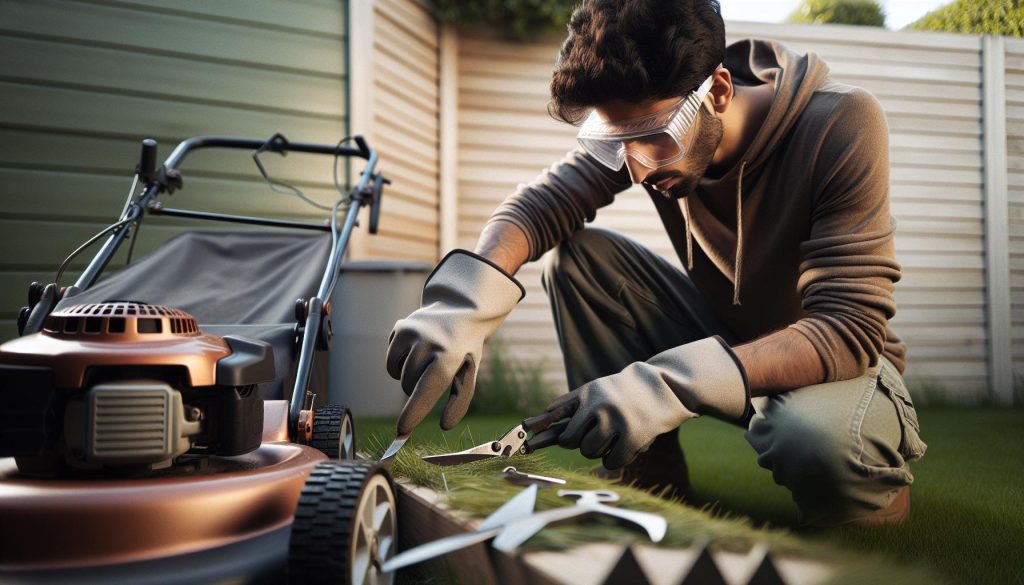
- Safety Gear: Always wear protective eyewear and gloves to safeguard against metal shavings and sparks. Proper safety equipment is non-negotiable when operating power tools.
- Lubricating Oil: After sharpening, applying a light coat of lubricating oil to the blade can help maintain its sharpness and prevent rust.
Considerations for Choosing Tools
When selecting tools, consider the frequency of maintenance and your comfort level with power equipment versus manual tools. While power tools can significantly reduce sharpening time, manual methods allow for a more tactile approach, giving you control over the sharpness. It’s also essential to keep your tools well-maintained; a dull file or worn-out grinder won’t yield the desired results and could lead to frustration.
Using the right tools will not only help maintain your lawn mower blades’ sharpness but will also enhance the efficiency of your mowing process, ensuring a healthy, lush lawn. By being proactive about tool selection and maintenance, you position yourself to tackle lawn care challenges with confidence.
Step-by-Step Guide to Sharpening Without Removal
One of the most efficient ways to maintain your lawn mower blades and ensure a clean cut without going through the hassle of removing them is by using a straightforward sharpening technique. This process can not only save time but also allow you to get back to mowing with minimal downtime. Here’s how you can effectively sharpen your mower blades while they remain attached to the mower.
Begin by preparing your workspace, ensuring that you have adequate lighting and enough space to maneuver safely. Start the mower and allow the engine to run for a few minutes to heat up the blades slightly; this can help loosen any debris or grass clippings stuck to them. Once you’re ready, switch the mower off and disconnect the spark plug wire to prevent accidental starting.
Grinding Process
Using an angle grinder or a sharpening stone, approach the blade from the side. Hold the grinder at a consistent angle, typically around 45 degrees, and apply light pressure as you move the grinder along the edge of the blade. It’s crucial to maintain a steady motion to achieve an even sharpening. For a manual approach, use a file or whetstone, moving in the direction of the blade’s original edge and ensuring you maintain the correct angle throughout the process.
To facilitate an effective sharpening session, it may help to have a shop vacuum nearby to capture any metal filings produced during the grinding. Keeping your workspace clear will prevent any accidents and help maintain a clean environment.
Finishing Touches
Once the sharpening is complete, wipe the blades down with a cloth to remove any metallic debris that may have accumulated. Finally, apply a light coat of lubricating oil to help protect the blade against rust and to prolong its sharpness. Reconnect the spark plug wire, and you’re ready to roll! This method allows you to keep mowing with sharp blades while ensuring your time spent on maintenance is efficient and effective.
By following this simple, step-by-step approach, you can easily sharpen your mower blades in place, maintaining a razor-sharp edge that promotes healthy grass growth and enhances the overall appearance of your lawn.
Common Mistakes When Sharpening Mower Blades
Sharpening lawn mower blades can be a straightforward task, but a few common pitfalls can turn this simply necessary maintenance into a costly oversight. Many DIY enthusiasts underestimate the importance of the right angle when sharpening; holding the blade at the incorrect angle can lead to a poorly sharpened blade that may damage your grass. Ideally, you should maintain a consistent angle-about 30 to 45 degrees-while working the grinding tool.
Another frequent mistake is neglecting to clean the blades thoroughly before starting the sharpening process. Grass clippings and dirt not only make it difficult to see any existing damage on the blade but can also lead to uneven sharpening. A thorough cleaning ensures you have a clear view of the blade’s edge and allows you to see where exactly sharpening is needed. Be sure to inspect for any nicks or chips that may require additional work beyond simple sharpening.
Many people also fail to balance their blades after sharpening, an oversight that can lead to uneven mower performance and uneven mowing results. An unbalanced blade will vibrate during operation, potentially causing damage to the mower’s engine over time. Once you’ve sharpened the blades, take the extra step of checking balance by placing the blade on a shaft or a block. If one side dips lower, you’ll need to grind the heavier side down a bit more until it’s balanced.
Lastly, the choice of tools can greatly affect the outcome of your sharpening efforts. Using the wrong tool, such as a dull stone or inappropriate angle grinder, can lead to a hurried job that might not yield the desired sharpness. A well-maintained angle grinder with a new, appropriate blade will provide a much cleaner sharpen. Investing in quality tools and taking the time to use them properly will have a significant impact on both the efficiency of your mowing and the longevity of your mower blades. By avoiding these common mistakes, you’ll not only enhance your lawn care routine but also ensure a healthier, more beautiful lawn.
How to Recognize When Blades Need Sharpening
It’s crucial to stay vigilant in recognizing when your mower blades have dulled, as sharp blades are essential for a clean cut and overall lawn health. A blade that is in need of sharpening can have noticeable effects on your lawn’s appearance and vitality. One of the most telling signs is the way grass looks after mowing. If you notice that the tips of the grass appear ragged or brown shortly after mowing, this is a clear indication that your blades are dull. A sharp blade should slice through the grass cleanly, leaving a smooth edge rather than shredding it.
Additionally, pay attention to how your mower behaves during operation. If you observe excessive vibration or hear unusual noises while mowing, this might suggest an imbalance or dullness in your blades. An unbalanced or dull blade can cause the mower to work harder and lead to uneven cutting results. It’s also wise to inspect the blades visually whenever you perform maintenance. Look for nicks, chips, or any significant wear; these conditions can further indicate that sharpening-or even replacing-the blades is necessary.
You might also take note of the frequency with which you mow your lawn. If you find that the mower isn’t cutting effectively and you need to make multiple passes over the same area to achieve a satisfactory cut, it’s likely time to sharpen the blades. A general rule of thumb is to sharpen your blades at least once a season, or more often if you mow frequently or encounter tough mowing conditions.
In summary, keeping an eye on the quality of your grass cut, listening for changes in mower performance, visually inspecting the blades, and maintaining a regular sharpening schedule are all effective strategies to ensure your lawn mower blades remain sharp. By recognizing these signs early on, you can maintain a healthy lawn and prolong the life of your mower.
Maintaining Your Lawn Mower for Optimal Performance
Taking care of your lawn mower is essential for both performance and longevity, especially when you want to ensure the blades remain sharp and effective. A well-maintained mower not only enhances your mowing efficiency but also promotes a healthier lawn. Regular maintenance tasks like lubrication, cleaning, and inspection can prevent common issues that lead to reduced performance.
Start by keeping the mower clean. Grass clippings and debris can accumulate beneath the mower deck, impacting airflow and cutting efficiency. After each use, take a moment to brush off any grass buildup, and consider giving the undercarriage a thorough cleaning at the end of each mowing season. This simple task can significantly affect how well your mower operates, especially when it comes to blade function.
It’s equally important to inspect your mower’s parts frequently. Check for signs of wear on the belts, wheels, and engine components. If you notice any cracks or fraying on the belts, replace them promptly to avoid further damage. Keeping an eye on oil levels and air filters is also crucial; a clean air filter ensures optimal engine performance, while the right oil level keeps the engine running smoothly. Regularly changing the oil according to the manufacturer’s recommendations will prolong your mower’s lifespan, reduce the risk of overheating, and enhance performance.
Additionally, ensure that all moving parts, including wheels and axles, are adequately lubricated. Refer to your owner’s manual for guidance on which lubricant is best for your mower and how often you should apply it. By making these maintenance practices a routine part of your mowing schedule, you not only optimize performance but also ensure that your mower is in top-notch condition for years to come. With well-maintained equipment, you can look forward to a healthier lawn and a smoother mowing experience.
Safety Tips for Sharpening Lawn Mower Blades
When it comes to sharpening lawn mower blades without removing them, safety should always be your top priority. The process may seem simple, but improper handling can lead to accidents or injury. Before you begin, it’s essential to gather the right tools and prepare your work area to ensure a safe experience.
Start by ensuring that your mower is powered off. For gas models, disconnect the spark plug to prevent accidental starts. For electric models, unplug the power cord. Always wear appropriate personal protective equipment, including safety goggles, gloves, and sturdy shoes to guard against metal shavings and potential cuts. A well-lit workspace is crucial, so consider conducting this task outdoors or in a garage with sufficient light.
While sharpening, maintain a stable position and grip the mower steady. If you are using a sharpening attachment, double-check that it is securely fastened before starting. Move the blade uniformly across the sharpening tool to avoid uneven surfaces, as this can compromise both safety and cutting efficiency. Remember to regularly check your surroundings and ensure that children and pets are kept at a safe distance during the sharpening process.
Finally, after finishing the sharpening, restore all components to their original state-reconnect the spark plug or power cord, and carefully clean up the area to prevent tripping hazards. Taking the time to prioritize safety will not only ensure your personal well-being but also make the sharpening process smoother and more effective.
Best Practices for Maintaining Blade Sharpness
Maintaining the sharpness of your lawn mower blades is crucial not just for achieving a pristine lawn, but also for prolonging the life of your mower. A well-maintained blade reduces the effort required to mow, allowing you to tackle your yard work efficiently, while also preventing damage to your grass, which can lead to brown tips and invite disease. Here are some key practices to help you keep your mower blades sharp and effective.
Regular Inspection
One of the best ways to maintain sharp blades is to routinely inspect them for nicks, chips, and overall dullness. After each mowing session, especially if you’ve encountered rough terrain or thick grass, take a moment to check the blade’s condition. Doing so not only helps you identify when sharpening is necessary but allows you to catch minor issues before they develop into major problems.
Cleaning
Before sharpening, it’s important to clean your blades to remove grass clippings and debris. This buildup can cause rust and adversely affect cutting performance. Use a wire brush or scraper to clean the blade thoroughly, ensuring that you’re working with a smooth, clear surface. This practice not only helps in identifying dull spots but also prevents contaminants from interfering with the sharpening process.
Sharpening Routine
Establish a routine sharpening schedule based on your mowing frequency. For instance, if you mow weekly during the growing season, consider sharpening your blades every 4-6 weeks. This proactive approach will help maintain sharpness consistently and reduce the amount of work needed during the actual sharpening.
Use the Right Technique
When sharpening your blades without removal, employ consistent pressure and angle during the process. Tools like a sharpening stone or angle grinder can be used effectively, but ensure that you maintain a uniform angle to avoid uneven edges. A steady technique minimizes the effort needed for future sharpenings and helps retain blade integrity.
By incorporating these , not only will your lawn look healthier, but the overall performance and lifespan of your mower will improve significantly. A sharp blade cuts cleanly, reducing stress on your grass and enhancing your lawn’s visual appeal while making mowing a smoother, more efficient task.
Alternatives to Manual Sharpening Techniques
There are several effective that can help maintain your mower blades without the hassle of removing them. These methods can save you time and effort while ensuring your blades remain sharp and efficient, leading to a healthier lawn and better mowing experience.
- Power Sharpeners: If you’re looking for a quick and efficient way to sharpen your blades, consider investing in a power sharpening tool. These often come in the form of electric grinders or sharpening kits designed specifically for mower blades. They provide a consistent angle and speed that can help you achieve a sharper edge in a fraction of the time it takes with manual tools.
- Sharpening Pads: Another innovative solution is using sharpening pads or wheels, which can be attached to a drill. These pads scrape against the blade without requiring removal, making the process more accessible. Ensure you select pads designed explicitly for metal to avoid damaging your mower.
- Angle Grinders: For those comfortable with power tools, an angle grinder can be an excellent alternative. By carefully adjusting the angle and pressure, you can sharpen blades effectively while they remain attached to the mower. Just remember to use appropriate safety equipment during this process.
- Professional Services: If DIY sharpening seems daunting, consider sending your mower to a professional service. Many lawn care retailers offer sharpening services. This option guarantees that your blades will be sharpened safely and effectively, allowing you to focus on mowing.
These alternative methods can simplify the sharpening process, allowing you to maintain sharpness with minimal disruption to your mowing schedule. Each option has its unique features and benefits, so consider your personal preference, budget, and the tools you already have on hand when deciding. The key to a healthy lawn lies in regular maintenance, and sharp blades are an essential component of that care.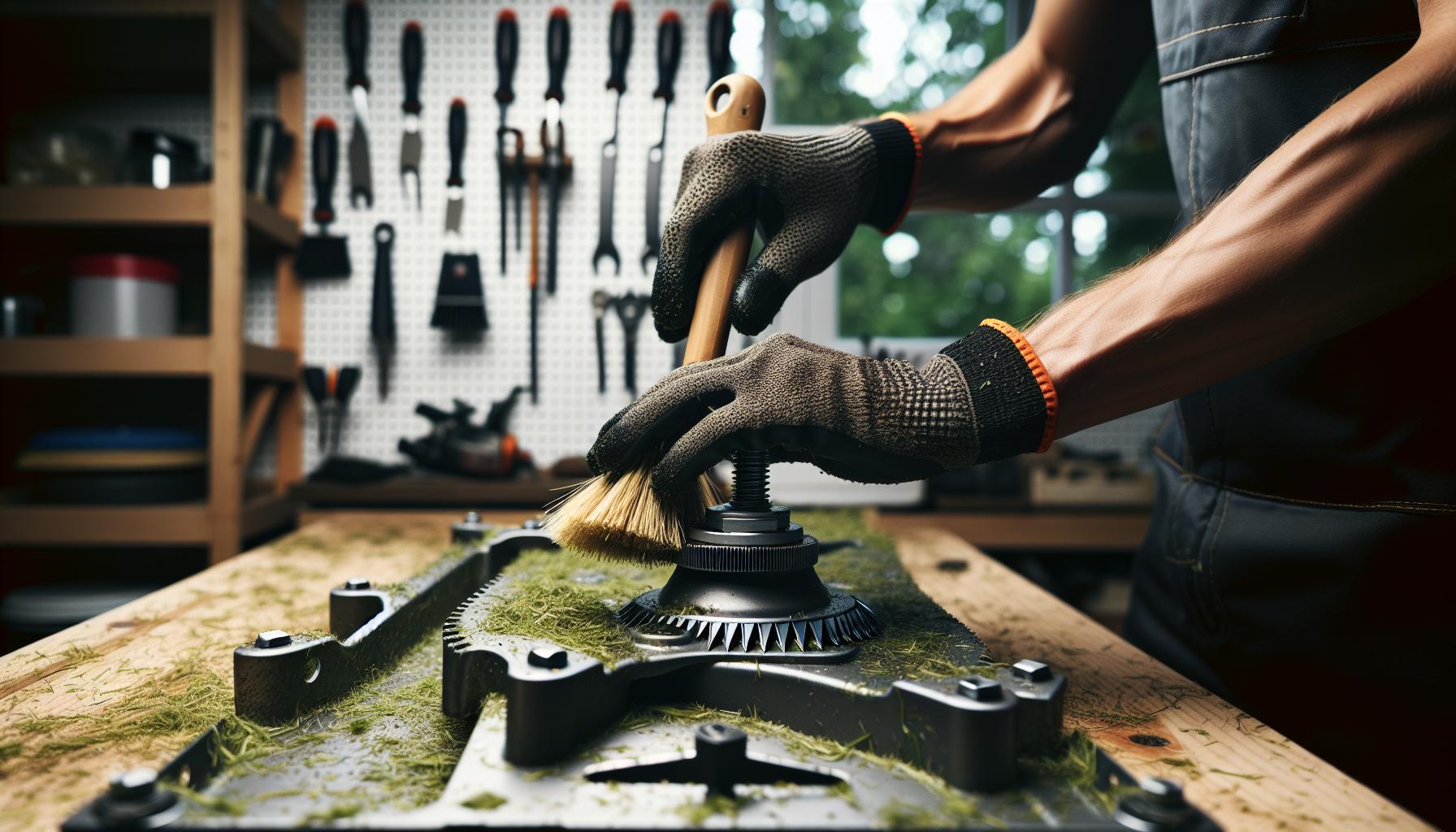
How to Clean Mower Blades Before Sharpening
Before sharpening your lawn mower blades, it’s crucial to ensure they are clean. A dirty blade can lead to uneven sharpening and compromise the effectiveness of your mowing. Grass clippings, dirt, and debris can accumulate on the blade during use, which not only hinders performance but can also dull the edge you are trying to sharpen. Thus, taking the time to clean the blades properly is essential for optimal results.
Begin the cleaning process by ensuring your mower is turned off and has cooled down completely. Safety is paramount, so wearing gloves can help protect your hands while working. You can use a stiff brush or putty knife to remove any caked-on grass and dirt from the blade’s surface. For more stubborn residue, a mixture of warm water and mild soap can be applied. Dip your brush in this solution and scrub the blade thoroughly, ensuring you reach into the crevices where dirt tends to hide. Rinse with clean water and dry the blades completely after cleaning to prevent rust.
Tips for Effective Cleaning
- Use a pressure washer: If available, a pressure washer can be a quick and efficient tool for cleaning mower blades, removing debris without much scrubbing.
- Inspect for Damage: While cleaning, take the opportunity to inspect the blades for any chips or damage that may require more than just sharpening.
- Regular Maintenance: Incorporate cleaning into your regular mowing routine to avoid build-up, making the process quicker and easier over time.
After cleaning, your blades will be ready for sharpening, ensuring that you achieve the best possible edge and promote a healthier lawn. Clean blades will sharpen more effectively and extend the intervals between necessary cleanings and sharpenings, enhancing the overall performance of your mower.
Seasonal Blade Maintenance Schedule for Mowers
Establishing a seasonal maintenance schedule for your lawn mower blades is crucial for maximizing performance and ensuring a beautiful lawn year-round. Mower blades encounter varying conditions with each season; therefore, adjusting your maintenance routine allows you to address their unique needs effectively. By dedicating a little time at the start of each season, you’ll not only enhance the longevity of your blades but also improve the overall health of your grass.
To start, spring is the ideal time to sharpen your blades to prepare for the growing season. As grass begins to grow more actively, a sharp blade will make cleaner cuts, reducing stress on the grass and promoting quicker healing. During this season, inspect your blades for damage and clean them thoroughly after their first use of the year to remove any debris from winter storage. It’s an excellent time to establish a regular cleaning and sharpening routine to maintain peak performance.
Moving into summer, your blades may dull faster due to the increased mowing frequency and tougher grass conditions. Schedule a bi-weekly check to inspect blade sharpness and remove any grass buildup that could affect performance. If you notice ragged cuts or brown edges on your grass after mowing, it may be time for another sharpening. Maintaining a sharp blade will help your grass withstand the heat and conserve moisture better.
As fall approaches, it’s time to prepare your mower for the impending seasonal changes. After your last few mows, give your blades a thorough cleaning to remove any remaining grass clippings and debris. This is also a good time to perform a final sharpening, ensuring your mower is ready for the end of the mowing season. If you decide to mow into the cooler months, keeping your blades sharp will maintain your lawn’s health during its dormancy.
When winter arrives, many people put their lawn mowers away, but it’s important to conduct a bit of off-season maintenance. Before storing your mower, consider performing a detailed inspection of the blades-clean any remaining debris, check for chips, and sharpen if necessary. Protecting your blades during storage (e.g., preventing them from coming into contact with moisture) will greatly reduce the likelihood of rust and other damages, setting you up for success come spring.
Incorporating these seasonal maintenance practices will ultimately lead to a greener and healthier lawn, while also prolonging the life of your mower’s blades.
Q&A
Q: How can I tell if my lawn mower blades need sharpening?
A: You can tell if your lawn mower blades need sharpening if you notice ragged cuts on the grass, a brown appearance after mowing, or if the mower struggles to cut through dense grass. Regular checks ensure optimal performance, as covered in the section “How to Recognize When Blades Need Sharpening.”
Q: What tools do I need for sharpening lawn mower blades without removing them?
A: To sharpen lawn mower blades without removal, you’ll need a rotary tool with a sharpening attachment, safety goggles, and a cloth for cleaning. These tools enhance safety and precision, as highlighted in the “Essential Tools for Sharpening Lawn Mower Blades” section of the main article.
Q: Can I use a file to sharpen my lawn mower blades in place?
A: Yes, you can use a metal file to sharpen lawn mower blades without removing them. Ensure you file at the correct angle and evenly across the blade edge. This method provides a smooth finish and extends blade life, discussed more in the “Step-by-Step Guide to Sharpening Without Removal.”
Q: Is it safe to sharpen lawn mower blades while they are still attached?
A: Sharpening lawn mower blades while attached is safe if done with caution. Always disconnect the spark plug and wear safety gear. Following safety tips, as outlined in the “Safety Tips for Sharpening Lawn Mower Blades” section, will help prevent accidents.
Q: What are the benefits of keeping blades sharp?
A: Keeping your lawn mower blades sharp leads to cleaner cuts, healthier grass, and reduces the risk of damaging your mower. Sharp blades also enhance cutting efficiency, contributing to better lawn appearance and health. This information can be found in the “Understanding the Importance of Sharp Mower Blades” section.
Q: How often should I sharpen my lawn mower blades?
A: Ideally, you should sharpen your lawn mower blades after every 20 to 25 hours of mowing. Frequent sharpening maintains cutting effectiveness and lawn health, a topic further explored in the “Best Practices for Maintaining Blade Sharpness” section.
Q: What is the best method to clean mower blades before sharpening?
A: The best method to clean mower blades is to use a wire brush or scraper to remove grass clippings and dirt. Thorough cleaning is essential for effective sharpening and reduces the risk of corrosion. This process is discussed in the section “How to Clean Mower Blades Before Sharpening.”
Q: Should I use a sharpener or a grinding wheel for mower blades?
A: Both sharpeners and grinding wheels are effective, but a sharpener is generally safer and easier for DIY sharpening without removal. Use a sharpening tool for precise control over the blade angle, as per recommendations in the “Alternatives to Manual Sharpening Techniques” section of the article.
In Summary
Now that you know how to sharpen lawn mower blades without removing them, it’s time to put your newfound skills into action! Keeping your blades sharp not only improves cutting efficiency but also promotes healthier grass growth, making your lawn the envy of the neighborhood. Don’t wait-grab the necessary tools and give your mower the maintenance it deserves today!
For more in-depth guides, check out our articles on the best lawn mower blades for every type of mower and tips on seasonal lawn care to maintain that beautifully manicured lawn. If you have any questions or want to share your experiences, we’d love to hear from you in the comments below!
Stay connected by signing up for our newsletter, where you’ll receive expert advice and exclusive offers right in your inbox. Keep your lawn looking its best and explore related products that can elevate your lawn care routine. Remember, a small step today leads to a lush green lawn tomorrow!