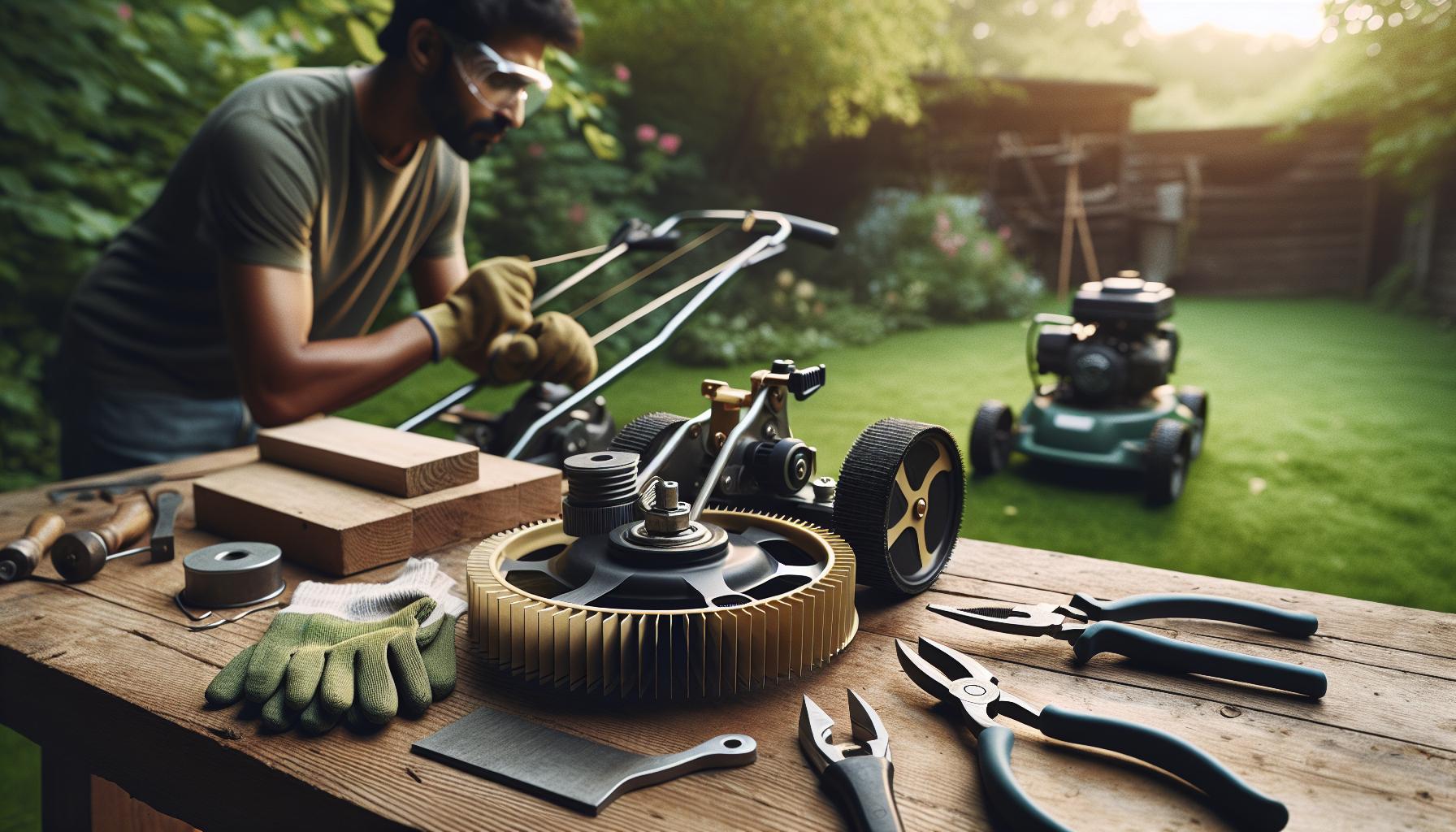
Did you know that dull lawn mower blades can leave your grass looking frayed and uneven, leading to potential long-term damage? A sharp reel mower blade is vital for achieving a healthy, lush lawn. Learning how to sharpen your mower blades not only improves the aesthetics of your yard but also promotes better grass health by allowing your mower to cut cleanly instead of ripping at the blades. This straightforward task can save you money on replacements and enhances the performance of your equipment. Whether you’re a seasoned gardener or a novice homeowner, mastering this skill will arm you with the tools you need for effective lawn care. Dive into this guide and discover the professional techniques that can make turning your mower into a finely-tuned machine easier than ever.
Choosing the Right Reel Lawn Mower for Your Needs

When selecting a reel lawn mower, it’s vital to match the mower to your specific lawn care needs and preferences. These manually operated mowers are known for their environmental benefits and ability to deliver a clean cut, making them a favorite among eco-conscious homeowners. Before making your purchase, consider key factors such as lawn size, grass type, and your physical ability to operate the mower effectively.
For smaller yards under a quarter acre, lightweight models can be ideal for easy maneuverability. Conversely, for larger lawns, opting for a mower with a wider cutting width can significantly reduce mowing time. Additionally, think about the cutting height adjustments and whether you require a reel mower that can accommodate various grass lengths, especially if your yard includes a mix of grass species.
Features to Consider:
- Weight: A lighter mower is easier to push, especially on uneven terrain.
- Cutting Width: Wider mowers cover more ground faster-ideal for larger lawns.
- Blade Material: High-quality steel blades maintain sharpness longer, crucial for effective cutting.
- Adjustment Mechanism: Look for mowers with simple height adjustment features for versatility.
Moreover, familiarity with the maintenance requirements of the mower, particularly regarding blade sharpening, can enhance the mower’s lifespan and performance. Understanding how to keep blades sharp not only provides a smoother cutting experience but also reduces the amount of effort required during mowing. For optimal results, choose a mower that suits both your lawn’s specifications and your capabilities, ensuring that your mowing experience is both enjoyable and efficient.
Essential Tools for Sharpening Lawn Mower Blades
To achieve the perfect sharpness on your reel mower blades, having the right tools is essential. Using high-quality equipment not only simplifies the sharpening process but also enhances the longevity of your mower’s performance. Among the must-have tools, a sharpening stone or file stands out as a fundamental item. These are specifically designed to restore the edge of the blades efficiently, allowing you to maintain that all-important cutting precision.
Another essential tool is a blade sharpening guide, which ensures that you maintain the correct angle while sharpening. This is crucial because improper angles can lead to uneven cutting and damage to the blades. Additionally, for those who prefer a modern approach, electric sharpeners can be a time-saving investment. These devices provide an even edge quickly, but they do require more caution to prevent overheating and blade warping.
To aid in the overall sharpening process, do not overlook the importance of safety gear. A pair of thick gloves can protect your hands from potential cuts while handling sharp blades. Coupling this with eye protection is advantageous, especially if you’re using power tools or techniques that involve flying metal shards.
Summary of Essential Tools
- Sharpening Stone or File: For manual sharpening, ensuring a fine edge.
- Blade Sharpening Guide: To maintain the correct sharpening angle.
- Electric Sharpener: A faster option but requires careful use.
- Safety Gear: Gloves and eye protection for safe sharpening.
With the right tools at your disposal, sharpening reel mower blades can become a more manageable and effective task, promoting a healthy and lush lawn. Regular maintenance of your blades enhances their cutting performance and prolongs the lifespan of your reel mower.
Step-by-Step Guide to Sharpening Techniques
To achieve professional-grade sharpness on your reel mower blades, it’s important to follow a structured approach. Start by gathering your essential tools: a sharpening stone or file, a blade sharpening guide, and safety gear like gloves and goggles. Before you dive into sharpening, ensure that the mower is turned off and the blades are detached for a safer and more effective process.
Begin by cleaning the blades thoroughly. Remove any grass clippings, dirt, or debris that may have accumulated on them. A clean surface is critical for proper sharpening. Next, inspect the blades for any visible damage or chips-this will inform your approach to sharpening. If the damage is extensive, you may need to repair or replace the blades entirely.
With your blades clean and examined, position the sharpening guide against the blade, ensuring it matches the manufacturer’s recommended angle-typically between 30 to 40 degrees. Using deliberate and steady strokes, move your sharpening stone or file along the edge of the blade, applying consistent pressure. It’s crucial to work along the length of the blade and not just at the tip, as this ensures a uniform edge. After a few strokes, check your progress: a sharp blade should have a consistent, shiny edge without nicks or uneven surfaces.
Final Touches
Once you have achieved the desired sharpness, it’s a good practice to hone the edge lightly with a fine sharpening stone or honing rod to create a polished finish. Finally, wipe down your blades to remove any metal shavings and apply a thin layer of oil to prevent rust from forming when stored. This simple practice enhances the longevity of your blades, ensuring they remain sharp for future mowing sessions. By following these steps diligently, you can ensure that your reel mower blades stay in excellent condition, cutting through grass with preciseness and ease.
Understanding the Importance of Sharp Mower Blades
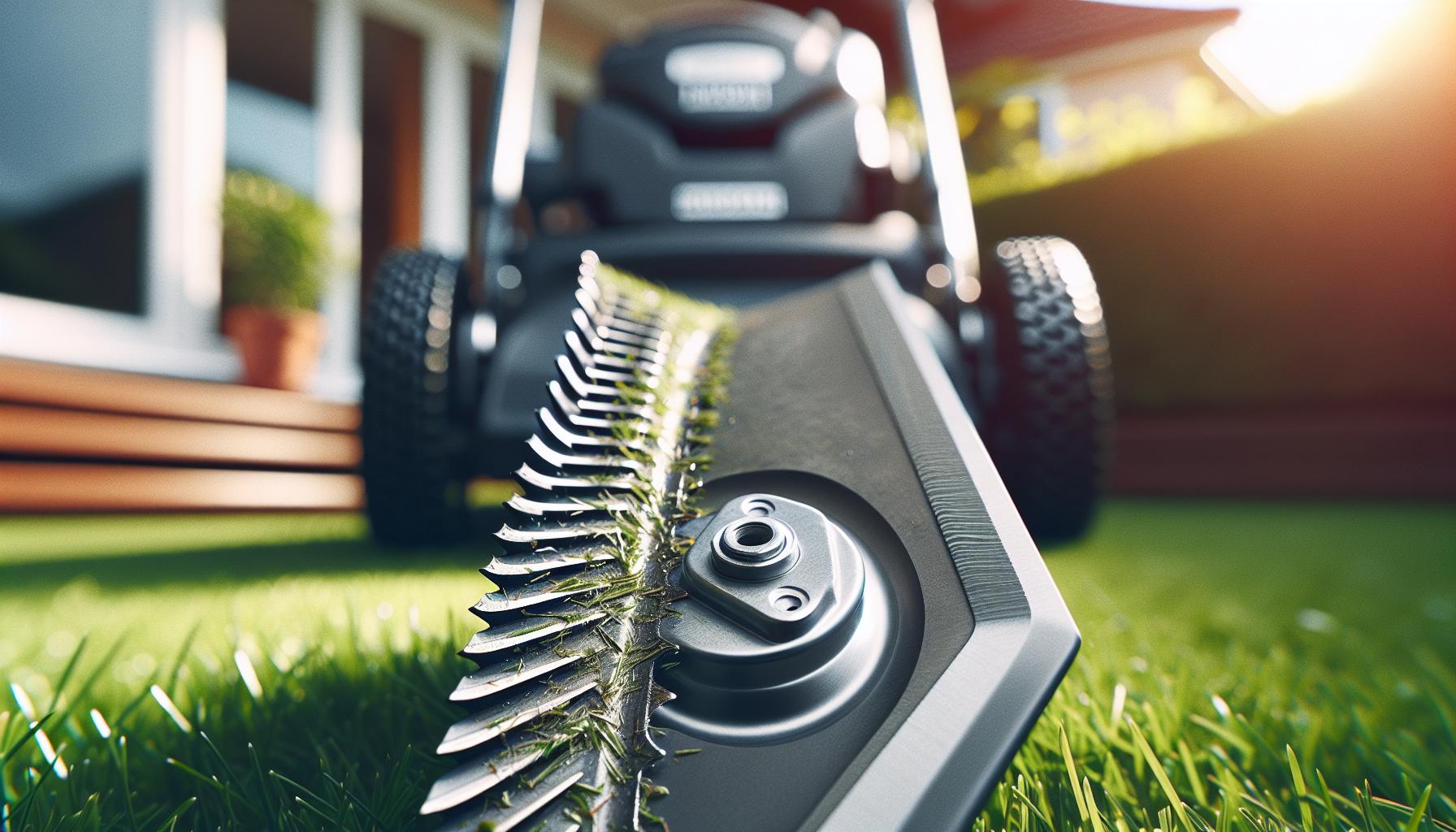
Ensuring your mower blades are sharp is one of the most critical aspects of lawn care that can significantly impact the health of your grass. Sharp blades cut cleanly through grass blades rather than tearing them, which minimizes injury to the plants. A clean cut promotes healing, reduces stress on grass, and promotes an even, lush appearance. When mower blades are dull, they can rip and shred grass, leading to jagged edges that make lawns more susceptible to disease and pests.
Furthermore, sharp blades enhance the efficiency of mowing. A well-sharpened reel mower requires less effort, enabling smoother operation and reducing the strain on your mower’s engine. This not only extends the lifespan of the equipment but also saves you time during your mowing sessions. It’s beneficial to consider that dull blades can lead to increased clumping of grass clippings, resulting in uneven cuts and potential damage to the lawn’s surface.
The frequency of sharpening your mower blades also plays a significant role. Depending on usage, it’s advisable to check blade sharpness every few weeks during the mowing season. If you notice that the grass is not cutting cleanly or if you see clumps forming, it’s time to sharpen the blades. Integrating this maintenance practice can lead to long-term benefits, including improved soil aeration and a healthier lawn overall.
| Benefits of Sharp Blades | Consequences of Dull Blades |
|---|---|
| Clean cuts promote healthy grass | Torn edges can lead to disease |
| Less effort and energy consumption | Increased resistance, leading to a harder mow |
| Even lawn appearance | Clumping and uneven cut patterns |
| Prolonged mower lifespan | Potentially more mechanical issues over time |
Incorporating regular blade maintenance into your lawn care routine is not just about aesthetics; it’s an essential part of nurturing a robust and thriving lawn. Taking the time to sharpen your reel mower blades can lead to a healthier, more resilient yard that stands out in your neighborhood.
Common Mistakes to Avoid When Sharpening
Sharpening your reel lawn mower blades might seem straightforward, but several common pitfalls can undermine your efforts and lead to suboptimal performance. A significant and frequent mistake is neglecting to properly clean the blades before sharpening. Grass clippings, dirt, or debris can interfere with the sharpening process, causing uneven results and even dulling the edges. Always start with a thorough cleaning to ensure you get the best possible edge on your blades.
Another prevalent error is using the wrong angle when sharpening. Blades are typically set at a specific angle-often around 30 to 45 degrees-designed to cut efficiently. Failing to maintain this angle can result in blades that are either too steep, which may create unnecessary wear, or too shallow, resulting in ineffective cuts. Before starting, take the time to check the manufacturer’s specifications to ensure you’re sharpening at the correct angle.
Additionally, over-sharpening is a common issue that can lead to blade damage. Repeatedly sharpening without appropriate intervals can wear down the blades excessively, leading to a shorter lifespan. It’s advisable to sharpen only when needed, usually when the blade feels dull or during regular maintenance checks throughout the mowing season. Many enthusiasts overlook this, thinking they should sharpen more often to achieve the best performance, but in reality, moderation is key.
Lastly, many mower owners underestimate the value of proper tools. Using makeshift solutions instead of specialized sharpening tools can not only hinder your sharpening effectiveness but also cause potential harm to the blades. Invest in a quality sharpening kit that includes a file or grinding tool specifically designed for mower blades to ensure you achieve a clean and precise sharpen.
By avoiding these common mistakes, you’ll not only enhance the longevity of your mower blades but also achieve a healthier, more attractive lawn with every cut. Proper maintenance and attentiveness to detail can make a significant difference in your lawn care routine.
How to Maintain Reel Mower Blades After Sharpening
Maintaining your reel mower blades after sharpening is crucial for ensuring they perform optimally and last longer. After doing the hard work of sharpening, it’s easy to overlook their upkeep, but a few simple practices can keep your blades in top condition. One of the most important steps is to apply a thin layer of oil to the blades after sharpening. This not only helps prevent rust but also creates a smoother cutting surface, enhancing the efficiency of each mow. Use a quality machine oil or vegetable oil; just be sure to wipe off any excess to avoid attracting grass and debris during mowing.
Another essential maintenance step is to clean your mower blades regularly. After each mowing session, it’s a good idea to clean grass clippings and dirt from the blades. This prevents the buildup from affecting the cutting edges and enhances the mower’s performance. A stiff brush or a garden hose can be used to remove the residues effectively. Additionally, ensure the mower is completely dry before storing it, as moisture can promote rust and degrade the metal.
Proper Storage
How you store your reel mower can significantly affect blade longevity. Keep your mower in a dry, sheltered area to protect it from the elements. During the off-season, if you live in a region with harsh winters, consider covering the mower or even storing it in an indoor space to shield it from humidity and freezing temperatures. If your mower has removable blades, take the time to remove them and store them separately, coated in oil to prevent rust.
Lastly, regularly inspecting your mower blades for any signs of damage or dulling is vital. If you notice any nicks or chips, address them immediately by sharpening or replacing the blades. This proactive maintenance strategy not only maximizes your mower’s performance but also ensures a clean and healthy cut, contributing to a flourishing lawn.
By integrating these maintenance practices, you’ll ensure that your reel mower blades remain sharp and effective for each mowing season, ultimately leading to beautifully manicured grass and an enjoyable mowing experience.
When to Replace vs. Sharpen Lawn Mower Blades
When it comes to maintaining the performance of your reel mower, understanding the balance between sharpening and replacing the mower blades is crucial. A well-sharpened blade results in cleaner cuts, promoting healthy grass growth and reducing stress on the mower. However, there are specific indicators that suggest when it’s time to replace rather than just sharpen.
In general, if your blades are dull but otherwise intact, sharpening is typically sufficient. Signs of dullness include ragged lawn edges and a noticeable struggle in cutting through grass. Most experts recommend sharpening blades every 20 to 25 hours of mowing, depending on your mowing conditions. However, if you notice severe damage-like nicks, chips, or cracks-it may be time to replace the blade entirely. Such damage not only affects cutting efficiency but can also lead to further complications, like uneven cuts and increased wear on the mower itself.
Key Indicators for Replacement
Here are a few scenarios to consider when deciding between sharpening and replacing your mower blades:
- Excessive Damage: Blades that exhibit significant wear, such as deep gouges or bends, are often beyond repair and should be replaced.
- Rust and Corrosion: If blades are extensively rusted, they may lose their structural integrity and performance, necessitating a replacement.
- Frequent Sharpening: If you find yourself sharpening more often than every mowing season or run into problems with keeping the edges sharp, it might indicate that it’s time for new blades.
In summary, sharpening is a maintenance task that should ideally be part of your seasonal routine, but being vigilant about blade condition is equally important. Monitoring your blades regularly will not only extend their lifespan but also enhance your lawn’s overall health and appearance. Keeping this balance between diligence in maintenance and readiness to replace ensures that you achieve a beautiful lawn without unnecessary strain on your equipment.
Advanced Techniques for Expert Sharpening
Mastering the art of sharpening reel lawn mower blades is crucial for any lawn enthusiast looking to achieve a pristine, healthy lawn. One of the most advanced techniques involves using a sharpening guide or jig, which can help maintain the correct angle throughout the sharpening process. Consistency in the blade angle, typically between 30 to 45 degrees, will ensure an optimal cutting surface that reduces blade dullness after less use. This precision can transform ordinary blades into professional-grade equipment, making tedious mowing sessions effortless.
Another key to professional sharpening lies in the choice of grit for your sharpening tool. For initial rough sharpening, a coarse grit (around 100-200) is ideal to reshape the blade’s edge. Following this, a finer grit (400-600) is recommended for honing the edge to perfection. Using a diamond file or whetstone can yield exceptional results, as they are designed to hold their shape better and provide a sharper finish. Remember to apply even, light pressure, and keep the blade cool to avoid overheating, which can lead to loss of temper in the steel.
To further enhance your sharpening technique, consider employing the “push and pull” method. Begin by pushing the file or sharpening tool away from you, then pull it back towards you without applying downward pressure. This technique helps maintain control, reduces the risk of scratching the blade, and allows for a more consistent sharpening action. Always clean the blades with a wire brush after sharpening to remove any metal shavings and debris, preventing any potential hindrance to their performance.
As you refine your sharpening skills, experiment with different sharpening angles based on your specific lawn conditions and grass types. For example, a steeper angle may provide a sharper edge suitable for thicker grass, but could dull faster; conversely, a less aggressive angle may last longer but might not cut as cleanly. Staying attuned to your lawn’s needs and adjusting your approach accordingly will not only improve your mowing efficiency but also promote the overall health and aesthetics of your lawn.
DIY vs. Professional Sharpening: What to Consider
For many lawn care enthusiasts, the question often arises: should I sharpen my reel mower blades myself or hire a professional? Each option holds distinct advantages and potential drawbacks, depending on your skill level, available tools, and desired results.
Choosing to sharpen your blades at home can be a rewarding and cost-effective option. With the right tools, including a sharpening guide, files, and safety equipment, DIY sharpening allows you to customize the angle and finish according to your unique mowing needs. Home sharpening also permits frequent maintenance, reducing the chance of damage caused by prolonged dullness. For instance, if you regularly mow your lawn, doing it yourself can ensure your blades are consistently sharp, leading to cleaner cuts and healthier grass. However, it’s essential to have a good understanding of the sharpening process to avoid common pitfalls, such as overheating the blades or failing to achieve the correct cutting edge.
On the other hand, professional sharpening offers expertise that can be hard to replicate at home. Professionals are often equipped with specialized tools and have experience with various blade types, which can result in a perfect bevel and finish that enhances performance. This can be particularly beneficial for those who may not have the time or confidence to take on the sharpening task themselves. Yet, professional services can add up over time, especially if your mowing frequency is high. Therefore, it’s worth considering how much you’re willing to invest both financially and in terms of time when deciding between DIY and professional services.
Ultimately, the decision comes down to your comfort with tools and your specific lawn care routine. For those who enjoy hands-on projects and want to save money, DIY sharpening may be the way to go. Conversely, if you prioritize precision and convenience, enlisting a professional might be the better option. Whichever path you choose, ensuring that your mower blades are sharp will keep your lawn looking pristine and healthy.
Best Practices for Cleaning and Caring for Blades
To achieve optimal performance and longevity of your reel mower blades, proper cleaning and maintenance cannot be overstated. Regular maintenance not only enhances the effectiveness of your mowing but also prevents corrosion and extends the overall lifespan of the blades. One of the simplest yet most effective strategies is to clean the blades thoroughly after each use. Grass clippings, mud, and debris can accumulate, causing rust and dullness. A soft brush or cloth can help remove these residues, while a hose or pressure washer can be used occasionally for a deeper clean. However, ensure that any electrical components are properly covered to prevent damage.
Another key aspect of blade upkeep involves inspecting for any signs of damage or wear. Look for nicks, chips, or any bending of the blades, as these imperfections can lead to uneven cuts and increased effort during mowing. If you notice any issues, addressing them promptly-whether by sharpening or replacing the affected blade-will maintain your mower’s efficiency. Additionally, applying a light coating of oil or a specialized blade protectant can help ward off rust and keep the cutting edge smooth.
Routine Lubrication and Storage
Incorporating a routine lubrication schedule is essential for maintaining the moving parts of your reel mower. Using a lubricant on the bearings and other moving components reduces friction and ensures smooth operation. During seasonal changes or after extended periods of non-use, be sure to inspect your mower thoroughly. When storing the mower, especially for winter, make sure it’s clean, dry, and stored in a protected environment to minimize exposure to moisture.
Lastly, remember that sharpening blades is also part of the care regimen. Keeping blades sharp reduces the effort required to mow, leading to a cleaner cut, which minimizes stress on the lawn. By following these best practices for cleaning and caring for your blades, you’ll ensure that your reel mower not only performs effectively but also helps maintain a healthy, lush lawn throughout the mowing season.
Troubleshooting Blade Issues for Optimal Performance
A well-maintained reel mower is crucial for achieving a pristine lawn, but like any equipment, it can present challenges that may hinder performance. Recognizing and addressing common blade issues can make a substantial difference in your mowing experience. For instance, if you notice that your mower is struggling to cut grass or leaving behind uneven patches, it is often indicative of dulled or damaged blades. This is a problem that can often be resolved with some troubleshooting.
Start by thoroughly inspecting the blades for any visible signs of wear, such as chips, nicks, or bends. These imperfections can drastically affect the mower’s cutting efficiency. If such damage is found, sharpening or replacing the affected blades may be necessary. A sharp blade cuts cleanly through grass rather than tearing, minimizing stress on both the mower and the lawn. Furthermore, ensuring that the blades are correctly aligned is vital; misalignment can lead to poor cutting performance. Use a straight edge to check the gaps, and make adjustments as needed to ensure a uniform cut.
Another issue to consider is the buildup of debris that can cling to the mower blades during use. Grass clippings, dirt, and mud can accumulate, leading to rust and further dulling of the blades. Regularly cleaning your mower is not just a preventive measure; it actively contributes to blade longevity and efficiency. After each use, take the time to remove clippings and perform a quick inspection. If you find excessive buildup that can’t be removed with a brush, a gentle wash can restore your mower’s performance.
Lastly, don’t overlook the importance of lubrication. Insufficient lubricant on the moving parts can lead to friction that affects the spinning speed of the blades. Regularly apply a light oil to bearings and shafts to ensure smooth operation. Keeping this lubrication routine and addressing any blade issues promptly will help maintain your reel mower’s optimal performance, giving you a lush and beautifully manicured lawn every mowing season.
FAQ
Q: How often should I sharpen my reel lawn mower blades?
A: You should sharpen your reel lawn mower blades every 2-3 months during the mowing season, or more frequently if you notice the grass tearing instead of cutting cleanly. Regular sharpening ensures optimal performance and a healthy lawn. Refer to the “Maintenance” section in your article for more tips.
Q: What are the signs that my reel lawn mower blades need sharpening?
A: Signs that your reel lawn mower blades need sharpening include grass blades being torn, mower performance slowing down, or uneven cutting patterns. If you see these issues, it’s time to sharpen. Check the “Common Mistakes” section for further details.
Q: Can I sharpen reel lawn mower blades myself?
A: Yes, you can sharpen reel lawn mower blades yourself using a sharpening kit. Follow the step-by-step guide in your article to ensure safe and effective sharpening. If you’re unsure, consult the “DIY vs. Professional Sharpening” section for considerations.
Q: What tools are best for sharpening reel lawn mower blades?
A: The best tools for sharpening reel lawn mower blades include a sharpening stone, a file, and a reel mower sharpener. Ensure you use the right grit for effective sharpening. The “Essential Tools” section has more recommendations for various sharpening needs.
Q: Is it better to sharpen my mower blades before or after mowing?
A: It’s best to sharpen your mower blades before mowing to ensure a clean cut. Performing sharpening afterward can dull the blades again on rough grass. For maintenance timing, refer to the “How to Maintain Reel Mower Blades” segment for optimal tips.
Q: What techniques can I use for sharpening reel mower blades like a pro?
A: To sharpen reel mower blades like a pro, consider using a grinding wheel or a manual sharpening method, ensuring an even edge throughout. Follow the detailed techniques in the “Advanced Techniques” section for expert advice on honing your skills.
Q: What is the best angle to sharpen reel lawn mower blades?
A: The best angle to sharpen reel lawn mower blades is typically between 30 to 45 degrees. This angle helps maintain the blade’s efficiency while ensuring a clean cut. Consult the “Step-by-Step Guide” section for specific angle recommendations during your sharpening process.
Q: How can I prevent my reel lawn mower blades from dulling quickly?
A: To prevent your reel lawn mower blades from dulling quickly, mow dry grass to avoid moisture-related damage and regularly clean the blades to remove debris. Regular maintenance tips can be found in the “Best Practices for Cleaning and Caring for Blades” section of your article.
To Wrap It Up
Now that you’ve learned how to sharpen reel lawn mower blades like a pro, it’s time to put this knowledge into action. A finely tuned mower not only enhances the beauty of your lawn but also promotes healthy grass growth. Don’t wait-get started today and enjoy a pristine lawn that stands out! If you’re interested in further lawn care tips, check out our guides on maintaining a lush lawn and the best practices for seasonal lawn care.
For even more resources, subscribe to our newsletter and receive exclusive insights directly to your inbox. Have questions or want to share your sharpening experience? Leave a comment below or visit our FAQ section for additional guidance. Your journey to a healthier lawn continues-explore our collection of tools and articles to ensure your lawn mowing routine is both effective and rewarding!