
Starting your Ryobi lawn mower should be a straightforward task, but many enthusiasts encounter unexpected hiccups that can turn a relaxing weekend into a frustrating ordeal. Whether it’s the engine refusing to start, the self-propel feature not engaging, or simply a lack of responsiveness despite fully charged batteries, these issues can leave you puzzled and ready to reach for the phone to call customer support. However, before you do, it’s essential to arm yourself with some troubleshooting tips to help pinpoint and resolve these common problems. By understanding the potential causes behind these malfunctions, you can save time, reduce stress, and maintain your mower’s performance with confidence. Read on to discover effective strategies that will get your lawn looking pristine without a hitch!
How to Safely Prepare Your Ryobi Lawn Mower for Start-Up
Before firing up your Ryobi lawn mower, it’s crucial to ensure it’s ready to operate safely and effectively. A well-prepared mower not only enhances performance but also prolongs its lifespan, granting you a smoother mowing experience. Imagine stepping out for your first mow of the season, feeling the sun on your back, but instead of enjoying the moment, you’re wrestling with engine struggles. By taking a few preparatory steps, you can minimize these frustrations and enjoy a faultless start.
Begin by checking the battery if you’re using a cordless model. Ensure it is fully charged and securely connected. A fully-functional battery is the heart of your Ryobi mower, particularly for battery-powered versions like the RY401170 model, which relies on robust battery performance for optimal use. It’s also wise to examine the power switch; it should be in the ‘on’ position. For gas-powered models, ensure you have fresh fuel in the tank, as stale fuel can lead to starting issues.
Next, inspect the mower’s undercarriage. Clear away any debris, grass clippings, or obstructions that could hinder functionality. A clean mower not only starts easier but also provides a more precise cut. Check the blade for damage, and ensure it’s sharp and properly attached. If the blade needs sharpening or replacement, addressing this before start-up can drastically improve cutting efficiency and reduce strain on the engine.
A final step before starting your mower is to ensure that all safety mechanisms are functioning correctly. This includes checking the self-propulsion system, the blade brake, and any other safety features in place. Confirm that the operator is familiar with the controls and safety procedures. All these precautions significantly enhance your safety while operating the mower, allowing you to tackle your lawn with confidence and assurance.
Common Issues Preventing Your Ryobi Mower from Starting
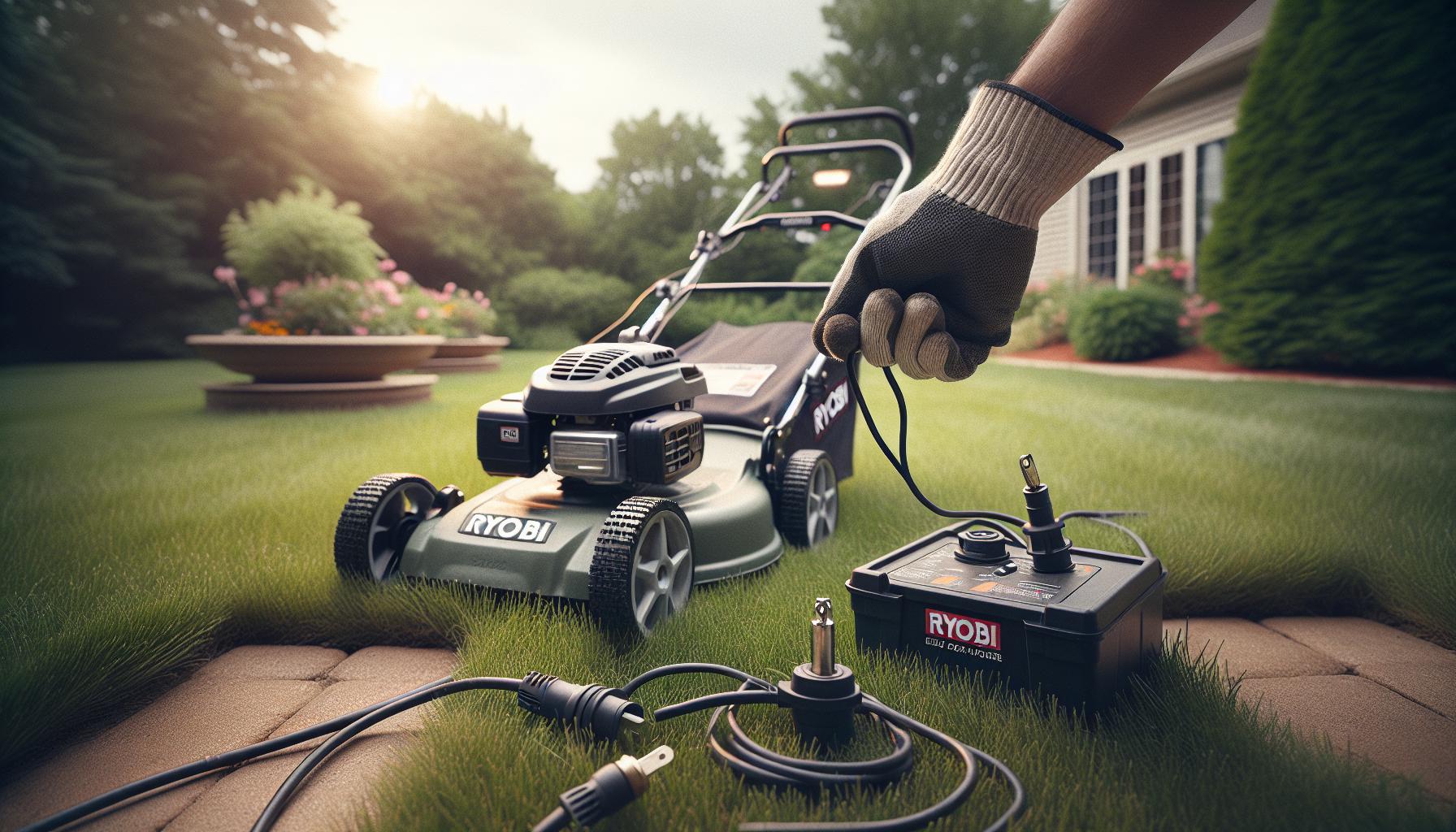
A common frustration for lawn care enthusiasts is when their Ryobi mower refuses to start, turning what should be a routine task into a disheartening ordeal. Various factors can contribute to starting issues, ranging from battery problems to mechanical faults. Understanding these obstacles is essential for troubleshooting effectively and getting back to mowing.
One of the leading culprits is battery failure, particularly for users of electric or battery-powered models. If you notice that the mower is unresponsive or the power indicator shows insufficient charge, check the battery’s connections and ensure it is fully charged. Even if the batteries appear charged, it’s wise to test them with a multimeter or try them in another compatible device to ensure they hold adequate voltage. Also, assess the contacts for any corrosion that could impede performance.
For gas-powered models, stale fuel can create significant starting hurdles. If your mower has been sitting for an extended time, particularly over the winter, the fuel may have degraded. Always use fresh fuel and consider adding a fuel stabilizer when storing the mower to prevent this issue. Additionally, ensure that the fuel line is clear and the carburetor is functioning properly, as clogs here can prevent the engine from receiving the necessary fuel to start.
Mechanical issues shouldn’t be overlooked either. If the safety features, such as the blade brake or operator presence switch, are not functioning correctly, they can prevent the mower from starting altogether. Regular maintenance checks are essential for identifying wear and tear that could lead to mechanical failures. Inspect the mower deck and drive belt, and ensure there are no obstructions or debris interfering with the blade’s operation.
By systematically addressing these concerns, you can significantly reduce the chances of encountering starting problems and ensure that your Ryobi mower operates smoothly whenever you need it.
Step-by-Step Starting Process for Ryobi Lawn Mowers

One of the most common frustrations for owners of Ryobi lawn mowers is not knowing the proper steps to get their machines running smoothly. Following a clear, step-by-step starting process can save you time and ensure that your mower operates at peak performance. Whether you own a battery-powered model or a gas-powered variant, understanding the starting protocol is key to a successful mowing experience.
To start, ensure your mower is on a flat, stable surface. For electric models, confirm that your battery is fully charged and properly inserted. Check for any visible signs of damage or corrosion on the battery terminals, as this can lead to starting issues. If everything looks good, insert the safety key-this is crucial for activation.
Next, you’ll want to engage the safety features. For most models, this involves pushing the operator presence lever or securely holding the handle. This safety mechanism prevents accidental starts, so double-check that it is functioning correctly. Once the safety features are engaged, press the start button or pull the recoil starter (for gas mowers) firmly yet smoothly.
If the mower does not start, here’s what to do next:
- Check the power indicator light if you have an electric model, ensuring the battery isn’t drained.
- Examine the connections and ensure everything is secure and free from debris.
- For gas-powered mowers, verify that you have clean, fresh fuel in the tank and that the fuel lines are unobstructed.
Remember, each model may have slight variations, so consulting your owner’s manual can provide additional specific details that may be useful. By following these steps, you can confidently start your Ryobi mower and tackle your lawn care tasks with ease.
Essential Maintenance Tips for Optimal Performance
To keep your Ryobi lawn mower operating at its peak, routine maintenance is essential. Just like any machine, neglecting care can lead not only to reduced performance but also to more significant and costly repairs down the line. Regular maintenance not only extends the life of your mower but also ensures that its operation remains efficient, allowing for a cleaner, healthier lawn.
One of the most critical areas to focus on is the battery. For electric and battery-powered models, periodically checking the battery health is crucial. Always keep the battery terminals clean and free from corrosion, and ensure that the battery is fully charged before mowing. If you notice that your mower isn’t holding a charge or running as long as it used to, it may be time to replace the battery. Similarly, for gas-powered mowers, always use fresh fuel and consider adding a fuel stabilizer to prevent fuel degradation when the mower is stored for extended periods.
Another aspect of maintenance includes ensuring that the mower blades are sharp. Dull blades tear the grass instead of cutting it, leading to a frayed appearance and making the lawn more susceptible to disease. Sharpen blades at least once a season or more frequently if you mow frequently. Cleaning the blades and the undercarriage after each use also helps remove grass buildup, which can lead to rust and corrosion over time.
Finally, regular inspections of your mower’s components, such as belts and filters, can prevent minor issues from becoming larger problems. Look for cracks, wear, or dirt buildup, and replace parts as necessary. Keeping your machine clean and in good working order will not only enhance its performance but will also make your lawn care tasks more enjoyable and efficient. Proper maintenance and timely interventions are the keys to a reliable and effective mowing experience.
Identifying and Fixing Fuel System Problems

When a Ryobi lawn mower refuses to start, the culprit is often buried deep within its fuel system. A well-functioning fuel system is crucial for delivering the right amount of fuel to the engine, and any hiccup in this system can transform your mowing day into a frustrating experience. Understanding how to identify and remedy fuel system problems is essential for every mower owner.
One of the first things to check is the fuel itself. Old or contaminated fuel can wreak havoc on your mower’s performance. If your mower has been sitting idle for a while, it’s wise to drain any remaining fuel and replace it with fresh, high-octane gasoline. Including a fuel stabilizer in your mix can help prevent future degradation, especially if you store your mower over the winter months. If you notice that the fuel smells funky or appears dirty, it’s time for a change.
Next, inspect the fuel filter and lines. A clogged fuel filter can restrict the flow of gasoline to the engine, while cracked or damaged fuel lines may cause leaks that lead to a loss of fuel pressure. To check this, follow these simple steps:
- Locate the fuel filter, typically found along the fuel line.
- Remove the filter and inspect it for any dirt or blockages.
- Examine the fuel lines for cracks or brittleness; if found, replace them immediately.
If everything appears intact and clean but the mower still won’t start, it may be time to clean the carburetor. Over time, debris can accumulate, preventing the proper mixture of air and fuel from reaching the engine. Disassembling the carburetor for a thorough clean can be a little daunting, but it’s worth it for the potential boost in performance.
Lastly, always check for any visible leaks around the mower. This might lead you to unnoticed issues such as a damaged fuel tank or gaskets. Addressing these leaks not only resolves starting issues but also prevents further damage to your mower and ensures a safe operating environment. By proactively keeping an eye on your fuel system, you lay the groundwork for a smoother, stress-free mowing season.
Electrical Issues: Troubleshooting Battery and Starter
When experiencing issues with a Ryobi lawn mower that refuses to start, the electrical system often plays a critical role in troubleshooting the problem. A dead battery or faulty starter can render your mower completely inoperative. Understanding how to diagnose and address these electrical issues can save you time and frustration while ensuring your mower is ready for the tasks ahead.
First, inspect the battery. Make sure it is adequately charged and in good condition. Remove it from the mower and check for any signs of corrosion on the terminals; dirty connections can prevent the electrical current from flowing. Cleaning these terminals with a mixture of baking soda and water can help restore a good connection. If the battery is old or unable to hold a charge, replacing it may be your best option. Keep in mind that some Ryobi models have built-in battery indicators, which allow you to easily check the charge status without removing the battery.
Next, consider the starter mechanism. If the battery appears functional, but the mower still won’t start, the starter may be malfunctioning. Listen for any clicking sounds when you attempt to start the mower; a single click with no engine turnover may indicate a problem with the starter motor or solenoid. In this case, a complete inspection of the starter circuit-checking for loose wiring and ensuring that all connections are secure-should be your next step. If everything appears intact yet the mower stubbornly refuses to respond, consult your user manual for specific instructions on testing or replacing the starter motor.
Lastly, ensure you understand the safety features of your mower. Residential riding mowers often have built-in safety mechanisms that prevent starting if the mower blade is engaged, if the operator is not seated, or if the parking brake is not activated. Taking a moment to review these safety features may help you identify any overlooked issues that could be contributing to starting problems.
By systematically addressing battery and starter issues, you can pinpoint electrical problems more effectively, paving the way for a successful and worry-free mowing experience.
Understanding Engine Sounds: What They Indicate
When dealing with a Ryobi lawn mower that isn’t starting as expected, paying attention to the sounds it makes can provide crucial insights into the underlying issues. Each sound can be indicative of a specific problem, helping you pinpoint what might be going wrong. For instance, if you hear a rapid clicking noise when you attempt to start the mower, it typically signifies that the battery may be low on charge or failing altogether. This sound acts as a warning, prompting a check of your battery’s condition, ensuring it’s adequately charged and free of corrosion at the terminals.
Conversely, a smooth whirl or whirring sound usually indicates that the starter motor is functioning correctly; however, if this is accompanied by no engine turnover, it could suggest that the mower is experiencing a problem further down the line, such as a blocked fuel line or issues in the ignition system. In this case, a more thorough inspection would be necessary to identify blockages or component failures.
Another common sound to heed is a sputtering or backfiring noise, which may occur if there are fuel system issues or if the engine is running too lean. This scenario could indicate that the mower is not receiving enough fuel or that there’s a significant blockage in the fuel lines. Recognizing this early can help prevent more extensive damage and costly repairs.
Understanding these sound patterns can greatly improve your troubleshooting process, making it easier to determine the next steps to take. Regular maintenance, such as ensuring clean fuel filters and checking for any debris obstructing airflow and fuel lines, can minimize the chances of encountering these sounds frequently. Listening closely and interpreting these engine sounds not only enhances the longevity of your Ryobi mower but can also make each mowing session a smoother experience.
Advanced Solutions for Stubborn Starting Issues
Facing stubborn starting issues with your Ryobi lawn mower can be incredibly frustrating, especially if you have already double-checked the basics. Sometimes, the solution lies in unexpected details. If your mower is not starting despite fully charged batteries and seemingly healthy components, delving deeper into the electrical and mechanical systems can reveal the culprit.
One effective strategy is to reset the mower’s system. Often, electronic devices like lawn mowers can benefit from a simple reset. Disconnect the battery, wait a few minutes, and then reconnect it. This allows the onboard computer to refresh its settings, potentially clearing any minor glitches that may be preventing the mower from starting.
Another common issue stems from internal connections and wiring. Loose or corroded connections can disrupt the flow of power to critical components. Inspect the harness and connectors visually for signs of wear or damage, and ensure that everything is tightly connected. Cleaning the terminals with a wire brush or sandpaper can also help enhance connectivity and may resolve starting problems.
Additionally, consider the condition of the mower’s blade and deck. If the blade is obstructed – perhaps by grass buildup or debris – the mower’s safety features may prevent it from starting. Ensure the blade is clear and properly installed, as a misaligned blade can hinder operation.
Lastly, learn from the shared experiences of other Ryobi lawn mower owners. Online forums and communities often host a treasure trove of tips, solutions, and troubleshooting advice from those who faced similar challenges. Engaging with fellow users can provide you with practical insights tailored to your specific model. With these strategies, you can tackle persistent starting issues and keep your mower running smoothly.
User Experiences: Tips from Ryobi Mower Owners
Many Ryobi lawn mower owners have navigated the common challenges associated with starting their machines and have valuable insights to share. One effective tip often mentioned by users is the importance of maintaining a clean battery terminal. Corrosion can build up over time, affecting electrical connections. A simple process of disconnecting and cleaning the terminals with a mixture of baking soda and water can enhance connectivity and resolve starting issues. Users emphasize that keeping these terminals clean can prevent unexpected failures during mowing season.
Additionally, several owners advocate for regular updates to the mower’s firmware, especially for electric models. Not all users are aware that firmware updates can improve the mower’s performance and reliability. They recommend checking the manufacturer’s website or contacting customer service for guidance on updating your model. Many state that after performing these updates, they experienced fewer starting issues, which significantly improved their mowing experience.
Community forums frequently highlight the significance of the safety features integrated into Ryobi mowers. Users report instances where the mower wouldn’t start due to the blade being improperly attached or safety switches being engaged. To avoid these scenarios, it’s recommended to routinely inspect the blade assembly and ensure that all safety switches are functioning correctly. Understanding how these features operate can help owners overcome starting challenges quickly.
Lastly, the shared experience of troubleshooting in online groups proves invaluable. Owners often exchange tips about seasonal storage practices, such as running the mower until it’s out of fuel or adding fuel stabilizer before winter. Such steps can prevent issues like stale fuel, which is commonly cited as a starting problem in the spring. This collective knowledge not only fosters a sense of community but also equips owners with practical strategies to maintain their Ryobi lawn mowers effectively.
When to Seek Professional Help for Your Mower
Knowing when to seek professional help for your Ryobi lawn mower can save you time, money, and frustration. While many issues can be resolved with some troubleshooting or DIY maintenance, there are specific signs and symptoms that indicate it’s time to call in the experts. If your mower exhibits persistent problems despite your best efforts-like failing to start, cutting out unexpectedly, or producing unusual sounds-it may be an indication of a deeper underlying issue that requires professional diagnosis.
One particularly critical situation is when you’ve exhausted basic troubleshooting steps with no success. For example, if you’ve ensured the battery is charged, the safety features are disengaged, and the connections are clean, yet the mower still won’t start or runs erratically, it’s wise to consult a qualified technician. Electric issues can be especially tricky; components such as the controller or wiring harness may need a thorough inspection that requires specialized knowledge and tools that you’re unlikely to have at home.
Another scenario that warrants professional intervention is when your mower shows signs of physical damage or wear, particularly in vital components like the engine or blade assembly. If you notice oil leaks, excessive vibration, or unusual noises that weren’t there before, it may indicate internal problems that can worsen if left unaddressed. Engaging a professional can help prevent further damage and ensure safe operation of your mower.
Lastly, if your mower is relatively new and still under warranty, it’s often better to contact customer service or a service center rather than attempting extensive repairs yourself. This can protect your warranty coverage, ensuring that any repairs needed will be completed at no extra cost to you. Taking action sooner rather than later means you’ll spend less time worrying about repairs and more time enjoying a well-maintained lawn.
Q&A
Q: How can I tell if my Ryobi lawn mower battery is charged?
A: To check if your Ryobi lawn mower battery is charged, look for a battery level indicator on the mower. If absent, try starting the mower; if it doesn’t start or cranks slowly, the battery may need charging. Refer to the “Electrical Issues” section for more details on battery maintenance.
Q: What should I do if my Ryobi lawn mower won’t start even with a charged battery?
A: If your Ryobi lawn mower won’t start with a charged battery, inspect the connections, and ensure the safety switch is engaged. It may also be a fuel issue or an ignition problem-check the “Identifying and Fixing Fuel System Problems” section for further troubleshooting steps.
Q: Why does my Ryobi lawn mower make a clicking sound but won’t start?
A: A clicking sound typically indicates a weak battery or poor connections. Ensure battery terminals are clean and tight. If the battery is fine, it could also stem from a starter motor issue. Check the “Electrical Issues” section for diagnostic tips.
Q: How can I clear a clogged fuel line in my Ryobi mower?
A: To clear a clogged fuel line in your Ryobi mower, safely detach the fuel line and use compressed air to blow out any debris. Make sure to inspect the fuel filter as well and replace if necessary. Refer to the “Identifying and Fixing Fuel System Problems” section for additional guidance.
Q: What maintenance steps can prevent starting issues with my Ryobi mower?
A: Regular maintenance like checking the oil level, cleaning or replacing the air filter, and ensuring the fuel is fresh can prevent starting issues. Following the “Essential Maintenance Tips” section will help maintain optimal performance of your mower.
Q: How can I troubleshoot engine starting issues specific to my Ryobi lawn mower model?
A: To troubleshoot engine starting issues for your specific Ryobi model, consult the owner’s manual for model-specific guidance. Also, consider the project’s “Common Issues Preventing Your Ryobi Mower from Starting” for general troubleshooting advice that may apply.
Q: Should I use ethanol-based fuel in my Ryobi lawn mower?
A: It’s best to avoid ethanol-based fuel in your Ryobi lawn mower, as it can cause fuel system issues over time. Instead, opt for ethanol-free fuel to enhance performance and reduce the risk of clogs. For more insights, refer to the “Identifying and Fixing Fuel System Problems” section.
Q: Where can I find replacement parts for my Ryobi lawn mower?
A: You can find replacement parts for your Ryobi lawn mower at authorized retailers, online marketplaces, or the official Ryobi website. Make sure to check compatibility with your specific model to ensure proper fit and functionality.
To Conclude
Now that you’ve unlocked the secrets to starting your Ryobi lawn mower, don’t let minor issues keep you from achieving a lush, well-manicured lawn. Remember, troubleshooting effectively can save you time and frustration, so put these tips into action today! For more insights, check out our guides on “Maintaining Your Ryobi Lawn Mower” and “Choosing the Right Lawn Care Tools,” which can elevate your lawn care routine even further.
We’d love to hear your experiences or any additional tips you might have, so feel free to leave a comment below! Don’t forget to subscribe to our newsletter for exclusive updates and hacks tailored to make lawn care a breeze. By taking these steps, you’re not just maintaining your mower; you’re investing in your home’s curb appeal. Keep your Ryobi running smoothly, and enjoy the beauty of your yard all season long!