Did you know that dog urine can cause unsightly yellow spots on your lawn? This common issue frustrates many pet owners who want a lush, green yard but are deterred by the damage their furry friends can cause. Fortunately, there are effective solutions that can help you maintain your lawn’s beauty while keeping your dog happy. Understanding the importance of managing dog waste on your lawn not only enhances the aesthetic of your property but also fosters a healthier environment for both your grass and your pet. In this article, we will explore simple, quick fixes to prevent and repair yellow spots, ensuring your lawn remains vibrant and inviting. Read on to discover practical tips tailored to safeguard your green space against pet-related damage!
Understanding Dog Waste Impact on Lawns
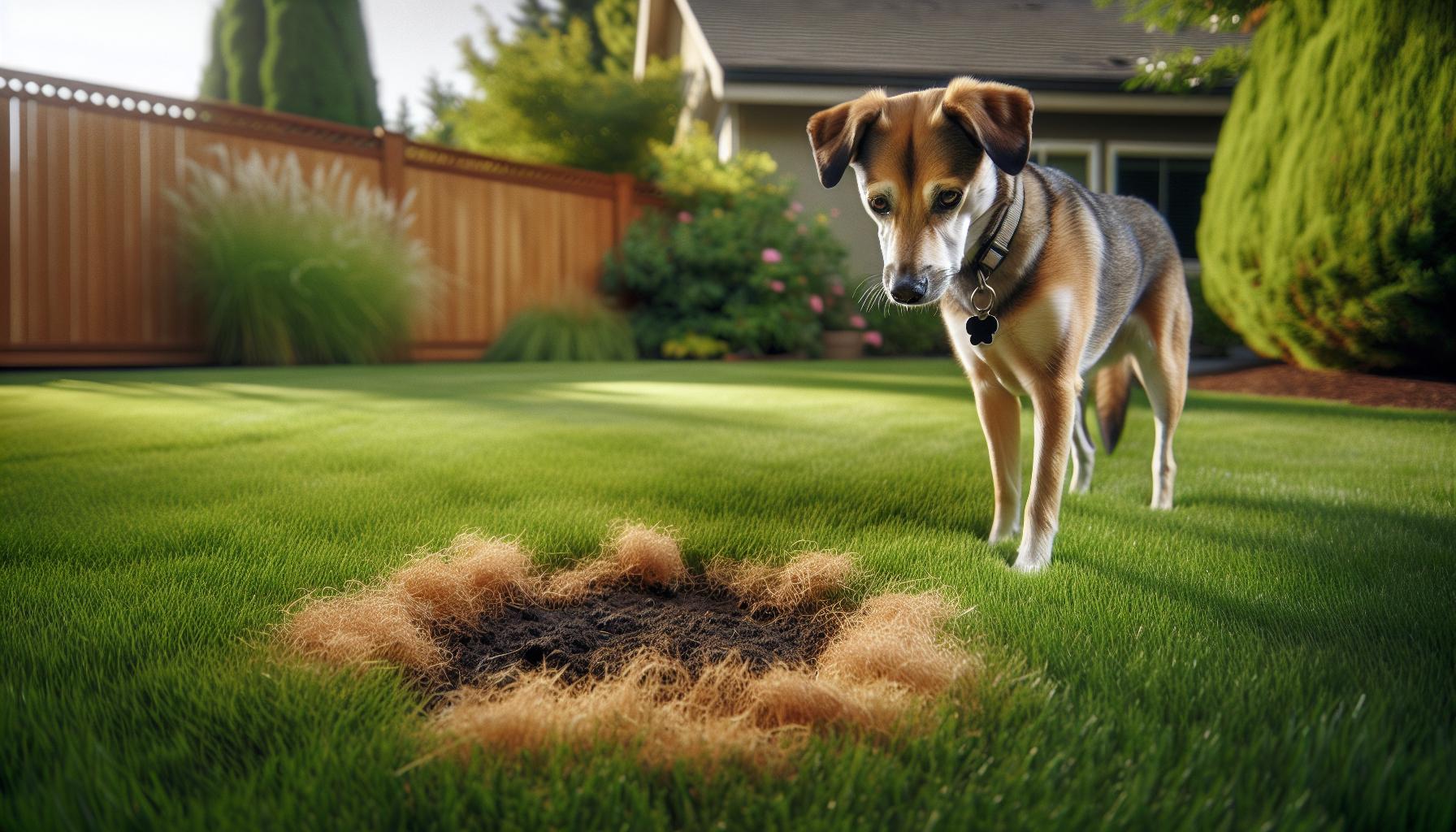
Understanding the impact of dog waste on lawns is crucial for pet owners aiming to maintain a healthy and vibrant outdoor space. The nitrogen-rich composition of dog urine can lead to significant discoloration and damage to grass, often manifesting as unsightly yellow or burnt spots. This phenomenon occurs because while nitrogen is an essential nutrient for plant growth, excessive amounts can overwhelm the grass, leading to root burn and inhibiting its ability to thrive. It’s similar to over-fertilizing, where the delicate balance of nutrients in the soil is disrupted, creating a hostile environment for healthy grass growth.
A major contributing factor to the extent of the damage is not only the frequency and location of your dog’s urination but also the type of grass in your lawn. Some grass varieties are more resilient to dog waste than others. For example, fescue and bluegrass typically handle pet waste better than more delicate species like Kentucky bluegrass. Understanding this relationship can help pet owners make informed decisions about their lawn care practices, possibly opting for more robust grass types and incorporating them into their landscape to mitigate damage from dog waste.
To combat and minimize the effects of dog urine on your lawn, it’s beneficial to implement strategies that promote even distribution of urine. For instance, training your dog to use a designated area for bathroom breaks can concentrate their waste, allowing for easier management such as regular watering of that portion to dilute the nutrients. Additionally, prompt clean-up and watering of the affected areas can also help restore balance, aiding the grass in recovering from nutrient overload. By being proactive about your dog’s bathroom habits and understanding their impact on your lawn, you can maintain a lush and healthy yard while reinforcing good habits in your pet.
The Science Behind Yellow Spots in Grass
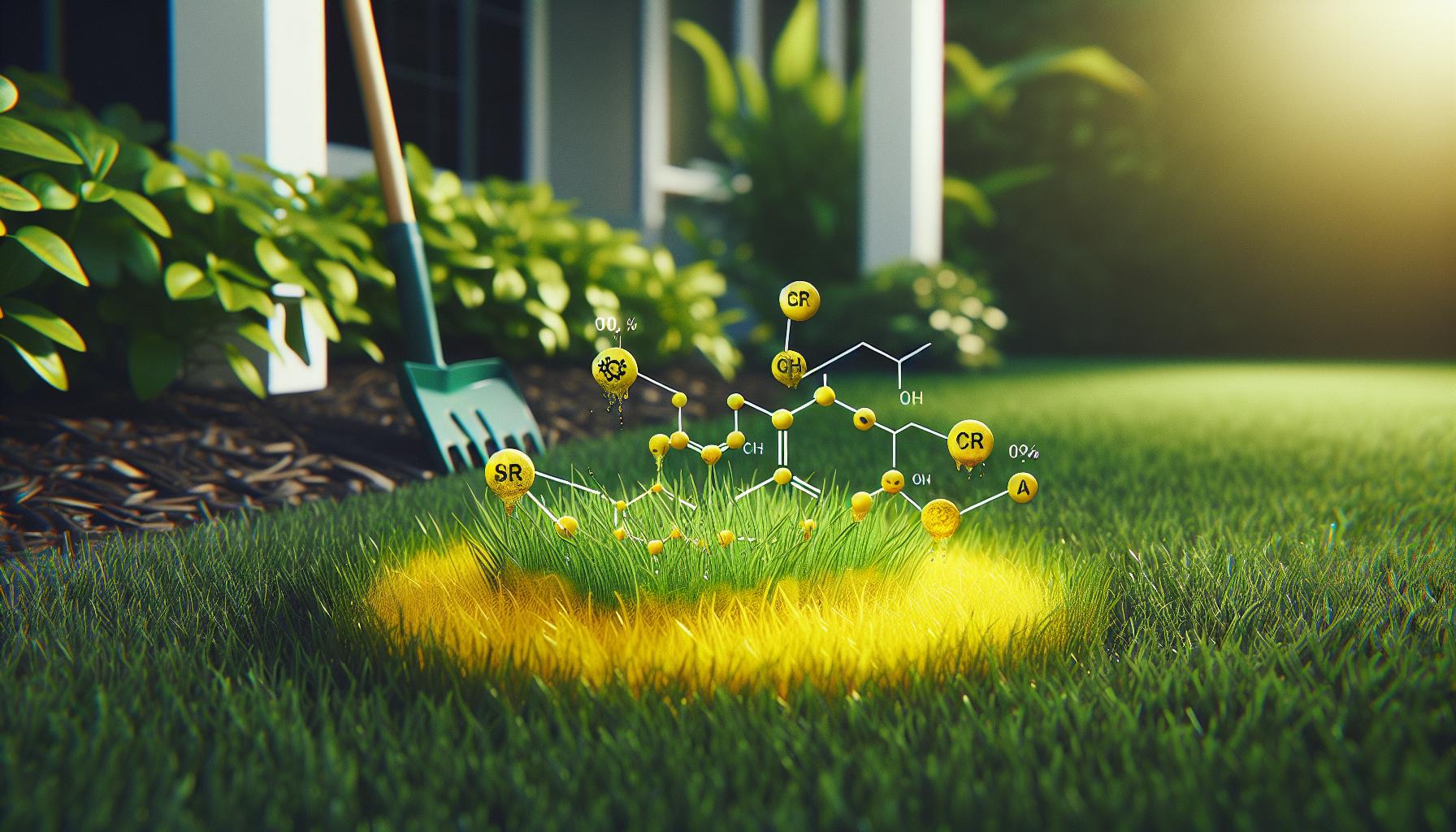
Dog owners often face the frustrating issue of yellow spots on their lawns, a sight that can turn a vibrant garden into a patchy disappointment. The primary culprit behind these unsightly blemishes is nitrogen, a key nutrient found in dog urine. While nitrogen can promote healthy grass growth, excessive amounts can do the opposite, leading to the discoloration and browning associated with a dog’s bathroom habits. Understanding this imbalance is crucial for pet owners looking to maintain a healthy lawn.
When a dog urinates, the concentrated nitrogen combined with other compounds can “burn” the grass. This damage is exacerbated by the watering conditions and the type of grass in the lawn. Some grass varieties, like fescue and bluegrass, are better equipped to handle dog waste than others, such as Kentucky bluegrass, which is more sensitive. The nuances of these grass types reveal how soil and plant health can be affected by a pet’s habits, making it essential to choose resilient grass varieties for dog-friendly landscapes.
Additionally, maintaining a proper balance of soil nutrients is vital in combating yellow spots. It can be helpful to regularly water the lawn to dilute the nitrogen levels in areas where dogs usually relieve themselves. This practice not only helps mitigate the immediate effects of urine but also promotes overall lawn health. Furthermore, training dogs to use a specific area can concentrate waste where it can be managed more effectively. By adopting these strategies, dog owners can enjoy a thriving lawn while accommodating their furry friends.
In summary, the science behind the yellow spots created by dog waste hinges on the familiar yet complex relationship between nitrogen levels, grass types, and proper lawn care practices. By understanding these dynamics, pet owners can implement effective strategies to minimize damage and sustain a lush green space.
Quick Fixes to Repair Lawn Damage
The appearance of yellow spots on your lawn due to dog waste can be a frustrating sight, but there are several effective strategies to revive and restore the affected areas. Quick fixes often involve immediate actions that not only mitigate visible damage but also promote regrowth. An important first step is to water the affected areas thoroughly. By diluting the nitrogen concentration in the soil, you can help prevent further “burning” and encourage the healthy recovery of your grass.
Another practical method is to apply a balanced fertilizer to the damaged spots. Look for one that provides a mix of nitrogen, phosphorus, and potassium. This approach can counterbalance the high nitrogen levels from dog urine and restore essential nutrients to the soil. Additionally, consider overseeding in the affected patches. Choosing a grass seed that thrives well in your climate and complements your existing lawn can help fill in the bald spots more quickly.
To provide some extra love to your lawn, you can also topdress with compost or soil. This not only aids in repairing damage but enriches the soil, improving its texture and nutrient content over time. It creates a more favorable environment for grass to grow back, ensuring that the recovery is sustained.
Lastly, don’t underestimate the power of a soft rake to gently loosen up the soil in damaged areas. This process allows for better seed-to-soil contact when you overseed, increasing the chances for successful germination and recovery. By implementing these quick fixes, you can rejuvenate your lawn and keep it looking lush and green, despite the occasional challenges that come with being a dog owner.
Preventing Yellow Spots with Training Techniques
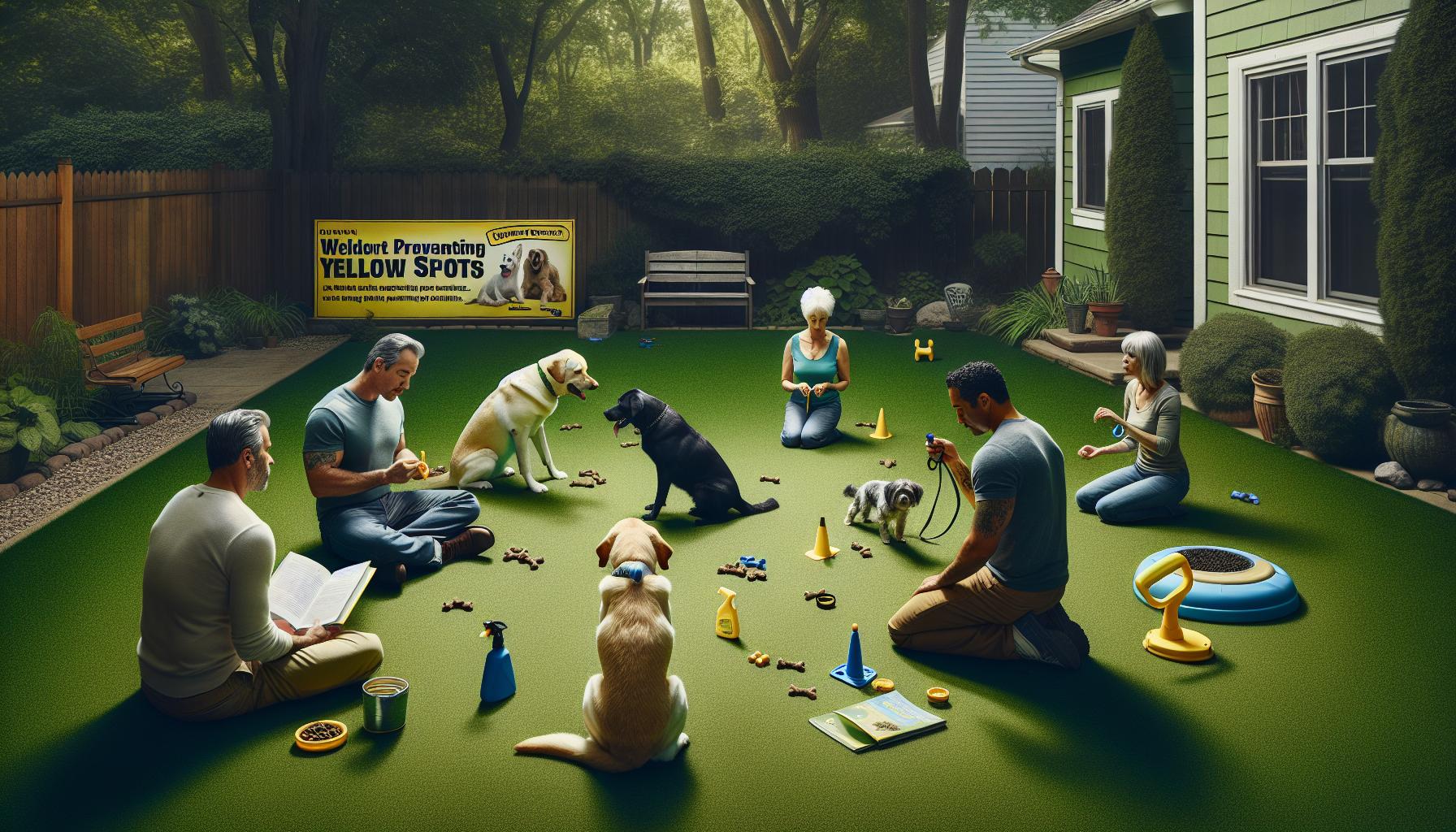
Training your dog to mitigate lawn damage is a proactive approach that can save you from the frustration of yellow spots caused by dog waste. The key lies in consistent training techniques that can teach your dog to relieve itself in designated areas rather than on your pristine grass. By implementing some simple strategies, you can help protect your lawn while fostering good habits in your pet.
One effective method is to create a designated potty area in your yard. Choose a spot that is away from the primary lawn area, ideally covered with gravel, mulch, or a similar material. This not only helps contain the damage but also provides a clear understanding for your dog of where it is allowed to go. You can encourage your dog to use this area by leading them there regularly, especially after meals or play sessions. When they do use it, be sure to reward them with praise or treats to reinforce the behavior.
Consistency is crucial. Establishing a regular routine for walks and bathroom breaks helps reduce the likelihood of accidents on your lawn. By taking your dog out at specific times each day, you can better predict when they are likely to need to relieve themselves. If you note that your dog prefers a particular spot, you can gradually lead them to your designated area to encourage their use of that space instead.
Another technique involves using positive reinforcement to associate the designated area with a positive experience. If your dog successfully uses the area, celebrate the achievement by providing a fun toy or engaging in a play session. This establishes a connection between the desired behavior and a reward, enhancing your dog’s incentive to stick to the training. Additionally, consider using commands or signals associated with potty time, preparing your pup to understand when and where they should go.
By focusing on these training techniques, you can significantly reduce the risk of yellow spots on your lawn while also nurturing a healthier relationship with your dog. Not only will your lawn thank you, but you’ll also develop a rhythm in your pet care routine that outputs benefits for both parties involved.
Best Lawn Care Practices for Dog Owners
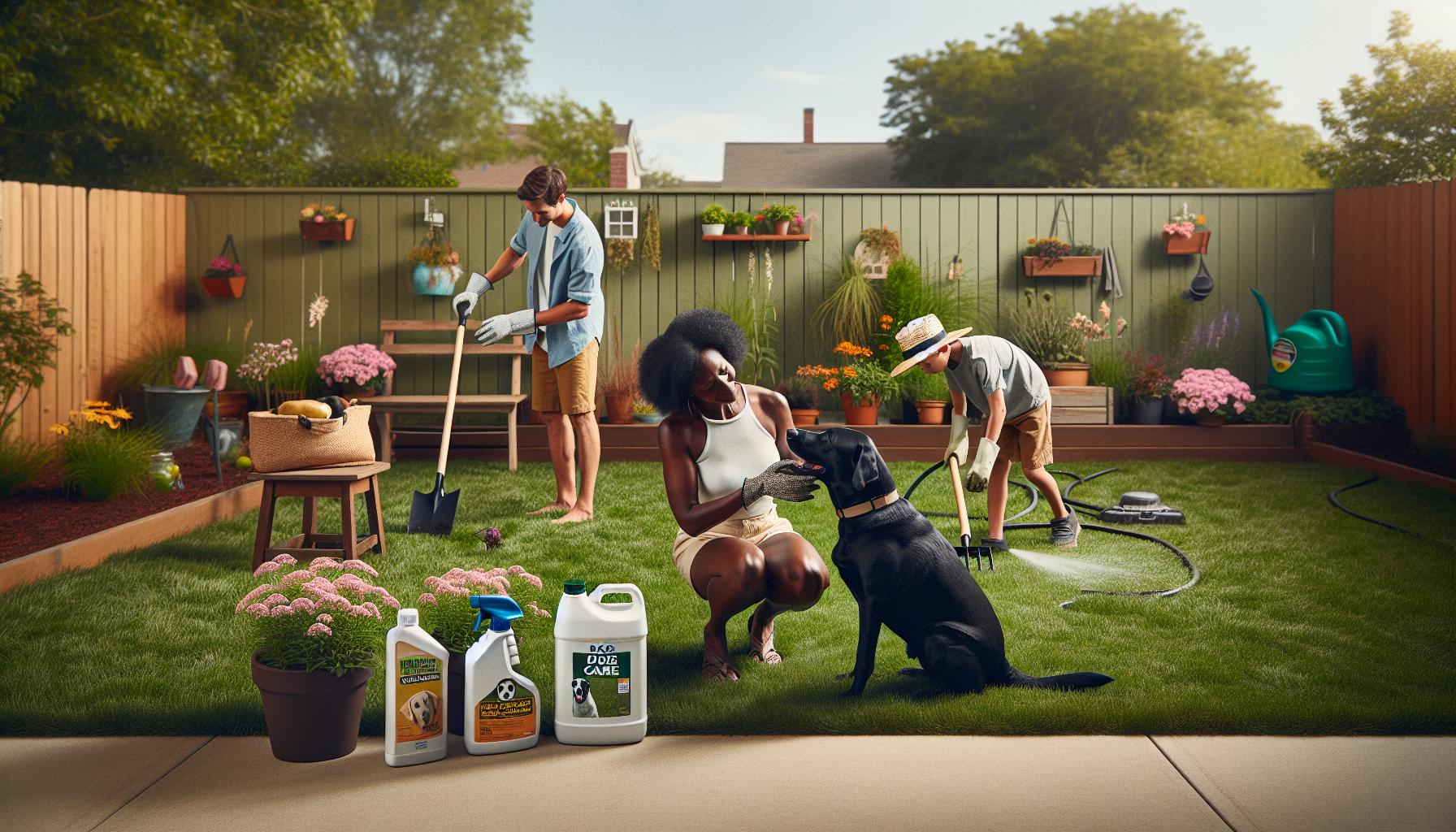
Maintaining a beautiful lawn while accommodating a dog can feel like a balancing act, yet with the right strategies, pet owners can enjoy both a vibrant yard and a happy pup. Understanding how dog waste affects grass health and implementing proper lawn care practices can significantly reduce the unsightly yellow spots often associated with our furry friends.
One of the most effective lawn care practices is to increase the lawn’s resilience. Regularly aerating your yard helps water, nutrients, and air penetrate deeper into the soil, promoting healthier root growth. This can aid grass in recovering from any damage caused by dog urine. Applying high-quality fertilizers specifically designed for dog owners can also support lawn health. Look for products that balance nitrogen levels since excessive nitrogen from dog waste can lead to the very yellow spots you’re trying to avoid.
In addition to these treatments, regular mowing can also play a key role in lawn health. Keeping your grass at an optimal height allows it to better withstand stress, including urine burn. Aim for about three inches in height, which not only minimizes stress on the grass but also helps shade roots, reducing evaporation.
Another practical approach is to water your lawn more frequently. After your pups do their business, watering the area lightly can dilute the concentrated nitrogen found in their urine, minimizing damage. Where possible, designate a specific area for your dog to relieve itself and train your pet to use it consistently, which can help separate damaged spots from healthy patches.
Incorporating natural remedies can also assist in managing the appearance of yellow spots. A mixture of water with a splash of vinegar applied to affected areas can aid in restoring the lawn’s vibrancy, while encouraging healthy grass growth.
Recognizing the importance of grass types is vital as well. Consider planting varieties that are more durable and can withstand the stress from both feet and pet waste; options such as Kentucky bluegrass or fescue can be better suited for homes with dogs.
By adopting these best lawn care practices, dog owners can effectively mitigate the potential damage caused by pet waste, ensuring a lush, green yard that both humans and their canine companions can enjoy.
Natural Remedies for Yellow Spots
Natural remedies can be a game changer when it comes to fighting the yellow patches on your lawn caused by dog waste. These solutions not only impart a chemical-free approach to lawn care but also tend to be quite effective in restoring your grass’s health. By harnessing everyday household ingredients, you can work toward reviving those unsightly spots and keeping your yard lush and vibrant.
One popular remedy involves a simple mixture of water and vinegar. Using a spray bottle, combine one part white vinegar with three parts water, and lightly apply it to the affected areas. The acetic acid in vinegar can help balance the pH of the soil, promoting healthier grass growth. Always ensure to use this sparingly, as too much vinegar could lead to further damage.
Another effective solution is to dilute your dog’s urine immediately after they go. By following up their business with a gentle spray of water on the impacted spot, you can significantly reduce the concentration of nitrogen and salts that cause the yellowing. This practice not only minimizes damage but also encourages the remaining grass to recover more swiftly.
Additionally, consider using a mixture of baking soda and water as a non-toxic alternative. Dissolve one tablespoon of baking soda in a gallon of water and apply it to yellow patches. Baking soda not only helps neutralize the nitrogen’s acidity but also can improve soil conditions, giving your lawn a fighting chance against further discoloration.
Here are a few more :
- Compost Tea: Brew a batch of compost tea by steeping compost in water. Applying this nutrient-rich solution can enrich your lawn, promoting growth and helping to recover from damage.
- Molasses: Using a diluted solution of molasses (one cup per gallon of water) can enhance soil microbial activity, which aids in breaking down harmful substances.
- Hydrated Lime: If soil acidity is an issue, sprinkling hydrated lime can help neutralize pH, enhancing nutrient availability to the grass.
By integrating these natural remedies into your lawn care routine, not only do you promote a healthier yard, but you cultivate an environment that’s better for both your lawn and your furry friend. Experimenting with these solutions can lead to a fuller and greener lawn while avoiding the adverse effects of chemical treatments.
Choosing Dog-Friendly Lawn Alternatives
When selecting plants and ground cover for a dog-friendly lawn, it’s essential to consider not only aesthetics but also durability and safety for our four-legged companions. Many traditional lawns can be easily damaged by dog waste, resulting in unsightly yellow patches. Fortunately, several resilient and appealing grass alternatives can withstand the wear and tear of pet activity while minimizing damage caused by mucky paws.
One excellent option is perennial ryegrass; this variety is not only robust and quick to establish but also tends to recover well from dog urine. It forms a dense mat that can resist wear, making it ideal for active households. In addition, it requires regular mowing and watering, which helps in flushing out any residual nitrogen caused by urine. For those who prefer a unique touch, consider clover. Clover varieties, particularly white clover, are nitrogen-fixing plants that can improve soil health and withstand some level of abuse. They also require less water and fertilization than traditional turf grasses.
Ground Cover Options
If you are looking for low-maintenance alternatives, opt for hardy ground covers like bamboo or thyme. Bamboo is particularly resilient and can handle foot traffic-just be sure to choose a clumping type to manage spread. On the other hand, thyme not only withstands trampling but also releases a pleasant aroma when walked on. Both options can create a lush environment while minimizing yellow spots from dog waste.
Considerations for Pet Safety
Additionally, while selecting dog-friendly alternatives, ensure the plants are non-toxic. Avoid species such as azaleas or sago palms, which can be harmful to pets. Instead, explore a variety of non-toxic plants suitable for dogs. If you want greenery that looks great without any risk to your dog’s health, consider varieties like ferns, spider plants, and basil. As a bonus, these plants can enhance the overall aesthetics of your garden while providing a safe environment for your pets.
By being strategic about your lawn choices, you can create a pet-friendly oasis that remains lush and vibrant, regardless of your dog’s bathroom habits. Keep exploring different combinations and consult your local nursery for recommendations tailored to your climate and specific dog breeds to maximize both beauty and functionality in your outdoor space.
Using Lawn Treatments to Mitigate Damage
Using lawn treatments effectively can make a significant difference in mitigating the damage caused by dog waste, particularly when dealing with those stubborn yellow spots that detract from your lawn’s beauty. While many pet owners face this challenge, understanding the right treatments can turn a distressed lawn into a thriving green space.
One of the first steps is to flush the area with water after your dog has gone to the bathroom. This simple act can dilute the concentration of nitrogen and salts in urine that leads to yellow patches. A good practice is to create a watering schedule, adding water around the spots immediately after potty time. In addition, consider using specialized dog urine neutralizers available in gardening stores. These products often contain enzymes that break down nitrogen and help restore the soil balance, ultimately promoting grass recovery.
Fertilization Strategies
The type of fertilizers you choose can greatly influence lawn health. Opt for fertilizers high in potassium and low in nitrogen. Products rich in potassium will help strengthen grass roots and improve resilience against the effects of dog urine. Additionally, applying a soil conditioner can enhance soil structure and aid in the recovery of damaged areas. Look for organic options that contain beneficial microbes to support healthy lawn growth.
Application Tips:
- Apply fertilizers during the growing season to maximize absorption.
- Consider a soil test to determine your lawn’s nutrient needs before adding any treatments.
- Water regularly after application to help nutrients penetrate the root zone.
Seeding and Reseeding
In cases where the damage is more extensive, overseeding is an effective strategy. Choose a grass seed mixture that’s appropriate for your climate and has good drought resistance. When overseeding, ensure that the area is clear of leaves and debris, and lightly rake the soil to create a good seedbed. After sowing, keep the area moist to encourage germination. You can also look into grass types that are naturally more tolerant of dog waste, such as perennial ryegrass or fescue, which recover quickly from abuse.
Implementing these treatments not only helps to restore damaged areas but also contributes to the overall health and resilience of your lawn. With consistent care and appropriate product use, your lawn can remain healthy and beautiful, despite the playful antics of your furry friends.
Understanding Dog Nutrition and its Impact on Lawn
A dog’s diet plays a crucial role in not only its health but also in the condition of your lawn. An unbalanced diet, especially one high in protein, can lead to concentrated levels of nitrogen in your dog’s urine, a primary culprit behind those unsightly yellow spots in your grass. The components of dog food, particularly the protein sources, break down during digestion and are excreted in urine, which when concentrated, has a similar effect to applying fertilizer excessively. This means that dietary choices can directly influence the health of your lawn.
To mitigate this impact, consider adjusting your dog’s nutrition by incorporating high-quality dog food that balances protein with other essential nutrients. Look for formulations with moderate protein levels and plenty of fiber, which can help to lessen the nitrogen concentration in urine. Additionally, ensuring proper hydration is vital; adequate water intake helps dilute urine, decreasing its potential to harm your grass. Encourage your dog to drink more by offering fresh water regularly and incorporating wet food options into their diet.
Supplementing Your Dog’s Diet
Some dog owners have found that adding certain supplements can help reduce the nitrogen concentration in urine. Products containing probiotics or even specially formulated “urine-neutralizing” supplements are available and are designed to balance the effect of dog waste on lawns. These can be particularly useful for those with larger breeds or multiple dogs, as increased waste output could quickly lead to lawn damage.
Check with your veterinarian before making any significant changes to your dog’s diet or introducing supplements. They can provide tailored advice based on your dog’s specific needs, breed, and size. This individualized approach ensures your furry friend remains healthy while also looking out for the health of your lawn.
In summary, by understanding the relationship between your dog’s nutrition and its impact on your lawn, you can make informed choices that promote both your pet’s well-being and a greener, healthier yard. Simple adjustments in diet and hydration can make a meaningful difference in reducing yellow spots caused by dog waste, allowing you to maintain a beautiful lawn for years to come.
When to Consult a Lawn Care Professional
When you’re facing persistent yellow spots on your lawn caused by dog waste, it can be tempting to tackle the problem on your own with DIY solutions. However, there are crucial situations where consulting a lawn care professional becomes necessary. For instance, if you notice extensive damage that goes beyond minor yellowing, or if your grass isn’t responding to basic repairs, it’s likely time to seek expert guidance.
Lawn care professionals can diagnose underlying issues that may not be immediately apparent. They possess the knowledge to distinguish between dog-related damage and other potential problems such as disease or pest infestations, which might exacerbate the yellow spots. Moreover, they have access to specialized treatments and technologies that can effectively restore your lawn to its former glory. If you’re considering long-term solutions or the establishment of a more dog-friendly landscape, a professional can also provide valuable insights and tailored recommendations that align with your specific situation.
If you have multiple pets or a specific breed that is prone to causing more lawn damage due to their urine’s nitrogen concentration, it may be wise to consult a professional sooner rather than later. They can help implement a comprehensive care strategy that includes lawn treatment schedules, soil health assessments, and advice on lawn alternatives that are less susceptible to damage. By investing in professional expertise, you can save time and ultimately ensure a more sustainable approach to maintaining a healthy and lush lawn.
In summary, knowing when to reach out for professional assistance can make a significant difference in lawn care, particularly when dealing with pet-related challenges. If your DIY methods are yielding unsatisfactory results or if you want to take a proactive stance on lawn health, don’t hesitate to reach out to a lawn care expert for their specialized knowledge and services.
Long-Term Strategies for a Healthy Lawn
Maintaining a lush, green lawn while sharing your space with dogs can be an ongoing challenge, especially considering the tendency for canine waste to leave unsightly yellow spots on the grass. Luckily, implementing long-term strategies can not only minimize lawn damage but also enhance its overall health. By focusing on soil health, proper dog training, and lawn maintenance, you can create a thriving environment that benefits both pets and plants alike.
One practical approach is to enhance soil quality through regular testing and amendments. Healthy soil can better absorb and process the nitrogen found in dog urine, which is often responsible for yellowing. Conducting a soil test every couple of years will help you understand its composition, allowing you to tailor your fertilization practices accordingly. Incorporating organic matter such as compost can also improve soil structure and water retention. This creates a more resilient lawn capable of withstanding occasional dog-related stress without significant damage.
Another effective strategy involves establishing designated potty areas for your dog. Training your pet to relieve themselves in specific spots can significantly limit damage to your overall lawn. Consider using gravel or mulch instead of grass in these designated areas, which are not only easy to clean but also less susceptible to the burn effects of urine. Positive reinforcement techniques can aid in this training, making it easier for both you and your pet to adapt to the new routine.
In addition to improving soil health and training your dog, regular lawn maintenance practices should not be overlooked. Implement a consistent mowing schedule, keeping your grass at an optimal height of 2.5 to 3.5 inches, which helps promote deeper root systems and improves overall lawn resilience. Additionally, watering your lawn early in the morning can help dilute the effects of urine, especially after your dog has relieved themselves, as this allows for better absorption and reduces the likelihood of yellow spots developing.
By adopting these long-term strategies, you can foster a healthy lawn that harmonizes with your furry companions. Engaging in proactive soil management, employing thoughtful training techniques, and adhering to regular maintenance guidelines will not only minimize the impact of dog waste but also enrich your lawn, making it a vibrant oasis for all to enjoy.
Tips for Managing Multiple Pets and Lawn Health
Managing a lush lawn while accommodating multiple pets can seem like navigating a daunting balancing act. The combination of increased foot traffic, varied bathroom habits, and different nutritional needs can wreak havoc on your grass. However, with strategic planning and thoughtful practices, you can maintain a vibrant outdoor space that works for both your pets and your landscaping aspirations.
One effective approach is to designate specific potty areas for your dogs. Not only does this help limit the damage across your entire lawn, but it also creates a routine that your pets can adapt to. You might choose to use gravel, mulch, or even artificial turf in these areas, as they are less prone to being affected by urine than traditional grass. Consider placing these designated spots away from high-traffic areas of your lawn. This way, your pets still have space to run and play without compromising the health of your grass.
In addition to designating potty areas, the nutritional balance of your pets deserves attention. The nutrients in dog food, particularly proteins, can influence the acidity and nitrogen levels in their waste, contributing to lawn damage. Consult with your veterinarian to determine if dietary adjustments could help mitigate the effects on your lawn. Additionally, providing plenty of fresh water and encouraging substantial hydration can dilute the concentrate of nitrogen in their urine, reducing its potential burn effect on grass.
Lastly, regular lawn maintenance becomes even more critical when you have multiple pets. Create a consistent mowing schedule that not only keeps your lawn looking neat but also promotes healthier grass growth. When mowing, cut no more than one-third of the grass height at a time to maintain optimal growth conditions. Incorporating routine aeration and overseeding can also help rejuvenate worn-down patches, encouraging resilience against the wear from your dogs’ activities.
By implementing these strategies, you can enjoy both a healthy lawn and the companionship of your furry friends. Balancing pet care with landscaping requires a proactive approach, but with some forethought and patience, you can create a welcoming environment that benefits everyone involved.
FAQ
Q: What causes yellow spots on grass from dog urine?
A: Yellow spots on grass from dog urine are primarily caused by high nitrogen levels in the urine, which can burn the grass. When dogs urine on the lawn, concentrated mixtures affect the blades, leading to discoloration. For tips on prevention, refer to the “Understanding Dog Waste Impact on Lawns” section.
Q: How can I neutralize dog urine on my lawn?
A: To neutralize dog urine on your lawn, water the affected area immediately after your dog urinates. This dilutes the nitrogen concentration, minimizing grass burn. You can also apply a mixture of vinegar and water as a natural remedy, as indicated in the “Natural Remedies for Yellow Spots” section.
Q: Are certain dog breeds more damaging to lawns?
A: Yes, smaller dog breeds tend to urinate in smaller areas, concentrating damage, while larger breeds may cover more ground but can still cause significant lawn damage. Consider choosing dog-friendly lawn alternatives to mitigate this impact, as discussed in the “Choosing Dog-Friendly Lawn Alternatives” section.
Q: What are effective lawn treatments for dog urine spots?
A: Effective treatments include applying a soil conditioner or using a nitrogen-neutralizing fertilizer specifically designed for dog urine damage. For detailed methods, check the “Using Lawn Treatments to Mitigate Damage” section to find products suitable for recovery.
Q: Can I train my dog to avoid certain areas of the lawn?
A: Yes, training your dog to relieve themselves in designated areas can significantly reduce urine spots. Use positive reinforcement techniques to encourage this behavior. More training strategies can be found in the “Preventing Yellow Spots with Training Techniques” section.
Q: How often should I fertilize my lawn to combat dog urine damage?
A: You should fertilize your lawn every 6-8 weeks during the growing season to promote healthy grass that can better withstand dog urine. For best practices, refer to the “Best Lawn Care Practices for Dog Owners” section.
Q: Are there lawn types that are more resistant to dog damage?
A: Yes, specific grass types like fescue and ryegrass are more resilient to dog urine damage compared to other varieties. For a detailed look at these options, see the “Choosing Dog-Friendly Lawn Alternatives” section.
Q: When should I seek professional help for lawn damage?
A: If dog urine spots persist despite your treatments or if you’re experiencing extensive lawn damage, it may be time to consult a lawn care professional. The “When to Consult a Lawn Care Professional” section provides guidance on assessing the need for expert assistance.
Future Outlook
In summary, tackling yellow spots in your lawn caused by dog waste requires swift action and effective solutions to maintain a lush, green yard. By implementing the quick fixes we’ve discussed, you’ll not only restore your lawn’s beauty but also enhance its overall health. Don’t wait-take charge today and see the difference!
For more expert tips, check out our guides on effective lawn care practices and discover cost-effective lawn repair options. If you’re looking for personalized advice, consider signing up for our newsletter or contacting us for a consultation to keep your lawn vibrant year-round.
Engage with us below! Share your experiences or ask questions in the comments, and don’t forget to explore our related articles on lawn maintenance and pet-friendly landscaping. Together, let’s create a greener space that works for both you and your beloved pets!