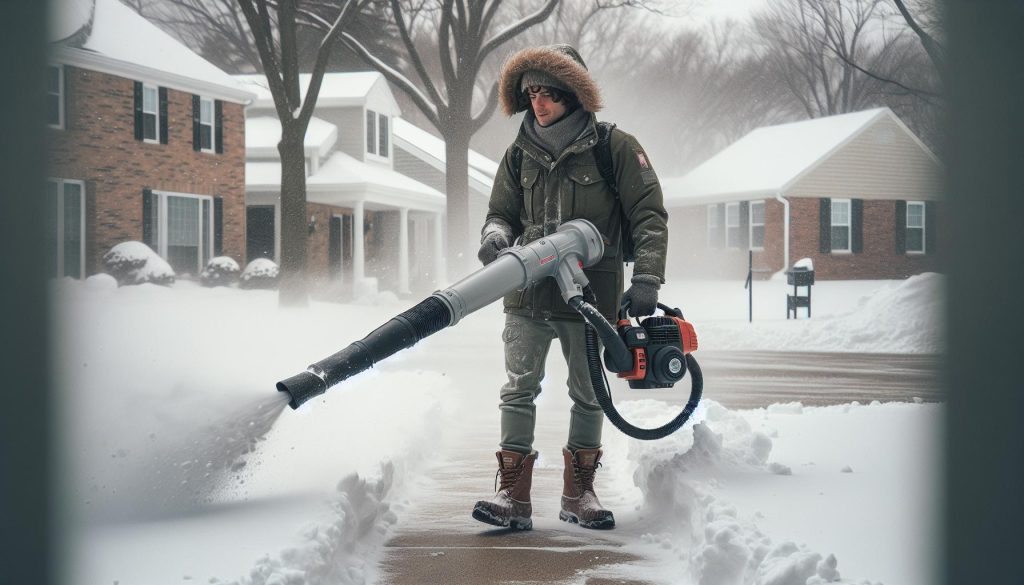
When winter blankets your home in snow, the thought of shoveling can be daunting. However, many homeowners are discovering a surprising ally in the battle against snow accumulation: the leaf blower. Yes, these handy tools can effectively clear light, powdery snow from driveways, sidewalks, and even vehicles, making snow removal quicker and more efficient. The key is knowing how to use your leaf blower effectively for this unconventional task. In this guide, we’ll explore tips and techniques to maximize your leaf blower’s performance in snowy conditions, ensuring that winter doesn’t take you by surprise. Get ready to take your snow removal strategy to the next level!
Choosing the Right Leaf Blower for Snow Removal
can significantly impact your efficiency and effectiveness during winter conditions. Leaf blowers can offer a practical alternative to traditional snow shoveling, especially when dealing with light, powdery snowfall. However, not all leaf blowers are created equal, and selecting the appropriate model is essential for successful snow management.
When considering a leaf blower for snow removal, it’s important to focus on factors such as power, weight, and type of blower. Power is crucial; look for a blower with high cubic feet per minute (CFM) and sufficient miles per hour (MPH) to effectively move snow. Typically, a blower that reaches at least 200 CFM and 70 MPH is capable of handling light snow. Additionally, weight matters – if you have a larger area to clear, a lightweight model can make the job less taxing on your body, allowing for longer use without fatigue. The type of blower also plays a role: handheld models are great for small areas like cars and sidewalks, while backpack models may be more effective for larger spaces such as driveways and decks.
Beyond specifications, consider the condition of the snow you are dealing with. Leaf blowers excel with dry, powdery snow, which can be quickly moved aside without much resistance. In contrast, wet or heavy snow may require a more robust solution, as leaf blowers might struggle to move that type of mass effectively. Always check manufacturer recommendations for snow use, as some brands specifically endorse their models for light snow blowing, which can make a significant difference in performance.
The versatility of leaf blowers isn’t just about snow removal – they can also be used year-round for yard maintenance. This dual functionality can justify the investment for many homeowners. With the right approach, choosing a leaf blower tailored to your needs will not only enhance your winter snow removal experience but also be a valuable tool in your outdoor arsenal throughout the year.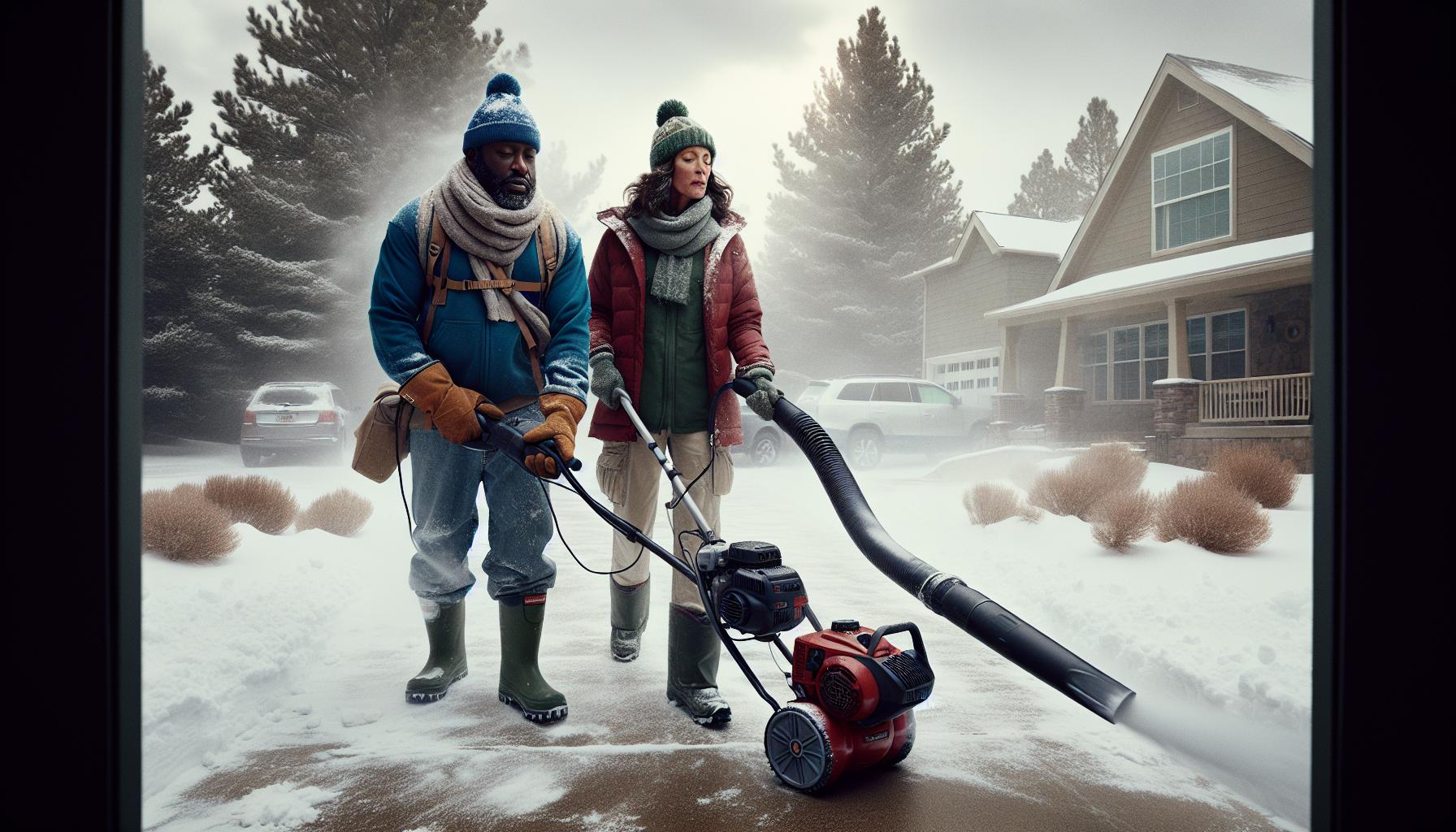
Benefits of Using a Leaf Blower for Snow
Using a leaf blower for snow removal is not just a novel idea; it can transform the way you tackle winter challenges. The primary advantage lies in the efficiency and speed with which you can clear light, powdery snow, making it a favored choice for many homeowners. Unlike traditional shoveling, which can be labor-intensive and time-consuming, a leaf blower sweeps snow away in moments, reducing physical strain and saving valuable time.
One of the standout benefits is its ability to protect your vehicle’s paint. Snow can be abrasive when shoveled or scraped, but using a leaf blower minimizes physical contact, thus preserving the surface of your car. This touchless approach is particularly effective when dealing with dry snow, which can be easily nudged aside without the risk of scratches or dents. Furthermore, the fun factor cannot be overlooked; the process of blowing snow away can be enjoyable, turning a typically tedious chore into a more engaging task.
Additionally, leaf blowers are versatile tools that can serve a dual purpose throughout the year. While they effectively manage light snow, they can also be used for leaf collection in the fall or even for drying cars after washing in the summer. This multi-functionality can justify the investment, allowing homeowners to get more value out of the equipment.
In terms of cost efficiency, a good leaf blower can often be less expensive than a specialized snow blower, especially for areas that receive mild winters or for those who primarily deal with light, powdery snow. When selecting the right model, it’s recommended to focus on blowers that deliver at least 200 CFM and 70 MPH to ensure optimal performance for snow tasks. With the right tool in hand, tackling winter weather becomes not only feasible but also quite manageable.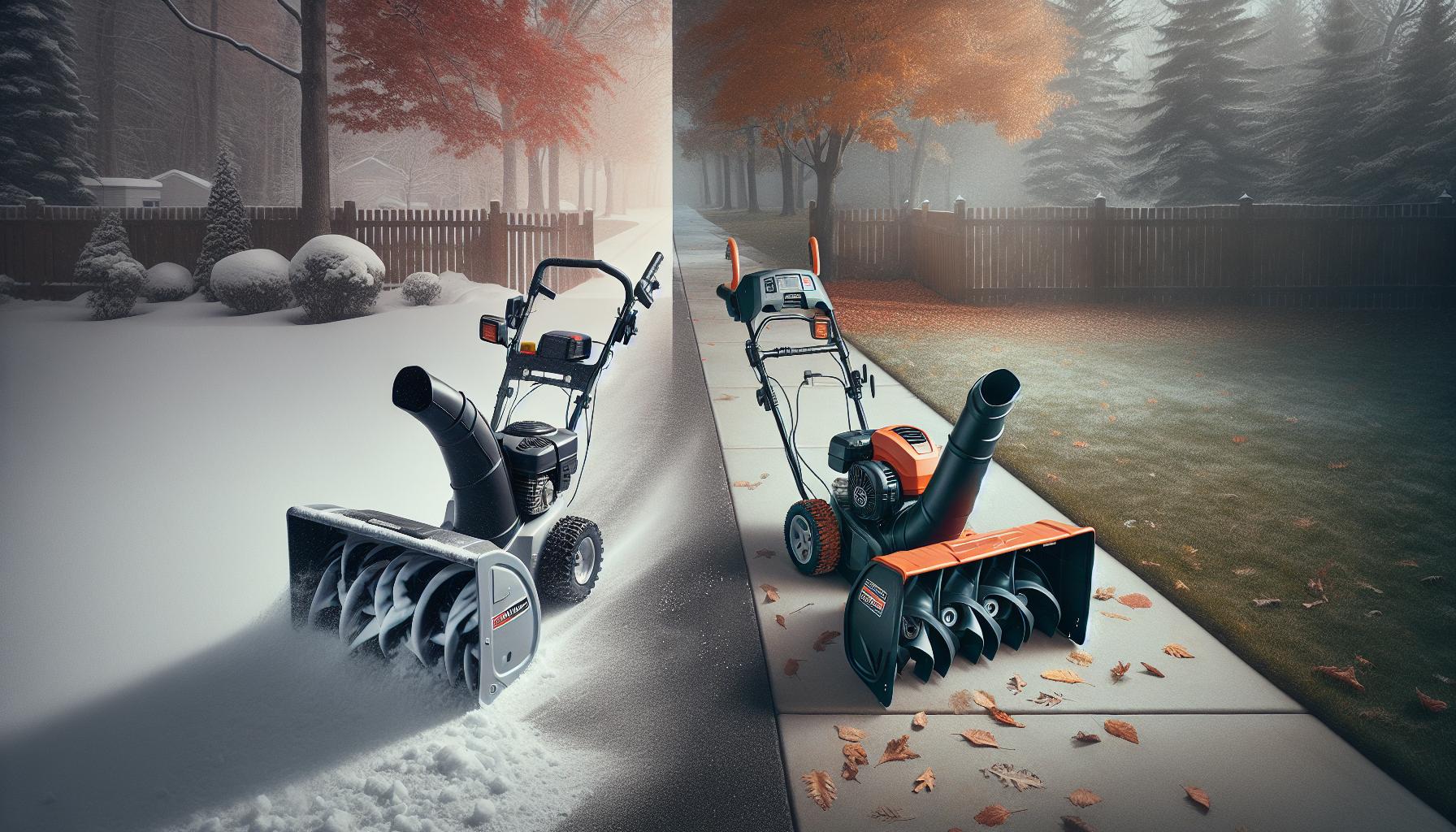
Preparation: Snow Blower vs. Leaf Blower
When the winter season blankets the landscape in snow, homeowners face the challenge of clearing their driveways, sidewalks, and vehicles. Two popular options for snow removal are leaf blowers and snow blowers, each with their own distinct advantages and applications. Understanding the differences between these tools can help you make an informed choice that suits your needs.
Leaf Blowers are surprisingly effective for removing light, powdery snow, particularly after minor snowfalls. They are generally lighter and more maneuverable than snow blowers, making them easier to handle and less physically taxing to operate. Many models are also less expensive, leading to lower overall maintenance and operating costs. For those living in areas that don’t experience heavy snowfall, a leaf blower can be a versatile tool, useful for clearing leaves in the fall and blowing off snow during winter.
On the other hand, Snow Blowers are specifically designed for clearing snow and are capable of handling larger volumes of wet, heavy snow. They feature powerful augers and impellers, making them ideal for substantial snow accumulation. If you live in an area prone to heavy winter storms or need to manage large areas of snow-covered ground, investing in a snow blower may be necessary. These machines can be found in various sizes, from single-stage models for light snows to heavy-duty two-stage models for more extensive snow removal tasks.
Ultimately, the selection between a leaf blower and a snow blower should depend on your specific snow removal needs. Consider factors such as the typical snow depth in your area, your physical capability to operate these machines, and how much you are willing to invest. For tackling light dustings, a leaf blower can be an effective and fun option, whereas for those serious about battling winter storms, a dedicated snow blower may be the better long-term choice.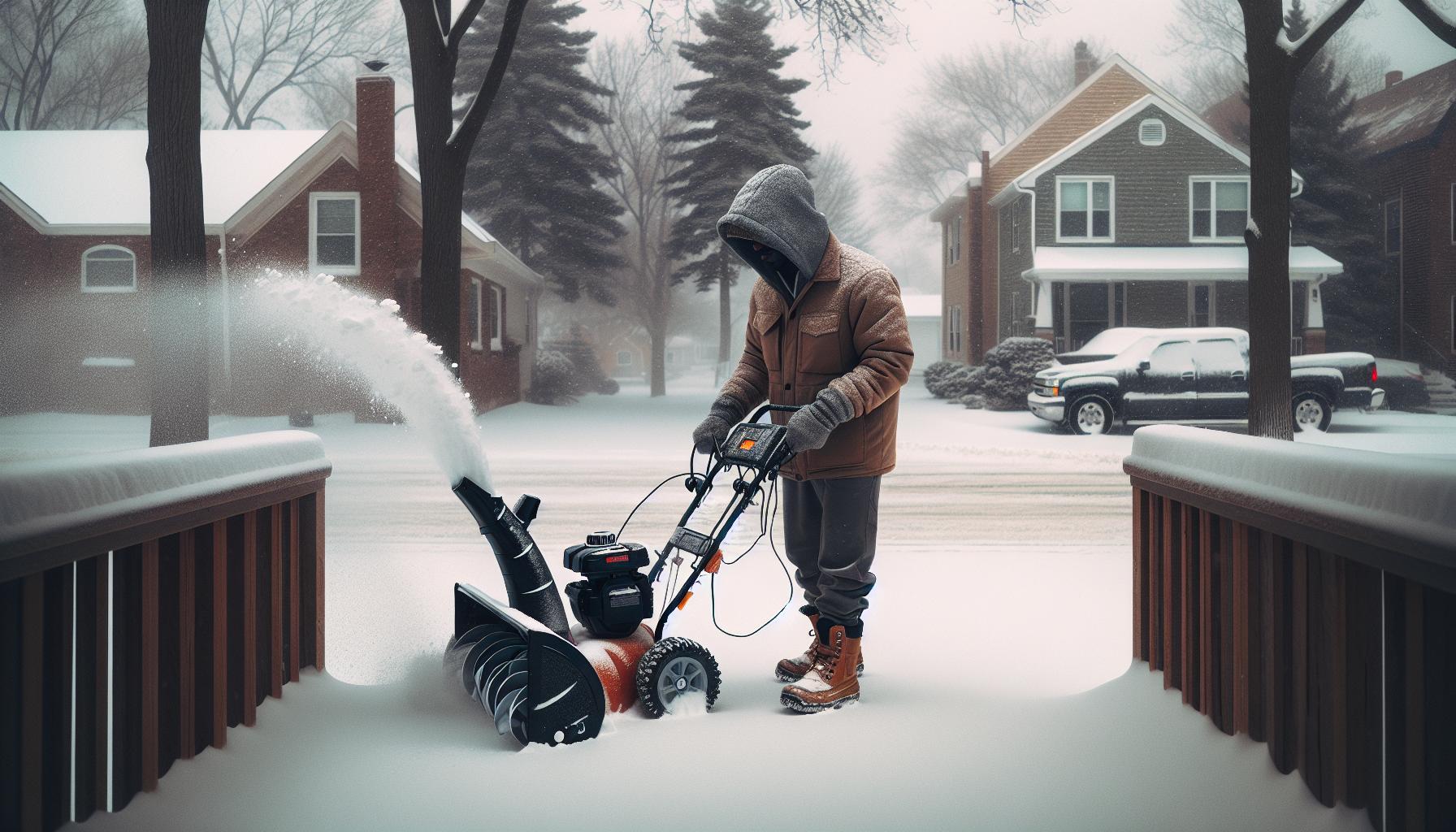
Essential Techniques for Effective Snow Blowing
Using a leaf blower to tackle snow removal can be surprisingly effective when you apply the right techniques. These tools are particularly useful in managing light, powdery snow which is much easier to blow away compared to wet, heavy snow. To maximize efficiency and effectiveness during snow blowing, familiarize yourself with these essential strategies.
Firstly, consider the direction of the wind. Ideally, you should work with the wind at your back, allowing the blower to take advantage of natural airflow to push the snow away from surfaces. Start moving in a sweeping motion, where you gradually blow the snow away from the areas you want to clear. This method helps create a clear path without leaving piles of snow behind, which can happen if you blow everything to one side. You will also want to adjust the speed settings on your blower. Starting with a higher speed can initially loosen the snow, followed by a lower speed for precision blowing.
Layering Technique
An effective technique for dealing with deeper accumulations of snow is to work in layers. For snow that has piled up to about six inches or more, begin by removing the top layer of powder first. This allows you to expose the firmer layer underneath, making it easier to handle. Once that top layer is cleared, you can then move on to the more compact snow below, adjusting your approach as needed. Keeping your blower angled down slightly helps maximize efficiency and minimizes snow resistance.
Working in Sections
Instead of trying to tackle a large area all at once, break down the task into manageable sections. This helps maintain focus and reduces fatigue. By dividing areas into smaller blocks, you can ensure that you are not missing spots and can monitor your progress closely. Additionally, if you encounter stubborn patches of snow, it may be beneficial to slightly pivot the blower angle or return to those spots from a different direction for a more direct hit.
Remember to take breaks as needed, particularly if you’re working for extended periods. Since using a leaf blower for snow removal requires repetitive motions, pacing yourself can help prevent physical strain.
By following these techniques, you can efficiently use your leaf blower for snow removal, making the process quicker and more enjoyable while ensuring optimal performance.
Safety Tips When Using a Leaf Blower on Snow
Using a leaf blower for snow removal can be an effective and efficient way to clear light, powdery snow. However, it is crucial to prioritize safety while operating this powerful tool, especially in winter conditions. One key aspect to consider is your personal protective equipment (PPE). Always wear safety goggles to protect your eyes from flying snow and debris, as well as ear protection to minimize the noise from the leaf blower. Additionally, wearing gloves can help maintain a secure grip on the blower, especially if temperatures are low and hands feel numb.
Another fundamental safety tip involves being mindful of your surroundings. Before you start blowing snow, take a moment to inspect the area for obstacles such as branches, cars, or pets. Clearing the snow from these areas not only aids visibility but also prevents accidents that could damage property or injure yourself or others. It’s also advisable to keep bystanders at a safe distance. The snow propelled by the blower can be powerful enough to cause injury if it hits someone unexpectedly.
When it comes to operating the leaf blower, proper technique and awareness are essential. Make sure to practice good posture to avoid back strain, and if the snow is particularly deep or hard-packed, consider working in layers to prevent overexertion. Always use the blower on stable, even ground to avoid slipping. If conditions are icy, be extra cautious, as the combination of snow and ice can create hazards not only for you but also for anyone nearby.
Finally, never operate the leaf blower if you feel fatigued or unwell. Snow removal can be physically demanding, and pushing through exhaustion can lead to dangerous mistakes. Take regular breaks, stay hydrated, and listen to your body. By following these safety guidelines, you can enjoy the effectiveness of a leaf blower in winter while maintaining a safe work environment.
Optimal Conditions for Using a Leaf Blower in Snow
To achieve optimal results when using a leaf blower for snow removal, understanding the conditions under which this technique is most effective is crucial. Leaf blowers excel in managing light, fluffy snow-often typified by the dry powder that falls during colder temperatures. This type of snow is generally less compact and easy to displace with the force of air generated by the blower. In contrast, heavier, wet snow poses significant challenges. Such snow, typically clumped and dense, can push against the airflow, rendering leaf blowers less effective and potentially leading to strain on the equipment.
Timing is another essential factor. Using a leaf blower shortly after fresh snow accumulation can yield the best results. If left to settle or compact for several hours or days, snow becomes significantly heavier and more difficult to remove. Therefore, for those living in regions that experience frequent light snowfalls, it’s advisable to clear snow as soon as conditions allow. Clear walkways, driveways, and other areas regularly, utilizing the blower before the snow has a chance to harden.
Environment also plays a role in determining suitability. For instance, using a leaf blower in gusty winds can be counterproductive, as the wind may disperse the snow unpredictably or blow it back toward you. Conversely, a calm, still day presents ideal conditions, allowing the blower’s full potential to be harnessed without interference. Additionally, maintaining a clear path and avoiding obstructions, such as vehicles or equipment, will enhance both your efficiency and safety during operation.
To maximize effectiveness, select an appropriate blower for specific conditions. For very light, powdery snow, even basic gas or electric leaf blowers can suffice. However, considering specialized attachments or more powerful models may be warranted if you often deal with snowy conditions. Such preparations can make winter snow removal with a leaf blower not only viable but remarkably efficient. Remember to check the weather forecasts to anticipate snow thickness and condition, allowing for better planning and execution of snow removal efforts.
Maintaining Your Leaf Blower for Winter Use
To ensure your leaf blower performs at its best during the demanding winter months, proper maintenance is crucial. A well-maintained tool not only performs effectively but also has a significantly longer lifespan, providing you with reliable service every time you need to clear snow. Before the winter season begins, take a few essential steps to prepare your leaf blower for snow removal tasks.
Start with a thorough inspection and cleaning of the leaf blower. Remove any debris or dirt from both the exterior and the air intake, as buildup can restrict airflow and hinder performance. Check the air filter; if it’s dirty, clean or replace it according to the manufacturer’s guidelines. This maintenance step is vital because a clogged filter can reduce efficiency, especially when attempting to blow away snow. Furthermore, inspect the blower’s tubes for any obstructions and ensure they are securely affixed.
Fuel System Considerations
For gasoline-powered leaf blowers, pay close attention to the fuel system. Before winter, either run the machine to empty the tank or add a fuel stabilizer to the gasoline to prevent degradation. Stale fuel can cause starting issues and affect performance when you need to address snow accumulation. If your blower uses a two-stroke engine, be especially diligent about mixing the right fuel-to-oil ratio. Electric models should be checked for cord integrity and the functionality of batteries, ensuring they’re fully charged and ready for use in cold conditions.
Finally, always refer to the manufacturer’s manual for specific maintenance instructions tailored to your model. This guide typically contains valuable information regarding parts that require regular inspections or replacements. Preparing your leaf blower properly before the snow season will enhance its effectiveness, ensuring you stay ahead of snowy accumulations while keeping your pathways safe and clear.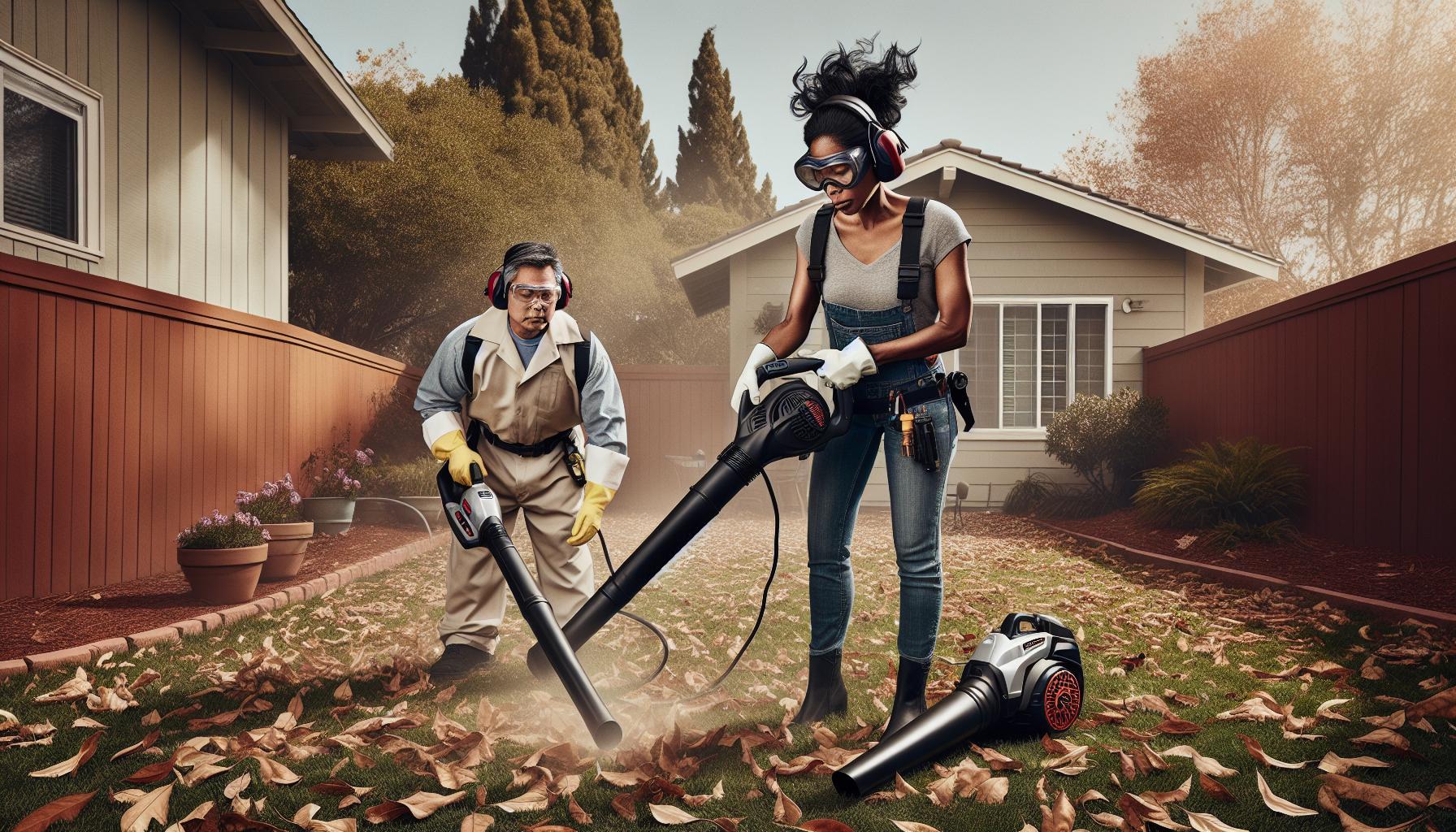
Common Mistakes to Avoid with Leaf Blowers
Using a leaf blower for snow removal can be an effective and efficient method, but many users make critical missteps that can hinder performance or even damage their equipment. One common mistake is using the leaf blower on heavy, wet snow, which can be much more difficult to manage than light, powdery snow. Instead, it’s best to wait until conditions are optimal-typically when snow is fresh and fluffy. Heavy snow, particularly when packed down, requires a different approach, such as using a snow shovel or snow blower, to prevent overstressing the leaf blower’s motor.
Another frequent pitfall is neglecting the importance of angle and approach. Many users simply start blowing from a stationary position without considering wind direction or the most efficient path for snow removal. Blowing snow into areas where it will simply drift back or accumulate-like against a wall-or creating piles that could block walkways, can be counterproductive. Instead, plan a route that allows you to systematically clear spaces, directing the snow away from paths and vehicles.
Additionally, failing to maintain the equipment properly can lead to disappointing results. A leaf blower that has not been cleaned or inspected may struggle to function efficiently, especially in colder temperatures. Leaves, dirt, and other debris can clog filters and exhaust ports, reducing airflow essential for snow removal. Ensuring the blower is thoroughly cleaned after use and before the snow season starts can prevent these issues and improve performance.
Finally, one should not overlook safety considerations. Many users underestimate the power of a leaf blower, not realizing that it can propel snow and debris at high speeds, potentially causing injury or damage. Wearing appropriate safety gear, including goggles and gloves, is vital when operating the machine. It’s also crucial to be aware of your surroundings and ensure that bystanders, particularly children and pets, are at a safe distance while you work. By being mindful of these potential mistakes, you’ll not only enhance your snow removal efforts but also extend the life of your leaf blower and keep those around you safe.
Enhancing Performance: Accessories and Modifications
Using a leaf blower for snow removal can significantly enhance your efficiency in clearing outdoor spaces, but when it comes to optimizing performance, the right accessories and modifications can make a world of difference. By tailoring your setup, you not only improve your equipment’s effectiveness but also make the process smoother and more enjoyable. Here are several ways to enhance your leaf blower specifically for snow removal tasks.
Upgraded Nozzles and Attachments
One of the simplest yet most effective modifications is using specialized nozzles designed for snow removal. These attachments can help concentrate airflow and increase the velocity of snow being blown, allowing for easier removal of even stubborn patches. Some users have reported that a high-velocity nozzle can significantly reduce the effort needed to clear snow, particularly in driveways and pathways.
Battery and Fuel Considerations
The performance of your leaf blower can also be greatly influenced by its power source. For electric leaf blowers, it’s crucial to use fully charged batteries and consider investing in high-capacity models that provide extended run times. If you have a gas-powered blower, ensure you use fresh fuel and the appropriate oil mix, which can keep the engine running smoothly in cold temperatures. Cold weather can affect battery performance, so having a backup battery or two on hand can be a lifesaver during winter storms.
Ergonomic Enhancements
Make your snow removal task easier by considering ergonomic modifications. Adding padded straps for shoulder support can reduce fatigue during long snow-clearing sessions. Furthermore, if your leaf blower is fairly heavy, using a wheeled cart can help transport it effortlessly from storage to the worksite, reducing strain on your back and arms.
Regular Maintenance and Upkeep
Lastly, don’t overlook the importance of regular maintenance as a way to enhance performance. Keeping the air filters clean, inspecting for any debris build-up, and checking the motor for wear can prevent decreased efficiency as the season progresses. A well-maintained leaf blower not only performs better but also extends its lifespan, providing reliable service throughout the winter.
By incorporating these enhancements, you can maximize the capabilities of your leaf blower, transforming it into a powerful ally in your winter snow removal efforts.
Storing Your Leaf Blower After the Snow Season
Proper storage of your leaf blower at the end of the snow removal season is crucial for maintaining its performance and longevity. A well-stored leaf blower not only saves you time and money on repairs but also ensures it’s ready for action when the next snowfall arrives. As the winter season comes to an end, follow these essential steps to effectively store your leaf blower.
Cleaning and Maintenance
Before storing your leaf blower, clean it thoroughly to remove any snow, ice, and debris. Use a soft brush or cloth to wipe down the exterior and clear the air intake and exhaust vents. Inspect the airflow components for clogs, and check the condition of the filters and spark plug if applicable. This cleaning routine helps prevent corrosion and the buildup of unwanted residue, ensuring that your blower remains in peak condition for future use.
Proper Fuel Management
For gas-powered models, take precautions regarding the fuel. If possible, run the blower until the fuel tank is empty, preventing any old fuel from sitting in the carburetor, which can lead to engine issues. Alternatively, you can add a fuel stabilizer to the remaining gas to help keep it fresh throughout the off-season. For electric blowers, make sure to remove the battery and store it in a cool, dry place, ideally at half charge, to prolong its life.
Storage Environment
Choose an appropriate storage environment to protect your leaf blower from temperature extremes and moisture. A dry, ventilated area within a garage or shed is ideal. Avoid leaving it outside or in damp conditions, which can lead to rust and electrical issues. Store the blower in its original packaging if possible, or use a dedicated shelf to keep it off the ground and away from potential water damage.
Regular Checks
Once your leaf blower is properly stored, commit to checking it periodically during the off-season. This can involve simple tasks like checking for any signs of moisture or pest intrusion. When the first signs of snow appear, give your blower a quick verification-check the battery, inspect the spark plug, and fire it up to ensure it’s as ready as ever for the winter challenges ahead.
By following these storage tips, you can ensure your leaf blower remains in excellent condition and ready for efficient snow removal when winter returns, allowing you to tackle those snowy days with confidence.
User Experiences: Success Stories and Tips
Many users have discovered the effectiveness of using a leaf blower for snow removal, especially in handling lightweight, fluffy snow. A common success story comes from homeowners who faced frequent, time-consuming battles with shoveling. After a few tries with a leaf blower, they reported significantly reduced effort and time spent clearing driveways and sidewalks, particularly after light snowfalls. One enthusiast noted, “Using my leaf blower was a game-changer; I could clear my driveway in under 10 minutes rather than sweating it out with a shovel for half an hour.”
When sharing tips, many users stress the importance of choosing the right blower. For example, leaf blowers with high cubic feet per minute (CFM) ratings tend to perform better in snow removal, making the task more efficient. Users encourage newcomers to upgrade to models capable of blowing 400 CFM or more, especially if they live in areas where snow falls frequently. Another recommendation is to use leaf blowers on powdery snow rather than wet, heavy snow, which can clog the machine and lead to ineffective snow removal.
Some users have also discovered unique techniques that enhance the snow blowing process. For instance, working from a corner of the driveway or sidewalk and blowing snow outwards rather than towards the center can create a more efficient workflow. Additionally, setting the blower on a slightly inclined position can help direct snow away from pathways instead of merely redistributing it. Safety is a concern, with veterans advising that it’s crucial to stay clear of slippery areas to prevent falls and to wear appropriate footwear.
Lastly, several individuals suggest pairing the leaf blower with other tools for best results. For instance, they might use a snow shovel to remove stubborn patches afterward. By sharing these personal experiences and practical advice, users not only help each other achieve better results in snow removal but also transform a cumbersome winter chore into a quicker, less labor-intensive process.
Troubleshooting Common Issues with Snow Removal
Trying to clear snow with a leaf blower can sometimes come with a few unexpected challenges. Understanding how to troubleshoot common issues not only enhances efficiency but also extends the life of your equipment. For instance, one of the most frequent problems users encounter is snow clogging the blower. This typically happens when attempting to clear wet or heavy snow, which can easily overwhelm the machine. To mitigate this, it’s crucial to monitor the type of snow you are dealing with-light, powdery snow is ideal for leaf blowers, while heavier accumulations might be better suited to traditional shoveling or utilizing a snow shovel for stubborn sections first.
Another common issue is the blower’s power and performance. Users sometimes find that their leaf blower struggles with snowfall greater than six inches, or the airflow seems inadequate. In such cases, checking the air filter and ensuring it is clean of debris can help restore optimal performance. Additionally, a battery-operated model may require a fully charged battery to prevent subsiding power during use. If you find that your blower is not performing as expected, consider upgrading to models with higher cubic feet per minute (CFM) ratings, generally recommended to be above 400 CFM for effective snow removal.
Weather conditions can also affect your blower’s performance. If the temperature is extremely low, you may notice that the plastic components become brittle, increasing the risk of snapping. To counter this, ensure your blower is stored in a temperature-controlled area before use. Furthermore, using the blower in excessive winds can lead to heavy snow being blown back towards you; positioning yourself downwind while beginning from an upwind point allows you to work with nature rather than against it.
Finally, always have a backup plan for when the blower isn’t enough-having a shovel on hand can expedite the clearing process when faced with unexpected complications. Sharing tips and experiences with fellow users can also provide insights into overcoming specific challenges, helping to create a community of optimized snow removal practices.
Faq
Q: Can all leaf blowers be used for snow removal?
A: Not all leaf blowers are suitable for snow removal. Generally, only leaf blowers capable of handling light, powdery snow are effective. Heavy, wet snow typically requires a snow blower. Assess your leaf blower’s power and capabilities before attempting snow removal [1].
Q: When is the best time to use a leaf blower to clear snow?
A: The ideal time to use a leaf blower for snow removal is during or immediately after light snowfall when the snow is dry and powdery. This ensures the blower can effectively displace the snow without clogging [2].
Q: What safety precautions should be taken when using a leaf blower on snow?
A: When using a leaf blower for snow removal, wear appropriate winter clothing, eye protection, and gloves. Be cautious of your surroundings and avoid blowing snow towards vehicles or pedestrians to ensure safety [1].
Q: How do I prepare my leaf blower for use in snowy conditions?
A: To prepare your leaf blower for snowy conditions, check the battery (if electric), ensure the nozzle is clear, and consider using a finer-grit nozzle for better airflow. Familiarize yourself with the blower’s controls and features to enhance performance during snow removal [2].
Q: What are the common mistakes to avoid when using a leaf blower for snow removal?
A: Common mistakes include attempting to blow heavy, wet snow, using the blower in windy conditions, and failing to adjust settings for optimal airflow. These can lead to ineffective snow removal and potential damage to the blower [1].
Q: How can I enhance my leaf blower’s performance for snow removal? With your newfound knowledge on effectively using a leaf blower for snow removal, there’s no reason to dread the winter months! This efficient and touchless method not only saves you time but also protects your vehicle’s finish while removing light, powdery snow. Don’t wait for the next snowfall; put your leaf blower to use and enjoy a clear driveway in moments. For more tips on outdoor maintenance, explore our articles on the best leaf blower models and winter care strategies. If you’re still wondering about the benefits or have any concerns, feel free to join the discussion in the comments below or reach out to our community for insights and experiences. Ready to elevate your winter game? Sign up for our newsletter to stay updated on the latest tips and tricks! Embrace winter with confidence and transform how you handle snow today!
A: Enhance your leaf blower’s performance by using attachments that increase airflow and allow for better snow displacement. Regularly clean the blower to prevent clogging and ensure optimal functionality throughout the winter In Retrospect